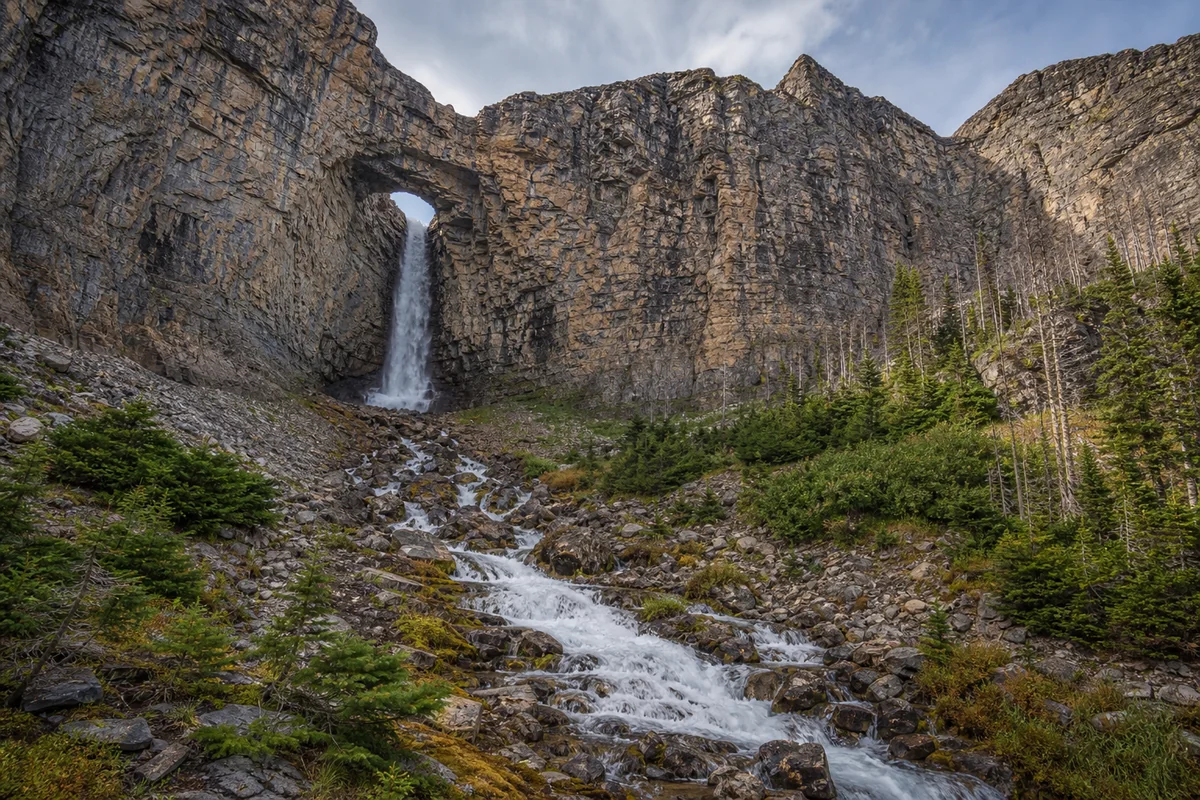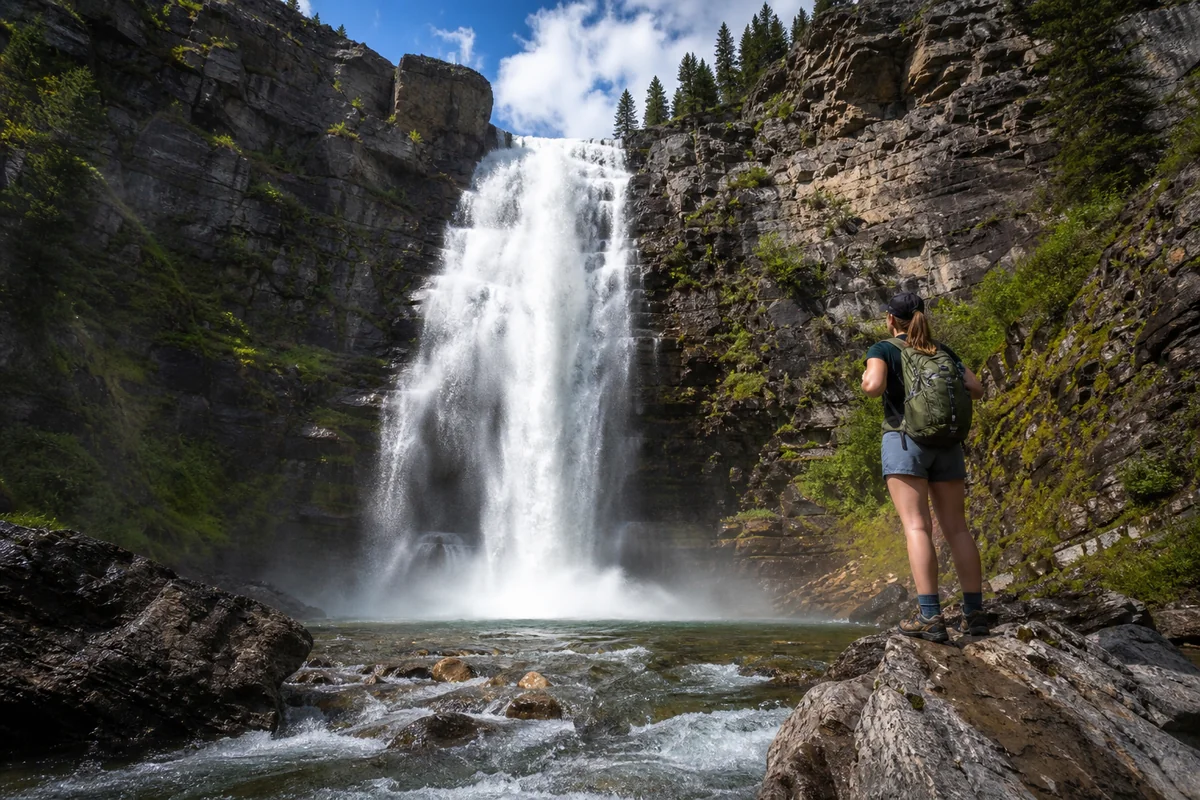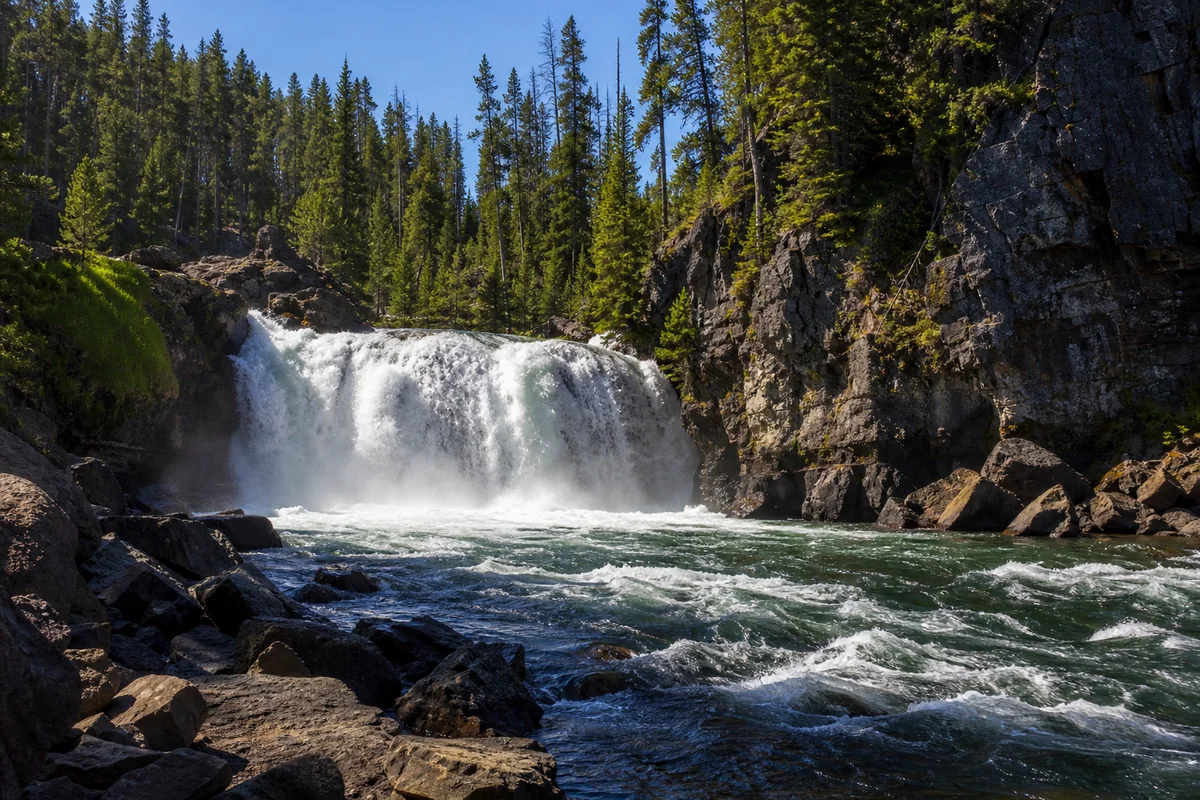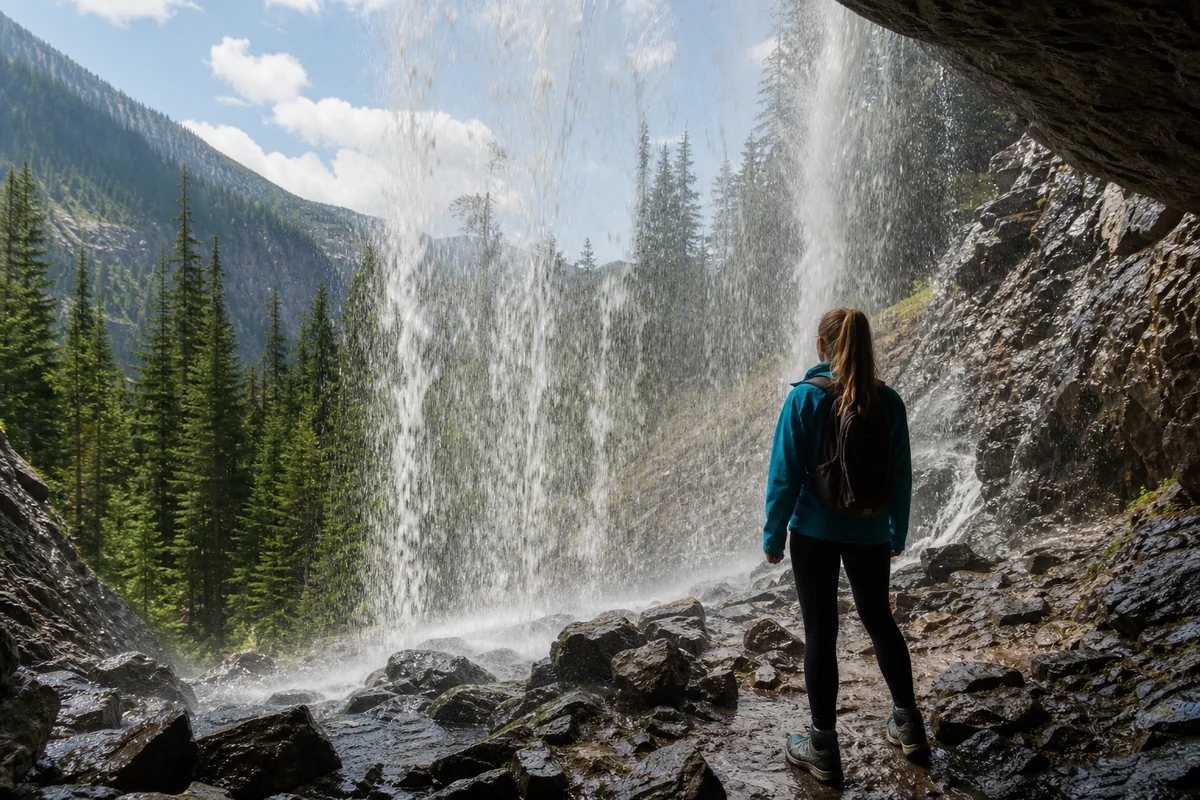
Standing behind the thundering curtain of Grotto Falls last August, feeling the cool mist soak through my jacket while watching sunlight dance through the cascade, I understood why this hidden gem near Bozeman draws hikers back season after season.
Among the many Montana waterfalls I’ve explored over the years, Grotto Falls offers something genuinely rare—the chance to walk directly behind a 30-foot waterfall and experience its raw power from an entirely different perspective.
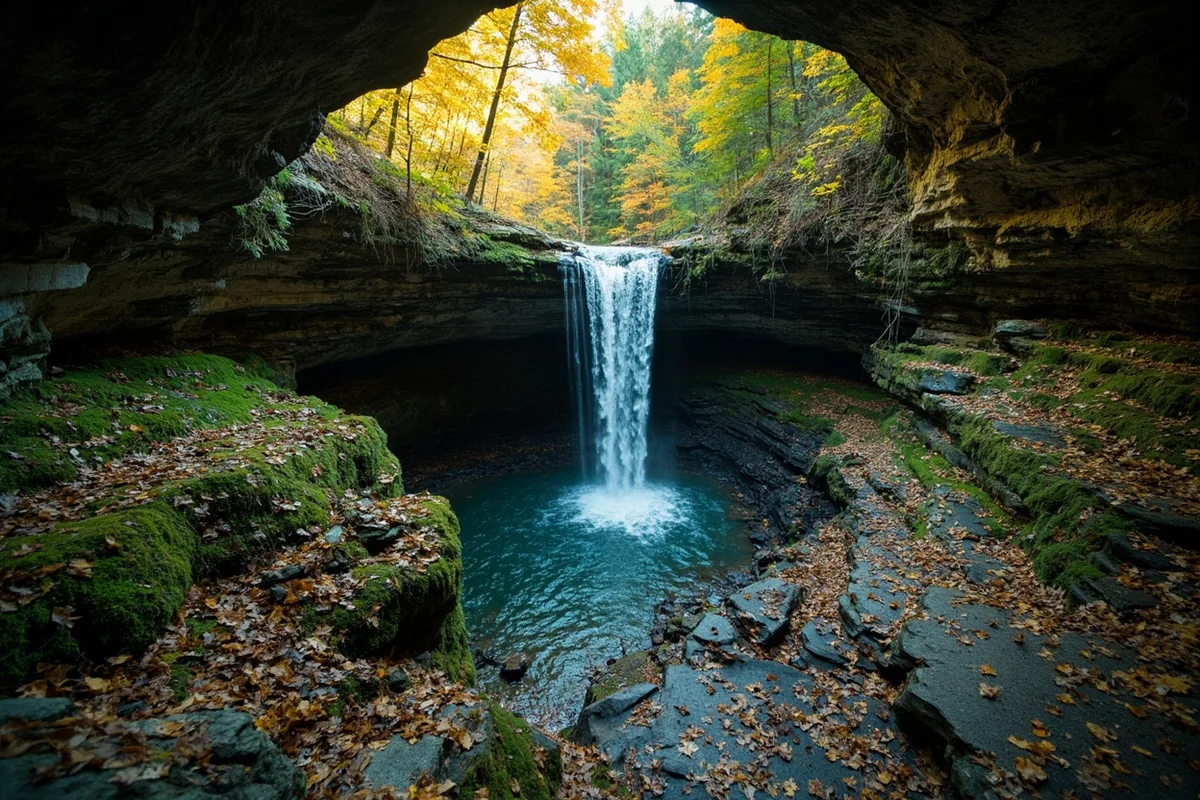
- Grotto Falls is located in Hyalite Canyon, about 30 minutes south of Bozeman
- The hike is 2.6 miles roundtrip with approximately 520 feet elevation gain
- Best visited June through September for optimal water flow and trail conditions
- You can walk behind the waterfall—bring waterproof gear and a camera with protection
- Arrive before 9 AM on summer weekends to secure parking at the popular trailhead
- Combine with nearby Palisade Falls for a full day of waterfall chasing
Liked this article?
Add Roaming Montana as a preferred source so you see more of our articles and guides on Google.
Why Grotto Falls Deserves a Spot on Your Montana Itinerary
I’ll be honest—when I first heard about Grotto Falls, I was skeptical. Montana has so many incredible waterfalls that another 30-footer didn’t immediately grab my attention.
But then a local friend in Bozeman mentioned the walk-behind feature, and everything changed.
Not many waterfalls in Montana allow you to step into a natural alcove behind the falling water. The experience transforms a typical waterfall viewing into something almost magical—you’re not just observing nature’s power, you’re immersed in it.
During my visit, I spent nearly 45 minutes behind that curtain of water, watching other hikers’ faces light up as they discovered the grotto for themselves. It reminded me of the same awe I felt when I first discovered Ousel Falls near Big Sky, though the experiences are quite different.
Understanding the Hyalite Canyon Location
Grotto Falls sits within the Custer Gallatin National Forest in Hyalite Canyon, one of the most accessible recreation areas near Bozeman. The canyon is essentially a playground for outdoor enthusiasts, with ice climbing in winter, rock climbing in summer, and world-class hiking year-round.
The waterfall itself forms where Hyalite Creek drops over a resistant ledge of ancient volcanic rock, creating the distinctive grotto or cave-like formation behind the falls. Geologists tell us this rock formation dates back millions of years, sculpted over eons by relentless water.
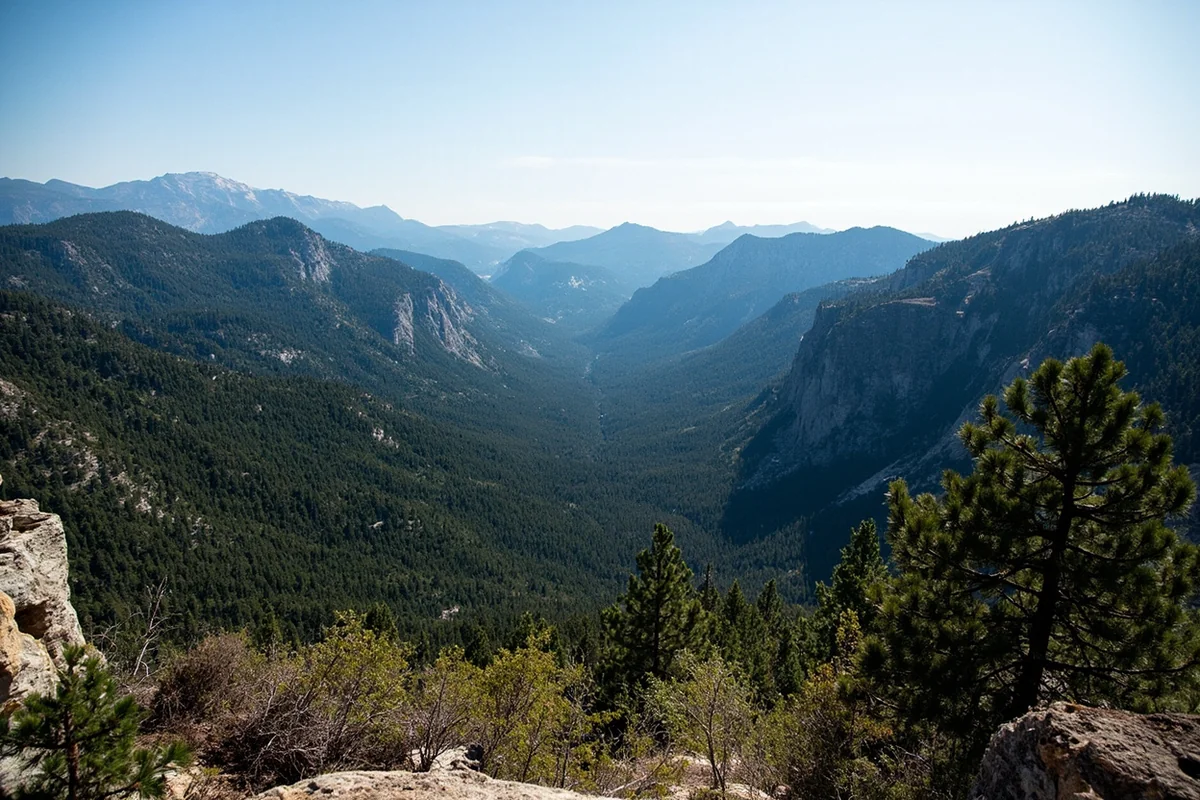
What I appreciate about this location is how different it feels from the more famous waterfalls in Glacier National Park. While destinations like Saint Mary Falls or Running Eagle Falls require significant travel to reach, Grotto Falls offers that same Montana waterfall magic just minutes from a major city.
The canyon road itself is an experience worth mentioning. The drive up Hyalite Canyon Road passes through towering evergreens with occasional meadow openings where I’ve spotted moose, deer, and once, a black bear ambling across the road.
Getting to the Grotto Falls Trailhead
Driving Directions from Bozeman
From downtown Bozeman, head south on South 19th Avenue. This road eventually becomes Hyalite Canyon Road as you leave town.
Continue straight for approximately 7 miles until you enter the Custer Gallatin National Forest. You’ll pass Hyalite Reservoir, which is worth a stop if you have time—the views are spectacular.
Past the reservoir, look for the Grotto Falls Trailhead parking area on your left. The drive takes about 25-30 minutes in good conditions, though I recommend adding buffer time during peak season.
Parking Situation and Tips
Here’s where I need to give you the real talk. The Grotto Falls trailhead parking lot is small—maybe 15-20 vehicles at most.
During my August visit, I arrived at 8:30 AM on a Saturday thinking I was being clever. The lot was already three-quarters full. By 10 AM when I finished my hike, cars were parked along the road for a quarter mile.
My advice? If you’re visiting on a summer weekend, arrive by 8 AM at the latest. Weekdays are significantly less crowded—during a Wednesday visit last September, I had the parking lot nearly to myself at 10 AM.
| Day | Recommended Arrival Time | Expected Crowd Level |
|---|---|---|
| Summer Weekend | Before 8:00 AM | Very High |
| Summer Weekday | Before 10:00 AM | Moderate |
| Fall Weekend | Before 9:00 AM | Moderate to High |
| Fall Weekday | Anytime | Low |
| Spring (May-June) | Before 9:00 AM | Moderate |
The Grotto Falls Trail: What to Expect
Trail Statistics and Difficulty
The Grotto Falls Trail is generally considered easy to moderate, making it accessible for most fitness levels.
Total distance runs about 2.6 miles roundtrip, with approximately 520 feet of elevation gain. I completed the hike in just under an hour, though I’d recommend budgeting 1.5-2 hours to fully enjoy the waterfall and surroundings.
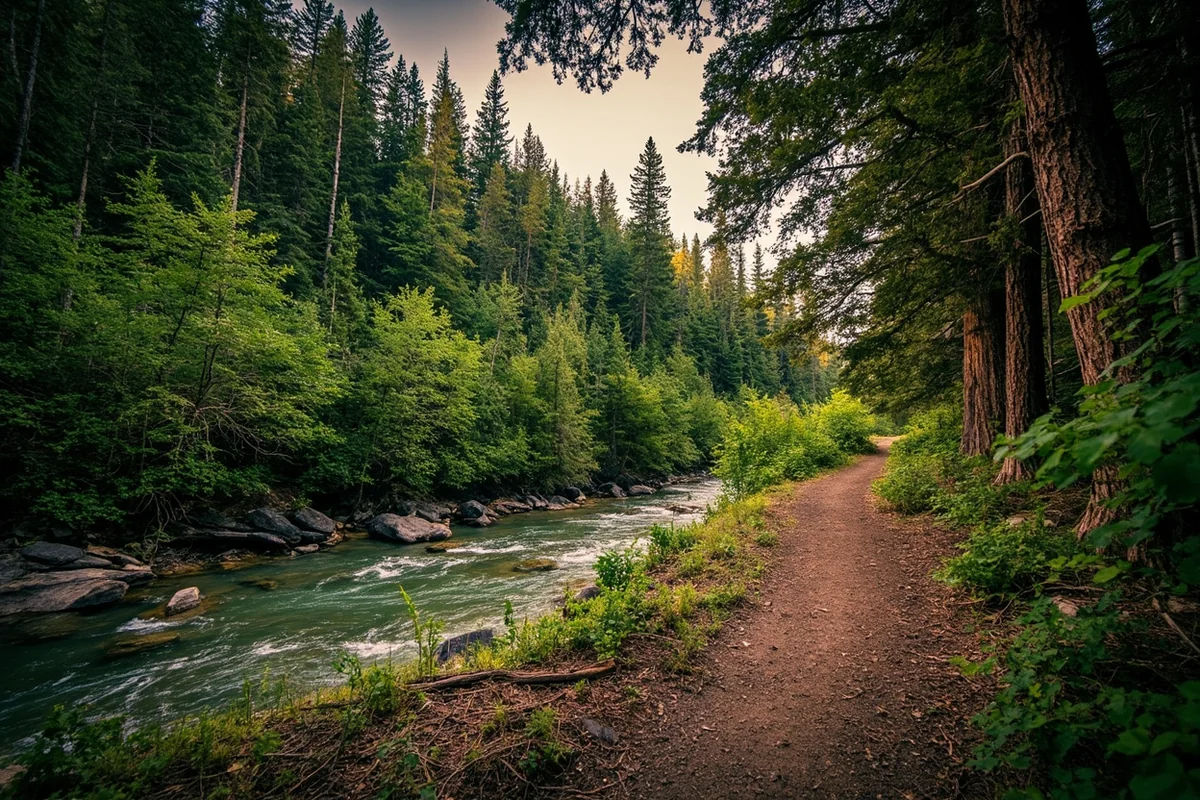
The trail follows Hyalite Creek for much of its length, providing constant pleasant background noise and several opportunities to cool off on hot days.
Trail Conditions Throughout the Hike
The first half-mile follows a well-maintained path through mixed conifer forest. The trail is wide here, and I noticed families with young children managing it without difficulty.
After the initial section, the trail begins a gradual climb. The footing becomes a bit more uneven with exposed roots and some rocky sections, but nothing technical.
When I hiked in early August, I encountered one muddy section about halfway up where a small stream crosses the trail. My hiking boots handled it fine, but I watched someone in sneakers have to do some creative rock-hopping.
The final approach to the falls involves a steeper pitch with some natural stone steps. Take your time here—the rocks can be slippery from spray, especially closer to the waterfall.
Trail Markers and Navigation
Navigation is straightforward. The trail is well-signed at the beginning, and the path is obvious throughout.
You’ll see a few social trails branching off, but the main route is always the most worn. When in doubt, follow the sound of water—it gets louder as you approach.
I didn’t need any navigation tools for this hike, though I always carry a downloaded map on my phone as a backup.
Experiencing Grotto Falls Up Close
The Main Viewing Area
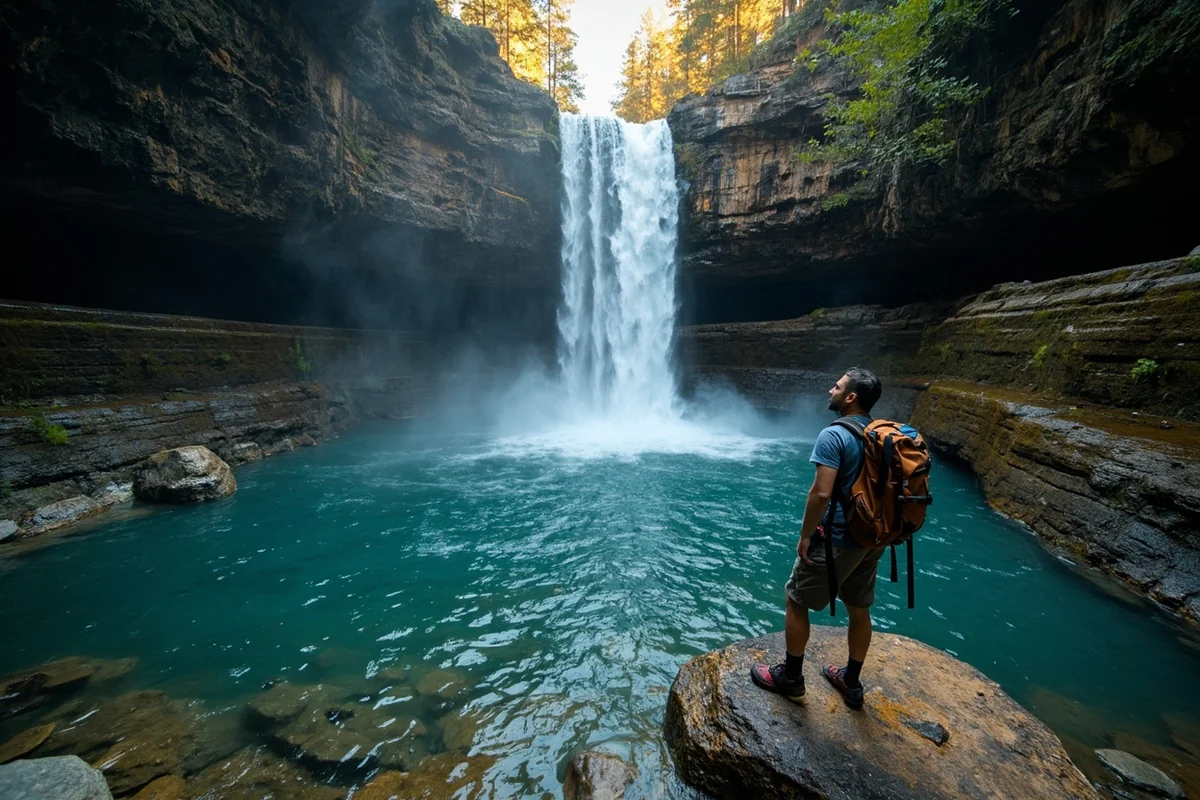
As you approach the falls, the trail opens to a viewing area with clear sightlines to the entire cascade. This spot offers the classic postcard view—the water tumbling down into a pool surrounded by moss-covered rocks.
During my visit, I watched several photographers set up tripods here to capture long-exposure shots. The morning light filtering through the trees created absolutely perfect conditions.
From this vantage point, you can already see the dark opening behind the falls that gives Grotto Falls its name.
Walking Behind the Waterfall
This is the experience that makes Grotto Falls special, and I need to set proper expectations.
The “walk behind” isn’t a casual stroll. You’ll need to navigate some wet rocks and squeeze through a narrow passage. During peak flow in June or early July, you will get wet—there’s no avoiding it.
When I went behind in August, the flow had decreased enough that careful positioning kept me mostly dry, except for the fine mist that permeated everything.
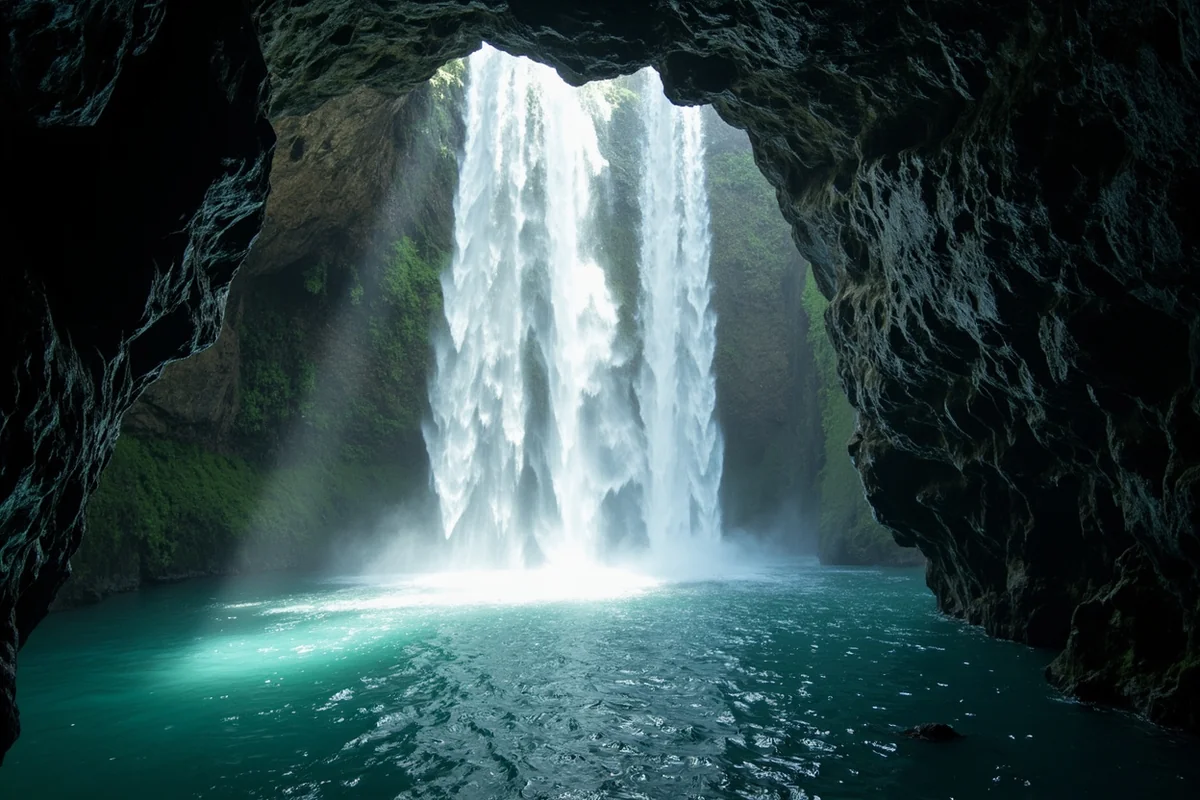
The grotto itself is a natural alcove carved into the rock face. It’s not huge—maybe room for 6-8 people comfortably—but standing there with water thundering down inches from your face creates an unforgettable sensory experience.
The acoustics are fascinating. Inside the grotto, the roar of the waterfall becomes almost meditative, drowning out any other sounds. I found it oddly peaceful despite the chaos of water.
Safety Considerations for the Grotto
I want to be direct about safety because I’ve seen people make questionable decisions here.
The rocks inside and around the grotto are extremely slippery. During my visit, I watched someone slip and nearly fall into the pool. They were fine, but it could have been much worse.
Wear shoes with good traction—hiking boots or trail runners are ideal. Sandals or flip-flops are genuinely dangerous here.
The water is cold. Really cold. We’re talking snowmelt cold, even in August. A fall into the pool won’t be life-threatening for most people, but it will definitely ruin your day.
During spring runoff or after heavy rains, the force of the water increases dramatically. If the flow looks intimidating, trust your instincts and enjoy the falls from the viewing area instead.
Best Time to Visit Grotto Falls
Seasonal Breakdown
Late Spring (May-June): This is prime time for water volume. The falls rage with snowmelt, creating dramatic spray that extends well beyond the grotto. However, the trail can be muddy, and walking behind the falls may not be possible or safe due to the intense flow.
Summer (July-August): My personal favorite time to visit. Water flow remains strong but manageable, the trail is dry, and the grotto access is typically safe. Crowds peak during this period, so early mornings are essential.
Early Fall (September-October): The crowds thin dramatically, and fall colors begin appearing in the canyon. Water volume decreases but remains scenic. I visited in late September once and practically had the falls to myself on a Tuesday morning.
Winter: The trail becomes difficult to navigate with snow, and the canyon road may close during heavy snowfall. However, experienced winter hikers can find the falls transformed with ice formations. I haven’t done this personally but have seen photos that are stunning.
Time of Day Recommendations
Morning light hits the falls best from roughly 8-10 AM, creating that golden glow photographers love.
Midday visits work fine but produce harsh shadows and less interesting light. The grotto actually stays relatively cool even in hot afternoon sun, making it a welcome respite.
Late afternoon light returns around 5-6 PM in summer, though you’ll want to ensure enough daylight for the hike out.
What to Bring for Your Grotto Falls Hike
Essential Gear
Based on multiple visits, here’s what I never hike Grotto Falls without:
- Waterproof jacket or poncho: Even if you don’t plan on entering the grotto, spray can reach you at the viewing area
- Hiking boots with grip: The wet rocks demand proper footwear
- Water bottle: The hike isn’t long, but hydration matters in Montana’s dry climate
- Snacks: You’ll want to linger at the falls, and a protein bar makes that more comfortable
- Camera protection: A waterproof case or dry bag keeps your phone safe in the spray zone
- Microfiber towel: Small and packable, perfect for drying off after the grotto experience
Optional But Recommended
- Change of clothes in the car: If you go full grotto immersion, you’ll appreciate dry clothes for the drive home
- Trekking poles: Helpful for the rocky sections, especially on the descent
- Binoculars: The canyon supports diverse birdlife, and I’ve spotted dippers and various raptors
- Insect repellent: Mosquitoes can be aggressive in early summer near the creek
Combining Grotto Falls with Other Hyalite Canyon Attractions
Palisade Falls
Just down the road, Palisade Falls offers a completely different waterfall experience. The trail is paved and wheelchair-accessible, leading to an 80-foot cascade that’s more dramatic in height than Grotto but lacks the walk-behind feature.
I typically recommend doing Palisade Falls first since the parking lot fills up even faster, then heading to Grotto Falls afterward.
Hyalite Reservoir
The reservoir provides excellent fishing, kayaking, and picnicking opportunities. On my most recent trip, I packed a lunch and ate at one of the lakeside picnic areas after my hike.
The water stays cold year-round, but I’ve seen brave souls swimming in late July.
Other Hyalite Canyon Hikes
The canyon contains numerous other trails if you’re feeling ambitious. The Hyalite Peak trail offers a challenging climb with panoramic views, while the Emerald and Heather Lakes trail provides a longer waterfall-laden adventure.
Grotto Falls Photography Tips
Gear Recommendations
I’m not a professional photographer, but I’ve learned a few things about shooting waterfalls through trial and error.
A polarizing filter cuts glare on the wet rocks and water surface. I noticed a dramatic difference in my photos after investing in a decent one.
For the silky water effect, you’ll need a tripod and a neutral density filter to enable longer exposures during daylight. Without these, your waterfall photos will look frozen in time rather than flowing.
Best Compositions
The obvious shot is from the main viewing area, capturing the full height of the falls.
But don’t miss the view from below, looking up at the cascade from near the pool. This angle emphasizes the height and power of the water.
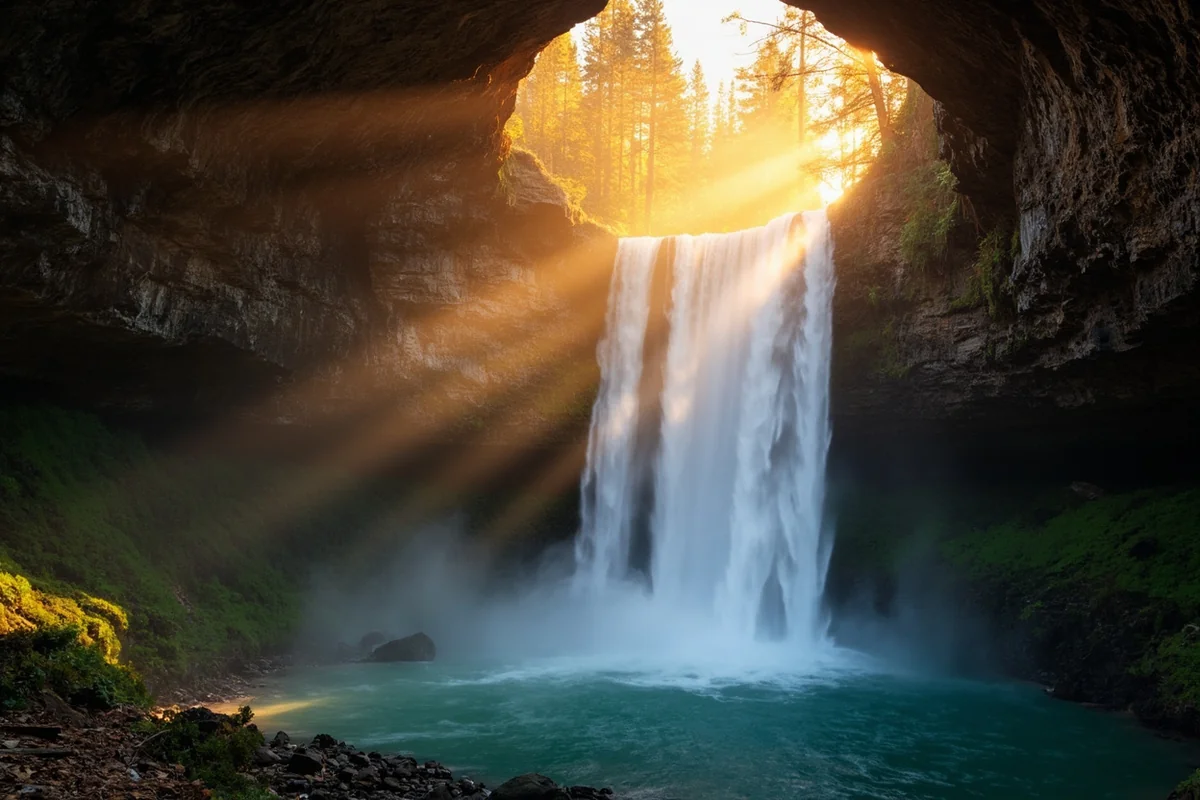
My favorite shots actually came from inside the grotto, shooting outward through the water curtain. The backlit water creates an ethereal effect that I haven’t captured at any other Montana waterfall.
For context, I got similarly interesting behind-the-falls perspectives at Memorial Falls up near Browning, though that hike is considerably more challenging.
Wildlife and Natural Features Along the Trail
Wildlife to Watch For
Hyalite Canyon supports healthy populations of deer and moose, and I’ve encountered both on the Grotto Falls trail.
The moose sightings typically occur near the creek crossings where they feed on willow. Give them wide berth—moose can be aggressive, especially cows with calves.
I’ve also spotted American dippers (water ouzels) doing their characteristic bobbing along Hyalite Creek. These remarkable birds walk underwater to feed, and watching them work is endlessly entertaining.
Bear activity occurs in the canyon, though I’ve never personally encountered one on this trail. Standard bear awareness practices apply—make noise, carry bear spray, and store food properly.
Flora and Vegetation
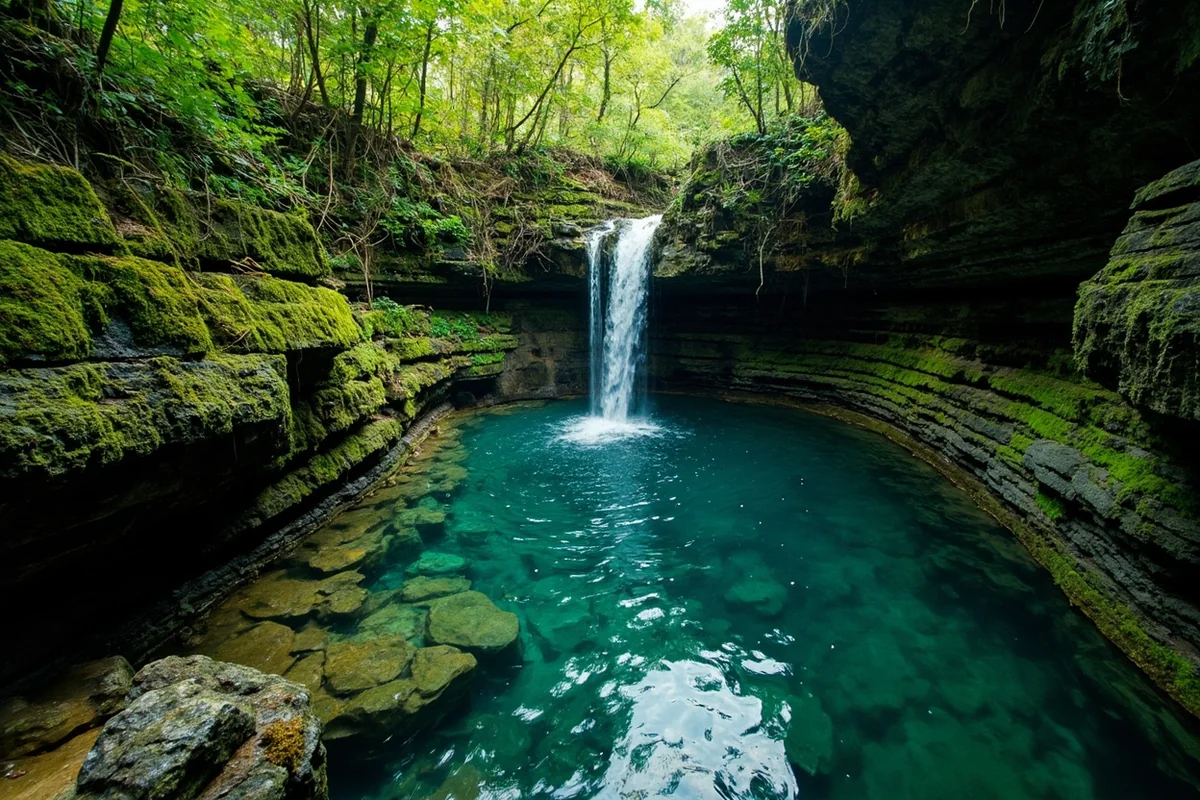
The forest consists primarily of lodgepole pine with scattered Douglas fir and spruce. Near the falls, the increased moisture supports lush fern and moss growth that makes the area feel almost Pacific Northwest-like.
In late summer, I noticed ripe huckleberries along portions of the trail. Tempting, but remember that bears love them too.
Wildflowers bloom profusely in early to mid-summer, with columbine and Indian paintbrush adding splashes of color to the forest understory.
Practical Information for Planning Your Visit
Fees and Permits
As of my last visit, no fee or permit was required for hiking to Grotto Falls. The Custer Gallatin National Forest may implement a parking fee system in the future given increasing visitation, so check current requirements before your trip.
Cell Phone Service
Service is spotty throughout Hyalite Canyon. I had occasional signal at the trailhead with Verizon, but nothing reliable on the trail itself.
Download offline maps before your visit if you like having GPS backup.
Restroom Facilities
A vault toilet exists at the trailhead parking area. It’s basic but functional. No facilities exist along the trail or at the falls.
Trail Etiquette
The trail sees heavy use, so standard courtesies matter. Yield to uphill hikers, pack out all trash, and keep noise levels reasonable.
Dog-friendly note: Dogs are allowed on leash. The trail works well for dogs, though the grotto area can be tricky for four-legged friends due to slippery rocks.
Where to Stay Near Grotto Falls
Bozeman Options
Bozeman offers the full range of accommodation options, from budget motels to upscale hotels. I’ve stayed at several downtown properties and appreciate the walkability to restaurants and breweries after a day of hiking.
For something more unique, several bed and breakfasts operate in the area with that small-town Montana hospitality.
Camping
Multiple campgrounds exist within Hyalite Canyon if you prefer staying close to the action. Hood Creek Campground sits near the trailhead and provides a convenient base for early morning hikes.
Reservations are recommended during summer months—I’ve been turned away from full campgrounds on busy weekends.
Comparing Grotto Falls to Other Montana Waterfalls
Having chased waterfalls across Montana for years, I can offer some honest comparisons.
For sheer spectacle, Kootenai Falls in northwestern Montana is hard to beat—it’s wider and more powerful than Grotto Falls.
For a similar walk-behind experience with more challenge, Holland Lake Falls in the Swan Valley rewards a longer hike with stunning alpine scenery.
If you’re exploring Glacier National Park, waterfalls like Piegan Falls and Redrock Falls offer that classic glacial-fed cascade experience, though neither has the grotto feature.
For accessibility near a major Montana city, Grotto Falls stands in a class with Morrell Falls near Seeley Lake and Lost Creek Falls in Paradise Valley. All three provide rewarding waterfall experiences without requiring all-day expeditions.
Common Mistakes to Avoid
Based on what I’ve observed and experienced, here are the pitfalls to dodge:
Arriving late on summer weekends: The parking situation is no joke. I cannot stress this enough.
Wearing inappropriate footwear: Those slippery rocks have claimed dignity and ankles alike. Proper hiking shoes are non-negotiable.
Expecting a dry experience at the grotto: If you’re going behind the falls during high flow, embrace the wet. Fighting it just leads to frustration.
Rushing through: The temptation to snap a quick photo and leave is real when others are waiting. But this place deserves time. Find a quiet moment at the viewing area or along the creek to simply absorb the environment.
Forgetting sun protection: The canyon can feel shaded, but the trail has exposed sections where Montana’s intense sun can surprise you.
Making the Most of Your Grotto Falls Experience
After multiple visits across different seasons, I’ve developed a personal playbook for Grotto Falls that maximizes the experience.
I arrive at the trailhead by 7:30 AM during peak season. This means leaving Bozeman by 7 AM, which feels early but pays dividends in parking availability and trail solitude.
The hike up takes me about 30-40 minutes at a comfortable pace. I spend the first visit at the main viewing area, taking photos and simply watching the water.
Then I carefully make my way to the grotto, spending as much time as conditions allow behind the falls. This is the soul of the experience, and rushing it misses the point.
On the descent, I stop at one of the creek-side spots to rest and maybe filter some water for the journey. The forest feels different when you’re not focused on reaching a destination.
Back at the car by 9:30 or 10 AM, I have the rest of the day open for exploring more of Hyalite Canyon or heading elsewhere in the Bozeman area.
This approach has never failed to deliver a satisfying experience.
Final Thoughts on Grotto Falls
Montana offers countless beautiful waterfalls, from the powerful cascades of Glacier to hidden gems tucked away in remote wilderness. Grotto Falls occupies a special place in this pantheon—accessible enough for a half-day trip from Bozeman, yet wild enough to feel like a genuine adventure.
The walk-behind feature sets it apart from nearly every other waterfall in the state. That experience of standing in the grotto, feeling the temperature drop and the sound change as water thunders past your face, stays with you long after you’ve hiked back to your car.
Whether you’re a Montana resident looking for a morning escape or a visitor building an itinerary of the state’s best natural attractions, Grotto Falls deserves serious consideration.
I’ll be back again this summer, probably multiple times. Some places just keep calling you back, and that hidden grotto behind the falling water is definitely one of them.
Frequently Asked Questions
Where is Grotto Falls located in Montana and how do I get there?
Grotto Falls is located in the Hyalite Canyon area, about 20 miles south of Bozeman, Montana. To get there, take Hyalite Canyon Road from Bozeman and follow signs to the Grotto Falls trailhead. The drive takes approximately 35-40 minutes, and the road is paved most of the way with a gravel section near the end.
How long is the hike to Grotto Falls Montana?
The Grotto Falls trail is approximately 2.6 miles round trip with about 300 feet of elevation gain, making it a relatively easy hike suitable for most fitness levels. I found the trail takes about 1-1.5 hours to complete at a leisurely pace, with plenty of time to enjoy the falls and take photos.
What is the best time of year to visit Grotto Falls in Hyalite Canyon?
The best time to visit Grotto Falls is late spring through early summer (May-July) when snowmelt creates the most powerful water flow. I recommend visiting on weekday mornings to avoid crowds, as this trail gets busy on summer weekends. The falls are also stunning in winter when they freeze into impressive ice formations popular with ice climbers.
Is there an entrance fee or parking cost for Grotto Falls trailhead?
There is no entrance fee to hike Grotto Falls, but you’ll need a valid parking pass for the Hyalite Canyon area. A day pass costs around $5-7, or you can use an America the Beautiful Interagency Pass if you have one. I always keep cash on hand since the self-pay stations don’t accept cards.
Can you walk behind Grotto Falls Montana?
Yes, one of the coolest features of Grotto Falls is that you can actually walk behind the waterfall through a shallow cave-like grotto, which is how the falls got its name. The rocky area behind the falls can be slippery, so wear sturdy shoes with good traction and be prepared to get a little wet from the spray.
What should I bring on the Grotto Falls hike?
I recommend bringing sturdy hiking shoes or boots, plenty of water, bear spray (this is grizzly country), and layers since mountain weather can change quickly. A waterproof jacket is useful if you plan to walk behind the falls, and don’t forget your camera for the incredible photo opportunities. Trekking poles are helpful but not necessary for this moderate trail.
Are dogs allowed on the Grotto Falls trail in Montana?
Yes, dogs are allowed on the Grotto Falls trail but must be kept on a leash at all times per Custer Gallatin National Forest regulations. The trail is dog-friendly with moderate terrain, though the area behind the falls can be tricky for some pups. Always pack out waste and bring extra water for your four-legged hiking companion.