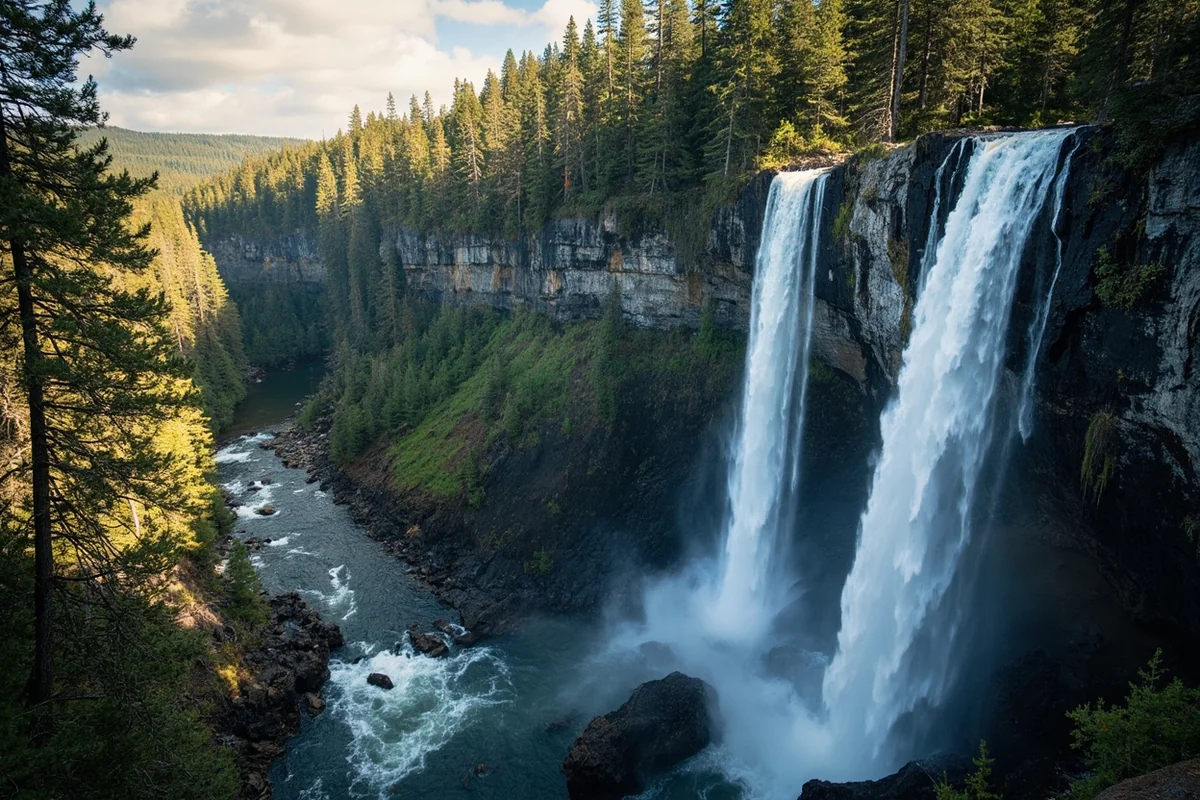
The first time I heard the thundering roar of Martin Falls echoing through the canyon, I stood frozen on the trail, completely mesmerized by a waterfall I’d almost skipped visiting because so few people talk about it.
This lesser-known cascade tucked away in Montana’s rugged backcountry quickly became one of my favorite discoveries while exploring Montana waterfalls, and I’m convinced it deserves far more attention than it currently receives.
- Martin Falls drops approximately 40 feet through a narrow rocky chute in Montana’s wilderness
- The hike involves moderate difficulty with some elevation gain—plan for 2-3 hours round trip
- Best visited late May through early July for peak water flow
- Bring proper footwear as trail conditions can be slippery near the falls
- No facilities nearby—pack everything you’ll need including water and snacks
- Wildlife encounters are common; carry bear spray and know how to use it
Liked this article?
Add Roaming Montana as a preferred source so you see more of our articles and guides on Google.
Why Martin Falls Deserves a Spot on Your Montana Itinerary
I’ll be honest with you—Martin Falls isn’t the tallest or most photographed waterfall in Montana. What makes it special is the experience of getting there and the solitude you’ll find once you arrive.
During my visit last summer, I didn’t encounter another soul on the trail for nearly two hours. Compare that to popular spots like Morrell Falls where you’ll likely share the viewpoint with dozens of other visitors, and you’ll understand why some of us prefer these quieter destinations.
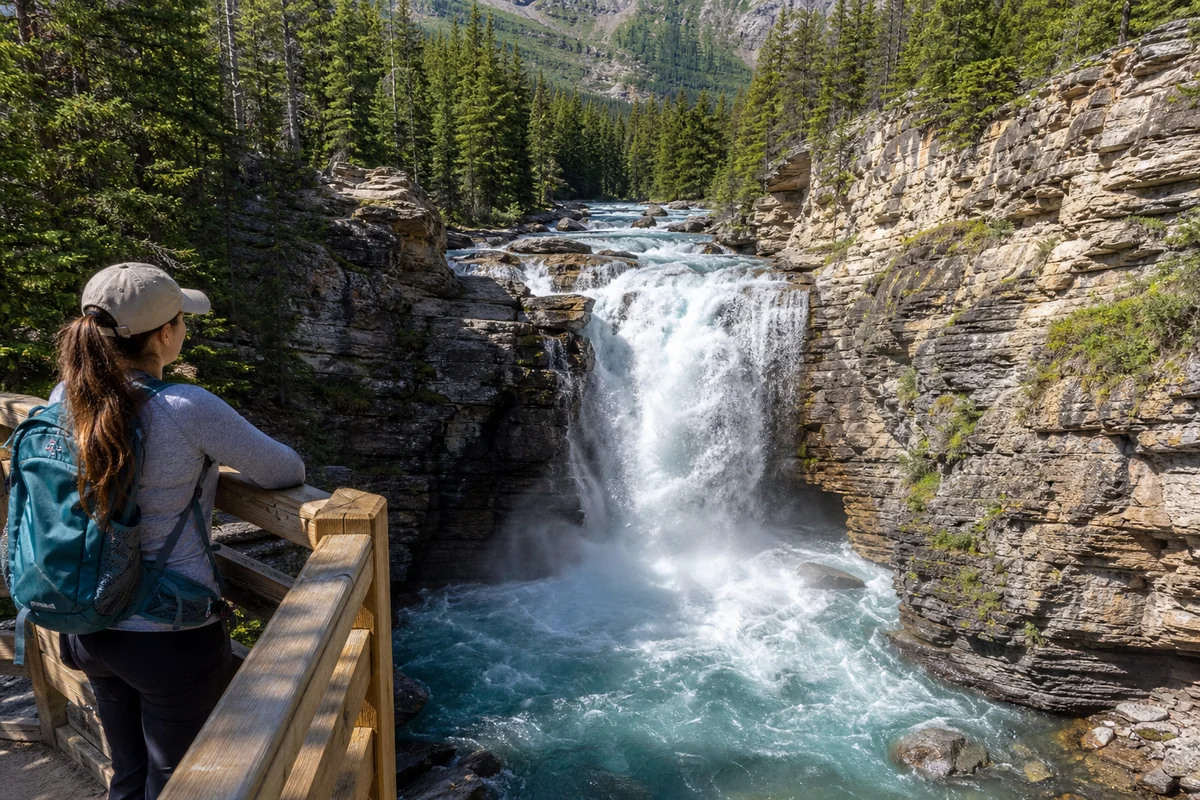
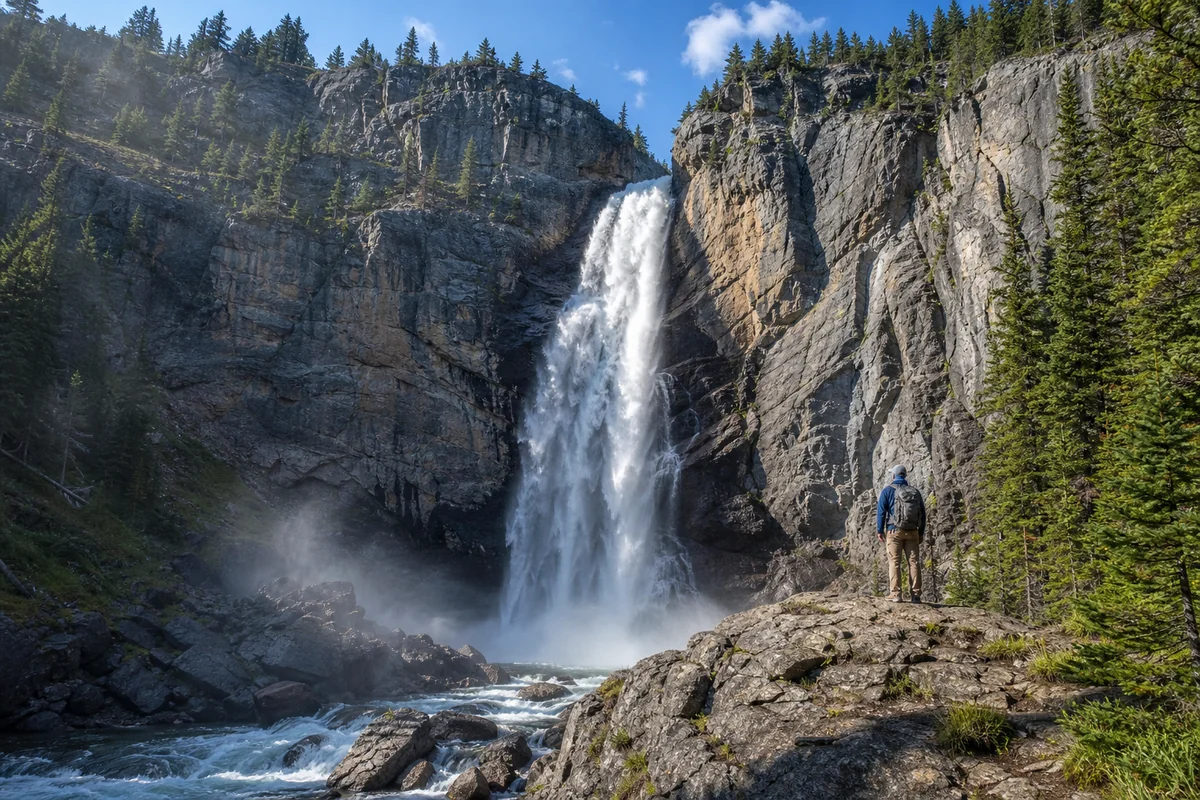
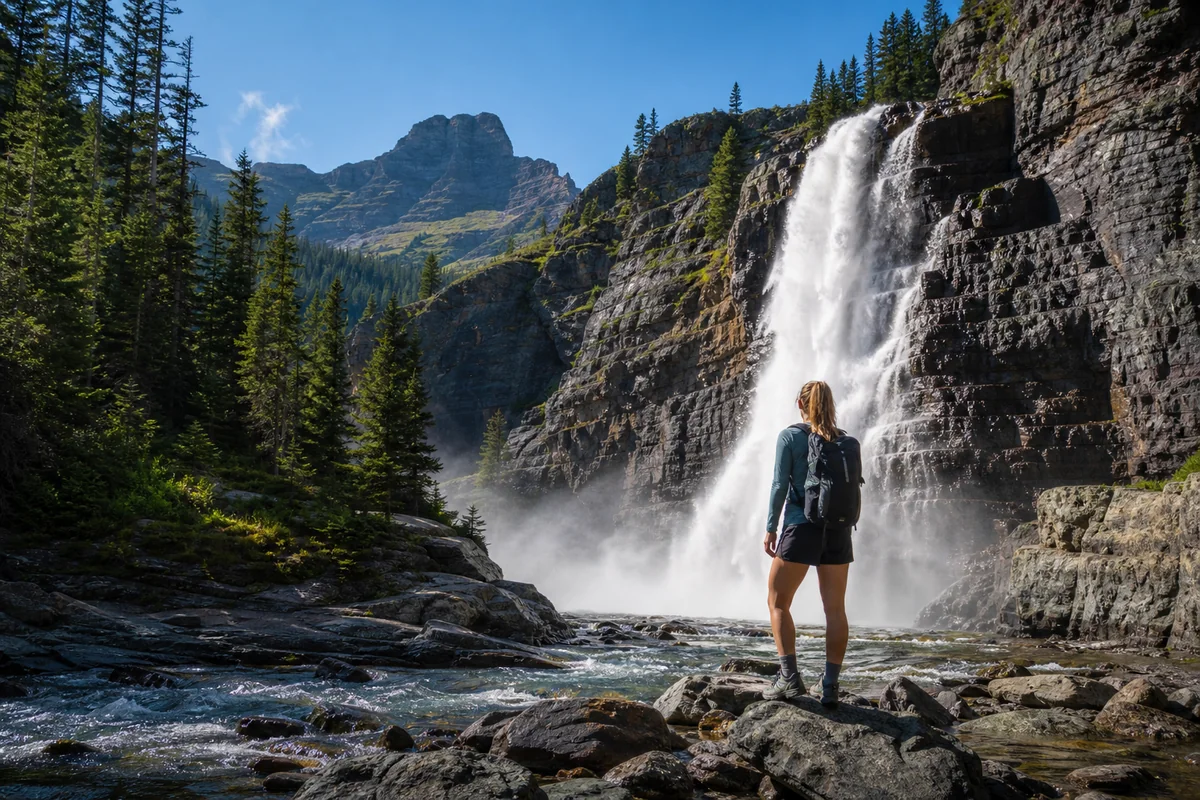
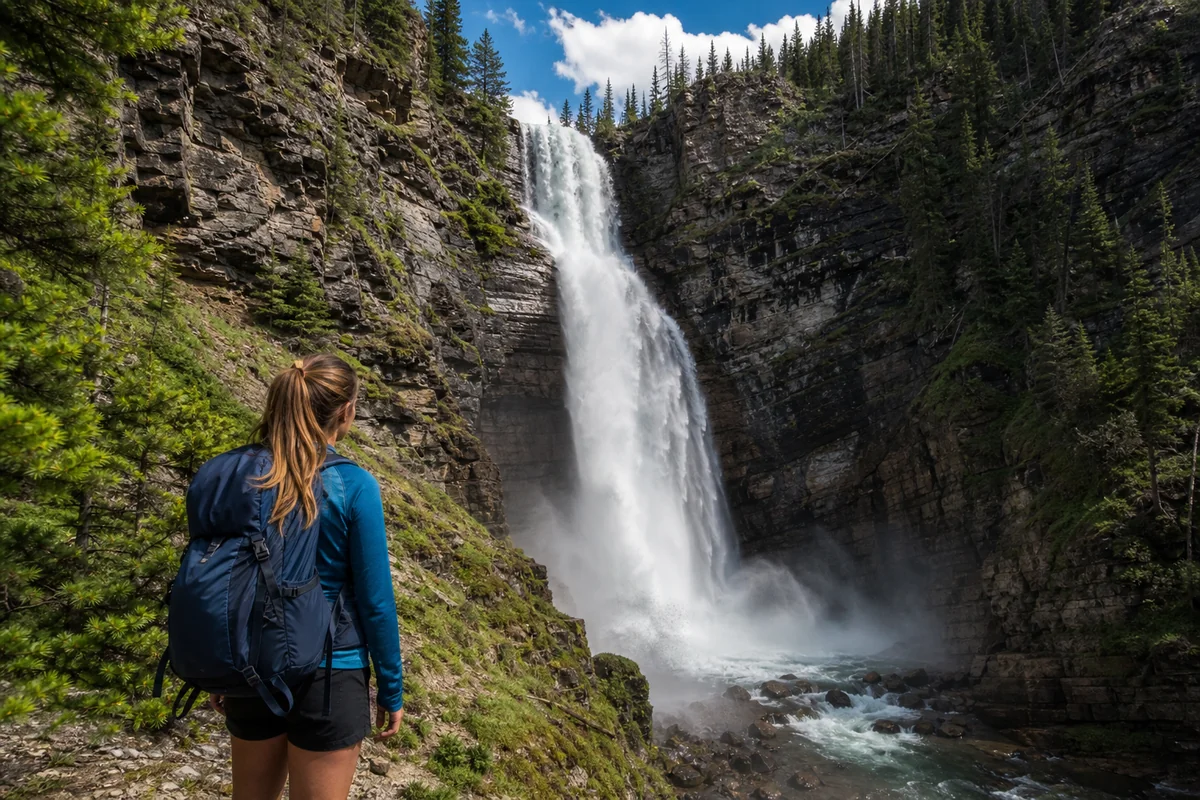
The falls themselves plunge approximately 40 feet through a narrow rock channel that amplifies the sound into something almost otherworldly. Standing at the base, feeling the cool mist on my face after a warm hike, I remember thinking this is exactly why I keep seeking out Montana’s hidden waterfalls.
Getting to Martin Falls: Directions and Trailhead Information
Finding Martin Falls requires a bit more effort than simply plugging an address into your GPS. The trailhead access involves navigating some backcountry roads, and I want to give you the detailed directions I wish I’d had on my first attempt.
Driving Directions
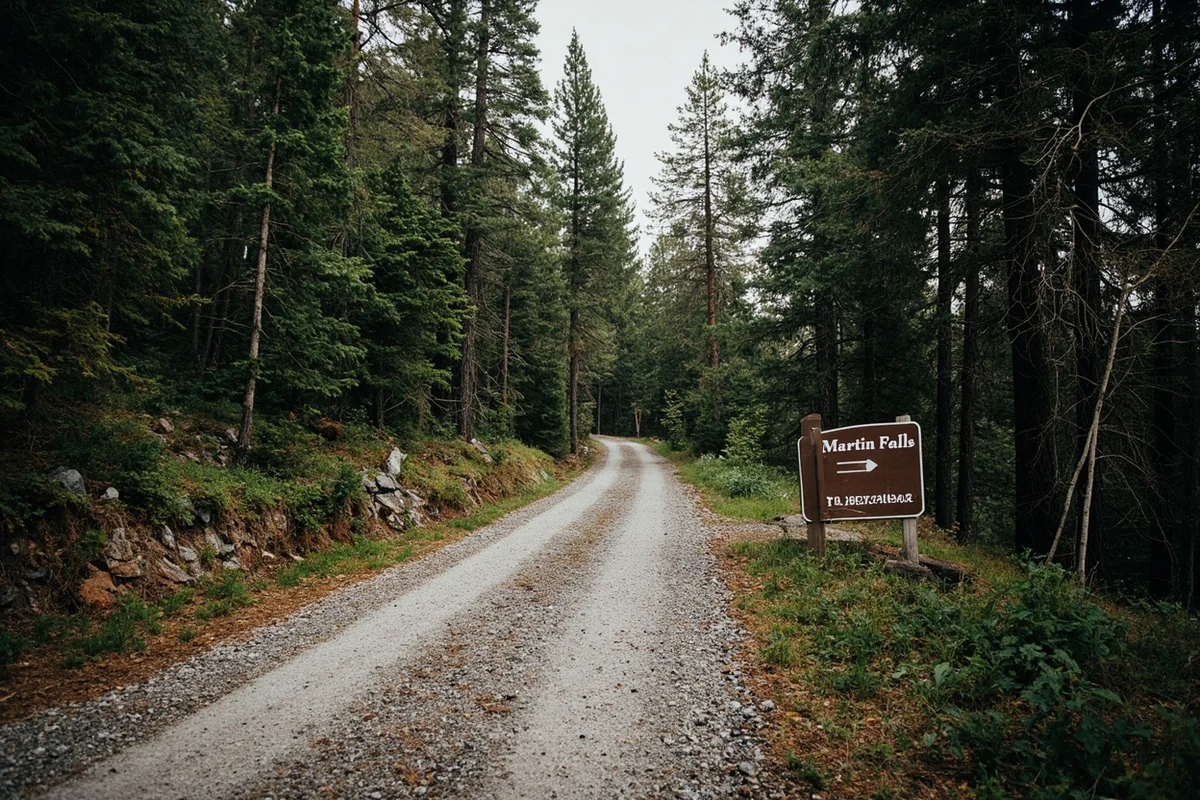
From the nearest major town, you’ll want to head toward the national forest boundary. The access road is typically maintained gravel for the first several miles before becoming rougher as you approach the trailhead.
I recommend a vehicle with decent clearance, though when I was there in June, I saw several regular sedans had made the journey. Just take it slow over the rougher sections, and you’ll be fine.
The final stretch to the parking area can be rutted from spring snowmelt and rain. During my recent trip, I noticed the forest service had done some maintenance, but conditions change seasonally.
Trailhead Facilities
Don’t expect any amenities at the trailhead—there’s no restroom, no potable water, and no ranger station. This is true wilderness access, so come prepared.
The parking area accommodates roughly 8-10 vehicles, though I’ve never seen it more than half full. There’s no fee required, which is a nice change from some of the more developed trailheads in the region.
I always recommend arriving early, not because of parking concerns, but because morning light on the falls is absolutely spectacular. Plus, afternoon thunderstorms are common in Montana summers, and you don’t want to be caught on the trail.
The Hike to Martin Falls: What to Expect Mile by Mile
The trail to Martin Falls covers approximately 2.5 miles one way, making for a roughly 5-mile round trip adventure. I’ve hiked this trail in different seasons, and the experience varies significantly depending on when you visit.
The First Mile: Gentle Forest Walking
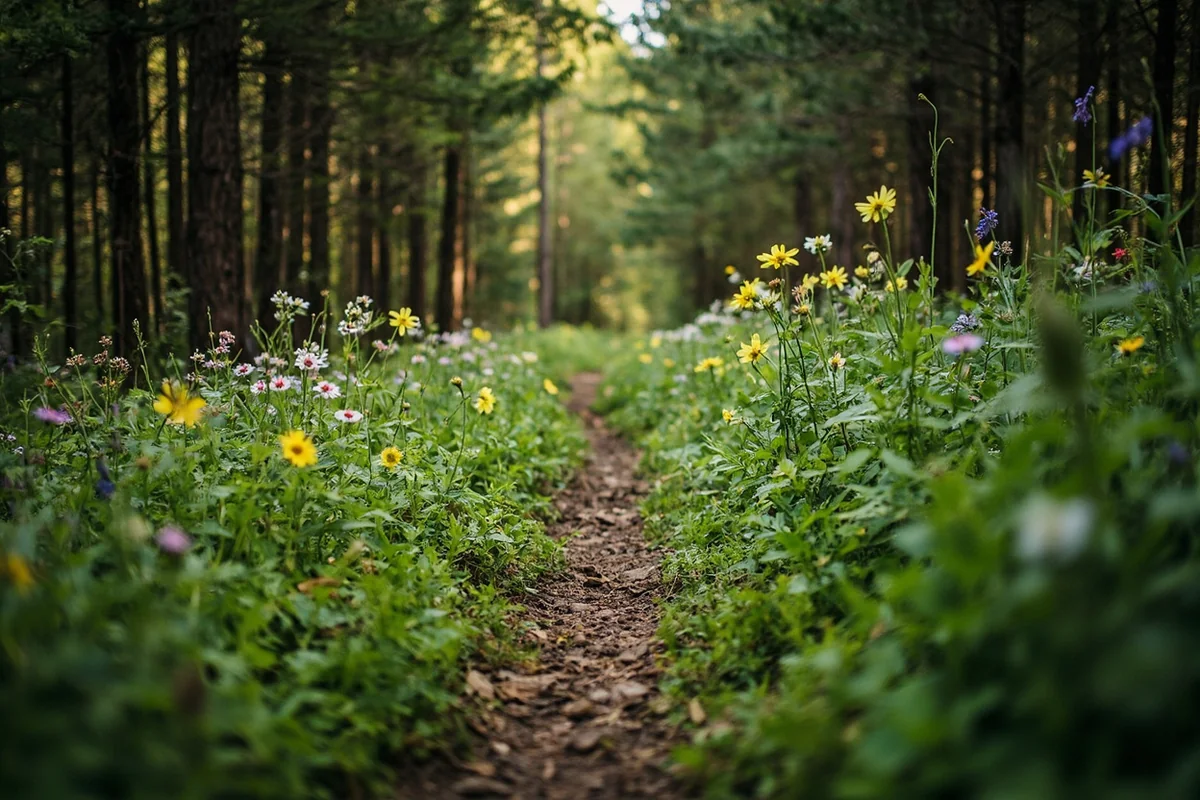
The initial section of trail meanders through mixed conifer forest with lodgepole pine and Douglas fir dominating the landscape. I found this portion almost meditative—the soft forest floor cushioning each step, the scent of pine needles filling the air.
This stretch is relatively flat, which I appreciated as a warm-up before the more challenging sections ahead. Keep your eyes open for wildflowers in early summer; I spotted numerous Indian paintbrush and lupine blooms during my June visit.
Bird activity is excellent through here. On my last trip, I identified at least a dozen species including mountain chickadees, red-breasted nuthatches, and a stunning western tanager that posed just long enough for a photograph.
The Middle Section: Where Things Get Interesting
Around the 1.5-mile mark, the terrain changes noticeably. You’ll begin ascending through a series of switchbacks that gain approximately 600 feet in elevation over the next mile.
I won’t sugarcoat it—this section had me breathing hard. If you’re coming from lower elevations, give yourself permission to take breaks. Montana’s higher altitude affects everyone differently.
The views start opening up through the trees here, offering glimpses of distant ridgelines that remind you why Montana earned its “Big Sky Country” nickname. These natural rest stops give you something beautiful to look at while catching your breath.
The Final Approach: Hearing Before Seeing
You’ll hear Martin Falls before you see it. That distinctive rushing water sound began reaching my ears about a quarter mile from the falls, building anticipation with every step.
The trail becomes rockier and sometimes slippery in this final stretch. I recommend trekking poles, especially if you’re visiting in spring when snowmelt keeps everything damp. During my visit, I watched another hiker take a tumble on wet rocks—nothing serious, but a good reminder to stay focused.
The viewpoint at the falls requires some careful navigation over boulders. Take your time here; there’s no rush, and the views are worth savoring.
Best Time to Visit Martin Falls
Timing your visit to Martin Falls can make the difference between a spectacular experience and a disappointing trickle. I’ve learned this through trial and error.
Peak Season: Late May Through Early July
If you want Martin Falls at its most impressive, plan your visit during the snowmelt season. When I was there in mid-June, the water volume was absolutely thunderous—the kind of power that makes you step back from the viewing area instinctively.
The trade-off is that trail conditions can be muddy and some creek crossings more challenging. I got my boots thoroughly soaked at one crossing that would be completely dry by August. Worth it for that water volume, though.
This is also wildflower season, which adds another dimension to the hike. The meadow sections burst with color, and photographers will find endless subjects beyond the waterfall itself.
Summer Visiting: July and August
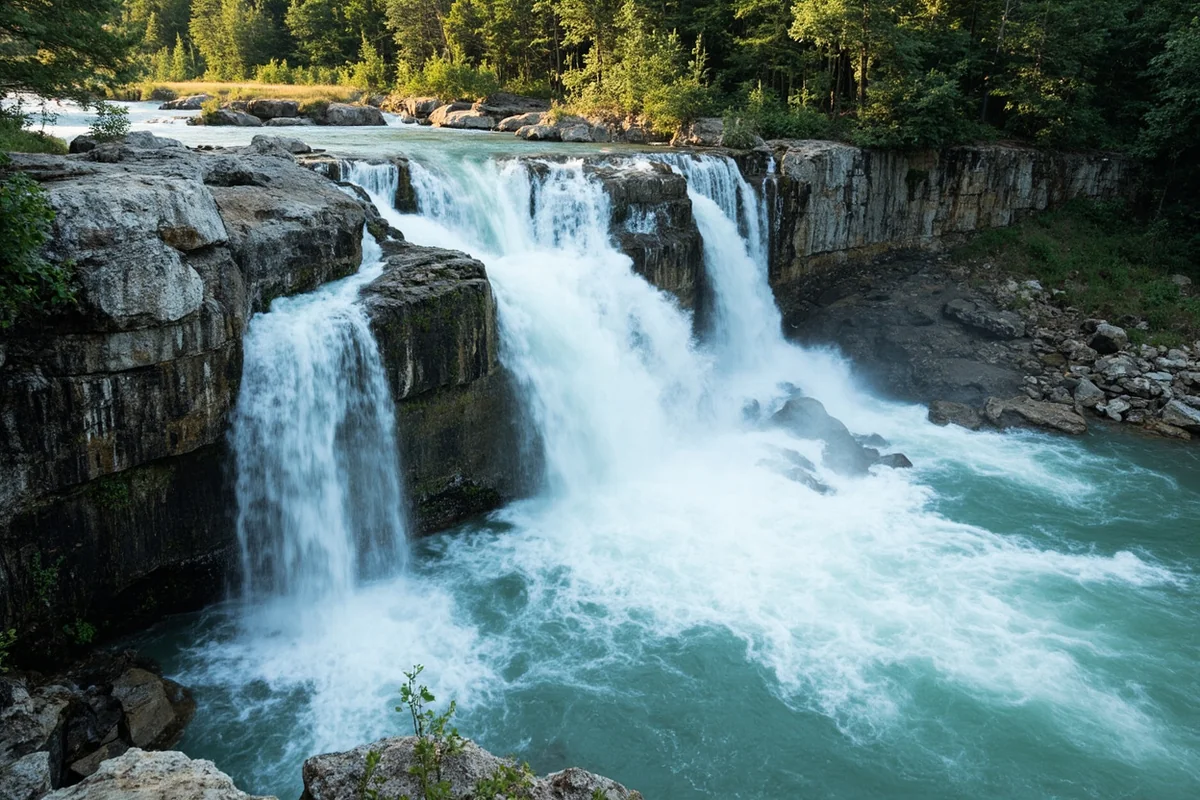
By mid-summer, the water flow decreases but remains photogenic. I actually prefer the lower water levels for photography—you can see more of the rock structure that shapes the falls, and long exposures are easier without excessive spray on your lens.
Trail conditions improve dramatically as things dry out. The hike becomes more accessible for less experienced hikers, and those tricky creek crossings shrink to easy rock-hops.
Summer also means longer daylight hours. During my August visit, I hiked out with the golden evening light transforming the forest into something magical.
Fall Possibilities
I haven’t personally visited Martin Falls in autumn, but based on my experience with similar locations like Lost Creek Falls and Holland Lake Falls, September through early October offers a unique experience.
The crowds thin out considerably, fall colors can accent the landscape beautifully, and while water levels are typically lower, the falls remain worth visiting.
Just keep in mind that days shorten quickly and early snowfall is possible. Check conditions before heading out.
Photography Tips for Martin Falls
I’ve photographed dozens of Montana waterfalls, and Martin Falls presents some unique opportunities and challenges worth discussing.
Gear Recommendations
A wide-angle lens captures the full scope of the falls and surrounding canyon walls. I typically shoot between 16-35mm for my establishing shots.
Bring a tripod if you want those silky water effects. The viewing area has limited flat space, so a lightweight, compact tripod works better than a heavy studio model.
Lens cloths are essential—the spray near the falls can coat your glass quickly. I keep several in easily accessible pockets and wipe my lens between nearly every shot during high water periods.
A polarizing filter cuts through the reflections on wet rocks and deepens the blue sky if it’s visible in your composition. This is probably my most-used filter when shooting waterfalls.
Best Angles and Compositions
The main viewing area offers a classic straight-on shot that captures the full drop. I always take this shot first, then start exploring alternatives.
Moving to the right side of the viewing area gives you an angle that shows more of the downstream cascade. This is my personal favorite perspective during lower water conditions.
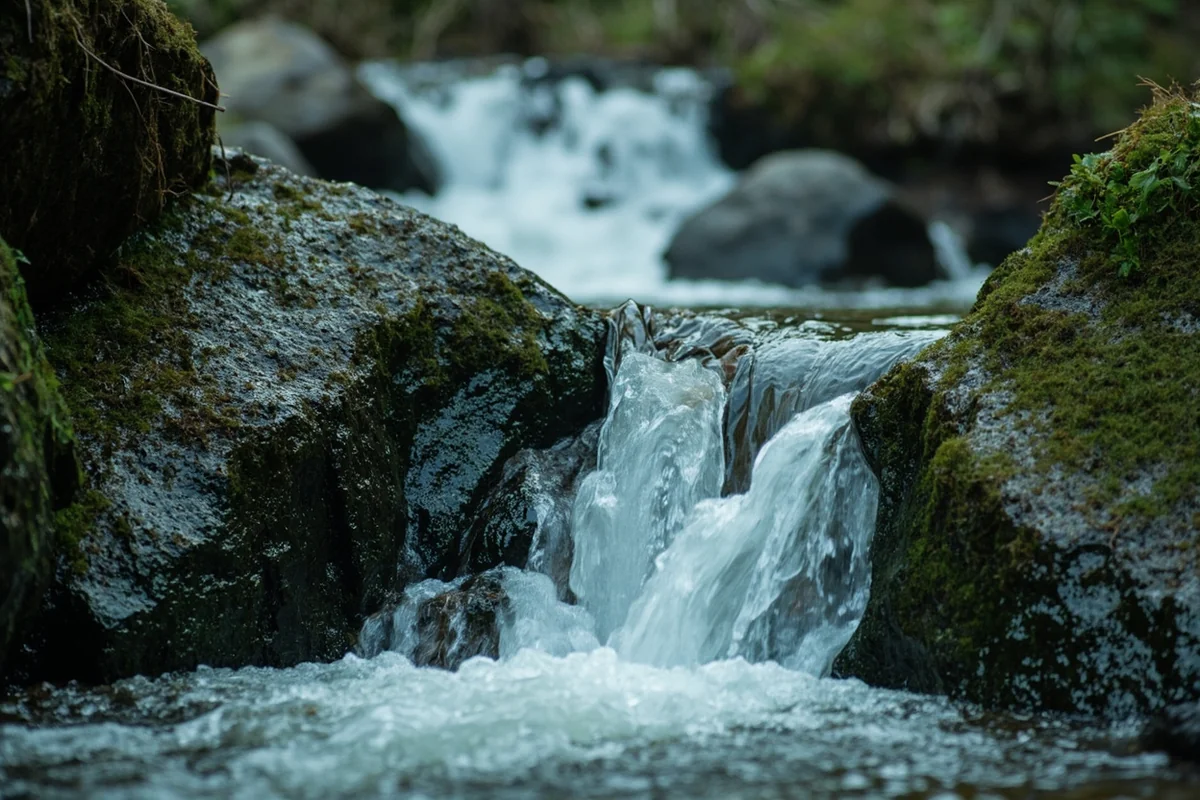
Don’t ignore the details. Some of my best images from Martin Falls are intimate shots of water patterns, moss-covered rocks, and the interesting textures in the canyon walls.
Lighting Considerations
The falls face roughly northeast, which means afternoon light can create harsh shadows and bright spots that are difficult to expose properly. Morning visits give you softer, more even illumination.
Overcast days are actually ideal for waterfall photography. The diffused light eliminates contrast problems and saturates colors naturally. Some of my best waterfall images have come on cloudy days that I initially considered disappointing.
If you’re stuck with harsh midday light, consider creating your own shade. I sometimes use a large umbrella or have a hiking partner hold a jacket to block direct sunlight on closer compositions.
Wildlife You Might Encounter
The Martin Falls area supports diverse wildlife, and encounters are common enough that you should prepare appropriately.
Bear Awareness
Both black bears and grizzly bears inhabit this region. During my visits, I’ve found bear sign (tracks, scat, claw marks) but haven’t had a direct encounter on this particular trail.
Carry bear spray and know how to use it. I keep mine in a holster on my hip belt where I can access it within seconds. A can buried at the bottom of your pack is essentially useless.
Make noise on the trail, especially around blind corners and when moving through dense vegetation. I’m not proud of my singing voice, but the bears appreciate the warning.
Other Wildlife
Deer are abundant in the area. I’ve spotted mule deer on nearly every visit, usually in the meadow sections during early morning hours.
The creek below the falls supports native trout, and on one memorable occasion, I watched a fishing mink working the pools for several minutes. These moments of unexpected wildlife observation often become my favorite trip memories.
Moose occasionally use the drainage, though I’ve only seen sign rather than the animals themselves. Keep your distance if you do encounter one—they can be surprisingly aggressive, especially cows with calves.
What to Pack for Martin Falls
Over multiple visits, I’ve refined my packing list for this specific hike. Here’s what I recommend:
| Category | Items |
|---|---|
| Footwear | Waterproof hiking boots with good ankle support |
| Hydration | At least 2 liters of water per person |
| Food | Trail snacks, lunch if planning extended visit |
| Safety | Bear spray, first aid kit, whistle, headlamp |
| Clothing | Rain jacket, extra layer, hat, sunglasses |
| Navigation | Map, compass, downloaded offline maps on phone |
| Photography | Camera, tripod, lens cloths, extra batteries |
Cell phone coverage is unreliable at best along this trail. Download any maps you need before leaving town, and let someone know your planned route and expected return time.
Combining Martin Falls with Nearby Attractions
If you’re making the drive to this area, you might as well maximize your adventure. Several other worthwhile destinations sit within reasonable driving distance.
Nearby Waterfalls Worth Visiting
Waterfall enthusiasts can create an excellent multi-day itinerary in this region. Memorial Falls offers a completely different experience with easier access, making it a good contrast to the more rugged Martin Falls adventure.
For those willing to explore further, Skalkaho Falls provides another stunning option, though you’ll want to verify road conditions as the access can be seasonal.
I’m also partial to Grotto Falls in a different part of the state—a completely different character but equally worthwhile for dedicated waterfall chasers.
Other Regional Activities
The surrounding national forest offers extensive trail systems for those wanting additional hiking. I’ve spent entire weekends exploring this area, camping at dispersed sites and tackling a different trail each day.
Fishing opportunities abound in the various streams and rivers. If you carry a Montana fishing license, bringing a lightweight rod adds another dimension to your outdoor experience.
Wildlife watching is particularly productive during early morning and evening hours. I’ve had some of my best Montana wildlife encounters in this general region.
Seasonal Considerations and Trail Conditions
Understanding how seasons affect your Martin Falls experience helps you plan appropriately and set realistic expectations.
Spring Conditions
Snow lingers at higher elevations into May and sometimes June. The trail can be difficult to follow when partially snow-covered, and avalanche danger exists in certain years.
Creek crossings become serious obstacles during peak snowmelt. I’ve turned back on spring attempts when crossings looked too risky. There’s no waterfall worth getting swept downstream.
If you’re determined to visit in spring, check recent trip reports and be prepared to adjust plans based on actual conditions. Flexibility is essential during this transitional season.
Summer Considerations
Afternoon thunderstorms are nearly guaranteed during July and August. I always aim to reach the falls by late morning and start my return hike before early afternoon.
Fire season can affect access. Trail closures happen when fire danger is extreme or active fires burn in the region. Always check current restrictions before heading out—a quick phone call to the ranger district saves potential disappointment.
Heat becomes a factor during summer afternoons. The forest provides shade for much of the hike, but that middle section with the switchbacks can feel intense under midday sun.
Fall Windows
Early fall often provides ideal hiking conditions—stable weather, fewer visitors, comfortable temperatures. The brief window between summer heat and winter snow offers some of the best backcountry experiences Montana has to offer.
Hunting season brings additional considerations. I recommend wearing bright colors even if you’re not hunting, and being aware that you might share the forest with hunters.
The first significant snowfall typically closes access to Martin Falls until the following spring. This can happen anywhere from late October to early November depending on the year.
Difficulty Assessment and Fitness Requirements
I rate Martin Falls as a moderate hike, but that assessment comes with caveats worth understanding.
Physical Demands
The 5-mile round trip with 600+ feet of elevation gain will challenge beginners but shouldn’t overwhelm reasonably fit hikers. I typically budget 2.5 to 3 hours for the round trip, including plenty of photo stops and time to enjoy the falls.
Altitude affects everyone differently. If you’re visiting from sea level, you’ll feel the elevation. Take breaks as needed and don’t push through warning signs of altitude discomfort.
The rocky sections near the falls require some basic scrambling ability. Nothing technical, but if you’re uncomfortable on uneven terrain, proceed cautiously.
Comparison to Other Montana Hikes
Compared to easier waterfall hikes like Running Eagle Falls or McDonald Falls, Martin Falls requires more effort and preparation. But the payoff in terms of solitude and wilderness experience makes the extra work worthwhile.
More challenging options like Ipasha Falls or Piegan Falls demand greater physical fitness and navigation skills. Martin Falls occupies a sweet spot—adventurous enough to feel like an accomplishment while remaining accessible to motivated casual hikers.
If you’re testing your readiness for more ambitious Montana waterfall destinations, Martin Falls makes an excellent proving ground.
Leave No Trace Principles
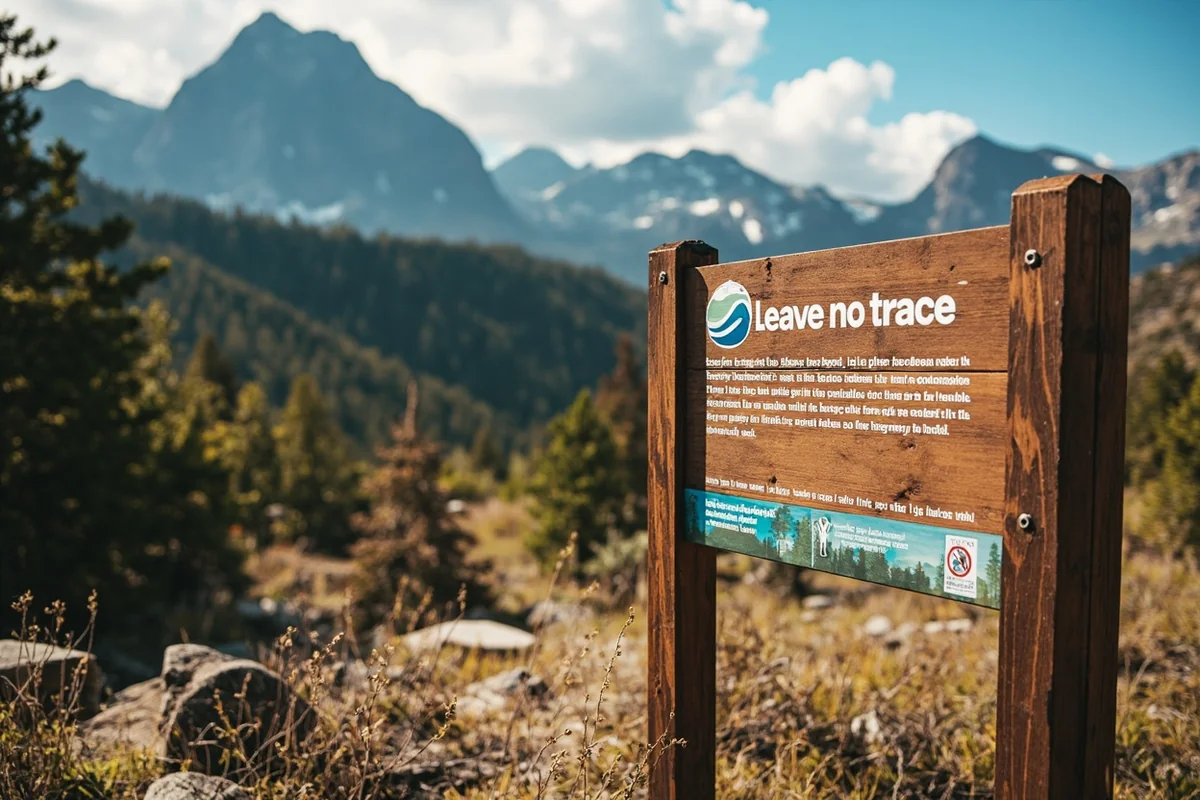
The relative obscurity of Martin Falls has helped preserve its wild character. I want to keep it that way, and I hope you feel the same.
Pack out everything you pack in. This seems obvious, but I’ve found orange peels and apple cores along trails where people apparently think organic waste doesn’t count. It does—pack it out.
Stay on established trails to prevent erosion and protect vegetation. The temptation to create shortcut paths damages the landscape and creates maintenance headaches for volunteer trail crews.
If you need to use the bathroom, follow proper backcountry protocols. Dig a cathole 6-8 inches deep at least 200 feet from water sources and trails. Pack out toilet paper in a sealed plastic bag.
Don’t feed wildlife, no matter how cute that chipmunk begging for your trail mix looks. Human food creates unhealthy dependencies and can lead to aggressive behavior.
Safety Considerations
Remote wilderness destinations require respect and preparation. Here’s what I keep in mind when visiting Martin Falls.
Communication Limitations
Cell coverage is essentially nonexistent on this trail. I carry a satellite communicator for emergency contact, though I’ve fortunately never needed to use it.
Let someone know your specific plans before departing. Include trailhead location, route, expected return time, and what to do if you’re not back by a certain hour.
Weather Awareness
Mountain weather changes rapidly. I’ve experienced four seasons in a single day in Montana. Even on forecasted clear days, carry rain gear and an extra layer.
Lightning poses genuine danger during summer storms. If you hear thunder, make decisions quickly. Being caught on exposed terrain during an electrical storm is no joke.
Water Safety
The creek crossings can be dangerous during high water. If a crossing looks sketchy, trust your instincts. I’ve aborted hikes when runoff conditions made crossings unsafe—the falls will still be there next time.
Never swim in or around the falls. The rocks are slippery, currents are unpredictable, and rescue response times in this remote location would be significant.
Making the Most of Your Martin Falls Experience
After several visits to Martin Falls, I’ve developed some personal practices that enhance the experience.
Slowing Down
The temptation exists to reach the falls, snap some photos, and head back. I encourage you to resist that urge. Bring a lunch, find a comfortable spot with a view, and simply exist in this beautiful place for a while.
My most memorable moments at Martin Falls have come during quiet observation time—watching light change on the canyon walls, noticing small details I’d have missed while rushing, simply listening to the water’s endless song.
This kind of unhurried time in nature recharges something fundamental. Don’t shortchange yourself by treating Martin Falls as just another checkbox destination.
Returning Visits
I recommend visiting Martin Falls in at least two different seasons if possible. The peak water flow of early summer creates an entirely different experience than the more intimate late-summer conditions.
Each visit reveals new details. I noticed the interesting rock formations on my third trip, finally spotted the natural arch I’d somehow missed previously, found a better photography angle than I’d discovered before.
Places like this reward repeated engagement. Build a relationship with Martin Falls over time rather than treating it as a one-and-done destination.
Final Thoughts on Martin Falls
Montana offers no shortage of spectacular waterfalls. Popular destinations like those in Glacier National Park draw visitors from around the world, and they deserve the attention they receive.
But there’s something special about places like Martin Falls—discoveries you make through your own research and effort, rewards earned through miles walked and elevation gained. These quieter destinations offer experiences that crowded attractions simply cannot match.
When I think back on my Montana waterfall adventures, Martin Falls stands out not because it’s the biggest or most dramatic, but because of how it made me feel. That solitude, that sense of discovery, that connection to wild country—these things have become increasingly rare and therefore increasingly valuable.
If you’re the kind of traveler who appreciates earning your views, who values solitude over convenience, and who believes the journey matters as much as the destination, Martin Falls belongs on your Montana itinerary. Trust me—this hidden gem delivers in ways that popular tourist attractions rarely can.
The effort required to reach Martin Falls filters out casual visitors and rewards those willing to work for something special. I hope you’ll make the journey and experience this remarkable place for yourself. Just remember to tread lightly, take only photographs, and leave Martin Falls as pristine as you found it for the next adventurer following in your footsteps.
Frequently Asked Questions
Where is Martin Falls located in Montana and how do I get there?
Martin Falls is tucked away in the remote wilderness of northwestern Montana, accessible via a combination of forest roads and hiking trails. From Kalispell, you’ll drive approximately 45 miles on a mix of paved and gravel roads before reaching the trailhead, so I recommend a high-clearance vehicle during spring and early summer when roads can be rough.
How long is the hike to Martin Falls Montana?
The hike to Martin Falls is roughly 3.2 miles round trip with moderate elevation gain of about 600 feet. I found it takes most visitors between 1.5 to 2.5 hours to complete, depending on your pace and how long you spend photographing the falls.
What is the best time of year to visit Martin Falls Montana?
Late May through early July offers the most impressive water flow at Martin Falls when snowmelt feeds the cascade. I’ve visited in August and while the hike is easier, the waterfall is noticeably reduced, so plan your trip during peak runoff if you want dramatic photos.
Is there an entrance fee or permit required for Martin Falls?
Martin Falls is located on national forest land with no entrance fee or permit required for day hiking. However, if you’re planning to camp overnight nearby, you may need a free backcountry permit depending on the specific area, so check with the local ranger district before your trip.
What should I bring on a hike to Martin Falls Montana?
Pack sturdy hiking boots with ankle support since the trail can be rocky and slippery near the falls. I always bring bear spray, plenty of water, layers for Montana’s unpredictable mountain weather, and trekking poles which really help on the steeper sections.
Is Martin Falls Montana kid-friendly and suitable for beginners?
Martin Falls is moderately challenging but doable for active families with children ages 8 and up who have some hiking experience. The trail has a few steep sections and the area near the falls can be slippery, so beginners should take their time and use caution near the water’s edge.
Can you swim at Martin Falls Montana?
While there’s a small pool at the base of Martin Falls, the water is extremely cold year-round, typically in the low 40s°F even in summer. I’ve seen people wade in briefly, but swimming isn’t recommended due to the frigid temperatures, submerged rocks, and unpredictable currents during high water periods.