The first time I pulled into Glacier National Park, I didn’t have a reservation. It was July, I was naive, and I spent that night sleeping in my car at a rest stop outside Hungry Horse because every single lodge, cabin, and campground was full.
That was 2018. I’ve been back seven times since, and the single biggest lesson I’ve learned is this: where you stay in Glacier isn’t just a logistical detail — it fundamentally shapes your entire experience.
- Book historic lodges (Lake McDonald, Many Glacier, Glacier Park Lodge) 13 months in advance — they sell out within hours of opening
- The west side (Apgar/West Glacier) is easiest to access but most crowded; the east side (Many Glacier/St. Mary) offers better hiking and fewer people
- Campgrounds range from first-come, first-served to reservable — arrive before 8 AM for FCFS sites in summer
- Gateway towns like Whitefish, Columbia Falls, and East Glacier offer budget-friendly alternatives 20–45 minutes from park entrances
- Vehicle reservations are now required for Going-to-the-Sun Road in peak season — factor this into your lodging location
- For the best overall experience, I recommend splitting your stay between the west side and Many Glacier
Liked this article?
Add Roaming Montana as a preferred source so you see more of our articles and guides on Google.
Understanding Glacier’s Layout (This Matters More Than You Think)
Before I get into specific places to stay, you need to understand something that catches almost every first-time visitor off guard: Glacier National Park is not one cohesive, easy-to-navigate area. It’s a massive, rugged wilderness split by the Continental Divide, and getting from one side to the other takes real time and planning.
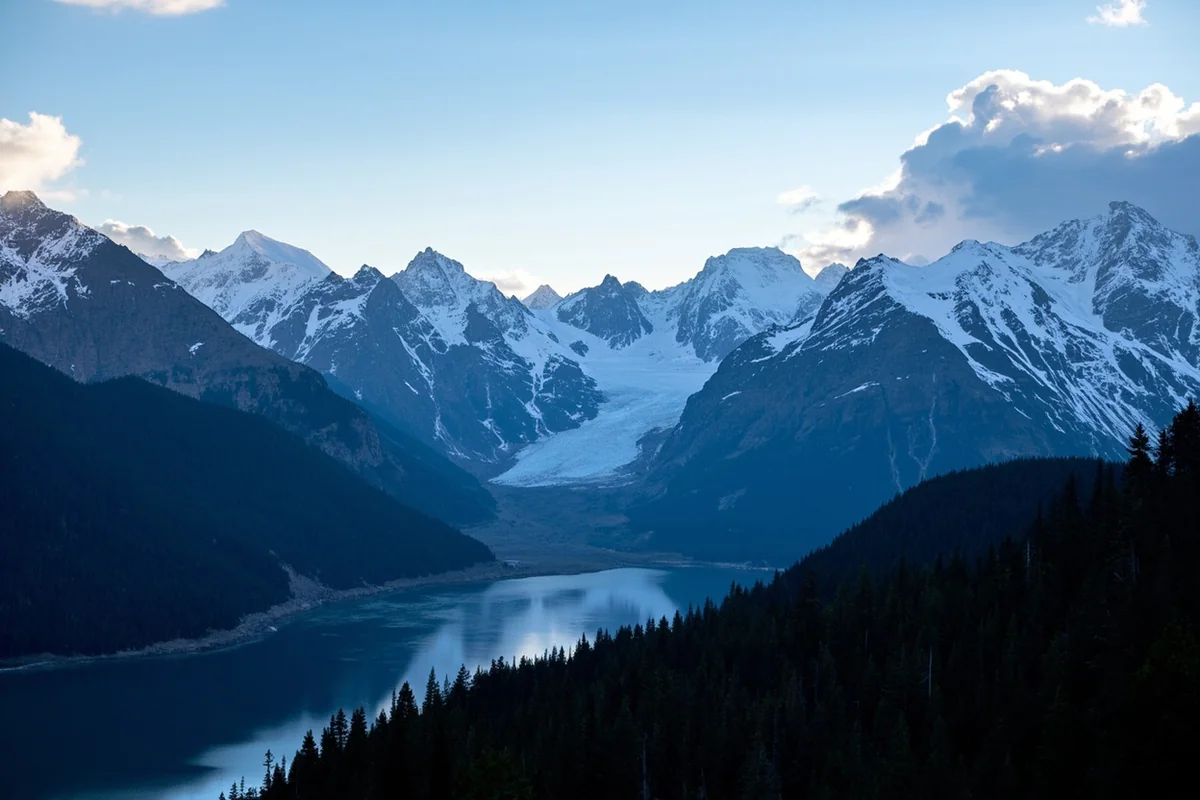
The park has two main sides — the west side (accessed from West Glacier) and the east side (accessed from St. Mary or East Glacier).
They’re connected by the famous Going-to-the-Sun Road, a 50-mile engineering marvel that’s often not fully open until late June or early July and closes again by mid-October. When it’s closed, driving between sides requires a 3+ hour detour around the southern boundary on US Highway 2.
Within these two sides, the park has distinct regions that function almost like separate destinations: Apgar/Lake McDonald on the west, Logan Pass at the summit, St. Mary on the east, Many Glacier in the northeast, and Two Medicine in the southeast. Each has its own character, accommodations, and hiking access. Where you base yourself determines what you can realistically do each day.
The Historic Park Lodges: Worth the Hassle of Booking
Glacier’s historic lodges are operated by Xanterra (which took over from Pursuit in recent years for some properties — honestly, the concession situation has been in flux, so always confirm directly). These grand, timber-framed buildings date back to the early 1900s, and staying in one is an experience unto itself.
Lake McDonald Lodge
This Swiss chalet-style lodge sits right on the shore of Lake McDonald, the park’s largest lake, on the west side. I stayed here during a September trip in 2022, and what struck me was the lobby — dark timber columns, a massive stone fireplace, and a collection of hand-painted lanterns from a Blackfeet artist that have been there for over a century.
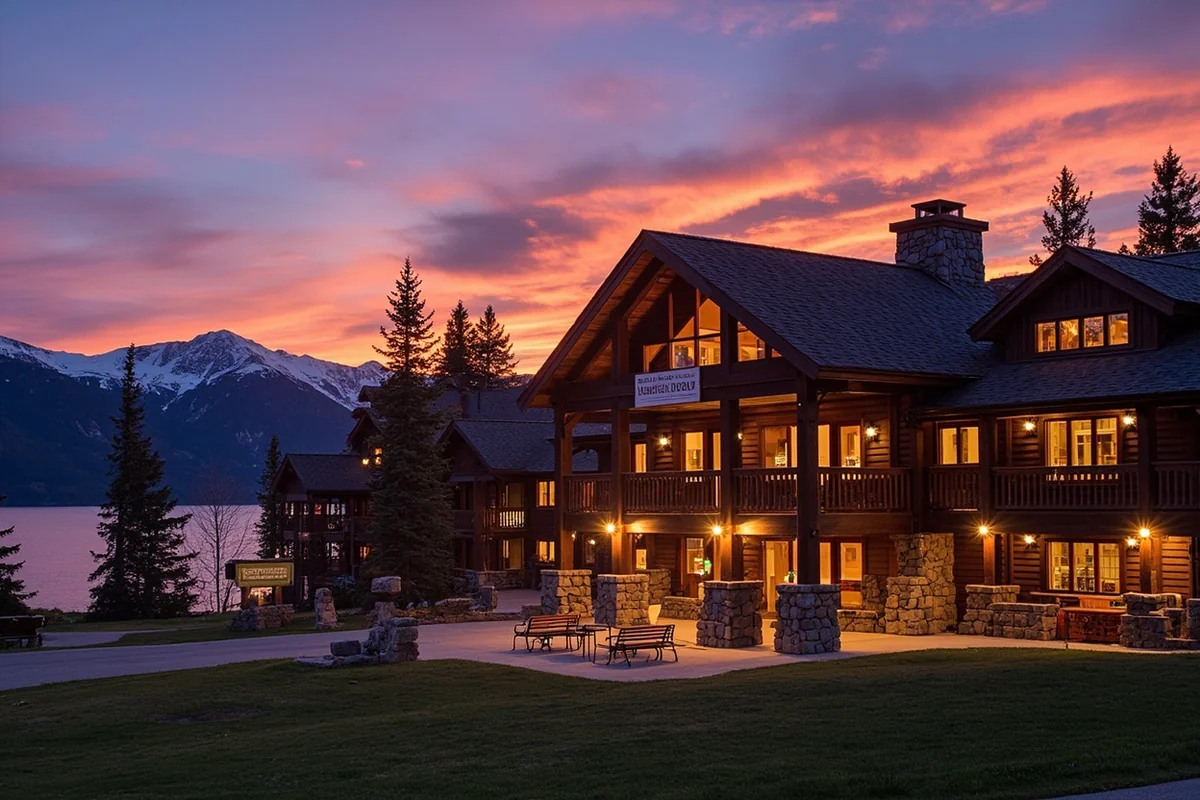
The rooms are small and rustic. I mean genuinely small — mine didn’t have a TV, the walls were thin, and the bathroom was barely big enough to turn around in. But the location is unbeatable. I walked out the back door and was standing on a pebble beach watching the sunset paint the mountains pink. That alone was worth it.
Rooms book up the moment reservations open, which is typically 13 months before the stay date. Set a calendar reminder. I’m not exaggerating when I say popular dates sell out within the first hour.
Many Glacier Hotel
If I could only stay in one place in Glacier for the rest of my life, it would be Many Glacier Hotel. This enormous lodge sits on the shore of Swiftcurrent Lake in the northeast corner of the park, surrounded by some of the most dramatic mountain scenery in North America.
Last summer, I woke up at 5:30 AM, walked to the hotel’s lakeside deck with a cup of coffee, and watched a bull moose wade through the shallows while Grinnell Point towered overhead in the golden light. That moment alone justified the entire trip.
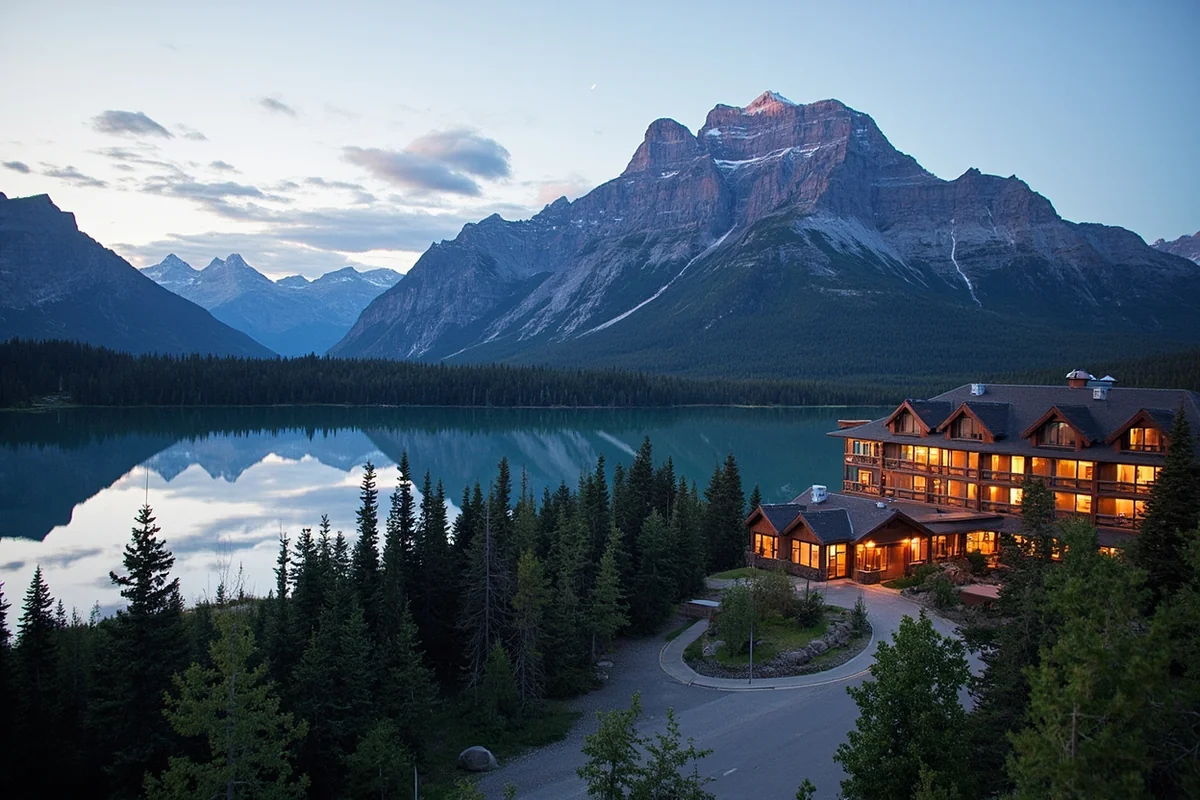
The hotel is a 1915 Swiss-style structure that’s showing its age in places — the elevator is glacially slow (pun intended), some rooms have quirky plumbing, and cell service is essentially nonexistent. But the trailhead access is incredible. The Grinnell Glacier trail, Iceberg Lake trail, and Ptarmigan Tunnel are all accessible from this valley, and they’re among the best hikes in the entire park.
One practical note: Many Glacier is accessed via a narrow, winding road from Babb on the east side. It’s about 20 miles from Highway 89 and feels remote. There’s a small camp store but no real town nearby, so bring what you need.
Glacier Park Lodge
Located in East Glacier Park Village, just outside the park’s southeastern boundary, Glacier Park Lodge is the grand dame of park lodges. The lobby features massive Douglas fir columns — the bark still on them — that were brought in by rail over a century ago. It’s impressive in a different way than the backcountry lodges.
I find this lodge most useful as a first-night or last-night stay. It’s right next to the Amtrak station (the Empire Builder stops here), and the town of East Glacier has a few restaurants and shops. But it’s a solid 1.5-hour drive from the Going-to-the-Sun Road corridor, so it’s not ideal as a base for daily exploration unless you’re focused on the Two Medicine area.
Other In-Park Lodging Options
Beyond the big three, there are several other options:
- Rising Sun Motor Inn — Basic motel-style rooms on the east side of Going-to-the-Sun Road near St. Mary Lake. Nothing fancy, but the location is strategic for sunrise photography and accessing the east side of the road.
- Swiftcurrent Motor Inn — Budget-friendly cabins and motel rooms in the Many Glacier valley. During my 2021 visit, I stayed in one of the cabins here. They’re bare-bones (some share a communal bathhouse), but you’re in the Many Glacier valley, and that’s what matters.
- Village Inn at Apgar — A small motel-style property right in Apgar Village on the west side. Some rooms have lake views. It’s walkable to restaurants, the visitor center, and boat rentals.
- Granite Park Chalet and Sperry Chalet — These are backcountry chalets accessible only by hiking. I’ll cover these separately below because they’re a completely different category of experience.
| Lodge | Location | Approximate Nightly Rate (2026) | Best For | Book How Far Ahead? |
|---|---|---|---|---|
| Lake McDonald Lodge | West side, lake shore | $200–$375 | Sunsets, west-side access, classic ambiance | 13 months |
| Many Glacier Hotel | Northeast, Swiftcurrent Lake | $220–$450 | Serious hikers, wildlife, dramatic scenery | 13 months |
| Glacier Park Lodge | East Glacier Village | $180–$340 | Amtrak arrivals, Two Medicine access | 6–13 months |
| Rising Sun Motor Inn | East side, Going-to-the-Sun | $160–$220 | Budget-friendly, east-side road access | 6–12 months |
| Swiftcurrent Motor Inn | Many Glacier valley | $110–$200 | Budget hikers who want Many Glacier | 6–13 months |
| Village Inn at Apgar | West side, Apgar | $180–$280 | Families, west-side convenience | 6–12 months |
Camping in Glacier: The Real Strategy
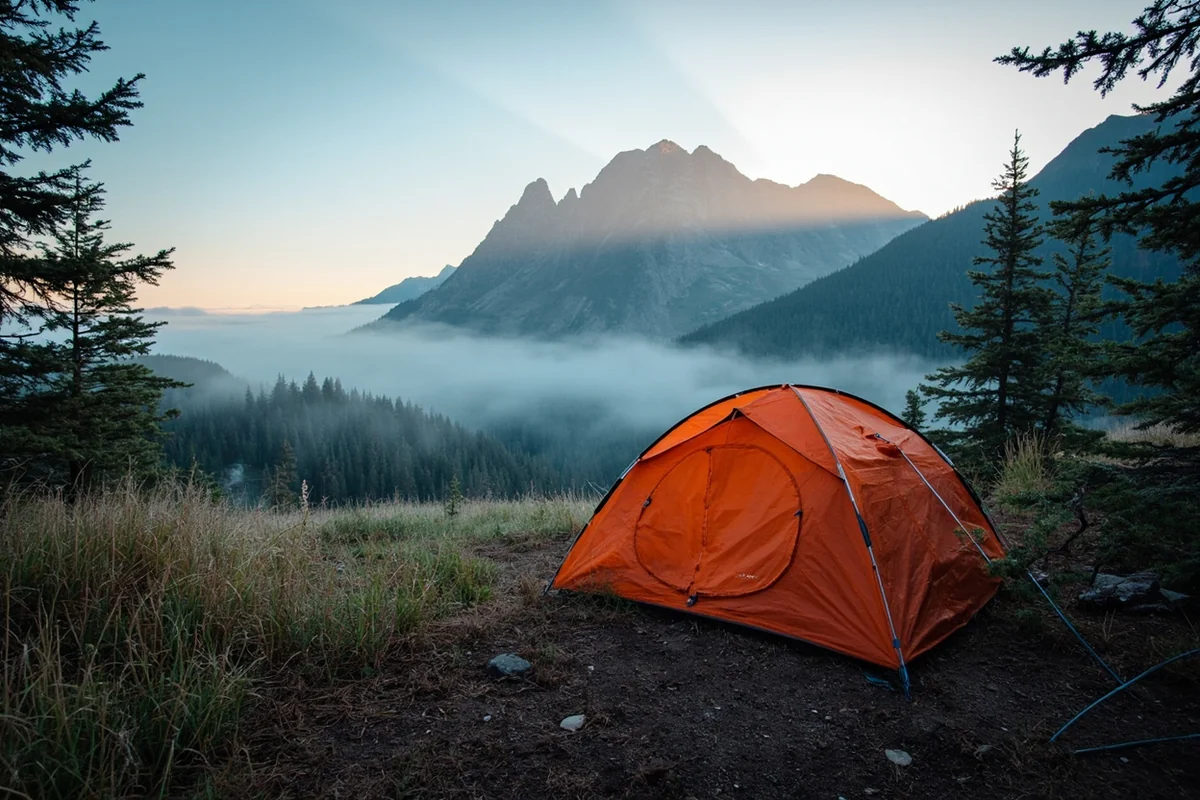
Camping is hands-down the most immersive way to experience Glacier, and it’s also the most affordable. But it requires strategy — especially during peak season from late June through early September.
Reservable Campgrounds
As of my most recent visit, several campgrounds accept reservations through Recreation.gov. These include Apgar, Fish Creek, Many Glacier, St. Mary, and Two Medicine. Reservations typically open in batches — some six months ahead, some in rolling windows. The system has changed frequently over the past few years, so check Recreation.gov starting in late winter for the current year’s schedule.
My advice: book the moment reservations open. Many Glacier Campground, in particular, sells out in minutes. I’ve literally had the browser open, refreshing at the exact second reservations went live, and still missed my preferred dates.
First-Come, First-Served Campgrounds
Several smaller campgrounds operate on a first-come, first-served basis, including Sprague Creek (west side, lake views, no tow vehicles or vehicles over 21 feet), Kintla Lake (remote, north fork), Bowman Lake (remote, north fork), and Logging Creek.
For FCFS sites during peak summer, you need to arrive early. I mean 7:00 to 8:00 AM early. During a late July trip, I drove to Sprague Creek at 7:15 AM and got one of the last two sites. By 8:00 AM, they were posting the “Campground Full” sign.
Sprague Creek deserves special mention. It’s tiny — just 25 sites — and sits directly on the shore of Lake McDonald along Going-to-the-Sun Road. The sites are close together, but some of them have direct lake access. Falling asleep to the sound of waves lapping the shore while staring up at a sky full of stars is something I think about regularly.
Backcountry Camping
For those willing to earn their campsite with miles on the trail, Glacier’s backcountry camping is world-class. You’ll need a backcountry permit, which you can partially reserve in advance (advance reservations open March 15 through Recreation.gov) or pick up as a walk-in at ranger stations.
Some of the most spectacular backcountry campsites I’ve ever used are in Glacier: Hole-in-the-Wall at the base of a cirque wall, Stoney Indian Lake surrounded by 9,000-foot peaks, and sites along the Belly River trail that feel like they’re on another planet.
A quick word of caution: this is serious grizzly bear country. I carry bear spray on every hike, store food in provided bear poles or lockers, and follow all food storage regulations without exception. During a backcountry trip near Elizabeth Lake, I had a grizzly walk through a meadow about 200 yards from our campsite at dusk. Following protocols isn’t optional here.
The Backcountry Chalets: Glacier’s Hidden Gems
Glacier has two historic backcountry chalets that offer a middle ground between frontcountry lodging and backcountry camping. Both require hiking in, but both provide a bed, meals, and a roof over your head.
Sperry Chalet
Reaching Sperry Chalet requires a 6.7-mile hike with about 3,300 feet of elevation gain from the Lake McDonald Lodge trailhead. It’s a genuine workout. But when you arrive at this stone chalet perched on a cliff at 6,500 feet, the effort makes sense immediately.
I hiked to Sperry on a bluebird day in August 2023, and the final approach — switchbacking up through a hanging valley — had me stopping every few minutes just to gawk. The chalet serves dinner and breakfast (included in your stay), and the dining room has views that would cost thousands at a luxury resort.
Reservations are handled through a lottery system that typically opens in late January. Enter the lottery. The odds aren’t great, but the experience is unforgettable.
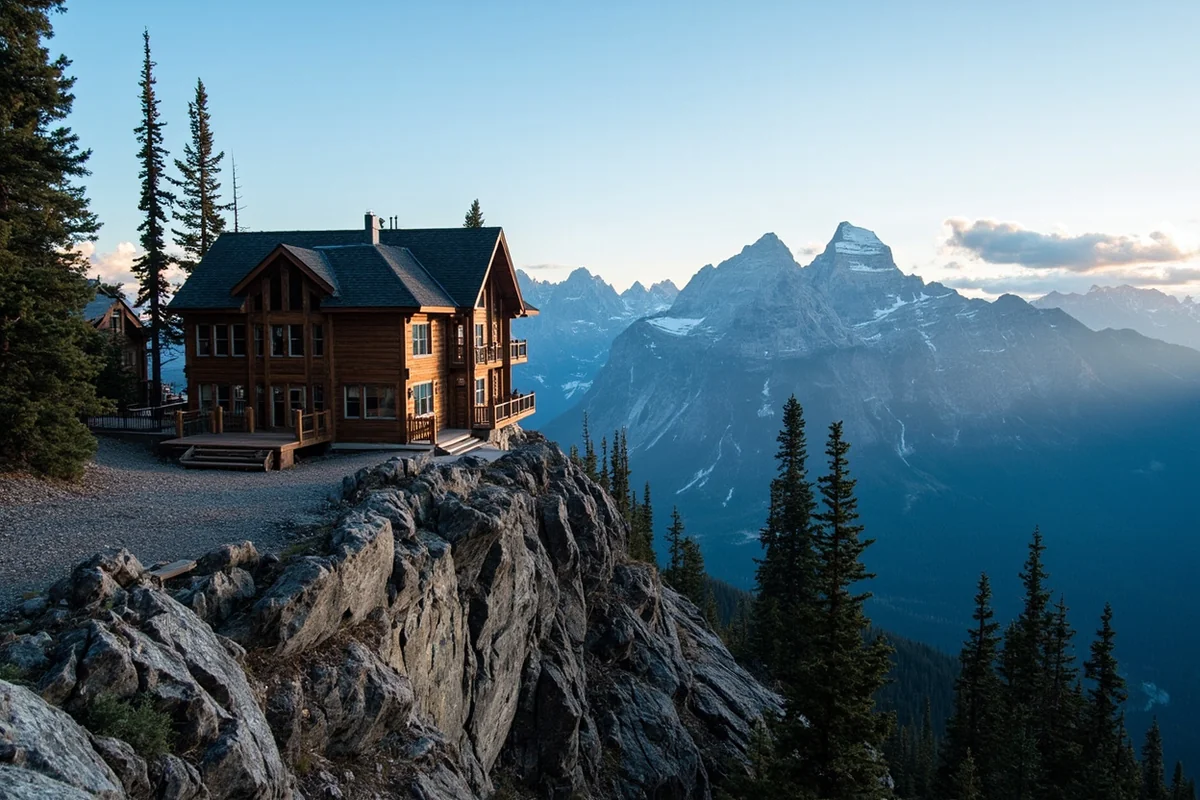
Granite Park Chalet
Granite Park Chalet is accessible via multiple trails, the most popular being the Highline Trail from Logan Pass (7.6 miles, relatively gentle) or the Loop Trail (4 miles but steep). Unlike Sperry, Granite Park is a “bring your own food and sleeping bag” arrangement — they provide the bunk and shelter, but you handle the rest.
I stayed at Granite Park during a two-night backcountry trip where I hiked in via the Highline, spent a night, then continued over Swiftcurrent Pass down to Many Glacier. It was one of the best multi-day routes I’ve ever done. The chalet sits on a ridge with panoramic views of the park’s interior, and the Highline Trail leading to it traverses a narrow ledge carved into the Garden Wall that’s genuinely thrilling.
Gateway Towns: Where Locals Actually Recommend
Not everyone can (or wants to) stay inside the park. Gateway towns offer more variety, lower prices, and amenities like restaurants, grocery stores, and reliable Wi-Fi. Here’s my honest breakdown.
West Glacier
The small cluster of businesses right at the west entrance. There are a few lodges, cabin rentals, and outfitter shops here. West Glacier is as close as you can get to the park without being inside it. Belton Chalet, a restored 1910 railroad lodge, is a personal favorite — it’s got character, a solid restaurant, and you can practically roll out of bed and into the park.
The downside: West Glacier itself is tiny and gets congested in summer. The road leading to the park entrance can back up significantly during morning rush.
Columbia Falls
About 20 minutes west of the park entrance, Columbia Falls is my go-to recommendation for families and budget-conscious travelers. It’s a real town with real grocery stores, gas stations, hardware stores, and a growing restaurant scene. I’ve stayed at vacation rentals here multiple times and appreciate having a kitchen to cook breakfast before early starts.
The Backslope Brewing taproom is a great post-hike stop, and the town has a more authentic Montana feel than some of the more tourist-oriented areas.
Whitefish
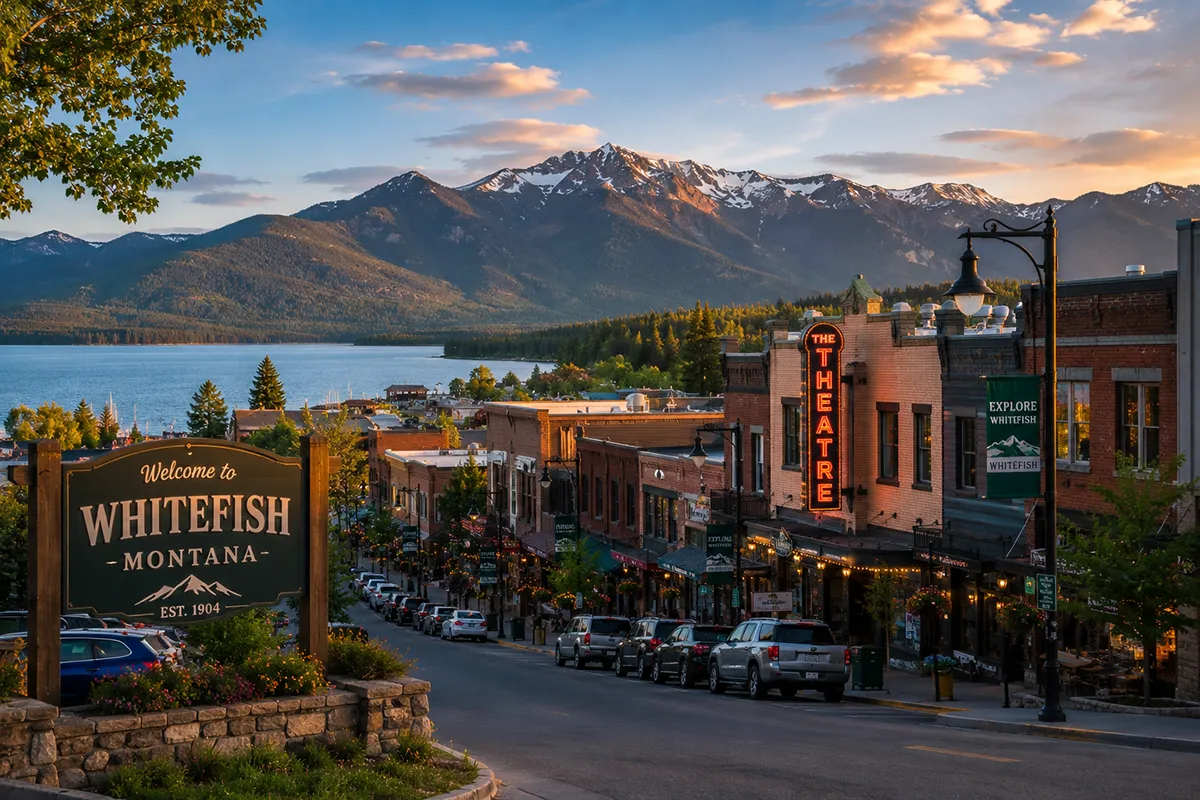
Whitefish is 30–40 minutes from the west entrance and is the most upscale gateway town. It’s a charming ski town (Whitefish Mountain Resort is here) with excellent restaurants, boutique hotels, and a vibrant downtown. If you’re looking for a mix of park adventure and evening dining/nightlife, Whitefish delivers.
During a fall trip, I stayed at a downtown hotel in Whitefish and made day trips into the park. The commute added about 45 minutes each way, which I found manageable. The tradeoff was coming back to great food at Tupelo Grille and a comfortable hotel room every night.
For families, Whitefish Lake State Park offers camping right on the lake and is a great backup if park campgrounds are full.
St. Mary and Babb
On the east side, St. Mary sits right at the eastern entrance to Going-to-the-Sun Road. It’s much smaller than the west-side towns — basically a cluster of lodges, a few restaurants, and a KOA. The St. Mary KOA is actually quite well-run and has tipis and cabins if tent camping isn’t your thing.
Babb is a tiny crossroads town on the way to Many Glacier. The cattle guard at the entrance to “town” always makes me smile — it’s that small. But Babb has a couple of lodging options and, critically, it’s the jumping-off point for Many Glacier Road. If Many Glacier hiking is your priority, basing in Babb cuts 15–20 minutes off your daily drive compared to St. Mary.
East Glacier Park Village
This is the southeastern gateway, home to Glacier Park Lodge and a handful of small businesses. It has a pleasant, slightly sleepy vibe. The Whistle Stop restaurant serves decent burgers and huckleberry shakes, and the whole town has a front-porch, rocking-chair energy that I appreciate after long days on the trail.
Two Medicine Lake is about 20 minutes from here and is one of the park’s most underrated areas — fewer crowds, beautiful hiking, and a serenity that the more popular zones lack.
Gateway Town Comparison
| Town | Distance to Park | Vibe | Price Range | Best For |
|---|---|---|---|---|
| West Glacier | At west entrance | Small, tourist-oriented | $$–$$$ | Quick park access |
| Columbia Falls | ~20 min to west entrance | Working Montana town | $–$$ | Families, budget travelers |
| Whitefish | ~35 min to west entrance | Upscale ski town | $$–$$$$ | Dining, comfort, couples |
| St. Mary | At east entrance | Small, seasonal | $$–$$$ | East-side access, sunrises |
| Babb | ~15 min to Many Glacier Rd | Tiny crossroads | $–$$ | Many Glacier day trips |
| East Glacier Park | At SE entrance | Quiet, friendly | $–$$ | Two Medicine, Amtrak |
Vacation Rentals and Private Cabins
The vacation rental market around Glacier has exploded in recent years. VRBO and Airbnb listings in the Flathead Valley — spanning from Kalispell up through Columbia Falls and Whitefish — offer everything from basic cabins to luxury lakefront homes on Flathead Lake or Whitefish Lake.
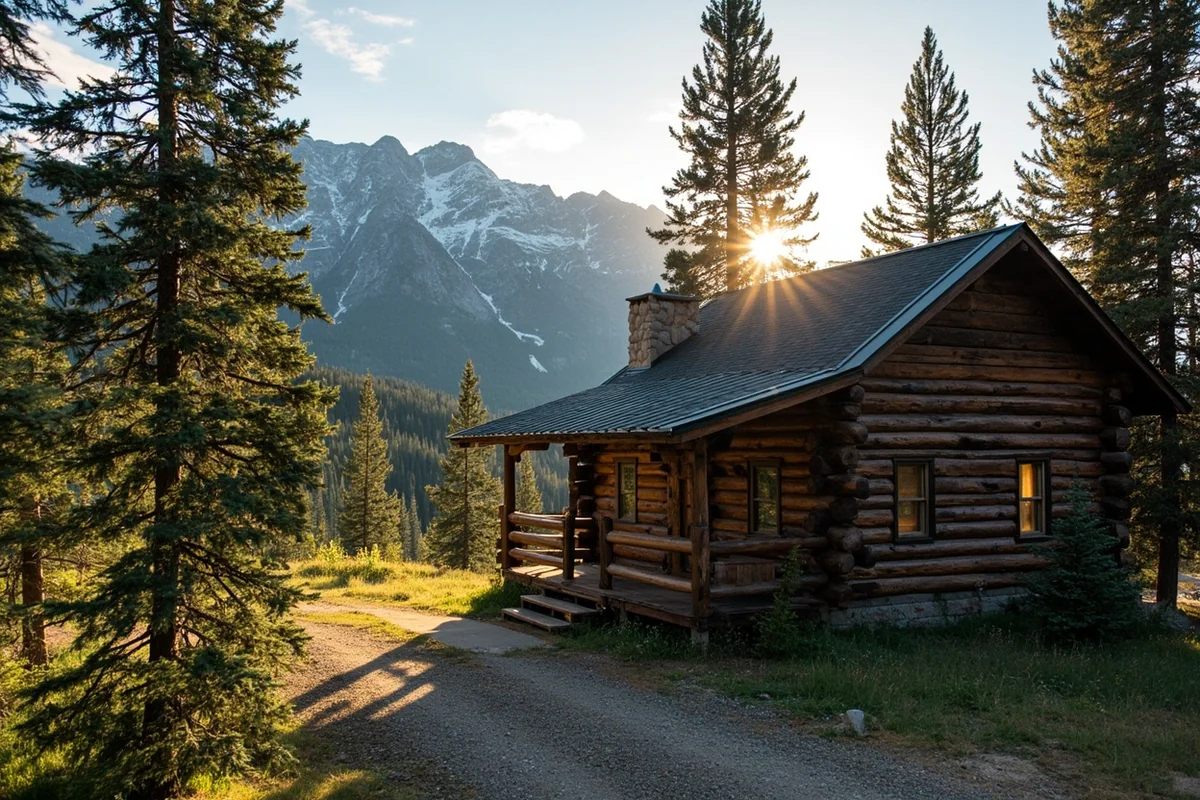
On a group trip with friends in 2022, we rented a three-bedroom cabin near Coram (between Columbia Falls and West Glacier) that slept six, had a full kitchen, a hot tub, and a fire pit. We paid about $250 per night split between three couples. Compared to the $300+ per room at a park lodge, the value was hard to beat.
A few things to watch for with rentals: check the cancellation policy carefully (some owners have strict terms), read reviews about cleanliness and accuracy, and verify the actual drive time to the park entrance — some listings creatively describe their location as “near Glacier” when they’re actually 60+ minutes away.
My Recommended Itinerary Strategy for Where To Stay
After seven trips, here’s the approach I now use and recommend to friends:
For a 4–5 day trip (ideal first visit):
- Nights 1–2: Stay on the west side (Apgar area, Lake McDonald Lodge, or a Columbia Falls/Whitefish rental). Explore Lake McDonald, hike Trail of the Cedars and Avalanche Lake, and drive the lower portion of Going-to-the-Sun Road.
- Night 3: Drive Going-to-the-Sun Road in its entirety (give this a full day — stop at every pullout, hike the Highline Trail if you’re fit, visit Logan Pass). Stay on the east side that night — St. Mary or Babb.
- Nights 4–5: Base at Many Glacier (hotel, Swiftcurrent Motor Inn, or campground). Hike Grinnell Glacier one day, Iceberg Lake the next. Watch for wildlife in the evenings.
This itinerary gives you the best of both sides and avoids the common mistake of staying in one spot and trying to day-trip everything.
For a 2–3 day trip (limited time):
Stay on the west side in Apgar, West Glacier, or Columbia Falls. You’ll have easy access to Going-to-the-Sun Road, Lake McDonald, and the Apgar area. If you have two full days, spend one driving the road and one hiking Avalanche Lake or Highline Trail.
Booking Tips I’ve Learned the Hard Way
- Set alerts for cancellations. Even when lodges are “sold out,” people cancel. I’ve snagged Many Glacier Hotel rooms in June by checking daily throughout the spring.
- Consider shoulder season. Late September and early October are magical — fall colors, fewer crowds, and rooms are actually available. The tradeoff is that some facilities close and Going-to-the-Sun Road may be partially restricted.
- Don’t ignore winter. Glacier in winter is a completely different (and spectacular) experience. Apgar remains accessible, and cross-country skiing and snowshoeing are incredible. Lodging is extremely limited inside the park, but Whitefish and Columbia Falls have year-round options.
- Vehicle reservations for Going-to-the-Sun Road are now required during peak season (typically late May through mid-September). Your lodging location affects whether you need one — if you’re staying at a park lodge on the road, you may be exempt, but check the current year’s rules on the NPS website.
- Bring layers and rain gear no matter when you visit. I’ve experienced snow in July at Logan Pass and 85°F days at Lake McDonald in the same week. Mountain weather is erratic.
The Honest Truth About Staying in Glacier
Here’s what I tell everyone who asks: Glacier National Park accommodation is not luxurious, it’s not convenient, and it’s not easy to book. The historic lodges are old. The campgrounds are basic. The gateway towns are small. Cell service is spotty at best and nonexistent in many areas.
And none of that matters.
What matters is waking up in the Many Glacier valley to the sound of a creek and the sight of Grinnell Point catching the first light. What matters is sitting on the dock at Lake McDonald Lodge as the alpenglow fades and the stars appear one by one. What matters is crawling out of your tent at Sprague Creek, making camp coffee, and realizing that the view from your picnic table is better than anything you’ve seen in a magazine.
The accommodation is the frame. The park is the masterpiece. Book early, manage your expectations about creature comforts, and focus on being there. That’s the whole secret.
Frequently Asked Questions
What are the best areas to stay in Glacier National Park, Montana?
The best areas to stay in Glacier National Park depend on what you want to experience. West Glacier is the most popular base camp with the widest range of lodging options and easy access to the Going-to-the-Sun Road. East Glacier and St. Mary are great alternatives with fewer crowds, and the Many Glacier area is ideal if you’re focused on hiking and wildlife viewing. I personally recommend staying at least one night on both the west and east sides to get the full Glacier experience.
How much does it cost to stay near Glacier National Park per night?
Lodging costs near Glacier National Park range widely depending on the type of accommodation and season. Budget travelers can find campground sites inside the park for $10–$23 per night or basic cabins near West Glacier starting around $100–$150 per night. Mid-range hotels and vacation rentals in Whitefish or Columbia Falls typically run $150–$300 per night during peak summer season, while historic park lodges like Lake McDonald Lodge or Many Glacier Hotel can cost $200–$450+ per night. Booking 6–9 months in advance is essential since summer accommodations sell out fast.
Should I stay inside Glacier National Park or in a nearby town?
Staying inside Glacier National Park puts you right in the middle of the scenery with zero commute to trailheads, but options are limited to historic lodges, cabins, and campgrounds that book up extremely quickly. Nearby towns like Whitefish (about 25 miles from the west entrance), Columbia Falls (15 miles), and Kalispell (33 miles) offer more variety, better amenities, and often lower prices. I’d suggest splitting your stay — a couple of nights inside the park for the immersive experience and the rest in a nearby town where you’ll have access to restaurants, grocery stores, and more comfortable lodging.
When is the best time to visit Glacier National Park for the most lodging availability?
The best time to visit Glacier National Park with solid lodging availability is early June or mid-September, right at the edges of peak season. July and August are the busiest months when the Going-to-the-Sun Road is fully open, and nearly every lodge and campground fills up months in advance. Visiting in shoulder season means cooler temperatures and possible road closures at higher elevations, but you’ll find better rates and more last-minute booking options. If you’re set on a peak-season trip, start reserving lodging by January.
Can you camp in Glacier National Park, and how do you reserve a campsite?
Yes, Glacier National Park has 13 campgrounds with over 1,000 individual campsites, and camping is one of the most affordable and popular ways to stay in the park. Some campgrounds like Apgar, Fish Creek, Many Glacier, and St. Mary accept reservations through Recreation.gov up to six months in advance, while others operate on a first-come, first-served basis. Campsites typically cost $10–$23 per night, and reserved sites during July and August sell out within minutes of opening. I highly recommend setting a reminder for the reservation window and having backup first-come, first-served campgrounds in mind.
Is Whitefish, Montana a good base for visiting Glacier National Park?
Whitefish is one of the best towns to use as a base for Glacier National Park, located about 25 miles (roughly 35 minutes) from the west entrance. It offers a charming downtown with excellent restaurants, breweries, and a solid selection of hotels, vacation rentals, and boutique lodges at various price points. The town also has its own attractions like Whitefish Lake and Whitefish Mountain Resort, making it a great option if you want a mix of park adventures and small-town Montana vibes. The only downside is the daily drive into the park, but the convenience and amenities more than make up for it.
What should I pack if I’m staying in or near Glacier National Park?
Pack layers regardless of when you visit — temperatures in Glacier National Park can swing 30–40°F in a single day, and even summer nights drop into the 30s and 40s at higher elevations. Bring sturdy hiking boots, rain gear, bear spray (available for purchase in West Glacier and park gift shops for around $8–$12 to rent or $40–$50 to buy), sunscreen, and a refillable water bottle. If you’re camping, a sleeping bag rated to at least 20°F and a quality tent with a rain fly are essential. I also always bring binoculars for wildlife spotting and a portable phone charger since cell service is extremely limited throughout the park.