The first time I drove into Whitefish on a late-September evening, the sun was catching the tip of Big Mountain and the whole town smelled like wood smoke and pine.
I’d booked a place sight-unseen, and I got lucky — but I’ve since learned that where you stay in this town dramatically shapes your entire experience.
After more than a dozen trips over the past six years, including stays in everything from a $89-a-night motel on Highway 93 to a $600 ski-in condo at Whitefish Mountain Resort, I’ve built a pretty clear mental map of what works, what doesn’t, and what’s actually worth your money.
- Downtown Whitefish is the best base for first-timers — walkable restaurants, bars, and shops within a few blocks
- Whitefish Mountain Resort is ideal for winter ski trips but feels isolated in summer shoulder season
- Whitefish Lake lodges and vacation rentals offer the quintessential Montana lakeside experience
- Budget travelers should look at Highway 93 motels or Airbnbs in the Columbia Falls corridor
- Book 3-6 months ahead for peak ski season (Dec–Mar) and summer (late June–Aug)
- Glacier National Park is only 25 miles away — Whitefish is one of the best base camps for visiting
Liked this article?
Add Roaming Montana as a preferred source so you see more of our articles and guides on Google.
Why Whitefish Is One of Montana’s Best Base Camps
Before I get into specific neighborhoods and hotels, it’s worth understanding why Whitefish keeps pulling me back. This is a town of about 8,500 people that punches absurdly above its weight in terms of dining, outdoor access, and overall livability.
You’re 25 miles from Glacier National Park’s west entrance, about 8 miles from Whitefish Mountain Resort (one of the best ski areas in the Northern Rockies), and sitting right on a stunning alpine lake. That combination doesn’t really exist anywhere else in Montana.
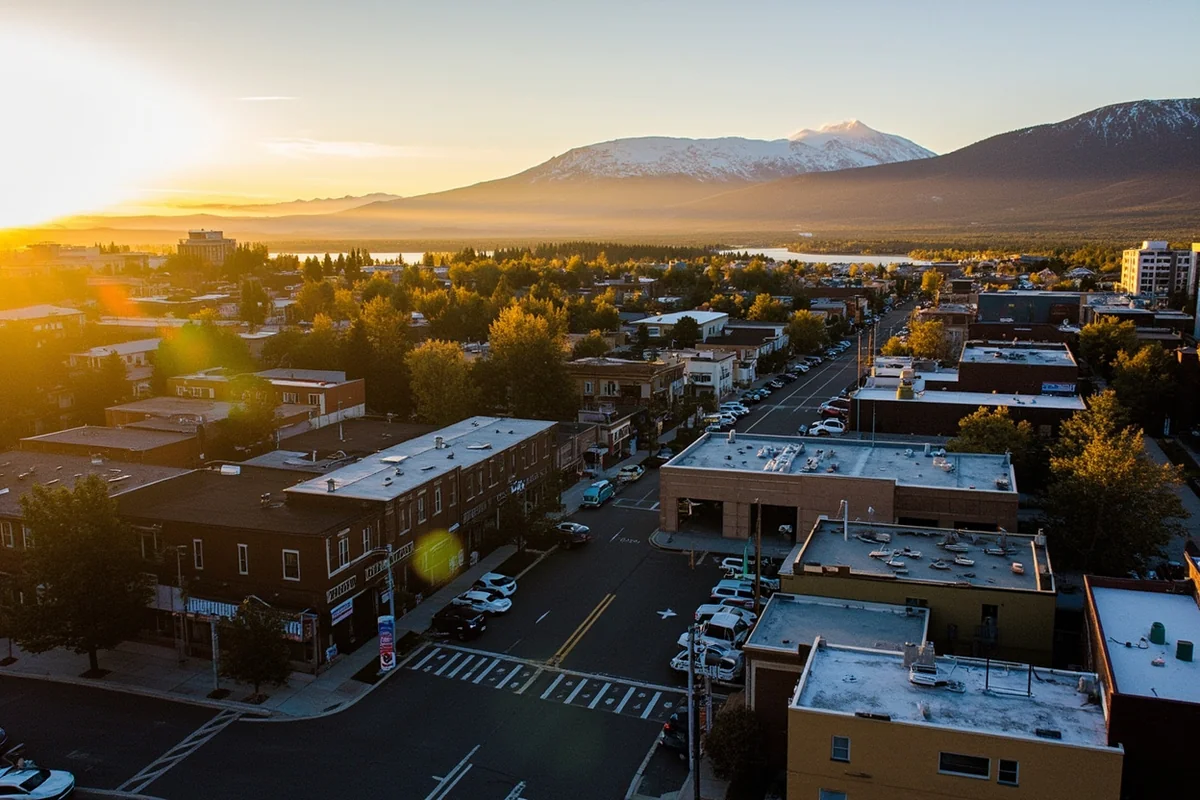
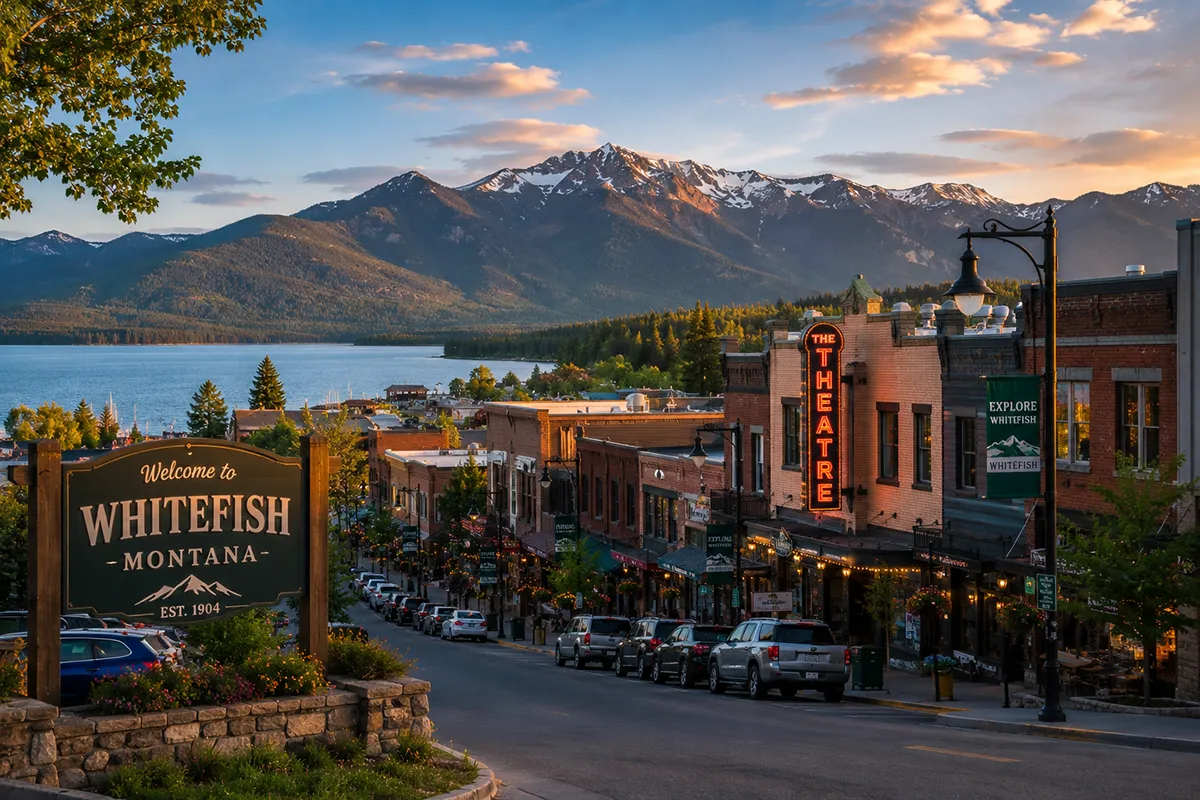
The town itself has a walkable core centered on Central Avenue, lined with locally owned restaurants, breweries, art galleries, and outfitters. It’s not a manufactured resort town — people actually live and work here year-round, which gives it an authenticity that places like Big Sky sometimes lack.
I’ve used Whitefish as a base for Glacier trips three times now, and it’s far more pleasant than staying in West Glacier or Hungry Horse, where lodging options are limited and dining is an afterthought.
The Five Neighborhoods and Areas to Consider
Whitefish isn’t a big place, but where you plant yourself matters more than you might think. Here’s how I break it down after years of exploring the area.
1. Downtown Whitefish — Best for First-Timers and Food Lovers
If this is your first trip to Whitefish, stay downtown. Full stop. I’ll die on this hill.
The core of downtown runs along Central Avenue from roughly the Whitefish Depot (the beautiful Amtrak station) north to about 3rd Street. Within this small grid, you’ve got access to restaurants like Café Kandahar, Wasabi Sushi, Loula’s, and the legendary Buffalo Cafe for breakfast.
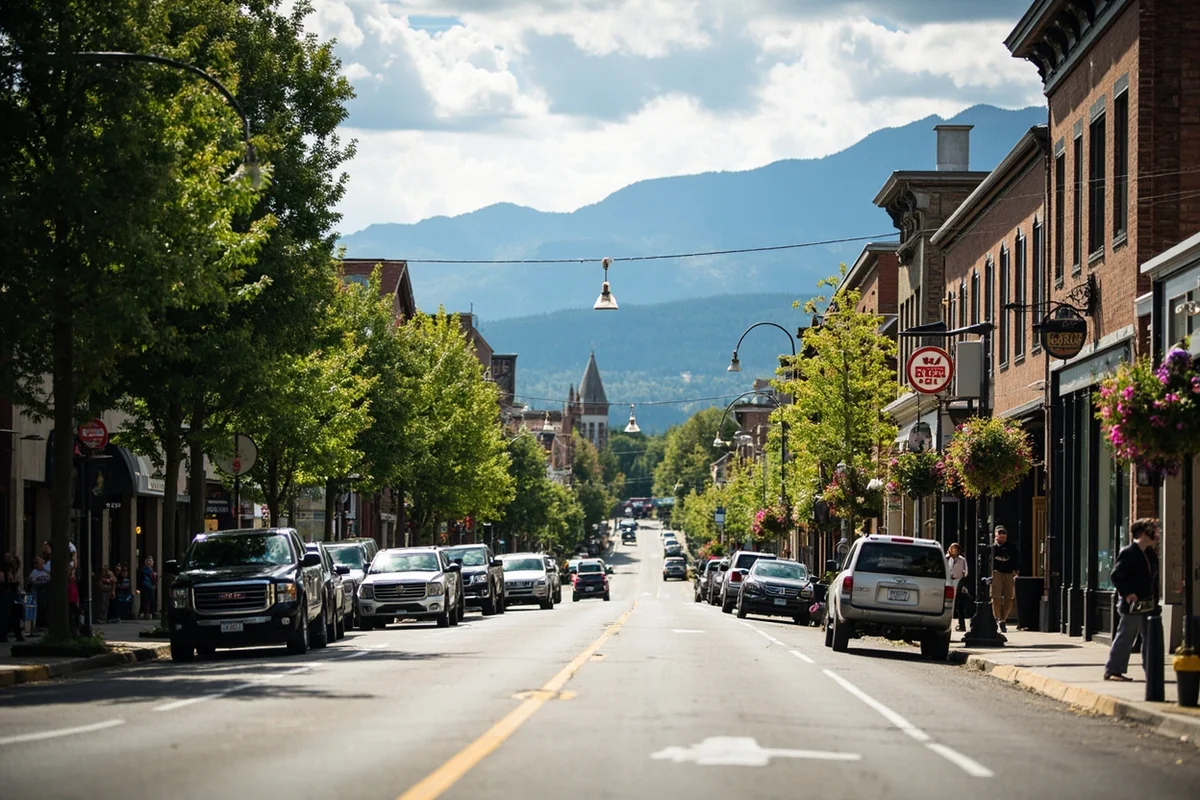
During my visit last July, I stayed at the Firebrand Hotel and walked to dinner every night — no car needed, no parking stress. That matters more than you’d think during peak summer when the town gets busy.
Downtown accommodations tend to be mid-range to upscale. You won’t find a $79 motel here, but you will find characterful boutique hotels and historic properties with actual personality.
My honest take: Downtown is slightly noisy on Friday and Saturday nights in summer, when the bars on Central Avenue get going. If you’re a light sleeper, request a room facing away from the main strip. I learned this the hard way at 1:30 AM on a July Saturday.
2. Whitefish Mountain Resort (Big Mountain) — Best for Skiers
The resort sits about 8 miles north of downtown, up a winding road that climbs roughly 1,800 feet. During ski season, this is the place to be. During summer? It’s a different calculation.
I stayed at the Hibernation House lodge last February, right at the base of Chair 1. Rolling out of bed and being on the lift in under 10 minutes was genuinely life-changing for a ski trip. No shuttles, no parking lots, no gear-hauling drama.
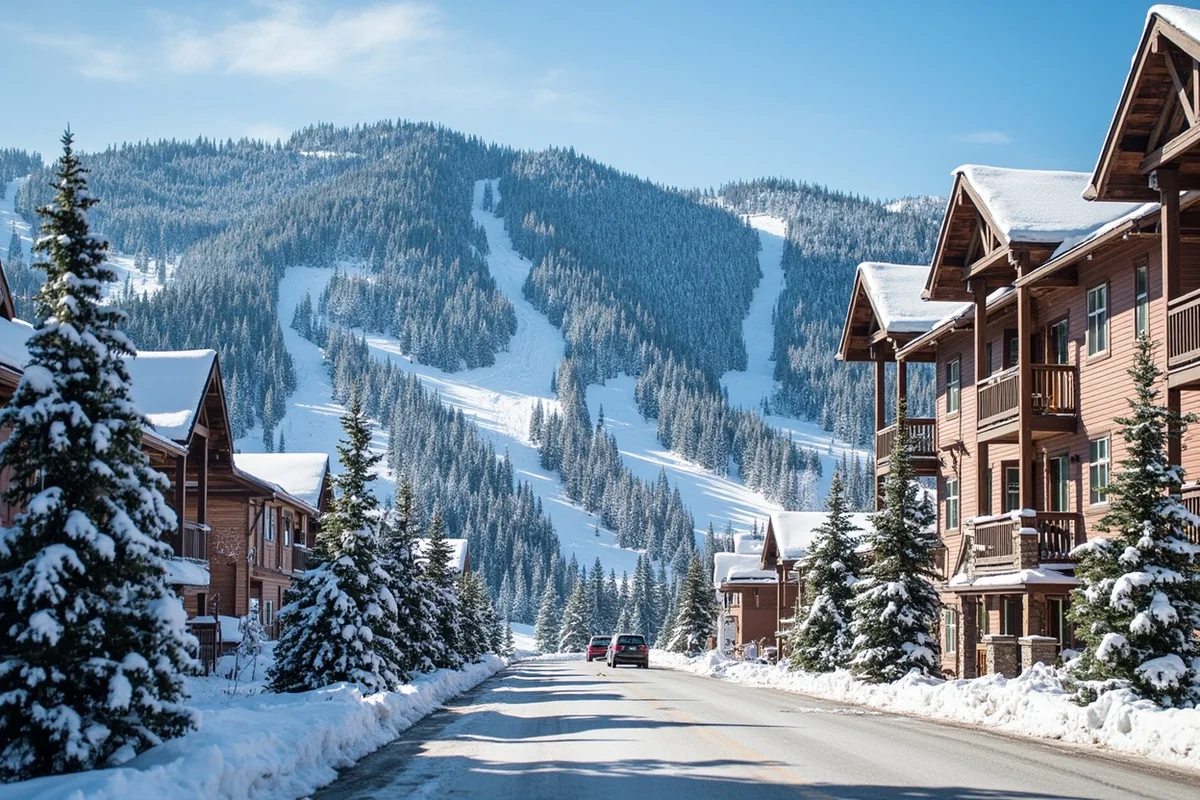
The mountain has a small base village with a handful of restaurants, rental shops, and the Summit Day Lodge up top. But “village” is generous — it’s not Whistler or Vail. There are maybe four or five dining options, and they close early.
The summer trade-off: When I stayed up on the mountain in August, it felt isolated. The resort runs scenic chairlift rides and has a zip line, but after one afternoon you’ll want to drive down to town for dinner. That 15-minute drive down the mountain road in the dark isn’t my favorite thing, especially after a beer or two.
Bottom line: Stay here December through March if you’re skiing. Otherwise, base yourself in town and drive up.
3. Whitefish Lake (South and East Shore) — Best for Serenity Seekers
Whitefish Lake is one of the most beautiful bodies of water in northwest Montana — 7 miles long, absurdly clear, and ringed by forested hills. The lodging scene along the lake is mostly vacation rentals, one legendary lodge, and a state park.
The Lodge at Whitefish Lake sits on the southern shore and is the single most iconic property in town. I splurged on a room there for my anniversary two Octobers ago, and the view from the lakeside units at sunrise — mist rising off the water, geese honking somewhere in the distance — is seared into my memory.
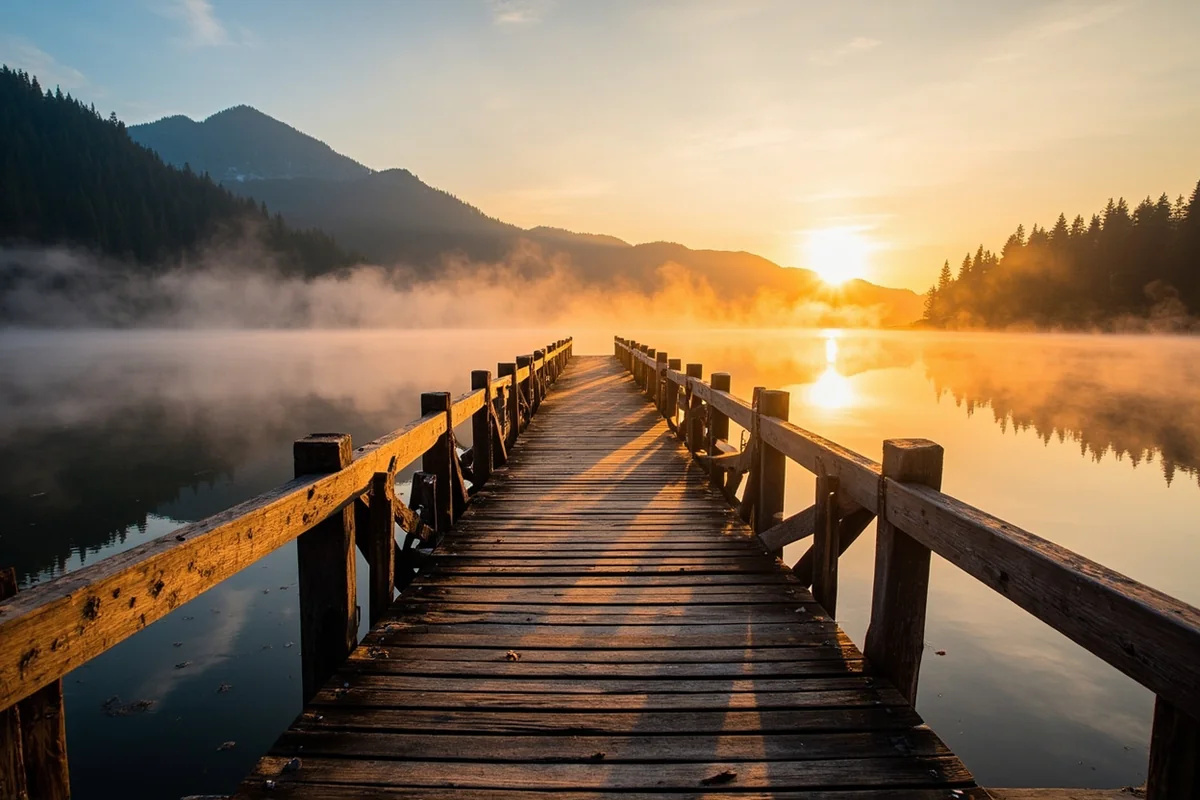
Vacation rentals along the east and north shore of the lake range from modest cabins to jaw-dropping luxury homes. Last summer, a group of six of us rented a three-bedroom place on the east shore through VRBO for about $350 per night — substantially cheaper per person than hotels, with a private dock and kayaks included.
The catch: Lake properties are 2-5 miles from downtown, so you’ll need a car for everything. And the best lakeside rentals book out months ahead for July and August.
4. Highway 93 Corridor (South of Town) — Best for Budget Travelers
Highway 93 runs through Whitefish and continues south toward Kalispell. Along this stretch, you’ll find the more affordable chain and independent motels that don’t show up in glossy travel magazines but serve an important purpose.
Properties like the Pine Lodge, Cheap Sleep Motel, and various smaller motor inns along 93 offer functional rooms in the $89-$160 range during summer — sometimes half the price of downtown boutique hotels.
I’ve stayed at the Pine Lodge twice during quick weekend trips. It’s clean, the beds are decent, and it has a heated outdoor pool. It’s not Instagram-worthy, but I saved enough to eat at Café Kandahar both nights, which is a trade I’ll make every time.
Real talk: Some of these places show their age. Read recent reviews carefully and pay attention to renovation dates. There’s a meaningful difference between the properties that have been updated in the last five years and those that haven’t.
5. Columbia Falls and Surroundings — Best for Glacier-Focused Trips
Columbia Falls is about 15 minutes southeast of Whitefish and serves as the practical gateway to Glacier National Park’s west side. If your primary reason for visiting is Glacier and you want to minimize drive time to the park entrance, this area makes strategic sense.
Lodging here is more utilitarian — a handful of motels, a few newer vacation rentals, and some cabin-style properties along the Flathead River. Prices tend to run 20-30% lower than Whitefish proper.
I used Columbia Falls as a base for an early-morning Logan Pass trip last August. Being 10 miles closer to the park entrance meant I arrived at the West Glacier gate at 5:50 AM before the crowd — and that 10-mile head start genuinely mattered.
The downside: You sacrifice the charm and dining scene of Whitefish. Columbia Falls has a few solid restaurants (I like Backslope Brewing), but it’s not a place you’d explore on foot for an evening.
My Top Accommodation Picks (Tested Personally)
Here’s a breakdown of the specific properties I’ve stayed at or thoroughly vetted over the years, organized by type and budget.
| Property | Area | Price Range (Summer) | Best For | My Rating |
|---|---|---|---|---|
| The Firebrand Hotel | Downtown | $250–$450/night | Couples, walkability | 9/10 |
| Lodge at Whitefish Lake | Whitefish Lake | $300–$600/night | Romance, luxury | 9.5/10 |
| Hibernation House | Mountain Resort | $120–$200/night | Ski trips on a budget | 7.5/10 |
| Pine Lodge | Highway 93 | $110–$180/night | Budget travelers, families | 7/10 |
| Kandahar Lodge | Mountain Resort | $200–$400/night | Ski-in/ski-out luxury | 8.5/10 |
| North Valley Hospital Area VRBOs | North edge of town | $150–$300/night | Groups, families, long stays | 8/10 |
| Grouse Mountain Lodge | NW Whitefish | $180–$320/night | Golf, families, conferences | 7.5/10 |
The Firebrand Hotel — Downtown’s Best Option
I’ve stayed at the Firebrand three times now, and it’s become my default recommendation for anyone visiting Whitefish for the first time.
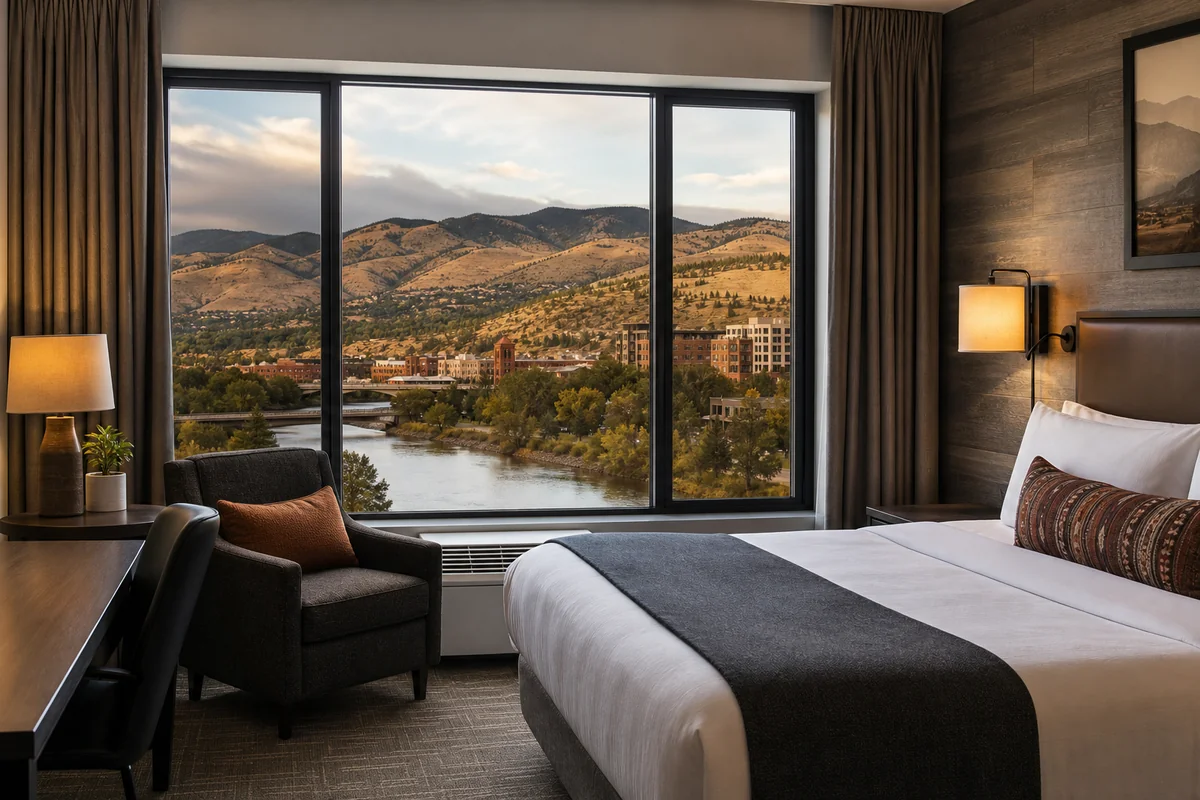
It’s a modern boutique hotel right on Central Avenue with a rooftop hot tub, a solid on-site restaurant, and rooms that feel genuinely Montana without being kitschy about it.
The design is all reclaimed wood, clean lines, and earth tones — it looks like what would happen if a Scandinavian designer moved to Montana and fell in love with the place. The beds are excellent. The soundproofing between rooms is adequate but not perfect.
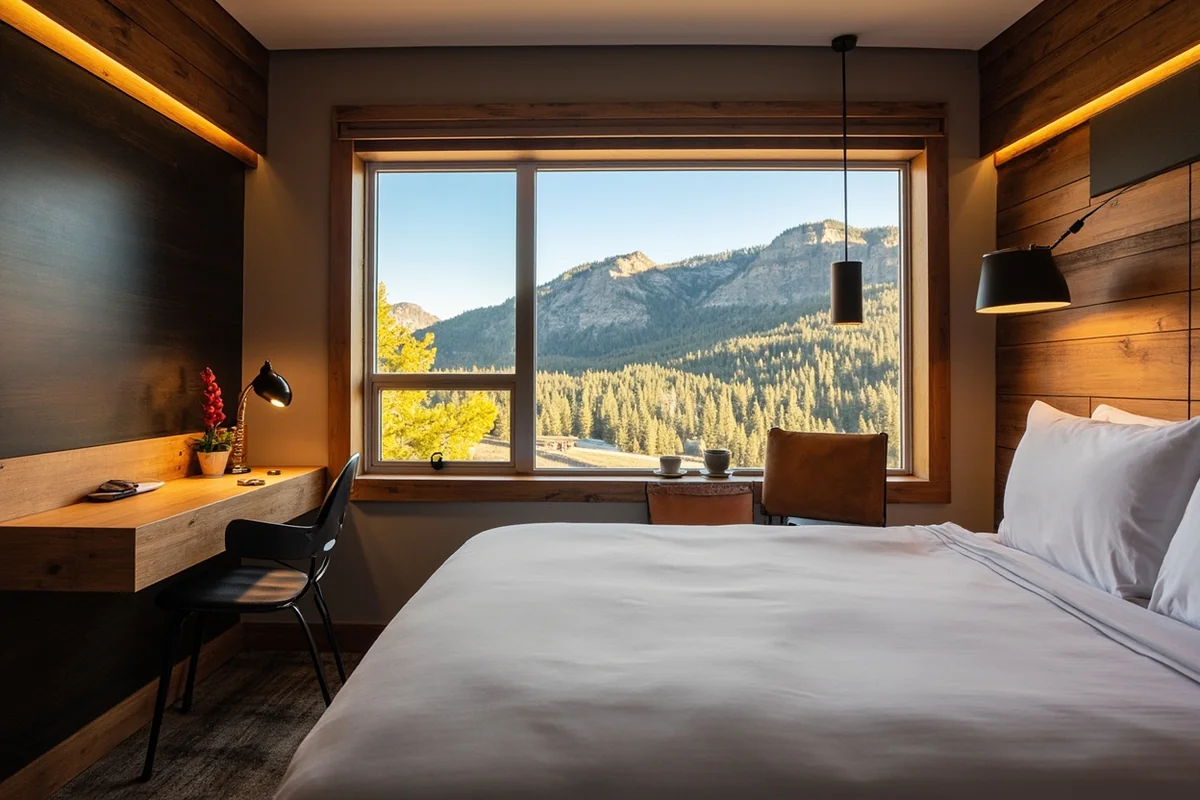
During my most recent stay last summer, I paid $310 per night for a king room with a partial mountain view. That’s steep, but I’d argue the walkability alone saves you $30-40 per night in Uber costs and parking fees.
Pro tip: Book a room on the upper floors facing east. You’ll get morning light on Big Mountain and avoid the bar noise from Central Avenue below.
Lodge at Whitefish Lake — The Splurge Pick
This is the property that shows up on every “best Montana lodges” list, and for once, the hype is earned. The lodge sits right on the lake with a marina, spa, two restaurants (the Boat Club is excellent), and grounds that make you feel like you’ve wandered into a Wes Anderson movie set in Montana.
I paid around $480 per night for a lakeside king suite in early October. In July, that same room runs $550-$650. The shoulder season discount is real and worth targeting.
The rooms in the main lodge have more character than the newer condo-style buildings on the property. I’d specifically request a Viking Lodge lakeside room if you want the full experience.
Hibernation House — The Budget Ski Pick
This place isn’t going to win any design awards. It’s essentially a hostel-hotel hybrid at the base of Whitefish Mountain Resort with basic rooms, a shared hot tub, and a location that can’t be beat for skiing.
When I stayed last February, I paid $145 per night for a standard room. The walls were thin, the decor was dated, and the bathroom was functional at best. But I was first in the lift line three mornings running, and I spent the savings on a sushi dinner at Wasabi downtown.
Know this going in: Hibernation House is about the location, not the luxury. Adjust expectations accordingly and you’ll be perfectly happy.
Vacation Rentals vs. Hotels — What Actually Works Better
This is a question I get constantly when friends ask me about Whitefish, and my answer has evolved over the years.
Hotels win when: You’re visiting for 1-3 nights, you want walkability, you don’t feel like cooking, or you’re traveling as a couple. The Firebrand or Lodge at Whitefish Lake will give you a better experience than most vacation rentals at similar price points for short stays.
Vacation rentals win when: You’re staying 4+ nights, traveling with a group of 4 or more, bringing kids who need space, or you specifically want lakeside access with a private dock. The math on a $300/night three-bedroom cabin splits beautifully among six people.
I’ve used both VRBO and Airbnb extensively in Whitefish. The local inventory tends to be slightly better on VRBO for standalone homes and cabins. Airbnb has more in-town rooms and smaller units.
One critical warning: Whitefish passed short-term rental regulations in recent years, and the inventory has shifted. Some neighborhoods restrict rentals, and some previously available properties have gone off the market. Always verify that your rental is properly licensed — it’ll say so in the listing, and if it doesn’t, that’s a red flag.
Seasonal Strategy: When You Stay Changes Where You Should Stay
Whitefish is genuinely a four-season town, but each season demands a different lodging strategy.
Winter (December – March): Prioritize Mountain Access
If you’re here to ski, staying at or near Whitefish Mountain Resort saves you the daily commute up Big Mountain Road — which can be genuinely unpleasant in a snowstorm. The resort’s snow shuttle runs between downtown and the mountain, but it adds 30-40 minutes to your morning routine.
During a January trip, I watched the road get shut down for two hours after an avalanche risk assessment. Staying slope-side eliminated that variable entirely.
Peak ski season rates kick in around December 20 and don’t relent until early March. Book by September for the best selection.
Summer (June – August): Prioritize Downtown or Lake
Summer is Whitefish’s busiest season, driven by Glacier National Park tourism and lake recreation. Downtown puts you walking distance from the farmers market (Sunday mornings — don’t miss it), live music at various venues, and restaurants that are at their best when they can use outdoor seating.
Lake properties come alive in summer with swimming, paddleboarding, kayaking, and fishing. If water access matters to you, this is the time to pay the premium for a lakefront rental.
Crucial booking note: The Going-to-the-Sun Road in Glacier typically opens fully by late June and becomes the primary driver of summer tourism. July is the absolute peak. If you’re flexible, early June and September offer dramatically lower rates and thinner crowds.
Shoulder Seasons (April–May, September–November): Maximize Value
These are my favorite times to visit Whitefish, and the lodging deals reflect the lower demand. I’ve gotten Firebrand rooms for $190 in October and lakeside rentals for half their summer rates in September.
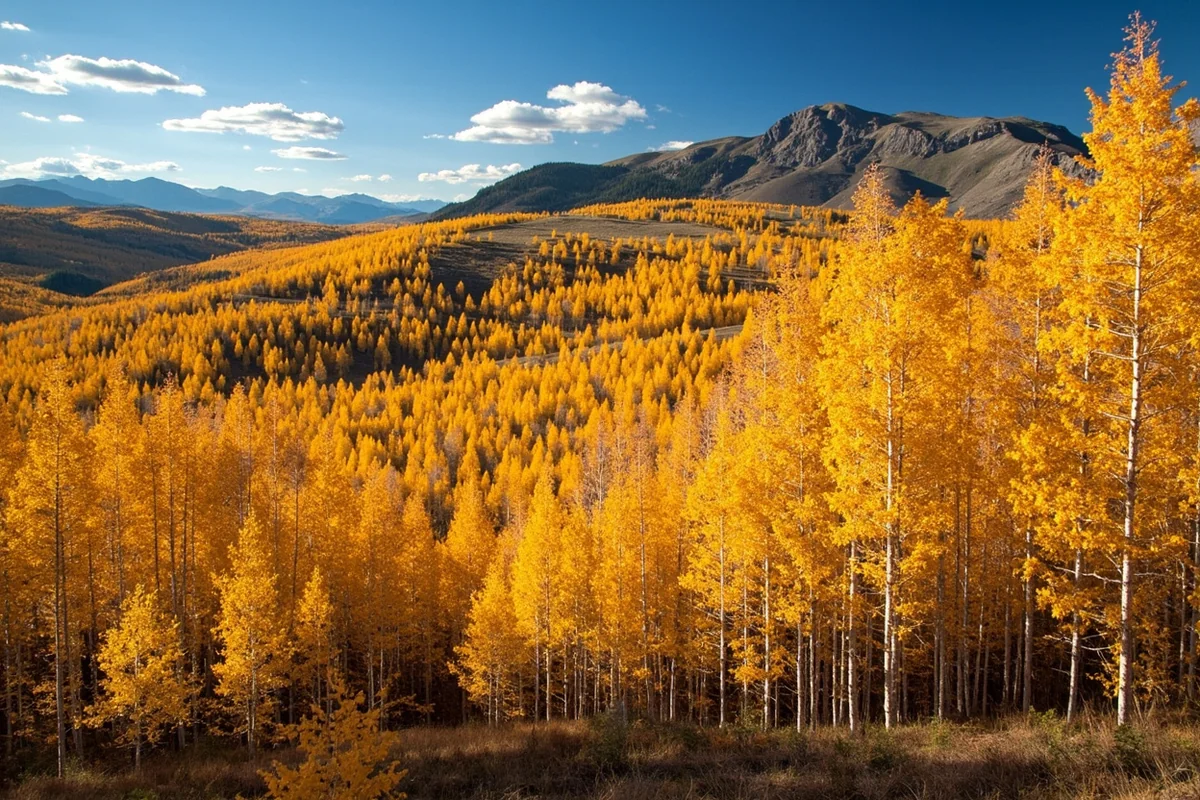
Early October is particularly magical — the larch trees on the mountainsides turn gold, the summer crowds have vanished, and the restaurants feel more relaxed. The ski resort hasn’t opened yet, so mountain lodging is at its cheapest.
Practical Tips I’ve Learned the Hard Way
After all these trips, here are the things I wish someone had told me before my first Whitefish visit.
Parking Is Trickier Than You’d Expect
Downtown Whitefish has limited parking, especially in summer. Most downtown hotels include parking, but it’s often a small lot that fills up. The Firebrand’s underground garage is one of the best hotel parking situations in town.
If you’re staying at a vacation rental downtown, confirm the parking situation before you book — I once rented a place that had “street parking only,” which meant circling blocks for 15 minutes every evening in August.
The Amtrak Connection Is Real
Whitefish is one of the few Montana towns with actual Amtrak service via the Empire Builder line. The station is right downtown, and if you’re coming from Seattle, Portland, or Minneapolis, the train ride is spectacular.
I took it once from East Glacier to Whitefish, and the route through the Flathead Valley was one of the most beautiful rail journeys I’ve experienced in the US.
If you’re arriving by train and plan to use Whitefish as a car-free base, staying downtown becomes essential. You can walk to most restaurants, rent bikes from Glacier Cyclery, and use the SNOW bus system for mountain access.
Glacier Park Logistics Affect Your Stay
Since 2022, Glacier National Park has used a vehicle reservation system for the Going-to-the-Sun Road corridor during peak summer months. This means you need to plan your park days in advance and may need to secure reservations that open at specific times.
I mention this because it directly affects your Whitefish lodging strategy. If you snag a 6 AM Glacier entry reservation, you want to be as close to the park entrance as possible — which might argue for one or two nights in Columbia Falls before or after your downtown Whitefish stay.
On my last trip, I did exactly this: three nights at the Firebrand for town exploration and dining, then two nights at a cabin near Columbia Falls for early-morning Glacier days. It worked perfectly.
Noise and Construction Awareness
Whitefish is growing, and construction is an ongoing reality. Before booking any property, I now always check Google Maps satellite view for nearby construction sites and read the most recent reviews for noise complaints. During a 2023 stay, a condo development going up across the street from my rental turned what should have been a peaceful morning into a jackhammer symphony starting at 7 AM.
Air Conditioning Isn’t Universal
Montana summers have been getting hotter, and not all Whitefish properties have air conditioning — particularly older vacation rentals and some historic lodges. I booked a charming 1940s cabin one August and discovered at check-in that “cooling” meant opening the windows. It was 92°F that week.
Always confirm A/C availability if you’re visiting July through August. This is becoming a more important factor than it was even five years ago.
How Much Should You Budget for Lodging?
Let me give you realistic numbers based on my actual spending across multiple trips.
| Season | Budget Option | Mid-Range | Luxury |
|---|---|---|---|
| Peak Summer (Jul–Aug) | $120–$180/night | $250–$400/night | $450–$700/night |
| Ski Season (Dec–Mar) | $100–$160/night | $200–$350/night | $400–$600/night |
| Shoulder (Apr–Jun, Sep–Nov) | $80–$130/night | $150–$250/night | $280–$450/night |
These are nightly rates for double occupancy. Vacation rentals for groups can shift the math significantly — that $350/night lakeside cabin I mentioned splits to under $60 per person with six guests.
Tax note: Montana has no state sales tax, but Whitefish does collect a local resort tax (3%) and a bed tax (7%) on accommodations. Factor in roughly 10% on top of listed rates.
My Recommended Itinerary Pairings
Based on the most common trip types I see (and have personally done), here’s where I’d stay for each.
The Glacier-Focused Trip (5-7 days): 3-4 nights downtown Whitefish + 2-3 nights Columbia Falls or West Glacier. Use Whitefish for acclimatization, dining, and rest days. Use Columbia Falls as your early-morning Glacier launch pad.
The Ski Trip (3-5 days): Stay at Whitefish Mountain Resort the entire time. Kandahar Lodge if budget allows, Hibernation House if it doesn’t. Drive down to town for one nice dinner.
The Summer Lake Trip (5-7 days): Rent a lakeside cabin for the full stay. Bring kayaks or rent them. Drive into downtown for dinners and the farmers market. This is the most relaxing version of a Whitefish trip.
The Weekend Getaway (2-3 nights): The Firebrand, hands down. Walk everywhere, eat well, browse shops, maybe hike Danny On Trail on the mountain one afternoon.
The Family Road Trip (3-4 days): A vacation rental in town with 2+ bedrooms, a yard, and a kitchen. Kids need space, and restaurant dining for every meal with children gets expensive and exhausting.
Final Honest Thoughts
Whitefish has gotten more expensive and more crowded over the six years I’ve been visiting regularly. That’s just the truth. The secret has been out for a while now, and housing costs — both for residents and visitors — have climbed significantly.
But the underlying magic of this place hasn’t diminished. The mountains are still there. The lake is still impossibly blue. The people who run the restaurants and shops are still genuinely passionate about their community. And the access to Glacier National Park remains one of the great privileges of staying here.
Where you stay shapes the trip. A slope-side condo in February feels like an entirely different vacation than a lakeside cabin in August, even though they’re only 10 miles apart.
Take the time to match your lodging to your priorities — the skiing, the lake, the food, the park — and Whitefish will reward you for it.
I’m already planning my next trip for this coming October, and I just booked a lakeside rental that came open due to a cancellation. Some things are worth jumping on.
Frequently Asked Questions
What is the best area to stay in Whitefish Montana?
The best area to stay in Whitefish depends on your trip goals. Downtown Whitefish is ideal for walkable access to restaurants, shops, and nightlife, while staying near Whitefish Mountain Resort is perfect for ski-in/ski-out access in winter and hiking in summer. If you prefer a quieter retreat, lodging along Whitefish Lake offers stunning waterfront views and is only about a 5-minute drive from downtown.
How much does it cost to stay in Whitefish Montana per night?
Nightly rates in Whitefish range widely depending on the season and accommodation type. Budget-friendly motels and vacation rentals start around $100–$150 per night in the off-season, while mid-range hotels and cabins typically run $200–$350 per night. During peak ski season (December–March) and summer (July–August), expect premium pricing, with luxury lodges and slopeside condos reaching $400–$800+ per night.
What is the best time of year to visit Whitefish Montana?
The best time to visit Whitefish depends on what you want to do. Winter (December through March) is peak season for skiing and snowboarding at Whitefish Mountain Resort, while summer (June through September) offers incredible hiking, lake activities, and access to nearby Glacier National Park. For smaller crowds and lower lodging rates, consider visiting in early June or late September when the weather is still pleasant but tourism is lighter.
Should I stay in Whitefish or Kalispell when visiting Glacier National Park?
I’d recommend staying in Whitefish over Kalispell if your budget allows it, as Whitefish has a more charming downtown with better dining, nightlife, and a true mountain-town vibe. Whitefish is about 33 miles from Glacier National Park’s West Entrance, only 10–15 minutes farther than Kalispell. However, Kalispell offers more budget-friendly hotel chains and big-box shopping, making it a practical base if you’re looking to save on lodging costs.
Are there affordable cabins or vacation rentals in Whitefish Montana?
Yes, Whitefish has a solid selection of vacation rentals and cabins available through platforms like Vrbo, Airbnb, and local property management companies. Affordable cabins outside of downtown or on the outskirts of town can start around $120–$200 per night, especially if you book well in advance or visit during shoulder season. Renting a cabin or condo with a kitchen can also save you money on dining out, which adds up quickly in Whitefish’s restaurant scene.
Do I need a car if I stay in downtown Whitefish Montana?
If you’re staying in downtown Whitefish and plan to mostly explore the town, you can get by without a car since restaurants, breweries, and shops are all within walking distance. However, I’d strongly recommend having a car if you plan to visit Glacier National Park, Whitefish Mountain Resort, or Whitefish Lake, as these are 5–35 miles from downtown and public transportation options are limited. The SNOW Bus does offer free shuttle service to Whitefish Mountain Resort during ski season, which is a great perk.
What should I pack for a trip to Whitefish Montana?
Packing for Whitefish depends heavily on the season, but layering is always key since mountain weather can shift quickly. In winter, bring insulated waterproof jackets, thermal base layers, snow boots, and ski gear (or plan to rent locally). Summer visitors should pack hiking boots, sunscreen, bear spray for Glacier National Park trails, a rain jacket, and layers for cool evenings that can dip into the 40s even in July and August.