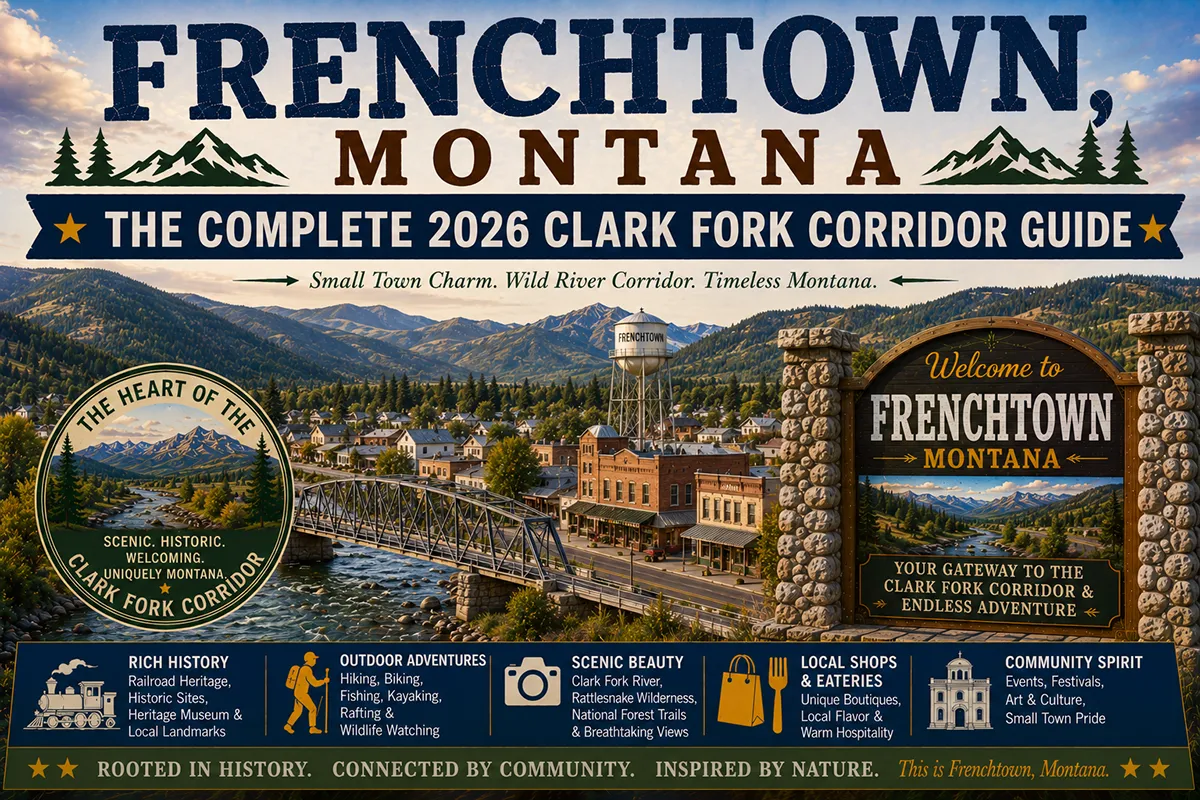
Frenchtown sits just northwest of Missoula on the I-90 corridor, close enough for a quick pond visit yet old enough to carry a story most travelers never hear.
TL;DR
- Frenchtown is a community of 1,958 people (2020 census) in Missoula County, about 16 miles northwest of Missoula on Interstate 90.
- The main draws are Frenchtown Pond State Park, the 1884 St. John the Baptist church, a small food and drink scene, and an easy launch point for the Clark Fork corridor.
- The former Smurfit-Stone mill site is under federal cleanup review, which is part of honest local context.
- Most visitors stay in Missoula and treat Frenchtown as a half-day stop.
Liked this article?
Add Roaming Montana as a preferred source so you see more of our articles and guides on Google.
What Frenchtown Is Like
Frenchtown is a small residential and farming community stretched along the Clark Fork River valley. It feels closer to a commuter village than a tourist stop, and that is part of its appeal.
Wikipedia counts 1,958 residents in 2020, up from 1,825 in 2010 and 883 in 2000. The elevation is about 3,038 feet.
Frenchtown Public Schools is a unified K-12 district, and the high school teams are the Broncs. A Missoula Public Library branch serves the community.
Visitors should expect a handful of businesses rather than a downtown to wander. The reward is quiet, flat valley scenery with mountains on either side.
This guide covers the founding story, the pond, the church, where to eat, how to build a day around the corridor and what to know about the old mill. It belongs to the larger set of Montana cities and towns on this site.
Where Frenchtown Is and How to Get There
Frenchtown lies in northwestern Missoula County along Interstate 90 and the historic Mullan Road. The drive from Missoula is about 16 miles and usually takes 15 to 25 minutes, depending on traffic.
Missoula Montana Airport is about 10 miles southeast of Frenchtown, according to Wikipedia. The Montana airports guide compares the state’s options.
A car is the only practical way to visit. There is no useful public transit for tourists.
The corridor west of Frenchtown leads toward Huson, Alberton and Superior, which lies roughly 40 miles away. East of Missoula, Clinton and Arlee add more small-town stops on other routes.
A Short History of Frenchtown
French-speaking settlers from Quebec and eastern Canada arrived in the Missoula Valley in the late 1850s, according to Historic Montana. Wikipedia describes two French-Canadian families, including Metis members, founding the settlement around 1858.
By 1864, French-Canadian Catholics worshiped in a log chapel, described as the second church in Montana Territory established for non-Native Americans. A post office followed in 1868, according to Wikipedia.
The valley’s earlier Indigenous history runs far deeper. The Glacier Country community page records a name for the valley, qua elth, meaning “state of tranquility”.
The community’s name comes from the settlers themselves. It has stayed small and rooted in farming rather than growing around a resort or a major attraction.
For the wider arc of the territory, the Montana history guide covers statehood, mining and railroads.
The Historic Church
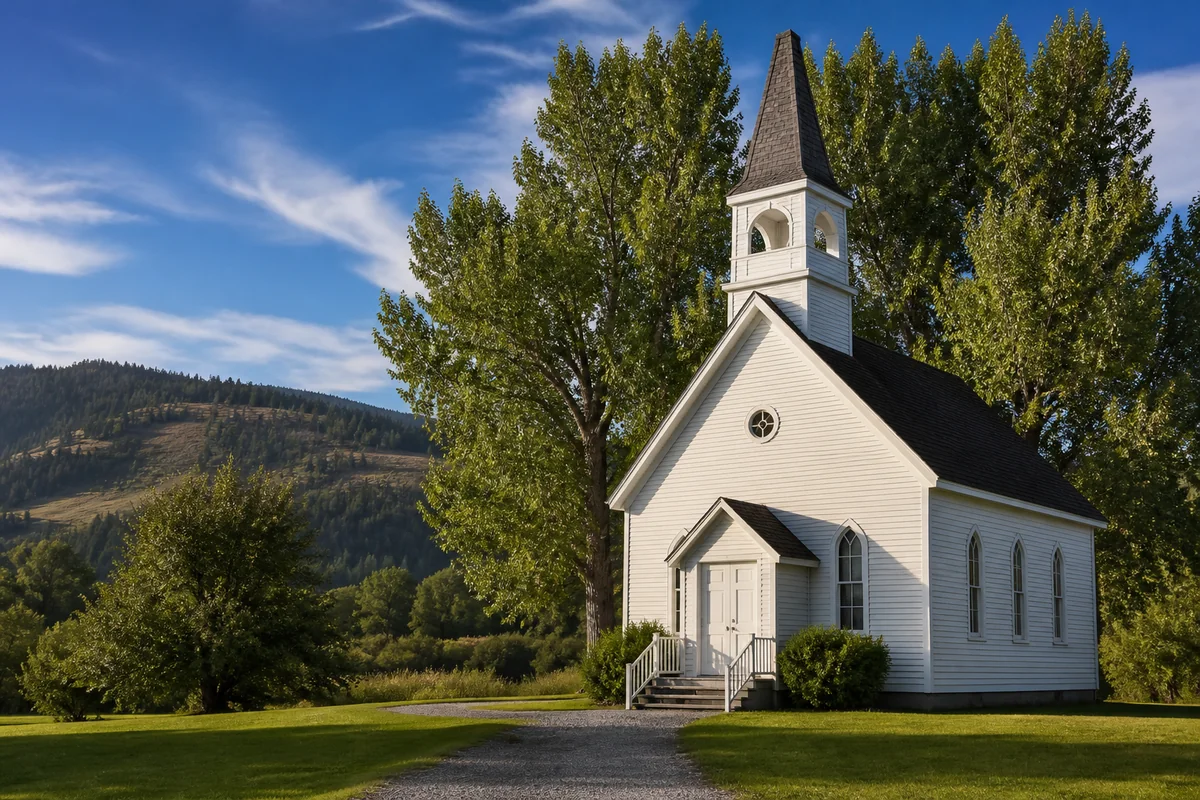
St. John the Baptist Church is the community’s best-known historic building. Historic Montana says the cornerstone was laid in June 1884 during the St. John’s Day celebration and the church was dedicated on August 10, 1884.
The parish community furnished all labor and materials, and the church cost $8,000. A ship’s carpenter, Lugar Forast, is credited with the design. A bell installed in 1885 carries a French inscription.
From 1914 to 1922, the Sisters of Providence ran an academy at the church that taught children in French.
The church is described as Montana’s oldest Catholic church in continuous use. Some sources mention an earlier building under a different name, so details vary.
Treat it as a working house of worship. Visit respectfully, check service times and ask before going inside or photographing during worship.
Frenchtown Pond State Park
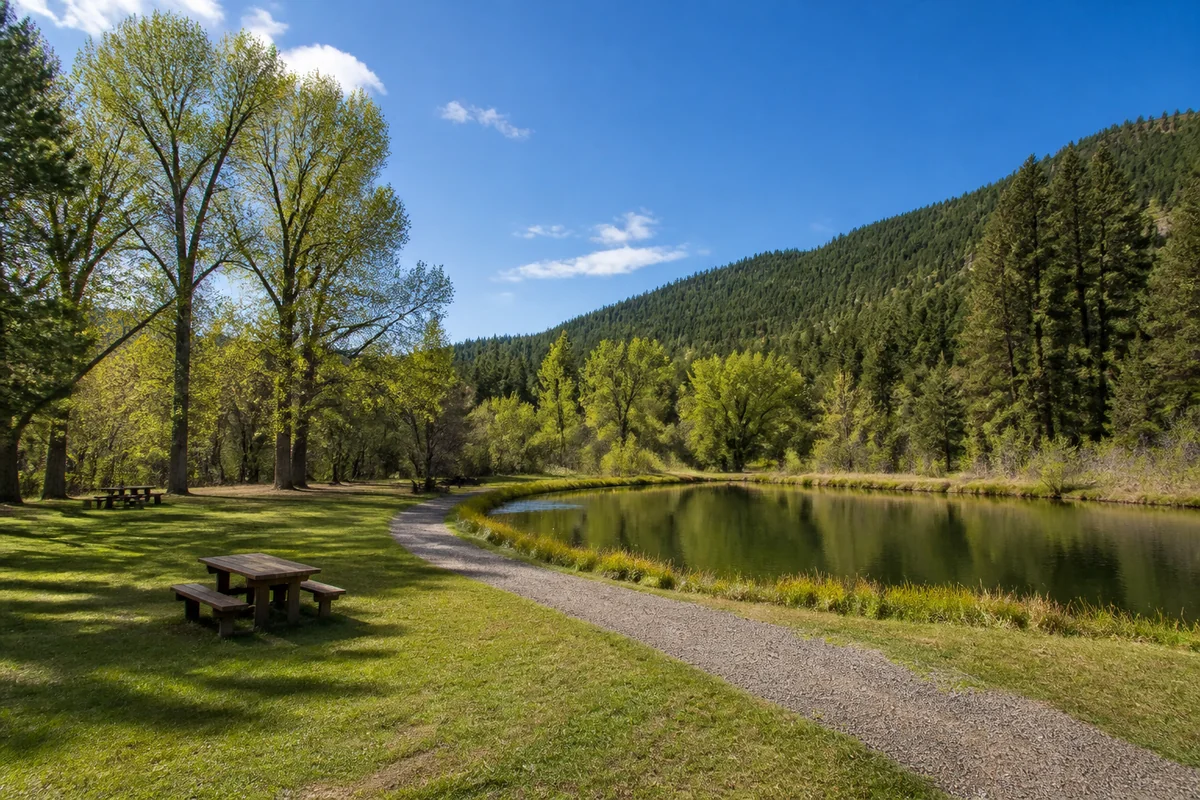
Frenchtown Pond is the headline outdoor stop. The pond is 18 acres and spring-fed, according to Montana FWP.
Fishing is available year-round for bass, perch and hatchery trout. Facilities include a fishing dock, picnic tables, barbecues, group shelters, a playground and comfort stations, some seasonal.
More than a mile of pedestrian and bike trail circles the pond, which makes it a gentle option for families and beginners.
Hours and fees
FWP lists gate hours by season.
| Period | Gate hours |
|---|---|
| Oct 1 to Apr 30 | 9:00 a.m. to 5:00 p.m. |
| May 1 to Aug 31 | 9:00 a.m. to 9:00 p.m. |
| Sep 1 to Sep 30 | 9:00 a.m. to 7:00 p.m. |
Montana residents pay no daily entrance fee if they pay the $9 state parks fee with vehicle registration. Nonresidents pay $8 per vehicle or $4 for walk-ins, bicycles and bus passengers, and a Nonresident Entrance Pass makes entry free.
The park is day-use only, with no camping. Swimming and boating are listed as activities, but rules are on FWP’s regulations page, so check before bringing a kayak or letting children swim.
The wider Montana state parks guide helps compare other parks.
The Clark Fork River Corridor
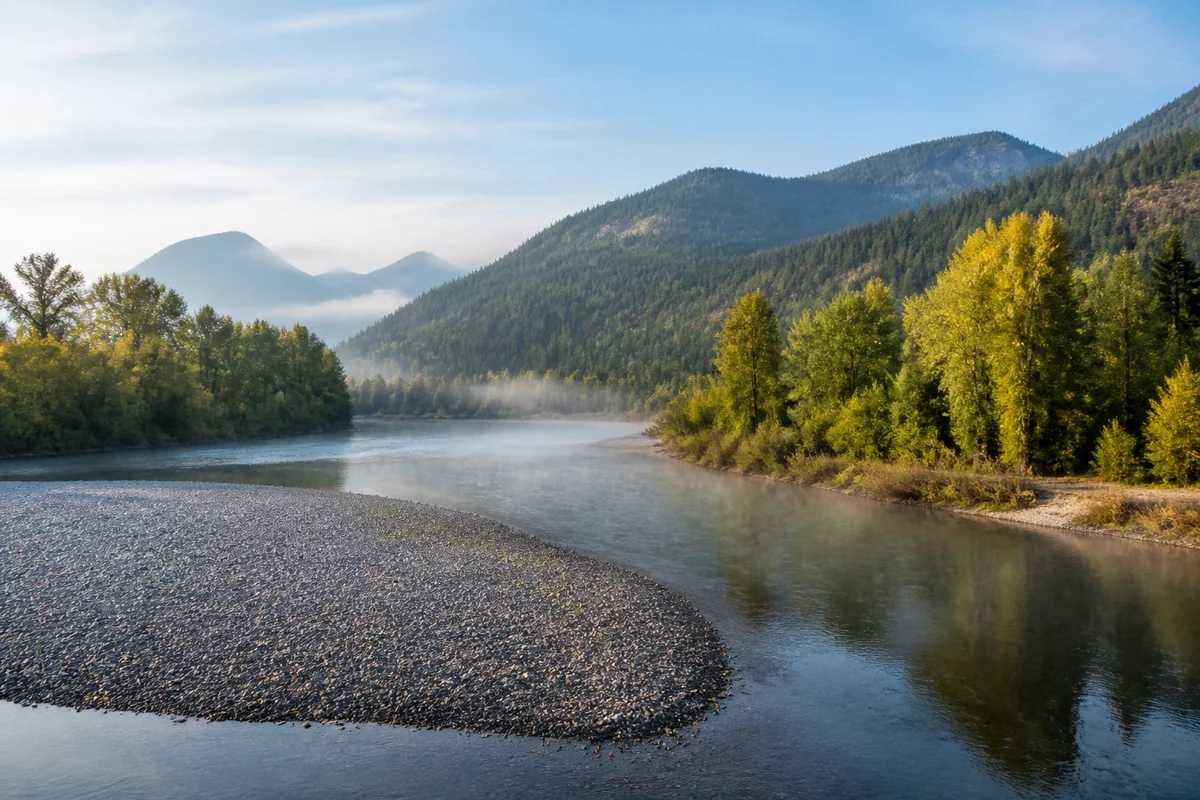
The Clark Fork River runs south of the community and shapes the whole valley. It is one of western Montana’s major rivers, and the best rivers in Montana guide places it in context.
Access points and river conditions change with runoff. Spring is high and fast, while late summer is lower and warmer.
Check current flows and river access before any float or fishing trip, and respect private property along the banks.
Reading the river
Western Montana rivers behave differently by season. Snowmelt pushes the Clark Fork high and cold through late spring and early summer, and it drops and warms as summer ends.
Visitors who only want a view can stay on public roads and bridges. Anyone planning to wade, fish or float should check flow reports, local regulations and access points first.
Frenchtown for Different Kinds of Travelers
The town is small, but different visitors get different things from it.
Families. The pond’s playground, trail loop, picnic tables and shelters make it an easy, low-cost outing. Pack snacks and sun protection, since shade varies.
Anglers. Year-round fishing for bass, perch and hatchery trout suits beginners and kids. Montana fishing licenses and rules apply, so confirm current requirements with FWP.
History fans. The church, the French-Canadian founding and the Mullan Road corridor give the area more depth than its size suggests. Pair it with a visit to Missoula’s museums.
Cyclists and walkers. The loop around the pond is short and flat. Longer rides are possible on local roads, but traffic near the interstate corridor can be fast.
Road trippers. Frenchtown works as a pause before or after the drive toward Superior and the Idaho line. Fuel and food options thin out quickly farther west.
Craft beer drinkers. A taproom stop pairs well with a pond walk, and the Missoula scene is a short drive away.
How Frenchtown Fits the I-90 Corridor
West of Missoula, I-90 follows the Clark Fork through a string of small communities. Frenchtown is the first real stop, and it sets the tone for the rest.
Travelers heading toward Superior often drive straight through. Stopping for an hour or two changes the trip from a transit leg to a pleasant detour.
Distances are short, but the corridor is narrow, and winter weather can close or slow the interstate. Check conditions before any westward drive.
The corridor also links to other regions of western Montana. Travelers continuing north or west can use the Missoula hub for services and the transit guidance in the Montana airports guide.
The Former Smurfit-Stone Mill: Context Every Visitor Should Have
The former Smurfit-Stone paper and pulp mill is one of Frenchtown’s defining modern stories. It closed in 2010, according to Wikipedia, and it sits roughly 11 miles west of Missoula, according to EPA.
EPA’s July 2024 status page describes an ongoing investigation under the federal Superfund law. Arsenic, manganese and dioxins and furans have been found in shallow groundwater and soils, and manganese and arsenic are moving toward the Clark Fork River.
The release reports no cleanup yet. A remedial investigation and a feasibility study come before any cleanup plan is chosen.
Visitors do not need to avoid Frenchtown because of the site. The pond and the town’s public areas are separate from the investigation area, and the EPA release mentions no access restrictions for them.
It is still part of the local story. A community advisory group meets monthly at the Frenchtown Rural Fire District, which shows how engaged residents are.
Things to Do in and Around Frenchtown
Golf at King Ranch
King Ranch Golf Course sits at 17775 Mullan Road and is described as a relaxed course with scenic views.
Lavender at Forsythe Farms
Forsythe Farms Lavender, on Lefler Lane, is a small farm stop. Lavender typically blooms in summer, so check seasonal hours before going.
Beer at Old Bull Brewing
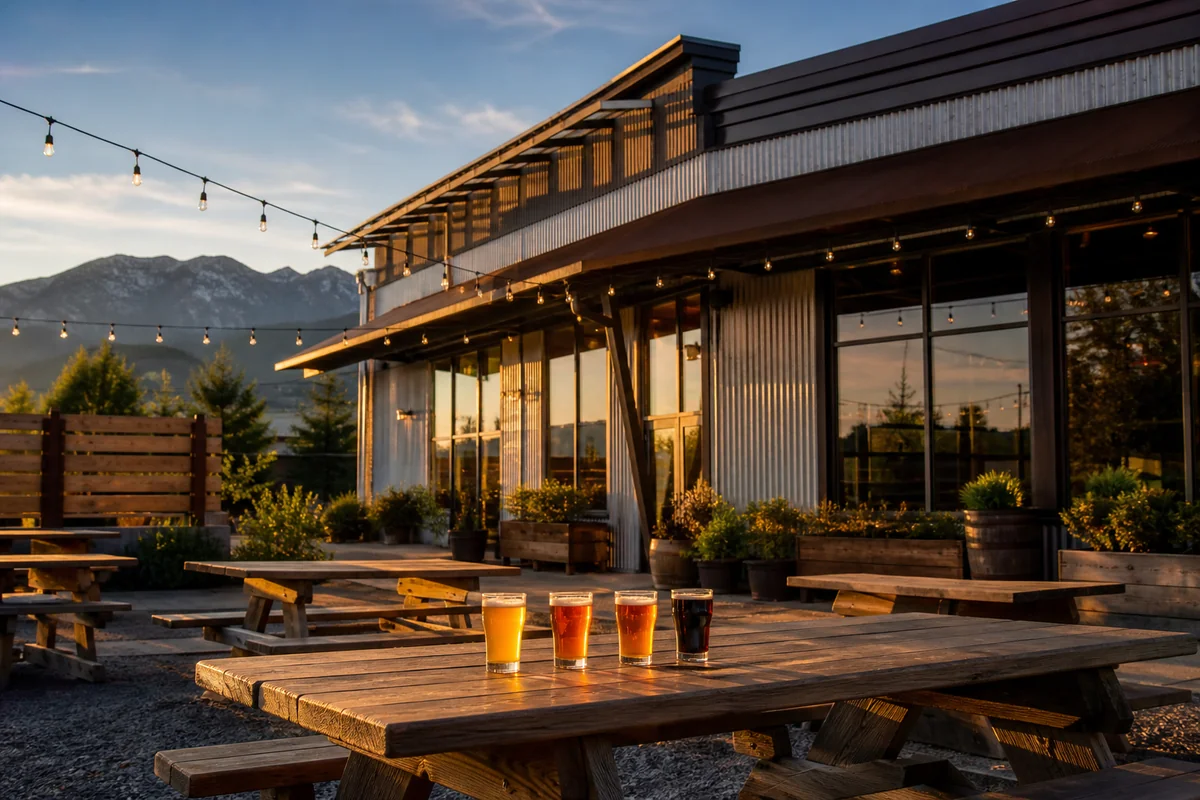
Old Bull Brewing, on Beckwith Street, is listed on the Montana Brewers Association trail map, according to Wikipedia. For a wider tour, the Missoula breweries guide covers the city.
Local food and drinks
Alcan Bar & Grill, also on Beckwith Street, is a local gathering spot, and Draft Horse Mobile Bars serves events.
Hot springs farther west
Quinn’s Hot Springs lies well west along I-90 near Paradise. Plan on roughly an hour or more each way from Frenchtown, and verify the drive.
Where to Stay
Frenchtown itself has very little lodging. The Glacier Country community page lists no hotels or bed-and-breakfasts and only points to general rental platforms.
Most visitors stay in Missoula, where options are broader. The hotels in Missoula guide covers them, and RV parks near Missoula covers campers.
KOA lists a Missoula campground about 12 miles from Frenchtown that is open year-round.
| Base | Best for | Trade-offs |
|---|---|---|
| Frenchtown | Quiet, short stays | Very limited lodging and dining |
| Missoula | Hotels, food, airport | Busier and more expensive in peak season |
| Superior | Farther west corridor trips | A longer drive back east |
A Half-Day Plan
A relaxed half day works well on a Missoula visit.
Morning. Walk the trail loop at Frenchtown Pond while the water is calm.
Midday. Lunch at a local spot, then stop by the church grounds.
Afternoon. Tasting at Old Bull Brewing, or head back toward Missoula.
Add the lavender farm in summer or a round of golf for a longer outing.
A Slower Option: Frenchtown as a Missoula Add-On
Many Missoula visitors have days with a gap: after a morning flight, before an afternoon hike, or on a rainy day when mountain trails are closed.
Frenchtown fills that gap well. The pond walk takes about an hour at an easy pace, the church adds a short historical stop, and a meal or beer rounds it out.
It is not the place for a bucket-list thrill. It is a calm, honest look at a working valley community, and many travelers find that a welcome change after busier stops.
When to Visit Frenchtown
Late spring through early fall suits most visitors. The pond’s longest gate hours run from May through August.
| Season | What to expect |
|---|---|
| Spring | Green valley, high river, muddy edges |
| Summer | Warm days, long gate hours, lavender, mosquitoes at dusk |
| Fall | Cottonwood color, cooler days, shorter hours |
| Winter | Cold, shorter pond hours, icy highways |
Mosquitoes can be noticeable near water in early summer, which the Montana bug season guide explains. Winter travel on I-90 needs preparation, and the winter driving guide covers it.
The best time to visit Montana guide covers the wider seasons.
Honest Expectations
Frenchtown is small. Visitors should not expect a walkable downtown or nightlife.
Highway noise is audible in parts of the valley, and summer afternoons can be busy at the pond.
Services are limited, so fill the tank and pack snacks in Missoula.
The mill site is a real part of the local story, and visitors who care about it should read EPA’s current updates.
Planning Tips Most Listings Skip
- Check FWP gate hours before driving to the pond, especially in fall and winter.
- Bring cash or a card for the nonresident entrance fee.
- Confirm business hours, which often change seasonally.
- Pair Frenchtown with Missoula instead of planning a separate trip.
- Check river conditions before any float or fishing outing.
- Respect posted private land along the river and fields.
- Keep dogs leashed at the pond.
What to Pack
- Sun protection and a hat
- Insect repellent for summer evenings
- A fishing license if fishing
- Layers, since valley mornings can be cool
- Binoculars for birds near the water
- Water and snacks
- A winter kit from late fall through spring
Frequently Asked Questions
How far is Frenchtown from Missoula?
About 16 miles by I-90, usually 15 to 25 minutes.
How big is Frenchtown?
Wikipedia counts 1,958 residents in 2020.
Is Frenchtown Pond free?
Fees depend on residency. Montana residents who pay the state parks fee with vehicle registration pay no daily fee, and nonresidents pay by vehicle or walk-in.
Can people camp at Frenchtown Pond?
No. The park is day use only.
Why is it called Frenchtown?
French-Canadian settlers founded the community in the late 1850s.
Is it safe to visit given the old mill site?
The EPA release describes an ongoing investigation and mentions no public access restrictions for the town or pond. Check EPA’s current page.
When is the best time to visit?
Late spring through early fall for most visitors.
Quick Facts
| Detail | Info |
|---|---|
| County | Missoula |
| Population | 1,958 (2020 census) |
| Elevation | About 3,038 ft |
| Highway | Interstate 90 |
| Distance to Missoula | About 16 miles |
| Landmark | St. John the Baptist Church (1884) |
| Outdoor stop | Frenchtown Pond State Park, 18 acres |
| Lodging | Very limited; most visitors stay in Missoula |
| Best seasons | Late spring through early fall |
Final Thoughts
Frenchtown rewards visitors who want a calm, human-scale stop with real history. A spring-fed pond, an 1880s church and a small brewery fit easily into a Missoula trip.
Save this guide for a western Montana itinerary, and browse the full set of Montana cities and towns for the next stop.