The first time I sat at the Hitching Post pullout in the predawn dark, listening to a wolf howl rise out of the valley and three coyotes answer it from the ridge across the river, I understood why people fly across the country to stand on this stretch of asphalt with a thermos of coffee at 5 a.m.
- Lamar Valley is technically inside Yellowstone National Park (Wyoming side), but it’s accessed from Montana via the Northeast Entrance at Cooke City/Silver Gate — that’s why most Montana travelers think of it as “Lamar Valley, Montana.”
- It’s the best place in the lower 48 to see wild wolves, plus enormous bison herds, grizzlies, elk, pronghorn, and bald eagles.
- Show up at the pullouts before sunrise. Dawn and dusk are the only two windows that consistently produce sightings.
- Best months overall: late April–early June (wolf pups, bear emergence, bison calves) and September–October (elk rut, fall colors, fewer crowds).
- Cooke City or Silver Gate are the smartest places to stay if Lamar is your priority — you’ll be in the valley by 5:30 a.m. without a long drive.
Liked this article?
Add Roaming Montana as a preferred source so you see more of our articles and guides on Google.
Wait — Is Lamar Valley in Montana or Wyoming?
Let’s clear this up first because it confuses almost everyone who searches “Lamar Valley Montana.”
The valley itself sits in the northeast corner of Yellowstone National Park, which is in Wyoming. But the only practical way to reach Lamar from a Montana base is to drive in through the Northeast Entrance, just east of the tiny gateway towns of Cooke City and Silver Gate, Montana. From there, you cross into Yellowstone (and into Wyoming) within about a mile.
Because most travelers stage their trip from a Montana town — Bozeman, Billings, Livingston, Gardiner, or Cooke City itself — and because the famous Beartooth Highway (which empties into the Northeast Entrance) is a Montana drive, the whole experience feels distinctly “Montana.” That’s why people search the way they do.
So when this post says “Lamar Valley Montana,” I’m talking about the Lamar you reach from the Montana side. It’s the same Lamar you’ve seen on every Yellowstone wolf documentary.
Why Lamar Valley Is Worth the 4 a.m. Alarm
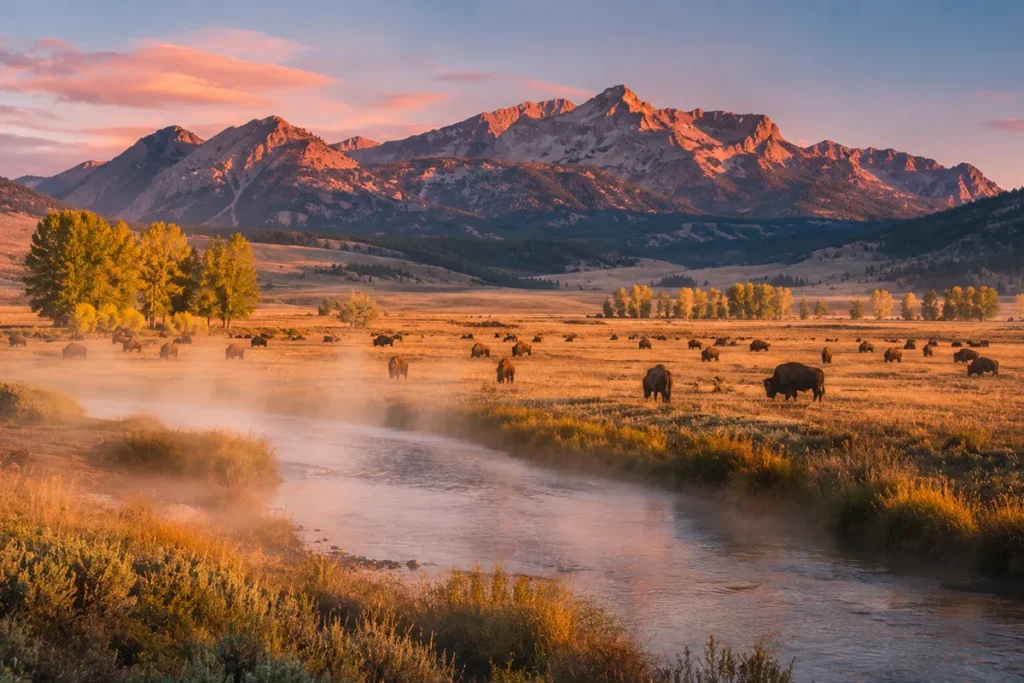
You’ve probably heard Lamar called “America’s Serengeti.” That nickname gets tossed around so often it starts to sound like marketing copy. It isn’t.
Stand at any of the major pullouts at first light and you can realistically expect to see, in a single morning:
- A herd of 200–500 bison moving across the valley floor
- At least one grizzly bear on the hillsides above Soda Butte Creek (spring through fall)
- Pronghorn antelope — the fastest land mammal in North America — bouncing along the sage flats
- Bald eagles working the river
- A coyote or two trotting along the road shoulder
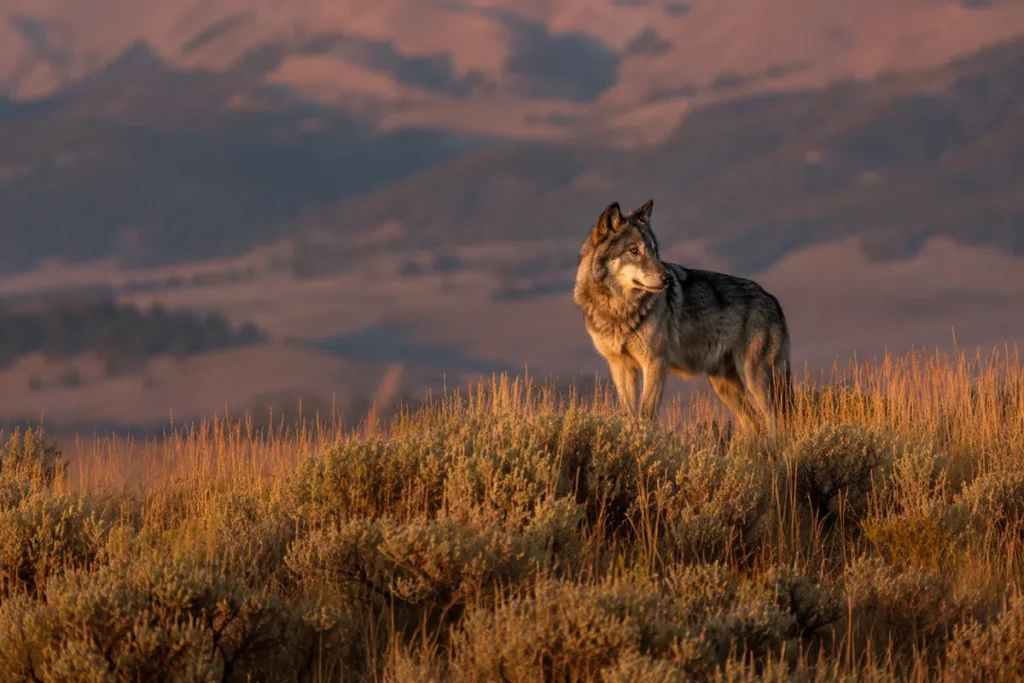
- A wolf, if you’re lucky and you stay until the regulars with scopes wave you over
That last one is the lottery ticket. Lamar is one of a small handful of places on Earth where you can see wild wolves living the way they actually live — hunting, denning, raising pups, defending territory. Since the 1995 reintroduction, the valley has become the global epicenter of wolf observation.
Getting to Lamar Valley from Montana
There are three reasonable approaches depending on where you’re starting:
Option 1: Through Cooke City (Northeast Entrance) — Best for wildlife focus
This is my preferred route. Stage in Cooke City or Silver Gate the night before, and you’re at the first major pullouts (Soda Butte, Round Prairie) within 20 minutes of your hotel.
- From Billings: ~130 miles, ~3 hours via US-212 over the Beartooth Highway (closed mid-October to late May)
- From Bozeman: ~190 miles, ~4 hours via I-90 east then south
Option 2: Through Gardiner (North Entrance)
Stage in Gardiner, MT, drive in through the North Entrance, pass Mammoth Hot Springs, then take Grand Loop Road east to Tower Junction. From Tower, the Lamar entrance is about a 10-minute drive.
- From Bozeman: ~85 miles to Gardiner (~1.5 hrs), then another hour from Gardiner into Lamar
- Practical wake-up: leave Gardiner by 5:00 a.m. to be in Lamar by 6:00 a.m. in summer
Option 3: Day trip from inside the park (Mammoth)
If you’re already staying at Mammoth Hot Springs Hotel, you can be in Lamar in under an hour. This is the fanciest base but also the most expensive and books up 12+ months in advance.
For comparison and trip planning, my Montana travel map has all the relevant routes.
The Wildlife of Lamar Valley: What You’ll Actually See
Bison
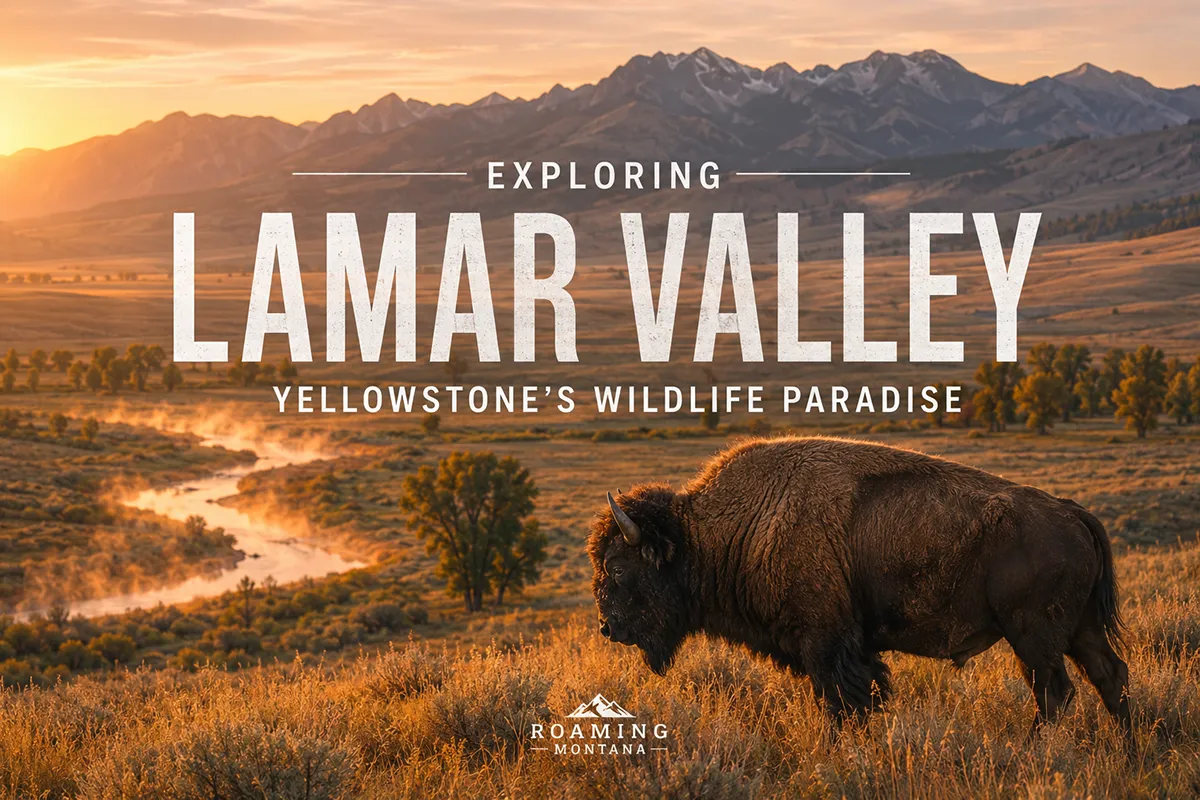
The single most guaranteed wildlife in Lamar. The valley holds Yellowstone’s largest bison population, and you will see them — likely from the moment you enter the valley. In May and June, the herd includes hundreds of bright-orange calves (“red dogs”). In August, the rut turns the valley into a dust-and-noise spectacle as bulls bellow and clash.
Important: bison cause more injuries in Yellowstone than any other animal. Park regulations require you to stay at least 25 yards away. They look slow. They’re not.
Wolves
Two packs are most often spotted in or near Lamar: the Junction Butte pack (resident, roams the western end of the valley and the Slough Creek drainage) and the Lamar Canyon pack when it’s active in the area. Pack composition shifts every year — wolves die, pups grow up and disperse, new packs form. The wolf-watching community keeps day-to-day notes that you can sometimes hear at the pullouts.
Best wolf-spotting locations: Slough Creek, Hitching Post pullout, Lamar River Bridge, and Soda Butte Creek confluence.
Grizzly and Black Bears
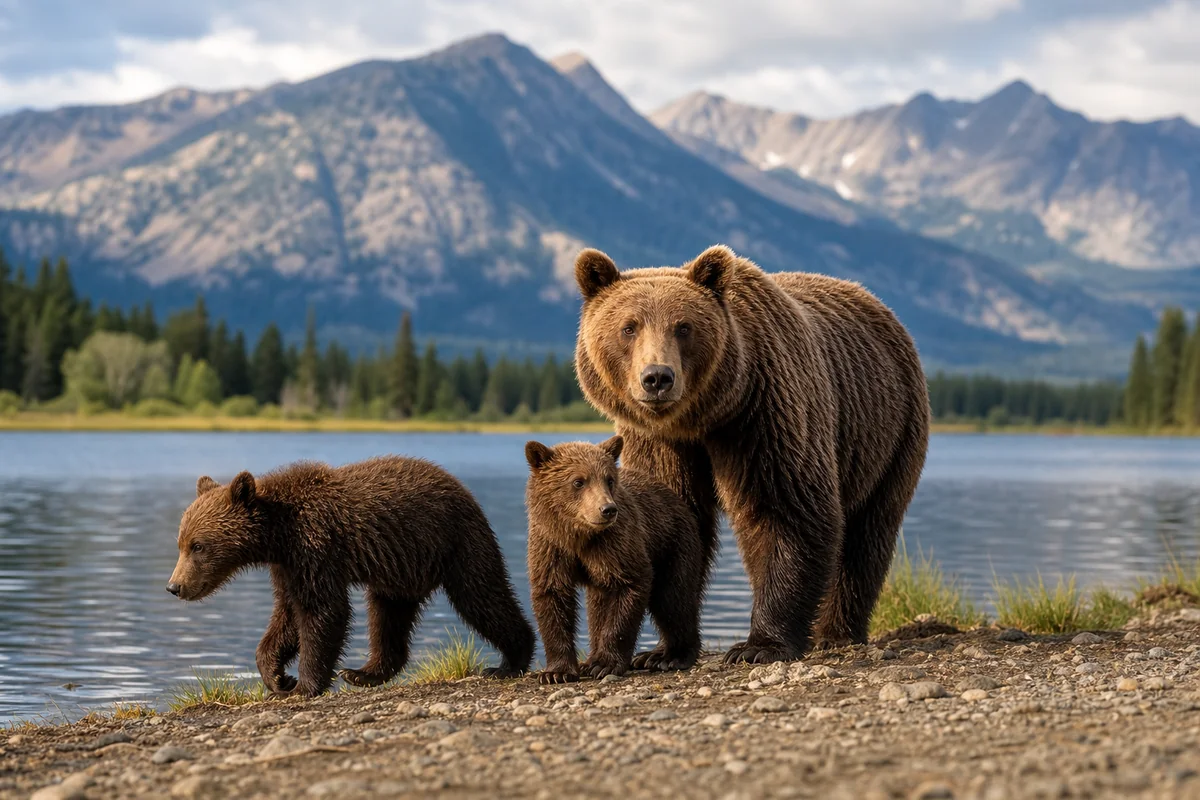
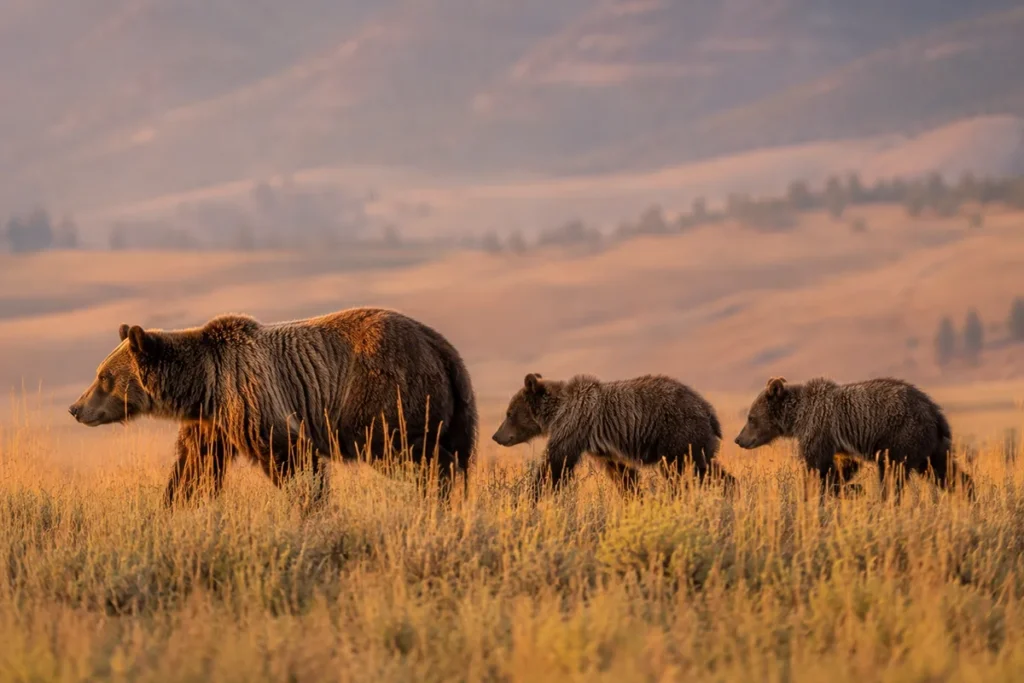
Spring (April–June) is bear season in Lamar. Grizzlies come down to feed on winter-kill carcasses and emerging green grass. I’ve had my best grizzly sightings near Soda Butte Creek and on the slopes above the Footbridge pullout.
Black bears are less common in Lamar itself but show up in the forested areas near Pebble Creek and the Warm Creek picnic area.
Elk
Elk are everywhere along the Northern Range, including Lamar. The big event is the fall rut in September, when bull elk bugle through the valley — a sound you don’t forget. Their long, eerie, ascending call carries for miles in the cold morning air.
Pronghorn, Coyotes, Eagles, and the Rest
Pronghorn graze the open sage flats year-round. Coyotes are common (don’t confuse them with wolves — coyotes are about half the size, with pointed ears and noses). Bald eagles and osprey patrol the river. In spring, sandhill cranes nest in the meadows near the campgrounds.
For a broader picture of what lives where in the state, check my Montana wildlife guide.
The Best Pullouts in Lamar Valley (East to West)
The Northeast Entrance Road runs roughly 29 miles from Cooke City to Tower Junction. Lamar Valley proper takes up the central 12-mile stretch. Here are the pullouts that matter, in driving order from the east (Cooke City side):
| Pullout | What You’re Looking For | Notes |
|---|---|---|
| Warm Creek Picnic Area | Moose, black bears | First major stop after Northeast Entrance |
| Pebble Creek Campground area | Moose, fox, songbirds | Forested microclimate |
| Round Prairie | Wolves, bison, moose | Small valley, often early-morning sightings |
| Soda Butte Creek confluence | Grizzlies, bison, pronghorn | Iconic cone-shaped travertine landmark |
| Footbridge pullout | Grizzlies on the south slope | Use binoculars; bears are usually a mile uphill |
| Lamar River Bridge | Wolves, bald eagles, bison crossings | Big parking, often the wolf-watchers’ base |
| Hitching Post | Junction Butte pack, sunrise photography | My personal pick for first stop |
| Coyote pullout (informal) | Coyotes, pronghorn | Small dirt pullout, unmarked |
| Slough Creek turnoff | Wolves, beavers, sandhill cranes | Drive the 2-mile dirt road to the campground |
| Junction Butte view (near Tower) | Wolves, panoramic valley views | Far western edge of Lamar |
Always park fully in the pullout — never on the road shoulder. Bison crossings stop traffic regularly and you don’t want to be the cause of a rear-end collision.
My Hour-by-Hour Morning Plan for Lamar Valley
If you’ve never done a Lamar Valley morning, here’s exactly what mine looks like — adjust seasonally for sunrise time.
4:30 a.m. — Alarm. Coffee already brewed in a thermos (made the night before). Layers on, snacks packed, optics in the back seat. Bear spray within reach.
4:45 a.m. — Out the door of the Cooke City motel. Headlights on, low beams. Watch for wildlife on the road for the entire drive — moose and bison wander out at night.
5:15 a.m. — At Hitching Post or Lamar River Bridge pullout. Park, get out, listen. Wolf howls travel for miles in still air. Scan the open ground with binoculars, then sweep the ridgelines.
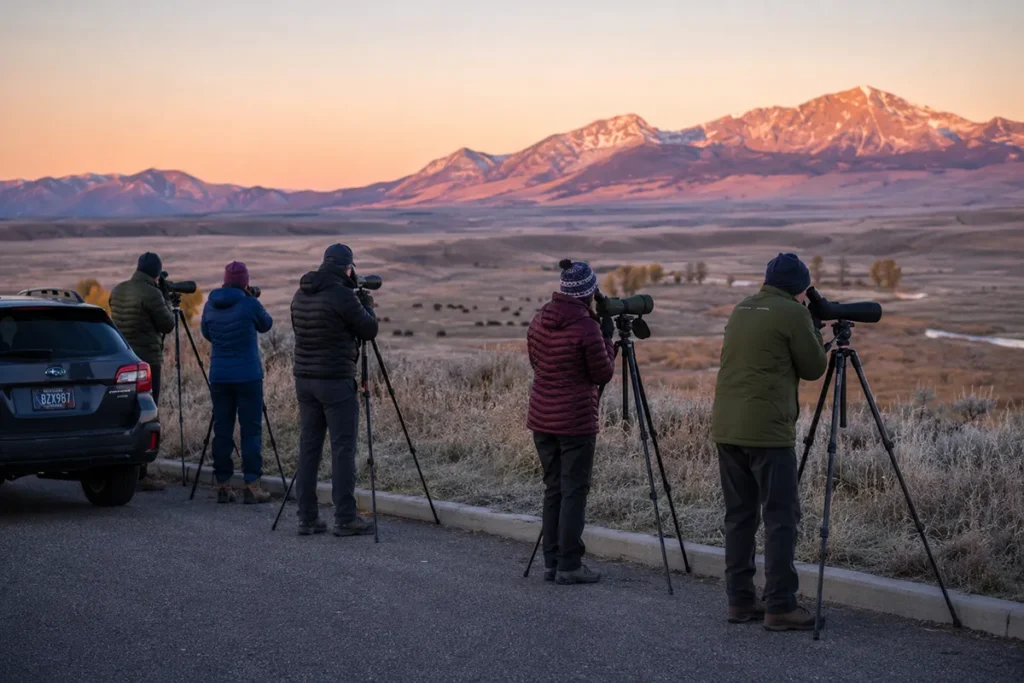
5:45 a.m. — First light. This is your prime window. Bison are usually visible by now. If wolves are active, the scope-and-tripod people will be huddled silently in one direction — that’s your hint.
6:30–8:00 a.m. — Peak wildlife activity continues. Bear sightings most common in this window in spring. Move between pullouts if your current spot goes quiet for 20+ minutes.
8:30 a.m. — Activity drops sharply as the sun climbs. Time to drive west toward Tower Junction, stop at Tower Fall, and find a real breakfast in Gardiner or Mammoth.
9:30 a.m. onward — Midday is for thermal basins (Mammoth Hot Springs, Norris), the Grand Canyon of the Yellowstone, or driving back to soak in Montana hot springs like Chico Hot Springs for the afternoon.
Evening (about 90 minutes before sunset) — Back in Lamar for the second daily activity window. Repeat the pullout circuit.
Month-by-Month Lamar Valley Wildlife Calendar
| Month | Star Sightings | What to Know |
|---|---|---|
| January–February | Wolves (best contrast on snow), bison, otters | Bitter cold (-20°F possible); Northeast Entrance Rd plowed but Beartooth closed |
| March | Bears emerging, wolves still highly visible | Mud season starting; carry chains |
| April | Grizzlies on winter-kill, wolf pups born late month | One of the best overall months |
| May | Bison calves (“red dogs”), bears active, wolf pups visible | Peak spring; some snow possible |
| June | Bison rut beginning, all wildlife active, wildflowers | Beartooth Highway typically opens late May |
| July | Heavy bison activity, fewer wolf sightings | Peak crowds; arrive earlier |
| August | Bison rut peak, occasional smoke from regional fires | Hottest month |
| September | Elk rut (bugling!), fall colors, fewer crowds | My favorite month overall |
| October | Elk rut continues, bears feeding heavily before hibernation | Beartooth closes mid-month |
| November–December | Wolves return to prominence, big herd movements | Limited services; only NE Entrance road plowed |
What to Pack for a Lamar Valley Morning
This is not a hike. You’re standing or sitting at pullouts for 2–4 hours in conditions that are colder than you expect. Even in July, predawn temperatures at Lamar’s 6,500-foot elevation can drop into the 30s.
Always bring:
- Binoculars at minimum (8×42 or 10×42 are ideal). Without these, you’ll see distant brown dots. With them, you’ll see wolves.
- A spotting scope if you can — even a budget one ($300–500 range) is transformative for wolf watching
- Warm layers, including a wool hat and gloves even in summer
- Hot drink in a thermos (you’ll thank yourself)
- Snacks — pullouts have no services
- A folding camp chair for long pullout sessions
- Bear spray if you’re getting out of the car anywhere away from the immediate pullout
- A printed map — cell service in Lamar is essentially zero
For wider trip planning, see my collection of Montana travel tips.
Where to Stay for Lamar Valley Access
Where you sleep determines whether you actually pull off a 5:15 a.m. arrival. Here’s the honest comparison:
| Base | Drive to Lamar Pullouts | Vibe | Price Range | Best For |
|---|---|---|---|---|
| Silver Gate / Cooke City, MT | 15–25 min | Tiny, rustic, off-grid | $100–180/night | Wildlife purists — closest possible base |
| Gardiner, MT | 60–75 min | Lively gateway town, restaurants | $130–250/night | Combining Lamar with Mammoth/upper geyser basin |
| Mammoth Hot Springs Hotel (inside park) | 50 min | Historic lodge, elk on the lawn | $250–450/night | Splurge experience inside the park |
| Bozeman, MT | 3+ hours one-way | Real city with brewpubs and an airport | $150–300/night | Combining Lamar with broader Montana travel |
| Slough Creek or Pebble Creek campgrounds (inside park) | 5–10 min | Primitive tent camping | $20–30/night | Hardcore wildlife watchers willing to camp |
My honest recommendation: if Lamar wildlife is your main goal, stay in Silver Gate or Cooke City. Both towns have a handful of motels and cabins, no chain hotels, and you’ll meet other wolf watchers at the same diner counter every morning. Book at least 4–6 months ahead for summer.
For broader Montana itinerary ideas, see my roundup of the best Montana vacations.
Lamar Buffalo Ranch: The Historical Layer
Halfway through the valley you’ll pass a cluster of historic log buildings on the north side of the road. This is the Lamar Buffalo Ranch, established in 1907 when the U.S. Army moved bison here from Fort Yellowstone to rebuild the herd after market hunting nearly wiped American bison off the continent. Operations continued at Lamar until the 1950s, by which point Yellowstone’s bison population was healthy enough to manage on its own.
Today the ranch is run by Yellowstone Forever (the park’s official nonprofit partner) as a field campus, where multi-day naturalist programs are offered — including dedicated wolf-watching seminars led by some of the actual researchers tracking the packs. If you’re serious about wildlife, these programs are extraordinary.
Photography Ethics & Park Regulations
Lamar attracts a lot of wildlife photographers, and unfortunately some of them ruin it for everyone else by approaching animals too closely.
The rules:
- 25 yards minimum distance from bison, elk, pronghorn, deer, moose, and most other wildlife
- 100 yards minimum from bears and wolves
- Stay in pullouts and on the road shoulder — no walking out into bison herds for the shot
- Use a telephoto lens if you want a real photo. A 400mm minimum is realistic; 600mm or longer is standard among the pullout regulars
- Never use audio playback to call wolves — it’s harassment and it’s illegal
A wildlife shot taken at proper distance is a better photo than a “selfie” taken next to a bison. The first is a magazine cover; the second is the leading cause of Yellowstone ER visits.
What to Do If You Don’t See Wolves
Be honest with yourself: you might not see a wolf. Even regulars go weeks between sightings sometimes. Here’s how to make sure the trip is still a win:
- Stay for the bison — they’re spectacular and almost guaranteed, especially during the rut in August
- Do the Lamar River Trail — a flat out-and-back along the river with constant wildlife potential
- Drive west to Tower Fall — a 132-foot waterfall just minutes from the western edge of Lamar
- Visit the Petrified Tree near Tower Junction — 50-million-year-old upright fossil
- Hike the Trout Lake Trail — a short 1.2-mile loop with high odds of seeing river otters
- Continue to Mammoth Hot Springs for the travertine terraces and resident elk herd
- Book a half-day with a guided naturalist — guides have radios, current pack location info, and good scopes. See best guided Montana tours for vetted options.
What I Wish I’d Known Before My First Visit
After dozens of Lamar mornings, here’s the stuff I’d want a friend to tell me:
The wolf watchers are friendly — ask, but earn it. If you see people clustered around scopes, walk up quietly, don’t crowd them, and ask softly: “Anything good?” Nine times out of ten they’ll let you look through their scope. Bring them coffee one morning and you’ll have friends for life.
Don’t trust the weather forecast more than 2 days out. I’ve had 75°F sunny mornings turn into hail by 11 a.m. in June. Layer up.
The Northeast Entrance road is plowed all winter — the only road in Yellowstone that is, besides the road from Gardiner to Cooke City. Winter wolf-watching is incredible if you’re willing to deal with -20°F mornings.
Bring your own gas. Cooke City has one or two pumps. They close early. They’re expensive. Top off in Gardiner or in Billings before you commit.
Cell service is essentially zero from Mammoth east. Download offline maps. Tell someone where you’re going. The valley is huge and isolated and emergency response times are long.
Bison jams are real. A herd crossing the road can hold up traffic for 30+ minutes. Don’t honk. Don’t try to drive around them. Turn off your engine and enjoy the show — you came here for this.
Lamar Valley at a Glance
| Location | Northeast Yellowstone NP, accessed via Cooke City, MT |
|---|---|
| Park Entrance Fee | $35 per vehicle (7-day pass); America the Beautiful Pass accepted |
| Best Months | April–June and September–October |
| Best Time of Day | 30 min before sunrise to ~2 hours after; sunset window |
| Road Access | Northeast Entrance Road plowed year-round |
| Beartooth Highway Access | Late May to mid-October only |
| Cell Service | Essentially none |
| Nearest Lodging | Cooke City or Silver Gate, MT (15–25 min) |
| Bear Country? | Yes — carry bear spray |
| Recommended Gear | Binoculars (minimum), spotting scope (ideal), layered clothing, bear spray |
How Lamar Fits Into a Larger Montana Trip
If you’re planning a broader trip, Lamar pairs well with several Montana classics. The Beartooth Highway is the obvious one — drive it from Red Lodge to the Northeast Entrance, do a Lamar morning, then continue into Yellowstone for the geyser basins.
I’d also recommend adding a soak at Chico Hot Springs in Paradise Valley (30 minutes north of Yellowstone’s North Entrance) on either end of your Yellowstone days. After a 4 a.m. wake-up and a long morning in the cold at Lamar, the hot pools feel earned.
For a complete state itinerary that includes Lamar alongside Glacier National Park, Flathead Lake, and the rest, see my full guide to the 27 best things to do in Montana, and check the best time to visit Montana page to time the rest of your trip.
Conclusion
Lamar Valley is one of those places that puts everything else in scale. You stand at a pullout in the cold morning, you watch a thousand bison move across a valley that hasn’t really changed in centuries, you hear a wolf howl from a ridge you can barely see, and for a few minutes the modern world goes very quiet.
You don’t need to be a hardcore naturalist or a wildlife photographer to feel it. You just need to show up early, stay quiet, and let the valley do its thing.
Save this guide for your trip planning, and drop your Lamar Valley questions in the comments — I read every one.
Frequently Asked Questions
Where is Lamar Valley located?
Lamar Valley is in the northeast corner of Yellowstone National Park, technically within Wyoming, but it’s accessed from Montana via the Northeast Entrance near Cooke City and Silver Gate. Most Montana travelers reach it by driving the Beartooth Highway from Red Lodge or driving south from Gardiner through Mammoth Hot Springs. The valley stretches roughly 12 miles along the Lamar River between Tower Junction and the Northeast Entrance.
Is Lamar Valley in Montana or Wyoming?
Lamar Valley itself is in Wyoming, inside Yellowstone National Park’s northeast section. However, because the nearest towns (Cooke City and Silver Gate, MT) are in Montana, and the Northeast Entrance is reached from Montana via US-212, the area is commonly associated with Montana travel.
What is the best time of year to visit Lamar Valley?
I recommend April through June and September through October as the best times to visit Lamar Valley. Spring brings bison calves, emerging grizzlies, and active wolf packs, while fall features the elk rut and dramatic colors with significantly fewer crowds. Summer is busiest but offers reliable warm weather, while winter provides incredible wolf-watching opportunities against snow but requires tolerance for sub-zero temperatures.
What time should I arrive at Lamar Valley?
Arrive 30 minutes before sunrise for the best wildlife viewing. Wolf activity in Lamar Valley peaks between roughly 5:30 and 8:00 a.m. in summer, with the window shifting earlier or later depending on the season. Evening visits should target the 90 minutes before sunset. Midday is the worst time for wildlife — most animals are bedded down in tree cover.
What wildlife can I see in Lamar Valley?
Lamar Valley supports gray wolves (Junction Butte and Lamar Canyon packs are most often seen), large bison herds, grizzly bears, black bears, elk, pronghorn antelope, coyotes, badgers, river otters, bald eagles, osprey, and sandhill cranes. Bison sightings are essentially guaranteed; wolf sightings require patience, early arrival, and some luck.
How long should I spend in Lamar Valley?
Plan a minimum of one full morning (4–5 hours, starting before sunrise) to do Lamar properly. Serious wildlife watchers spend 2–3 consecutive mornings in the valley to increase their odds of meaningful sightings — wolf packs operate within established territories, so returning to the same area improves cumulative odds significantly. A single drive-through in the middle of the day will leave you disappointed.
Where should I stay to visit Lamar Valley?
Silver Gate or Cooke City, Montana are the best bases for Lamar Valley access — both are just 15–25 minutes from the major pullouts. Gardiner, MT is a larger gateway town with more dining and lodging but requires a 60–75 minute morning drive. Mammoth Hot Springs Hotel inside the park offers the most convenient luxury option but books up 12+ months in advance.
Can I drive to Lamar Valley in winter?
Yes — the Northeast Entrance Road from Gardiner through Mammoth and into Lamar Valley is the only Yellowstone road plowed and open to cars year-round. The road continues all the way to Cooke City. However, the Beartooth Highway (US-212 east of Cooke City) closes from mid-October through late May, so winter visitors must approach from the Gardiner side.
Do I need bear spray in Lamar Valley?
Yes — you should carry bear spray whenever you’re outside your vehicle in Lamar Valley, even at pullouts. Grizzly bears are active throughout the valley from April through October, and surprise encounters are rare but possible. Bear spray costs roughly $40–50 in Cooke City, Gardiner, or any park visitor center, and you should know how to use it before you need it.
Is Lamar Valley worth visiting if I can’t get up early?
Honestly, only marginally. Lamar’s signature experience is the dawn wildlife window, and a midday drive-through will mostly show you bison and scenery. If you can’t manage a predawn arrival, prioritize the evening window (90 minutes before sunset) instead, or book a guided naturalist tour where the guide will get you to the right pullouts at the right times.