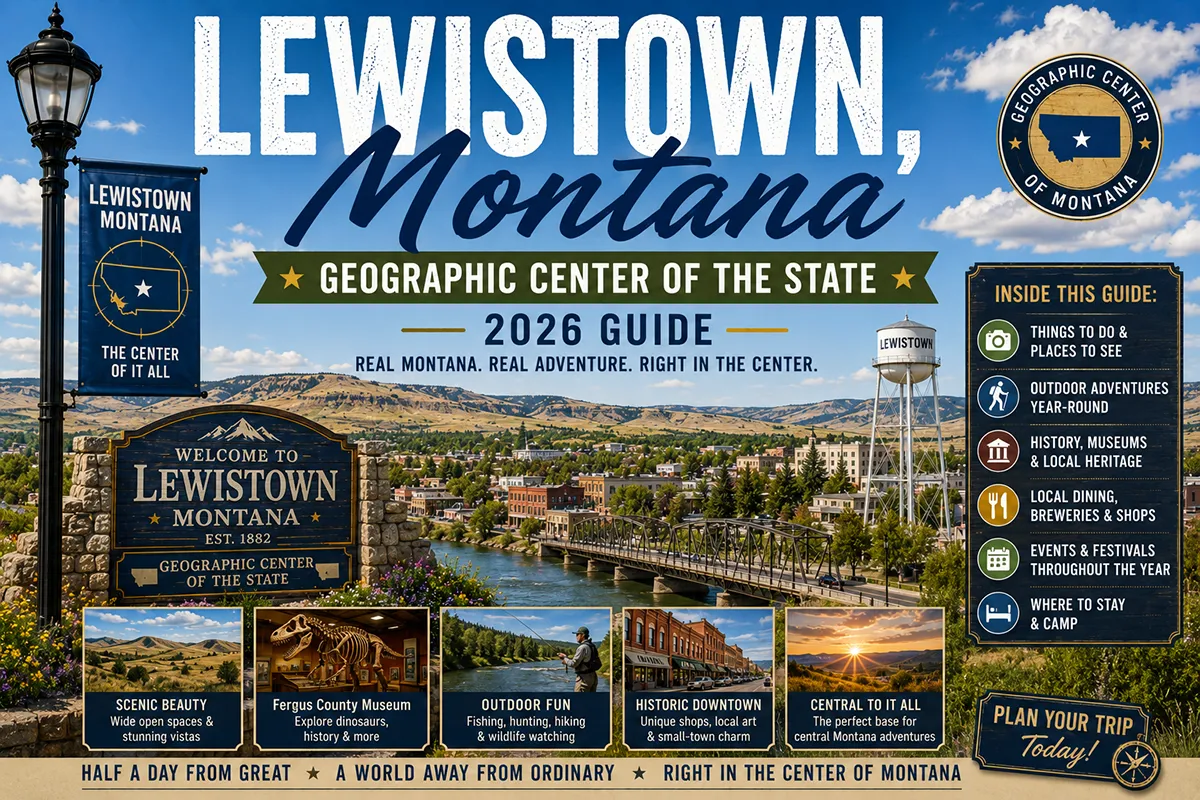
For decades, Lewistown said the exact center of Montana sat beneath a kitchen sink on Main Street. Federal surveyors later put it about 11 miles west of town, and Lewistown has kept telling the story anyway.
TL;DR
- Lewistown is a county-seat town of 5,952 people (2020 census) in Fergus County, ringed by five mountain ranges and built around one of the largest freshwater springs in the country.
- The best of it is local and specific: Big Spring Creek fishing, a sandstone downtown rebuilt between 1904 and 1916, a dinner train that boards outside town, and a short drive to Kendall, Maiden and other gold-camp ruins.
- Crystal Lake in the Big Snowy Mountains, the Judith Mountains and the Missouri River Breaks make strong day trips, but dirt roads and distance are part of the deal.
- Most visitors do best with two nights. September (Chokecherry Festival), August (Cowboy Poetry Gathering) and January (Montana Winter Fair) are the busiest weekends.
Lewistown does not look like a postcard Montana town. There is no single mountain range behind Main Street and no resort strip. What it has is a working agricultural center in the Judith Basin with unusually good bones: stone buildings by Croatian masons, a cold spring that never freezes, a ghost-town circuit, and mountain ranges visible from the edge of town in nearly every direction.
That mix is what makes the place worth planning around. It works for anglers, history readers, photographers, and anyone building a road trip through the middle of the state who wants a stop with real character instead of a highway exit. This guide covers the history that explains the streets, a downtown walking route, the water that shaped the town, day trips sorted by drive time, where to eat and sleep, and what changes by season.
Lewistown is profiled in the Montana cities and towns directory and sits at the heart of Central Montana, roughly two hours from both Great Falls and Billings.
Liked this article?
Add Roaming Montana as a preferred source so you see more of our articles and guides on Google.
Where the Center of Montana Really Is
Lewistown markets itself as “The Heart of Montana,” and the town sits close enough to the middle of the state that the claim has been argued for more than a century. The details are better than the slogan.
According to a High Country News feature on the dispute, Lewistown residents long believed the exact center lay under Mrs. Dockery’s kitchen sink on a hill off Main Street, based on a 1912 account attributed to federal surveyors. A copper plaque later marked the spot. In 1982, workers excavating near a convention center reportedly found a rock carved with the outline of Montana and an X, plus a note dated 1912 in a buffalo horn. The author of that feature argues the note was a hoax, possibly by men working on the Yogo Inn project.
Then the government weighed in. U.S. Geological Survey crews in the 1990s placed the geographic center about 11 miles west of Lewistown, and a 2006 calculation based on the state’s boundary put it in a pasture a few miles west of town. The Dockery house and its famous sink were gone by 1987.
The practical takeaway: Lewistown is near the center of Montana and can reasonably be called the Heart of Montana, but no marker in town is the surveyed center. The High Country News feature noted that Yogo Inn staff still stood by the 1912 version.
How Lewistown Got Here: A Short History That Explains the Streets
Lewistown’s story is more layered than “settled in 1879.” The sequence below follows Wikipedia, Historic Montana and the Montana Historic Landscape project, and where sources conflict, the conflict is noted.
| Year | What happened |
|---|---|
| 1874 | U.S. Army establishes Fort Lewis to protect travelers on the Carroll Trail; the town’s name is traced to it |
| 1879 | Métis settlers of French and Chippewa-Cree descent homestead near Camp Lewis |
| 1880 | Gold discovered in the Judith Mountains; Fort Maginnis opens nearby |
| 1882 | Townsite first planned; Pierre Berger is credited as founder |
| 1885 | Fergus County created, with Lewistown as county seat |
| 1887 | Gold found near Maiden |
| 1899 | Lewistown incorporated as a city |
| 1904–1916 | Downtown rebuilt in stone |
| 1920 | Population reaches roughly 6,000 after a homestead boom, followed by an early-1920s bust |
| 2020 | Census count: 5,952 |
The Métis Homesteads
Historic Montana’s account of the courthouse district notes that Métis families were among the first to farm here, and some streets still carry their names, including Francis A. Janeaux and Paul Morase. Open-range cattle ranching, nearby gold camps and the sheep industry then made Lewistown a supply hub. Large ranches such as the DHS and N-Bar surrounded it.
Railroads, Homesteaders and the Yogo Inn
Two railroads shaped the town. The Great Northern built a Classical Revival depot at one end and pushed branch lines across the county to wheat country. The Milwaukee Road built a larger complex at the other end to serve the homestead rush. When the Milwaukee line went bankrupt in the late 1970s and early 1980s, the complex was converted into the Yogo Inn and convention center, which is why a modern lodging name sits on a very old rail yard. The population grew about sixfold in two decades and reached roughly 6,000 by 1920.
Stone Built to Last
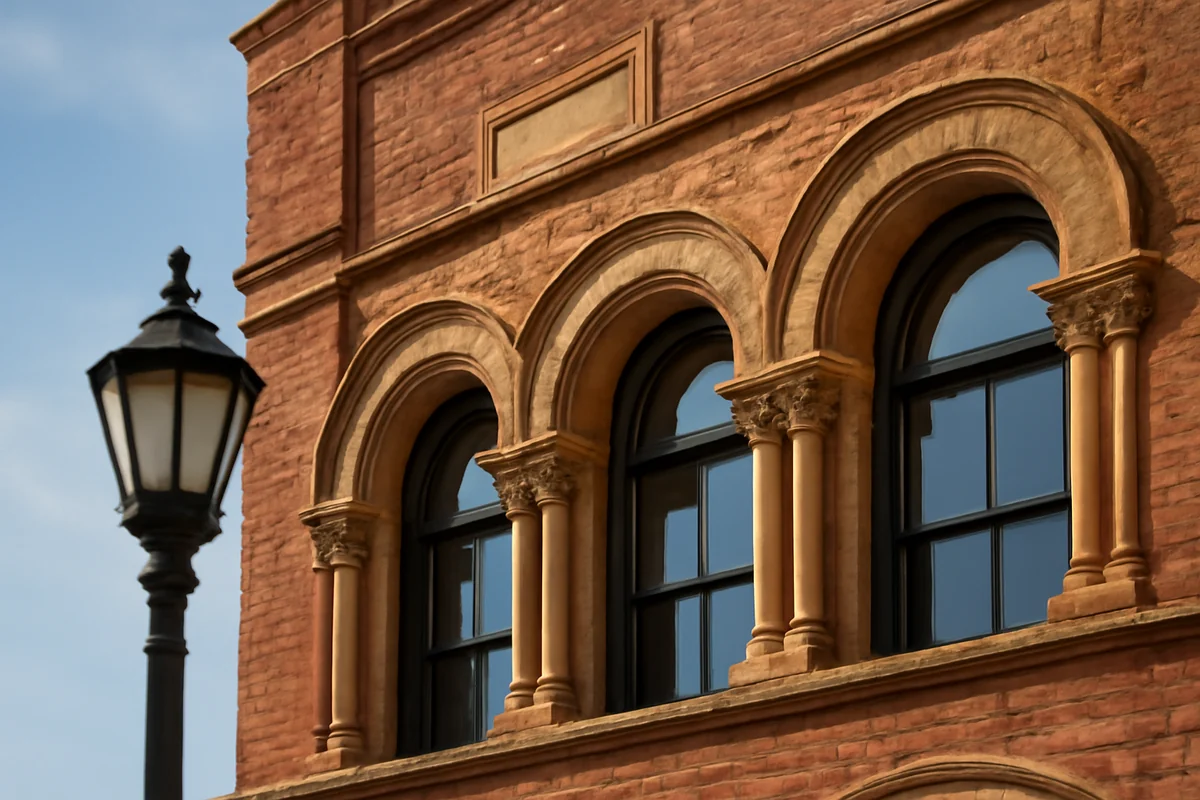
Much of today’s downtown dates to a burst of construction between 1904 and 1916. Croatian stonemasons built the Romanesque arches at the Masonic Lodge, and local stone gives the commercial blocks their warm, heavy look. That stonework is the reason Lewistown reads as a real small city rather than a strip of false fronts.
Walking Historic Downtown
Downtown Lewistown is compact enough for a two-hour walk with stops. The chamber of commerce provides walking-tour maps. The route below groups the town’s four historic districts.
Central Business District
Most of the buildings here went up between 1904 and 1916 and are part of a National Register historic district. Highlights reported in the historical record include the Bank of Fergus County (1904), designed by Bell and Kent, the architects of the Montana State Capitol; the Judith Theater (1914), a Beaux Arts movie palace; the I.O.O.F. Hall (1914) with Romanesque arches and ground-floor retail; and the Montana Building (1916), a financial institution since First National Bank took it over in 1924. The Mackey Building and Armory Hall are also credited to Croatian stonemasons.
Courthouse Square
The Fergus County Courthouse sits on the hill above downtown at 7th Avenue and Main Street. Completion is given as 1906 by one guidebook and 1907 by Historic Montana, so a plaque check on site is worth a minute. Nearby are City Hall, the 1905 Carnegie library, and a stone jail from 1904. The Lewistown Art Center occupies the former Charles Lehman Bunkhouse.
Silk Stocking District
Northeast of downtown on Boulevard, the Silk Stocking District holds the Gothic, Victorian and Georgian homes built by early-1900s ranching and business families. The houses are private residences and are not open to the public. A plaque outside the Symmes-Wicks House at 220 W. Boulevard describes the district. Walk or drive slowly and stay on the sidewalk.
Judith Place
North of Main Street, Judith Place is a planned neighborhood of Craftsman homes. It receives less attention than the Silk Stocking blocks but rewards a short detour.
Big Spring: The Water That Explains Lewistown
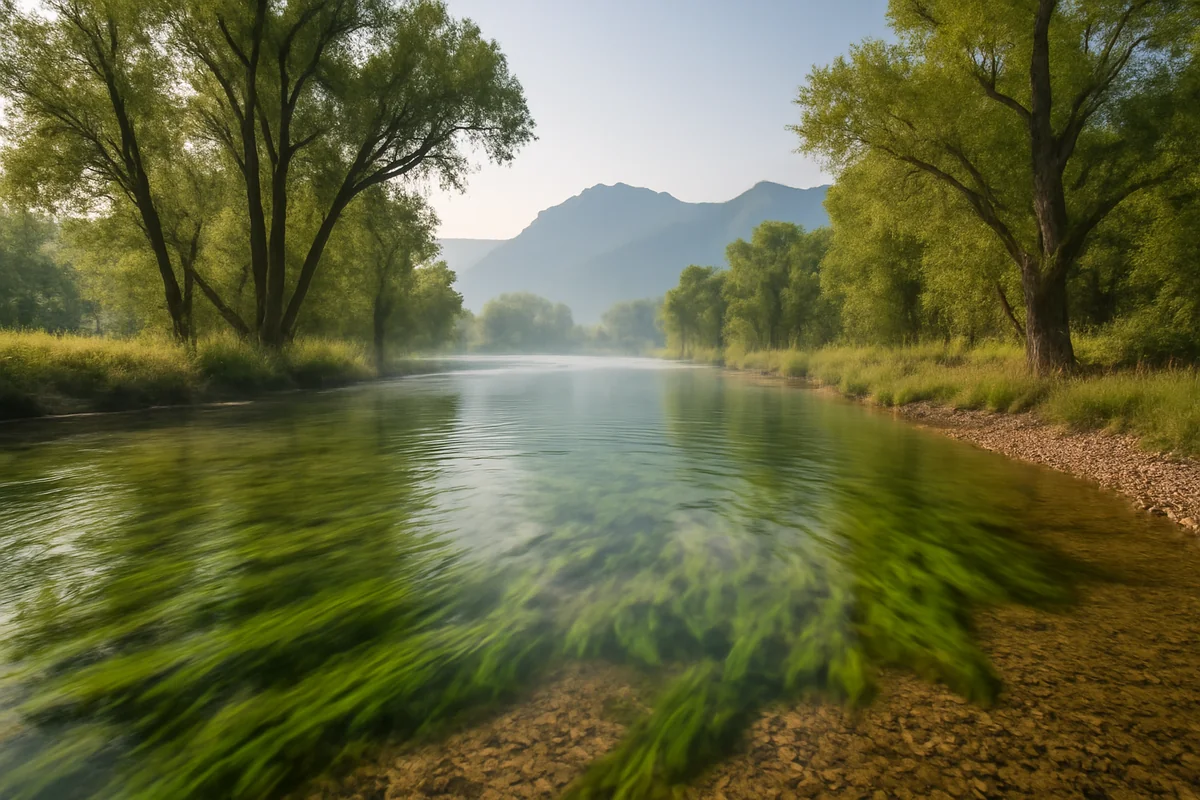
Every other attraction in town depends on one fact: roughly six to seven miles southeast of Lewistown, an artesian spring pushes an estimated 50,000 to 64,000 gallons of 52°F water out of the ground every minute, all year. Local tourism pages call it one of the world’s largest freshwater springs. That cold, steady flow is why Big Spring Creek rarely freezes, why trout live inside city limits, and why the town’s water supply is unusually good.
The Creek and the Fishing
Big Spring Creek runs roughly 30 miles from the spring to its confluence with the Judith River. Montana Fish, Wildlife and Parks maintains six public fishing access sites, located between about river mile 27 and mile 15, and the chamber promotes the creek as a year-round fly-fishing water. Rainbow, brown and brook trout are the main catches. Wikipedia cites estimates of up to 1,500 catchable fish per mile in some sections, which should be read as an estimate, not a promise.
A few honest notes belong in any trip plan:
- Westslope cutthroat trout were once native here and disappeared after rainbow and brown trout were introduced in the 1920s.
- Big Spring Creek flows through and partly under Lewistown in a man-made channel, so the quality of access varies by site.
- Regulations and access-site conditions change, so check Montana FWP before fishing.
For more rivers worth a Montana road trip, see the guide to the best rivers in Montana.
The Hatchery
The Big Springs Trout Hatchery was established at the spring in 1922 and is operated by Montana FWP. It is described as the state’s largest coldwater trout hatchery, with a capacity of around 130,000 pounds a year. Hatchery stock has included several strains of rainbow trout, Yellowstone cutthroat, brown trout and kokanee. In 2003, PCBs from flaking raceway paint were found downstream and production was halted for several years while the source was removed. Visiting hours and public access should be confirmed before the drive.
Trails Along the Creek
A city trail system follows Big Spring Creek for much of its length. Sources give more than 20 miles, with local tourism pages citing more than 25. It is an easy way to see the creek, spot wildlife, and connect downtown to parks. Swimming, tubing and kayaking are popular on summer afternoons.
The Charlie Russell Chew-Choo
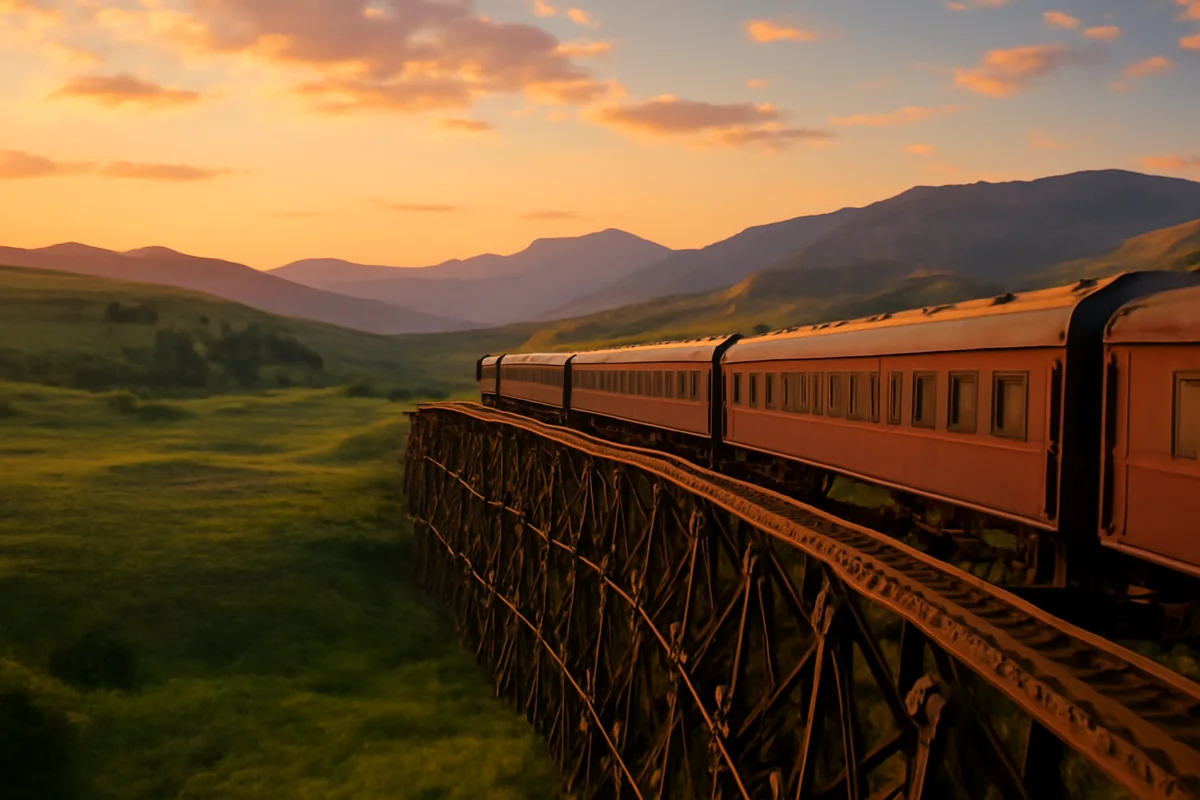
The Charlie Russell Chew-Choo is the most distinctive thing to do in Lewistown and the one most often misunderstood. It is a narrated dinner train operated by the local chamber of commerce, and it does not leave from downtown.
What to Know Before Booking
- Boarding location: Hanover Boarding Station, about 10 miles northwest of Lewistown. Directions from the listing: drive north on U.S. Highway 191 for 3 miles, turn left on Highway 426, and continue 8 miles. Allow roughly 25 minutes from Main Street.
- Route and length: Sources describe a scenic narrated ride across three tall trestles and through a tunnel. Length of the ride is given as about 3 to 4 hours, and tunnel length as roughly 2,000 feet by some guides and half a mile by Visit Montana.
- Season: Regular dinner runs are reported from early June through September, mostly on Saturdays, with special and charter trains offered at other times.
- Cost: Fares have changed over the years, and older guides list prices that are probably out of date.
- Booking: Reservations are required for dinner runs. The operator can be reached at 406-535-5436 or through montanadinnertrain.com.
The Holiday Train
Visit Montana lists a North Pole Adventure Christmas Train as an annual event, including a 1.5-hour ride with cocoa, cookies and a visit from Santa. The current listing shows a November 27 date, with 2026 ticket sales opening October 5. Tickets are sold together for seating and are listed as final sale. For other rail experiences, see the guide to the best Montana train tours.
Mountains Around Lewistown
Five ranges surround the Judith Basin around Lewistown: the Big Snowies, the Judiths, the Moccasins, the Belts and the Highwoods. Views can stretch about 100 miles on clear days. Each offers something different, and all are within a day trip.
Crystal Lake and the Big Snowies
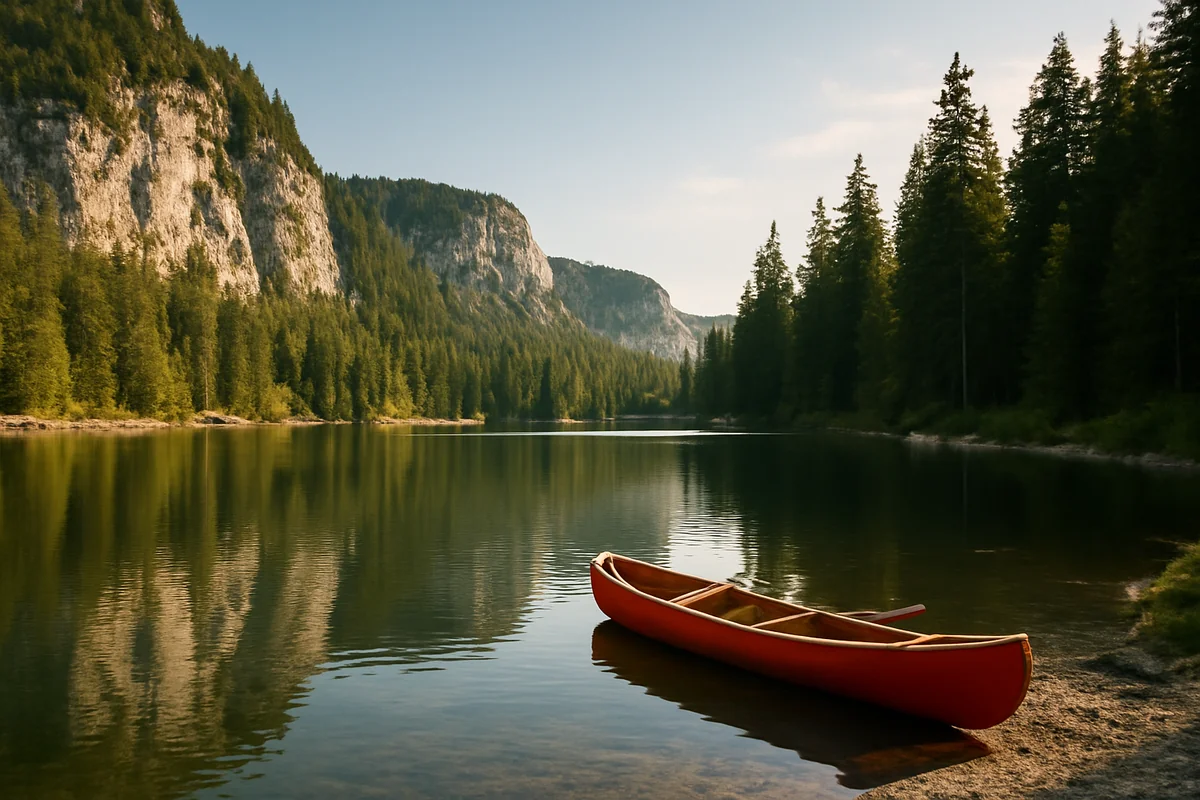
Crystal Lake is the Big Snowies’ main recreation hub. According to the chamber’s directions, the campground is about 30 miles from Lewistown: north on U.S. 87 for 8.7 miles, left on Crystal Lake Road (dirt), and then roughly 22 more miles, with only the last 5.7 miles paved. The road ranges from narrow two-lane to single-lane.
- Elevation: about 5,700 feet.
- Camping: a U.S. Forest Service campground with 23 large sites, first come, first served, open June through October. A fee of $20 per night was listed in 2023.
- Water: a non-motorized boat launch serves canoes, kayaks, rafts and paddleboards. The lake is stocked with fish.
- Trails: Grandview Point, the Ice Caves, Crystal Cascades (a waterfall of around 100 feet), and an easy loop around the lake. One guide describes an 8-mile round-trip hike to the Grandview lookout on trail 403.
- Wildlife: bear awareness is advised when camping. Store food properly.
For a demanding option, the Big Snowies traverse follows the range for miles. Experienced hikers are advised to carry all their water, since there is none on top.
The Judith Mountains
Closer to town, the Judiths offer a forested ridge, old mining roads and wide views of the basin. A trail from the end of Lime Kiln Road gives a tour of the range, and Judith Mountain Lodge sits at that road’s end, about six miles from downtown.
Winter in the Mountains
Cross-country skiing is a quiet winter option. Trails such as Rock Creek Ski Trail and Green Pole have been described in regional guides, with ski rentals reported at the civic center. Snowmobiling is popular near Judith Gap and in the Big Snowies near Crystal Lake. Because roads can close or drift, see the Montana winter driving guide before heading out.
Ghost Towns and Gold Camps Within an Hour
Lewistown was a supply stop for several gold booms, and the leftovers are some of central Montana’s most accessible ruins. Four sites stand out.
| Site | What the record shows | What remains |
|---|---|---|
| Kendall | Peaked at about 1,500 people; declined after 1911 when rail town Hilger drew residents away | Stone walls of the Scotch Presbyterian church, a two-story sandstone bank, a boulder with drill holes from a 1920 drilling contest |
| Maiden | Gold found near Warm Spring Creek Canyon in 1887; about 1,200 people at peak; most of the business district burned in 1905; last saloon closed in 1918 | About 20 buildings, from rubble to restored homes |
| Giltedge | Gold found in 1883; mine used cyanide processing from 1892 and closed in 1991; roughly 100,000 ounces produced | A few buildings including a brick building and a wooden jail, plus mining cuts and tailings |
| Fort Maginnis | Established 1880, closed 1890; 266 officers and enlisted men in 1886 | Rectangular foundation depressions and a hilltop cemetery |
Access notes:
- Kendall: turn west at Hilger onto North Kendall Road and continue about 7 miles north along Last Chance Creek.
- Maiden: reached from U.S. 191 north of Lewistown via Maiden Road before Hilger, following Warm Spring Canyon.
- Giltedge: a couple of miles north of U.S. 87 east of Lewistown.
- Fort Maginnis: about 25 miles northeast of town on Gilt Edge Road, Black Butte Road and Fort Maginnis Road; Fords Creek sometimes must be crossed on foot, and the ruins sit on state land.
Honest framing matters at these sites. Gold mining left tailings and, at Giltedge, a cyanide-processing legacy, so visitors should stay on public roads, avoid private property, and treat all structures as unsafe to enter. For the wider picture, see the Montana ghost towns guide and the Montana gold rush history.
Day Trips by Direction
North: The Missouri River Breaks
The Missouri River Breaks begin about an hour north of Lewistown on U.S. 191, via Hilger and Roy. The Charles M. Russell National Wildlife Refuge, which has its headquarters in Lewistown, covers this country and is worth distinguishing from the Charles M. Russell Trail auto tour, a separate route along U.S. 87 toward Great Falls. Judith Landing, on the Lewis and Clark route, sits north of town. A multi-day canoe trip through the Wild and Scenic stretch of the Missouri is a serious undertaking and should be planned with current outfitter and agency information. Nearby conservation lands are covered in the American Prairie guide and the Montana wildlife refuges overview. Winifred is the nearest town on that side of the river.
West and Southwest: Ackley Lake and Yogo Country
Ackley Lake State Park lies southwest of Hobson (about 21 miles from Lewistown), so allow roughly 40 minutes each way. The 290-acre park offers rainbow trout fishing, boating, and 15 first-come campsites. Park information lists no potable water, so bring drinking water. Farther southwest in the Little Belt Mountains, the Yogo sapphire deposit near Utica produced the cornflower-blue gems that gave the Yogo Inn its name. The mine is not a drop-in attraction, but the history is worth reading in the Montana Yogo sapphire guide.
East and Southeast: Prairie and Pictographs
The Beargulch Pictographs, about 27 miles southeast on a private ranch, require reservations and a release form through the ranch’s website. Check ahead rather than showing up.
Museums, Art and Culture
Central Montana Museum
The Central Montana Museum sits in Symmes Park at 408 NE Main Street. Admission is free, with donations welcome, and hours are listed as 10 a.m. to 4 p.m. in summer and by appointment the rest of the year. Exhibits cover the late 1800s to the present, including a facial reconstruction of the outlaw Rattlesnake Jake, who shot up the town on July 4, 1884, and displays on the Homestead Acts of 1862 and 1909. More museums statewide are covered in the best museums in Montana list.
Lewistown Art Center
Housed in the former Charles Lehman Bunkhouse near Main Street and 4th Avenue, the Art Center hosts monthly gallery shows by regional artists, runs workshops, and operates a gift shop with paintings, jewelry and ironwork. Hours have been listed as Tuesday through Friday and Saturday.
Montana Cowboy Poetry and Western Music Gathering
August brings the Montana Cowboy Poetry and Western Music Gathering, which marked its 40th edition in 2026. According to local reporting, nearly 70 poets and musicians performed in five rooms at Fergus High School, with a Saturday-night stage show at the Fergus Center for Performing Arts and a Sunday that includes Cowboy Church and a ride on the Chew-Choo. A free western art and vendor fair is part of the weekend.
Montana Winter Fair
Each January the Montana Winter Fair spreads across the Fergus County Fairgrounds and Main Street, and regional coverage describes livestock, working dogs, fiddlers and quilts. Dates move from year to year. Lodging can fill, so book early. For winter planning, see Montana in January.
Where to Eat and Drink
Lewistown’s food scene is small, and details change, so confirm hours before arriving.
- Central Feed Grilling Company: named for the vintage feed-store signage on its building, it serves Montana-sourced dishes with nightly features and regular live music, and pours beer from Big Spring Brewing next door.
- Big Spring Brewing: the town’s first craft brewery, located in the historic Central Feed Mercantile Building. Beers have included Crystal Pale Ale and Chokecherry Honey Light Lager.
- Mint Bar & Grill: an upscale spot in a brick building with neon signage. Past write-ups mention walleye, rib eye and house-made white chocolate cheesecake.
- Montana Tavern: a bar built over Big Spring Creek, with a window that lets patrons see trout below and a jukebox that leans country.
- Brooks Market & Deli: known for pie and listed on the Central Montana Pie Trail.
- Judith Mountain Lodge: dining with a scenic setting at the end of Lime Kiln Road, reported to serve beef and seafood.
More statewide ideas are in the best restaurants in Montana guide.
Where to Stay
- Yogo Inn & Conference Center: central, with a restaurant and a heated indoor pool, occupying the converted Milwaukee Road complex.
- The Calvert Hotel: historic, with a tile lobby and an included grab-and-go breakfast.
- Judith Mountain Lodge: rustic-modern with themed rooms, about six miles from downtown.
- Campgrounds: Crystal Lake (23 sites, June to October), Ackley Lake State Park (15 first-come sites, no potable water), and commercial campgrounds including a KOA near town. Statewide options appear in the best RV parks in Montana guide.
- Chain motels and rentals: several national-brand motels and vacation rentals serve the area.
Book early for Chokecherry weekend, Cowboy Poetry weekend and Winter Fair weekend.
Lewistown by Season
| Season | What is happening | Notes |
|---|---|---|
| Winter (Dec–Feb) | North Pole Adventure Christmas Train (Nov 27 listed), cross-country skiing, snowmobiling, Winter Fair in January | Long, dry, cold winters; check road conditions |
| Spring (Mar–May) | Big Spring Creek fishing, trails thaw | Dirt roads can be soft after storms; Crystal Lake road and campground are not yet open |
| Summer (Jun–Aug) | Chew-Choo dinner runs, Crystal Lake, Ackley Lake, Cowboy Poetry Gathering in August | Best season for mountain access |
| Fall (Sep–Nov) | Chokecherry Festival on the first Saturday after Labor Day, hunting season, fall color | Weather can change fast; see Montana in September |
Chokecherry Festival
The Chokecherry Festival is held on the first Saturday after Labor Day, with Main Street closed. The chamber lists a Kiwanis pancake breakfast with chokecherry syrup, a 5K and 10K, a chokecherry culinary contest, a spitting contest that crowns a king and queen, and more than 250 vendor booths. Fall weather is usually pleasant but can change quickly.
Sample Plans
One Day
Start at Big Spring and the hatchery, walk the downtown districts, visit the Central Montana Museum, and finish with dinner at Central Feed Grilling Company or the Mint. That covers water, history and food.
A Two-Night Weekend
Add a half-day at Crystal Lake or the Kendall and Maiden ghost-town loop. In summer, book a Saturday Chew-Choo dinner and plan the afternoon so the drive to Hanover is relaxed.
Winter or Shoulder Season
Focus on downtown, Big Spring Creek trails, the Art Center, and a ski loop. Skip dirt-road destinations unless conditions are confirmed.
Getting to Lewistown and Getting Around
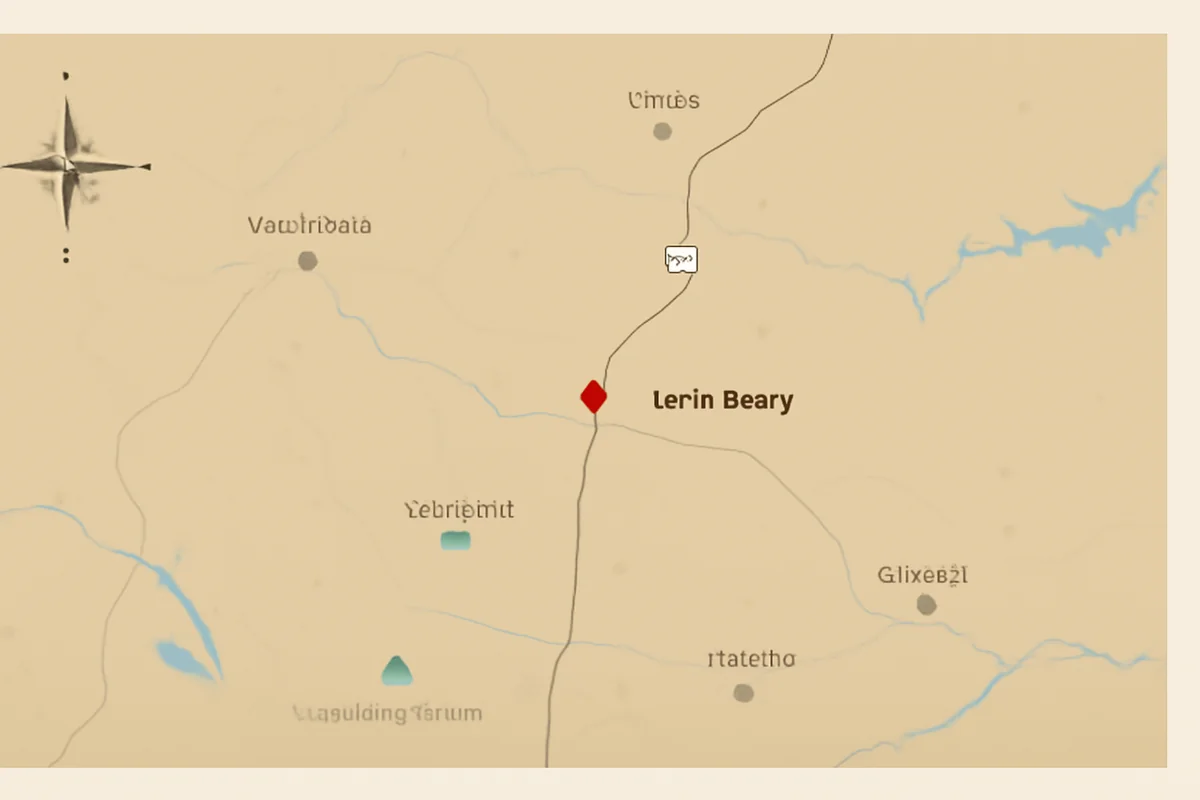
Lewistown is reached by U.S. 87, U.S. 191 and Montana Highway 200.
- From Great Falls: about 97 miles, just under two hours. See the Great Falls guide.
- From Billings: about two to 2.5 hours via U.S. 87 and Roundup.
- From Bozeman: about 2.5 to 3 hours via Livingston, Big Timber and Harlowton.
- From Helena: about 194 miles and roughly three hours.
Lewistown Municipal Airport, a former World War II B-17 training base, does not have scheduled commercial airline service. Most visitors fly into Billings or Great Falls and drive. See the Montana airports guide.
A car is effectively required. Downtown is walkable, but most outdoor destinations are on county or forest roads.
What Visitors Rarely Hear
- The center-of-Montana marker is not in town. The surveyed center is about 11 miles west. Treat the downtown story as local history, not a survey point.
- The Chew-Choo boards outside town. Build in the drive to Hanover, and do not assume a downtown depot.
- Dirt roads change fast. Crystal Lake Road and ghost-town roads can become slick or soft after rain. Check conditions with the Forest Service or local sources before leaving pavement.
- Fuel and food before long drives. Services thin out quickly, and cell coverage can drop in the mountains and Breaks.
- Silk Stocking houses are private. Look from the sidewalk.
- Reservations matter. Beargulch requires them, the dinner train requires them, and festival weekends fill lodging.
- Fishing rules and access change. Confirm with Montana FWP before casting a line.
- Confirm hours. Several small-town businesses keep short or seasonal hours.
Practical Information
| Item | Details |
|---|---|
| Location | Fergus County seat, Judith Basin, central Montana |
| Population | 5,952 (2020 census) |
| Elevation | Roughly 4,000 feet |
| Best season | June through September for access; September for the Chokecherry Festival; August for Cowboy Poetry; January for Winter Fair |
| Getting there | Drive from Great Falls (about 97 miles), Billings (about 2 to 2.5 hours) or Bozeman (about 2.5 to 3 hours); no scheduled airline service in town |
| Chew-Choo | Boards at Hanover Boarding Station, about 10 miles northwest; reservations required |
| Central Montana Museum | 408 NE Main St., free, donations welcome |
| Crystal Lake | About 30 miles away, 5,700 ft, campground June–October |
| Ackley Lake State Park | Southwest of Hobson, 15 first-come sites, no potable water |
| What to bring | Layers, bear spray for backcountry, water, paper map or downloaded maps, fishing license if angling |
| Nearby attractions | Kendall, Maiden, Giltedge, Missouri River Breaks, Judith Mountains |
Frequently Asked Questions
Is Lewistown the center of Montana?
Lewistown is close to the middle of the state and uses the “Heart of Montana” nickname, but surveys place the geographic center about 11 miles west of town.
What is Lewistown known for?
The Big Spring and its trout creek, a historic stone downtown, the Charlie Russell Chew-Choo dinner train, nearby ghost towns, and festivals such as Chokecherry Festival and Cowboy Poetry.
How far is Lewistown from Great Falls, Billings and Helena?
About 97 miles from Great Falls, about two to 2.5 hours from Billings, and about 194 miles from Helena.
Does Lewistown have an airport?
Lewistown Municipal Airport exists, but it has no scheduled commercial service. Most travelers fly into Billings or Great Falls.
Where does the Chew-Choo board?
At Hanover Boarding Station, about 10 miles northwest of Lewistown.
When is the Chokecherry Festival?
On the first Saturday after Labor Day, with Main Street closed.
Can Big Spring Creek be fished in winter?
The chamber promotes it as a year-round fly-fishing water because the spring keeps flow and temperature steady, but regulations and access conditions apply.
Is Crystal Lake open year-round?
The campground is open June through October. Winter access depends on snow and road conditions.
How many days are enough?
Two nights covers downtown, Big Spring and one day trip. Add a third night for the Chew-Choo, ghost towns and Crystal Lake together.
Final Thoughts
Lewistown rewards visitors who like places with a story under the surface: a spring that pushes out tens of thousands of gallons a minute, a downtown built in stone during a gold-and-homestead boom, and ghost towns that sit a short drive from a modern main street. It is not a crowded destination, and that is part of the appeal.
Pin this guide for a central Montana road trip, and leave questions about seasons, roads or itineraries in the comments. For the wider region, continue to the Central Montana guide or browse the full Montana cities and towns directory.