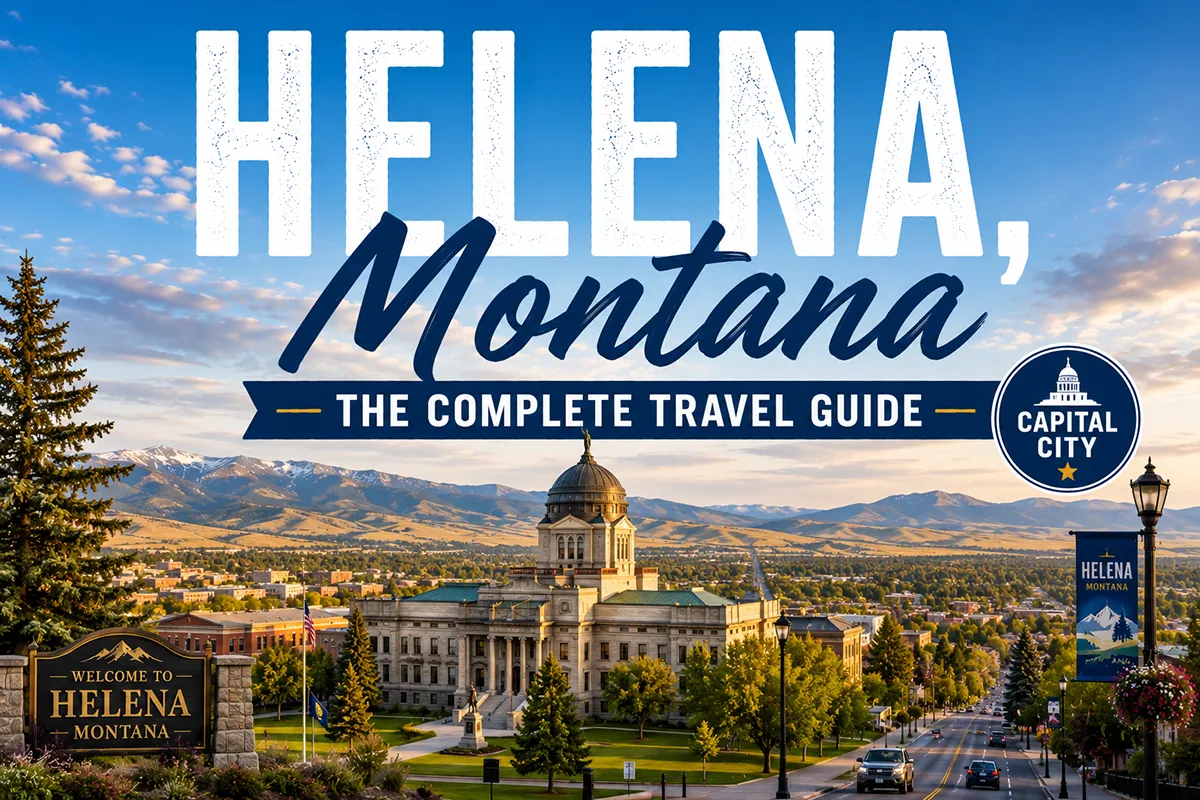
Most travelers driving I-15 between Bozeman and Glacier blow right past the Helena exit without stopping. They’re missing the only state capital in America with serious mountain trails 5 minutes from the legislature, a brand-new world-class history museum, more 19th-century mansions per capita than any city its size, and a downtown built on top of a literal gold strike — one that made this small city briefly home to more millionaires per capita than anywhere on Earth.
- Helena (~35,000) is Montana’s state capital and one of the most underrated small cities in the Rocky Mountains.
- The city was founded in 1864 when Georgia prospectors made their “last chance” gold strike — pulling out an estimated $3.6 billion (in today’s dollars) over the next 30 years.
- Best for: history travelers, Lewis & Clark enthusiasts, hikers (Mount Helena City Park has 80+ miles of trails right above downtown), and budget-conscious Montana travelers.
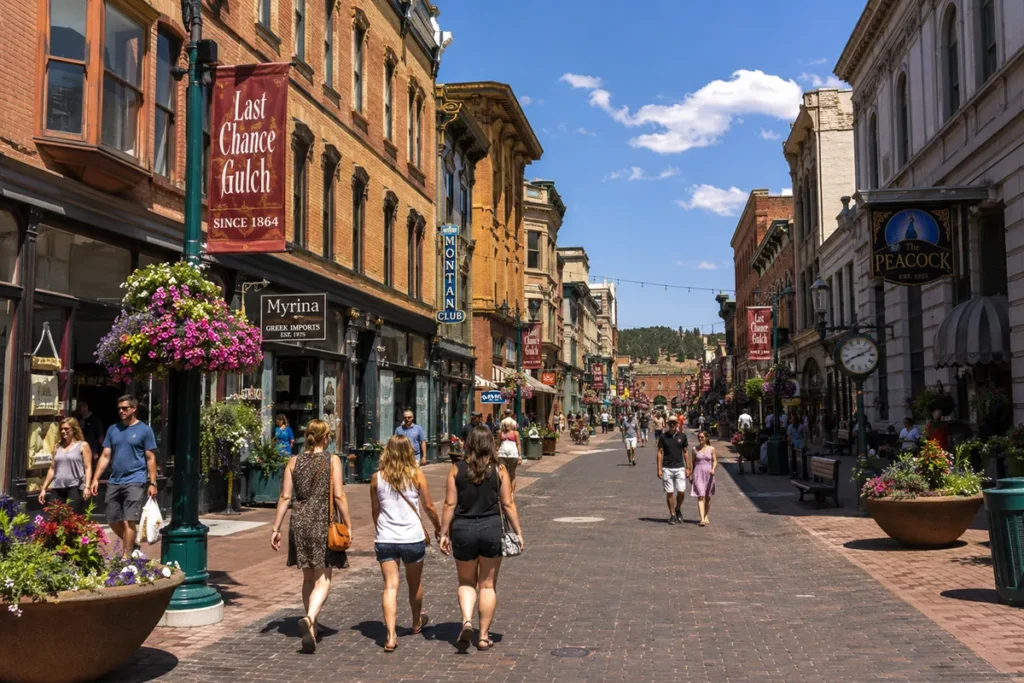
- Compact, walkable downtown with the historic Last Chance Gulch pedestrian mall as the spine.
- Centrally located between Bozeman/Yellowstone and Glacier — the ideal stopover.
For a deep dive into specific activities, see my fun things to do in Helena MT guide and best Helena attractions roundup. This page covers Helena as a place — its full story, lodging, dining, events, shopping, and how it fits into any Montana road trip.
Liked this article?
Add Roaming Montana as a preferred source so you see more of our articles and guides on Google.
Helena at a Glance
| Population (2020) | ~32,091 |
|---|---|
| County | Lewis and Clark County (county seat) |
| Status | Montana State Capital since 1875 (territory), 1889 (statehood) |
| Nickname | Queen City of the Rockies |
| Region | Southwest Montana / West-Central Montana |
| Elevation | 4,058 ft |
| Airport | Helena Regional Airport (HLN) |
| Distance to Bozeman | ~95 miles (~1.5 hours via I-15) |
| Distance to Missoula | ~115 miles (~2 hours via US-12) |
| Distance to Great Falls | ~90 miles (~1.5 hours via I-15) |
| Distance to Glacier NP | ~175 miles (~3 hours) |
| Distance to Yellowstone | ~200 miles (~3.5 hours) |
| Best for | History, hiking, mountain biking, budget-conscious travel |
Helena’s Story: From Gold Rush to Queen City
Long before the prospectors arrived, the Helena Valley was shared hunting ground for several Indigenous nations — Blackfeet, Salish, Crow, and Bannock peoples all moved through this landscape and knew the resources of Prickly Pear Creek and the Missouri River watershed intimately.
The valley they valued became, almost overnight, one of the most unlikely boomtowns in American history.
On July 14, 1864, a group of prospectors known as the “Four Georgians” — exhausted from failed searches across the Montana Territory — made one final attempt in a gulch off Prickly Pear Creek.
They named it Last Chance Gulch. It turned out to be one of the richest placer deposits ever discovered in the American West. By 1888, roughly 50 millionaires called Helena home — more per capita than any city in the world.
An estimated $3.6 billion in today’s dollars came out of the ground that eventually became Helena’s streets and buildings.
That concentration of wealth explains everything you see downtown today: the Gothic Revival cathedral, the Greek Neoclassical capitol, the elaborate Victorian mansions, the ornate commercial buildings that would look more at home in Denver or San Francisco. Helena wasn’t just a mining camp that got lucky — it was a city built by people with serious money who intended it to last.
Helena also has a history that doesn’t always make the tourist brochures. In the gold rush years, a significant community of Black Montanans settled here, finding work in the mines and on the railroads and establishing a middle class with Black-owned businesses, churches, and newspapers.
That community was later eroded by discriminatory laws and the social pressures of the early 20th century — a part of Helena’s story that the Montana Heritage Center now addresses more directly than any previous museum in the state.
In October 1935, a series of earthquakes rocked Helena, causing over $4 million in property damage and collapsing sections of the new high school and the historic Kessler Brewery. The city rebuilt quickly.
Today Helena sits quietly — seismically and otherwise — as a place that has survived and adapted through multiple chapters of Montana history.
What Makes Helena Different
Helena is unlike any other state capital in the country. A few things that set it apart:
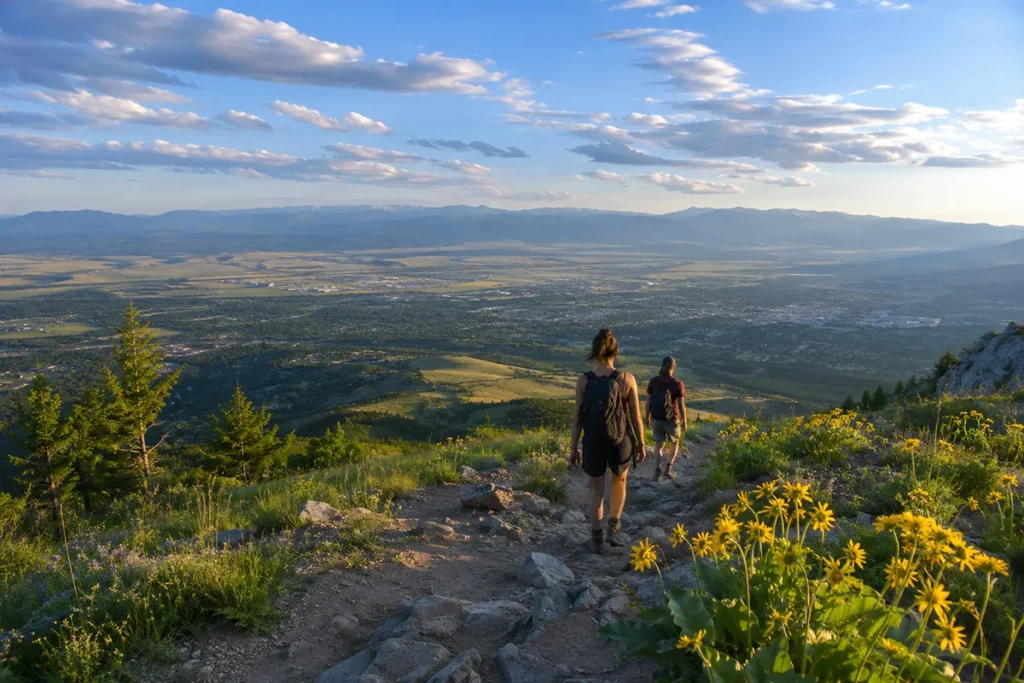
The mountain is literally part of the city. Mount Helena (5,468 ft) sits directly above downtown, with 80+ miles of trails that begin where the neighborhoods end. You can hike from a coffee shop on Last Chance Gulch to a summit panorama over the Helena Valley in about 90 minutes without getting in a car.
It’s a IMBA Silver-level Ride Center. Mountain bikers take note: Helena has been recognized by the International Mountain Bike Association as a Silver-level Ride Center, one of the few cities in Montana with trail networks extensive and varied enough to earn that designation. The trails on Mount Helena and the surrounding network accommodate everything from beginner singletrack to technical descents.
The architecture is legitimately world-class. The Cathedral of St. Helena (1908–1924) was modeled after the Votivkirche in Vienna. The State Capitol is Greek Neoclassical with a copper dome. The mansion district holds Victorian estates built by gold-rush millionaires. Reeder’s Alley dates to the 1870s. This isn’t preserved-for-tourists history — these buildings are the city’s working fabric.
It’s genuinely affordable. Helena hotels run 30–40% cheaper than equivalent properties in Bozeman or Whitefish. The restaurants and breweries aren’t priced for tourist season. If you’re doing Montana on a real budget, Helena is the best-value city in the state.
Carroll College gives it a real college-town energy. Carroll College (founded 1909, Roman Catholic, ~1,300 students) sits on Helena’s west side and gives the city a younger, more energetic character than many small state capitals. The Fighting Saints have an unusually successful NAIA football program that Helena takes seriously.
For broader trip context, see my Montana cities and towns hub.
Top Attractions in Helena, Montana
For full descriptions, trail ratings, and insider tips, see my complete Helena MT activities guide. Here’s what you need to know for trip planning:
1. Montana Heritage Center (Montana’s Museum)

This is Helena’s biggest story right now. After years of planning and construction, the Montana Heritage Center — the new home of the Montana Historical Society — opened to visitors in 2025 and 2026.
It replaced the aging Montana Historical Society Museum across from the Capitol, and the upgrade is dramatic: expanded museum exhibits covering Indigenous nations, the gold rush era, homesteaders, and modern Montana; educational classrooms; a public event center; an enhanced research archive; a café; an outdoor courtyard; and a rooftop terrace with views of the Capitol dome.
The Charles M. Russell collection here is the largest in the world. The 25-foot Lewis & Clark mural by Russell in the State Capitol chamber is something, but the Heritage Center’s Russell gallery is the whole story. Don’t skip this. [Verify current hours and admission before visiting.]
2. Montana State Capitol
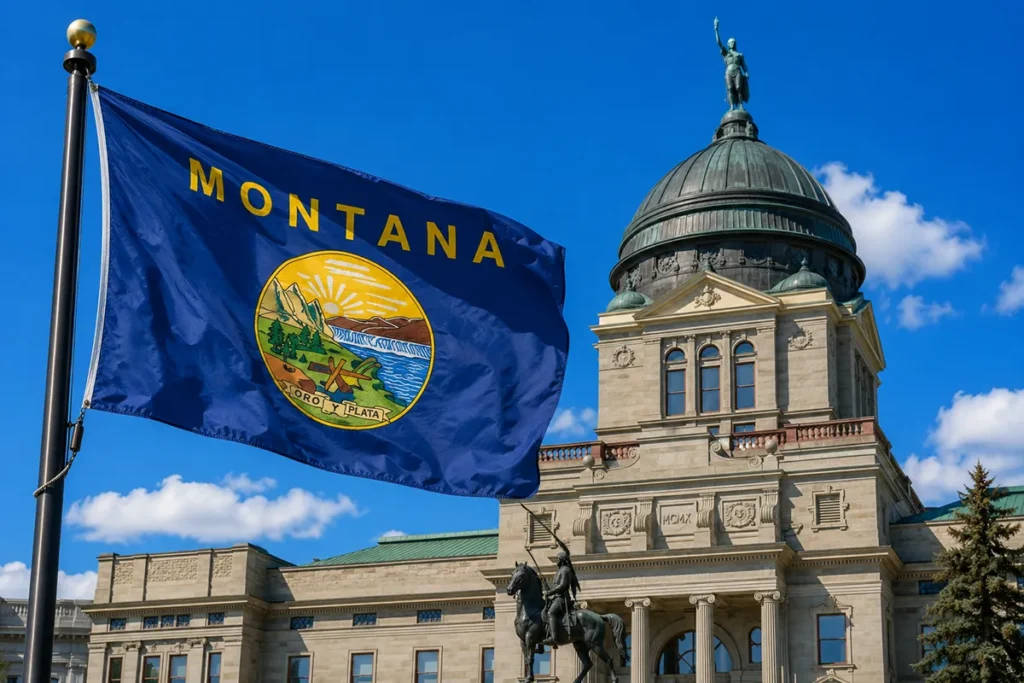
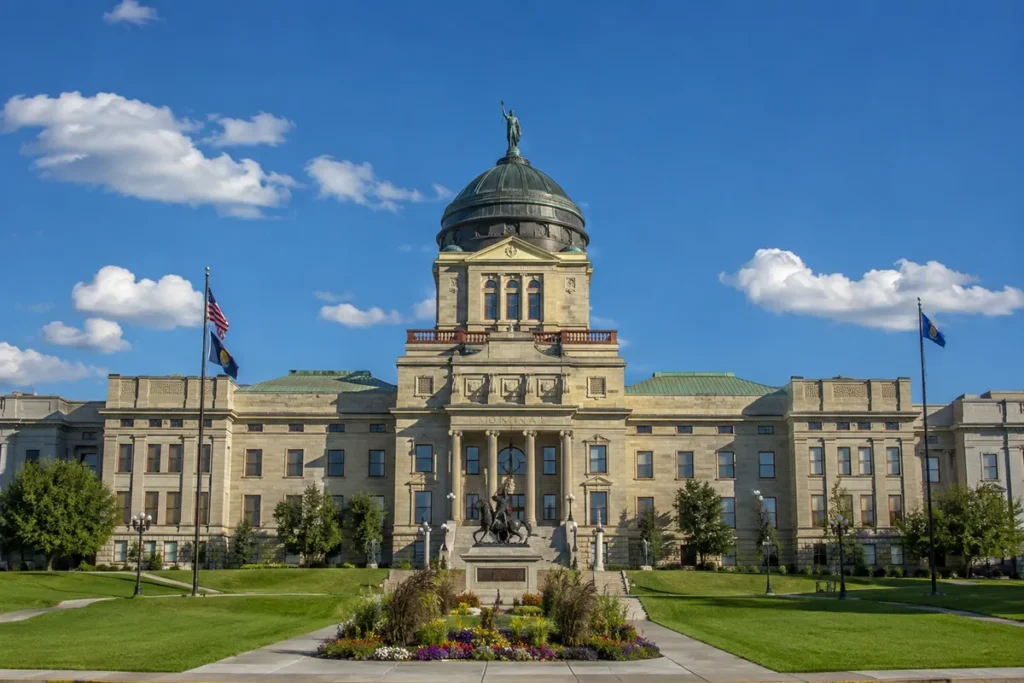
Built between 1896 and 1902, the Greek Neoclassical State Capitol is one of the finest capitol buildings in the American West. Free guided tours run on weekdays — worth an hour of your time specifically to see the Charles M. Russell mural in the House chamber.
Self-guided tours and even a kid-friendly scavenger hunt are available. The copper dome, modeled loosely after the United States Capitol, has authentic Montana character that Washington’s doesn’t.
3. Cathedral of St. Helena

The twin Gothic spires of the Cathedral dominate Helena’s skyline and can be seen from half the city. Built between 1908 and 1924, the design was inspired by the Votivkirche in Vienna — which tells you exactly what Helena’s gold-rush millionaires were aiming for.
Inside: 59 stained-glass windows, marble columns, and a scale that stops you cold. Admission is free. Weekday guided tours run from Memorial Day to Labor Day. Even if you’re not religious, don’t skip this — the architecture alone is worth 30 minutes.
4. Mount Helena City Park
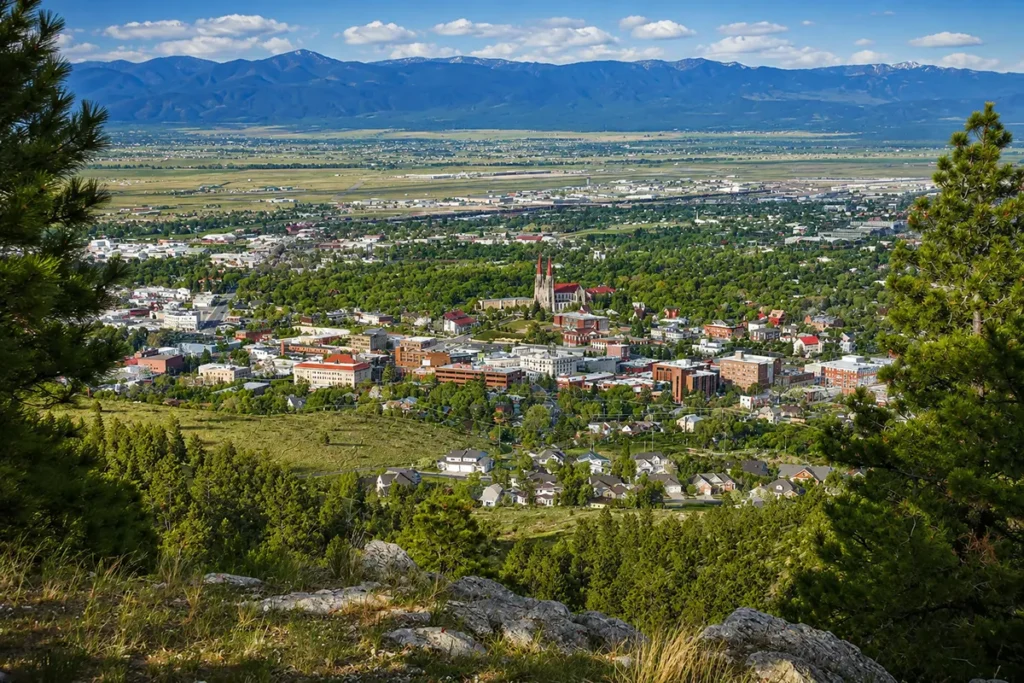
The city’s crown outdoor asset. 80+ miles of trails begin directly above downtown, ranging from paved walking paths to technical mountain bike descents.
The 1906 Trail takes about 2 hours to the summit and delivers expansive views of the Helena Valley, the Big Belt Mountains, and the Continental Divide.
The Prairie Trail is spectacular during wildflower season (June–July). Mountain biking here is serious — the trail network contributed to Helena’s IMBA Silver Ride Center designation.
Practical note: the trailheads begin about 1,300 feet above Last Chance Gulch. You can hike up from downtown, but most people drive to the upper trailhead parking to maximize energy for actual trail time.
5. Gates of the Mountains Boat Tour
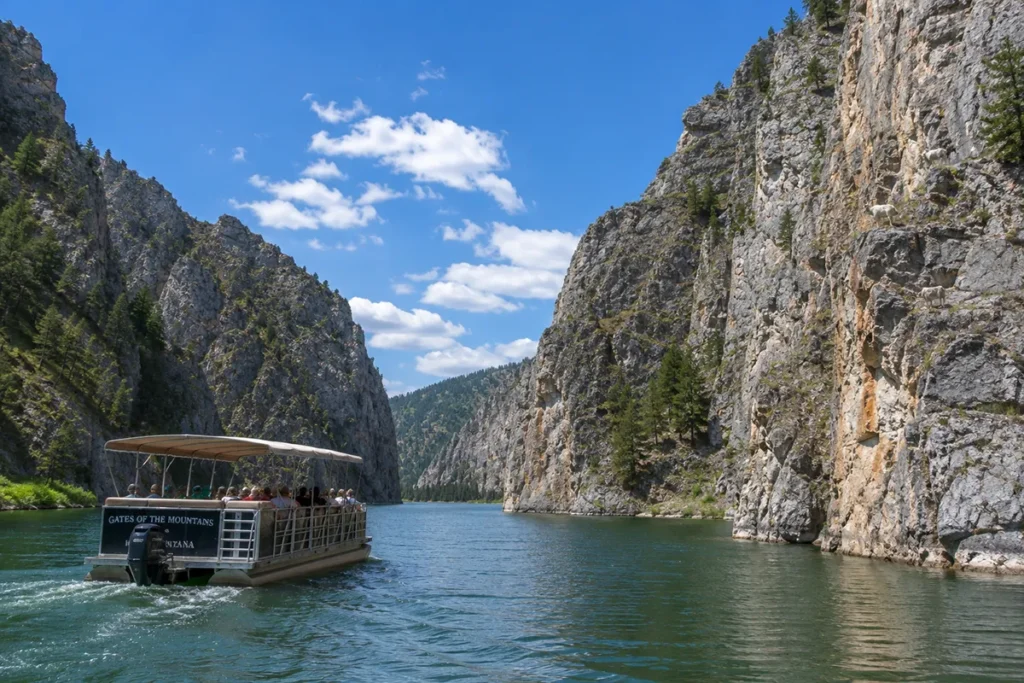
About 20 miles north of Helena, the Missouri River cuts through a limestone canyon that Lewis and Clark named “Gates of the Mountains” in July 1805.
They were right to be impressed — the canyon walls rise 1,200 feet above the water, and from a boat, they appear to open and close as you wind through. Two-hour tours depart from the marina seasonally; the boats are named the “Sacajawea” and the “Hilger Rose.”
Mountain goats regularly appear on the canyon cliffs. Ancient Blackfeet pictographs (rock paintings) are visible high above the waterline — a detail most operators point out that I hadn’t expected.
Book ahead in July and August. [Verify current schedule and pricing at gatesofthemountains.com.]
6. Last Chance Gulch
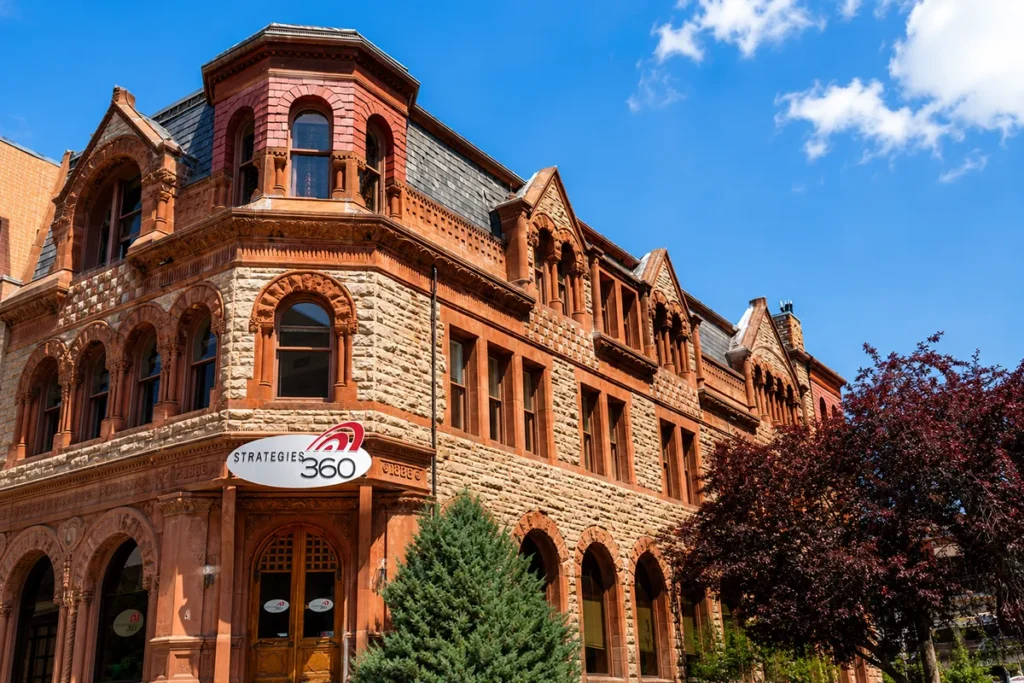
The pedestrian mall at the heart of downtown Helena runs the length of the original gold strike. Today it’s lined with shops, restaurants, breweries, coffee shops, and public art installations — but the historic buildings and interpretive plaques make this as much a history walk as a shopping street.
The Four Georgians who struck gold here in 1864 named it the last chance because they were broke and nearly out of options. They had better luck than they knew.
7. Spring Meadow Lake State Park
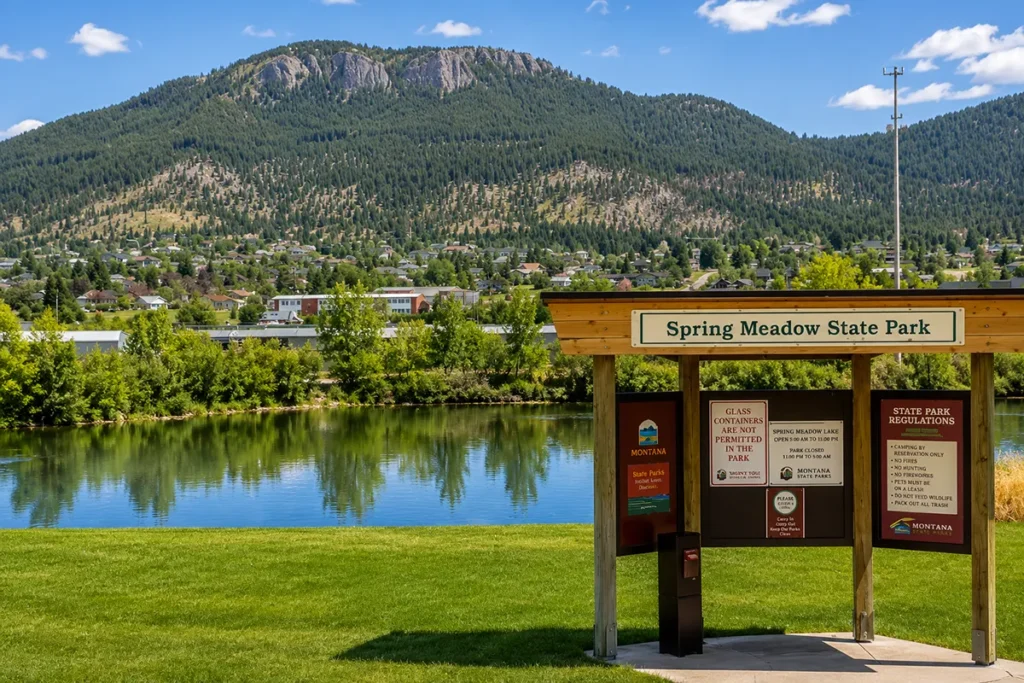
A spring-fed lake just minutes from downtown Helena that most visitors miss entirely. The water is clear and calm, there’s a one-mile walking trail around the perimeter, a swimming area, picnic spots, and serious birdwatching — great blue herons nest here regularly.
Non-motorized boating (kayaks, paddleboards) is allowed. It’s one of those spots that Helena locals use all summer while the out-of-towners are stuck in the hotel pool. [Verify current day-use fees.]
8. Original Governor’s Mansion
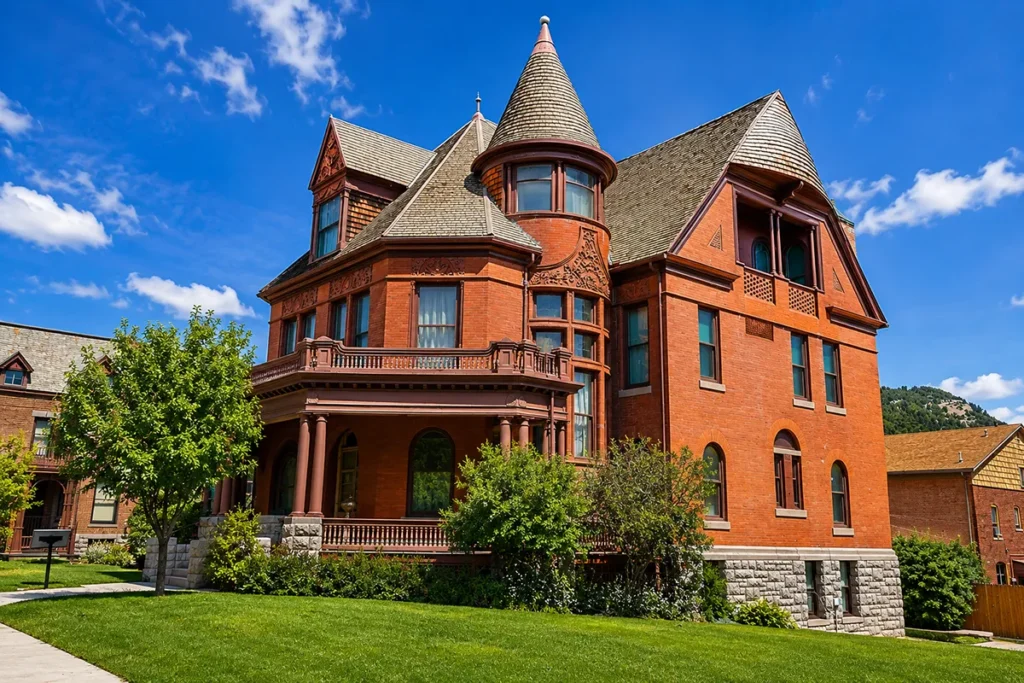
Built in 1888 in Queen Anne style — complete with wraparound porch and period furnishings — this mansion served as the official Montana governor’s residence from 1913 to 1959.
Tours run Tuesday through Saturday from mid-May to mid-September. Twenty rooms restored to turn-of-the-century elegance, including sitting rooms, bedrooms, and a kitchen that looks almost exactly as it did when actual Montana governors called it home.
9. Reeder’s Alley & Pioneer Cabin
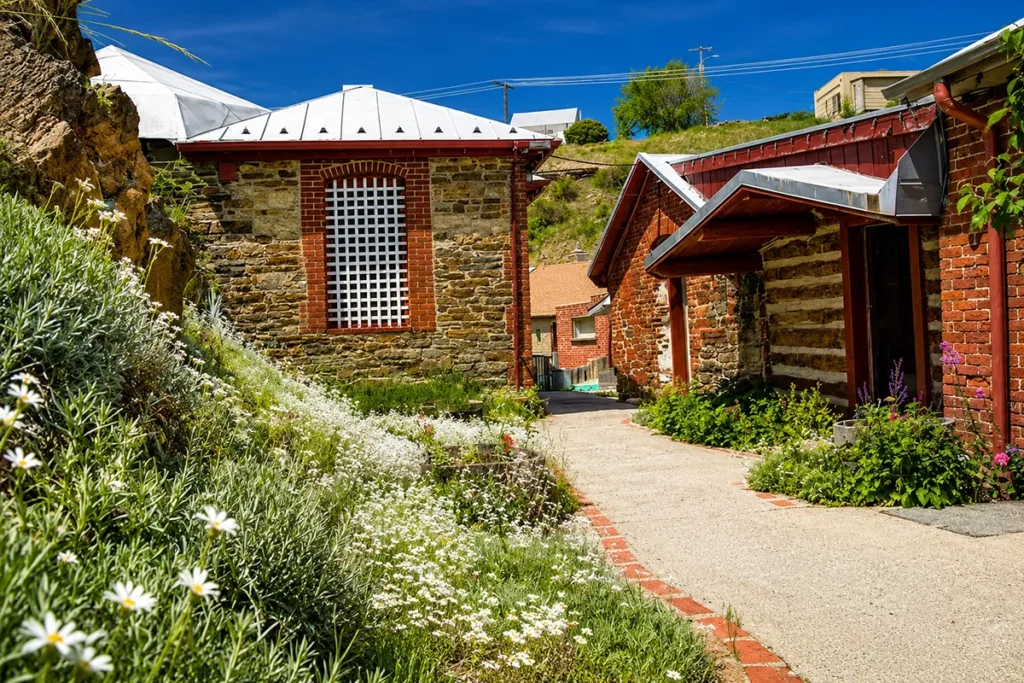
Reeder’s Alley dates to the 1870s, making it one of the oldest surviving commercial districts in Montana. The narrow stone and brick structures originally served as housing for Chinese laborers and mule packers during the mining era.
Today the alley has been restored and houses small shops and a café. The adjacent Pioneer Cabin is one of the few surviving examples of early miner’s housing in the state.
10. Old Fire Tower
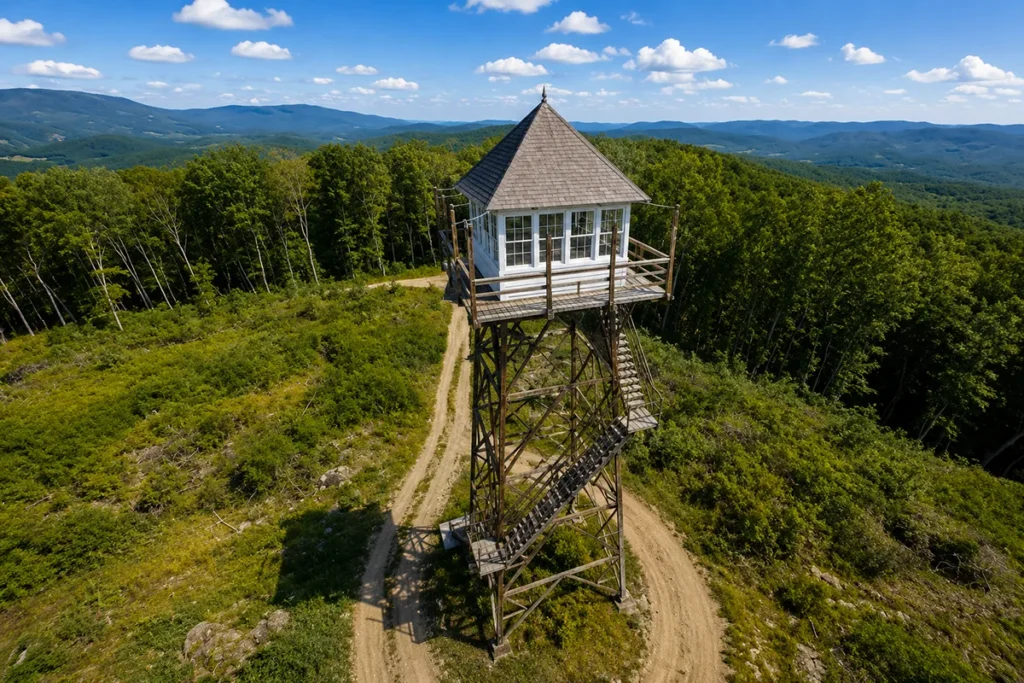
Dating to 1876 and located in the hills above downtown, Helena’s old fire lookout tower is one of only five of its type still standing in the entire United States. It’s an easy hike or drive to reach it, and the views over the city are excellent. Most visitors don’t know it exists.
11. Last Chance Tour Train
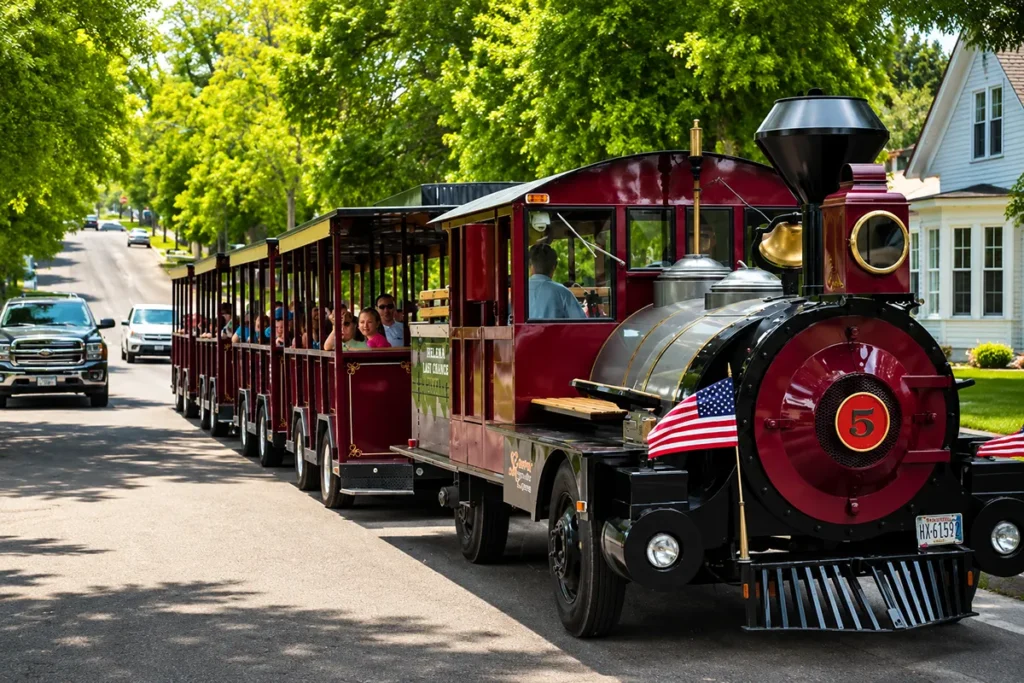
The Last Chance Tour Train departs near the Montana Heritage Center and does a narrated one-hour loop through Helena’s historic streets — architecture, gold rush history, Capitol Hill, the mansion district.
It’s genuinely the most efficient way to get the historic overview of the whole city in a short time, and the narration is good. Runs seasonally. A solid choice for first-time visitors who want to orient quickly before exploring on foot.
12. Great Northern Carousel
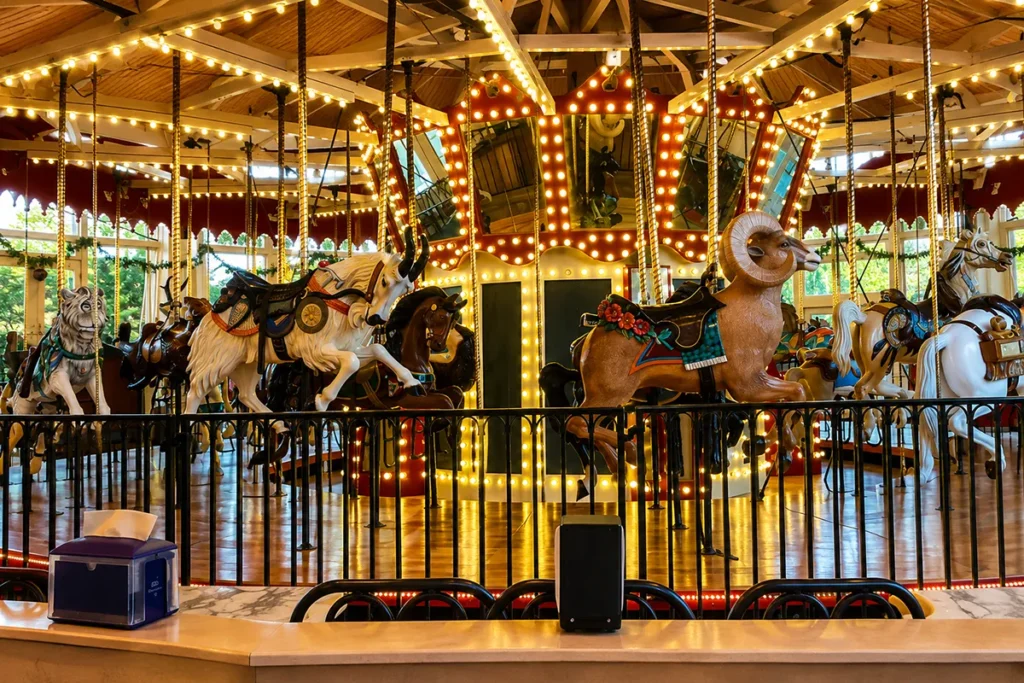
A hand-carved carousel featuring Montana wildlife — bison, grizzlies, mountain lions, elk — that is more impressive than it sounds.
The carving work is genuinely beautiful, and the homemade ice cream (flavors include Missouri River Mud and Buffalo Jump) is worth a stop regardless of whether you have kids. Located near the Civic Center.
13. Broadwater Hot Springs
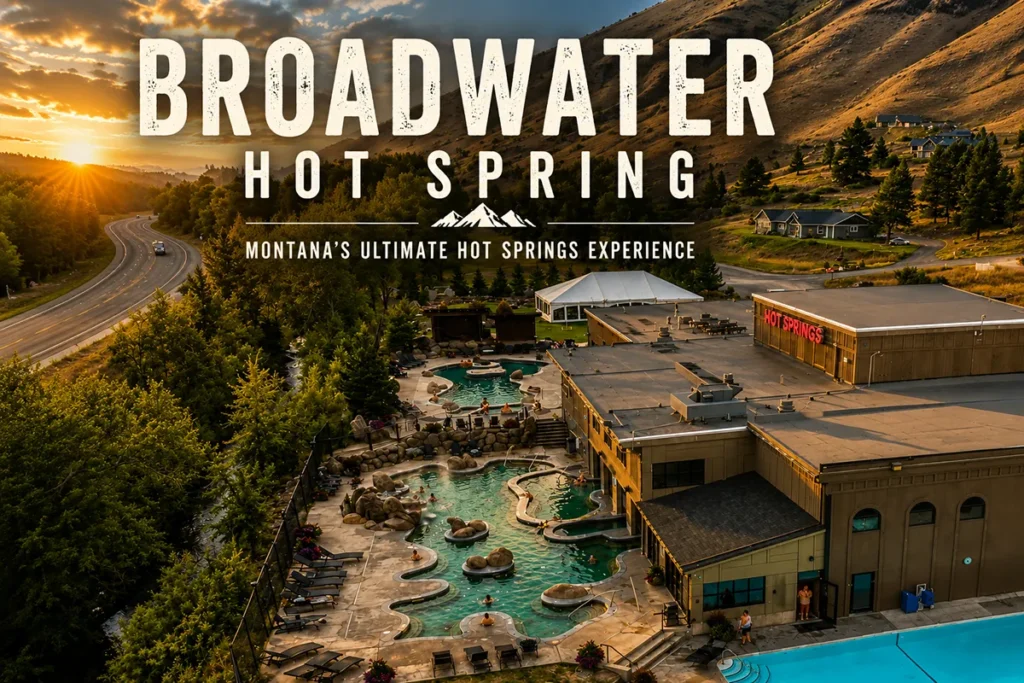
Helena has its own hot springs. Broadwater Hot Springs & Fitness Center is on the city’s west side, with both indoor and outdoor hot spring pools fed by natural geothermal water.
It’s more gym-and-spa than wilderness soak, but the water is real and after a day of hiking Mount Helena, the pools feel exactly right. See my Broadwater Hot Spring guide for what to expect.
14. Spokane Bar Sapphire Mine
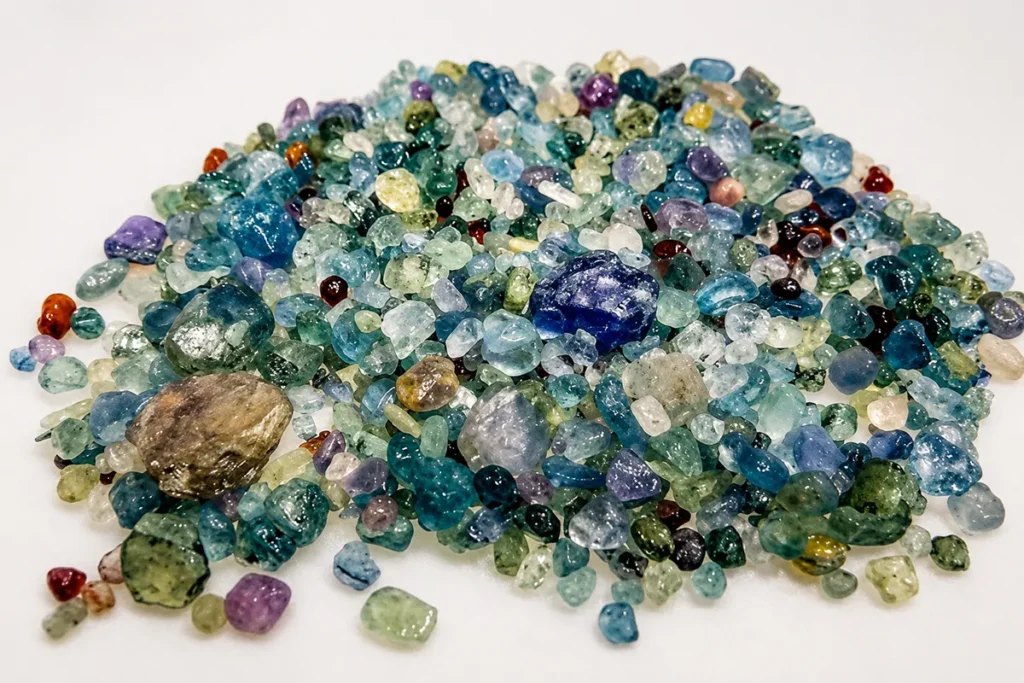
About 20 miles from downtown Helena, the Spokane Bar Mine lets visitors dig for Montana sapphires in gravels along the Missouri River. You pay by the bucket and keep whatever you find.
Montana sapphires are world-class — the state produces some of the finest blue, green, and parti-colored sapphires in North America.
No experience required. See my Montana sapphire guide for context on what you might find and how the stones are valued.
15. Helena-Lewis and Clark National Forest
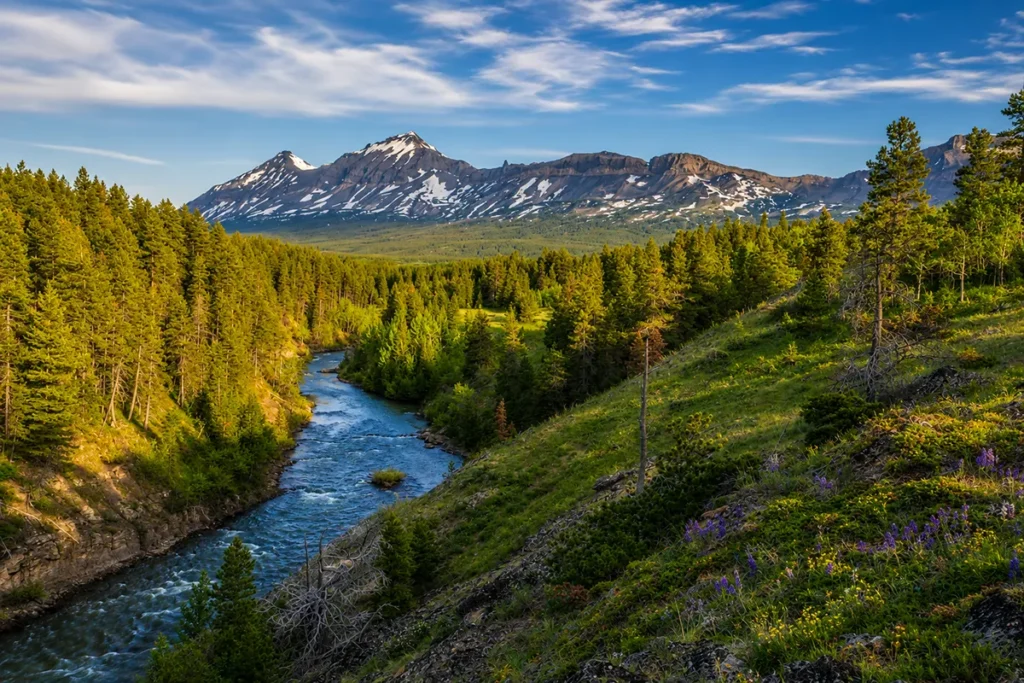
The Helena-Lewis and Clark National Forest covers 2.8 million acres of central and north-central Montana, with the Helena Ranger District beginning at the city’s edge.
Hiking, backpacking, fishing, and wildlife observation across diverse terrain — mountains, canyons, grasslands, and river corridors.
The Gates of the Mountains Wilderness Area (28,562 acres) sits within it, along with significant trout fishing on the Missouri River and its tributaries.
Events & Festivals in Helena
Helena punches way above its weight for events. The summer calendar is legitimately busy for a city of 35,000.
Helena SeptemberFest — Held annually in September (typically the second weekend), this free family-friendly festival transforms Last Chance Gulch into a full weekend of events: the Soap Box Derby on 6th Avenue hill, live music, giant balloon sculptures, food, and community competitions. One of the best street festivals in Montana for its size.
Last Chance Stampede & Fair — The Lewis and Clark County Fairgrounds hosts this annual PRCA rodeo and fair in late July. Three nights of professional rodeo, carnival, 4-H exhibits, live music, and fair food. Authentic Montana — not polished for tourists.
Alive@Five — Free outdoor concert series held on Thursday evenings in summer on Last Chance Gulch. Local and regional bands, food vendors, and a relaxed crowd that includes everyone from college students to retirees. One of the best things about Helena summers, and it costs nothing.
Symphony Under the Stars — The Helena Symphony performs an outdoor concert (typically late July or August) at a park setting. A beloved local tradition.
Roaming Montanavernor’s Cup Walleye Tournament — Canyon Ferry Lake hosts one of the largest walleye fishing tournaments in the Northwest each June.
[Verify current dates at helenamt.com before planning around specific events.]
Shopping in Helena
Helena’s downtown shopping is more interesting than its size suggests, built around locally-owned boutiques rather than chains. A few worth your time:
56 Counties — Montana-made products, gifts, and art named after the state’s 56 counties. This is the go-to shop for Montana-specific gifts that you won’t find at an airport.
Montana Book Co. — Independent bookstore on Last Chance Gulch with a strong Montana section (history, nature, fiction, memoir) and knowledgeable staff.
The General Mercantile Store — Coffee shop and gift shop combination, well-curated, open most days of the week.
The BaseCamp — Outdoor gear retailer that carries brands not commonly found in major chains, including European outdoor brands rarely stocked elsewhere in Montana. If you’re outfitting a serious trip, worth a visit.
Omertà Arts — Local art gallery with rotating exhibits and works by Montana artists. A good stop for original art rather than mass-produced prints.
Mae & June Vintage Market — Vintage clothing, furniture, and housewares. Regularly rotated stock with a strong local following.
The Last Chance Gulch pedestrian mall ties most of the shopping together — an afternoon walking the mall will cover the majority of Helena’s best independent retail.
Where to Eat in Helena
Helena’s restaurant scene is small but has genuine standouts. A few I return to:
Lucca’s — Helena’s best upscale Italian. The pasta is made in-house, the wine list is serious, and the space feels intimate without being pretentious. Reservations recommended for dinner.
Steve’s Cafe — The breakfast institution. Cash only, lines out the door on weekends, portions that embarrass anything you’d get at a chain. Come early or expect to wait.
The Hardware Cafe — Another strong breakfast and brunch spot. Good coffee, reliable eggs, more comfortable seating than Steve’s if the wait at the latter seems daunting.
Mediterranean Grill — Falafel, shawarma, and mezze plates in a city where you wouldn’t necessarily expect them to be this good. Lunch spot that Helena locals fiercely defend.
The Old Salt Outpost — Whole-animal butchery and restaurant. The charcuterie and wood-fired preparations are the draw. A serious place for serious meat eaters.
Benny’s Bistro — Reliable upscale dining option, good for date nights or business dinners.
Wassweiler Dinner House — Set in a historic mansion, this is Helena’s special-occasion restaurant. The building itself is worth the visit; the food is solid continental-American.
The Parrot Confectionery — Open since 1922. Hand-dipped chocolates, cherry phosphates, and an interior that hasn’t changed much in decades. The chocolate-covered honeycomb is the move. Don’t skip it.
Helena’s Brewery Scene
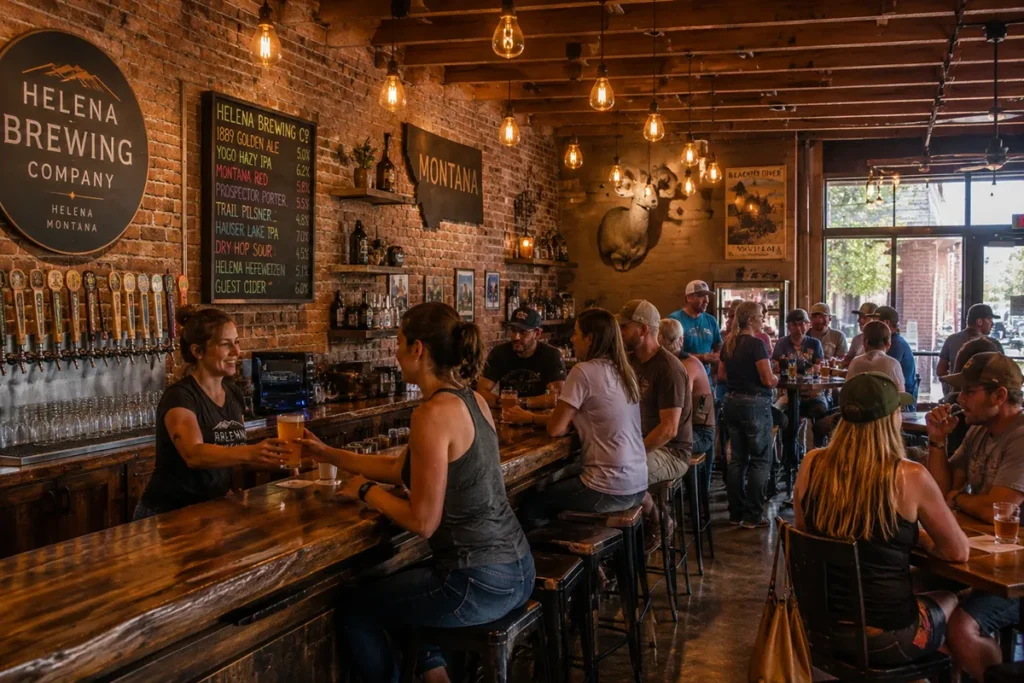
Helena has a craft beer scene that genuinely surprises people. For a city of 35,000, this is a lot of good beer:
Lewis & Clark Brewing Company — The flagship, known for the Tumbleweed IPA and a range of well-executed American styles. Lively taproom, outdoor seating, usually busy on weekends.
Blackfoot River Brewing Company — Set in a historic building, traditional ale and lager styles executed with care. More of a neighborhood pub feel than the Lewis & Clark taproom.
Snow Hop Brewery — The experimental option, with rotating small-batch releases that lean toward IPAs and sours.
Ten Mile Creek Brewery — Neighborhood brewery vibe, good for quieter evenings.
Brothers Tapworks — Located right on the Last Chance Gulch walking mall, with an extensive selection of Montana craft beers and ciders from around the state (not just their own). Good for sampling widely if you’re trying to understand Montana’s beer landscape in one visit. Trivia nights and special events run regularly.
The Rathskeller — A basement bar with speakeasy character, historic details, and an atmosphere you don’t find at newer spots. Not a brewery, but the best bar in Helena for atmosphere. Worth finding.
Where to Stay in Helena
| Hotel | Vibe | Price Range | Best For |
|---|---|---|---|
| DoubleTree by Hilton Helena Downtown | Reliable chain, walkable | $150–230 | Most travelers |
| The Sanders Bed & Breakfast | Victorian mansion, intimate | $200–300 | Couples, character |
| Holiday Inn Downtown | Functional, central | $130–200 | Budget central |
| Wingate by Wyndham | Newer, value chain | $130–180 | Budget |
| Best Western Premier Helena Great Northern | Near Great Northern Town Center | $150–220 | Families |
| Last Chance Ranch B&B | Just outside town, peaceful | $180–280 | Couples wanting quiet |
Helena lodging runs 30–40% cheaper than equivalent properties in Bozeman or Whitefish. Mid-range hotels that cost $250+ per night in those tourist-driven cities typically land at $150–180 here. It’s one of the best-value overnight stops in Montana.
For RV travelers, see my Helena RV parks guide.
Getting to Helena & Getting Around
By plane: Helena Regional Airport (HLN) is 3 miles northeast of downtown. Direct flights from Seattle, Denver, Minneapolis, and Salt Lake City operate year-round, with additional seasonal service. Smaller than Bozeman (BZN) or Missoula (MSO) airports — fewer flights, but convenient if you can get a direct route. Car rentals at the airport from major national chains.
By car: I-15 runs north-south through Helena. From Bozeman, 95 miles south (~1.5 hrs). From Missoula, 115 miles west on US-12 (~2 hrs). From Great Falls, 90 miles north on I-15 (~1.5 hrs). From Glacier’s West Entrance, ~175 miles (~3 hrs).
By bus: Jefferson Lines operates Greyhound routes that pass through Helena (transfer in Butte for connecting service). Greyhound-style travel in this part of Montana is slow and infrequent.
Around Helena: Downtown is genuinely walkable — Capitol, Cathedral, Last Chance Gulch, Heritage Center, and most restaurants within a 15-minute walk of each other. The Capital Area Transit Service runs city buses ([$verify current fare]). A free trolley operates seasonally in summer between Capitol Hill Mall and the Capitol Building. A car is needed for Mount Helena trailheads, Gates of the Mountains, and all lakes and day trips.
Day Trips From Helena
Helena’s central location makes it a natural hub. Within 1.5–2 hours you can reach:
Gates of the Mountains (20 min north) — Boat tour through the Missouri River canyon Lewis and Clark named in 1805. One of the most distinctive Montana experiences.
Elkhorn Ghost Town (1 hour south, near Boulder) — The best-preserved silver-mining ghost town in Montana. Fallapart Fraternity Hall and Gillian Hall are still standing; old mine headframes visible on the hillsides. See my Montana ghost towns guide for context.
Lewis and Clark Caverns State Park (1.5 hours southeast) — Montana’s most decorated cave system, between Helena and Bozeman. Limestone cave tours run seasonally. [Verify current tour schedule and fees.]
Great Falls (1.5 hours north) — The C.M. Russell Museum (largest Russell collection outside the Montana Heritage Center), the Lewis & Clark Interpretive Center at the Great Falls of the Missouri, and the Giant Springs State Park. A full-day side trip.
Canyon Ferry Lake, Hauser Lake & Holter Lake (20–45 min) — Three reservoirs on the Missouri River east and north of Helena. Canyon Ferry is the biggest — boating, fishing, swimming, and camping all summer. Holter Lake offers some of the best walleye fishing in the state. Hauser Lake (between the other two) is smaller, quieter, good for kayaking and paddleboarding.
Missoula (2 hours west via US-12) — University of Montana, Clark Fork River, the Bitterroot Valley, and a significantly larger restaurant and arts scene. A solid weekend extension.
MacDonald Pass & Flesher Pass scenic drive — Take Montana Route 279 northwest from Helena toward Lincoln for forest scenery, the small ranch town of Lincoln itself, and views from Flesher Pass (6,130 ft). Return over the same route or connect through Augusta. A good half-day loop that shows a completely different face of the Helena region.
When to Visit Helena
June through September is the primary visitor window. Wildflowers on Mount Helena peak mid-June through July. Gates of the Mountains tours run fully. All museums and the Heritage Center maintain full hours.
September and October are my personal favorite months. The crowds thin after Labor Day, fall colors hit the hillsides and canyon walls in October, and the weather stays genuinely pleasant through mid-October most years. Hotel rates drop noticeably.
Winter (November–March) is cold (average lows reach 14°F in January) but functional. Great Divide Ski Area is 23 miles north — 1,600 acres, 140+ trails, affordable lift tickets by Montana standards. Downtown stays active through the legislative session (January–April in odd-numbered years), which actually fills hotels and restaurants.
Spring (April–May) brings mud season on the mountain trails but the city comes back to life quickly. Not ideal for hiking, but excellent for seeing the wildflower meadows begin to green up.
Legislative session note: Montana’s legislature meets in odd-numbered years (January through April). In session years, Helena hotels fill up mid-week as lawmakers, lobbyists, and state employees from around Montana crowd the city. Book early for even-year visits, and be aware of reduced availability and slightly higher prices during odd-year sessions.
For the full timing breakdown, see best time to visit Montana.
What I Wish I’d Known About Helena (Personal Tips)
These are things I figured out across multiple visits that didn’t appear in any guide I read before going:
The Heritage Center changes the calculus. Before it opened, the Montana Historical Society Museum was good but cramped. The new Heritage Center is a genuinely excellent state history museum by any standard. Budget 2–3 hours minimum, not the 45-minute drive-by I’d originally planned for the old museum.
Cathedral admission is free and worth it. Many travelers skip it assuming it’s a church and not for them. The architecture alone — the stained glass, the scale, the marble — is worth 20 minutes regardless of your views on religion.
Drive to Mount Helena trailhead, don’t hike up from downtown. The trails start 1,300 feet above Last Chance Gulch. You can hike up from the neighborhood, but it burns significant energy before you even reach the main trail network. Drive to the upper parking area on Adams Street and start from there.
Hotels are genuinely cheaper than Bozeman or Whitefish. I’ve saved $80–120 per night on equivalent rooms just by staying in Helena instead of Bozeman for trips that use Helena as a base for Yellowstone access. The drives are similar; the prices aren’t.
Time your Capitol tour. Free guided tours run on weekdays — call ahead to confirm the schedule, especially during legislative session. The Russell mural in the House chamber alone is worth the hour.
Parrot Confectionery is a non-negotiable stop. 1922. Hand-dipped chocolates. Cherry phosphates. The chocolate-covered honeycomb. Don’t overthink it — just go.
The Gates of the Mountains tour needs advance booking in July and August. It fills up. Book online 3–5 days ahead in peak summer. The tour itself typically runs 2 hours and is genuinely one of the most distinctive boat experiences in Montana.
Helena is a serious mountain biking destination. If you ride, bring the bike. The IMBA Silver designation is earned — the trail network on and around Mount Helena is technically interesting and well-maintained, not just “we have a dirt path.”
Geocaching is surprisingly excellent here. Helena won the “Best for Geocaching” designation from Rand McNally and Geocaching.com. If you’re into it, the combination of historic downtown, mountain terrain, and multiple lake zones creates an unusually varied caching environment.
The Rathskeller is not obvious. It’s a basement bar — literally below street level — with no flashy signage. Ask a local or look for the stairs down on Last Chance Gulch. Worth finding for the atmosphere alone.
Helena Quick Facts
| Founded | July 14, 1864 (Last Chance Gulch gold strike) |
|---|---|
| Incorporated | 1881 |
| Named for | Likely Helena, Minnesota; possibly the wife of an early settler |
| State capital since | 1875 (territorial), 1889 (statehood) |
| Nickname | Queen City of the Rockies |
| Millionaires at peak | ~50 by 1888 — more per capita than any city in the world at the time |
| Gold extracted (est.) | ~$3.6 billion in today’s dollars |
| College | Carroll College (founded 1909, Roman Catholic, ~1,300 students) |
| Average summer high | 83°F |
| Average winter low | 14°F |
| Closest national parks | Glacier (~175 mi north), Yellowstone (~200 mi south) |
| Notable fact | Helena sits almost exactly halfway between Glacier and Yellowstone |
Conclusion
Helena is the Montana city that earns its reputation quietly. There’s no viral moment that brings people here — just the slow accumulation of “wait, this is really good” across every hour you spend in it. The architecture is legitimately world-class.
The trails are right there above downtown. The Montana Heritage Center is now one of the best state history museums in the West. And when you check out, the bill is 40% less than Bozeman.
For most Montana road trips, Helena belongs on the itinerary as more than a gas stop. Give it 2 nights and it’ll earn your recommendation to everyone you know.
Have questions about Helena? Drop them in the comments. For the full activity breakdown, see my complete Helena, MT guide.
Frequently Asked Questions
Is Helena, Montana worth visiting?
Yes — Helena is worth at least 1–2 days, particularly for travelers interested in history, architecture, and outdoor recreation. The newly opened Montana Heritage Center alone justifies a stop. Add the State Capitol, Cathedral of St. Helena, Last Chance Gulch historic district, and 80+ miles of hiking trails directly above downtown, and Helena is one of the most substantive small cities in the Mountain West.
What is Helena, Montana known for?
Helena is known as the “Queen City of the Rockies” and Montana’s state capital. It’s famous for the 1864 Last Chance Gulch gold strike (which produced an estimated $3.6 billion in today’s dollars), the Cathedral of St. Helena’s twin Gothic spires, the Montana Heritage Center (Montana’s new state history museum), Mount Helena City Park, the Gates of the Mountains boat tour, and as a major Lewis & Clark history hub.
What is the Montana Heritage Center in Helena?
The Montana Heritage Center is the new home of the Montana Historical Society, opened in 2025–2026 in downtown Helena. It’s Montana’s official state history museum, with expanded exhibits on Indigenous nations, the gold rush era, homesteaders, and modern Montana. The center also houses the world’s largest collection of Charles M. Russell art, educational classrooms, a café, research archives, an outdoor courtyard, and a rooftop terrace. It replaced the older Montana Historical Society Museum across from the Capitol.
How many days do you need in Helena?
Plan 2–3 days to cover downtown, the Montana Heritage Center, the State Capitol, the Cathedral, a Mount Helena hike, the Gates of the Mountains boat tour, and the brewery scene. As a stopover on a Bozeman-to-Glacier drive, one full day works — but most visitors who stop for a day wish they’d planned two.
How far is Helena from Glacier National Park?
Helena is approximately 175 miles south of Glacier National Park’s West Entrance — about a 3-hour drive via I-15 and US-2. It’s almost exactly equidistant between Glacier and Yellowstone’s North Entrance (~200 miles south), making it the natural midpoint stopover for travelers doing both parks.
What’s the best time of year to visit Helena?
June through September is the primary visitor window. July and August are peak season for outdoor access and events. September and October bring fall colors and significantly smaller crowds — the best months if you have flexibility. Winter brings Great Divide skiing 23 miles away; spring is best for wildflower watching on the mountain trails starting in late May.
Is Helena cheaper than Bozeman or Whitefish?
Yes — noticeably. Helena lodging typically runs 30–40% cheaper than equivalent properties in Bozeman or Whitefish for equivalent quality. Mid-range hotels are $130–230 per night versus $250–400+ in those tourist-driven cities. Restaurants and bars are priced for locals, not for peak-season tourism. Helena is the best-value overnight stop among Montana’s major cities.
What is Last Chance Gulch?
Last Chance Gulch is Helena’s historic main street, named for the 1864 gold discovery that founded the city. Today it’s a pedestrian-friendly walking mall lined with shops, restaurants, breweries, galleries, and public art installations, with historic 19th-century buildings on both sides. Interpretive plaques throughout the mall tell the gold rush story at a walking pace.
Does Helena have its own airport?
Yes — Helena Regional Airport (HLN) is 3 miles northeast of downtown with direct flights from Seattle, Salt Lake City, Denver, and Minneapolis. It’s smaller than Bozeman’s or Missoula’s airports, so connections are limited, but service covers the most common origin cities for Montana visitors.
What is the Gates of the Mountains?
The Gates of the Mountains is a dramatic limestone canyon on the Missouri River about 20 miles north of Helena, named by Meriwether Lewis in July 1805. Seasonal boat tours (typically May through September) take visitors through the canyon on 2-hour narrated cruises. The canyon walls rise 1,200 feet above the water; mountain goats are regularly visible on the cliffs; and ancient Blackfeet pictographs appear high on the canyon walls. The tour boats are named the “Sacajawea” and the “Hilger Rose.” Book ahead in summer.
Is Helena, Montana good for mountain biking?
Yes — Helena is a serious mountain biking destination recognized by the International Mountain Bike Association (IMBA) as a Silver-level Ride Center. The trail network on and around Mount Helena includes beginner-friendly singletrack, flow trails, and technical descents, all starting close to downtown. If you mountain bike, bring your bike to Helena.
What’s the difference between Helena and Bozeman?
Helena is cheaper, less touristy, more historically focused, and centrally located between Yellowstone and Glacier. Bozeman is larger, more expensive, more polished, with better restaurant density and closer direct Yellowstone access. Helena has world-class history infrastructure (Heritage Center, Capitol, Cathedral) that Bozeman doesn’t. Travelers wanting value and authenticity choose Helena; travelers wanting urban Yellowstone convenience choose Bozeman.
Can you walk around downtown Helena?
Yes — downtown Helena is genuinely walkable. The Montana Heritage Center, State Capitol, Cathedral of St. Helena, Last Chance Gulch pedestrian mall, Reeder’s Alley, and most restaurants and breweries are within a 15-minute walk of each other. A free summer trolley also operates seasonally between Capitol Hill Mall and the Capitol Building.