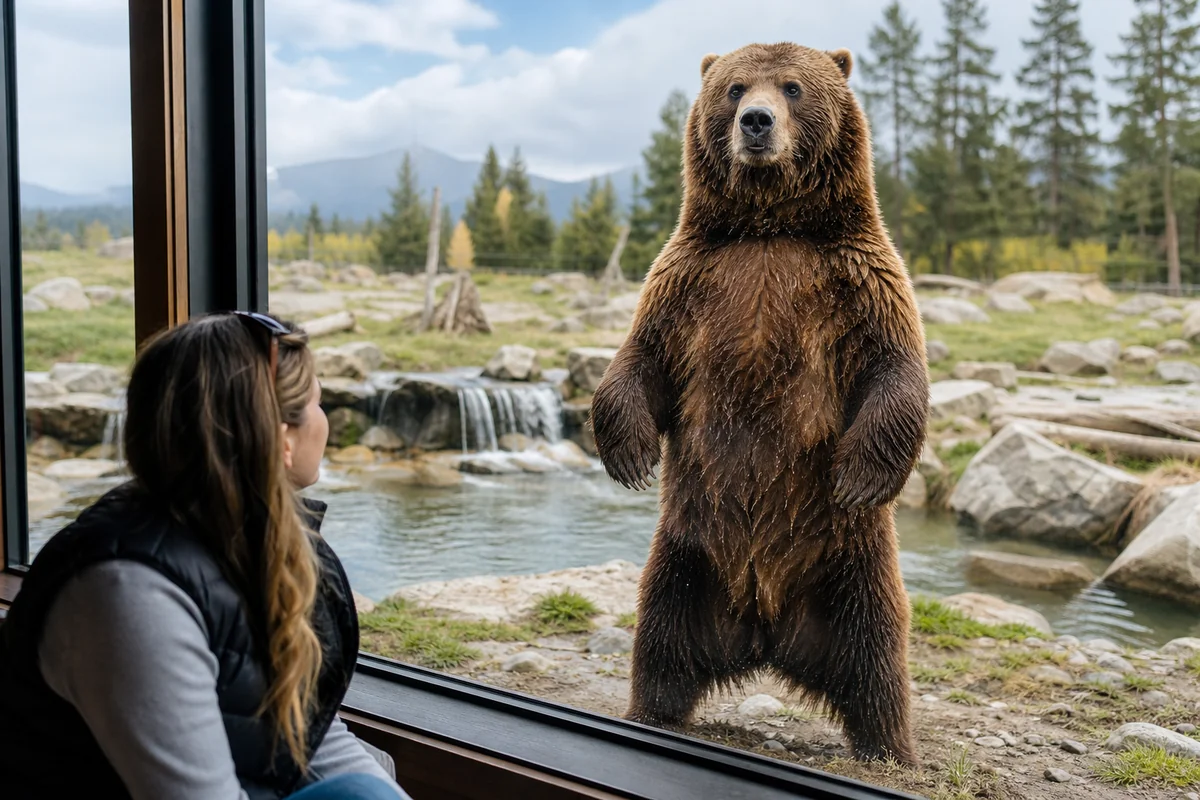
The moment a 700-pound grizzly named Sam stood on his hind legs just fifteen feet from where I watched, separated only by reinforced glass, I understood why this place exists.
It wasn’t fear I felt—it was an overwhelming connection to something wild that most of us will never safely experience in nature.
The Grizzly and Wolf Discovery Center, nestled at the west entrance to Yellowstone, offers what few places on Earth can: guaranteed, ethical encounters with North America’s most iconic predators.
If you’ve been exploring Montana Wildlife Refuges during your trip, this sanctuary delivers a completely different but equally powerful wildlife experience.
- Open year-round, 365 days — one of the only Yellowstone-area attractions never closed
- Best viewing times: morning feedings (8:30-10am) and late afternoon (4-6pm)
- Allow 2-3 hours minimum; most visitors underestimate the experience
- Adult admission $15, children $10 — ticket valid for two consecutive days
- All animals are rescues that cannot survive in the wild
- Located in West Yellowstone, Montana — perfect Yellowstone trip addition
Liked this article?
Add Roaming Montana as a preferred source so you see more of our articles and guides on Google.
What Makes This Place Different From a Zoo
I’ll be honest—when I first heard about the Grizzly and Wolf Discovery Center, I assumed it was a tourist trap designed to capitalize on Yellowstone’s proximity. I was completely wrong, and I think that misconception stops many travelers from experiencing something genuinely meaningful.
Every animal at this facility is a rescue. Full stop. These aren’t wild-caught animals brought here for entertainment. They’re bears that became food-conditioned (meaning they learned to seek human food and became dangerous), wolves that were injured or orphaned, and raptors that can never fly again.
During my visit last summer, I spoke with one of the wildlife keepers who explained the stark reality: a food-conditioned grizzly has a 100% death sentence in the wild. Once a bear learns that humans equal easy meals, wildlife managers have only two options—lethal removal or sanctuary placement.
The Bears You’ll Meet
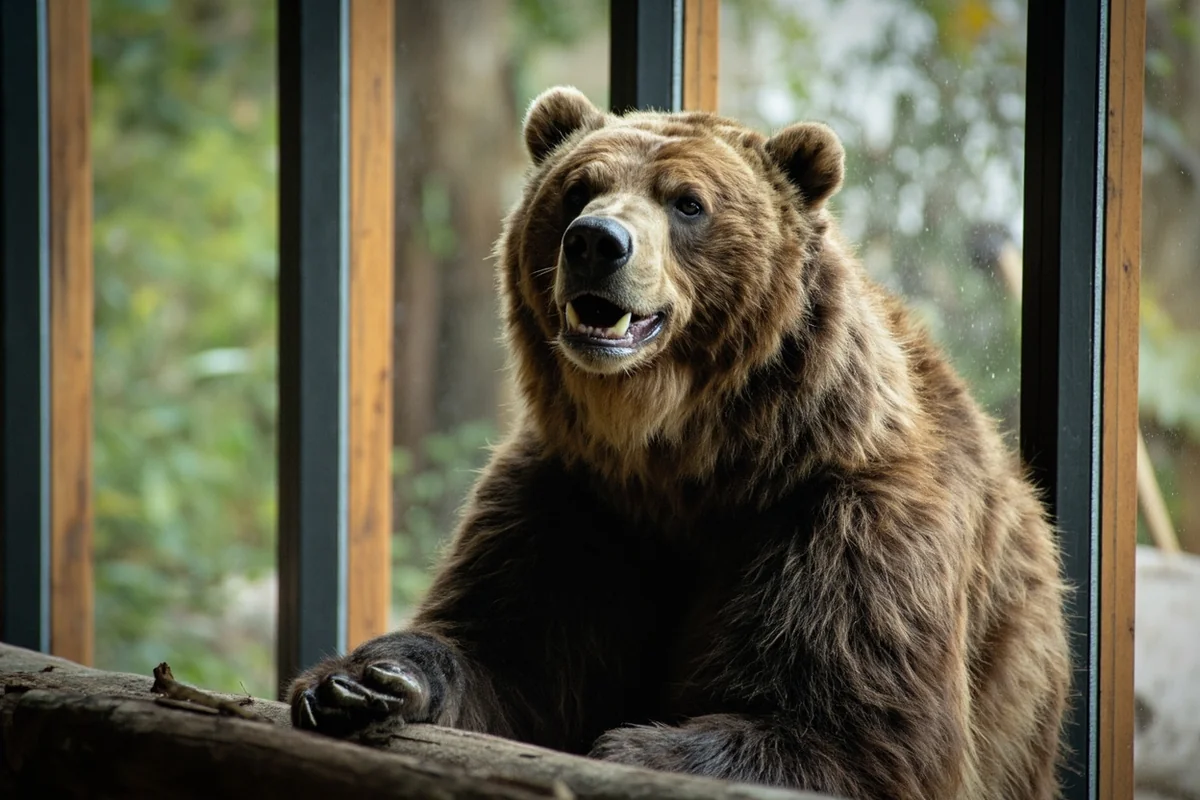
The Center currently houses approximately a dozen grizzly bears, and their stories are both heartbreaking and hopeful. Sam, the massive male I mentioned earlier, was captured as a young bear after repeatedly breaking into cabins in search of food in Yellowstone.
Nakoda came from Alaska after losing her mother and becoming dangerously habituated to humans near a fishing village. Little America and Spirit were found as tiny orphaned cubs near a highway.
What struck me most was how the keepers know each bear’s personality intimately. During one of the enrichment sessions, I watched as they described how each bear approaches problems differently—some are bold and immediate, while others are methodical and patient.
The Wolves: A Different Kind of Encounter
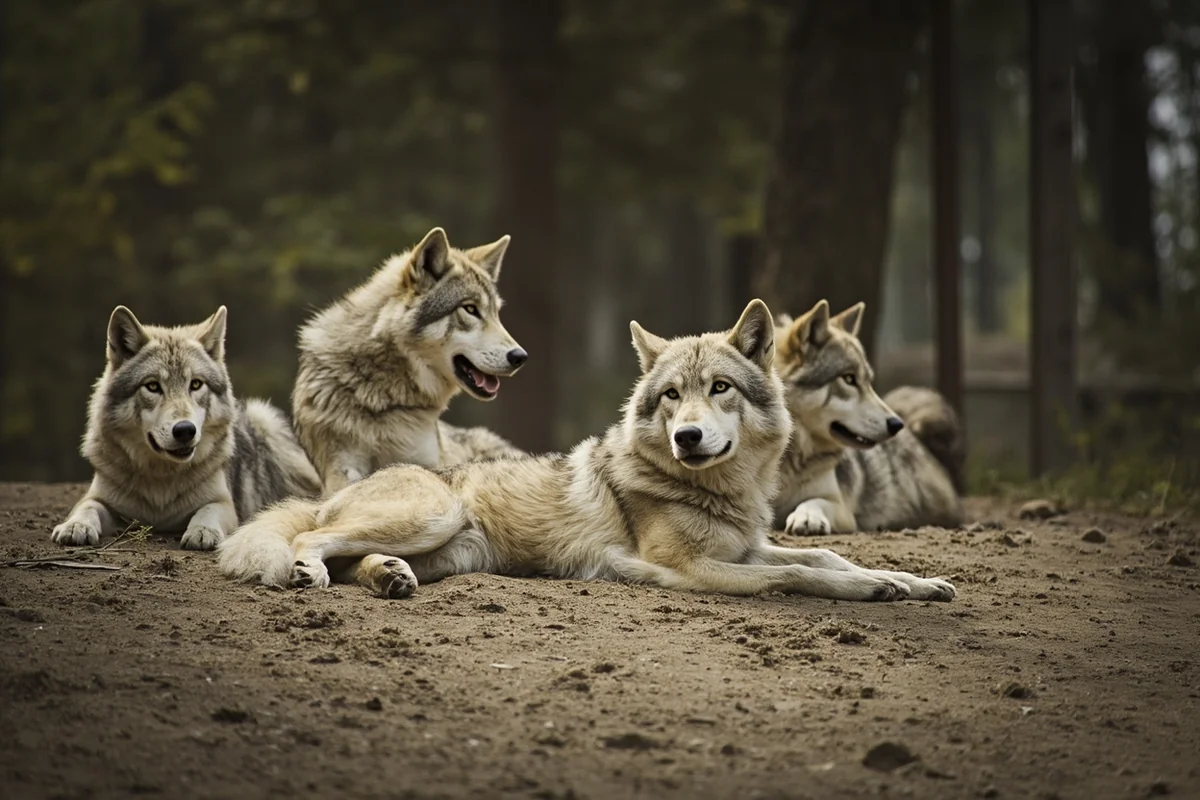
While grizzlies command attention through sheer size and power, the wolves at the Discovery Center offer something more subtle and arguably more fascinating. The pack dynamics are visible in every interaction, and once you learn to read them, you’ll never look at wolves the same way.
On my recent trip, the wolf pack included several gray wolves that were either born at the center to rescued parents or came from situations where they couldn’t survive independently. Unlike bears, wolves are social creatures, and watching their hierarchy play out in real-time is like witnessing a documentary unfold before your eyes.
The alpha female positioned herself on a raised platform, surveying her domain. A younger wolf repeatedly approached with submissive body language, tail tucked, head lowered. Another paced the perimeter—the keeper told me this individual always does that when visitors first arrive, assessing potential threats.
Why You Won’t Always See Wolves Active
Here’s something important that guidebooks often skip: wolves sleep approximately 16 hours per day. If you arrive expecting constant action, you might feel disappointed.
I recommend timing your wolf viewing for early morning or late afternoon when they’re naturally more active. The midday hours, especially in summer, often find them dozing in shaded areas of their enclosure.
That said, even watching wolves sleep provides insights. Notice how they position themselves relative to each other. Who sleeps closest to whom? Who stays on the periphery? The pack structure is always visible if you know what to look for.
The Enrichment Programs: This Is Why You Should Time Your Visit
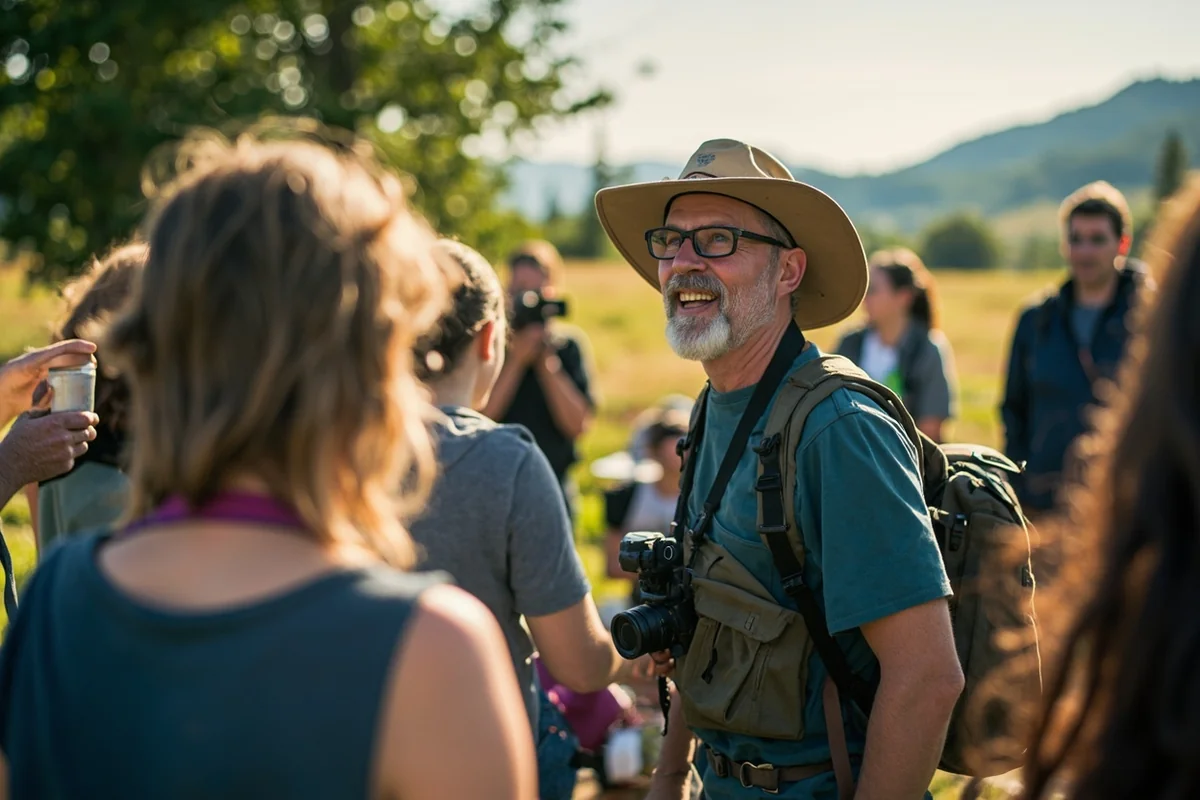
The single best piece of advice I can give is this: plan your visit around the enrichment and feeding programs. They transform a good experience into an unforgettable one.
Enrichment at the Discovery Center means hiding food items throughout the bear habitats and watching the grizzlies use their incredible problem-solving abilities to find them. During my visit, keepers had hidden treats inside logs, buried under rocks, and placed in puzzle feeders.
Watching a grizzly flip over a 200-pound log like it weighs nothing gives you visceral appreciation for their strength. Seeing them delicately use those massive claws to extract a single piece of fruit shows their surprising dexterity.
The Bear Aware Program
This interactive program genuinely surprised me. Visitors can participate in activities designed to test bear-resistant containers—the same ones required in Yellowstone’s backcountry.
The concept is simple but brilliant: if a bear at the Center can break into a container, it’s not truly bear-resistant. The bears become unwitting product testers, and several major camping gear manufacturers have used this program to improve their designs.
During my participation, I watched a female grizzly named Coram spend twenty minutes attacking a supposedly bear-proof cooler. She eventually gave up—validating the product’s design. The keeper explained that Coram has broken into several containers over the years, leading directly to improved designs now protecting campers throughout bear country.
Practical Planning: What You Actually Need to Know
| Detail | Information |
|---|---|
| Address | 201 S Canyon Street, West Yellowstone, MT 59758 |
| Hours | Open daily year-round; summer 8:30am-8pm, winter hours vary |
| Adult Admission | $15 (valid for two consecutive days) |
| Children (5-12) | $10 |
| Children Under 5 | Free |
| Time Needed | 2-3 hours minimum recommended |
| Parking | Free, ample lot on-site |
The Two-Day Ticket Secret
Most visitors don’t realize that their admission ticket is valid for two consecutive days. This changes everything about how you should plan your visit.
I recommend visiting late afternoon on your first day, watching the evening activities, then returning the next morning for the early enrichment programs. You’ll see completely different behaviors at different times.
The morning bears are hungry and active, enthusiastically searching for hidden food. Evening bears have often eaten and display more relaxed, natural behaviors—lounging, playing with each other, and engaging in social interactions.
Best Times to Visit: Seasonal Considerations
Summer (June-August)
This is peak season, and the Center will be busy. Arrive early—I mean at opening—to avoid crowds and see the most active animal behavior. By midday in July, both you and the animals will be seeking shade.
The upside of summer is extended hours and the most keeper programs available. If you’re visiting Yellowstone, this makes an excellent morning activity before the park’s roads get congested.
Fall (September-October)
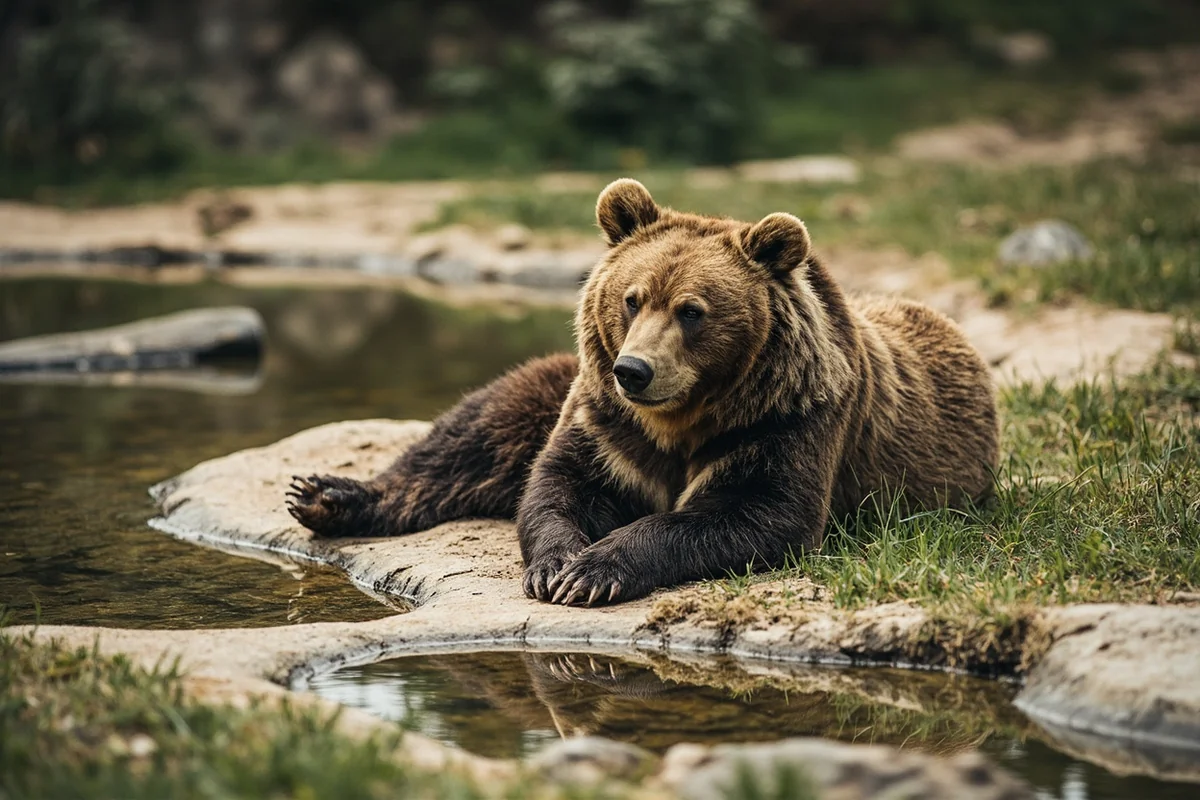
My personal favorite time. The crowds thin dramatically after Labor Day, but the weather remains pleasant. More importantly, bears are in hyperphagia—the pre-hibernation eating frenzy where they consume 20,000+ calories daily.
Watching a grizzly in hyperphagia is witnessing nature’s survival instinct at its most intense. They’re driven, focused, and incredibly active. Unlike wild bears preparing for hibernation, the Center’s bears don’t hibernate (they have year-round food access), but their instincts still kick in.
Winter (November-March)
The Discovery Center is one of the only Yellowstone-area attractions open year-round, making it invaluable during winter visits. When the park’s roads are closed and wildlife is harder to spot, this facility delivers guaranteed animal encounters.
I visited once in January when West Yellowstone hit -15°F. The bears were remarkably active in the cold—this is their natural element, after all. Seeing grizzlies play in fresh snow while steam rose from their breath was genuinely magical.
Spring (April-May)
Spring brings newborn animals and the awakening of the park, but weather is unpredictable. The Center provides a reliable backup when Yellowstone plans get disrupted by late-season snow.
What Most Visitors Miss: The Indoor Exhibits
I’ll admit it took me two visits before I properly explored the indoor museum and exhibit areas. Don’t make my mistake—they contain some of the best educational content I’ve encountered anywhere.
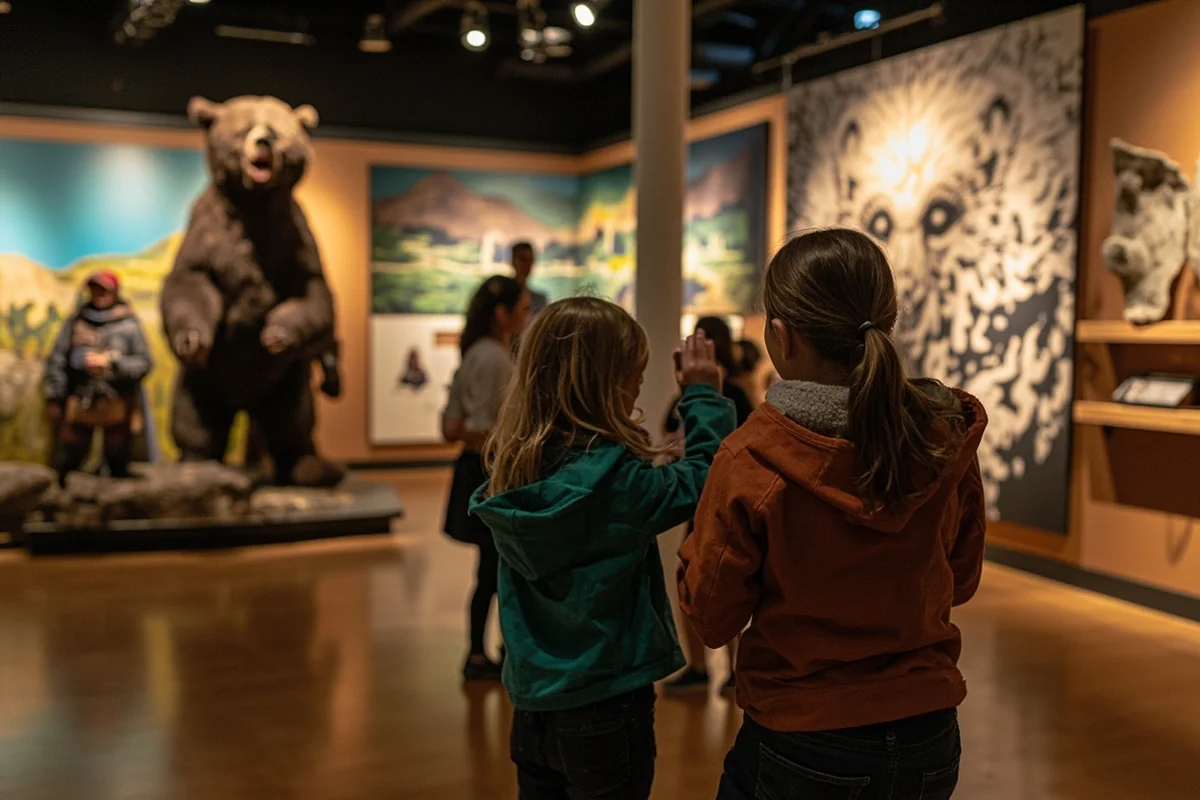
The “Bears: Imagination and Reality” exhibit walks through the cultural history of bears in human consciousness, from cave paintings to modern misconceptions. It’s surprisingly thoughtful and addresses why we fear and revere these animals simultaneously.
The wolf exhibits provide detailed information about the Yellowstone wolf reintroduction, including the controversial decision-making process and ecological impacts. Given that you’re likely visiting Yellowstone during your trip, this context enriches everything you’ll experience in the park.
Connecting Your Visit to Regional Wildlife Experiences
Montana offers incredible diversity in wildlife viewing opportunities, and the Grizzly and Wolf Discovery Center fits into a larger picture of conservation and habitat preservation across the state.
For visitors interested in exploring more of Montana’s wild heritage, the Bison Range Wildlife Refuge offers a completely different but equally compelling experience focused on America’s largest land mammal. The contrast between predators and prey animals enriches your understanding of the complete ecosystem.
If you’re traveling through north-central Montana, Black Coulee Wildlife Refuge provides excellent waterfowl and prairie bird viewing. Meanwhile, Benton Lake Wildlife Refuge near Great Falls hosts one of the state’s most impressive concentrations of shorebirds and waterfowl during migration seasons.
For those seeking vast open spaces and free-roaming bison herds, the American Prairie Reserve in northeastern Montana is actively restoring a functioning prairie ecosystem that once dominated this landscape.
Each of these experiences complements what you’ll learn at the Discovery Center, building a comprehensive picture of Montana’s wildlife heritage.
Photography Tips From My Experience
Bringing a camera? Here’s what I learned through trial and error.
The viewing windows create reflections that can ruin photos, especially when it’s brighter outside than in. Position yourself at angles to minimize glare, and consider wearing dark clothing that won’t reflect.
A zoom lens in the 70-200mm range works well for most situations, though the bears occasionally come close enough for wider shots. The wolves often stay at greater distances, so longer focal lengths help.
Morning light hits the bear habitat beautifully, creating soft shadows and warm tones. Late afternoon brings harsher side lighting but more active animals. Choose your priority.
For families with kids more interested in experiencing than photographing, the Center has multiple photo opportunity spots with educational displays—these make great memory shots without the frustration of trying to capture moving animals.
Bringing Kids: Age-Specific Experiences
Toddlers (2-4 years)
Very young children often have shorter attention spans than the animals do. The bears and wolves won’t perform on demand, so be prepared for downtime.
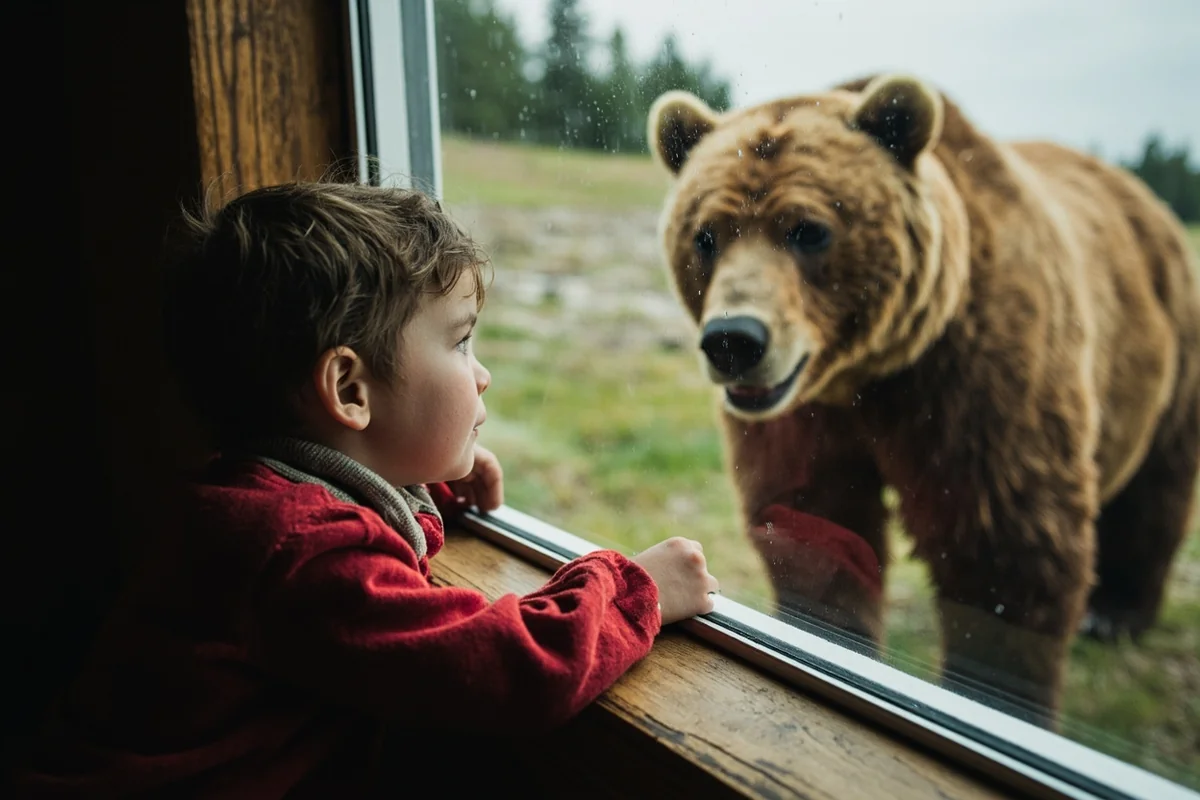
That said, the moment a bear approaches the viewing glass, even the most distracted toddler becomes transfixed. My nephew, who rarely stops moving, stood motionless for five minutes watching a bear swim.
The indoor areas provide climate-controlled breaks and interactive elements designed for small hands.
Elementary Age (5-10 years)
This age group gets the most out of the experience in my observation. They’re old enough to understand the conservation messages but young enough to be awed by the animals themselves.
The Junior Ranger program gives kids a structured activity—completing it earns a badge they can show off later. The scavenger hunt elements keep them engaged during quieter animal moments.
Tweens and Teens
Older kids might initially seem too cool for a “zoo,” but the rescue stories often resonate deeply. The Center doesn’t shy away from difficult topics—human-wildlife conflict, conservation challenges, and what happens when we fail to coexist.
I watched a group of teenage boys transform from reluctant visitors to genuinely engaged participants when a keeper explained how a bear they were watching had been scheduled for euthanasia before the Center intervened.
Common Questions I Had Before Visiting
Is This Ethical?
This question kept me from visiting for years. I don’t support captive wildlife as entertainment.
After my visit, I’ve concluded that the Grizzly and Wolf Discovery Center represents the best possible outcome for animals with no alternative. Every bear here would be dead without intervention. Every wolf faced circumstances that prevented wild survival.
The facility is accredited by the Association of Zoos and Aquariums and meets rigorous welfare standards. The enclosures are spacious, enrichment is constant, and the animals display natural behaviors rather than stereotypic pacing common in poorly managed facilities.
Will I See Bears Up Close?
Yes, but not on your schedule. During my summer visit, a bear spent twenty minutes swimming directly in front of the viewing area. On a different trip, they stayed near the back for my entire visit.
The keepers conduct multiple enrichment sessions specifically to encourage movement through the habitat. Timing your visit around these programs maximizes close encounter opportunities.
Can I Hear the Wolves Howl?
Possibly, but don’t count on it. Wolves howl for communication, not entertainment. That said, the Center sometimes triggers howling by playing recordings of other wolf packs.
When I heard them howl during an evening visit, the sound raised every hair on my arms. Even in a controlled environment, that primal call reaches something deep in our evolutionary memory.
Is It Accessible?
The facility is fully wheelchair accessible, with paved paths throughout outdoor viewing areas and elevator access in the indoor exhibits. The gentle terrain makes it manageable for visitors with mobility limitations.
Where to Eat and Stay Nearby
West Yellowstone is a small town, but it has surprising culinary depth for a community of 1,400 people. After my Discovery Center visit last summer, I walked to Madison Crossing Lounge for their surprisingly excellent bison burger—fitting, given the day’s theme.
For breakfast before an early visit, Running Bear Pancake House has been serving enormous plates since 1963. The line out the door during summer says everything you need to know.
Lodging in West Yellowstone ranges from budget motels to upscale lodges. I’ve stayed at the Kelly Inn, which offers clean rooms and an indoor pool—perfect for decompressing after a day of wildlife watching. For something more distinctive, the Explorer Cabins at Yellowstone provide individual units with full kitchens.
Combining With Yellowstone: A Sample Itinerary
Here’s how I structure my visits when combining the Discovery Center with Yellowstone National Park:
Day 1: Arrive in West Yellowstone, visit the Discovery Center late afternoon (4-6pm), dinner in town, early bedtime.
Day 2: Return to Discovery Center at opening for morning enrichment, then enter Yellowstone by 10am when crowds are building at the Center but thinning in the park.
This approach takes advantage of the two-day ticket while optimizing your park visit timing. Most tourists do the opposite—morning at the Center, afternoon in Yellowstone—and fight crowds everywhere.
Final Thoughts: What I Took Away
The Grizzly and Wolf Discovery Center changed my relationship with these animals. Before visiting, bears and wolves existed in my mind as abstract concepts—things I hoped to see from a safe distance, symbols of wilderness rather than individual beings.
After spending hours watching Sam use his incredible memory to find hidden food, after seeing the wolf pack’s complex social negotiations, after learning each animal’s rescue story—they became individuals with personalities, histories, and uncertain futures.
That shift in perspective stayed with me long after I left West Yellowstone. When I hike in bear country now, I think of these specific animals and the thin line between coexistence and conflict.
The Center won’t give you the thrill of a wild encounter. Nothing can replicate that heart-pounding moment of spotting a grizzly across a meadow or hearing wolves howl in Lamar Valley.
What it will give you is understanding. Context. Appreciation for what’s at stake when humans and predators share landscape.
And honestly? That might be more valuable.
Frequently Asked Questions
How much does it cost to visit the Grizzly and Wolf Discovery Center in West Yellowstone?
Adult admission is $15, with discounts for seniors ($14) and children ages 5-12 ($10), while kids under 5 enter free. Your ticket is valid for two consecutive days, which I found to be a great value since animal activity varies throughout the day. The center is a nonprofit, so your admission directly supports wildlife conservation and education.
What is the best time of day to see grizzly bears and wolves at the Discovery Center?
I recommend arriving early morning or late afternoon when the bears and wolves are most active during feeding times and enrichment activities. The staff rotates different bears into the habitat throughout the day, so visiting during multiple sessions lets you see more animals. Summer months offer the longest viewing hours, but spring and fall mean fewer crowds and cooler temperatures that keep the animals more active.
How long should I plan to spend at the Grizzly and Wolf Discovery Center?
Most visitors spend 2-3 hours exploring the center, though wildlife enthusiasts could easily stay longer watching animal behavior. I suggest timing your visit around the bear feeding programs and wolf enrichment sessions, which are scheduled throughout the day. The indoor exhibits on bear safety and wolf ecology add another 30-45 minutes to your visit.
Is the Grizzly and Wolf Discovery Center worth visiting before or after Yellowstone National Park?
Visiting before Yellowstone is ideal because you’ll learn bear safety protocols and wildlife identification skills you can use in the park. The center is located in West Yellowstone, just a few blocks from the park’s west entrance, making it a convenient first stop. Unlike Yellowstone where wildlife sightings aren’t guaranteed, you’re certain to see grizzlies and gray wolves up close here.
Can you see grizzly bears and wolves year-round at the West Yellowstone Discovery Center?
Yes, the Grizzly and Wolf Discovery Center is open every day of the year except Thanksgiving and Christmas, making it a reliable wildlife viewing option even in winter. The bears don’t fully hibernate here since they receive regular meals, though they’re less active in colder months. Winter visits offer a unique chance to see wolves in snow and avoid the summer tourist crowds.
What should I bring to the Grizzly and Wolf Discovery Center for the best experience?
Bring a camera with a decent zoom lens since you’ll be viewing animals from behind secure fencing, and binoculars help for observing wolf behavior in the larger enclosures. Dress in layers because you’ll move between outdoor viewing areas and indoor exhibits, and Montana weather can shift quickly. I also recommend bringing snacks since the on-site dining options are limited, though West Yellowstone has plenty of restaurants nearby.
Are the grizzly bears and wolves at the Discovery Center rescued animals or captive-bred?
All the grizzly bears at the center are rescued animals that couldn’t survive in the wild, often orphaned cubs or bears that became too habituated to humans. The wolves are part of conservation breeding programs, and some were born at the facility while others came from wildlife sanctuaries. Knowing these animals have a safe permanent home made my visit feel more meaningful than a typical zoo experience.