I was standing inside Moss Mansion in downtown Billings when the docent mentioned, almost in passing, that the architect who designed this 1903 red sandstone building also designed the Waldorf Astoria in New York City. I stopped walking and asked her to repeat that. She did. Henry Janeway Hardenbergh built the Waldorf Astoria in 1893 — and then, ten years later, built the Moss family home in Billings, Montana.
That gap between expectation and reality is the whole Billings story. The city feels unpretentious. It looks like a regional hub. It is a regional hub. But underneath the practical exterior is a museum collection, an arts scene, a trail system, and a historical depth that Montana’s largest city has earned quietly over 150 years of doing the actual work of civilization in the northern plains.
Quick Answer — Things to Do in Billings Montana
Billings’ essential experiences: the Rimrocks trail system (50 miles, six mountain ranges visible), Moss Mansion (designed by the Waldorf Astoria’s architect), Western Heritage Center (Smithsonian affiliate), Yellowstone Art Museum (YAM), ZooMontana (Montana’s only zoo and botanical garden), Pompeys Pillar National Monument (William Clark’s 1806 signature carved in sandstone), Pictograph Cave State Park (prehistoric rock art), Four Dances Recreation Area (Sacrifice Cliff history), and MontanaFair in August (250,000 visitors). Budget 2–3 days. Day trips to Yellowstone via the Beartooth Highway take 2.5–3 hours.
- Billings is Montana’s largest city (~120,000 people) and “Montana’s Trailhead” — gateway to Yellowstone, Little Bighorn, and the Beartooth Highway
- The Rimrocks: 300–500 foot sandstone cliffs ringing the north, with 50 miles of trail and six mountain ranges visible from Swords Rimrock Park
- Moss Mansion was designed by Henry Janeway Hardenbergh — the same architect who designed the Waldorf Astoria. No other travel guide leads with this.
- ZooMontana, Montana’s only zoo and botanical garden, gets its own complete guide
- MontanaFair (August 7–15, 2026) draws 250,000 visitors — to a city of 120,000 people
- Day trips: Pompeys Pillar (28 miles), Pictograph Cave (4 miles), Little Bighorn Battlefield (65 miles), Beartooth Highway/Yellowstone (2.5 hours)
- Best times: May–September for outdoor and event access; year-round for museums and indoor attractions
Liked this article?
Add Roaming Montana as a preferred source so you see more of our articles and guides on Google.
Why Billings Is More Than Montana’s Largest City
Billings’ self-description is useful: “Montana’s Trailhead.” The Rimrocks give it a trail system that no other Montana city can match within its boundaries. The city’s geographic position makes it the practical launch pad for some of the most significant destinations in the American West — Yellowstone via the Beartooth Highway (the most scenic route), the Little Bighorn Battlefield, and the rolling prairies of Eastern Montana’s wide-open ranching country.
But Billings is also genuinely cosmopolitan by Montana standards. The Yellowstone Art Museum’s 8,500+ works represent serious institutional ambition. The Western Heritage Center is a Smithsonian affiliate. The Alberta Bair Theater seats over 1,000 for national touring performances. Farm-to-table restaurants operate here in earnest, sourcing from the Yellowstone River Valley’s agricultural output.
The Rimrocks shape the city psychologically as much as geographically. The 300–500 foot sandstone cliffs to the north form a visual boundary that makes Billings feel contained and purposeful. Locals call them “the Rims” and describe neighborhoods by their relationship to the cliffs — above or below.
From Swords Rimrock Park, six mountain ranges are visible simultaneously. That panorama doesn’t happen anywhere in Bozeman or Missoula.
For lodging and full city context, see my Billings, Montana city guide. For RV travelers, see my Billings RV parks guide.
All 30 Things to Do in Billings Montana
The Rimrocks & Outdoor Trails:
- Swords Rimrock Park — six mountain ranges, best Billings viewpoint
- Zimmerman Park — trails, Rimrocks views, free
- Four Dances Recreation Area + Sacrifice Cliff ⭐
- Lake Elmo State Park — swimming, sailing, fishing, hiking
- Riverfront Park + Two Moon Park — Yellowstone River recreation
- Montana Audubon Center — nature trails, birding, wildlife education
History & Culture: 7. Moss Mansion Historic House Museum ⭐ (Waldorf Astoria connection) 8. Western Heritage Center (Smithsonian affiliate) 9. Yellowstone County Museum 10. Boot Hill Cemetery — frontier-era history 11. Carlin Hotel — Prohibition scandal ⭐ 12. Billings Historic Downtown Walking Tour + Painted Signal Boxes
Arts & Performance: 13. Yellowstone Art Museum (YAM) ⭐ — 8,500+ works + FAM at the YAM 14. Alberta Bair Theater — 1,000+ seat performing arts 15. Babcock Theater — historic cinema 16. Billings Studio Theatre
Wildlife & Family: 17. ZooMontana ⭐ — Montana’s only zoo and botanical garden 18. Wise Wonders Science and Discovery Museum 19. Scheels — 65-foot indoor Ferris wheel ⭐ 20. Reef Indoor Water Park
Breweries, Food & Drink: 21. By All Means Brewery ⭐ — “Playa del Montana” IPA 22. Billings Brewery Trail 23. Yellowstone Cellars & Winery 24. Farm-to-table restaurant scene
Events: 25. MontanaFair — 250,000 visitors (August 7–15, 2026) ⭐ 26. Billings Mustangs baseball at Dehler Park 27. Live concerts at MetraPark (Luke Bryan July 31, 2026)
Day Trips: 28. Pompeys Pillar National Monument (28 miles east) ⭐ 29. Pictograph Cave State Park (4 miles southeast) 30. Little Bighorn Battlefield + Beartooth Highway/Yellowstone
The Rimrocks: Billings’ Natural Boundary and Trail System
1. Swords Rimrock Park ⭐
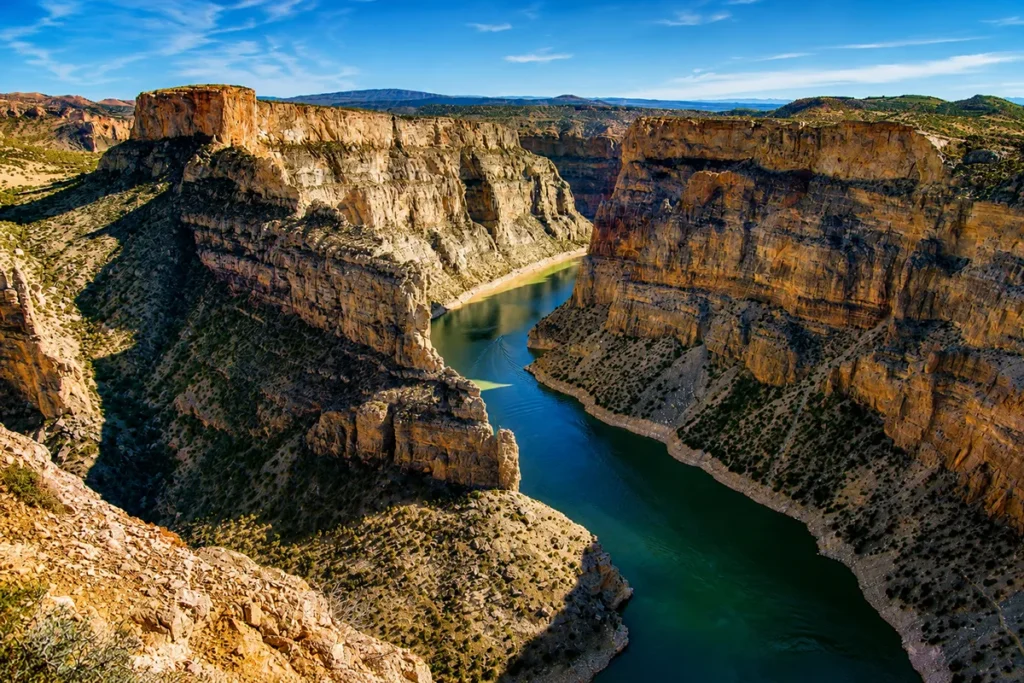
The Rimrocks are the first thing you notice arriving in Billings from any direction — a continuous wall of reddish-brown sandstone rising 300 to 500 feet above the valley floor along the city’s northern edge, formed over tens of millions of years through erosion, uplift, and geological time.
Swords Rimrock Park sits on top of the Rims at the east end and delivers the single most comprehensive panorama available in Billings: from one viewpoint, six mountain ranges are simultaneously visible — the Beartooth, Pryor, Big Horn, Bull, Snowy, and Crazy Mountains. On clear days, the distances involved in that view are vertiginous.
The trails along the Rimrocks connect Swords Rimrock Park to Zimmerman Park and beyond — 50 miles of trail in and around Billings, per the city’s own trail count. TripAdvisor describes this accurately: “Montana’s Trailhead” isn’t a marketing phrase; it reflects a genuine trail infrastructure that most Montana cities lack within city limits.
Cost: Free.
Trailhead access: Multiple points along Airport Road.
2. Zimmerman Park
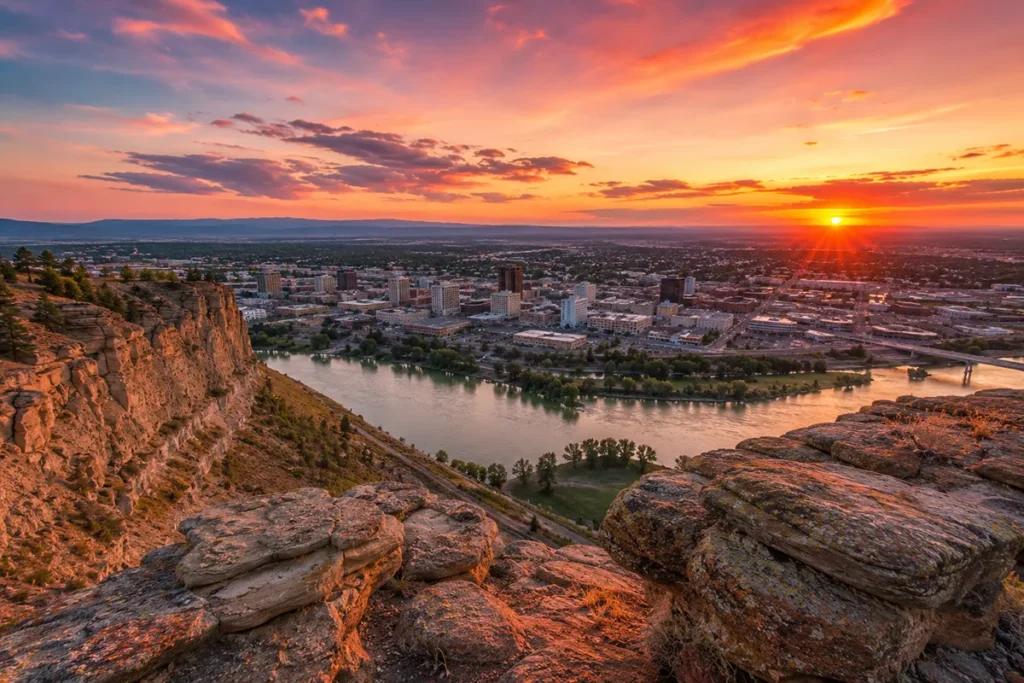
Adjacent to Swords Rimrock Park, Zimmerman Park offers trails along the Rimrock face with similarly dramatic views — and the added pleasure of relatively quiet usage compared to Swords on weekend afternoons. The trails at Zimmerman are more rugged and the lighting in the late afternoon against the sandstone is extraordinary.
3. Four Dances Recreation Area and Sacrifice Cliff ⭐
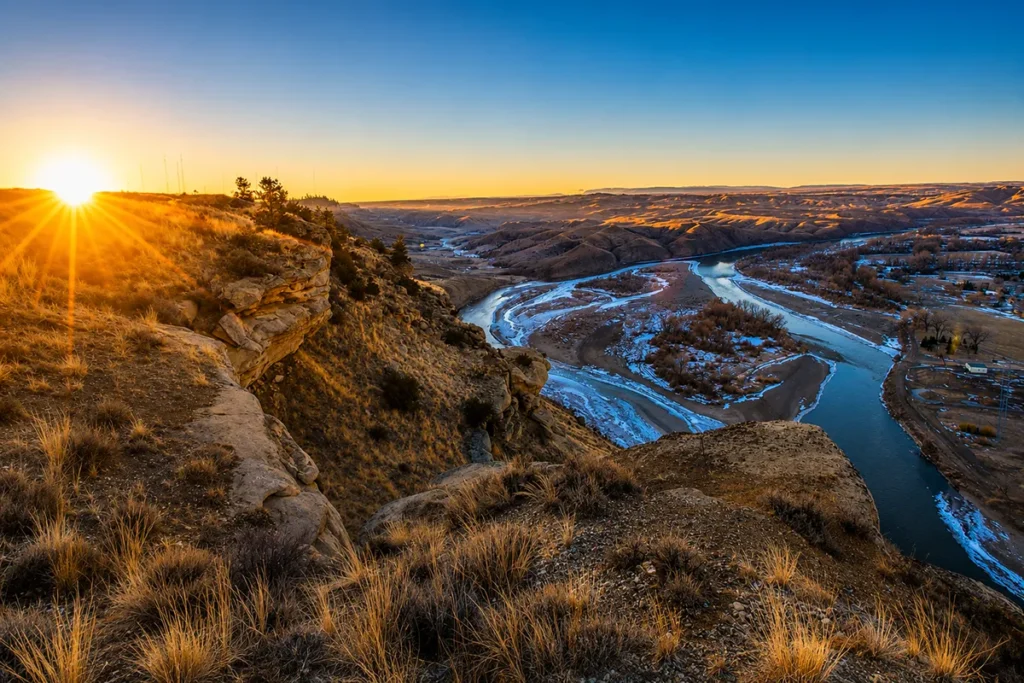
The Four Dances Recreation Area sits along the Yellowstone River southeast of downtown Billings — a park with stunning canyon views, hiking trails, and picnic facilities.
Every guide to Billings mentions Four Dances. None of them explain Sacrifice Cliff, which sits within the same geographic corridor and carries one of the most powerful historical narratives in Montana.
In 1837, as a catastrophic smallpox epidemic swept through the Crow people, a band of warriors — already infected and knowing they would not survive — rode their horses over the cliff face at Sacrifice Cliff rather than return to their camp and spread the disease further.
This act of sacrifice, choosing their community’s survival over their own, is commemorated in the site’s name and documented in the oral histories of the Crow Nation.
No travel blog covering Billings has built out the Sacrifice Cliff story. It is there, visible from the canyon rim trail, and it deserves to be known.
Cost: Free.
Distance from downtown: ~6 miles southeast.
4. Lake Elmo State Park
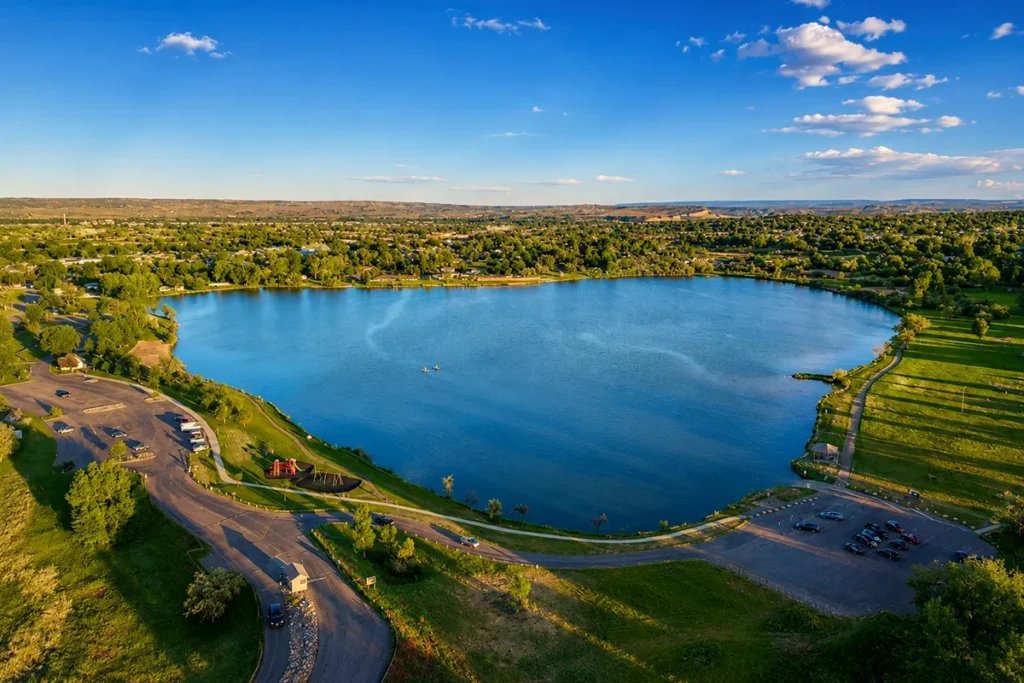
Lake Elmo State Park is Billings’ urban water recreation destination — a warm-water lake in the Billings Heights area north of the Rims with swimming beaches, a boat ramp for non-motorized watercraft, fishing (perch, bass, trout), and hiking trails. A designated swim beach with lifeguards operates in summer.
Expedia, TripAdvisor, and viator all list Lake Elmo as a top Billings attraction. Its accessibility — 15 minutes from downtown — makes it a practical mid-day stop on a Billings itinerary focused on museums and historic sites.
Cost: Montana State Parks day use fee.
Season: Year-round access; swimming in summer.
5. Riverfront Park and Two Moon Park
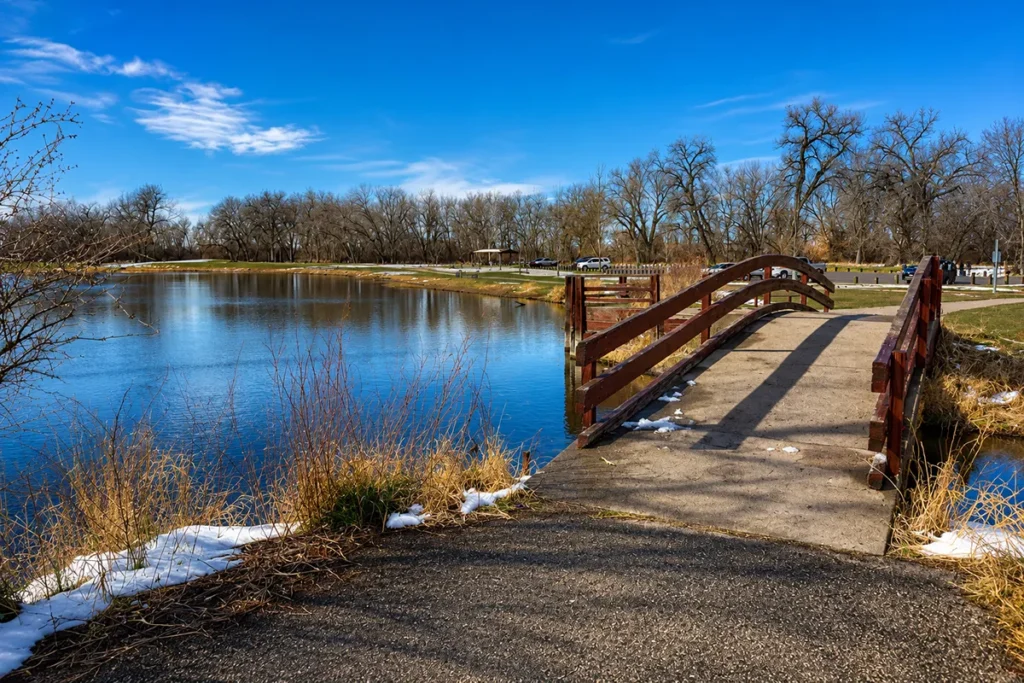
The Yellowstone River forms Billings’ southern natural boundary, and the Riverfront Park / Two Moon Park corridor provides the most direct riverside access from the city.
Cottonwood groves line the banks, providing shade and wildlife habitat; the river itself offers fishing for brown trout, walleye, and catfish in the lower section.
6. Montana Audubon Center
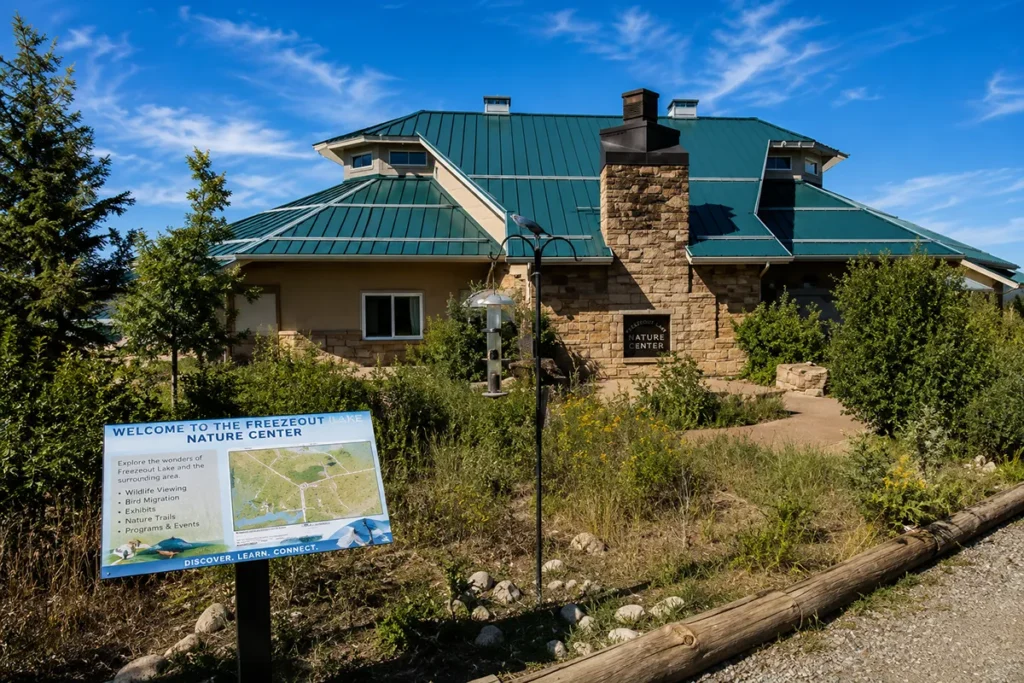
The Montana Audubon Center at Billings operates educational programs and maintains nature trails focused on the Yellowstone River corridor ecosystem — birds, native plants, and wildlife habitat adjacent to the city.
ghmtrealestate.com recommends it specifically for “a quieter experience.” The Center is distinct from a typical urban park: it’s an active conservation education facility with naturalist-led programs and significant birding resources.
[Verify current program schedules and access at mtaudubon.org.]
History, Culture, and Architecture
7. Moss Mansion Historic House Museum ⭐
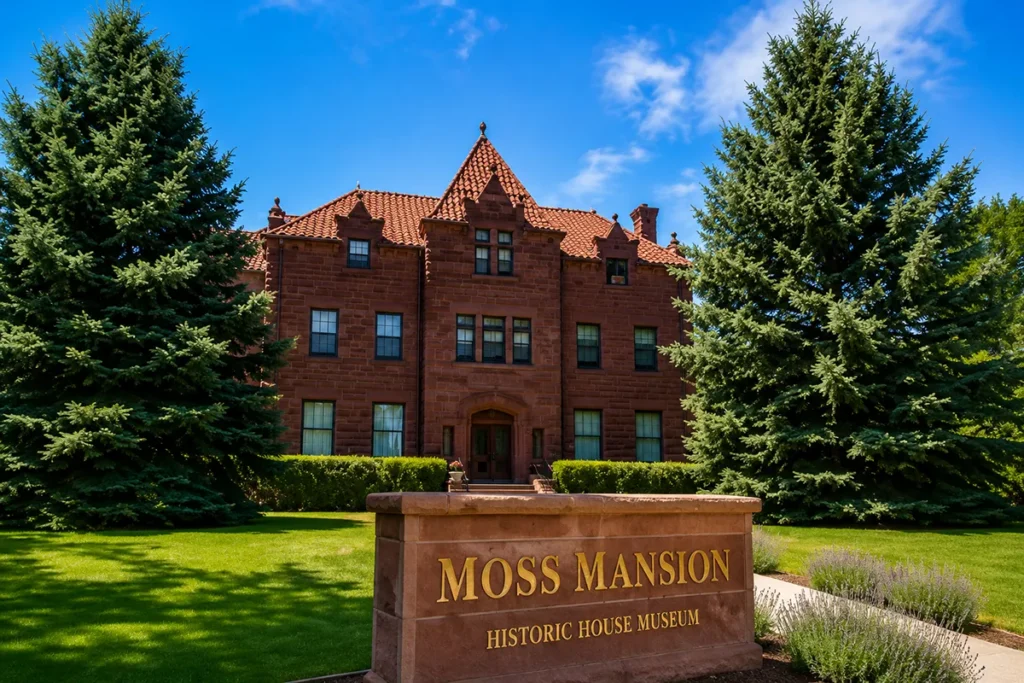
Here is the Billings fact that every travel guide buries or omits: the Moss Mansion was designed by Henry Janeway Hardenbergh — the same architect who designed the Waldorf Astoria Hotel in New York City.
Hardenbergh designed the Waldorf Astoria in 1893. In 1903, he designed the Moss family home in Billings, Montana.
That connection — a New York architect whose most famous commission was America’s most celebrated hotel, building a private residence on the northern plains — speaks to the wealth and ambition of early Billings, when railroad money and mining capital made this a city of national ambition.
The mansion itself is a three-story red sandstone structure with richly detailed woodwork, original furnishings, stained glass windows, and craftsmanship that ghmtrealestate.com correctly notes “makes modern homes feel efficient.”
The guided tours reveal a family who decorated with goods from multiple European countries simultaneously, furnished rooms in different national styles, and spent their considerable fortune as conspicuously as 1903 Billings allowed.
Seasonal events at the Moss Mansion include holiday programming, themed tours, and community events that keep the building active year-round.
Address: 914 Division Street.
Hours: [Verify current at mossmansion.com.]
Cost: Tour admission fee.
8. Western Heritage Center (Smithsonian Affiliate)
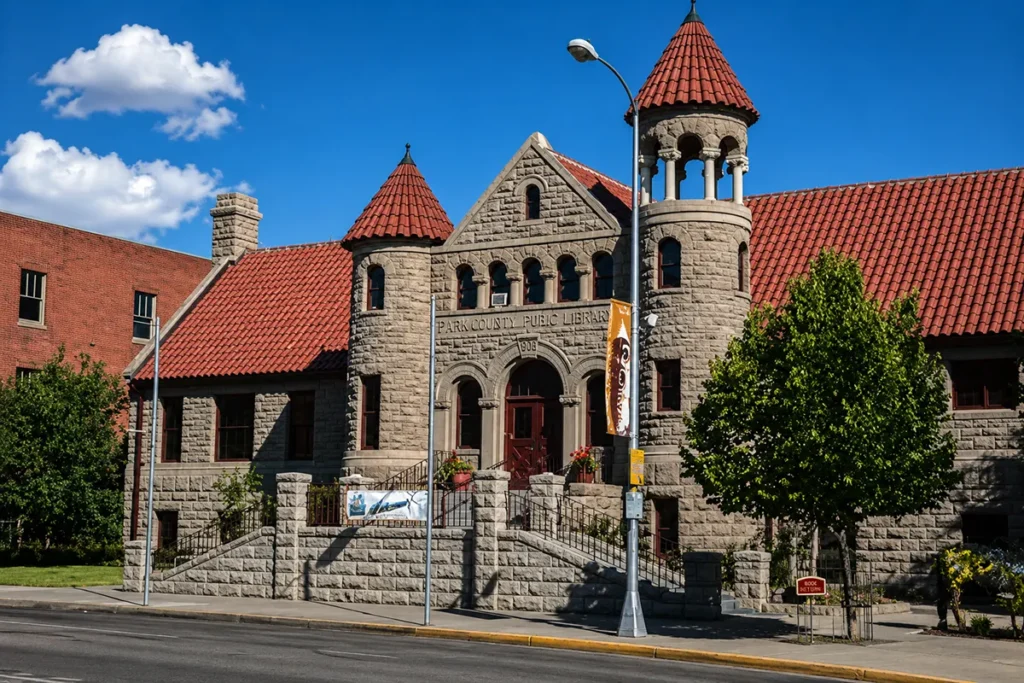
The Western Heritage Center occupies the historic Carnegie Library building in downtown Billings — which is itself a piece of architectural heritage worth examining. As a Smithsonian affiliate, the Center brings institutional credibility to exhibits focused on the Yellowstone River Valley and the Northern High Plains.
The permanent collection includes over 40,000 artifacts: Native American beadwork, 400+ oral histories, photographs, textiles, architectural drawings, and clothing spanning centuries of Yellowstone Valley life. The oral history collection alone makes this a significant research institution.
viator.com accurately notes: “It is not just about cowboys; they cover the full history of the people and the land in this region.” That distinction matters — the Western Heritage Center’s scope is genuinely broad, covering Indigenous nations, immigrant communities, the railroad era, the cattle industry, and the 20th century.
Cost: Free to small admission.
Hours: [Verify current at ywhc.org.]
9. Yellowstone County Museum
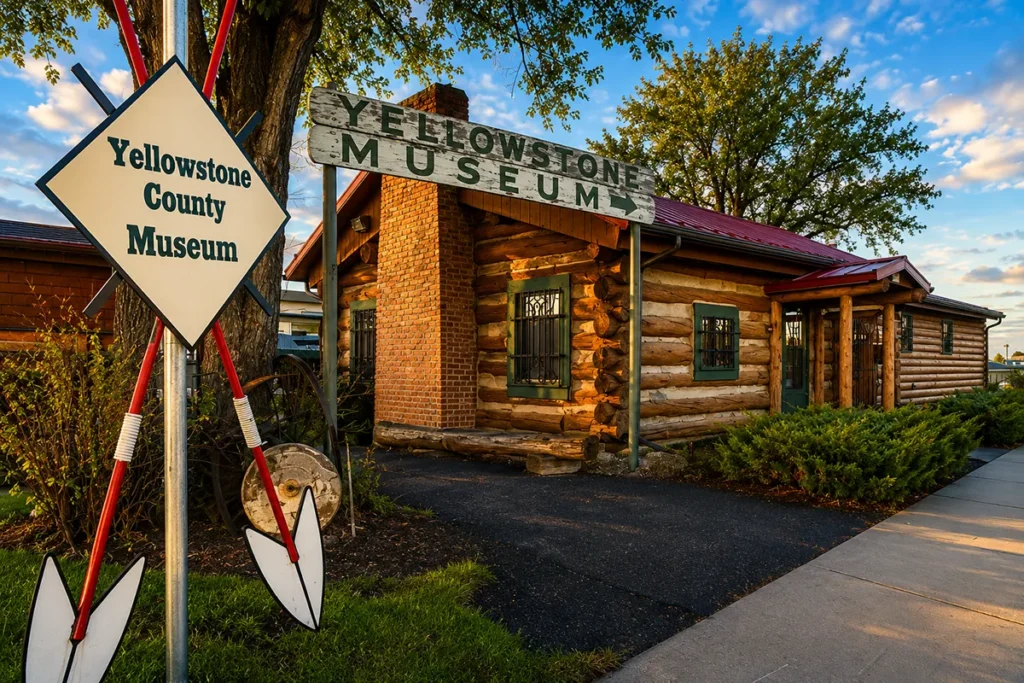
The Yellowstone County Museum sits at Logan International Airport in Billings — an unusual location that makes it a natural pre-flight or post-arrival stop.
The collection focuses on natural history and diverse cultures of the Yellowstone Valley and Northern Plains, with exhibits covering prehistoric life, Indigenous cultures, and regional settlement.
TripAdvisor reviewers note the “many interactive exhibits.” The airport location isn’t a liability — it’s convenient for air travelers with a few hours before departure.
Address: 1950 Terminal Circle (Logan Airport grounds).
Cost: Free.
10. Boot Hill Cemetery
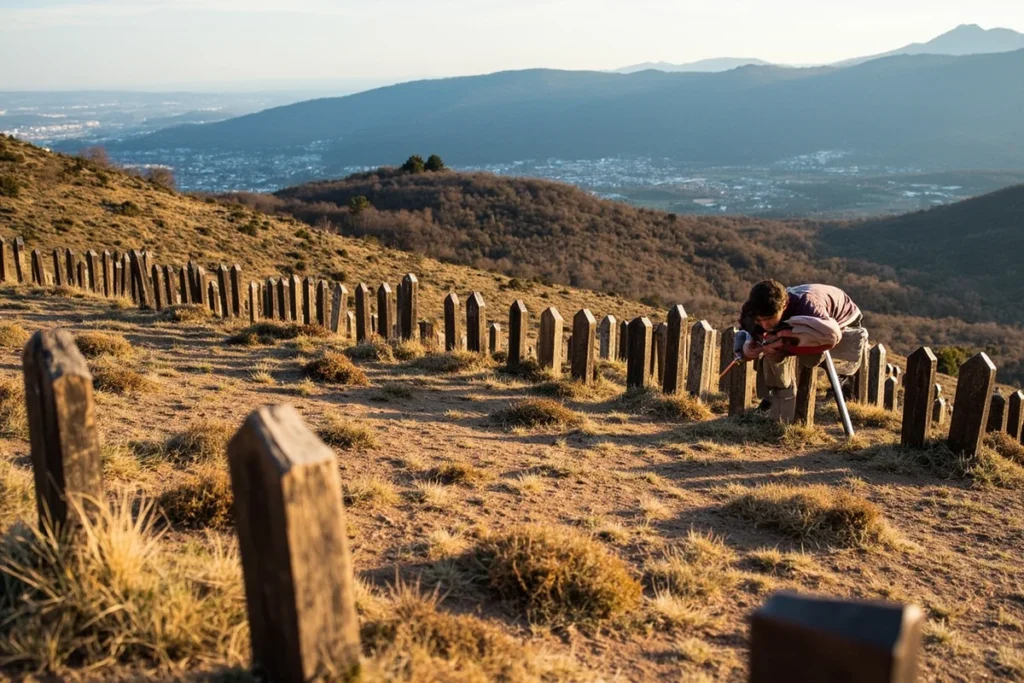
The Boot Hill Cemetery sits at the edge of the Rimrocks — a frontier-era burial ground where many early Billings residents rest in graves that often have no marker and no documentation.
The name “Boot Hill” refers to the frontier custom of burying those who died with their boots on (in a fight, or suddenly) in an elevated location.
Expedia lists it as a free attraction with historic cultural value. The site provides a specific, tactile connection to the rough frontier period that founded the city. The views from the hilltop cemetery are incidental but significant.
Cost: Free.
11. Carlin Hotel and the Prohibition Scandal ⭐
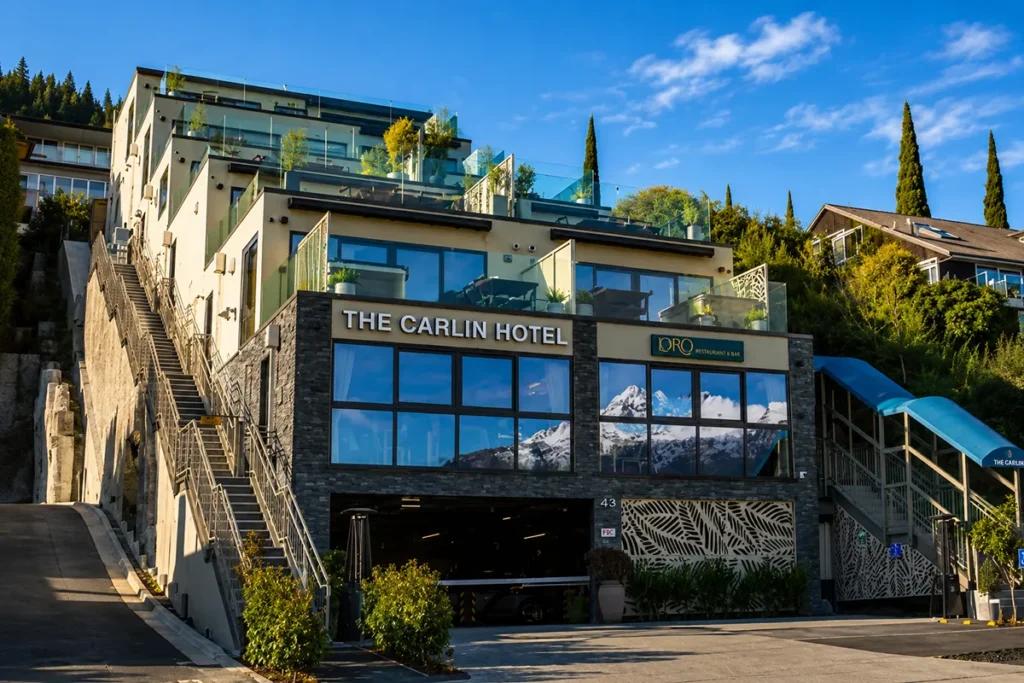
Here is the best local history story in Billings that no travel blog has covered. The Carlin Hotel played a starring role in one of the city’s most dramatic episodes: during Prohibition, federal agents conducted a sting operation at the Carlin targeting the mayor of Billings himself for violating Prohibition law. The sitting mayor of the city was caught in a federal sting over illegal alcohol.
aroundtheworldin24hours.com (the freshest 2026 Billings guide) is the only source to cover this, and even they only give it a paragraph. The Carlin Hotel still stands as a piece of the downtown fabric. Knowing what happened there changes how you look at the building.
12. Downtown Walking Tour and Painted Signal Boxes ⭐
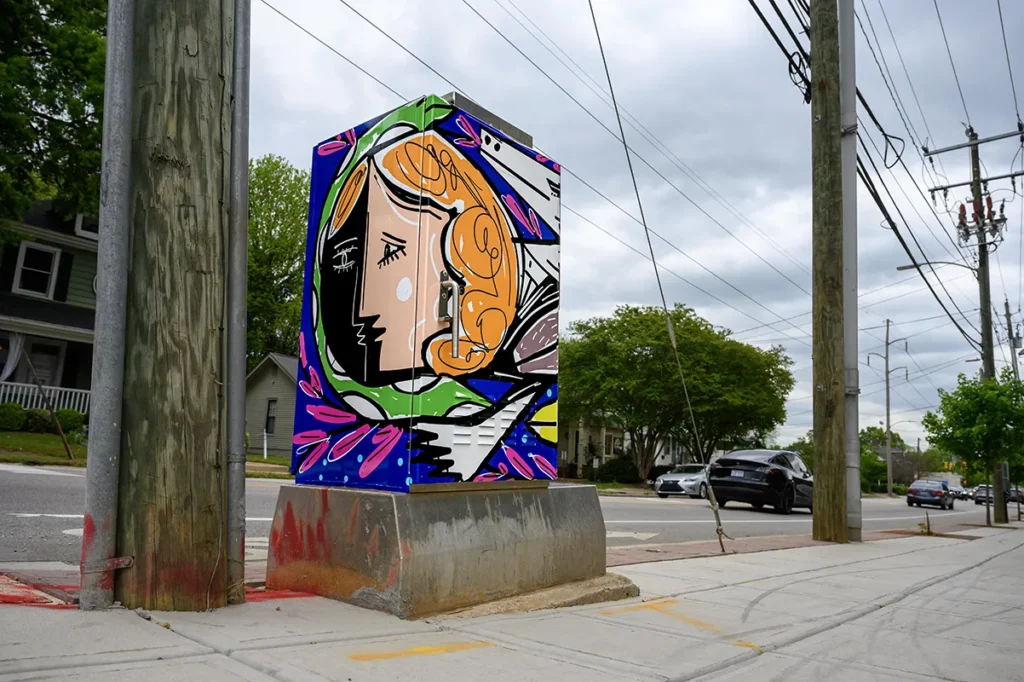
Scattered throughout downtown Billings, painted signal boxes — ordinary utility infrastructure normally invisible to pedestrians — have been transformed into public art installations.
Each one features a different design by a local artist, and the cumulative effect of walking downtown and spotting them creates a self-guided art walk at no cost.
aroundtheworldin24hours.com is the only guide covering this. The Northern Hotel, which aroundtheworldin24hours.com describes as the finest lodging in downtown Billings (“Montana royalty”), anchors the western end of the historic commercial district.
The historic district is walkable from Moss Mansion to the Western Heritage Center to the Yellowstone Art Museum in under 20 minutes.
Arts and Performance
13. Yellowstone Art Museum (YAM) ⭐
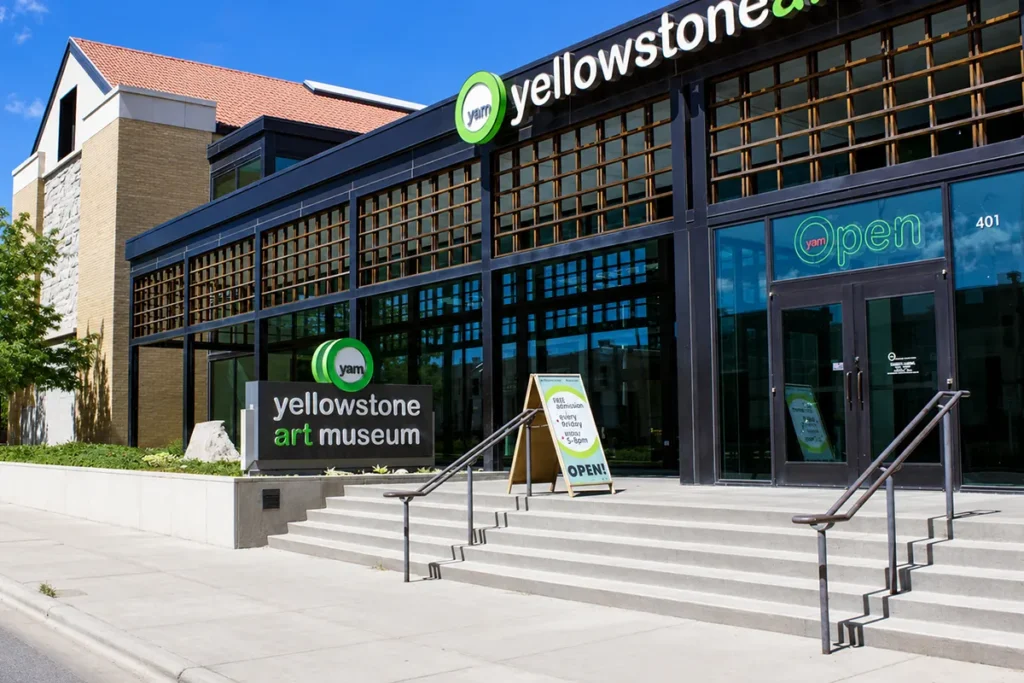
The Yellowstone Art Museum is Billings’ flagship cultural institution — and it’s more substantial than the name suggests. The permanent collection holds over 8,500 works of modern and historical art and archival items, with a focus on contemporary art from the Northern Plains and Northern Rocky Mountains.
viator.com correctly notes: “It is a sophisticated space that challenges the stereotype that Montana art is only about landscape paintings and bronzes.” The YAM’s curatorial ambition is real — rotating exhibitions bring national-caliber contemporary work to Billings regularly.
FAM at the YAM — First Friday family events where families gather to make art with a professional artist — is a specific recurring program that no travel guide covers. For families visiting Billings with children, a First Friday at the YAM is one of the best family cultural activities in the city.
Cost: Admission fee; some events free.
Hours: [Verify at artmuseum.org.]
Closed Mondays.
14. Alberta Bair Theater
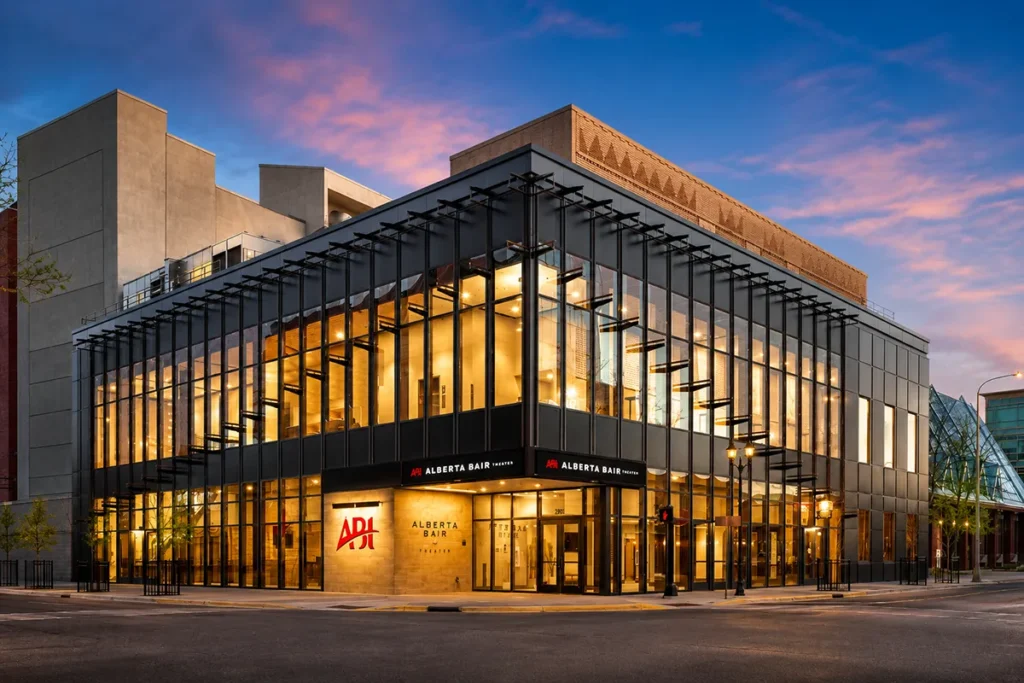
Billings’ premier performing arts venue, the Alberta Bair Theater seats over 1,000 with an orchestra pit for 40 musicians. National touring productions, the Billings Symphony, dance companies, and concert performances fill the calendar throughout the season.
viator.com specifically calls it out as a Billings attraction worth building an evening around. The surrounding downtown restaurant scene makes pre-show dinner straightforward.
[Check current season schedule at albertabairtheater.org.]
15. Babcock Theater
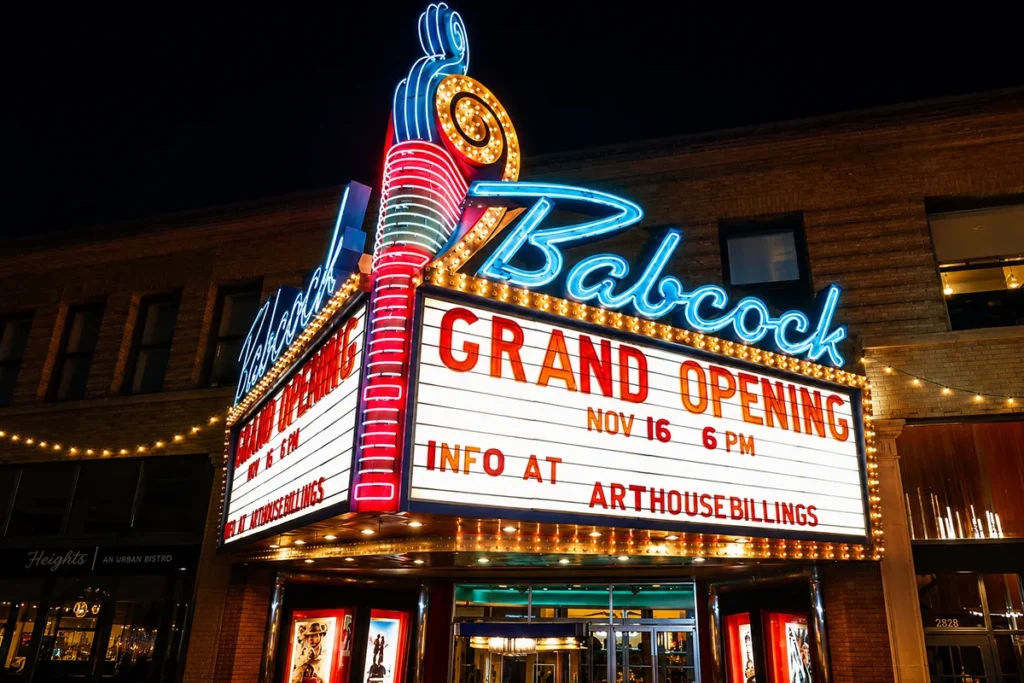
Originally built as an opera house, the Babcock Theater in downtown Billings now shows films — classic, art house, and new releases — in a restored historic theater with updated original-style seating. viator.com: “Inside is as beautiful as when it opened long ago.” A distinctive alternative to multiplex cinema.
16. Billings Studio Theater
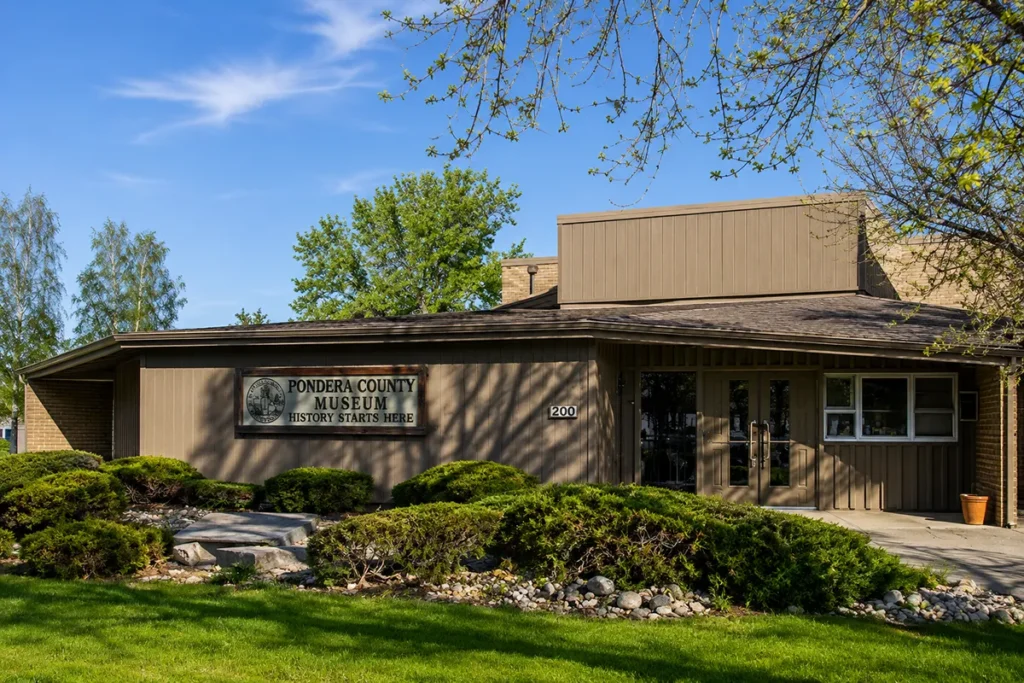
Community theater in Billings with a dedicated local audience. A good option for evening programming when the Alberta Bair’s main stage schedule doesn’t align with your visit. Community theater in Montana tends toward intimate staging and genuinely enthusiastic local talent.
Wildlife, Science, and Family
17. ZooMontana ⭐
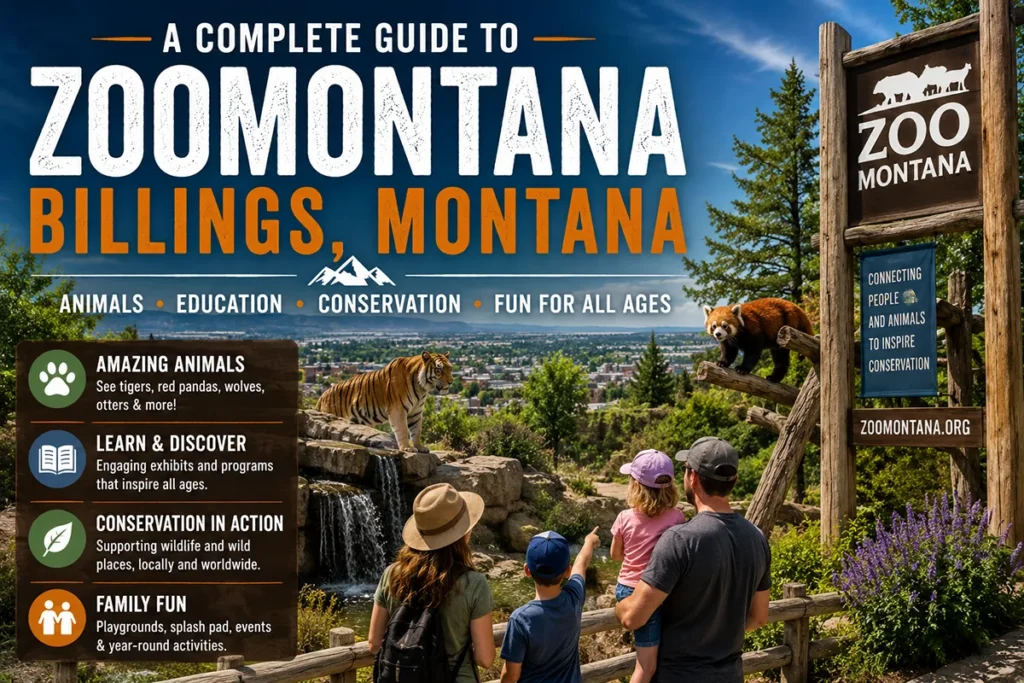
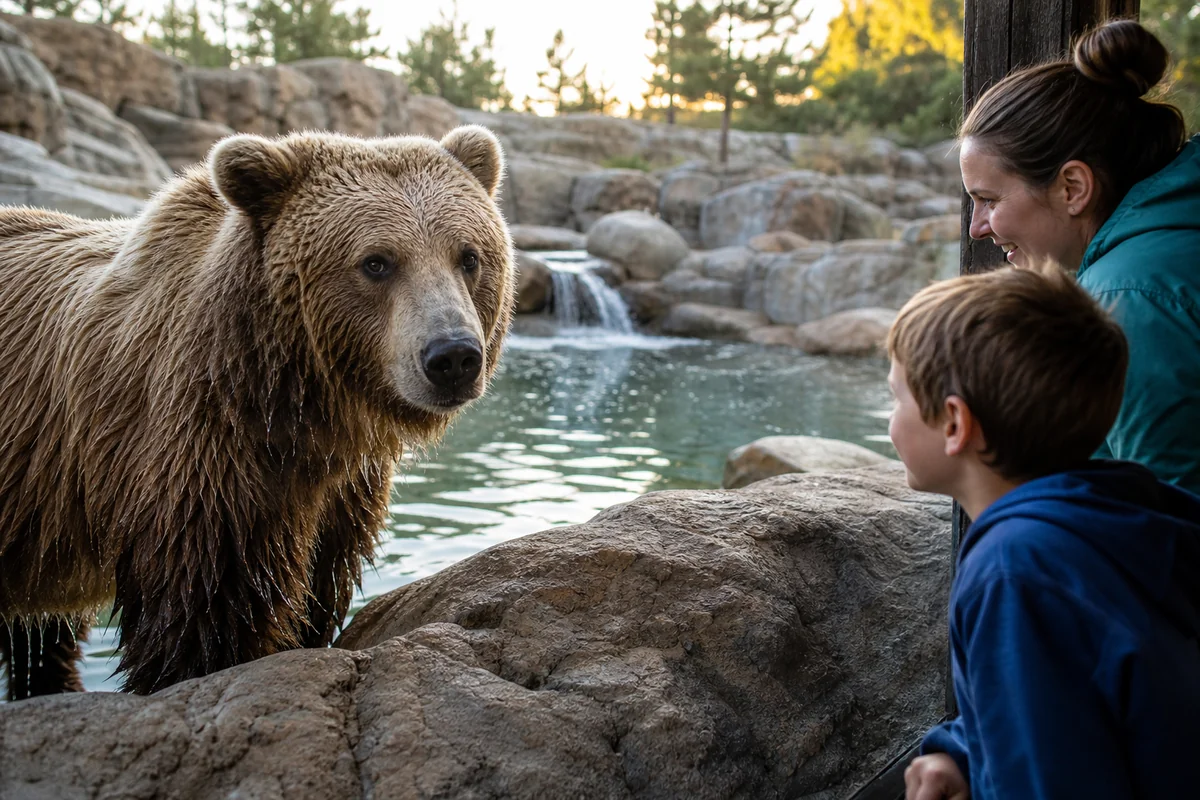
ZooMontana is Montana’s only AZA-accredited zoo, botanical garden, and accredited arboretum — three institutions in one 70-acre park. Animals include Amur tigers (named Dahlia and Sydney), grizzly bears, red pandas, wolverine, a rare Takin from the eastern Himalayas, river otters, wolves, Canada lynx, and bald eagles. Almost every animal is a rescue.
The zoo’s unique scientific mission: the 45th Parallel — the latitude of Billings, which also runs through southern France, northern Italy, and Mongolia. Animals are specifically chosen from similar climate ecosystems worldwide at this latitude.
For the complete ZooMontana guide — hours, pricing, individual animal stories, the 45th Parallel concept, Wild Wine Walk events, and insider tips — see my dedicated ZooMontana Billings guide and ZooMontana events guide.
Address: 2100 S Shiloh Rd.
Phone: (406) 652-8100.
Summer hours: 10am–5pm daily (members at 9:30am).
18. Wise Wonders Science and Discovery Museum

Billings’ interactive science museum for children — Wise Wonders features hands-on STEM exhibits designed for younger visitors. evendo.com lists it prominently; no major travel blog covers it as a family activity. For families with children ages 3–12, Wise Wonders provides a rainy-day anchor and a reliable multi-hour family stop.
[Verify current hours and admission at wisewonders.org.]
19. Scheels — The 65-Foot Indoor Ferris Wheel ⭐
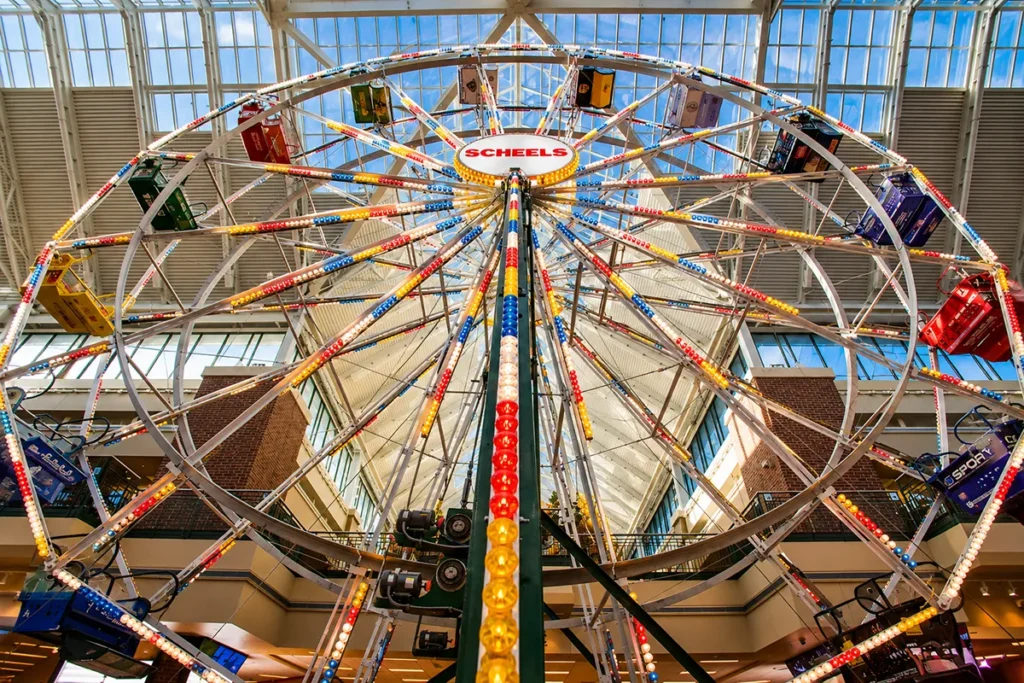
Yes, a sporting goods store. But not a typical sporting goods store.
Scheels in Billings is a 220,000 square foot sporting goods destination featuring — among its highlights — a 65-foot indoor Ferris wheel and a large indoor aquarium in addition to its sporting goods departments.
ghmtrealestate.com specifically calls it out: “It is a massive destination featuring a 65-foot indoor Ferris wheel, a huge aquarium, and extensive taxidermy displays. It is a common weekend stop for residents looking for indoor entertainment.”
For families, an hour at Scheels between museum visits is genuinely entertaining — the Ferris wheel provides a perspective on the store’s scale that turns a shopping trip into an experience. And the aquarium and taxidermy displays are legitimate natural history content in a sporting goods wrapper.
Location: West end of Billings.
Cost: Free entry; Ferris wheel ride priced separately.**
20. Reef Indoor Water Park
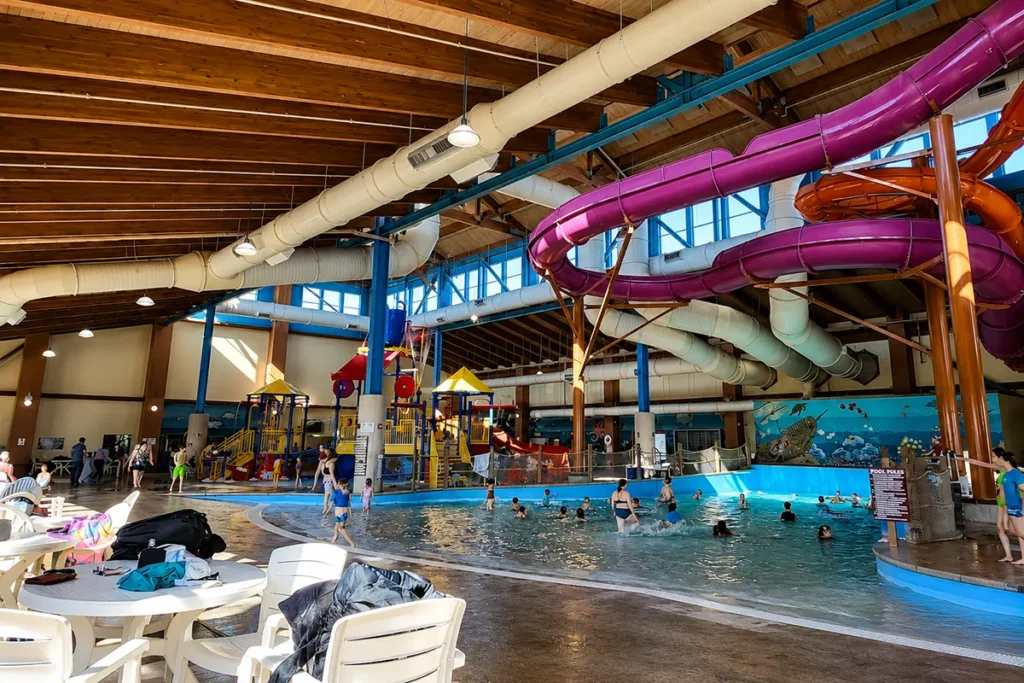
Expedia and TripAdvisor both list the Reef Indoor Water Park as one of Billings’ top family attractions — an indoor water park with slides, pools, and year-round operation that makes it particularly valuable in the shoulder seasons when outdoor water activities aren’t viable.
[Verify current hours, pricing, and availability at thereefwaterpark.com.]
Breweries, Food, and Social Life
21. By All Means Brewery ⭐
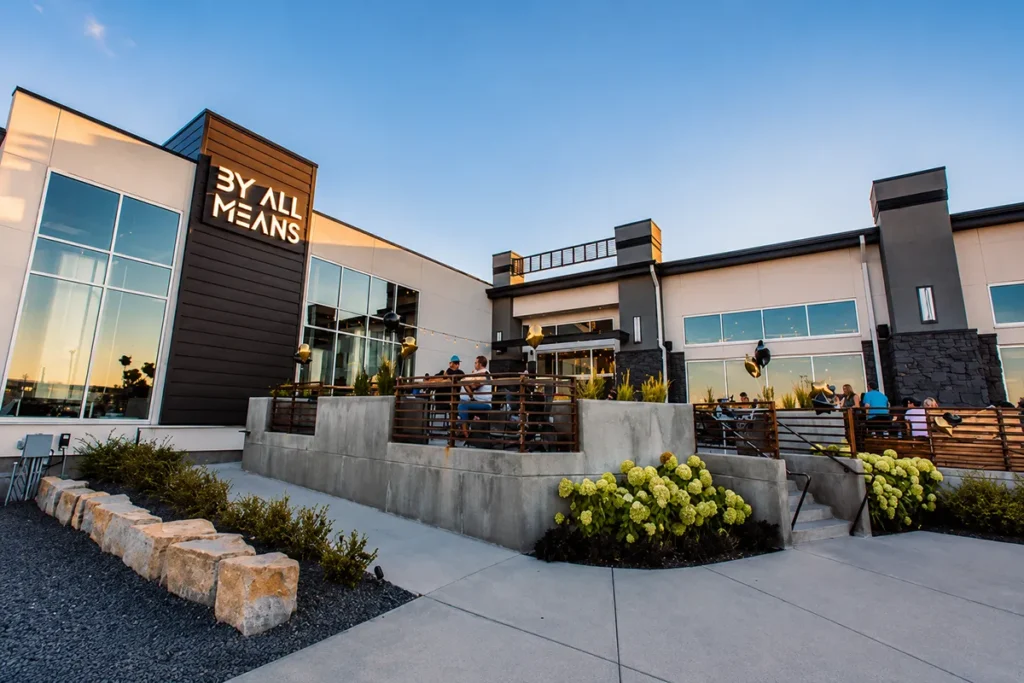
By All Means Brewery is aroundtheworldin24hours.com’s Billings brewery recommendation — and the story behind it is worth the visit before the beer is even ordered.
The flagship beer is the Playa del Montana Milkshake IPA. The name is funny because Montana has no beaches — “Playa del Montana” is a joke about the gap between the geographic reality and the tropical aspiration.
It’s “smooth, slightly sweet, and far less aggressively bitter than traditional IPAs.” The half-pour system allows sampling multiple beers without committing to a full glass of anything.
They also brew a Japanese-inspired saison infused with green tea and hot pepper — the kind of specific, Montana-made experiment that distinguishes a serious brewing operation from a bar with house beer. By All Means also serves food, making it a complete evening destination rather than just a beer stop.
22. The Billings Brewery Trail
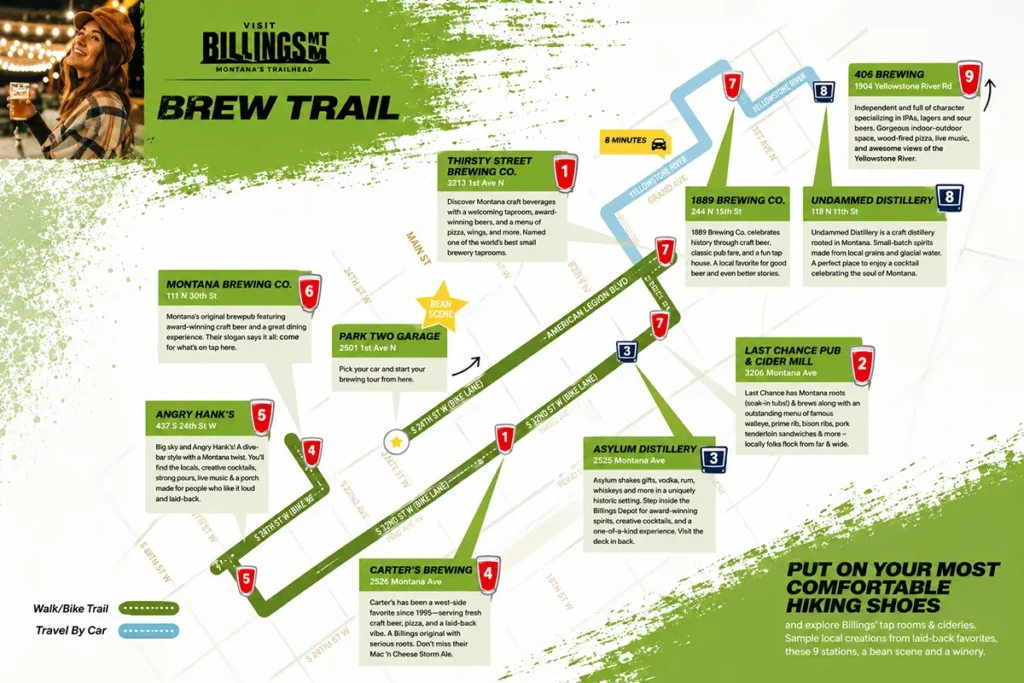
Beyond By All Means, Billings has a developed craft brewery scene that viator.com calls “the Billings Brew Trail.” Multiple breweries operate within reasonable proximity of the downtown core, making a brewery evening a logistically practical multi-stop activity. The walkable nature of the downtown historic district means several breweries are accessible without a car.
23. Yellowstone Cellars & Winery
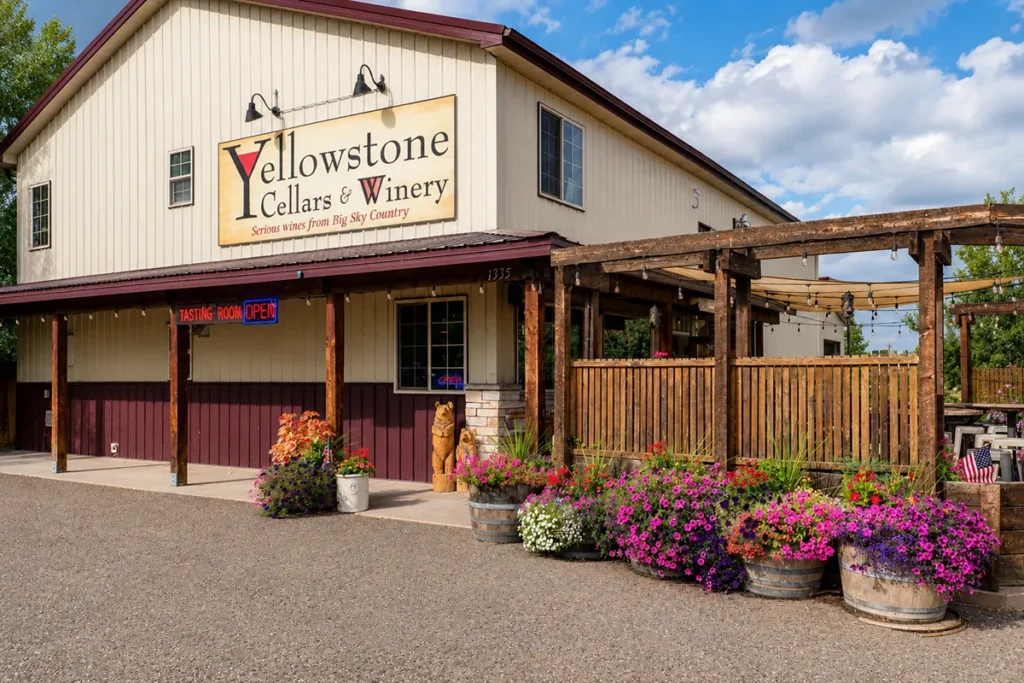
Yellowstone Cellars & Winery has been handcrafting French and Italian-style wines since 2010, using hand-picked grapes sourced from family-owned vineyards. TripAdvisor lists it among Billings’ top attractions. For visitors who prefer wine to craft beer, Yellowstone Cellars fills a specific gap — a Montana winery with a genuine tasting room in the city.
[Verify current tasting room hours at yellowstonecellars.com.]
24. Billings Farm-to-Table Restaurant Scene
TripAdvisor’s Billings overview specifically notes “farm-to-table restaurants focusing on local fare” as a Billings culinary characteristic. The Yellowstone River Valley’s agricultural output — grass-fed beef, local produce, regional game — makes farm-sourcing practical and authentic here in a way that urban restaurants in other states can’t replicate.
Asking where the beef came from at a Billings restaurant often yields a specific ranch name and a specific county.
Events: Billings’ Annual Calendar
25. MontanaFair — August 7–15, 2026 ⭐
Consider this number: MontanaFair draws approximately 250,000 visitors over nine days at MetraPark. Billings itself has 120,000 residents. The fair effectively doubles the city’s population for over a week.
visitmt.com covers MontanaFair extensively for 2026: nine days of livestock exhibitions, 4-H competitions, family attractions, Thomas Carnival midway rides filling the grounds, nightly entertainment, and the quality of fair food that evokes decades of summer memory.
As “the region’s largest annual event,” MontanaFair represents the agricultural and community heart of Eastern Montana gathering annually in its largest city.
For fair-adjacent concerts in 2026: Brothers Osborne perform July 1 at the Downtown Billings Skate Park; Goo Goo Dolls on July 30; Luke Bryan at the First Interstate Arena at MetraPark on July 31; 2026 MontanaFair nightly entertainment runs August 7–15.
[Verify current 2026 schedule and ticket information at montanafair.com.]
26. Billings Mustangs Baseball at Dehler Park
The Billings Mustangs play at Dehler Park — an intimate stadium with single-level seating where every seat is described by viator.com as “truly not a bad seat in the house.”
The Mustangs are a Pioneer League professional team; games have a family-friendly atmosphere with food and Montana-scale crowd size (no traffic nightmares, easy parking).
The stadium sits adjacent to the Yellowstone River corridor, with views toward the Rims from certain sections. A summer evening Mustangs game covers several Billings experiences simultaneously: professional sports, community atmosphere, local food, and the specific pleasure of watching baseball in a city where everyone can afford to go regularly.
[Verify current season schedule at milb.com/billings.]
Day Trips from Billings
Billings’ geographic position earns its “Montana’s Trailhead” designation. These are the most significant day-trip destinations accessible from the city.
27. Pompeys Pillar National Monument (28 miles east) ⭐
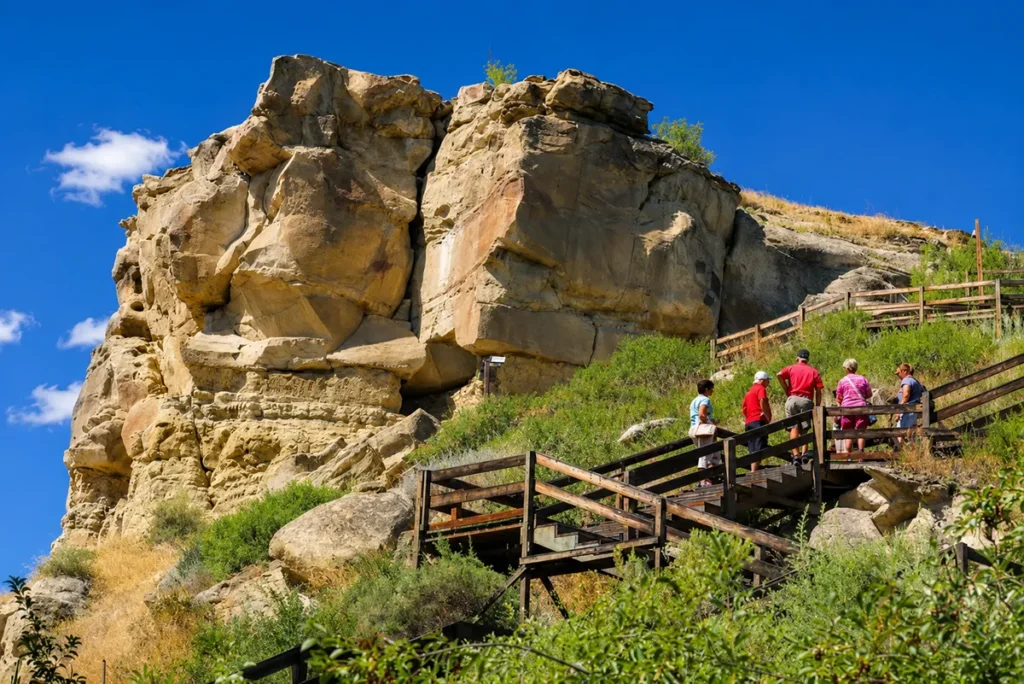
Pompeys Pillar is the only remaining physical evidence of the Lewis and Clark Expedition visible in the landscape today: a 150-foot sandstone butte where William Clark carved his name and the date — July 25, 1806 — on his return journey east. The carved inscription, protected under glass, is visible to visitors on a short boardwalk trail.
Clark named the formation “Pompey’s Tower” after Jean Baptiste Charbonneau, the infant son of Sacagawea whom he had nicknamed “Pomp.” Every other piece of physical evidence the expedition left in the landscape has disappeared. This one survives.
The surrounding interpretive trail covers the geology, ecology, and history of the Yellowstone River at this specific bend. Allow 1.5–2 hours from Billings.
Cost: America the Beautiful Pass or day use fee. Distance: 28 miles east on I-94.
28. Pictograph Cave State Park (4 miles southeast)
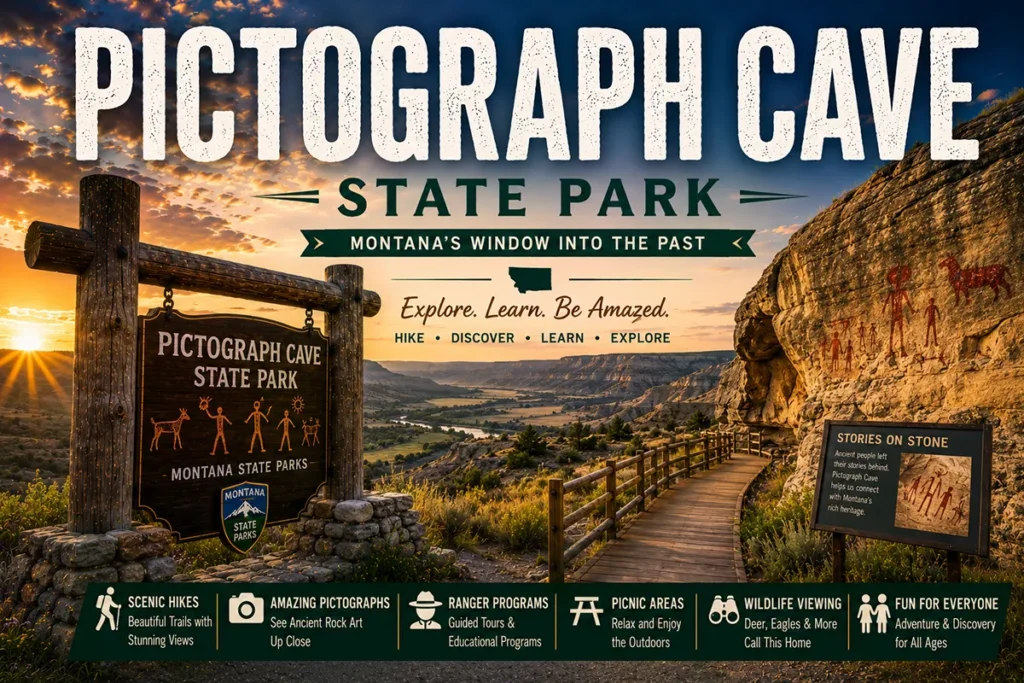
Pictograph Cave State Park contains three caves with prehistoric rock art dated to approximately 2,000 years ago, painted by prehistoric peoples who inhabited the Yellowstone River Valley. The paved loop trail is accessible, the interpretive signage is thorough, and the caves themselves are more dramatic than the word “cave” typically suggests — large alcoves in a sandstone canyon wall.
A 30-minute drive from downtown for a genuinely significant archaeological site. Most visitors underestimate how good this one is.
Cost: Montana State Parks day use fee. Distance: 4 miles southeast.
29. Little Bighorn Battlefield National Monument (65 miles east)
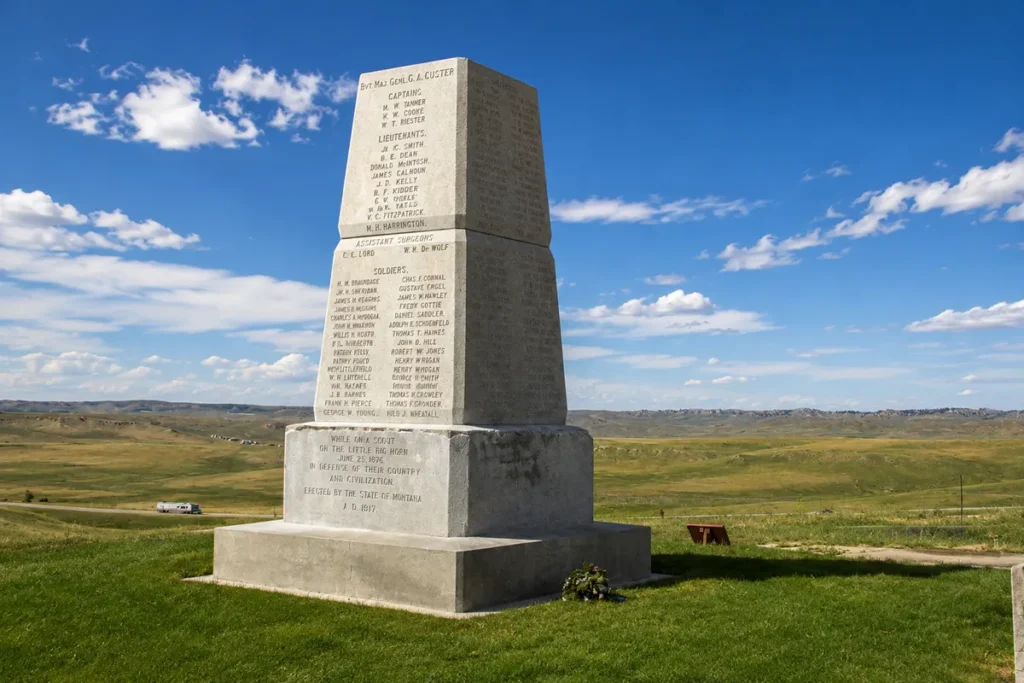
The site of the June 25–26, 1876 battle where Lieutenant Colonel Custer’s 7th Cavalry was defeated by Lakota, Northern Cheyenne, and Arapaho warriors is 65 miles east of Billings. Marble grave markers dot the hillsides. The Indian Memorial (added 2003) provides perspectives absent from earlier interpretations. Ranger-led tours provide the deepest context.
For the full day-trip structure, see my Billings city guide.
30. Beartooth Highway and Yellowstone National Park (2.5–3 hours)
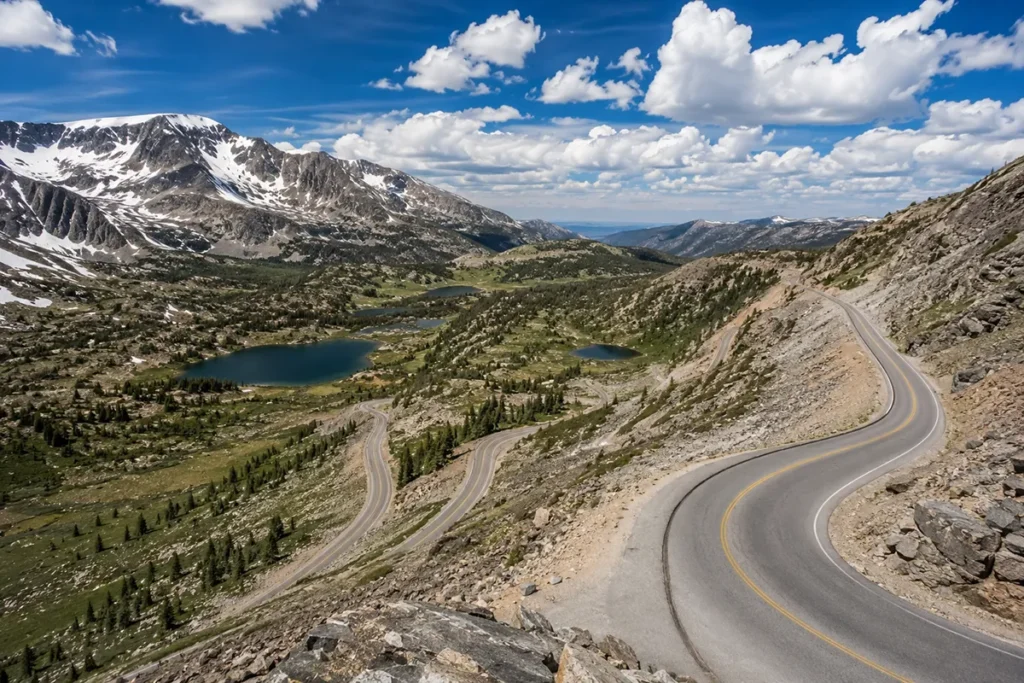
The most scenic route from Billings to Yellowstone follows US-212 through Red Lodge and over the Beartooth Highway — 68 miles of switchbacks climbing to 10,947 feet before dropping into the park’s northeast entrance.
viator.com correctly identifies this as the distinctive Billings-area day trip that visitors from the west side of the state rarely experience.
Inside the park, the Lamar Valley — accessible from the northeast entrance — provides the finest wildlife viewing in the continental United States. For the Lamar Valley strategy, see my Lamar Valley guide and Yellowstone wolf watching guide.
Total drive: 2.5–3 hours. Plan 10+ hours from Billings for a full Beartooth-to-Lamar day.
Things to Do in Billings by Traveler Type
For History Enthusiasts
Moss Mansion (Waldorf Astoria architect — lead with this), Western Heritage Center (Smithsonian affiliate), Pompeys Pillar (Clark’s 1806 signature, 28 miles east), Pictograph Cave State Park (prehistoric rock art, 4 miles away), Little Bighorn Battlefield (65 miles east), Boot Hill Cemetery, Carlin Hotel (Prohibition scandal — ask locals), Yellowstone County Museum.
For Families
ZooMontana (complete guide at zoomontana-billings-mt), Wise Wonders Science Museum, Scheels (65-foot indoor Ferris wheel + aquarium), Reef Indoor Water Park, Lake Elmo State Park (swimming summer), Dehler Park Mustangs baseball, MontanaFair in August (kids live for this).
For Arts and Culture Lovers
Yellowstone Art Museum (8,500+ works; FAM at the YAM on First Fridays), Alberta Bair Theater (1,000-seat performing arts venue), Babcock Theater (historic cinema), Painted Signal Boxes downtown walk (free), Billings Studio Theatre.
For Outdoor Enthusiasts
Swords Rimrock Park (six mountain ranges from one viewpoint), Four Dances Recreation Area (Sacrifice Cliff history), Lake Elmo State Park (water recreation), Riverfront Park/Two Moon Park (Yellowstone River), Montana Audubon Center (birding), Beartooth Highway + Lamar Valley day trip.
For Breweries and Food
By All Means Brewery (Playa del Montana IPA + Japanese saison), Billings Brewery Trail, Yellowstone Cellars & Winery, farm-to-table restaurant scene sourced from Yellowstone River Valley ranches.
Free Activities
Swords Rimrock Park and Zimmer Park (free hiking), Boot Hill Cemetery (free), Four Dances Recreation Area (free), Riverfront Park (free), Two Moon Park (free), Painted Signal Boxes art walk (free), Yellowstone County Museum (free), Montana Audubon Center (nature trails, often free).
Practical Planning
Getting to Billings: Billings Logan International Airport (BIL) is Montana’s busiest airport with direct flights from Seattle, Denver, Minneapolis, Salt Lake City, Dallas, Chicago, Los Angeles, and Phoenix. The airport is 10 minutes from downtown.
How long to stay: 2 days covers Moss Mansion, Western Heritage Center, YAM, Rimrocks, ZooMontana, and a brewery evening. 3 days adds Pompeys Pillar, Pictograph Cave, and a Mustangs game. 4+ days enables the Beartooth Highway/Yellowstone day trip.
Montana’s Trailhead positioning: Billings is the ideal overnight base for: Pompeys Pillar (28 miles), Little Bighorn (65 miles), Beartooth/Yellowstone (2.5 hours), Red Lodge/Beartooth Mountains (1 hour), and the Pryor Mountains south of the city.
For seasonal timing guidance, see my best time to visit Montana guide.
What Competitors Miss About Billings
Every major travel guide for Billings covers the Rimrocks, Moss Mansion, ZooMontana, and Yellowstone Art Museum. Here’s what none of them have built out properly:
The Waldorf Astoria connection — Henry Janeway Hardenbergh designed both America’s most celebrated hotel and Billings’ Moss Mansion, ten years apart. This single fact reframes the entire Moss Mansion experience. aroundtheworldin24hours.com is the only guide to mention it.
Sacrifice Cliff at Four Dances — The most historically significant site in the Four Dances area. Crow warriors in 1837 chose community over survival in an act that named the cliff permanently. Every guide lists Four Dances; none explain Sacrifice Cliff.
Scheels’ 65-foot Ferris wheel — A sporting goods store with an indoor Ferris wheel is genuinely unusual. Families with children find it worth 45 minutes. No major travel blog covers it.
MontanaFair’s actual scale — 250,000 visitors to a 120,000-person city over 9 days is not a small county fair. Framing the scale correctly helps visitors understand what they’re choosing to visit or avoid.
The Carlin Hotel Prohibition scandal — The sitting mayor of Billings caught in a federal Prohibition sting at a downtown hotel. No travel blog covers it. It’s the most interesting local history story in the city.
By All Means Brewery’s humor and specificity — The Playa del Montana IPA’s name is the brand’s thesis statement. The Japanese saison demonstrates genuine craft ambition. The story makes the beer better.
Explore More Montana Cities
Montana has a lot of ground to cover. Whether you’re building a road trip route or just curious what the next town down the highway has to offer, here are the city guides we’ve put together so far:
- Things to Do in Bozeman, Montana — Montana’s fastest-growing city, with great restaurants, the Museum of the Rockies, and easy access to Gallatin Canyon and Big Sky.
- Things to Do in Livingston, Montana — The original Yellowstone gateway; a fly fishing capital with a surprising arts scene, vintage neon downtown, and the Absaroka Mountains as a backdrop.
- Things to Do in Missoula, Montana — Western Montana’s outdoor playground, where the Clark Fork River flows through downtown and hiking, breweries, art galleries, and live music are all part of daily life.
- Things to Do in Whitefish, Montana — The gateway to Glacier National Park, with a walkable downtown, ski resort access at Whitefish Mountain, and Whitefish Lake on the edge of town.
- Things to Do in Kalispell, Montana — The commercial hub of the Flathead Valley; close to Glacier, Flathead Lake, and some of the best scenic drives in northwest Montana.
- Things to Do in Bigfork, Montana — A small arts village on Flathead Lake that punches above its size with galleries, live theater, and excellent waterfront dining.
- Things to Do in Polson, Montana — Sitting on the southern shore of Flathead Lake, Polson combines lake recreation, cherry orchards, and sweeping views of the Mission Mountains.
- Things to Do in Butte, Montana — One of Montana’s most historically layered cities; mining heritage, Victorian architecture, and a working-class character that’s entirely its own.
- Things to Do in Helena, Montana — Montana’s compact, walkable capital; the state capitol building, Last Chance Gulch, and the Cathedral of Saint Helena are all within easy reach downtown.
- Things to Do in Great Falls, Montana — The Electric City is home to the Missouri River’s famous waterfalls, the Lewis and Clark National Historic Trail Interpretive Center, and an impressive collection of museums.
- Things to Do in Billings, Montana — Montana’s largest city offers a mix of urban amenities, sandstone Rimrocks, vibrant breweries, family attractions, and easy access to nearby state parks and national monuments.
- Things to Do in Dillon, Montana — A quiet southwestern Montana town with serious fly fishing access on the Beaverhead River and a pace that feels far removed from the tourist trail.
- Things to Do in Hamilton, Montana — Nestled in the scenic Bitterroot Valley, Hamilton is known for hiking, fishing, historic downtown charm, and easy access to the Bitterroot Mountains.
- Things to Do in West Yellowstone, Montana — The busiest gateway to Yellowstone National Park, offering wildlife viewing, snowmobiling, museums, and year-round outdoor adventures.
- Things to Do in Gardiner, Montana — Yellowstone’s original entrance town, famous for the Roosevelt Arch, abundant wildlife, river rafting, and quick access to Mammoth Hot Springs.
- Things to Do in Red Lodge, Montana — A charming mountain town at the base of the Beartooth Highway, known for its historic downtown, outdoor recreation, and one of America’s most scenic drives.
- Things to Do in Polebridge, Montana — Glacier’s remote northwest corner; no cell service, no power grid, a legendary bakery, and some of the most untouched backcountry in the park.
- Things to Do in Miles City, Montana — Eastern Montana’s cowboy capital, home to the Bucking Horse Sale and a historic downtown that hasn’t changed much since the cattle drives.
- Things to Do in Havre, Montana — A welcoming Hi-Line community where railroad history, underground tours, and wide-open prairie landscapes showcase a different side of northern Montana.
- Libby, Montana Guide — A timber town in the far northwest tucked along the Kootenai River, with Kootenai Falls and the Cabinet Mountains Wilderness on its doorstep.
Final Thoughts
Billings earns the “Montana’s Trailhead” nickname on geography alone — the access it provides to Yellowstone, the Little Bighorn, the Beartooth, and the Pryor Mountains from one city is unmatched in the state. But the city works as a destination independent of what surrounds it.
The Rimrocks at dawn, before the city wakes up. The Western Heritage Center’s oral histories playing quietly in a side gallery. Moss Mansion’s woodwork, knowing what was built in New York a decade before and by the same hands. By All Means Brewery and the joke that Montana has no beaches. ZooMontana’s takin, which you didn’t expect to see.
Billings doesn’t announce itself the way Glacier does. It builds gradually. Give it the time it needs.
Questions about Billings? Drop them in the comments.
Frequently Asked Questions
What are the best things to do in Billings Montana?
Billings’ essential experiences: hike the Rimrocks to Swords Rimrock Park (six mountain ranges visible), tour Moss Mansion (designed by the Waldorf Astoria’s architect — the fact no guide leads with), visit the Western Heritage Center (Smithsonian affiliate), explore the Yellowstone Art Museum (8,500+ works), visit ZooMontana (Montana’s only zoo, botanical garden, and arboretum — see our complete guide), and day trip to Pompeys Pillar (William Clark’s 1806 signature, 28 miles east) and Pictograph Cave (prehistoric rock art, 4 miles away).
Is Billings Montana worth visiting?
Yes — Billings justifies a 2–3 day visit independent of surrounding day trips. The Rimrocks trail system, Moss Mansion, Western Heritage Center, Yellowstone Art Museum, and ZooMontana create a cultural and outdoor combination uncommon in a city of 120,000. Add the gateway access to Pompeys Pillar, Little Bighorn, Beartooth Highway, and Yellowstone via the Lamar Valley, and Billings becomes the most logistically efficient Montana base camp for historical and natural tourism.
What is the Waldorf Astoria connection in Billings?
The Moss Mansion (1903), Billings’ most celebrated historic home, was designed by Henry Janeway Hardenbergh — the same architect who designed the Waldorf Astoria Hotel in New York City in 1893. The connection reflects the wealth and ambition of early Billings, when railroad and mining capital made the city a place of national significance. This is the single most compelling fact about the Moss Mansion, and virtually no travel guide leads with it.
What is Pompeys Pillar near Billings?
Pompeys Pillar is a 150-foot sandstone butte 28 miles east of Billings where William Clark carved his name and the date — July 25, 1806 — during the return journey of the Lewis and Clark Expedition. It is the only physical evidence of the expedition remaining visible in the landscape today. The carved inscription is protected under glass on a boardwalk accessible to visitors. Clark named the formation after “Pomp,” his nickname for Sacagawea’s infant son Jean Baptiste Charbonneau.
What is MontanaFair and when does it happen?
MontanaFair is the region’s largest annual fair, held at MetraPark in Billings for nine days each August (August 7–15 in 2026). The fair draws approximately 250,000 visitors annually — more than double Billings’ population — for livestock exhibitions, 4-H competitions, midway rides (Thomas Carnival), nightly entertainment, and classic fair food. Major concerts surrounding the 2026 fair include Luke Bryan on July 31 at the First Interstate Arena at MetraPark.
How far is Billings from Yellowstone National Park?
Billings is approximately 2.5–3 hours from Yellowstone, depending on the route. The most scenic approach is via Red Lodge and the Beartooth Highway (US-212), which enters the park at the Northeast Entrance near Cooke City — a 68-mile alpine road climbing to 10,947 feet through switchbacks, alpine meadows, and snowfields. The Lamar Valley, accessible from the Northeast Entrance, provides the best wildlife viewing in the continental US. See my Lamar Valley guide for the wildlife strategy.
What is ZooMontana in Billings?
ZooMontana is Montana’s only AZA-accredited zoo, botanical garden, and accredited arboretum — three institutions on 70 acres in Billings. Animals include Amur tigers, grizzly bears, red pandas, wolverine, a rare Takin from the eastern Himalayas, river otters, wolves, and bald eagles — nearly all rescues. The zoo’s unique scientific mission focuses on animals from the 45th Parallel of Earth (Billings’ latitude), which runs through France, Italy, and Mongolia. For the complete guide, see my ZooMontana Billings guide.