Twenty miles east of Helena, there’s a lake with a drowned dam sitting at the bottom of it — the original 1896 Canyon Ferry Dam and its reservoir, Lake Sewell, both submerged when the modern lake was built in the 1950s.
Most visitors sailing across the surface today have no idea there’s an entire piece of Montana engineering history sitting under their keel.
Canyon Ferry Lake is Montana’s third-largest body of water, a 35,000-acre Missouri River reservoir 20 minutes east of Helena. This guide covers the lake’s dam history (including the one buried beneath it), the fishing that draws walleye anglers statewide, eight campgrounds worth knowing apart, and the wind that makes this one of Montana’s best sailing and windsurfing destinations — and a genuine hazard if you’re not prepared for it.
Liked this article?
Add Roaming Montana as a preferred source so you see more of our articles and guides on Google.
The Dam That Made the Lake (And the One Beneath It)
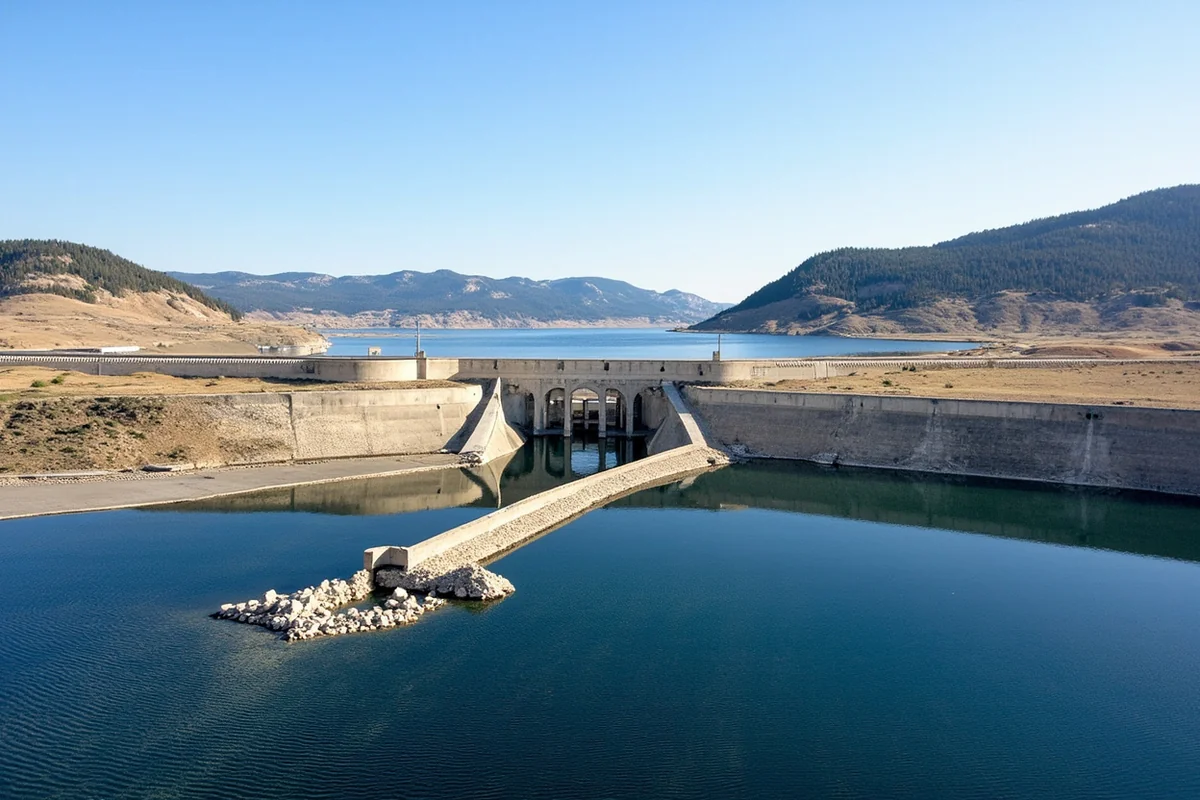
Canyon Ferry Dam was completed in 1954 for flood control on the Missouri River, creating Montana’s third-largest lake in the process. What most visitors don’t know is that this wasn’t the first dam here.
An earlier Canyon Ferry Dam and power plant, built in 1896, sat about a mile downstream from the current structure, with its own reservoir called Lake Sewell.
When the modern dam went in, the old dam and plant were demolished, and Lake Sewell was simply absorbed into the new, much larger reservoir.
That layered history is part of what makes this lake interesting to me beyond its recreational value. You’re boating over infrastructure from three different eras of Montana’s relationship with the Missouri River, most of it invisible unless you know to look for it.
The lake’s name goes back even further than either dam. It traces to a man named John Oakes, who in 1865 started operating a ferry service to carry miners and prospectors across the Missouri River canyon here during the gold rush years — a full nine decades before the dam that created the modern reservoir even existed.
Every time I cross the dam road today, I think about how strange it would look to Oakes: a lake where his ferry crossing used to be, with sailboats and windsurfers where a rope-and-plank ferry once did the work.
Canyon Ferry Lake by the Numbers
- Size: approximately 35,000 acres, plus more than 9,000 acres of surrounding public land
- Shoreline: roughly 76 miles
- Location: 20 miles east of Helena, roughly halfway between Yellowstone and Glacier National Parks
- Surrounding ranges: Big Belt Mountains to the east, Elkhorn Mountains to the south, Spokane Hills to the west
- Managed by: the Bureau of Reclamation, which oversees more than 20 recreation sites around the lake
Fishing Canyon Ferry Lake
This is one of the better walleye fisheries in the state, and it draws serious anglers from Helena, Great Falls, and Butte on a regular basis. Beyond walleye, the lake holds rainbow trout, brown trout, perch, ling, carp, bass, and pike across its 76 miles of shoreline.
The Montana Fish, Wildlife and Parks department stocks the lake annually with rainbow trout, and I’ve had my best luck fishing from shore in early spring, before the water warms and boat traffic picks up.
As the season progresses and the water warms, bass and carp become more active, and serious walleye anglers increasingly move to boats to reach deeper, more productive water.
Quiet stretches near the dam and along the less-developed shoreline tend to hold fish well throughout the season, and a handful of local guides and outfitters operate here if you want expert help finding them.
Boating, Sailing, and Windsurfing
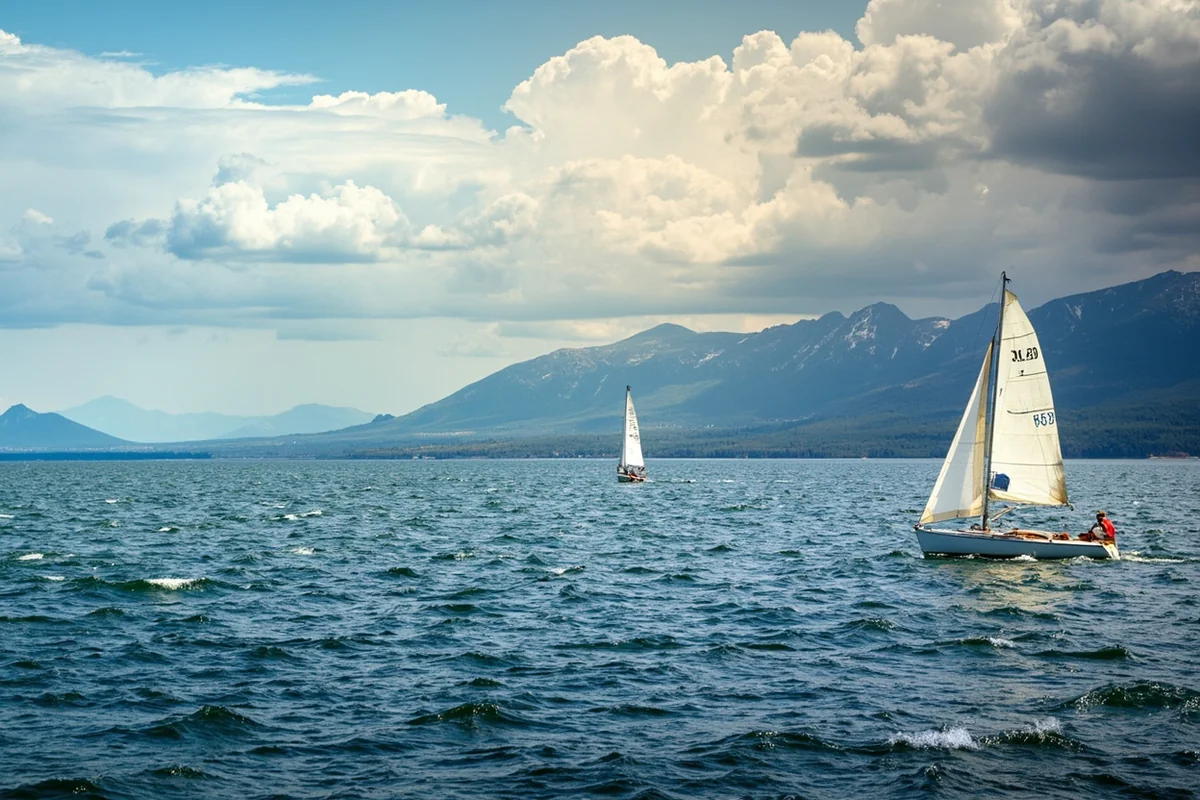
Canyon Ferry’s open water and consistent afternoon winds have made it one of Montana’s premier sailing and windsurfing lakes, popular enough that the lake has hosted iceboat racing and even world speed record attempts in winter.
Ten boat ramps are scattered around the lake, with additional public launches near the dam on the north end and near Townsend on the south end.
That same wind that makes for great sailing is worth taking seriously if you’re in a smaller boat or paddling.
I’ve watched calm morning water turn to significant chop by early afternoon here more than once, consistent with its reputation, and I’d plan any paddling specifically for the morning hours before the wind builds.
Camping at Canyon Ferry Lake
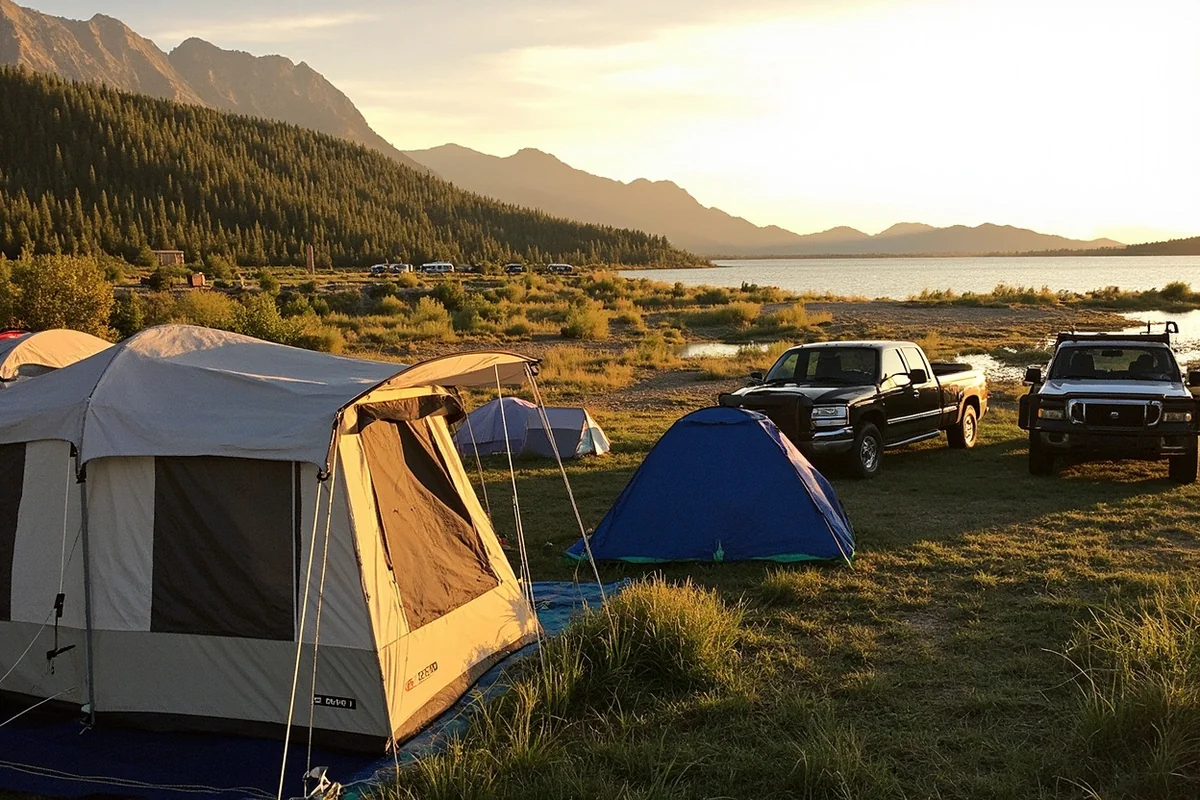
Eight designated campgrounds ring the lake, two of which are day-use only. Here’s how I’d break them down for different priorities:
- Riverside Campground — 27 sites near the dam, popular with anglers and families, paved pads, fees roughly $15-$105.
- Chinaman’s Campground — 38 sites at the northern tip, no hookups, not suited to RVs over 20 feet, around $10/night.
- Jo Bonner Campground — 17 sites in the northeastern corner, year-round access, around $10/night.
- Court Sheriff Campground — 48 sites at the lake’s northernmost point, close to the water, roughly $15-$30.
- White Earth Campground — 36 sites near the small town of Winston, with a group shelter offering electrical hookups.
- Hellgate Campground — the largest at 69 sites, about 30 miles east of Helena, with two boat ramps.
- Cave Point and Indian Road Group Use Shelters — day-use only, for group gatherings up to 50-75 people.
Fees and exact amenities change seasonally, so I’d confirm current rates and reservation details before finalizing a trip [verify current fees at recreation.gov]. I’d point families toward Riverside or Court Sheriff for the closer amenities, and anglers or groups wanting more space toward Hellgate.
Wildlife Watching
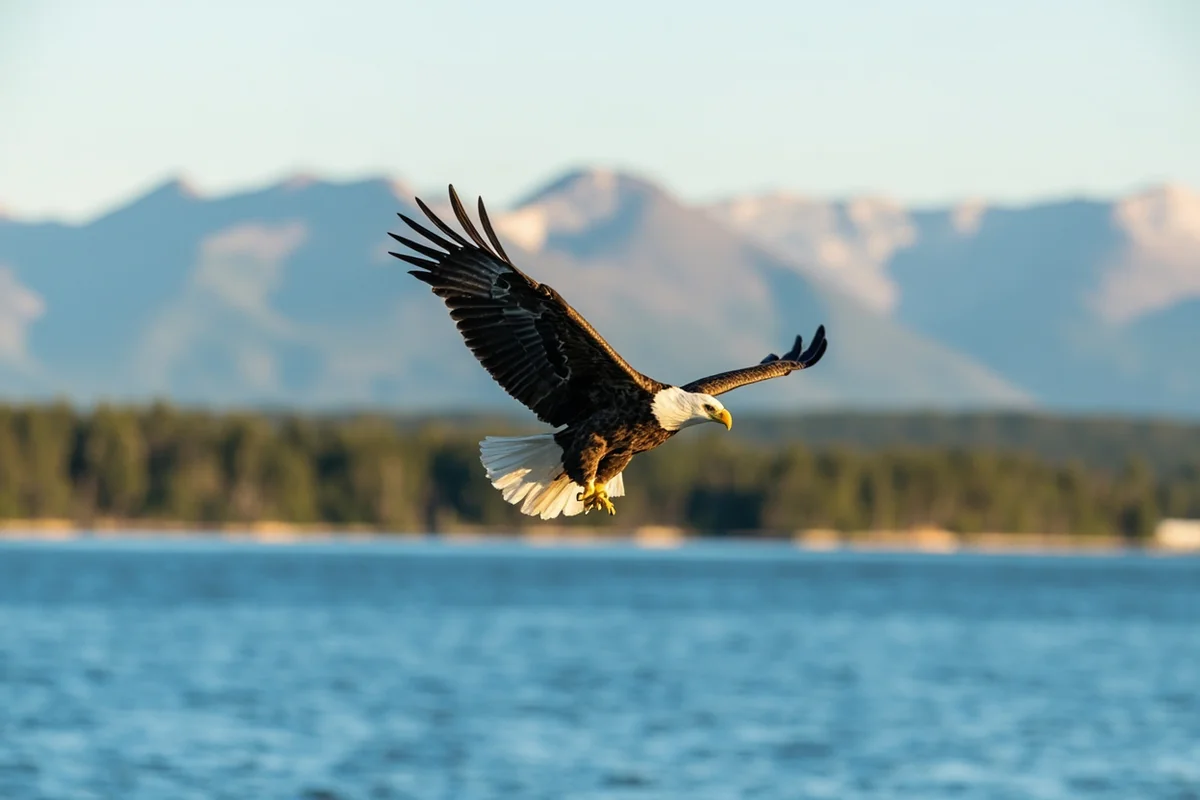
A wildlife management area at the lake’s upper end, run by Montana Fish, Wildlife and Parks, hosts a colony of terns and pelicans and is considered one of the better spots in the country for viewing large concentrations of bald eagles.
The upland areas around the lake also support chestnut-collared longspurs and long-billed curlews, along with healthy populations of pronghorn antelope, mule deer, and whitetail deer. I’ve spent entire mornings here with binoculars and never run out of things to watch.
The Canyon Ferry Visitor Center
Just below the dam, a Bureau of Reclamation visitor center covers the lake’s history, recreation opportunities, and regulations, along with displays connecting the area to the Lewis and Clark expedition, which passed through this stretch of the Missouri River in 1805.
It’s a worthwhile stop for context before a longer stay at the lake, particularly if the historical layers here interest you as much as they interest me.
Hiking Near Canyon Ferry Lake
The Cave Ridge Trail, a 9-mile route also used by OHVs, offers solid lake views from the ridgeline above the water and starts from Forest Road #4156, accessible via Highway 284 over Canyon Ferry Dam.
The Little Hellgate Gulch Trail, a shorter 6-mile ridge route commonly used for hunting, crosses some private land within the forest boundary. Neither trail is heavily trafficked compared to the lake’s water-based activities, which suits visitors looking for a quieter add-on to a boating or fishing trip.
Day Trips from Helena
Given how close this lake sits to the state capital, it works well as a half-day or full-day escape rather than requiring a dedicated multi-night trip.
I’ve driven out from downtown Helena for a morning of fishing and been back in the city for dinner the same evening, something that’s simply not possible with most of Montana’s other major lakes given their distance from population centers.
Comparing Canyon Ferry to Montana’s Other Big Reservoirs
If you’ve spent time at Fort Peck Lake further east, Canyon Ferry will feel considerably more developed and accessible by comparison — closer to a major city, with far more services and a shorter drive from anywhere in southwest Montana.
I’d recommend Canyon Ferry for a shorter, easier lake trip built around Helena, and Fort Peck for travelers specifically seeking the remote, big-water experience that this smaller lake can’t quite replicate.
Checking Conditions Before You Go
Given the wind this lake is known for, I always check current weather conditions before committing to a full day on the water, especially with a smaller boat or paddle craft.
If you’re timing a broader trip around this part of the state, my best time to visit Montana guide covers seasonal considerations that apply well beyond just this lake.
Conditions here can shift meaningfully within a few hours, and the lake’s open, exposed layout gives waves more room to build than a smaller, more sheltered lake would.
Personal Tips / What I Wish I Knew
Respect the wind, especially in the afternoon. This lake’s reputation for sailing and windsurfing exists for a reason, and that same wind can turn a pleasant morning paddle into a genuinely difficult afternoon fight back to shore.
Fish early spring from shore, then switch to a boat as summer progresses. I’ve had my best rainbow trout luck from the bank in April and May, before water temperatures push most serious anglers onto the water.
Pick your campground based on priorities, not just proximity to Helena. Riverside and Court Sheriff suit families wanting easier access; Hellgate suits groups wanting more space and boat ramp access.
Bring binoculars for the wildlife management area. The bald eagle and pelican viewing here rivals dedicated wildlife refuges elsewhere in the state.
Practical Info: Canyon Ferry Lake
| Lake size | Approximately 35,000 acres |
| Shoreline | Approximately 76 miles |
| Location | 20 miles east of Helena via US Highway 12 and Highway 287 |
| Camping | 8 campgrounds (6 overnight, 2 day-use only) |
| Boat ramps | 10 around the lake |
| Fishing license | Standard Montana state fishing license |
| Best season | Open year-round; peak recreation May through September |
Frequently Asked Questions
How big is Canyon Ferry Lake?
Canyon Ferry Lake covers approximately 35,000 acres, making it Montana’s third-largest body of water.
Is there an older dam under Canyon Ferry Lake?
Yes, an original 1896 Canyon Ferry Dam and its reservoir, Lake Sewell, were demolished and submerged when the current dam was completed in 1954.
Is Canyon Ferry Lake good for fishing?
Yes, it’s known especially for walleye, alongside rainbow trout, brown trout, perch, bass, and pike, and is annually stocked with rainbow trout.
How windy is Canyon Ferry Lake?
Consistently windy enough to support a strong sailing and windsurfing community, including iceboat racing in winter. Afternoon winds can build quickly, so plan smaller boat or paddle activities for the morning.
How far is Canyon Ferry Lake from Helena?
About 20 minutes, making it one of the most accessible large lakes to a state capital anywhere in Montana.
A Lake for Every Kind of Montana Visitor
What strikes me most about Canyon Ferry, having spent time here across many seasons, is how well it serves genuinely different kinds of visitors without any one group crowding out the others.
Serious anglers, casual weekend boaters, competitive sailors, winter iceboat racers, and birdwatchers all find their own version of this lake, often within sight of each other on a busy summer Saturday.
Few Montana lakes manage that range of simultaneous uses this gracefully, and I think it’s a direct result of the lake’s sheer size combined with its 20 recreation sites spread out around 76 miles of shoreline.
A Lake That Rewards Repeat Visits
I’ve been coming back to Canyon Ferry for years, and it’s one of the few Montana lakes where I genuinely notice something new almost every visit — a different campground, a quieter cove I hadn’t found before, a wildlife sighting I wasn’t expecting near the management area.
Its size and the number of distinct access points mean it takes multiple trips to really get to know, which is unusual for a lake this close to a major town and this easy to treat as a single afternoon outing.
Final Thoughts
Canyon Ferry Lake earns its popularity honestly — few Montana lakes offer this much recreational variety this close to a major town, and fewer still carry a hidden layer of engineering history sitting quietly on the lakebed below the sailboats.
For more of Montana’s Missouri River lakes, see my guide to Hauser Lake, or check out the complete guide to Montana’s best lakes for the rest of the state.
For a deeper dive into the region’s layered engineering and Lewis and Clark history, my Montana history guide covers the broader context this lake sits within.