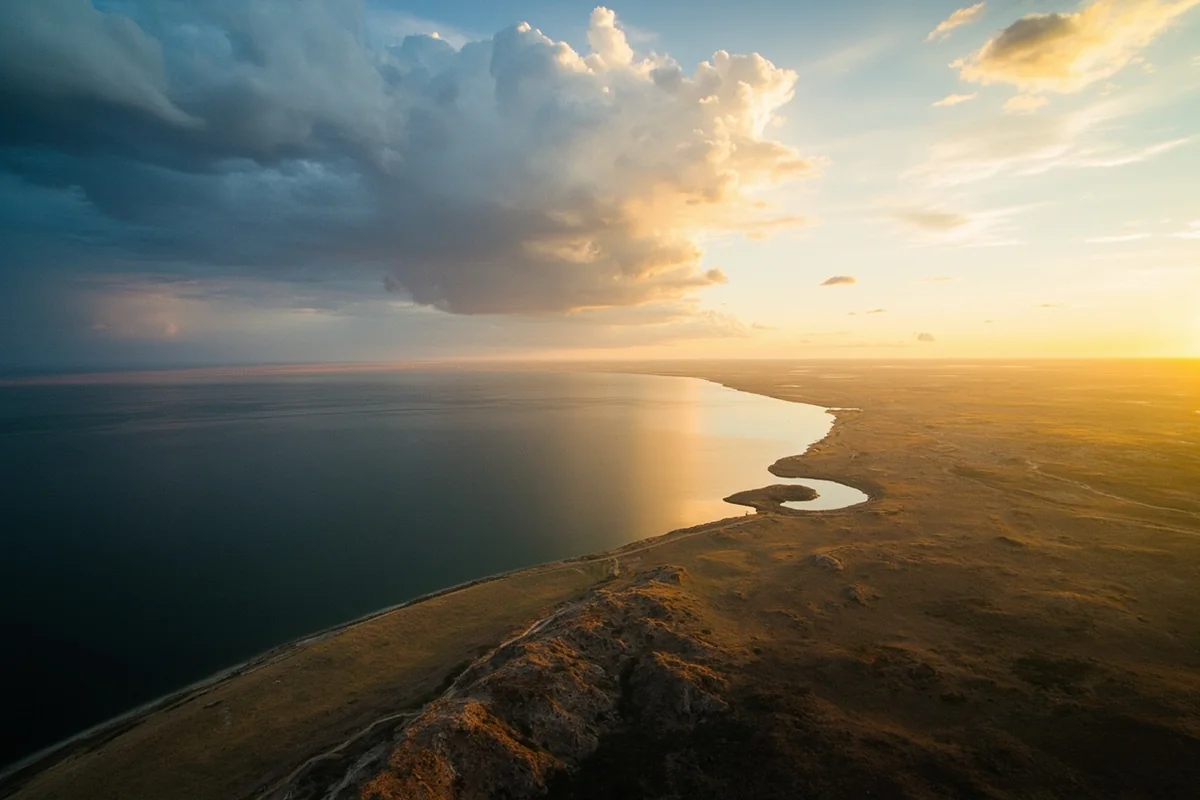
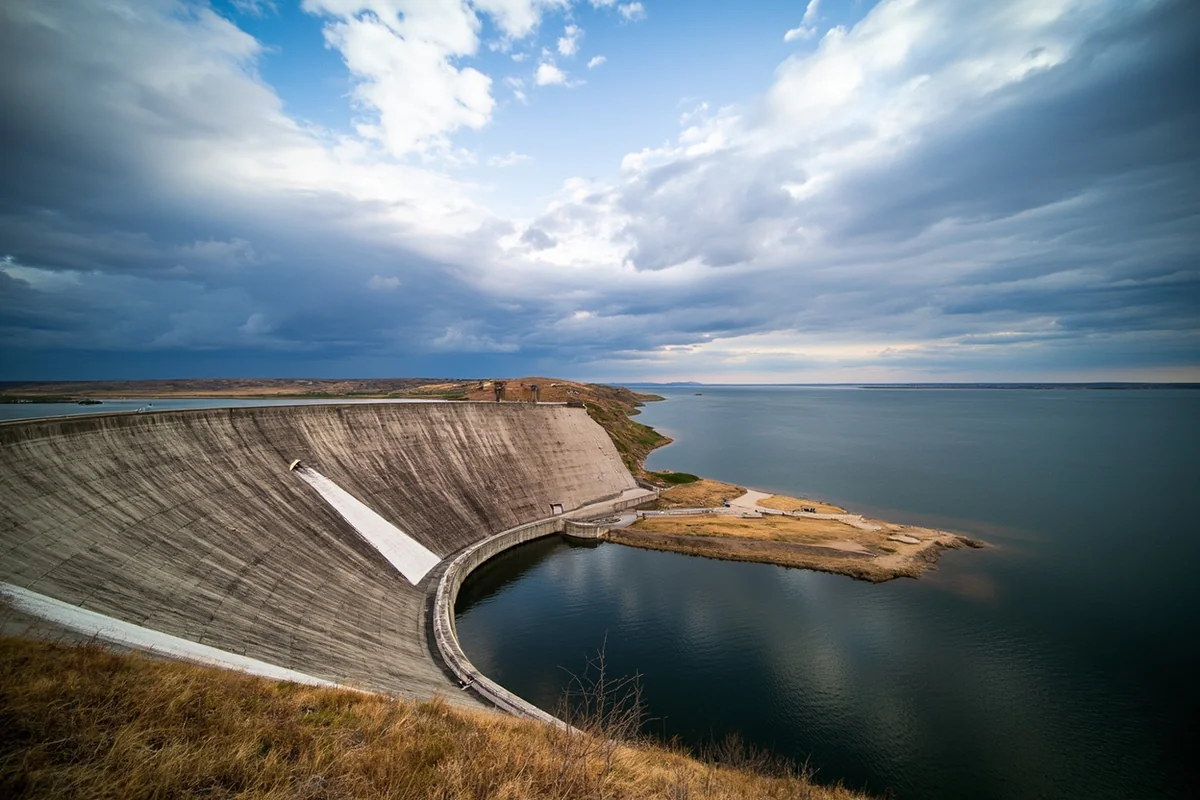
I’ve stood on the Fort Peck Dam and tried to see the far end of the lake it created, and I couldn’t — not because of haze or distance exactly, but because Fort Peck Lake bends and folds through so many arms and inlets across its 134 miles that no single vantage point shows you the whole thing.
Fort Peck Lake is Montana’s largest lake by surface area, formed by the Fort Peck Dam on the Missouri River in the 1930s, and it holds more shoreline than the entire coast of California. This guide covers the dam’s history, the fishing that draws anglers from across the region, camping options, and the remote wildlife refuge that surrounds nearly the entire lake — plus the honest logistics of visiting a place this remote.
Liked this article?
Add Roaming Montana as a preferred source so you see more of our articles and guides on Google.
The Dam That Made the Lake
Fort Peck Dam was built starting in 1933 as one of the largest earthen dams in the world and one of the signature public works projects of the New Deal era, employing tens of thousands of workers during the Depression at its peak.
The dam is 4 miles wide and took the better part of the decade to complete, impounding the Missouri River and creating a reservoir that, at 134 miles long, ranks among the largest reservoirs by volume in the United States.
The town of Fort Peck itself grew up during construction to house the dam’s workforce and has persisted as a small community ever since, complete with a surprisingly grand Fort Peck Theatre built in the 1930s to entertain dam workers — still operating today as a summer theater destination that feels genuinely out of place in such a remote corner of the state.
Fort Peck Lake by the Numbers
- Shoreline: more than 1,500 miles — more than the entire California coastline
- Length: approximately 134 miles
- Surface area: roughly 230,000 acres
- Maximum depth: over 200 feet
- Elevation: approximately 2,250 feet
The Charles M. Russell National Wildlife Refuge
Nearly the entire lake is bordered by the Charles M. Russell National Wildlife Refuge, over a million acres managed by the U.S. Fish and Wildlife Service, making this one of the most genuinely remote lake settings in the Lower 48.
I’ve driven sections of the refuge’s back roads and gone stretches of twenty or thirty minutes without seeing another vehicle — a level of isolation that’s genuinely rare this far into the 21st century.
That isolation is exactly what draws a certain kind of visitor here. This isn’t a lake you stumble onto; it’s one you plan a trip specifically to reach, and the payoff is wildlife viewing, hunting, and fishing access with a fraction of the crowds you’d find at Montana’s more famous lakes further west.
Fishing Fort Peck Lake
Fort Peck holds a reputation as one of the best walleye fisheries in Montana, and the annual Governor’s Cup Fishing Competition draws serious anglers from across the region chasing that reputation.
Beyond walleye, the lake supports more than 50 fish species, including northern pike, smallmouth bass, channel catfish, chinook salmon, and paddlefish — the last of which draws its own dedicated snagging season on the Missouri River below the dam each spring.
I’d strongly recommend a decent-sized motorboat if you’re fishing here seriously. The lake’s scale means productive water can be miles from any given boat ramp, and wind across open stretches can build significant chop with little warning — this is not a lake to underestimate with a small craft.
Camping at Fort Peck Lake
Two main developed campgrounds anchor most visitor camping:
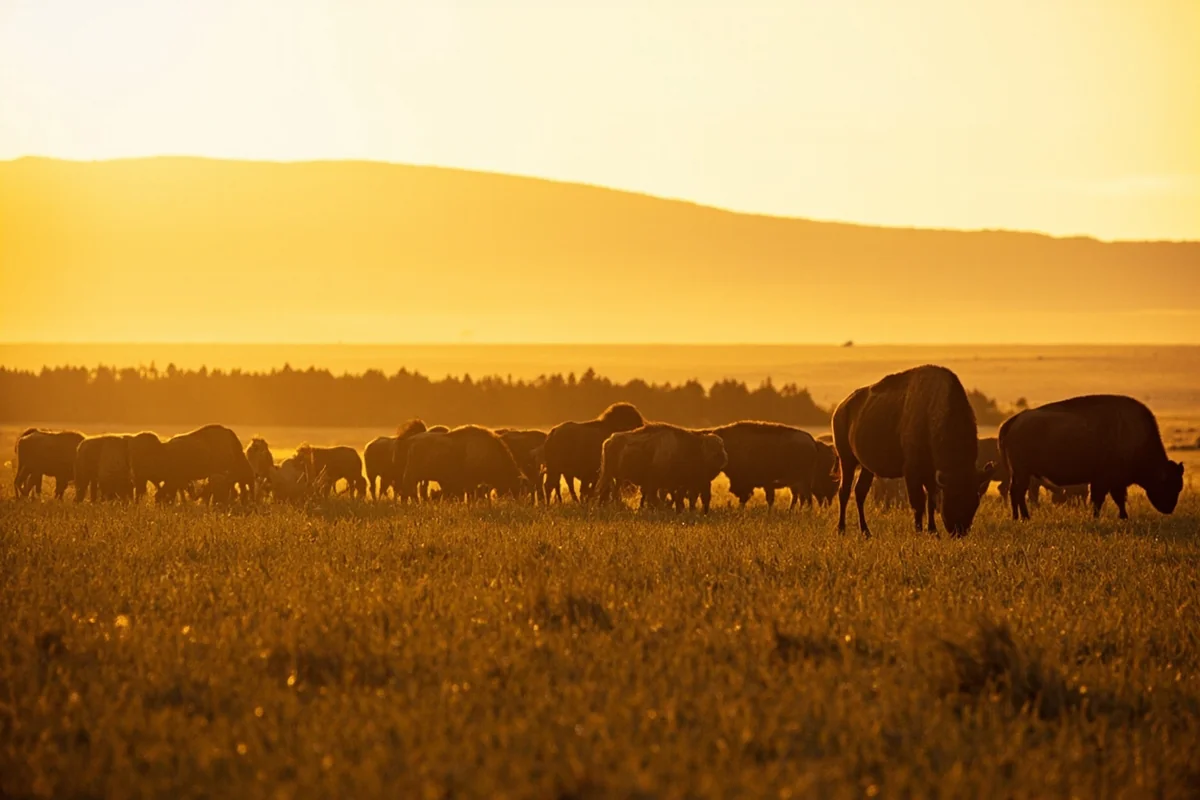
Downstream Campground, the larger of the two, sits below the dam with 86 family campsites (71 with electrical hookups, 15 tent-only), plus flush and vault toilets, showers, a dump station, and a fish cleaning station. This is also where you’ll find Fort Peck’s bison herd, visible from the campground and a genuine highlight for wildlife-focused visitors.
West End Tent and Trailer Campground, quieter and set on a hillside overlooking the lake’s north shore, has 13 electrical sites and puts you closer to boat ramps for an early fishing start. Both campgrounds allow pets, though deer and other wildlife are common enough around the sites that I’d keep dogs leashed.
Beyond these two, numerous primitive, undeveloped camping areas exist around the lake’s many arms within the wildlife refuge, popular with the boat-camping crowd exploring the Missouri Breaks country upstream.
Hiking and Wildlife Viewing
The Beaver Creek Nature Trail, about 3 miles of paved path near the Downstream Campground, offers an easy walk through riverside habitat and is one of the better casual birding and wildlife-viewing spots in the immediate area.
Further out, the Hell Creek arm of the lake serves as a launch point for boat-based exploration of the Missouri Breaks, a rugged badlands landscape that’s also produced some significant dinosaur fossil discoveries over the decades, tying into the region’s paleontological reputation.
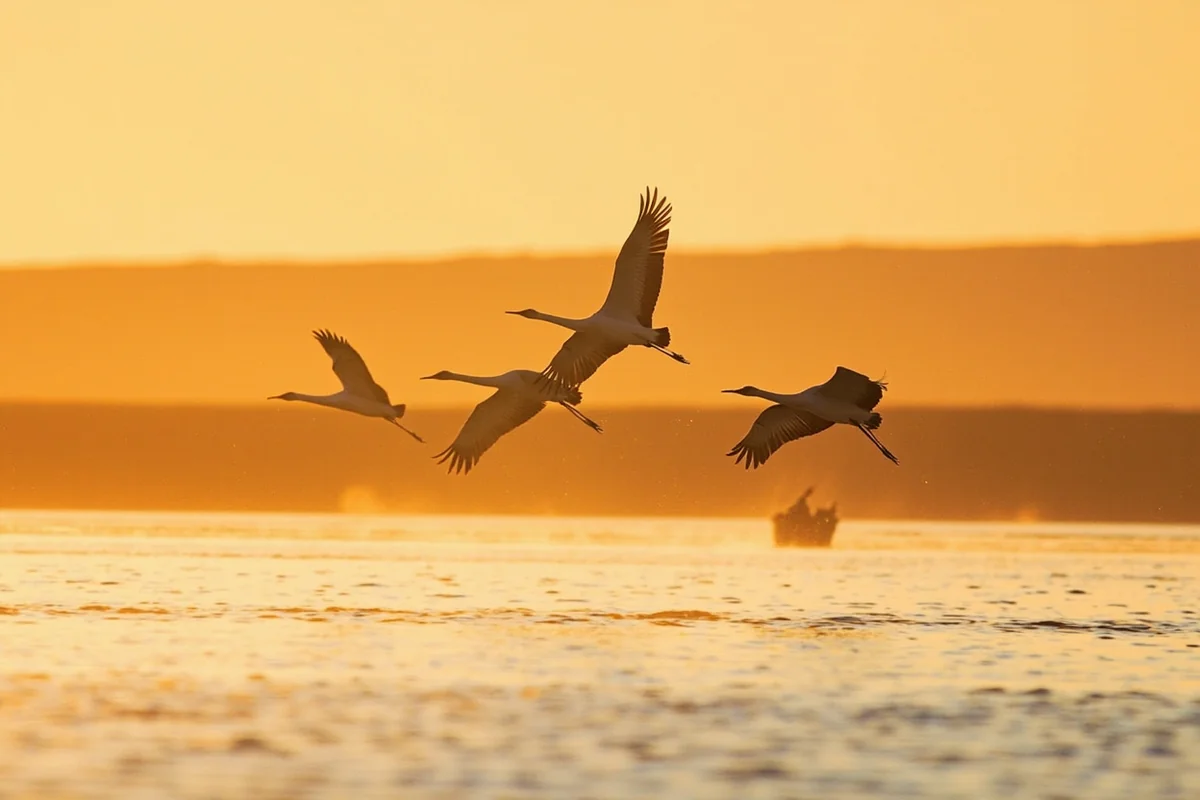
Spring and fall bring the best birdwatching, as migrating waterfowl and other species pass through the refuge’s wetlands and shoreline habitat in meaningful numbers.
The Fort Peck Interpretive Center
Just downstream of the dam, the Fort Peck Interpretive Center and Museum covers the dam’s construction history alongside displays on regional wildlife and dinosaur fossils recovered from the surrounding badlands.
It’s a worthwhile stop for context before or after exploring the lake itself, particularly if you want to understand the sheer scale of the New Deal-era engineering project that created this place. Hours vary seasonally, so I’d check current information before planning around it [verify current hours].
Fort Peck in the Context of Montana’s New Deal History
Fort Peck Dam wasn’t an isolated project — it was part of a broader wave of federal public works that reshaped rural Montana during the Depression, and it remains one of the most visible legacies of that era anywhere in the state.
For a broader look at how projects like this fit into the bigger picture, see my Montana history guide.
What’s easy to forget standing at the lake today is the sheer scale of labor involved: at its peak, the project employed more than 10,000 workers, and the “boom towns” that sprang up to house them, including the town of Fort Peck itself, briefly became some of the more populous places in this part of the state.
Birdwatching and the Wider Refuge
Beyond the bison herd, the Charles M. Russell National Wildlife Refuge supports a genuinely impressive range of bird species, and serious birders make dedicated trips here during spring and fall migration.
For a broader overview of what to look for across the state, my Montana bird species guide covers the species most likely to show up here as well as elsewhere in Montana.
I’ve had days along the lake’s shoreline where sandhill cranes, pelicans, and multiple raptor species all showed up within the same few hours.
Personal Tips / What I Wish I Knew
Fill up on gas and supplies before you arrive. This is genuinely remote country, and services thin out fast once you’re away from Glasgow or the town of Fort Peck itself.
Respect the wind. I’ve seen calm morning water turn into significant whitecaps by early afternoon on this lake more than once. If you’re in a smaller boat, plan your fishing around the calmer morning hours.
The bison at Downstream Campground are wild, not tame. They look approachable grazing near the campground, but keep a genuinely respectful distance — these are wild animals, not a roadside attraction.
Bring binoculars regardless of your main activity. Between the wildlife refuge, the bison herd, and the migratory bird traffic, I’ve never made a trip here without wishing I’d packed better optics.
If you are heading into the area from the direction of Glasgow, you’ll take Highway 24 south for about 17 miles to reach Fort Peck. For help timing a broader Montana trip around this remote corner of the state, my best time to visit Montana guide covers seasonal considerations statewide.
Paleontology in the Missouri Breaks
The badlands terrain surrounding Fort Peck Lake, part of the Hell Creek Formation, has produced some of the most significant dinosaur fossil discoveries in North America, including notable Tyrannosaurus rex specimens.
The connection between the lake’s remote setting and this paleontological significance isn’t accidental — the same erosion and exposed rock layers that make this landscape so stark and dramatic are exactly what make it such productive fossil-hunting ground.
The Fort Peck Interpretive Center’s fossil displays give a good introduction if you want context before exploring the surrounding badlands further.
Boating Logistics on a Lake This Big
Because Fort Peck Lake is so large and its many arms so remote from each other, I’d treat a boating trip here more like a backcountry expedition than a casual lake outing.
Fuel, water, and safety gear should all be planned with the assumption that help could be a long way off if something goes wrong.
Marinas near the dam offer the most reliable services, but once you’re out exploring the Hell Creek arm or further up the lake toward the Missouri Breaks, you’re genuinely on your own.
I’d also recommend checking current weather conditions before heading out, since this open, exposed water can turn rough with little warning.
Practical Info: Fort Peck Lake
| Best season to visit | May through September for full access and warmer water |
| Shoreline length | More than 1,500 miles |
| Nearest town | Glasgow, MT, about 17–20 miles away |
| Fishing license | Standard Montana state fishing license |
| Camping | Downstream Campground and West End Campground, plus primitive refuge camping |
| Interpretive center hours | Seasonal [verify current hours] |
| Surrounding land | Charles M. Russell National Wildlife Refuge, over 1 million acres |
Frequently Asked Questions
Is Fort Peck Lake the biggest lake in Montana?
Yes, by surface area, Fort Peck Lake is the largest lake in the state, with more than 1,500 miles of shoreline — more than the entire California coastline.
Is Fort Peck Lake natural or man-made?
It’s man-made, formed by Fort Peck Dam on the Missouri River, constructed starting in 1933 as one of the signature public works projects of the New Deal era.
What fish are in Fort Peck Lake?
The lake supports more than 50 fish species, with walleye as its signature catch, alongside northern pike, smallmouth bass, channel catfish, chinook salmon, and paddlefish.
How far is Fort Peck Lake from a major town?
The town of Glasgow, MT, sits about 17–20 miles from the lake and dam, and is the closest town with substantial services.
Can you see bison at Fort Peck Lake?
Yes, a wild bison herd is regularly visible near the Downstream Campground below the dam, a distinctive feature of this particular lake.
A Different Kind of Montana Lake Trip
If your mental image of a Montana lake vacation involves mountains rising straight out of the water, recalibrate before you come here.
Fort Peck Lake’s landscape is prairie and badlands, not alpine peaks, and that’s exactly the point for the kind of traveler this place is meant for — someone chasing open sky, serious fishing, and a level of solitude that’s genuinely hard to find anywhere else in the state.
Final Thoughts
Fort Peck Lake rewards visitors willing to make the drive into genuinely remote Montana. It won’t give you the mountain-backdrop postcard shots of Flathead or Glacier’s alpine lakes, but it offers something those places can’t: real solitude, a serious walleye fishery, and a wildlife refuge landscape that feels like the edge of the map even in the 21st century.
Every time I’ve made the long drive out here, I’ve left thinking about how few other places in the entire country still offer this much genuine emptiness on this large a scale, and how rare that’s becoming everywhere else.
For more of Montana’s Missouri River lakes, see my guide to Canyon Ferry Lake, or check out the complete guide to Montana’s best lakes for the rest of the state.
Whatever else is on your Montana itinerary, this lake is worth the extra driving day it takes to reach it — few other places in the entire state reward patience and preparation quite this generously.