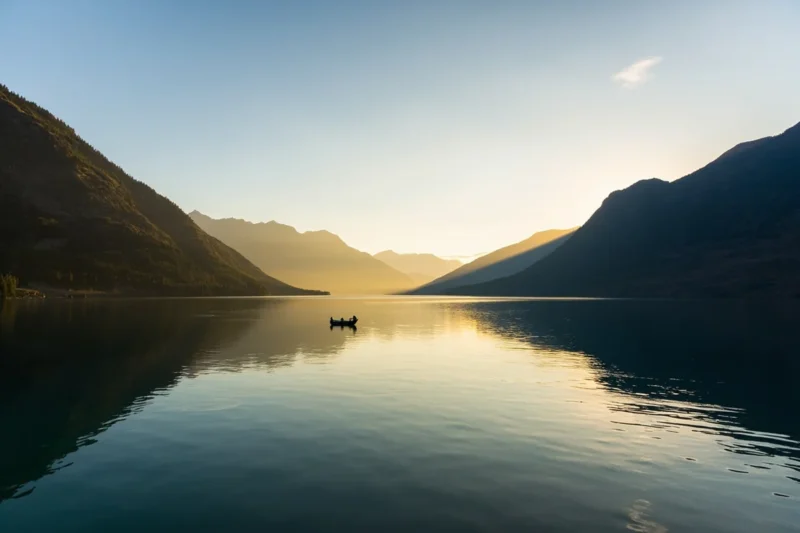
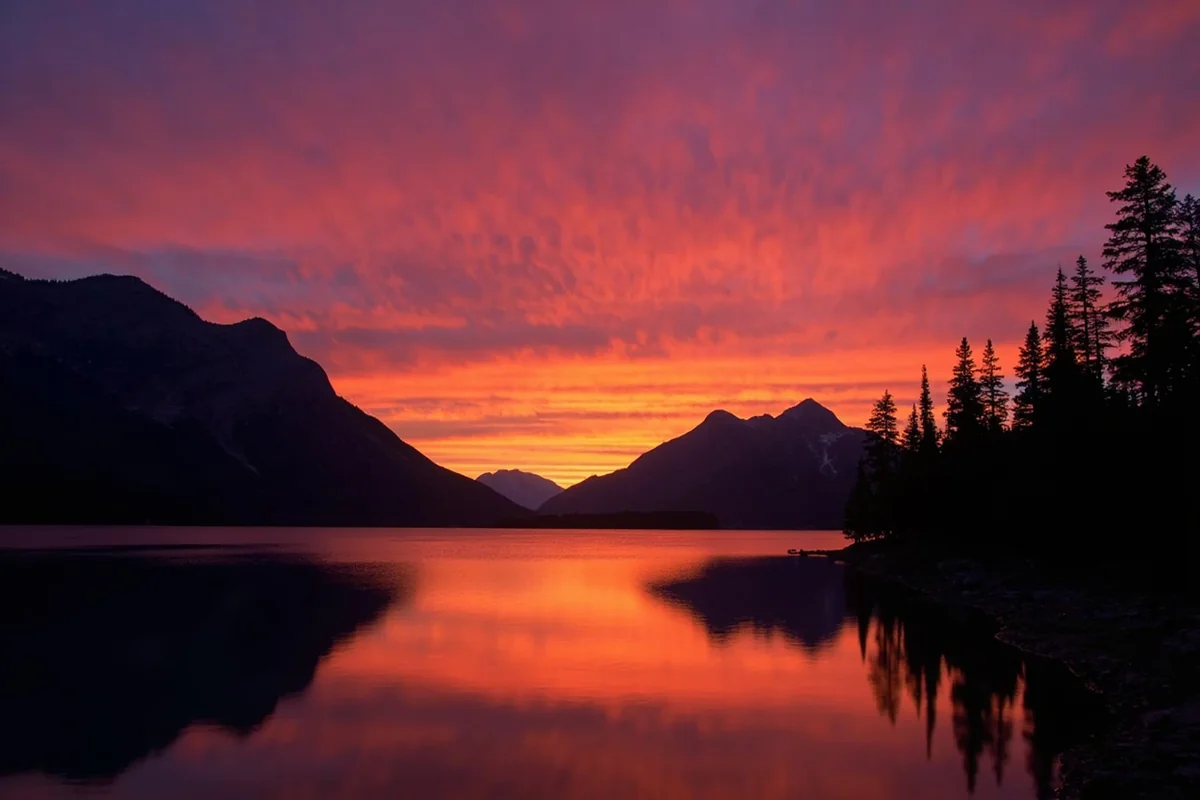
I was filtering water at the edge of Bowman Lake one evening in August, the sun dropping behind the Livingston Range, when a wolf howled from somewhere across the water.
Nobody else was around to hear it with me. That’s Bowman Lake in a single moment — one of the few places left in Glacier National Park where the wildest thing you experience isn’t a crowded overlook, it’s actual wilderness.
Bowman Lake sits in Glacier’s remote North Fork region, reached by a rough 30-mile drive from West Glacier through the tiny community of Polebridge. This guide covers the notoriously bad access road (and why your rental car agreement probably forbids it), the hikes and paddling that reward the effort, the campground that regulars call the best front-country site in the park, and the wildlife — including wolves — that makes this lake genuinely different from anywhere else in Glacier.
Liked this article?
Add Roaming Montana as a preferred source so you see more of our articles and guides on Google.
Where Bowman Lake Is and Why So Few People Go
Bowman Lake sits in the North Fork region, in the northwestern corner of Glacier National Park, about 30 miles from the West Glacier entrance. Unlike Lake McDonald or St. Mary Lake, which sit directly on paved, well-maintained park roads, Bowman Lake requires a deliberate detour: north from West Glacier or Columbia Falls on North Fork Road to the tiny, off-grid community of Polebridge, then another roughly 6 miles on an even rougher road back into the park to reach the lake itself.
That access difficulty is the entire reason this lake stays quiet. At 1,700 acres, Bowman is actually Glacier’s third-largest lake, behind only Lake McDonald and St. Mary Lake — but because so few visitors make the drive, it feels far smaller and far more remote than its size would suggest.
The Road (Read This Before You Rent a Car)
I need to be direct about this because it trips up more visitors than almost anything else on this list: most rental car agreements explicitly prohibit driving on the roads to Bowman and Kintla Lakes, and doing so anyway can void your contract if anything goes wrong.
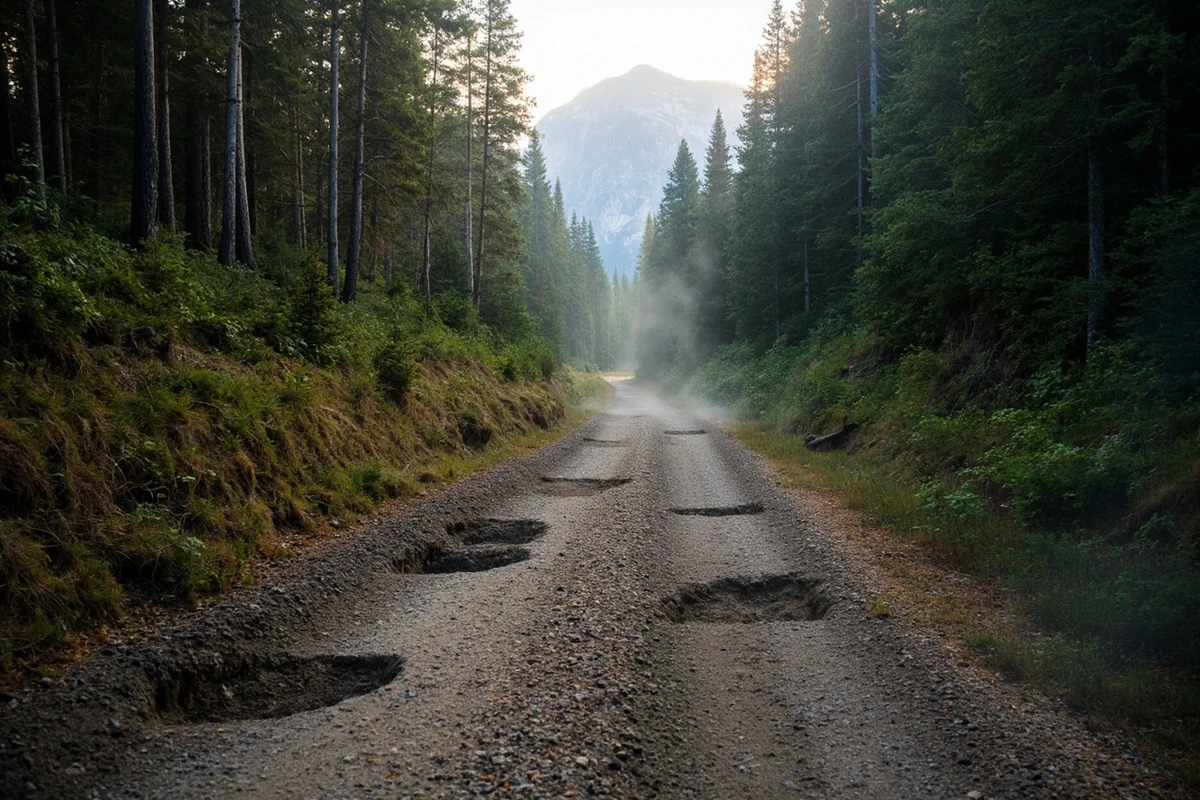
The road is narrow — often barely wider than a single car — potholed, washboarded, and rutted for the majority of its length, first on the public North Fork Road to Polebridge and then on the rougher final stretch into the park itself.
I’ve made this drive in a personal vehicle with decent clearance and found it manageable at a slow, careful pace, maybe 20-25 minutes for the final stretch alone.
For a sense of how this compares to the park’s easier lakes, my Lake McDonald guide covers the opposite end of the accessibility spectrum.
I would not attempt it in a low-clearance sedan, and I’d think twice in anything I couldn’t afford to have towed, since cell service is nonexistent for most of the drive and help could be a long way off.
Take it slow, expect dust in dry conditions and slick mud after rain, and budget more time than your GPS estimates.
Polebridge: The Last Stop for Supplies
Before continuing to the lake, nearly everyone stops in Polebridge, a community so small it barely qualifies as a town — a handful of buildings centered on the Polebridge Mercantile, built in 1914 and still baking fresh goods daily.
I’ve made a point of grabbing one of their huckleberry bear claws every single time I’ve passed through, and I’d consider it close to mandatory at this point.
There’s no gas station here, so fill up in Columbia Falls or West Glacier before you head out, and stock up on any food or water you’ll need, since Bowman Lake itself has no services beyond the campground.
Hiking at Bowman Lake
The lake anchors several trails worth the drive on their own merits:
- Bowman Lake Trail — runs 7.1 miles one-way along the lake’s north shore to Bowman Lake Head and eventually connects toward Brown Pass and the Continental Divide. Most day hikers walk a few miles in and turn back, since the full trail is really a backpacking route.
- Numa Ridge Lookout Trail — a steep, moderate 5.6-mile round trip climbing nearly 2,900 feet to a working fire lookout with sweeping views of the Whitefish Range and the lake far below.
- Quartz Lake Loop — a longer, roughly 12.8-mile round trip into the quieter Quartz Lake basin, for visitors wanting a full day of genuine solitude.
I hiked the first few miles of the Bowman Lake Trail on a quiet Tuesday morning and passed maybe four other people the entire time — a contrast I still can’t get over compared to trails on the Going-to-the-Sun Road side of the park.
Paddling Bowman Lake
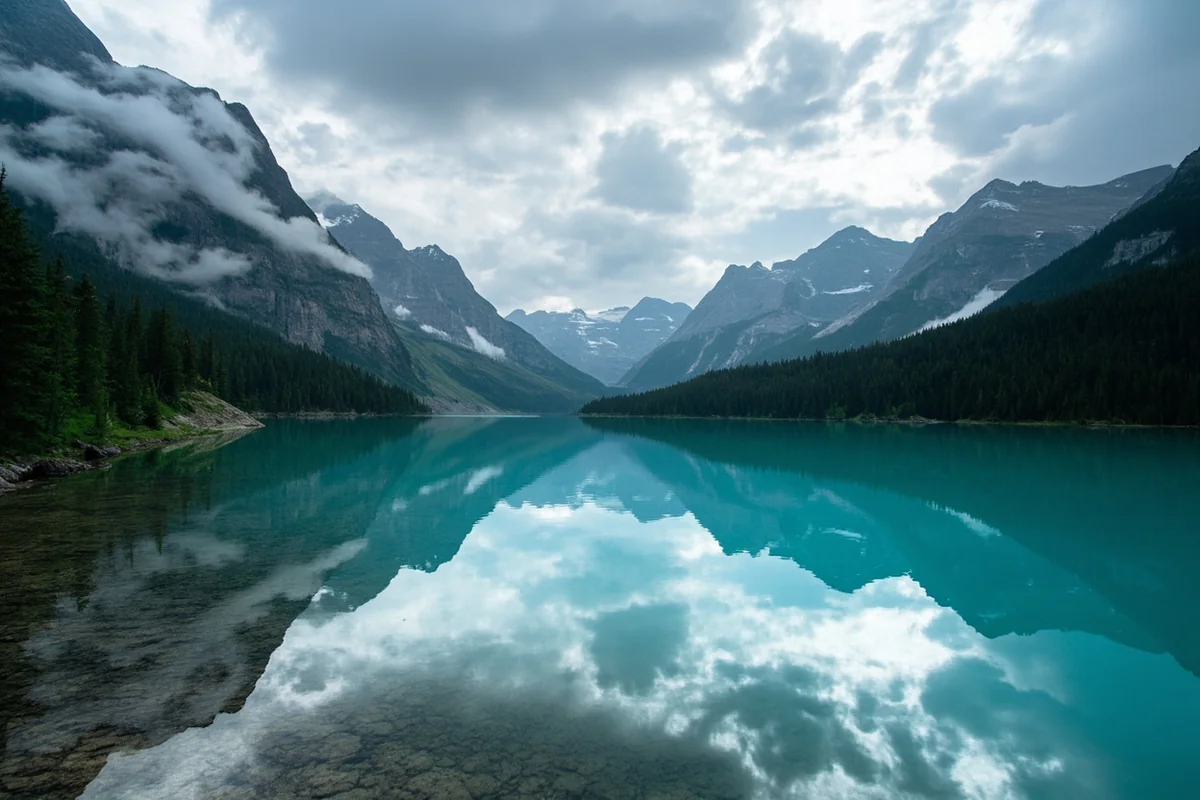
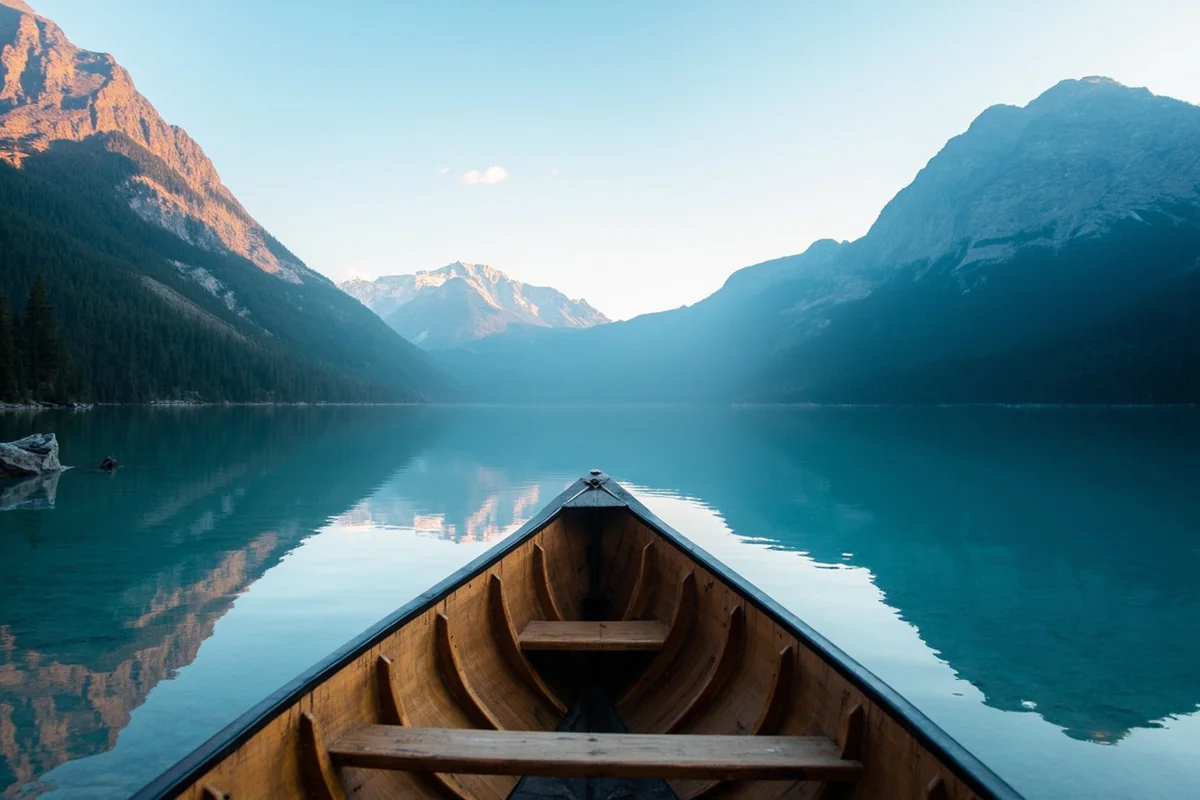
This is where Bowman genuinely shines. Motorized boats up to 10 horsepower are permitted on the lake (a detail worth knowing if you were hoping to bring a bigger boat), but the real draw is canoeing or kayaking on water so clear I’ve watched my paddle blade stay visible several feet down.
I’ve spent entire mornings here without another boat in sight, just loon calls and the occasional splash from a fish rising.
Fishing Bowman Lake
I’ll be straightforward: this isn’t a lake to visit specifically for the fishing. The water is cold enough, fed entirely by snowmelt, that it limits what survives here — mostly small cutthroat trout and kokanee salmon, with the occasional, rarely-caught bull trout.
If serious fishing is your priority, I’d point you toward Lake McDonald or one of the park’s other lakes instead. A free Glacier National Park fishing permit covers Bowman if you want to try anyway.
Bowman Lake Campground
Ask anyone who’s stayed here and they’ll likely tell you the same thing I will: Bowman Lake Campground is one of the best front-country campgrounds in the entire park, precisely because it’s so hard to reach.
It offers 48 first-come, first-served sites, tent-only (no towed units permitted given the road), with pit toilets and potable water available in peak season.
Fees run around $15 per night in peak season, dropping to about $10 in the shoulder season when water access is shut off [verify current fees].
I’ve arrived by mid-afternoon in July and still found a site, though I wouldn’t count on that being true every summer weekend.
The campground sits back from the lake through a short walk in the trees rather than directly on the shoreline — a minor tradeoff compared to Kintla’s lakeside sites, but still a beautiful, quiet spot to sleep.
The Wildlife That Makes This Lake Different
Bowman Lake’s forested valley supports healthy numbers of white-tailed deer and elk, and this is one of the more reliable areas in the park to spot lynx and mountain lion, though both remain elusive.
Bald eagles, loons, and ospreys are common along the shoreline for birders. But the detail that sets Bowman apart from virtually everywhere else in Glacier: this is genuine gray wolf habitat, one of the few areas in the park where wolves are consistently present.
I’ve only heard one howl in all my visits here, but that single evening has stuck with me longer than almost any wildlife sighting I’ve had anywhere else in Montana.
A Bit of History
The lake takes its name from Fred Bowman, a trapper believed to have come through the area around 1885, part of a wave of trappers and explorers who began working the North Fork region in the early 1800s. Long before that, the Salish, Blackfeet, and Kootenai Nations inhabited this region, and their history here predates any of the European place names now attached to the landscape.
Bowman Lake vs. Kintla Lake
If you’re trying to decide between the two remote North Fork lakes, here’s my honest breakdown after visiting both. Bowman is often described as the more classically scenic of the two, with a slightly easier (though still rough) access road.
Kintla’s campground sits directly on the lakeshore, which some visitors prefer, and it carries an even more remote, end-of-the-road feeling since it’s the last lake before the Canadian border country.
If you only have time for one, I’d lean toward Bowman for a first visit and add Kintla once you know what you’re getting into.
Comparing Bowman Lake to the Rest of Glacier
If you’ve spent time at Lake McDonald or along the Going-to-the-Sun Road corridor, Bowman Lake will feel like an entirely different park.
There’s no shuttle system, no crowded overlooks, and no cell service safety net — just a lake, a rough road, and considerably more room to think.
I’d recommend Bowman specifically to visitors who’ve already done the classic Glacier itinerary once and are ready to trade convenience for something quieter.
For lodging and services near the west entrance before you commit to the drive, Kalispell is your best staging point.
What to Pack for a Bowman Lake Trip
Given the remoteness, I pack differently for this lake than for anywhere else in the park. A paper map or downloaded offline map is essential, since you cannot count on phone service to correct a wrong turn.
I bring more water than I think I’ll need, a basic vehicle repair kit, and layers regardless of the forecast, since temperatures swing meaningfully between the valley floor and evening at elevation.
For a full rundown on grizzly and wildlife safety specific to backcountry travel like this, see my Montana bear safety guide.
Personal Tips / What I Wish I Knew
Fill your tank before Polebridge. There’s no gas station out here, and I’ve seen more than one visitor caught off guard by how far this drive actually is from the nearest station.
Pack bear spray and bug spray in equal measure. This is serious grizzly and wolf country, and mosquitoes can be significant in the warmer months, especially near the lake’s marshy inlets.
Don’t rely on cell service for anything. I plan this trip assuming zero connectivity from the moment I leave North Fork Road, which changes how I pack and how I communicate plans with anyone not traveling with me.
Go for at least one overnight if you can. A day trip here means most of your time is spent driving; staying even one night at the campground dramatically improves the ratio of driving to actually experiencing the lake.
Practical Info: Bowman Lake
| Lake size | Approximately 1,700 acres, Glacier’s 3rd largest lake |
| Maximum depth | Approximately 253 feet |
| Access | 30 miles from West Glacier via North Fork Road and Polebridge; final stretch is rough gravel |
| Rental car policy | Most rental agreements prohibit this road — check your contract |
| Camping | Bowman Lake Campground, 48 sites, first-come first-served, tent-only |
| Boating | Motors up to 10 HP permitted |
| Fishing permit | Free Glacier National Park fishing permit required |
Frequently Asked Questions
Can you take a rental car to Bowman Lake?
Most rental car agreements specifically prohibit driving on the roads to Bowman and Kintla Lakes, and doing so can void your rental contract. Check your specific agreement before attempting the drive.
How long does it take to drive to Bowman Lake?
From West Glacier, plan on close to an hour for the full 30-mile drive, including a slow, careful pace on the rough final stretch past Polebridge.
Is there cell service at Bowman Lake?
No, cell service is essentially nonexistent for most of the drive and at the lake itself. Plan accordingly and don’t count on being reachable.
Are there wolves at Bowman Lake?
Yes, this is one of the few areas of Glacier National Park with a consistent gray wolf presence, along with lynx and mountain lion, though sightings of all three remain uncommon.
Is Bowman Lake good for fishing?
Not especially — the cold, snowmelt-fed water limits fish to small cutthroat trout and kokanee salmon. It’s a better destination for paddling and hiking than serious fishing.
Final Thoughts
Bowman Lake rewards exactly the kind of visitor willing to trade convenience for solitude. The road will test your patience, but the payoff is a corner of Glacier that still feels genuinely wild — clear water, quiet trails, and, if you’re lucky, a wolf howl carrying across the lake at dusk.
For the even more remote lake further up this same road, see my guide to Kintla Lake, or check out the complete guide to Montana’s best lakes for the rest of the region.
If you’re already planning your visit around August or another peak summer month, build in extra time for the drive — it always takes longer than the map suggests.