I’ve made this hike specifically for the fishing more than once, caught almost nothing, and left completely satisfied anyway. That’s Fishercap Lake in a nutshell.
- Fishercap Lake sits about 0.8 miles from the Swiftcurrent trailhead in Many Glacier, on a nearly flat, easy trail
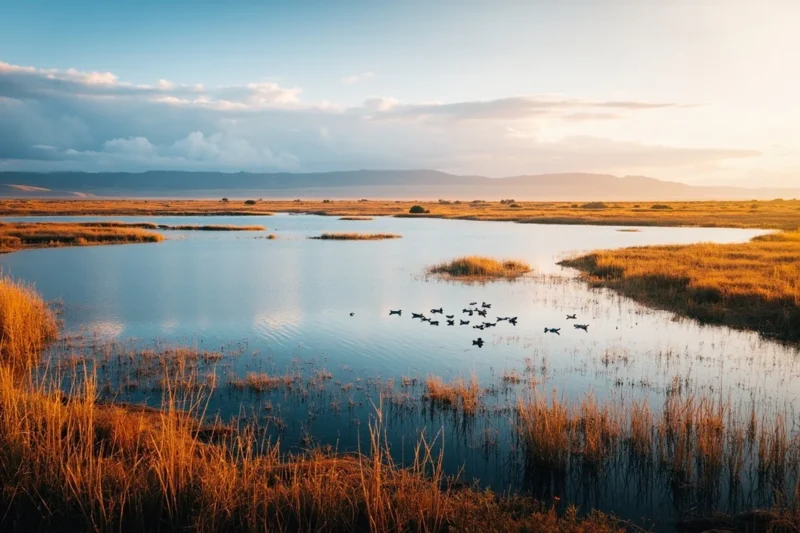
- It’s shallow and silty, which makes for poor fishing but ideal moose habitat
- This guide covers the short hike, wildlife odds, the lake’s unusual Blackfeet-derived name, and why it’s worth visiting even without a fishing rod
- No camping is allowed directly at the lake, but Many Glacier Campground sits just a mile away
Liked this article?
Add Roaming Montana as a preferred source so you see more of our articles and guides on Google.
An Easy Win in a Valley Full of Hard Hikes
Many Glacier is famous for demanding trails — Grinnell Glacier, Iceberg Lake, the Cracker Lake route. Fishercap Lake stands out as the exception.
At just 0.8 miles from the trailhead with essentially flat terrain, this is one of the easiest genuine payoffs in the entire valley. I’ve brought visitors here who weren’t up for a serious hike and watched them come away just as impressed as anyone returning from Grinnell Glacier.
Getting to the Trailhead
The trailhead sits at the end of Many Glacier Road, where the pavement stops at a parking lot beside the lodge and restaurant. From the St. Mary entrance, head north on US-89 for about 8 miles to Babb, then turn onto Route 3, which is Many Glacier Road.
Follow that road another 12 miles to its end at the Swiftcurrent Motor Inn. The Swiftcurrent Pass Trail, which leads to Fishercap Lake, begins right from that same parking area.
I’d note that you’ll need a valid park entrance pass, and during peak season, a vehicle reservation may be required to access Many Glacier at all [verify current vehicle reservation requirements].
A Name With a Real Story Behind It
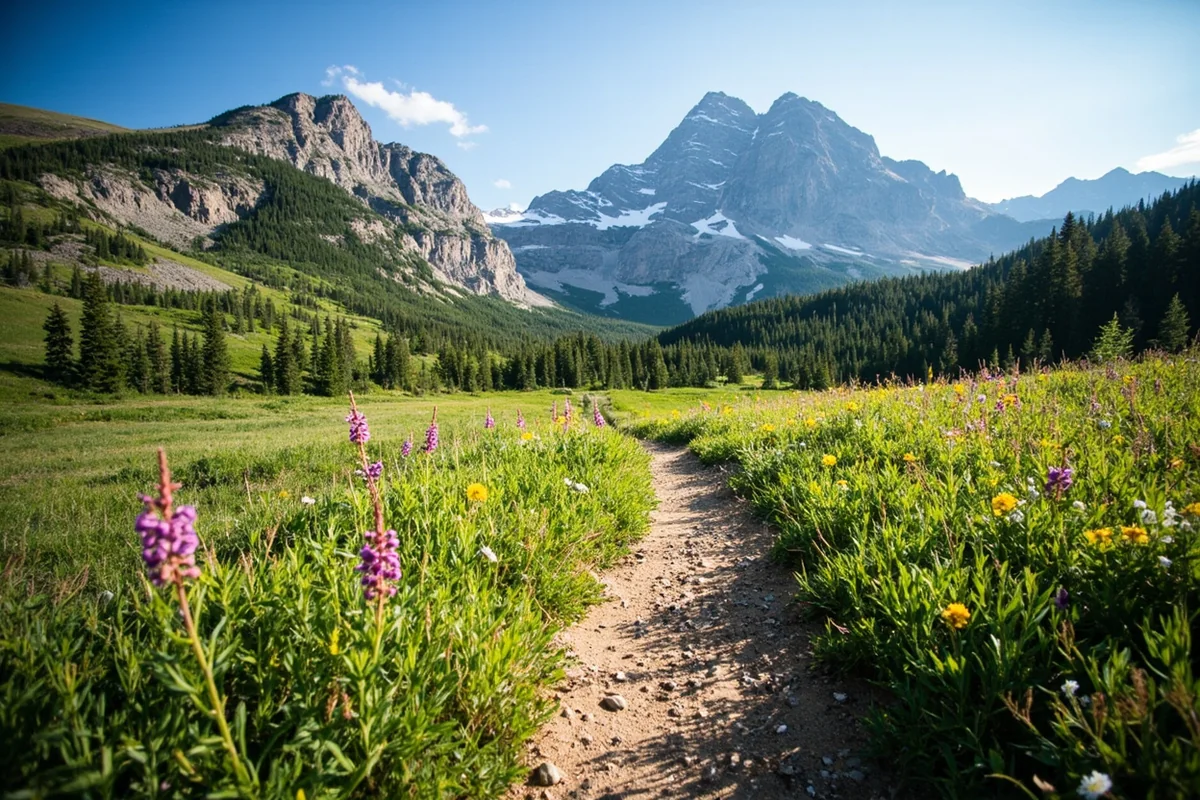
Fishercap Lake carries an unusual naming history worth knowing. It was named for George Bird Grinnell, the same explorer and conservationist behind Grinnell Lake and Grinnell Glacier nearby.
The specific name “Fishercap” was reportedly given to Grinnell by the Blackfeet people. I find this detail genuinely interesting — most lakes in this valley carry either straightforward descriptive names or names honoring the same handful of early park advocates, and this one connects directly to Blackfeet naming tradition instead.
Why the Fishing Disappoints (And Why That’s Okay)
I’ll be upfront: Fishercap Lake is not where you come for a serious fishing trip. The water runs shallow and notably silty, a combination that doesn’t favor big fish or easy casting.
Small brook trout do live here in decent numbers, and I’ve caught a few wading the boggy shoreline in waders. If you’re patient and don’t need trophy-sized fish to call the outing a success, you can genuinely have a pleasant afternoon here.
Streams flowing into and out of the lake occasionally hold slightly better luck than the main body of water itself.
The Real Draw: Moose
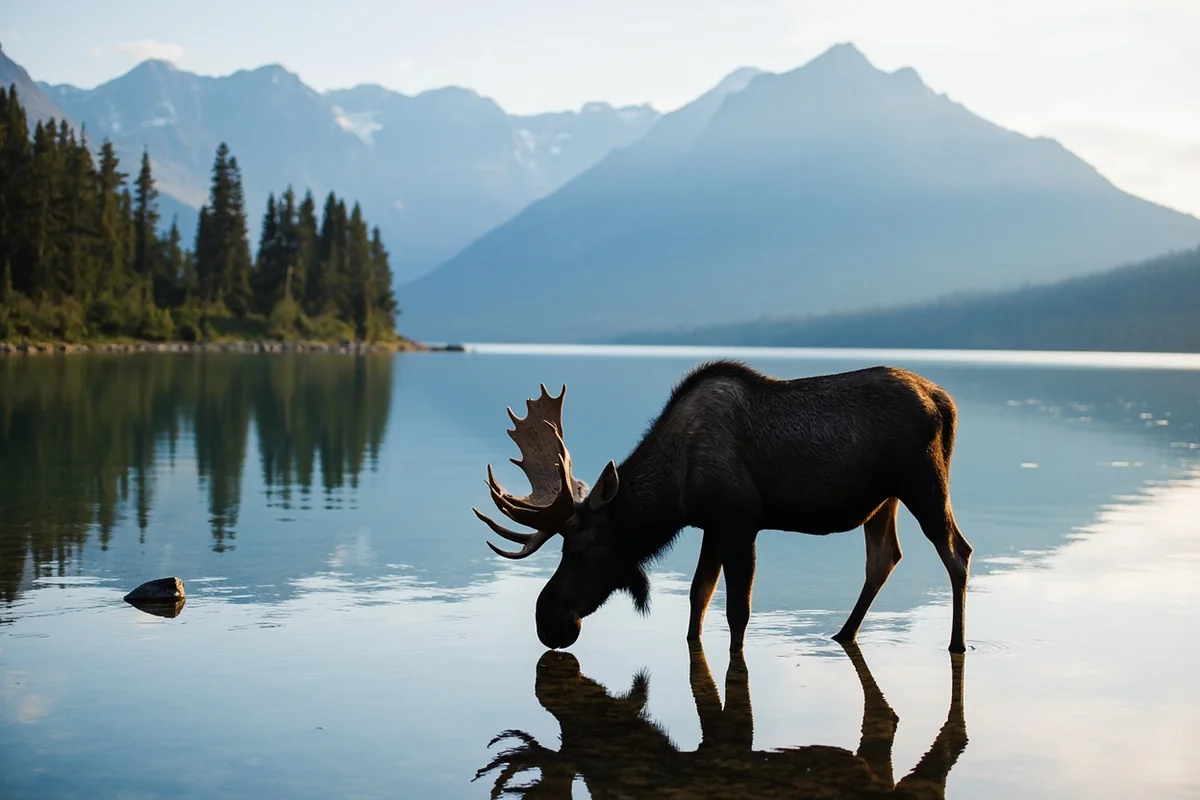
This is why people actually make the trip. Fishercap Lake ranks among the best moose-viewing spots in the entire Many Glacier Valley, and I mean that as a genuine, repeated observation rather than a marketing claim.
I’ve seen moose here on the majority of my visits, often standing belly-deep in the shallow water feeding on aquatic plants. Dawn and dusk consistently offer the best odds, matching typical moose activity patterns.
I’d keep a respectful, genuinely safe distance regardless of how docile a feeding moose might look. They’re large, unpredictable animals capable of serious harm if they feel threatened or protective of a calf.
The Scenery Beyond the Wildlife
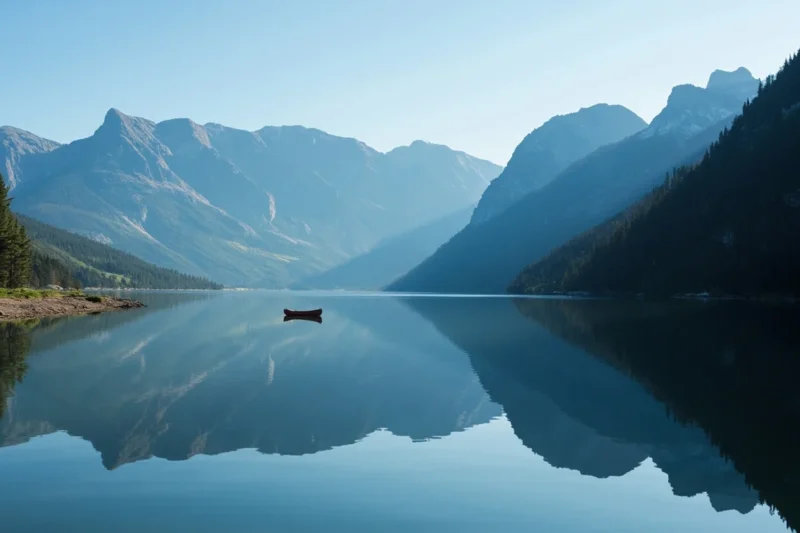
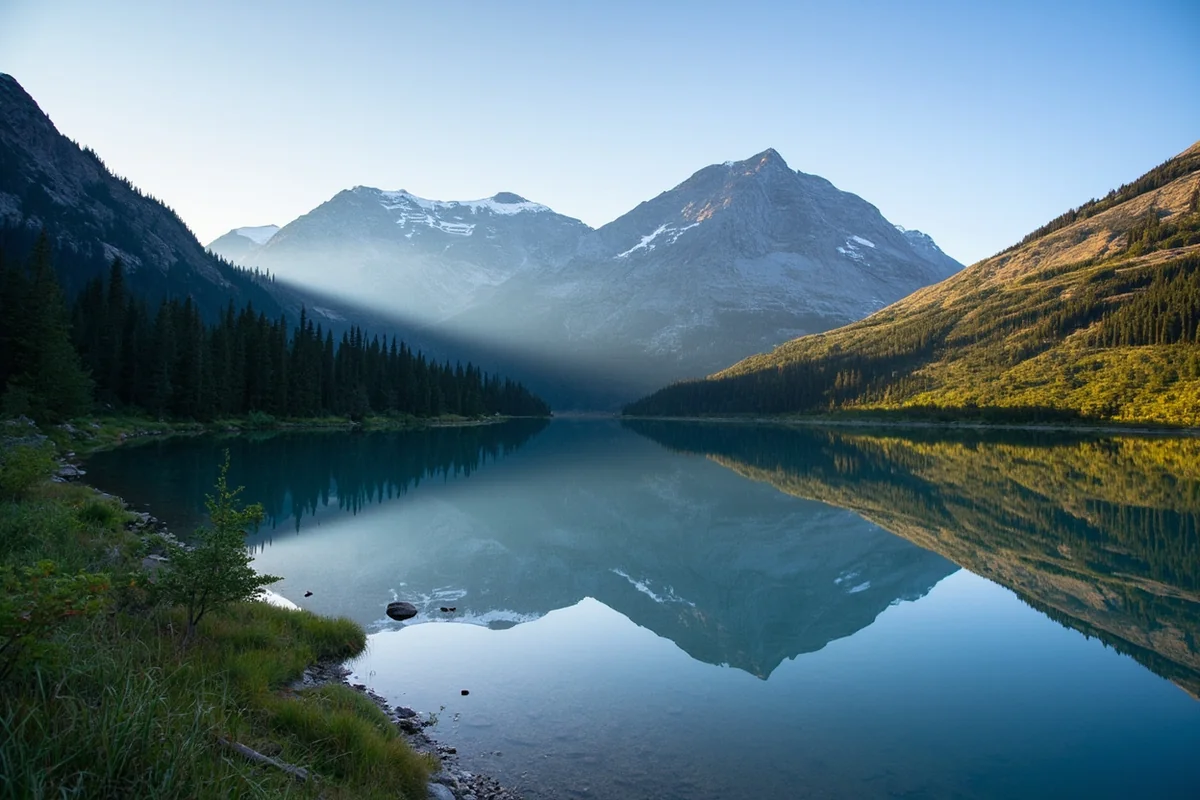
Mount Wilbur rises directly to the west of the lake, providing a genuinely dramatic backdrop for a body of water this modest in size. The surrounding peaks reflect in the clear, shallow water on calm mornings in a way that photographs beautifully.
I’d rank this as one of the better easy-access photo opportunities in Many Glacier, precisely because so few visitors make the short walk out here compared to the busier trails toward Grinnell or Iceberg Lake.
Combining Fishercap With a Bigger Many Glacier Day
Because the hike here is so short, I rarely treat it as a standalone destination. Most of my visits have folded a stop at Fishercap into a bigger day exploring the Many Glacier Valley — a quick detour on the way to or from a longer hike toward Grinnell Glacier or Iceberg Lake.
If you’re staying at the Many Glacier Hotel or Swiftcurrent Motor Inn, this makes an easy early-morning walk before breakfast, when moose sightings are also at their best.
No Camping at the Lake Itself
Camping directly on Fishercap Lake’s shoreline isn’t permitted. That said, Many Glacier Campground sits just about a mile away, making this an easy add-on for anyone already staying there.
That campground offers water access, picnic tables, and flush toilets, with the Swiftcurrent Motor Inn within walking distance for anyone wanting a meal without cooking camp food.
What Makes Moose Habitat Work Here
I’ve wondered why Fishercap Lake specifically attracts moose so reliably compared to other water in the valley, and the shallow, silty character that ruins the fishing is exactly what makes it good moose habitat. Moose feed on aquatic vegetation that grows well in shallow water with a soft bottom.
Deeper, clearer lakes like Swiftcurrent don’t support the same density of that vegetation near shore, which is part of why moose concentrate here instead. It’s a good reminder that a lake’s “flaws” for one purpose often explain its strengths for another.
Photography Tips Specific to This Lake
Because Fishercap Lake sits so low relative to the surrounding peaks, I’ve found the best reflection shots happen within the first hour or two after sunrise, before wind picks up across the open meadow terrain.
Mount Wilbur’s reflection on a truly still morning is genuinely one of my favorite simple compositions in this whole guide.
A telephoto lens helps enormously if moose photography is your goal, since maintaining safe distance while still getting a usable shot requires more reach than a standard lens provides.
A Realistic Time Budget
Given the short distance involved, I’d budget no more than 30 to 45 minutes at the lake itself for most visitors, plus the roughly 15-20 minutes each way for the walk. That makes this one of the most time-efficient stops in the entire Many Glacier Valley relative to what it delivers.
I’ve fit a Fishercap Lake visit into mornings that also included breakfast at the lodge and a full afternoon hike elsewhere, without feeling rushed at any point.
Personal Tips / What I Wish I Knew
Go at dawn or dusk specifically for moose. I’ve had my best sightings well before most day-trip traffic arrives in the valley, or in the calmer evening hours as other visitors head back to their cars for dinner.
Don’t expect serious fishing. Come here for the wildlife and scenery, and treat any fish you catch as a bonus rather than the point of the trip — I’ve never once left disappointed even on days when nothing bit at all.
Pair it with a longer hike. The short distance here makes it easy to add to a bigger Many Glacier day without significantly extending your time commitment, and I rarely visit without folding it into a larger loop through the valley.
Keep a genuinely safe distance from any moose you spot. They look docile grazing in shallow water, but they’re unpredictable animals that can move and react faster than people expect, especially cows with calves nearby in late spring and early summer.
Practical Info: Fishercap Lake
| Trail distance | About 0.8 miles from the Swiftcurrent trailhead, nearly flat |
| Difficulty | Easy |
| Best wildlife viewing | Dawn and dusk, especially for moose |
| Fishing | Poor to fair; small brook trout, shallow silty water |
| Camping | Not permitted at the lake; Many Glacier Campground about 1 mile away |
| Fishing permit | Free Glacier National Park fishing permit required |
Frequently Asked Questions
How long is the hike to Fishercap Lake?
About 0.8 miles from the Swiftcurrent trailhead in Many Glacier, on nearly flat terrain, making it one of the easiest hikes in the valley.
Is Fishercap Lake good for fishing?
Not particularly. The water is shallow and silty, which limits both fish size and casting conditions, though small brook trout are present in decent numbers.
Why is it called Fishercap Lake?
It was named for conservationist George Bird Grinnell, using a name reportedly given to him by the Blackfeet people.
Is Fishercap Lake a good spot to see moose?
Yes, it’s considered one of the best moose-viewing locations in the entire Many Glacier Valley, especially at dawn and dusk.
Can you camp at Fishercap Lake?
No, camping isn’t permitted directly at the lake, but Many Glacier Campground sits about a mile away.
Part of a Larger Lake Chain
Fishercap Lake connects, at least conceptually, to a broader chain of lakes accessible from the same general trail network in Many Glacier. Swiftcurrent Lake, Lake Josephine, and Grinnell Lake all sit within a relatively compact area, each reachable from overlapping trailheads.
I think of Fishercap as the easy, low-commitment entry point to this whole system. Once you’ve done the short walk here, the same general trail network opens up toward considerably more demanding destinations if you want to keep going.
The Swiftcurrent Auto Camp Historic District
Fishercap Lake sits almost adjacent to this historic district, a detail most visitors walk right past without noticing. This area preserves some of the early automobile-era tourism infrastructure that shaped how visitors first experienced Many Glacier by car rather than train or horseback.
I’d take a few extra minutes to appreciate this history if you’re already in the area, since it adds useful context to how dramatically travel patterns in this valley have shifted over the past century.
A Good Rainy Day Option
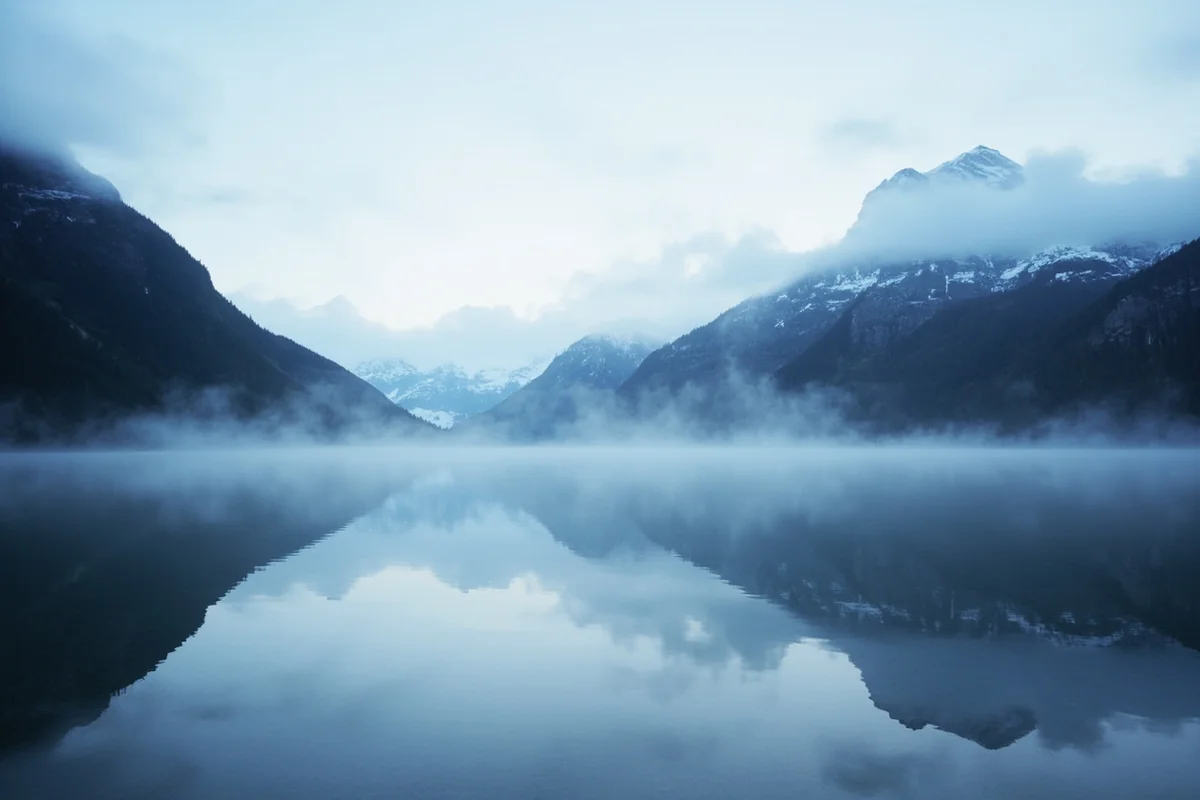
Because the trail here is so short and largely sheltered by surrounding terrain, I’ve used Fishercap Lake as a fallback option on days when weather ruled out longer, more exposed hikes elsewhere in Many Glacier. It won’t give you the same payoff as a clear-day trip, but a misty, quiet visit here has its own understated appeal.
Moose sightings, in my experience, don’t seem to depend much on weather either way, which makes this a reasonably reliable wildlife stop even when conditions elsewhere in the park turn unfavorable.
What Time of Year Works Best
Given the relatively low elevation and gentle terrain, this trail opens earlier in the season than many of Many Glacier’s more demanding routes. I’ve hiked here in early June with the surrounding peaks still heavily snow-covered while the trail itself remained clear and accessible.
Late summer brings the best moose activity, as animals feed heavily in preparation for the coming winter. I’d prioritize a visit sometime between July and September if wildlife viewing is your main goal.
One Last Reason to Make the Walk
I think the real case for Fishercap Lake comes down to expectation management. Visitors who arrive expecting a dramatic alpine lake on par with Grinnell or Iceberg will likely leave underwhelmed by the modest scenery here.
Visitors who arrive expecting a quiet, easy walk with a genuine shot at seeing a moose in its natural habitat tend to leave delighted. Setting the right expectation before you go makes all the difference in how this stop lands.
Final Thoughts
Fishercap Lake proves that not every worthwhile stop in Glacier requires a demanding hike or a trophy catch. Sometimes the payoff is simply watching a moose feed in still water while Mount Wilbur looms overhead, and that’s more than enough reason to make the short walk out here.
I’ve brought a lot of first-time Glacier visitors to this exact spot over the years, and it consistently ranks among their favorite memories from the whole trip, often more than trails that demanded far more effort to reach. For more of the connected trail network here, see my Grinnell Lake guide as a natural next stop.
For more of Many Glacier’s lakes, see my guides to Swiftcurrent Lake and Lake Josephine, or check out the complete guide to Montana’s best lakes for the rest of the region.
For lodging near this trailhead, see my Glacier National Park lodging guide, and for broader trail options in the valley, my Glacier hiking guide covers what else is worth your time.
For grizzly safety specifics in this high-density bear habitat, my Montana bear guide is worth a read before you go.