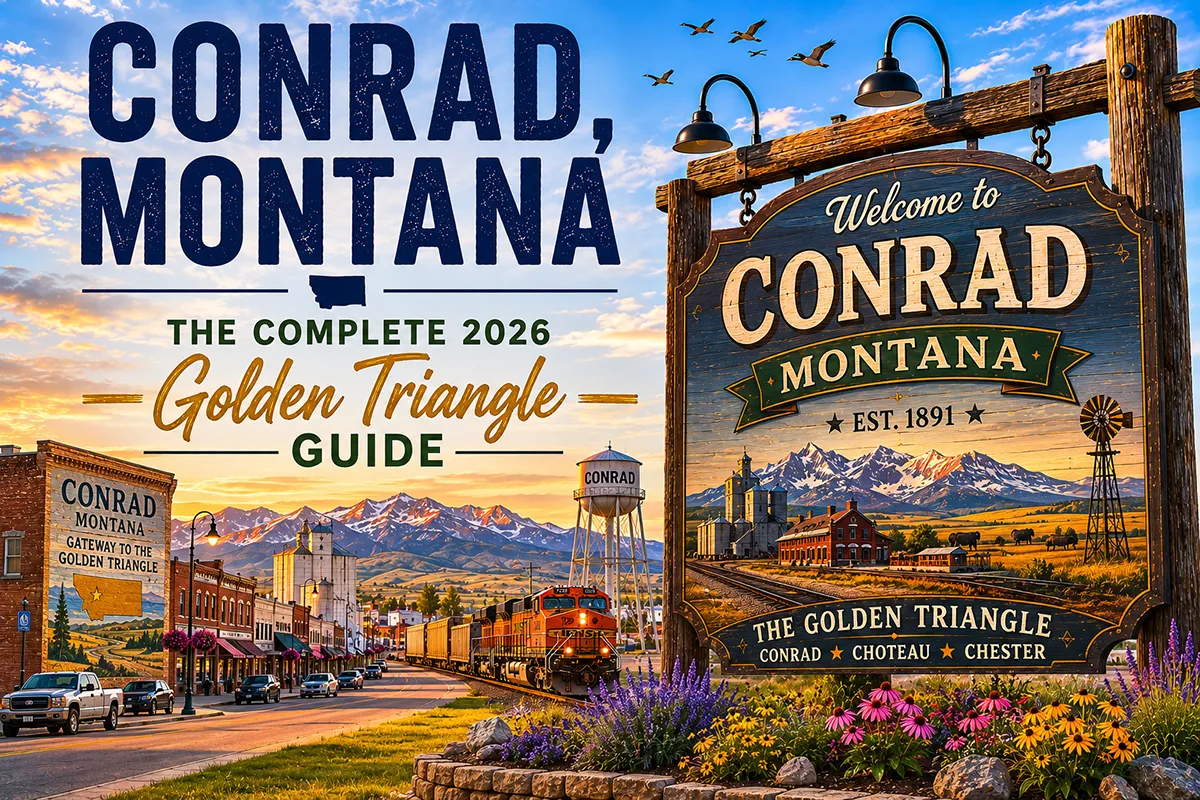
Conrad is a wheat-country county seat along I-15, where the prairie runs flat to the horizon and the Rocky Mountain Front rises on the western skyline.
TL;DR
- Conrad is the Pondera County seat, home to about 2,300 people, and a practical stop on I-15 between Great Falls and the Canadian border.
- Its appeal is small-town character: a restored 1917 theater, a local museum, Main Street shops and Whoop-Up Trail Days in early June.
- Lake Frances near Valier and the Rocky Mountain Front are the main day-trip draws.
- The wind, long distances and winter highway conditions shape every trip, so seasons matter more than they seem to.
Liked this article?
Add Roaming Montana as a preferred source so you see more of our articles and guides on Google.
What Conrad Is Like
Conrad is a working agricultural town. The 2020 census counted 2,318 residents, down from 2,570 in 2010, according to Wikipedia.
The town grew from 888 people in 1910 to a peak of 3,074 in 1980. It has lost population in each census since.
Conrad calls itself “The Heart of the Golden Triangle” and “As Country as They Come.” The Golden Triangle is the wheat-producing region of north-central Montana.
The landscape is big and open. Wheat and barley fields run to the horizon, grain elevators stand along the rail line and the mountains appear in the distance to the west.
Visitors will not find crowds or resorts. They will find a historic main street, friendly cafes and room to look around.
This guide covers what is actually in town, where to go nearby, when to visit and what to expect. It is part of the broader set of Montana cities and towns covered on this site.
Getting to Conrad
Conrad lies directly on Interstate 15. Wikipedia lists access at Exits 335 and 339.
Great Falls lies to the south, and Islands.com puts the drive at about an hour. Shelby lies north, about 30 minutes away.
Great Falls International Airport is the nearest commercial airport. The Montana airports guide compares options, and getting around Montana covers rental cars and long-distance planning.
Conrad also has a small airport about a mile west of town, according to Wikipedia.
A personal vehicle is the practical way to see the area. Public transit is not a realistic option.
A Short History: The Whoop-Up Trail and the Railroad
Conrad was incorporated in 1908. Islands.com notes that the area was the halfway point on the Whoop-Up Trail between Fort Benton, Montana, and Lethbridge, Alberta.
The Whoop-Up Trail was a freight route in the nineteenth century linking the Missouri River steamboat landing at Fort Benton to Canadian settlements. That heritage is why the town’s biggest event carries the name.
Railways later arrived, and agriculture became the base of the local economy.
The origin of the town’s name is. The live post connects it to Charles E. Conrad, but the sources reviewed do not confirm the details, so readers should treat the link as unconfirmed.
Pondera County took shape around irrigation and farming. Montana State University Extension reports that about 69 percent of county land is cropland and about 30 percent is pasture.
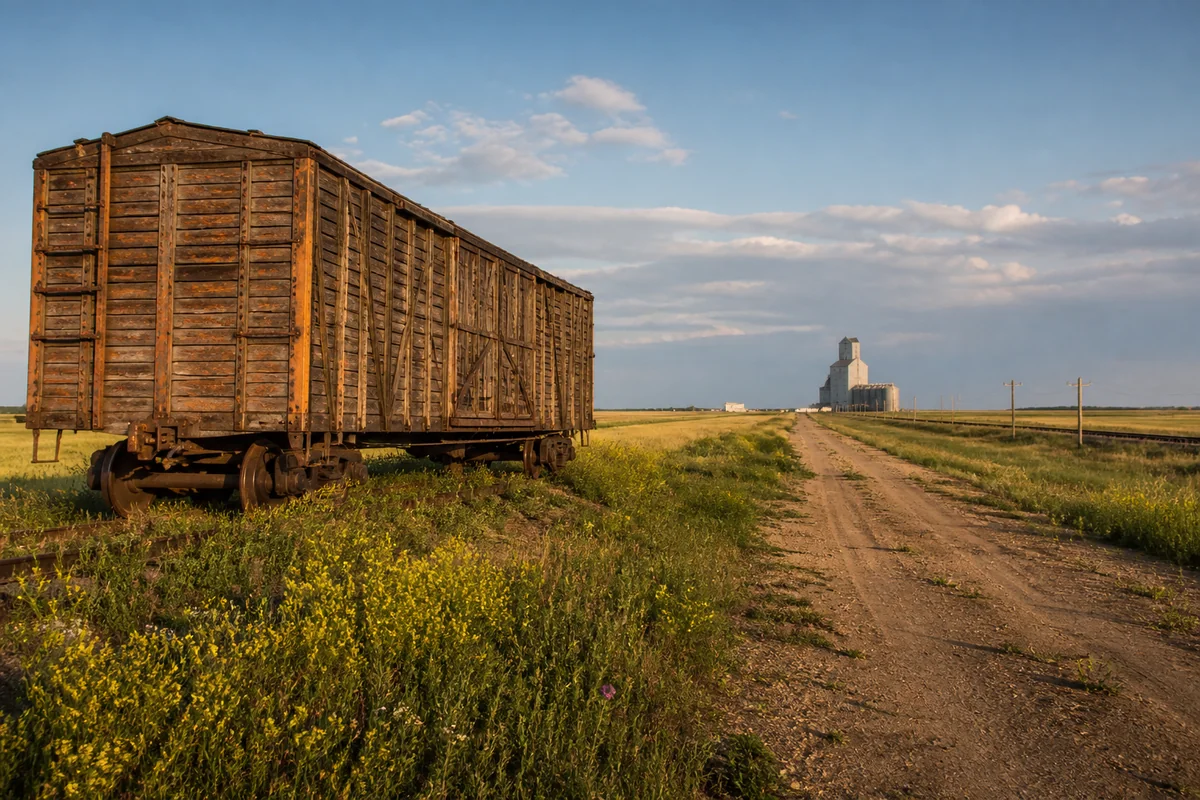
Downtown Conrad
Downtown is small, walkable and easy to see in an hour or two. It rewards a slow stop.
The Orpheum Theater
The restored Orpheum Theater dates to 1917. Islands.com says it shows movies and live performances and keeps some art deco features.
Conrad Transportation and Historical Museum
The museum has a reconstructed homestead shack, antique cars, memorabilia and a large drug-store collection, according to Islands.com. It is the best place to understand local pioneer life.
Conrad City Hall
Conrad City Hall, which also serves as the public library, is listed on the National Register of Historic Places, according to Wikipedia.
Shops and cafes
Islands.com names several downtown businesses:
- Folklore Coffee, a micro-roastery with pastries and light bites
- Java Hut, with changing daily specials
- Olson’s Drug, a pharmacy and gift shop with an original soda fountain
- Windrift Hill, selling goat-milk soaps
- My Wife and Her Crazy Ideas, selling vintage decor and antiques
Business hours and ownership change often in small towns. Confirm before driving over.
Whoop-Up Trail Days
The town’s signature event takes place in early June, according to Islands.com. Wikipedia calls the celebration Whoop Up Days and says it is held each June.
The program includes a two-day rodeo, a pancake breakfast, a Rhubarb Festival, parades and a fun run.
The weekend is the best time to see the town at its liveliest. It is also the time when lodging fills fastest.
Things to Do Around Conrad
Most of the appeal lies a short drive away.
Lake Frances near Valier
Lake Frances is a 3,618-acre reservoir southwest of Valier, according to Wikipedia. Northern pike, walleye and perch are the main game fish, and the lake is also used for ice fishing.
Geese, ducks, beaver and deer are among the wildlife listed. Check current access points, fish regulations and the warm-water fish stamp guidance before fishing.
The Rocky Mountain Front
Conrad is about an hour from the Rocky Mountain Front, according to Wikipedia. The Front is where the prairie meets the mountains, and it offers big views, wildlife and trailheads.
The Bob Marshall Wilderness Complex lies west of town, and Islands.com notes bear spray is strongly advised there.
Glacier National Park and the Blackfeet Reservation
Glacier National Park lies within about two hours, according to Wikipedia. Part of the Blackfeet Indian Reservation lies in western Pondera County, and Browning is a gateway to that country.
Respect tribal land rules and permit requirements when traveling on the reservation.
Golf
Pondera Golf Club is under five minutes from Main Street, according to Islands.com.
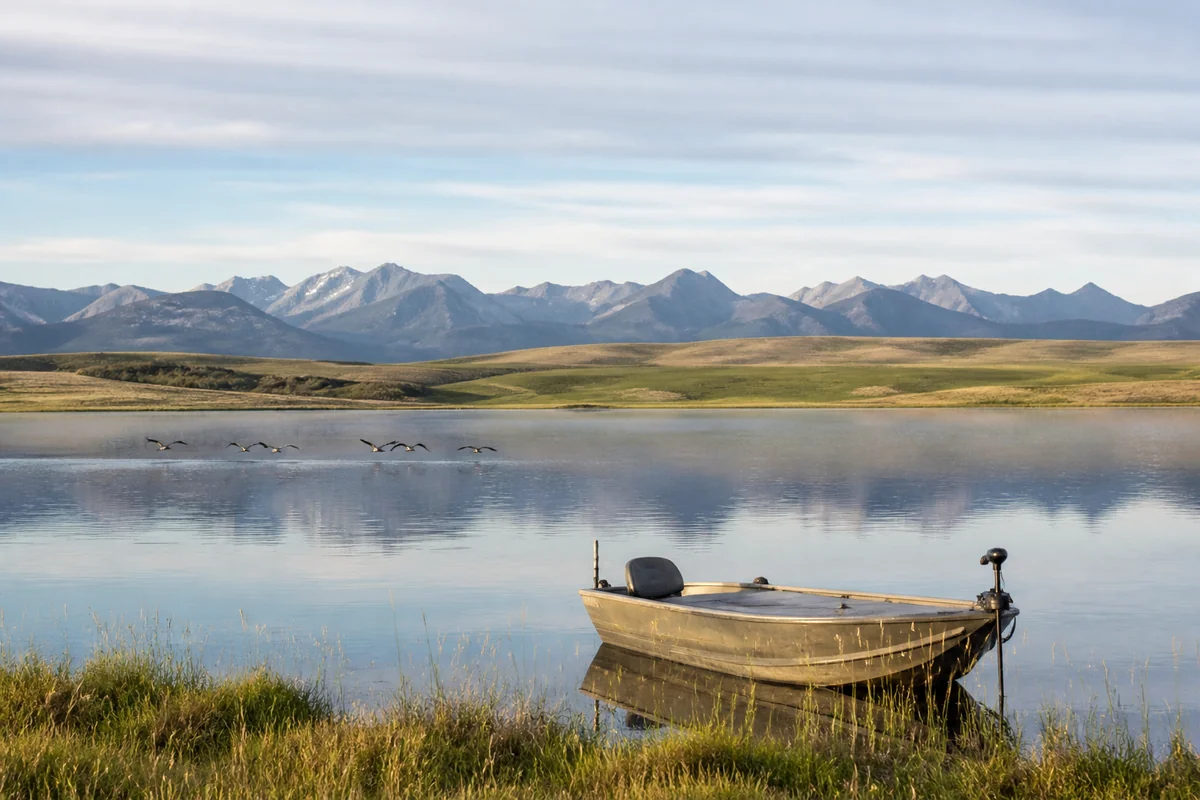
Understanding the Golden Triangle
The Golden Triangle is the wheat country of north-central Montana. Conrad sits at its western edge, where cropland meets the mountain front.
Montana State University Extension reports that Pondera County’s main crops are small grains, pulse crops, oilseeds and hay. Crop sales total about $76 million, and the county ranks third in Montana for market value of crops sold (2017 Census of Agriculture).
Livestock matters too. Cow-calf production is significant, and the county ranks third in the state for hogs, according to the same source.
The county also has five Hutterite colonies, which are part of the farming landscape. Visitors should treat colony land as private property and respect posted rules.
What the landscape looks like through the year
The fields change color with the seasons, and the shifts shape any photo or road trip.
- Spring: Green shoots and brown fallow ground, with muddy field roads.
- Early summer: Bright green fields, long evenings and frequent wind.
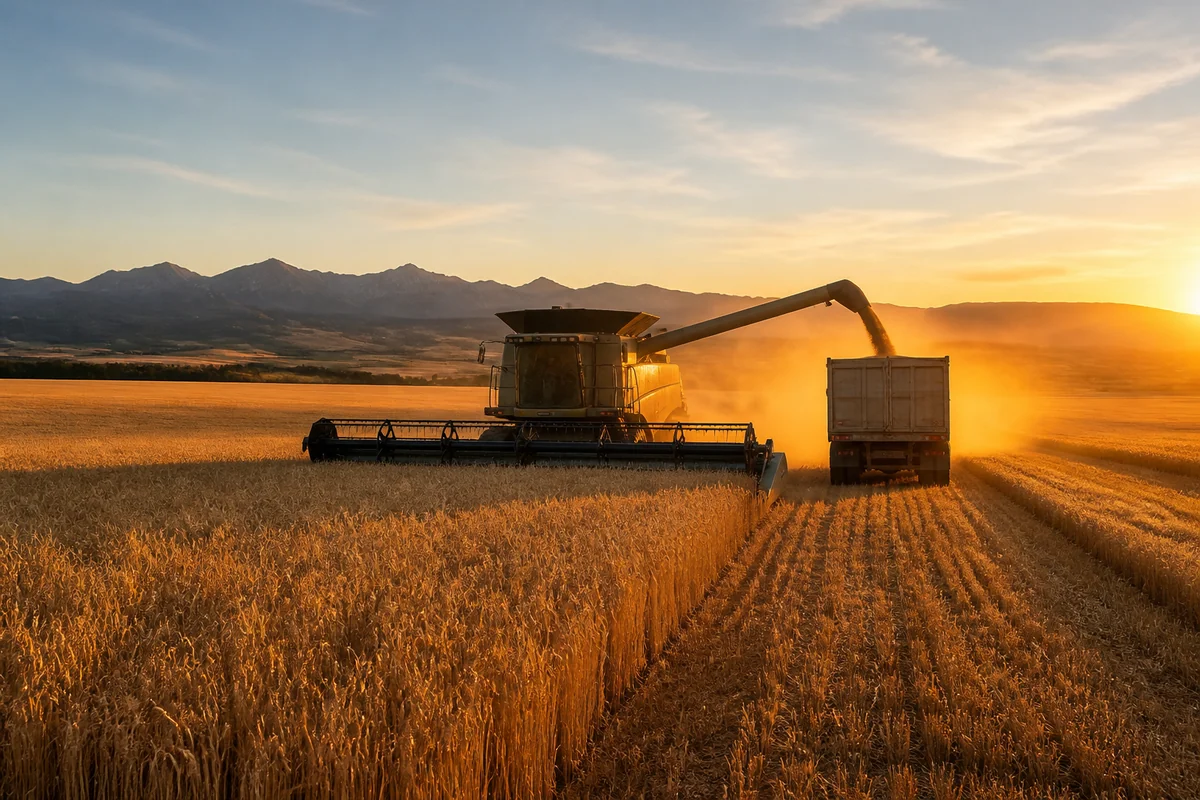
- Late summer: Wheat and barley turn gold before harvest.
- Fall: Stubble fields, combines and grain trucks on rural roads.
- Winter: White fields, drifting snow and low light.
Harvest traffic can slow rural drives, so patience helps. Slow farm equipment is common on county roads in late summer and early fall.
Three Road Trips From Conrad
Conrad works well as a hinge between the plains, the mountains and the border. Three simple routes show how.
South to Great Falls
The drive south on I-15 follows the prairie to Great Falls, about an hour away. The city offers museums, restaurants and an airport.
North to Shelby and the border country
Heading north leads to Shelby in about 30 minutes. Beyond Shelby, I-15 continues toward the Canadian border. Check border-crossing requirements and hours before planning a trip into Alberta.
West to the Rocky Mountain Front
West of Conrad, the prairie rises toward the Front. The drive is about an hour, according to Wikipedia, and it ends where plains meet peaks.
Gravel roads can be rough after rain, and cell coverage drops. Bring a spare tire and a paper map.
Birds, Wildlife and Quiet Roads
The prairie around Conrad is more alive than it first appears. Open country, wetlands and reservoirs attract a range of species.
Lake Frances lists geese and ducks among its wildlife, according to Wikipedia. Deer, beaver and small mammals also use the shoreline.
Early morning and dusk are the best times to watch. Drive slowly on rural roads, because deer and other wildlife cross frequently.
Binoculars and a field guide add a lot to a drive. Stay on public roads and do not enter private fields.
Prairie Driving: What to Know
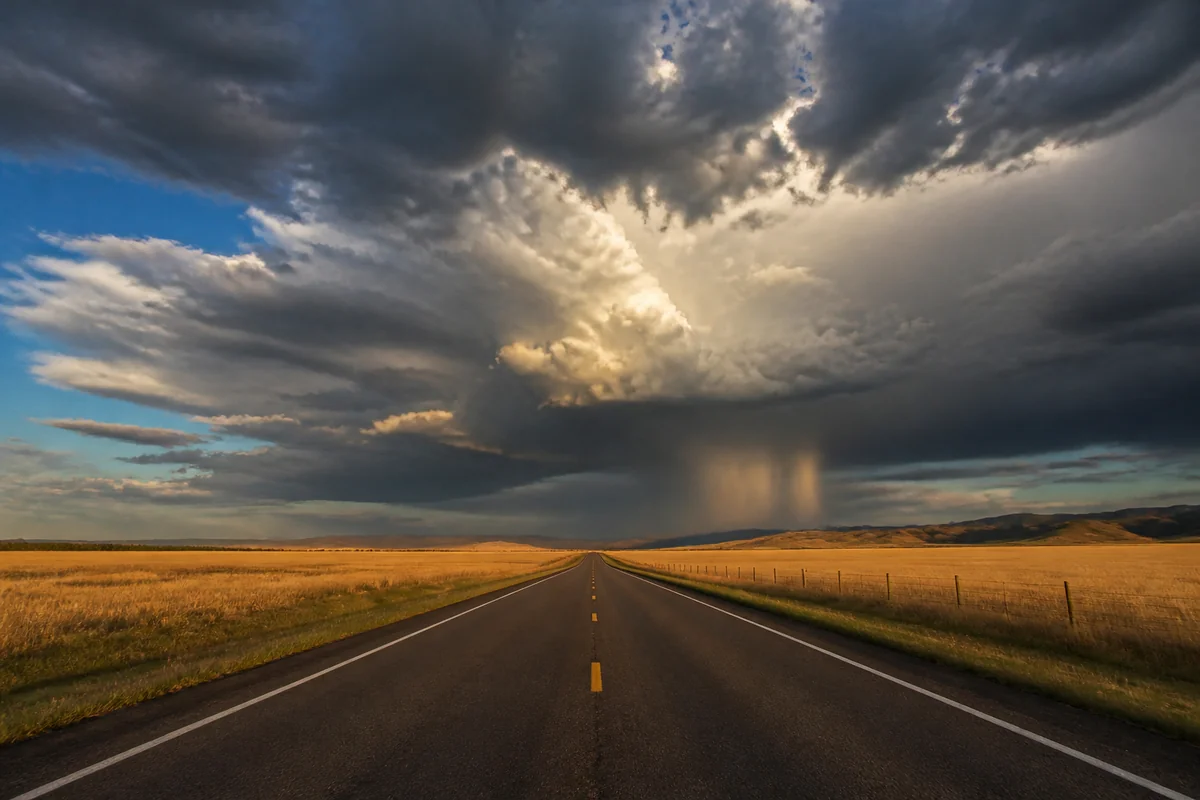
Rural Montana driving is simple but unforgiving. A few habits prevent problems.
- Check fuel before leaving the interstate, since stations can be far apart.
- Keep an eye on weather. Wind and storms can arrive fast.
- Carry water, snacks and a charged phone.
- Avoid unpaved roads after heavy rain or snowmelt.
- Respect “no trespassing” signs and gates.
- In winter, carry blankets, a shovel and a flashlight.
Where to Stay
Lodging in Conrad is limited, and listings change often. Search results show a mix of chain motels, rentals and campgrounds, including a KOA near town.
Book early for Whoop-Up Trail Days, hunting season and busy summer weekends.
| Base | Best for | Trade-offs |
|---|---|---|
| Conrad | Central Golden Triangle location and easy I-15 access | Fewer dining options |
| Shelby | A northern base with more highway services | A farther drive to Lake Frances |
| Great Falls | Airport, museums and the widest lodging choice | About an hour south |
| Valier | Lake Frances access | Very small and seasonal |
Where to Eat
Conrad has a handful of cafes and restaurants. Islands.com highlights Folklore Coffee and Java Hut.
The live post also names Tractor Brewing, The Pizza Place and Conrad Family Restaurant. These could not be confirmed, so check current listings.
Services are limited on weekends and holidays. Plan meals and fuel before heading toward the Front.
A Simple Conrad Day Plan
A balanced day mixes town, lake and prairie.
Morning. Coffee and pastries downtown, then a stop at the museum.
Midday. Drive to Lake Frances for a picnic, birdwatching or fishing.
Afternoon. Head west toward the Rocky Mountain Front for views. Return along rural roads and watch for wildlife.
Evening. Dinner in town, then a movie at the Orpheum if a show is scheduled.
When to Visit Conrad
Early June is the main event season because of Whoop-Up Trail Days. Summer brings long days and ripening fields.
Late summer and early fall offer harvest scenery. Wheat turns gold in the weeks before harvest.
Winter can be harsh. Wikipedia lists a record low of minus 46 degrees Fahrenheit and an average of about 47 inches of snow. The winter driving guide covers I-15 and rural road safety.
Annual precipitation is about 12.6 inches, according to Wikipedia, which means summers are mostly dry and winds are common.
For the wider seasonal picture, see the best time to visit Montana.
| Season | What to expect |
|---|---|
| Spring | Cool and windy; mud on rural roads |
| Early summer | Whoop-Up Trail Days, long days |
| Late summer | Warm days, golden fields, harvest traffic |
| Fall | Crisp air, hunting season, quiet roads |
| Winter | Cold, snow and wind; check I-15 conditions |
Honest Expectations
Conrad is a quiet agricultural town. Visitors should not expect large attractions or nightlife.
Distances are long, and services between towns are limited. Fill the tank before leaving I-15.
Wind is a constant on the prairie. It affects camping, cycling and driving high-profile vehicles.
Cell service is generally fine in town but can fade on rural roads.
Planning Tips Most Listings Skip
- Confirm business hours before traveling, especially on weekends.
- Fill fuel in Conrad, Shelby or Great Falls before heading west.
- Carry bear spray if venturing toward the Front.
- Check I-15 conditions from late fall through spring.
- Visit Lake Frances in the morning, when wind is lighter.
- Respect private farmland, and stay on public roads.
- Treat Blackfeet lands with respect and follow permit rules.
Planning for Whoop-Up Trail Days
Event weekends change how the town works. Lodging fills, parking tightens and restaurants run busy.
Book rooms as early as possible, and have a backup in Shelby or Great Falls. Arrive before parade time to find parking near Main Street.
Rodeo seating, parade routes and pancake-breakfast hours vary by year, so check the official schedule before traveling.
Visitors who prefer quiet should consider a weekday in early June or a late-summer visit instead.
What to Pack
The prairie is exposed, and weather swings are common.
- Layers and a windproof jacket, even in summer
- Sunscreen, a hat and sunglasses
- Bear spray if heading toward the Rocky Mountain Front
- Binoculars for lake and field birding
- A fishing license and current regulations for Lake Frances
- Offline maps, water and snacks
- A winter kit from late fall through spring
Frequently Asked Questions
Is Conrad, Montana worth visiting?
Conrad suits travelers who like small-town character, open prairie and easy access to Lake Frances and the Rocky Mountain Front. It is not a resort destination.
What is Conrad known for?
The town calls itself the heart of the Golden Triangle. It is known for wheat farming, Whoop-Up Trail Days and a restored 1917 theater.
How far is Conrad from Great Falls?
Islands.com puts the drive at about an hour.
When is Whoop-Up Trail Days?
The event is held in early June, with a rodeo, parade and Rhubarb Festival.
Is Conrad near Glacier National Park?
Glacier lies within about two hours of Conrad, according to Wikipedia. Plan for long days and check road conditions.
What fish are in Lake Frances?
Northern pike, walleye and perch are the main game fish.
Is there lodging in Conrad?
Yes, but options are limited and fill during events. Confirm current listings.
Quick Facts
| Detail | Info |
|---|---|
| County | Pondera (county seat) |
| Population | 2,318 (2020 census) |
| Elevation | 3,514 ft |
| Incorporated | 1908 |
| Highway | Interstate 15 |
| Nickname | “The Heart of the Golden Triangle” |
| Landmark | Orpheum Theater (1917) |
| Nearby lake | Lake Frances (3,618 acres) |
| Signature event | Whoop-Up Trail Days, early June |
| Best seasons | Early summer and early fall |
Final Thoughts
Conrad rewards travelers who slow down and look around. A restored theater, a local museum and a lake near Valier make a good small-town visit.
Save this guide for a Golden Triangle road trip, and browse the full set of Montana cities and towns for the next stop.