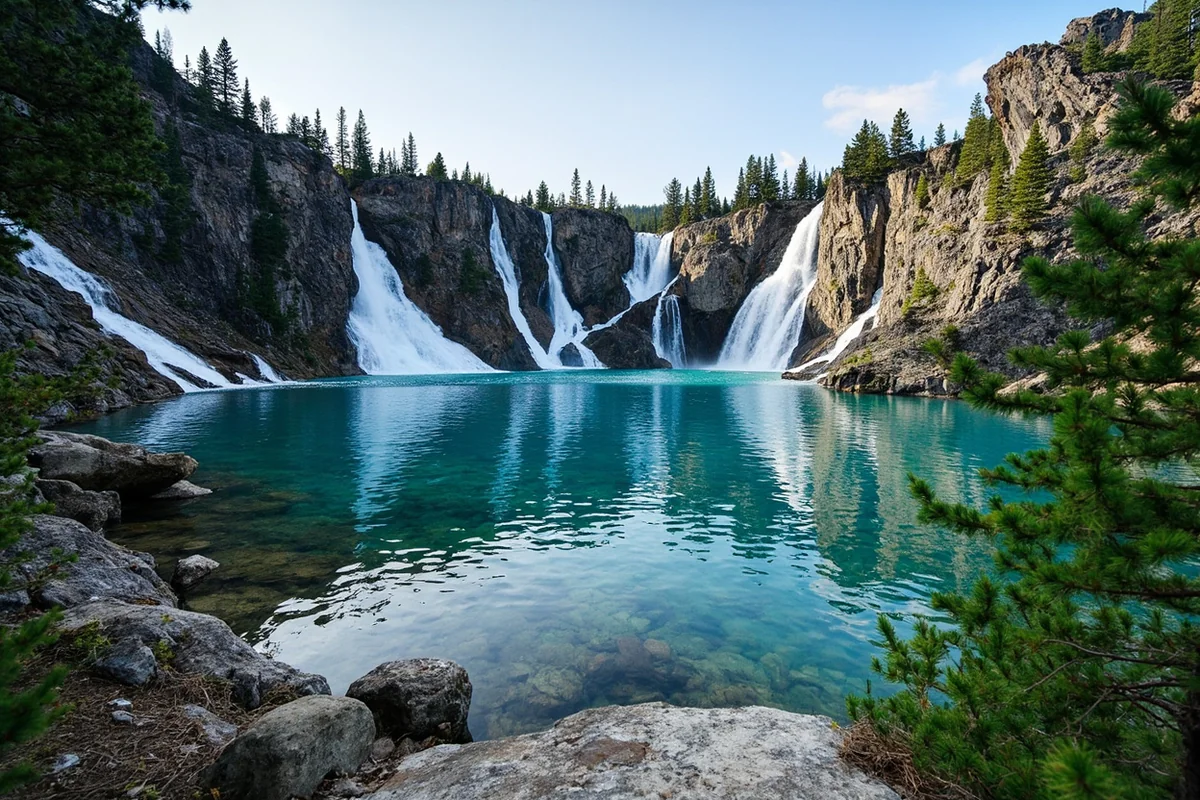
I’ve hiked past a lot of scenic water in the Beartooths, and I still stopped mid-stride the first time I came around the bend and saw waterfalls falling into this lake from three different directions at once.
- Lake at Falls sits along the Beaten Path, roughly 3 miles from Rainbow Lake and a similar distance before Fossil Lake, deep in the Beartooth backcountry
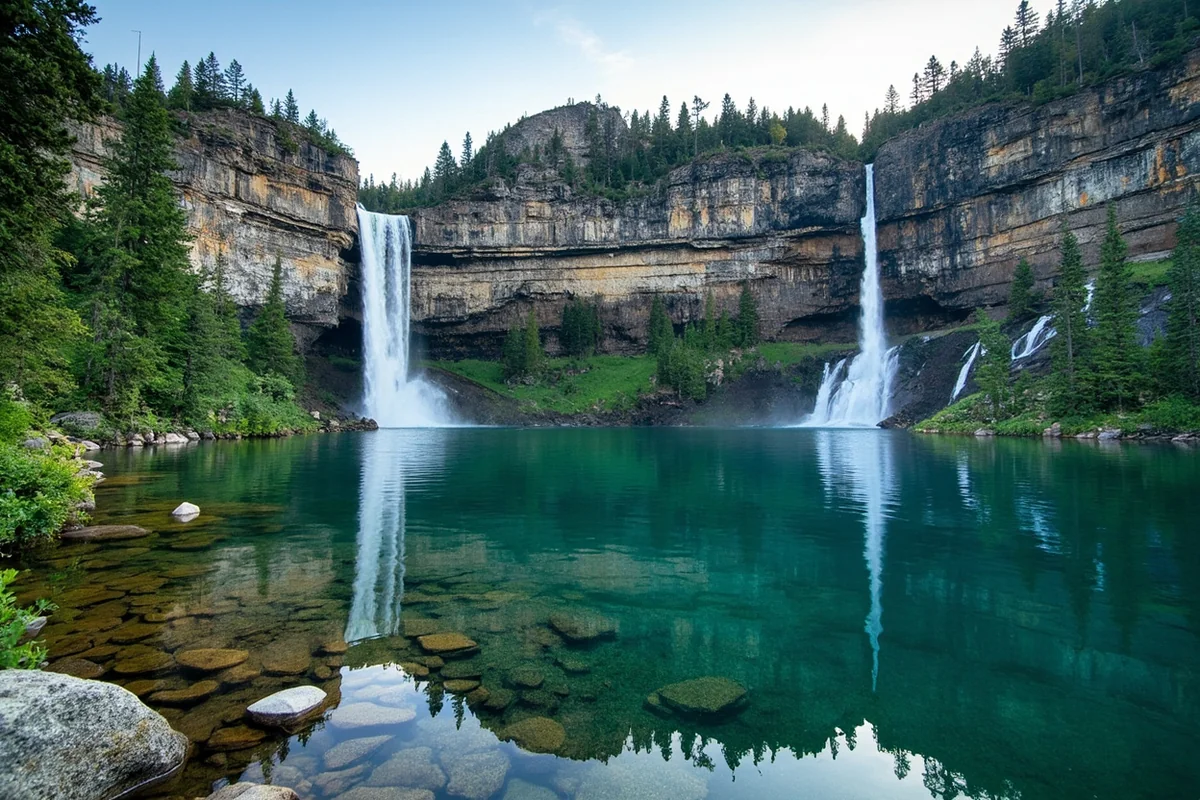
- Multiple waterfalls cascade down the surrounding cliffs directly into the lake — two that run permanently, plus additional smaller falls active during spring runoff
- This guide covers the approach, what makes this specific lake so visually distinct even among the Beaten Path’s already impressive lineup, and when to see the falls at their best
- Best experienced as part of a multi-day Beaten Path itinerary rather than a standalone day trip, given the remote location
Liked this article?
Add Roaming Montana as a preferred source so you see more of our articles and guides on Google.
One of the Prettiest Lakes in the Entire Range
I don’t use superlatives lightly, but Lake at Falls genuinely earns its reputation as one of the prettiest lakes anywhere in the Beartooth Mountains. What sets it apart from the dozen-plus other named lakes along the Beaten Path is the sheer number of waterfalls visible from the shoreline at once.
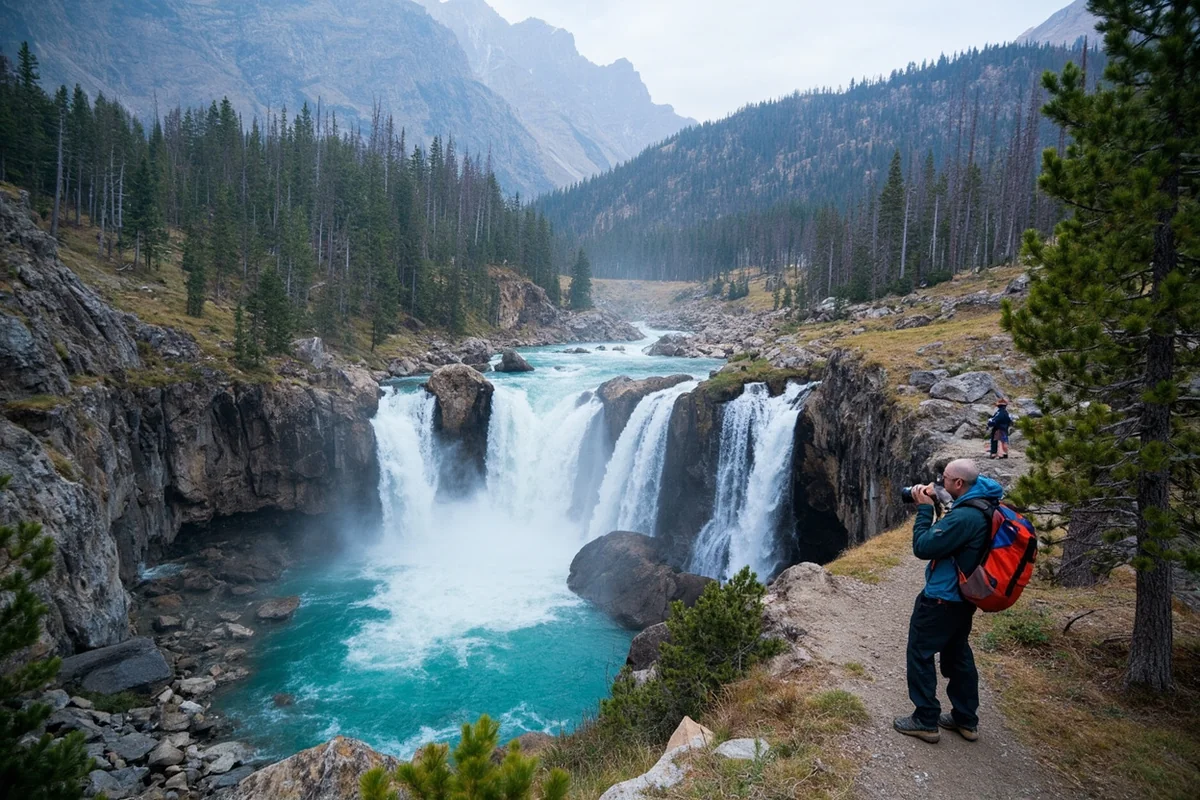
As you hike around this alpine lake, you can look across the water and see multiple waterfalls cascading down the surrounding cliffs simultaneously — two that run consistently throughout the season, plus additional smaller falls that appear specifically during spring runoff and taper off as summer progresses.
Where This Lake Sits on the Beaten Path
Lake at Falls sits roughly 3 miles beyond Rainbow Lake along the Beaten Path, the classic 26-mile thru-hike connecting the East Rosebud trailhead near Roscoe to Cooke City. From here, Fossil Lake sits a further few miles ahead, sitting considerably higher and starker above treeline.
I’d position Lake at Falls as one of the visual high points of the entire route, genuinely rivaling or exceeding some of the other named lakes along the way in terms of pure scenic drama.
Why the Waterfalls Vary So Much by Season
I mentioned that two waterfalls here run permanently while others appear only during runoff, and I think it’s worth explaining why that distinction matters for planning your visit. Snowmelt from higher elevations feeds these falls, and the volume of that melt varies dramatically across the season.
Early summer, typically June into early July, brings the most dramatic full display, with every visible waterfall running at some meaningful volume. By August, the smaller, runoff-dependent falls often thin considerably or disappear entirely, leaving just the two permanent falls to carry the scene.
I’d genuinely recommend timing a Beaten Path trip for that earlier window specifically if Lake at Falls and its full waterfall display are a priority, understanding that this also means dealing with the Beartooth’s notoriously bad early-season mosquito hatch.
A Worthwhile Day-Hike From Rainbow Lake
If you’re not attempting the full Beaten Path thru-hike, I’d note that Lake at Falls is genuinely reachable as a dedicated day hike from a Rainbow Lake basecamp, adding roughly 3 miles each way to see this specific lake without committing to the entire route.
I’d call this a worthwhile add-on for anyone already camped in that general area, even if the full thru-hike isn’t part of your plans.
Fishing Lake at Falls
Fishing is possible here with a standard Montana license, and given the lake’s relative remoteness along the Beaten Path, I’d expect lighter pressure than at more accessible Montana lakes.
I wouldn’t call this a specifically renowned fishing destination the way Fossil Lake further up the trail has become, but it’s a pleasant bonus activity if you have gear along.
Camping Near Lake at Falls
Given the multi-day nature of most trips that reach this lake, I’d plan on backcountry camping somewhere in the general vicinity rather than a single-day round trip from either trailhead.
I’d check current Forest Service regulations and any permit requirements for this specific stretch of the Beaten Path before finalizing your itinerary [verify current backcountry camping regulations for this section of trail].
I’ve camped within sight of the falls once, and waking up to that view — mist still rising off the water, waterfalls audible before I’d even left the tent — remains one of my favorite mornings from any Montana backpacking trip I’ve ever taken.
Comparing Lake at Falls to Fossil Lake
These two lakes sit within a few miles of each other along the same stretch of trail, and I think they represent genuinely different kinds of payoff. Lake at Falls offers dramatic, immediate visual drama — waterfalls, reflections, a classically photogenic composition.
Fossil Lake, sitting higher and starker above treeline, offers a different kind of reward: genuine remoteness and, once thawed, some of the best fishing along the entire route. I’d visit both if your itinerary allows, treating them as complementary rather than redundant stops on the same trip.
What to Pack for This Section of Trail
Given the extra moisture in this basin from all the waterfall activity, I’d pack a genuinely reliable rain shell rather than a light jacket, along with quick-drying layers given how much mist and spray you’ll encounter walking the shoreline.
My Montana bug season guide covers timing specifics worth knowing before a June or early July trip through this section, since the same water sources feeding these falls also support a genuinely significant mosquito population.
A camera with a reasonably wide lens matters more here than at most other stops on this trip, given how much of the scene’s appeal comes from capturing multiple waterfalls in a single frame rather than a single tight subject.
The Broader Beaten Path Experience
I think Lake at Falls works best understood as one moment within a much longer, richer journey rather than an isolated destination. The Beaten Path passes more than a dozen named alpine lakes over its full 26-mile length, and part of what makes this specific stretch so memorable is the contrast with everything hiked before and after it.
I did this route over four nights in early August, and the stretch through Lake at Falls stood out precisely because of how it broke up the pattern of the surrounding terrain and gave the whole trip a genuine emotional high point to remember.
Where much of the trail alternates between forest and open alpine basin, this section delivers a genuinely unique combination of both, with water falling from multiple directions into a single dramatic scene that stayed with me long after the trip ended.
A Genuine Test of Trip Planning
Reaching Lake at Falls in good condition — meaning during the window when the waterfalls are running at their fullest, before the worst mosquito activity has passed, and with weather cooperating — requires real trip planning rather than a spontaneous decision.
I’d research current snowpack and runoff conditions for the season you’re planning to visit, since a heavy or light winter can shift the ideal timing window by several weeks in either direction, sometimes more than that in an unusually extreme year.
I’ve adjusted my own planned trip dates more than once based on late-spring snowpack reports, pushing a visit back by a couple of weeks when a particularly heavy winter meant trail conditions and water levels hadn’t yet settled into their typical early-summer pattern.
For seasonal planning more broadly across this range, see my Montana mountain ranges guide for additional context on timing a Beartooth trip.
Wildlife Along This Section of Trail
This stretch of the Beaten Path, Lake at Falls included, sits within genuine grizzly and black bear habitat, consistent with the rest of this trail system.
I’d carry bear spray without exception and maintain proper food storage at any camp near the lake, given how remote this section sits from any quick emergency response.
I’ve spotted moose in the wetter meadow sections near this part of the trail, and the general abundance of water here — waterfalls, the lake itself, surrounding wetland vegetation — creates genuinely rich wildlife habitat beyond just the visual scenery worth photographing.
Why This Stop Justifies the Whole Trip
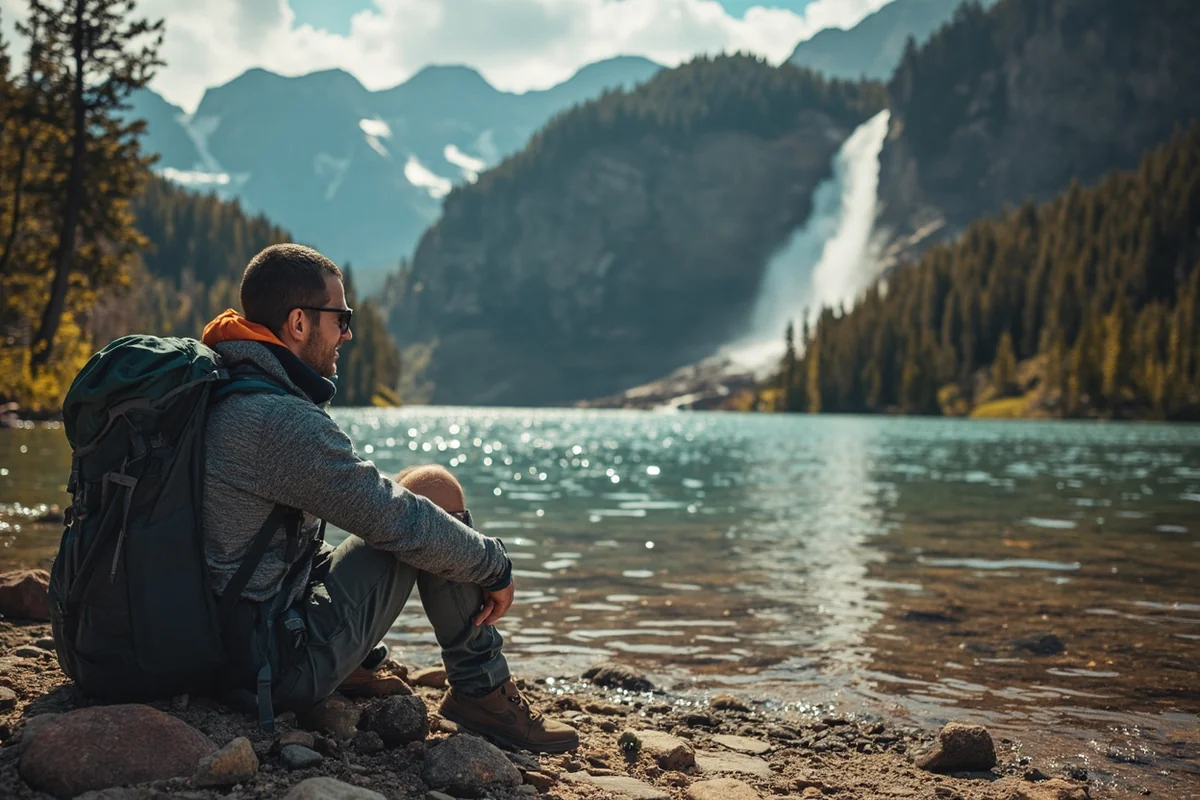
I’ve recommended the full Beaten Path thru-hike to plenty of people over the years, and when they ask which single moment convinced me it was worth the effort, I point to this exact lake more often than any other stop along the route.
It’s not the highest point, not the most difficult section, and not even technically the most remote — but it delivers a specific kind of visual payoff that few other places in Montana can match.
I think that’s worth remembering when the trail feels long and the mosquitoes feel relentless somewhere in the middle of a multi-day trip. Lake at Falls is exactly the kind of reward that makes the harder stretches worth pushing through.
Personal Tips / What I Wish I Knew
Time your trip for June or early July if the waterfalls are the priority. This window delivers the fullest display, though it also means facing the worst of the season’s mosquitoes.
Budget real time here, not just a quick photo stop. I’ve seen hikers snap one photo and keep moving, missing the chance to properly walk the shoreline and see the falls from multiple angles.
Consider this as a day-hike add-on from Rainbow Lake. You don’t need to commit to the full Beaten Path thru-hike to experience this specific lake.
Pack a rain shell regardless of forecast. Given the waterfalls and general moisture in this specific basin, I’ve found conditions here shift faster than the surrounding drier stretches of trail.
Practical Info: Lake at Falls
| Location on trail | About 3 miles beyond Rainbow Lake, roughly 3 miles before Fossil Lake, on the Beaten Path |
| Notable feature | Multiple waterfalls cascading directly into the lake |
| Best season for full falls | June through early July |
| Access | Multi-day Beaten Path trip, or day hike from a Rainbow Lake basecamp |
| Fishing | Possible with standard Montana license; lighter pressure than more accessible lakes |
| Camping | Backcountry camping nearby; check current permit requirements |
Frequently Asked Questions
Why is it called Lake at Falls?
Multiple waterfalls cascade down the surrounding cliffs directly into the lake — two run permanently, with additional smaller falls appearing during spring runoff.
Where does Lake at Falls sit on the Beaten Path?
Roughly 3 miles beyond Rainbow Lake and a similar distance before Fossil Lake, in the middle section of the 26-mile thru-hike.
When do the waterfalls look best at Lake at Falls?
June through early July, when snowmelt keeps all the visible falls running at meaningful volume, before the smaller runoff-dependent falls thin out later in summer.
Can you visit Lake at Falls without doing the full Beaten Path?
Yes, it’s reachable as a day hike from a Rainbow Lake basecamp, adding about 3 miles each way without requiring the full thru-hike commitment.
Is Lake at Falls good for fishing?
Fishing is possible with a standard Montana license, though it’s not specifically renowned as a fishing destination the way nearby Fossil Lake has become.
Final Thoughts
Lake at Falls justifies every superlative I’ve heard attached to it. Few lakes anywhere in Montana let you stand in one spot and watch multiple waterfalls fall into the same body of water, and this stretch of the Beaten Path delivers that experience about as well as anywhere in the state.
I think about this lake often when people ask me what makes the Beartooths worth the difficult access. It’s exactly this kind of payoff — arriving tired from miles of hiking and finding a scene this genuinely dramatic waiting for you — that keeps me coming back to this range more than anywhere else in Montana outside Glacier itself.
For the sibling lake further along the same trail, see my guide to Fossil Lake, or check out Montana’s best waterfalls for more cascades worth chasing across the state.
For essential trip preparation, see my Montana bear guide, and for broader context on this range, my Montana mountain ranges guide rounds out the picture.
Check out the complete guide to Montana’s best lakes for the rest of the region.