I lost the trail three times following cairns across open tundra, and I’d do the whole hike again tomorrow just for how empty that basin felt.
- Moon Lake sits about 3.5 miles from the Glacier Lake trailhead in the Beartooth Mountains, roughly 1,800 feet higher, at an elevation around 10,400 feet
- The trail is non-maintained past Glacier Lake — faint, cairn-marked, and genuinely easy to lose in places
- This guide covers the route, what to expect navigating true alpine tundra, and why this is one of the better hidden-gem destinations in the entire range
- Best attempted by hikers comfortable with off-trail navigation; this isn’t a casual add-on for inexperienced hikers
Liked this article?
Add Roaming Montana as a preferred source so you see more of our articles and guides on Google.
Sharing a Trailhead With Somewhere Much Busier
Moon Lake starts at the same trailhead as Glacier Lake, off a rough forest road branching from US-212 south of Red Lodge. That shared starting point matters, because it means the crowds thin out dramatically the moment you continue past Glacier Lake itself.
I’ve hiked this route on a busy August Saturday and had a genuinely packed parking lot at the trailhead, only to find myself completely alone once I pushed past Glacier Lake toward Moon Lake. Most visitors stop at the first lake and turn back, which leaves this extension feeling like a different hike entirely.
Where the Trail Actually Splits
The unmarked route to Moon Lake branches off just before the main Glacier Lake trail crosses Moon Creek on its sturdy log bridge, roughly half a mile into the hike. I’d pay close attention here, since there’s no official signage marking this junction — you’re relying on knowing to look for it in advance.
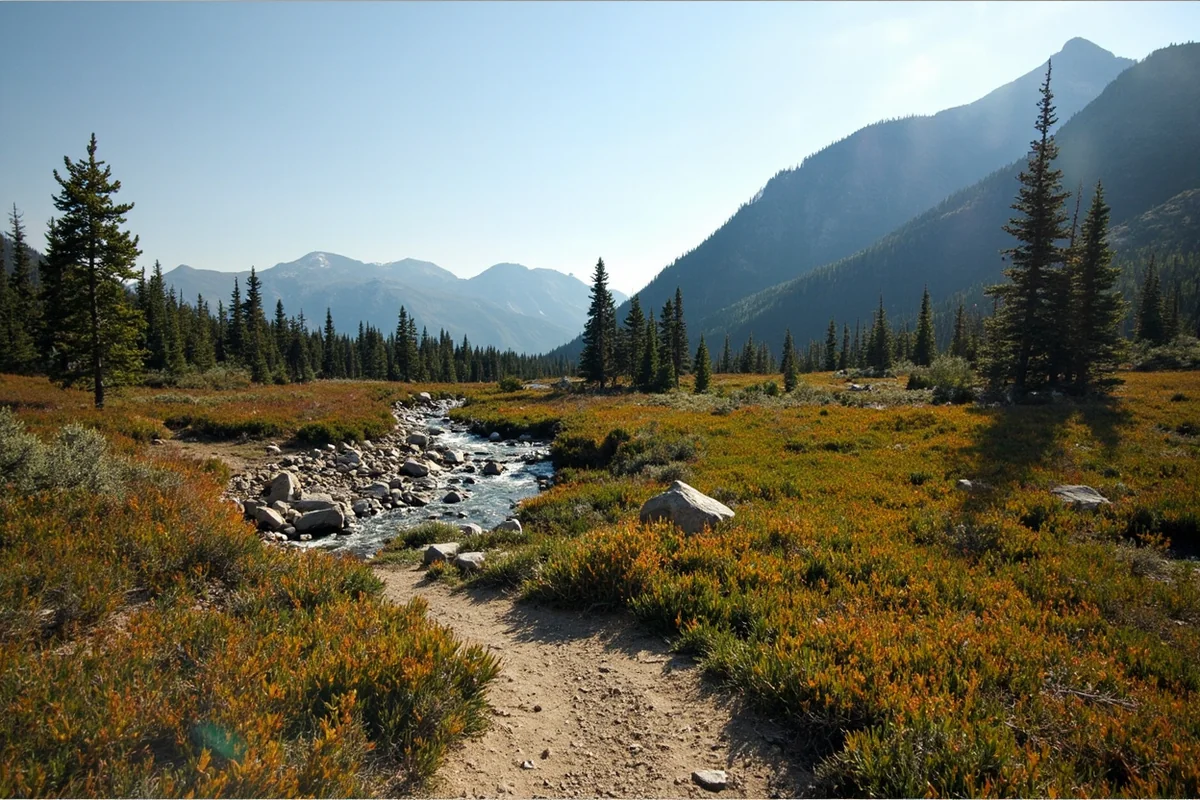
From that split, the trail climbs alongside Moon Creek’s drainage, and I’d say you can hear the creek gushing to your side for a good stretch of the route even when you can’t see it directly.
Where the Real Trail Ends and Tundra Begins
Around 9,500 feet, the trees stop entirely, and from that point on you’re navigating true alpine tundra rather than following a clearly defined footpath. I’d say the trail becomes genuinely hard to follow in spots, and this is exactly where those rock cairns become essential.
I lost the actual route more than once on my own hike here, backtracking to find the next cairn each time, sometimes standing still for a full minute just scanning the horizon for the next marker.
It never felt genuinely dangerous — the terrain is open enough that you can see a long way in every direction — but it does require a level of comfort with uncertain navigation that a maintained trail simply doesn’t demand.
I’d call the total distance to Moon Lake around 3.5 miles from the trailhead, with roughly 1,800 feet of total elevation gain. The lake itself sits at approximately 10,400 feet.
What You’ll Find at Moon Lake
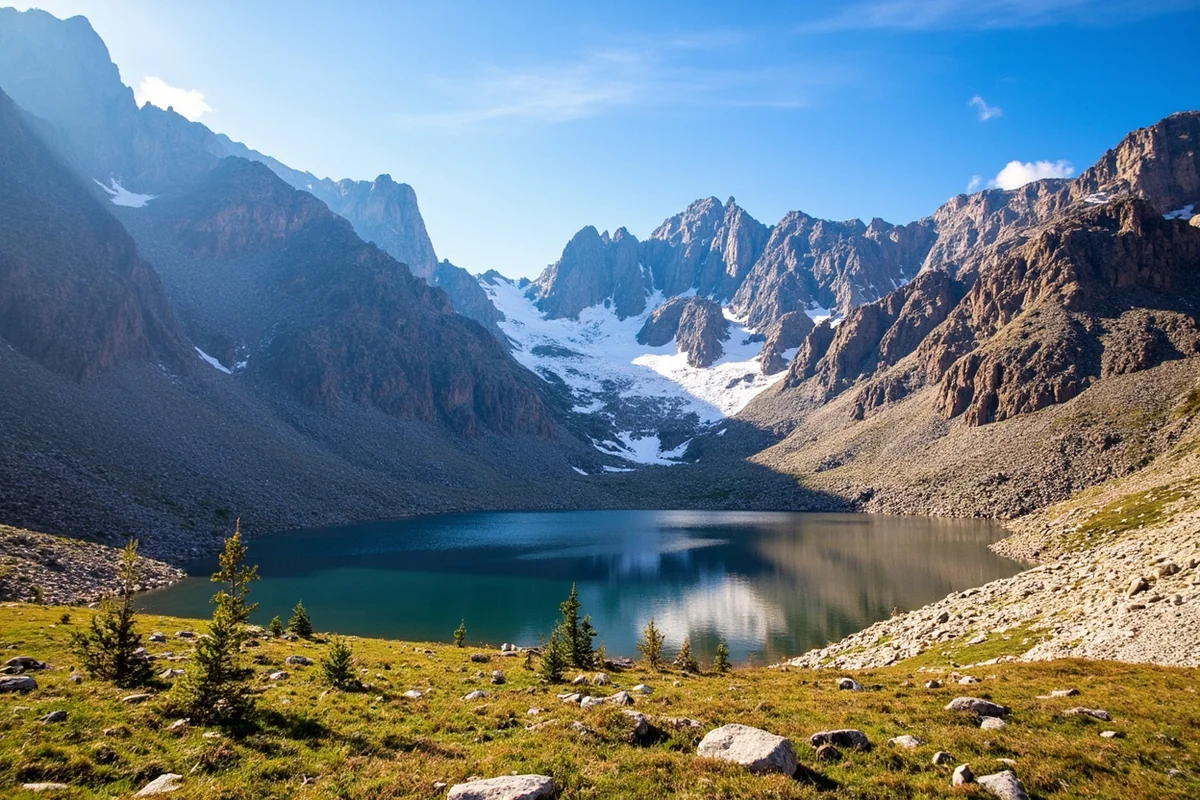
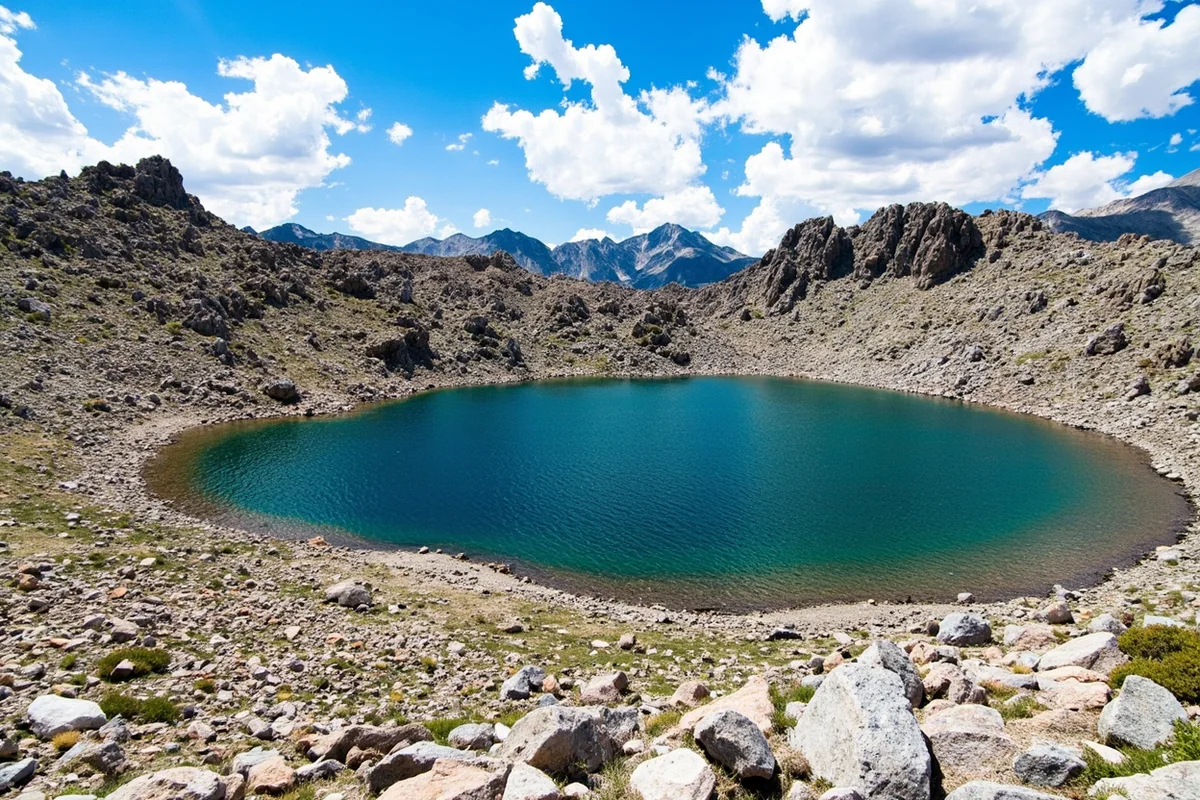
At the very end of the valley, surrounded by rock and mountains on three sides, Moon Lake delivers exactly the kind of solitude its difficult access promises.
I’ve stood at this lake and genuinely felt like the only person for miles, a feeling that’s become increasingly rare at more accessible Montana destinations.
The setting is stark rather than lush — this is well above treeline, with bare rock, tundra vegetation, and the lake itself as the primary visual elements rather than forest or dramatic waterfalls.
I think that starkness is part of the appeal, not a shortcoming. It feels genuinely remote in a way that few day-accessible spots in Montana still manage.
A Nearby Option: Shelf Lake
For hikers who make it this far, Shelf Lake sits roughly 300 feet lower in elevation than Moon Lake and nearby within the same general basin.
I’d consider adding this as a short bonus stop if you’ve already committed to the off-trail navigation required to reach Moon Lake in the first place — the additional effort to see both is genuinely minor compared to what it took to get this far at all.
Fishing Moon Lake
I wouldn’t call this a destination fishing lake in the way some other Beartooth alpine lakes are, though fish are present and a Montana fishing license covers casting a line here. Given the effort required just to reach the water, I’d treat any fishing here as a bonus activity rather than the primary goal of the hike.
Who Should Attempt This Hike
I want to be honest about who this trail actually suits. If you’re not comfortable navigating without a clear, marked path — using terrain features, cairns, and general route-finding sense rather than following blazes or a groomed trail — I’d stick to Glacier Lake itself and skip this extension.
If you are comfortable with that kind of navigation, and you’re already making the drive and the initial climb to Glacier Lake, I think Moon Lake represents one of the best reward-to-crowd ratios anywhere in the Beartooth range. The extra effort required filters out all but the most committed hikers.
Weather and Timing Considerations
Given the exposed, high-elevation tundra setting, I’d apply the same weather caution here that I’d give for Glacier Lake, only more so. There’s genuinely no shelter anywhere along this route once you’re above treeline, and afternoon storms in the Beartooths build fast and without much warning.
I’d start early, ideally before 8 a.m., to maximize your buffer before typical afternoon weather patterns set in.
Mid-summer through early fall offers the most reliable window, and I wouldn’t attempt this route at all if snow still covers significant sections of the tundra terrain, since that makes an already faint trail even harder to follow.
What to Pack for This Specific Hike
Given the off-trail navigation requirement, I’d pack differently here than for a standard maintained-trail hike. A physical topo map or a GPS device with the route pre-loaded matters more here than almost anywhere else in this guide, since cell service is nonexistent and cairns can be genuinely hard to spot in certain light conditions or weather.
Trekking poles help considerably across the uneven tundra terrain, and I’d bring more layers than the forecast alone suggests, given how exposed this route stays for its entire upper section.
For general trip planning across this style of remote Montana destination, my best time to visit Montana guide covers useful seasonal considerations.
A Genuine Test of Backcountry Comfort
I think Moon Lake works well as a kind of benchmark hike — if you can navigate this route confidently and comfortably, you’re likely ready for considerably more ambitious off-trail terrain elsewhere in the Beartooths or beyond.
If this hike feels genuinely stressful or disorienting, I’d treat that as useful information about your current comfort level with backcountry navigation, not a failure.
I’ve used trips like this one to calibrate exactly that kind of readiness before committing to bigger, more consequential backcountry trips later in a season, and I’d recommend the same approach to anyone building up their own off-trail experience gradually rather than jumping straight into the deep end.
Personal Tips / What I Wish I Knew
Study the route before you go, not just at the trailhead. Since the trail is unmarked and non-maintained, I’d look at satellite imagery or a detailed topo map in advance rather than relying entirely on cairns you find along the way.
Don’t attempt this alone if you’re new to off-trail navigation. I’d bring at least one hiking partner and a real topo map or GPS device as backup, given how easy it is to lose the route.
Start early to beat afternoon weather. This matters even more here than at Glacier Lake, given the additional distance and complete lack of shelter along the tundra sections.
Treat Shelf Lake as a worthwhile bonus, not a separate trip. If you’ve made it to Moon Lake, the extra push to see Shelf Lake nearby is a small additional effort for a genuinely different view.
Practical Info: Moon Lake
| Trail distance | About 3.5 miles from the Glacier Lake trailhead |
| Elevation gain | Approximately 1,800 feet |
| Lake elevation | About 10,400 feet |
| Trail condition | Non-maintained past Glacier Lake; faint, cairn-marked route above treeline |
| Best season | Mid-summer through early fall, once snow has cleared the tundra sections |
| Difficulty | Difficult, primarily due to navigation rather than technical terrain |
Frequently Asked Questions
Is the trail to Moon Lake maintained?
No, it’s a non-maintained, faint route marked by rock cairns once you’re above treeline, branching off from the main Glacier Lake trail near Moon Creek.
How much harder is Moon Lake than Glacier Lake?
Significantly — it adds roughly 1.3 miles and 800 additional feet of elevation gain beyond Glacier Lake, plus genuine off-trail navigation that Glacier Lake’s maintained trail doesn’t require.
Do I need special navigation skills for this hike?
Yes, I’d only recommend this route to hikers comfortable navigating without a clearly marked path, ideally with a topo map or GPS device as backup.
Is there a lake near Moon Lake worth visiting too?
Yes, Shelf Lake sits about 300 feet lower in elevation nearby, and I’d consider it a worthwhile bonus stop given how much effort it takes just to reach this basin.
Can you fish at Moon Lake?
Yes, with a standard Montana fishing license, though I wouldn’t call this a premier fishing destination given the effort required to reach it.
What Makes Off-Trail Navigation Genuinely Worthwhile Here
I’ve done enough off-trail hiking across Montana at this point to know that the effort doesn’t always pay off proportionally. Moon Lake is one of the clearer exceptions I’ve found.
The combination of genuine solitude, a dramatic tundra setting, and a manageable overall distance — once you accept the navigation challenge — makes this one of the better effort-to-reward ratios in the entire Beartooth range.
I’ve done considerably longer, harder off-trail routes elsewhere in Montana that delivered less memorable scenery than this comparatively short push beyond Glacier Lake.
Comparing Moon Lake to Fossil Lake
Both of these lakes reward hikers willing to go beyond the range’s more accessible destinations, but they ask for different kinds of commitment. Fossil Lake sits much further from any trailhead — often 16 miles or more depending on your access point — and demands genuine backpacking logistics.
Moon Lake, by contrast, asks for a shorter distance but a harder navigation challenge relative to that distance. I’d recommend Moon Lake to strong day hikers comfortable with route-finding, and Fossil Lake specifically to those planning a multi-day trip with backpacking gear already in tow.
The Broader Beartooth Plateau Context
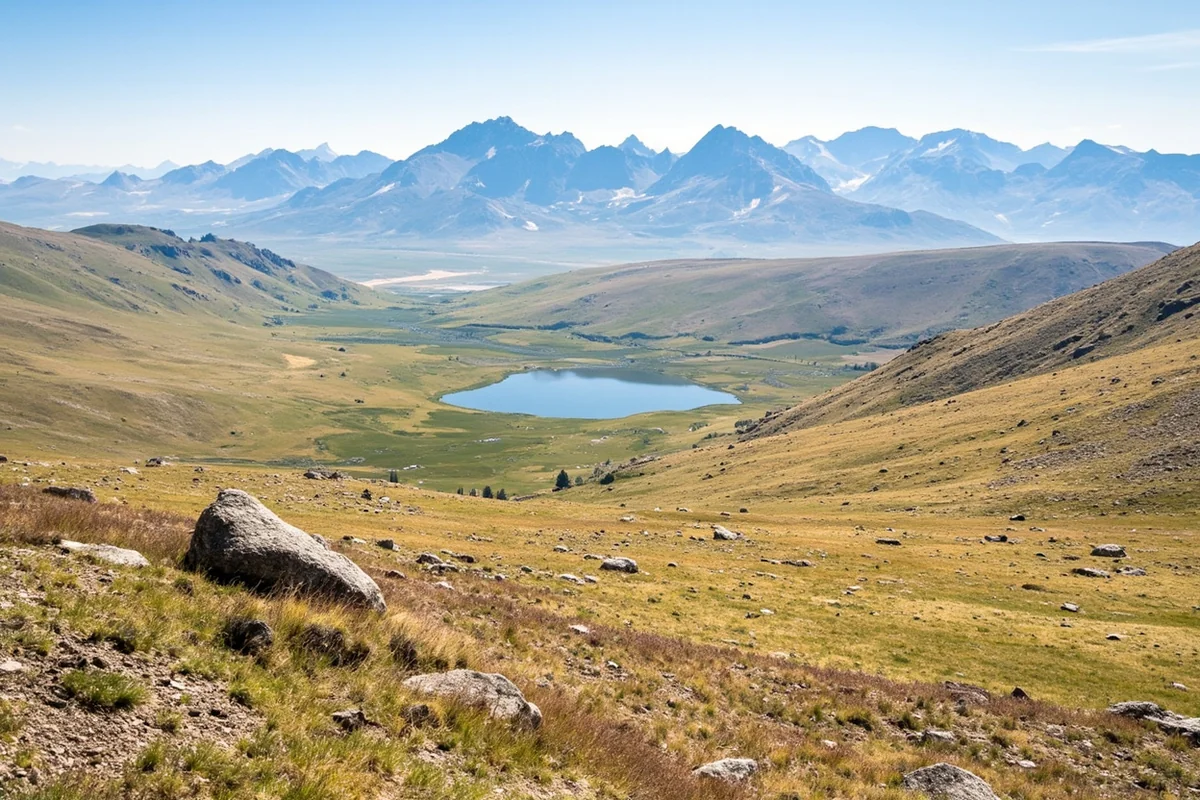
Moon Lake sits within the broader high country that makes the Beartooth Plateau such a distinctive feature of this mountain range — an enormous, gently rolling tundra basin sitting around 10,000 feet with dozens of lakes scattered across it.
Most visitors experience only a tiny fraction of this plateau country, typically the more accessible edges near established trailheads.
I think Moon Lake offers a genuine, if brief, taste of what the interior plateau actually feels like — vast, exposed, and largely indifferent to the presence of hikers passing through.
For a broader look at this range and its various access points, my Montana mountain ranges guide provides useful additional context.
Final Thoughts
Moon Lake rewards exactly the kind of hiker willing to trade a marked trail for genuine solitude. The navigation challenge alone keeps this basin quiet even on the busiest Beartooth weekends, and that quiet is precisely what makes the extra effort worth it.
I think about this hike differently than most others in this guide — less as a destination to check off and more as an experience of genuine self-reliance that’s become increasingly rare in an era of well-marked, heavily trafficked trails everywhere else in Montana’s mountains.
For the trailhead this hike shares, see my guide to Glacier Lake, or compare it with Fossil Lake for a longer, more remote Beartooth alpine destination.
For the nearest town, my Red Lodge guide covers services before or after your trip, and for bear safety in this kind of remote terrain, my Montana bear guide is worth reviewing.
Check out the complete guide to Montana’s best lakes for the rest of the region.