I fished this lake in late July, the same week it had finally finished thawing, and landed fish that fought like they’d been waiting all year for someone to show up.
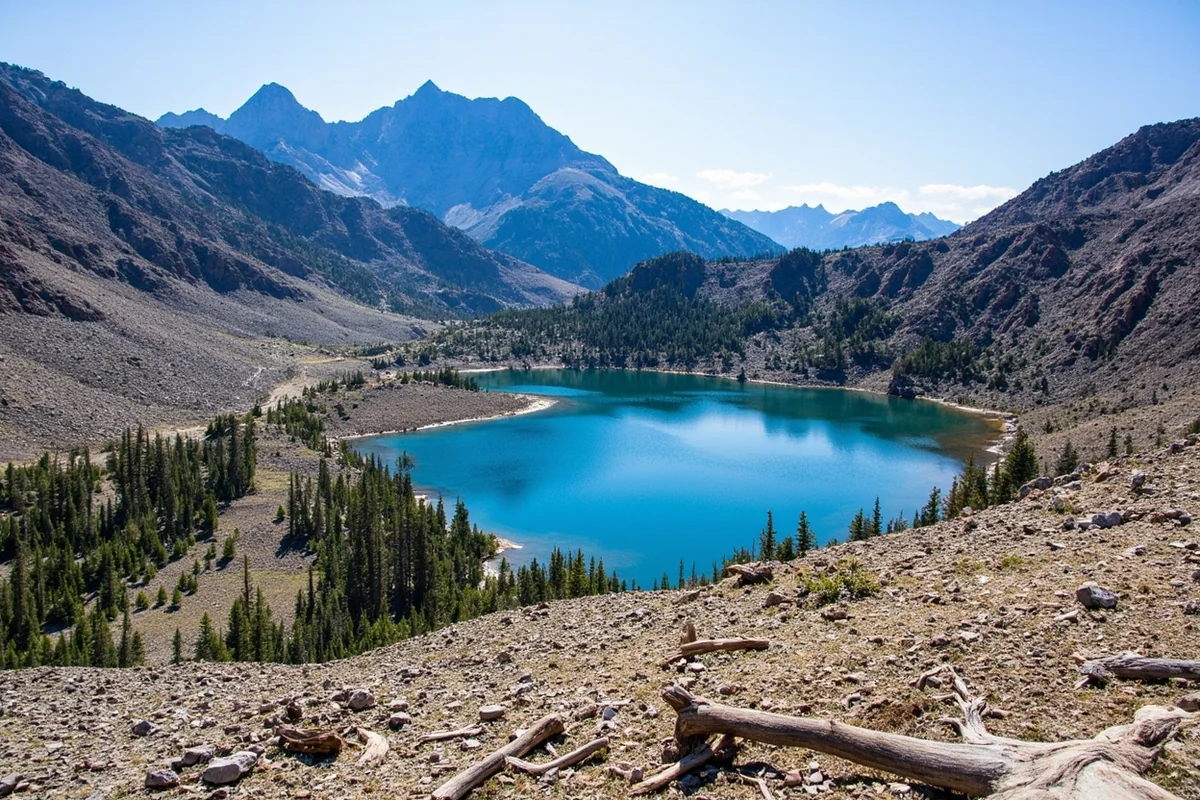
- Fossil Lake sits at 9,890 feet on the Beaten Path, the Beartooth’s classic 26-mile thru-hike between East Rosebud and Cooke City
- It doesn’t fully thaw until late July most years, and once it does, the fishing is genuinely excellent
- This guide covers the approach distance, what to expect above treeline, the fishing payoff, and why this lake demands real backpacking commitment rather than a day trip
- Best treated as one stop within a multi-day Beaten Path itinerary rather than a standalone destination
Liked this article?
Add Roaming Montana as a preferred source so you see more of our articles and guides on Google.
Part of Montana’s Classic Thru-Hike
Fossil Lake sits along the Beaten Path, a roughly 26-mile route connecting the East Rosebud trailhead near Roscoe to Cooke City on the Beartooth’s north side. This is one of the most celebrated backpacking routes in the entire state, passing more than a dozen named alpine lakes over three to five days depending on pace.
I’ve hiked this route in full once, over four nights in early August, and Fossil Lake stood out even among a genuinely spectacular lineup of lakes along the way. Its elevation alone — sitting well above treeline at 9,890 feet — gives it a starker, more dramatic character than many of the trail’s lower, more forested lakes.
The Real Distance Involved
I want to set realistic expectations here: reaching Fossil Lake typically means somewhere around 16 miles of hiking from a standard trailhead, depending on your exact entry point and route. This is not a day-hike destination for the vast majority of visitors.
I’d treat a trip to Fossil Lake as one stop within a genuine multi-day backpacking itinerary, whether that’s the full Beaten Path thru-hike or an out-and-back trip specifically targeting this lake and its neighbors.
Either way, come prepared with real backcountry gear and the fitness to cover serious mileage at high elevation.
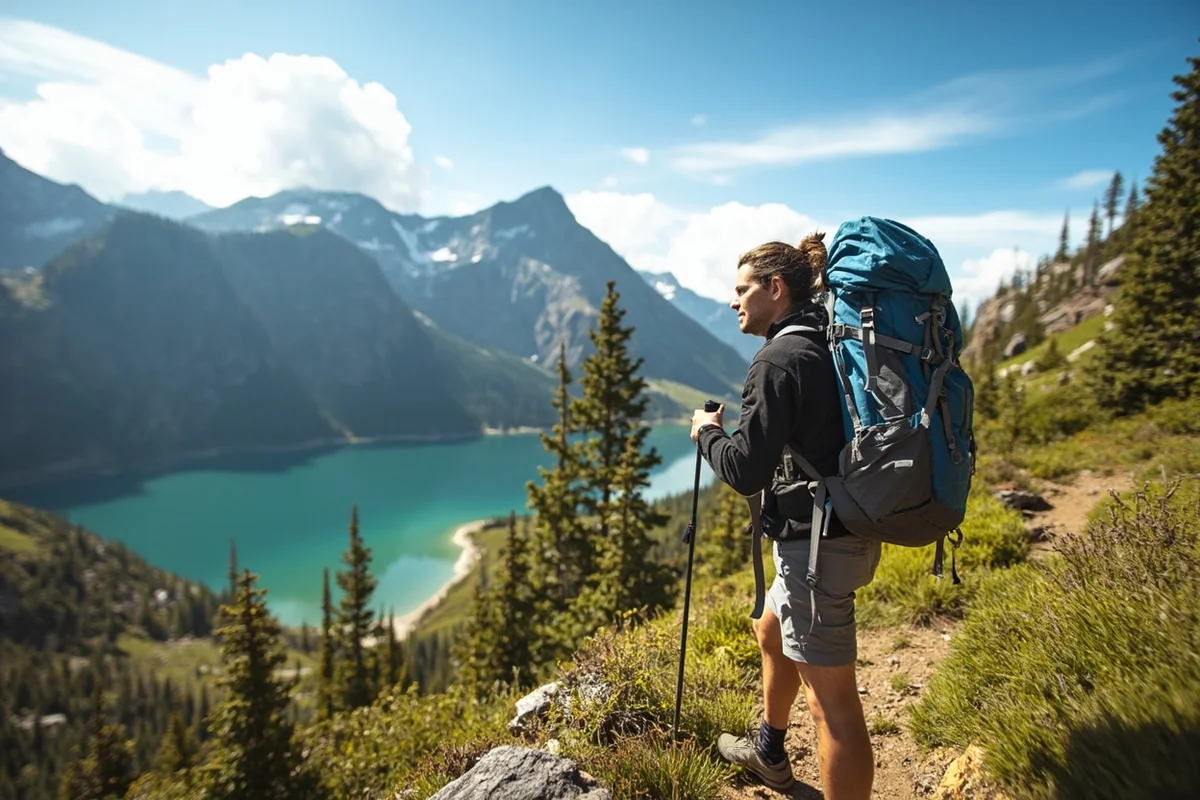
Why This Lake Stays Frozen So Late
At nearly 9,900 feet, Fossil Lake sits high enough that winter’s grip lingers considerably longer than at lower-elevation lakes elsewhere in the range. I’d expect this lake to remain at least partially iced over well into late June in a typical year, sometimes not fully thawing until late July.
That late thaw isn’t just a curiosity — it directly shapes when this lake is actually worth visiting. Arrive too early in the season and you’ll find a frozen, inaccessible shoreline rather than the fishing payoff this lake is known for.
The Fishing Payoff
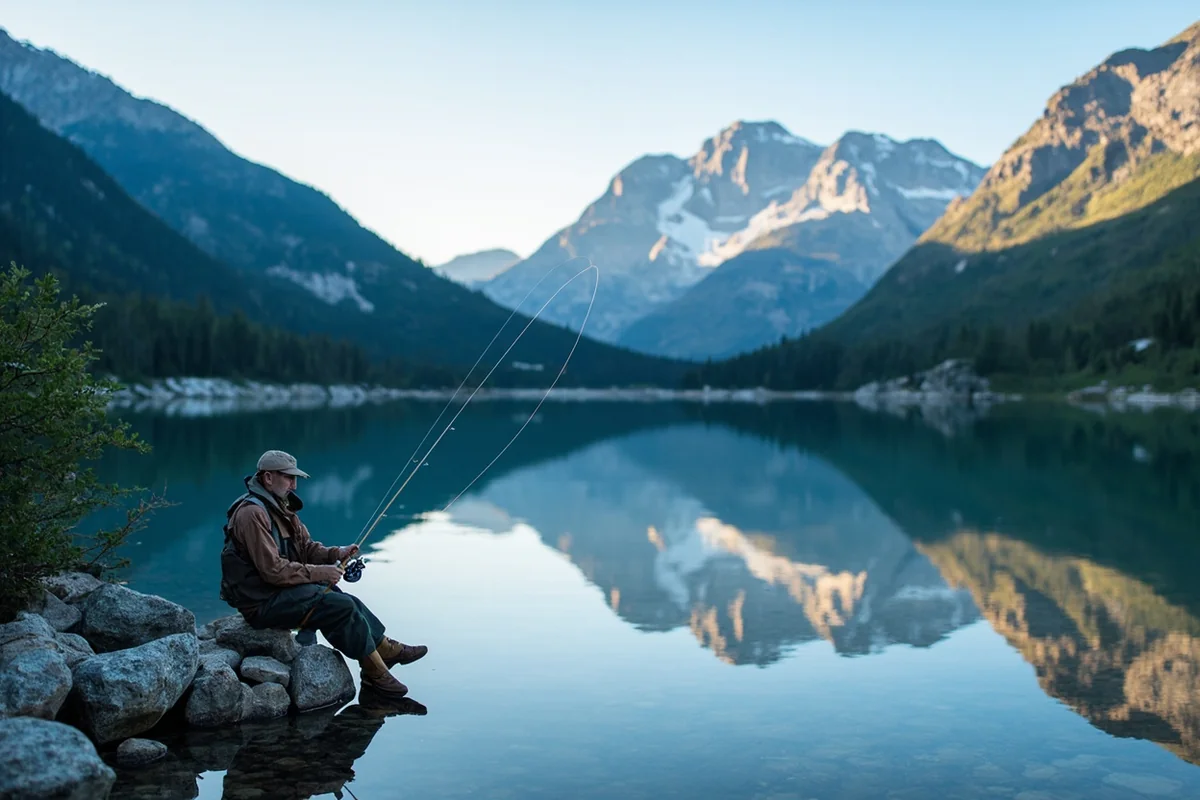
Here’s the detail that makes the long approach genuinely worth it for serious anglers: once Fossil Lake thaws, the fishing here is phenomenal.
I’ve talked with other hikers along the Beaten Path who treat this lake as a specific, planned stop precisely because of its fishing reputation, rather than just another named lake along the route.
I’d credit this quality partly to how little pressure the lake actually sees. Between the distance required to reach it and the short window when it’s both thawed and accessible, Fossil Lake simply doesn’t get fished nearly as often as lower, easier lakes along the same trail.
Little Shelter, Real Exposure
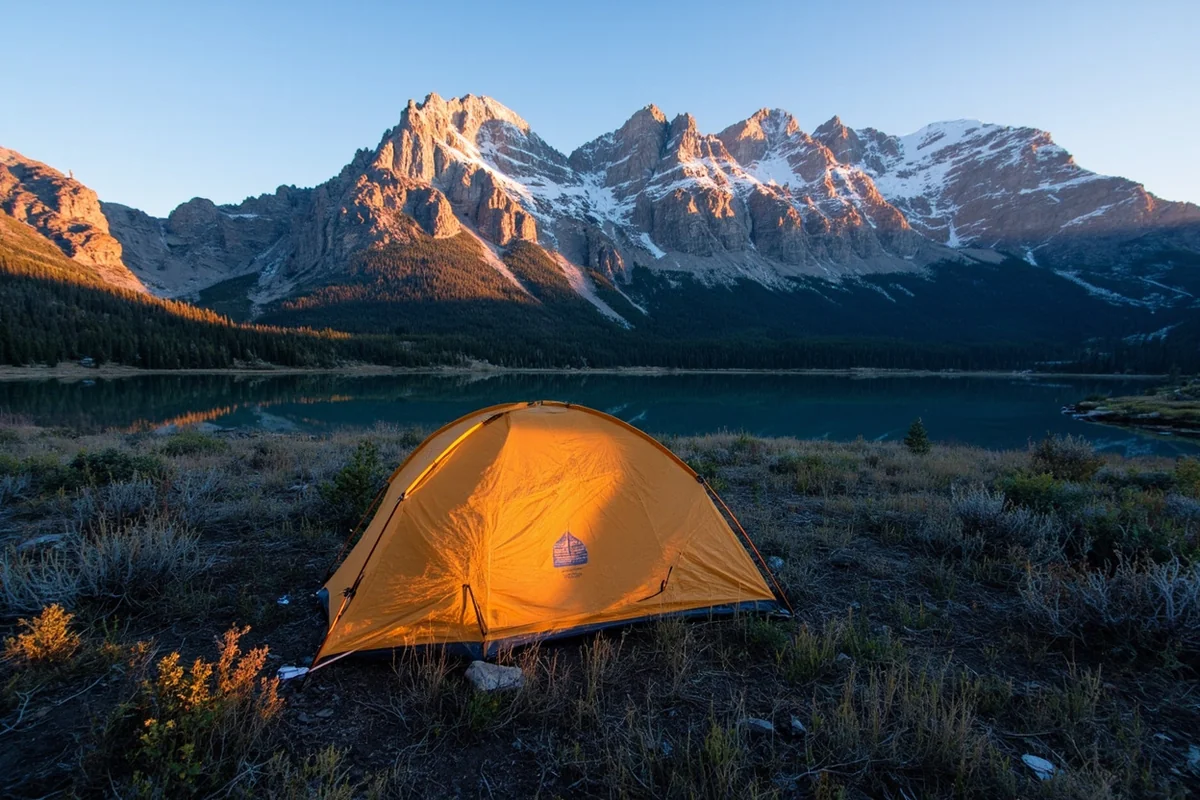
Given its elevation above treeline, Fossil Lake offers essentially no natural shelter from wind or weather. I’d factor this into any camping plans near the lake, since a storm here means facing it directly rather than retreating into a tree line for cover.
I’ve camped at lakes further down the Beaten Path specifically to have tree cover during unsettled weather, saving a stop at Fossil Lake itself for a stretch of clearer forecast. I’d recommend the same strategy if your itinerary allows that kind of flexibility.
Comparing Fossil Lake to Lake at Falls
These two lakes sit within a few miles of each other along the same general stretch of trail, and I get asked often which deserves more time.
Lake at Falls offers dramatic waterfall scenery and a more classically photogenic setting; Fossil Lake offers a starker, higher-elevation character and considerably better fishing once thawed.
I’d genuinely recommend visiting both if your itinerary allows, since they represent two different sides of what makes this stretch of the Beartooths so rewarding — one for the eyes, one for the fishing rod.
Wildlife Along This Stretch of Trail
The Beaten Path corridor supports moose, black bears, and grizzlies, and I’ve personally encountered a moose and fresh grizzly tracks on the same multi-day trip that included Fossil Lake.
I’d carry bear spray without question on any approach to this lake, and I’d store food properly at every campsite along the way, not just near Fossil Lake specifically.
Mosquito Timing Worth Knowing
Late June through mid-July brings one of the worst mosquito hatches anywhere in Montana’s high country, and this stretch of the Beartooths is no exception.
I’d time a Fossil Lake trip for early August if at all possible, both to ensure the lake has actually thawed and to avoid the peak of this mosquito window.
By early August, the worst of the hatch has typically passed, making for a considerably more pleasant multi-day trip overall.
Getting There
Most hikers reach Fossil Lake via the East Rosebud trailhead near Roscoe, following the Beaten Path corridor toward Cooke City, though some approach from other points depending on their specific itinerary.
I’d study current trail conditions and any permit requirements before finalizing your route, since backcountry regulations in this range can shift [verify current trail access and any required permits].
Combining Fossil Lake With the Full Beaten Path
If you’re already committing to a multi-day trip out this far, I’d genuinely consider the full Beaten Path thru-hike rather than an out-and-back trip targeting Fossil Lake alone. The full route passes more than a dozen named alpine lakes, and Fossil Lake becomes one memorable stop within a considerably richer overall experience.
I did the complete thru-hike over four nights in early August, and Fossil Lake stood out even among that full lineup — but I wouldn’t have wanted to skip the rest of the trail just to focus on this one lake.
For more on how this route fits into the range as a whole, my Montana mountain ranges guide covers the broader Beartooth context.
The logistics do require a shuttle, since you’ll end up at a different trailhead than where you started, and I’d arrange that well in advance rather than trying to figure it out once you’re already on the trail.
What Surprised Me Most About This Lake
I’ve hiked to a lot of high-elevation lakes across Montana, and Fossil Lake still stands out for how stark the transition feels compared to the lower sections of the same trail.
You spend days walking through increasingly sparse forest, and then somewhat abruptly you’re standing in genuine tundra with a lake that looks like it belongs on a different planet entirely.
That contrast, more than any single feature of the lake itself, is what I remember most vividly from my own trip here. It’s the kind of landscape shift that reminds you just how much vertical relief this state actually contains, even if you’ve spent plenty of time in Montana’s mountains already.
A Worthwhile Stop Even Without Fishing Gear
While I’ve emphasized the fishing throughout this guide, I don’t want to undersell Fossil Lake’s appeal for hikers who aren’t primarily anglers.
The scenery alone — that stark, high-elevation basin, the surrounding peaks, the sense of having truly left the treeline world behind — justifies the stop even if you never wet a line.
I’ve hiked this section with non-fishing companions who came away just as impressed as I was, purely on the strength of the setting itself.
Personal Tips / What I Wish I Knew
Time your trip for early August. This window balances a fully thawed lake against the tail end of the worst mosquito season, and I’ve found it consistently the most pleasant stretch for this specific hike.
Camp somewhere with tree cover if weather looks unsettled. Fossil Lake’s exposed, above-treeline setting offers no shelter if a storm rolls in while you’re there.
Bring real fishing gear if you’re making this trip. The payoff here is genuinely worth the extra pack weight, given how few anglers actually make it out this far.
Pair it with Lake at Falls if your itinerary allows. The two lakes sit close enough together that visiting both barely adds to your overall trip.
Practical Info: Fossil Lake
| Elevation | 9,890 feet |
| Distance from trailhead | Approximately 16 miles, depending on access point |
| Trail | The Beaten Path, East Rosebud to Cooke City |
| Thaw timing | Often not fully ice-free until late July |
| Best season | Early August for the best balance of thaw and lower mosquito activity |
| Fishing | Genuinely excellent once thawed; light pressure given the remote access |
Frequently Asked Questions
How far is Fossil Lake from the nearest trailhead?
Approximately 16 miles, depending on your exact access point, making this a multi-day backpacking destination rather than a day hike.
When does Fossil Lake thaw?
Often not until late July, given its nearly 9,900-foot elevation — arriving too early in the season means finding a still-frozen lake.
Is the fishing at Fossil Lake actually good?
Yes, genuinely excellent once the lake thaws, in part because so few anglers make the long trip out to fish it regularly.
What trail does Fossil Lake sit on?
The Beaten Path, a roughly 26-mile thru-hike connecting the East Rosebud trailhead to Cooke City through the heart of the Beartooth Mountains.
Is there camping directly at Fossil Lake?
Backcountry camping is possible, though the lake’s above-treeline setting offers no natural shelter from wind or weather.
The Geology Behind the Name
I’ve always been curious about the “Fossil” in this lake’s name, and while I can’t point to one definitive source for it, the broader Beartooth region genuinely does hold significant fossil-bearing rock in certain formations, part of what makes this range geologically distinct from Montana’s younger mountain ranges further west.
The Beartooths are built on some of the oldest exposed rock in North America, dating back nearly 3 billion years in places.
I find that detail worth sitting with at the lake itself — the ground beneath your boots here predates almost everything else in the visible landscape by an almost incomprehensible margin.
What a Multi-Day Trip to Fossil Lake Actually Requires
I want to be genuinely practical here, since this isn’t a destination to approach casually. You’ll need real backpacking gear — a reliable tent capable of handling wind and potential storms, a stove, sufficient food for multiple days, and a water filtration system, since you’ll be relying entirely on natural water sources along the route.
Navigation matters too. While the Beaten Path itself is a maintained, established trail unlike the off-trail sections near some other Beartooth lakes, side trips and exact camping spot selection still benefit from a proper topo map or GPS device, especially in the exposed, landmark-sparse terrain surrounding Fossil Lake itself.
Permits and Trail Registration
Depending on current Forest Service regulations, some sections of this route may require trail registration or permits, particularly during peak season. I’d check current requirements for the specific trailhead and district you’re planning to use well before your trip [verify current permit and registration requirements for the Beaten Path and Fossil Lake area].
Final Thoughts
Fossil Lake demands genuine commitment — real mileage, real elevation, and a narrow seasonal window when the lake is both thawed and worth fishing. For hikers willing to meet those demands, it delivers one of the most rewarding stops on the entire Beaten Path.
For the sibling lake nearby along the same trail, see my guide to Lake at Falls, or compare it with the shorter, faint-trail approach to Moon Lake elsewhere in the range.
For the gateway town to the East Rosebud trailhead, my Red Lodge guide covers services and lodging before your trip.
For essential reading before any multi-day Beartooth trip, see my Montana bear guide and my Montana bug season guide, both genuinely relevant to this specific route. Check out the complete guide to Montana’s best lakes for the rest of the region.