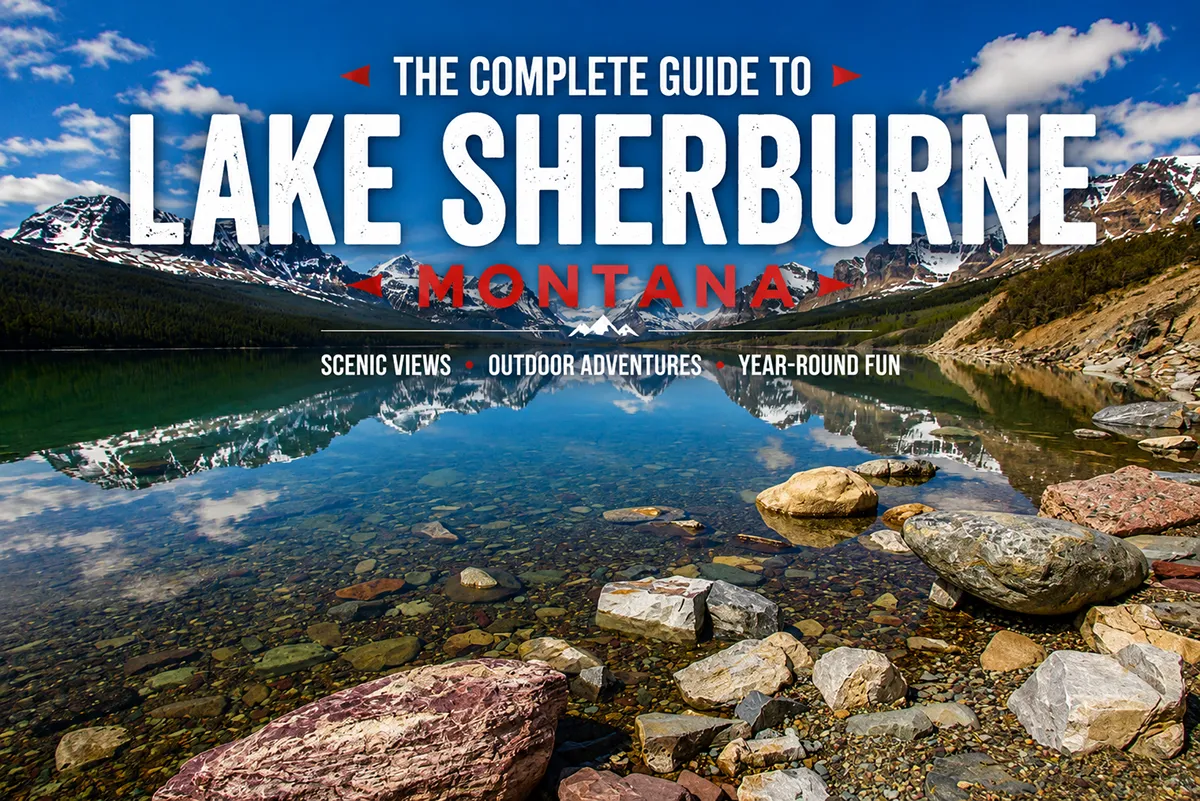
Almost everyone who drives into Many Glacier passes right by Lake Sherburne without stopping. I understand why — Swiftcurrent Lake and Grinnell Lake get all the attention further up the road.
Lake Sherburne is a 6-mile-long manmade reservoir just inside the east entrance to Many Glacier, formed between 1914 and 1921. This guide covers why it lacks a boat ramp, what fishing here actually requires, nearby hiking and camping, and why I think it deserves more than a passing glance on your way to the more famous lakes further in.
Liked this article?
Add Roaming Montana as a preferred source so you see more of our articles and guides on Google.
A Reservoir Built for Water, Not Recreation
Lake Sherburne isn’t a natural lake. It’s a manmade reservoir, created by an earthfill dam built between 1914 and 1921 to regulate the flow of Swiftcurrent Creek.
The lake takes its name from one of the area’s first settlers. Unlike Swiftcurrent Lake up the road, Sherburne was built for water management purposes first, recreation second.
That utilitarian origin shows in a few practical ways I’ll get into below.
Getting to Lake Sherburne
If you’re coming from Babb along Highway 89, head west on Many Glacier Road for about 7 miles to reach the lake. It’s the first major body of water you’ll see entering the valley.
Road access to Many Glacier is seasonal and weather-dependent, which is the single biggest factor affecting when you can visit. I’d check current conditions before planning a trip outside peak summer months [verify current seasonal road status].
No Boat Ramp Changes Everything
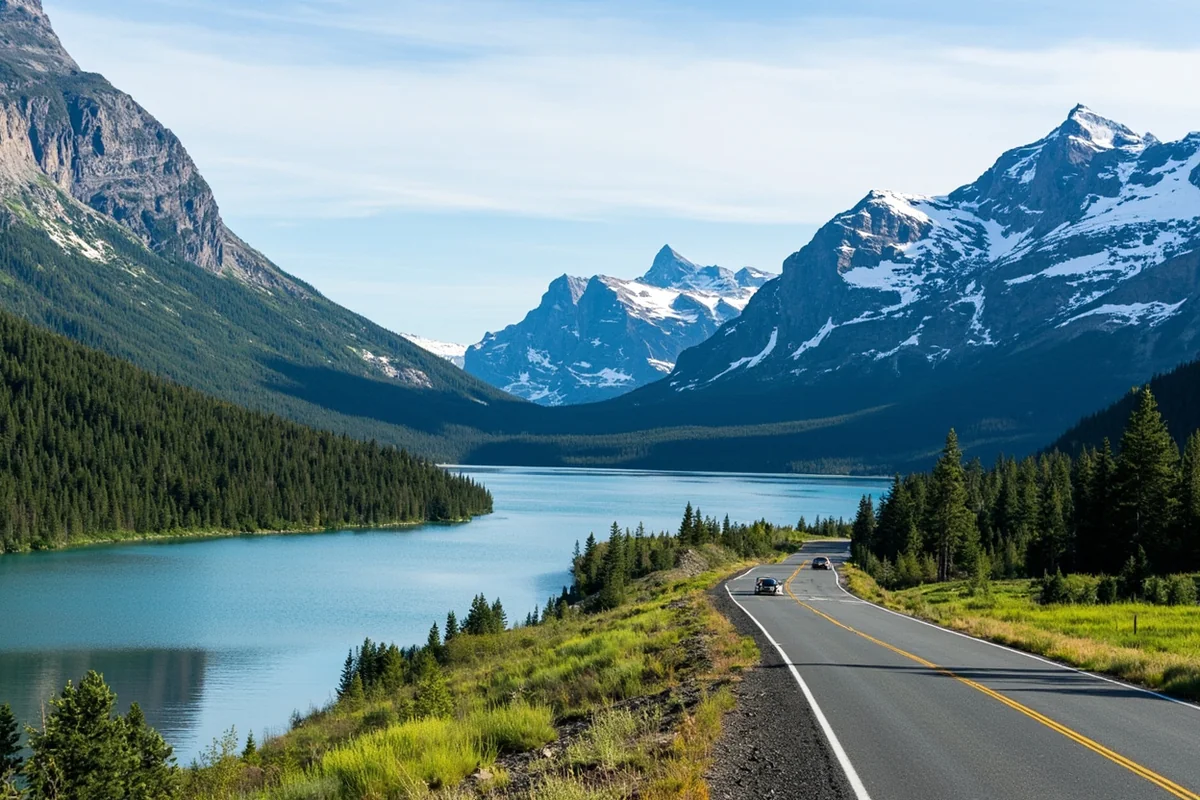
Here’s the detail that surprises most visitors. Despite being large enough for serious boating, Lake Sherburne has no boat ramp.
Motorboats are technically permitted on the water. But without a ramp, getting anything larger than what you can hand-carry down to the shore becomes genuinely impractical.
In practice, this means the lake is best suited to canoes, kayaks, inflatable rafts, or pontoon boats — whatever you can physically carry from the road to the water. I’ve paddled a kayak here and had the whole lake essentially to myself on a weekday morning.
Fishing Lake Sherburne
This lake comes with more restrictions than most in the park, and I think they’re worth knowing before you show up expecting a standard fishing trip.
Fishing is limited to hand-held rods only. Bait must be artificial — no live bait allowed. Many anglers report their best luck with nymphs, larvae imitations, or dry flies matched to whatever’s hatching locally.
The lake holds brook trout and northern pike, though fluctuating water levels can hamper brook trout populations in particular. Daily keep limits run around 5 fish [verify current regulations].
Without a boat ramp and with wind that’s consistently too aggressive for float tubes, most serious anglers here use small inflatable craft they can carry in by hand.
Hiking Near Lake Sherburne
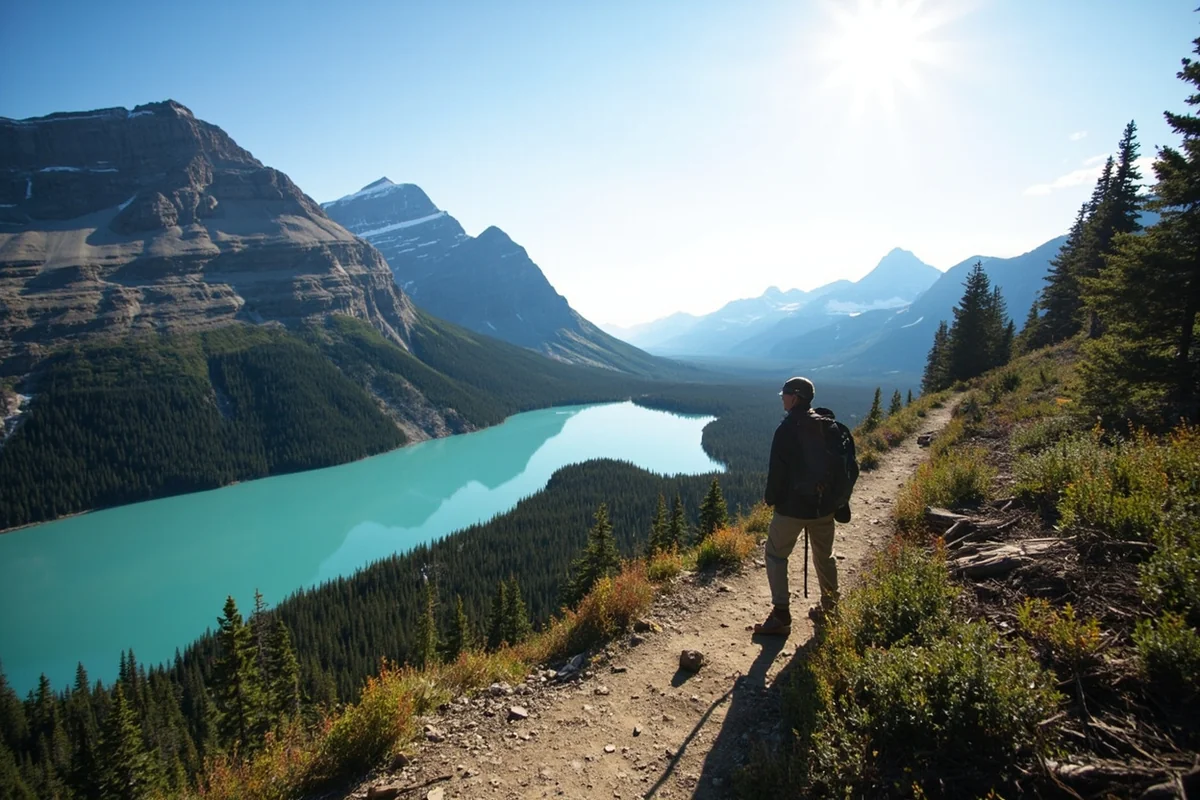
The lake sits at a genuine trail junction for this part of the park. From here you can access routes toward Grinnell Glacier, Lake Josephine, and the Iceberg Lake Trail.
For something specific to this side of the valley, the Cracker Lake hike covers a 12.6-mile round trip with more than 1,400 feet of elevation gain, rated moderately challenging. It starts from the Piegan Pass/Cracker Lake Trailhead just above Many Glacier Hotel.
I’d recommend this trail to visitors who’ve already done Grinnell Glacier and want something with fewer people on it.
Camping Near Lake Sherburne
Many Glacier Campground sits just down the road from the lake’s eastern shore, making it the obvious base for exploring this area. The seasonal campground runs 110 sites, typically open from late May through mid-September.
More primitive camping options extend availability into October in some years. I’ve stayed here specifically to be close to Sherburne’s quiet morning water rather than fighting for a spot closer to the busier lakes further into the valley.
Wildlife Around the Lake
This whole area functions as a wildlife corridor, and Lake Sherburne is no exception. Moose and bears both show up regularly around the surrounding wetlands.
Bighorn sheep and trumpeter swans round out the more commonly spotted wildlife. If you want a guided introduction to the area, the Many Glacier Corral, located behind the main parking lot above the hotel, runs horseback rides at a walking pace through some genuinely spectacular scenery.
A Brief History of the Swiftcurrent Creek Project
The dam that created Lake Sherburne was part of a broader early-20th-century push to manage water resources across the Blackfeet Reservation and the surrounding valley.
Construction spanned 1914 to 1921, a genuinely long timeline for a project of this scale, reflecting the remote location and the engineering challenges of the era.
I find it interesting that this construction happened around the same years as the Many Glacier Hotel just up the road, built by the Great Northern Railway in 1914-15.
Two very different kinds of infrastructure went in almost simultaneously — one built for tourism, the other for water management — and both still define this valley today.
What Grizzly Country Really Means Here
I’ve mentioned bears in passing above, but I want to be direct about what “prime grizzly habitat” actually means in practical terms around Lake Sherburne. This isn’t a place where bear encounters are purely theoretical.
The Many Glacier Valley as a whole has one of the highest documented grizzly densities in the Lower 48.
That’s part of what makes the wildlife viewing here so good, and it’s also exactly why every guide, every ranger, and every experienced local will tell you the same things: carry bear spray, make noise, never hike alone if you can help it, and never approach wildlife for a photo.
For a fuller rundown of what to expect and how to prepare around bears specifically in this region, see my Montana bear guide, which covers the same precautions rangers emphasize throughout the Many Glacier Valley.
I’ve had two grizzly sightings in this valley over the years, both at a comfortable distance, both genuinely thrilling rather than frightening because I’d taken the standard precautions seriously. That’s the balance this place asks of visitors, and it’s one I’ve come to respect rather than resent.
Photography Tips for Lake Sherburne
Because this lake lacks the crowds and organized activities of its neighbors, it’s one of the better spots in Many Glacier for unhurried photography. I’ve set up a tripod at a roadside pullout here without competing for space, which is genuinely rare in this part of the park during peak season.
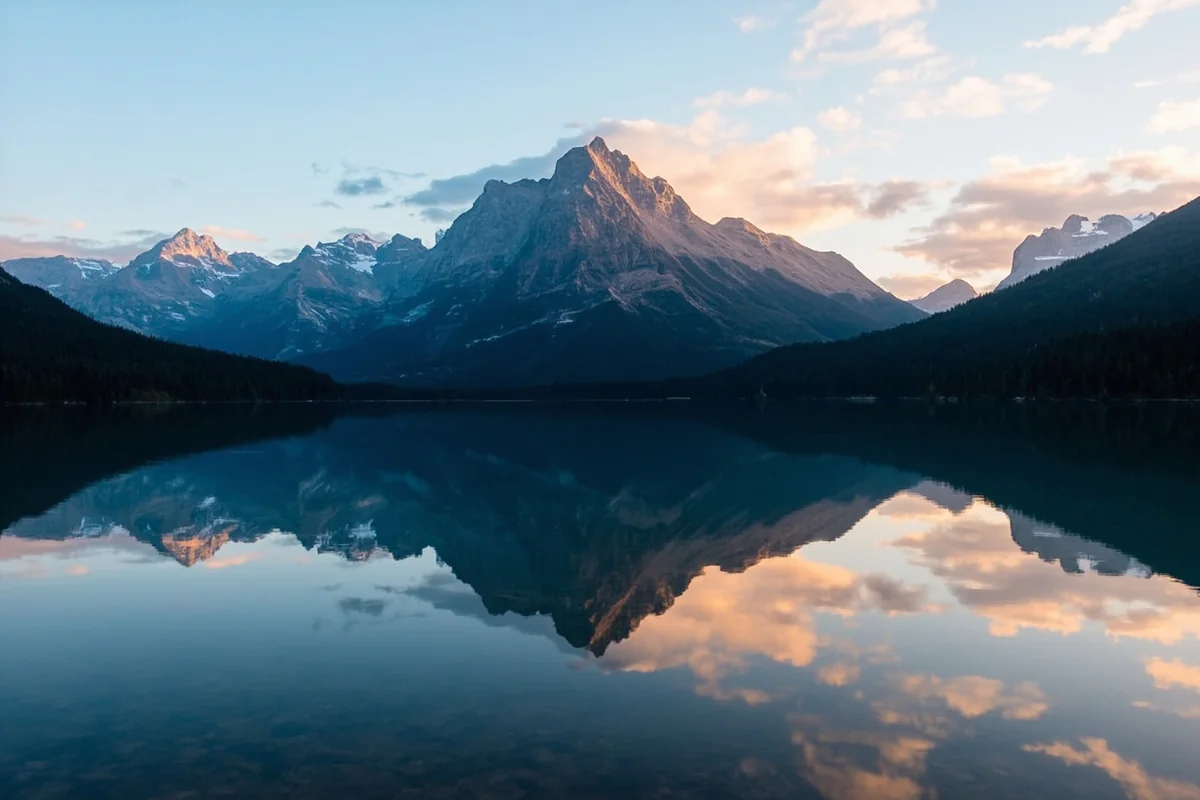
Morning light works best, as it does at most lakes in this valley, since afternoon wind tends to break up the water’s surface and ruin reflection shots. I’d also recommend a polarizing filter if you shoot with one, since it cuts glare on the water beautifully during midday visits.
A Reservoir That Still Feels Wild
Despite being entirely manmade, Lake Sherburne doesn’t feel engineered the way some reservoirs do. The surrounding wetlands, the wildlife corridor status, and the lack of a boat ramp all keep it feeling closer to a natural lake than a piece of infrastructure.
I think that’s the best compliment I can give it. A century after construction, it’s settled into the landscape well enough that most visitors never realize it isn’t natural at all.
Personal Tips / What I Wish I Knew
Don’t skip this lake just because it lacks a ramp. The absence of easy boat access is exactly why it stays quiet compared to its neighbors.
Bring a kayak or canoe if you have one. This is one of the better spots in Many Glacier for a peaceful paddle without motorized boat traffic.
Check current fishing regulations before you go. The hand-held rod and artificial-bait-only rules here are stricter than what you’ll find at some other park lakes.
Visit early morning for the best wildlife odds. I’ve had my best moose and bird sightings here well before most day-trip traffic arrives, usually within the first hour after the sun clears the eastern ridgeline.
Practical Info: Lake Sherburne
| Length | About 6 miles |
| Type | Manmade reservoir, built 1914–1921 |
| Boat access | No boat ramp; hand-carried canoes, kayaks, or rafts only |
| Fishing rules | Hand-held rods only, artificial bait only [verify current regulations] |
| Camping | Many Glacier Campground nearby, 110 seasonal sites |
| Best season | Late May through September for full road access |
Frequently Asked Questions
Is Lake Sherburne a natural lake?
No, it’s a manmade reservoir formed by an earthfill dam built between 1914 and 1921 to regulate Swiftcurrent Creek’s flow.
Is there a boat ramp at Lake Sherburne?
No, which limits practical boating to canoes, kayaks, and other craft that can be carried by hand from the road to the shore.
What are the fishing rules at Lake Sherburne?
Hand-held rods only, artificial bait only, with a daily keep limit around 5 fish — check current Glacier National Park fishing regulations before your trip.
How do you get to Lake Sherburne?
Via Many Glacier Road, about 7 miles west of Babb off Highway 89.
Is Lake Sherburne worth visiting if Swiftcurrent Lake is the main attraction?
I think so — it’s quieter, offers good paddling, and sits at a genuine trail junction for several of the valley’s best hikes.
Why Sherburne Gets Overlooked
I think the lack of a boat ramp explains most of why Lake Sherburne doesn’t get the attention its neighbors do. Swiftcurrent Lake has the historic hotel and the tour boats. Grinnell Lake has the glacier hike. Sherburne has neither of those draws.
But that’s exactly what makes it worth a stop. Fewer organized activities means fewer people, and fewer people means a genuinely different experience from the busier lakes just up the road.
The View From the Road
Even if you don’t stop to paddle or fish, Lake Sherburne offers some of the best drive-by scenery in the entire Many Glacier Valley. The road hugs the shoreline closely enough that passengers get an extended, unobstructed view of the water and surrounding peaks.
I’ve pulled over at a small shoulder along this stretch just to take photos without getting out of the car. Mount Wilbur and the surrounding ridgeline reflect beautifully here on calm mornings, much like they do at Swiftcurrent Lake further up the road.
Water Level Fluctuations
Because Lake Sherburne is a managed reservoir rather than a natural lake, its water level changes more dramatically across the season than most nearby lakes. Spring and early summer typically show higher water, while late summer and fall can reveal more shoreline.
This matters for anyone planning to fish or paddle here. I’d check current conditions before a visit late in the season, since low water can expose more rocky shoreline and change where it’s practical to launch a hand-carried boat.
Comparing Sherburne to the Rest of Many Glacier
If you’re building a full day in Many Glacier and trying to decide how much time to give each lake, here’s my honest breakdown. Swiftcurrent Lake deserves time for the historic hotel and boat tours. Lake Josephine and Grinnell Lake deserve time for the hiking payoff.
Lake Sherburne deserves a shorter stop — maybe 30 to 45 minutes for photos, a short paddle if you brought a kayak, or a picnic at one of the pullouts. It’s not a full-day destination on its own, but it rounds out a Many Glacier visit nicely.
Final Thoughts
Lake Sherburne will probably never be the reason someone plans a trip to Many Glacier. But it’s exactly the kind of overlooked stop that rewards a traveler willing to slow down before reaching the more famous water further up the road.
I make a point of stopping here every time I visit this valley now, even on trips where my main goal is somewhere else entirely.
There’s a lesson in that for how to approach Glacier as a whole: the named, photographed spots are worth seeing, but the quiet ones in between often turn out to be just as memorable.
For the busier lakes just past Sherburne, see my guides to Swiftcurrent Lake and Grinnell Lake, or continue to Lake Josephine for the easiest backcountry lake in the park.
For lodging in this part of the park, see my Glacier National Park lodging guide, and for the nearest town on the east side, see my guide to Browning. Check out the complete guide to Montana’s best lakes for the rest of the region.