Most hikers walk the full length of Mystic Lake and never realize there’s a whole second lake waiting just past where a side creek joins the main valley.
- Huckleberry Lake sits about a mile up a steep side trail branching off the West Rosebud/Mystic Lake route, where Huckleberry Creek flows into Mystic Lake
- It’s small and shallow, with hit-or-miss fishing, but genuinely picturesque and far less visited than Mystic Lake itself
- This guide covers the turnoff, the steep approach, and why this makes a worthwhile detour for hikers who’ve already committed to the Mystic Lake trail
- Best treated as a side trip rather than a standalone destination, given how much longer Mystic Lake alone already takes to hike
Liked this article?
Add Roaming Montana as a preferred source so you see more of our articles and guides on Google.
Easy to Miss, Even for Regular Mystic Lake Hikers
I’ve talked to plenty of hikers who’ve done the Mystic Lake trail multiple times and never realized Huckleberry Lake existed just a short, steep climb away. That’s not surprising — Mystic Lake itself is over a mile long, and simply reaching its far end already takes considerable time and effort for most visitors.
Turning south onto the Huckleberry Lake side trail requires knowing to look for it, since it’s easy to walk right past the junction if you’re focused on Mystic Lake’s main shoreline instead.
Finding the Turnoff
The trail to Huckleberry Lake branches off just past the point where Huckleberry Creek flows into Mystic Lake, along the main West Rosebud trail.
I’d watch for this junction carefully — it’s not the kind of intersection that announces itself with prominent signage, and I’ve walked past it myself on an earlier visit before I knew to look for it specifically.
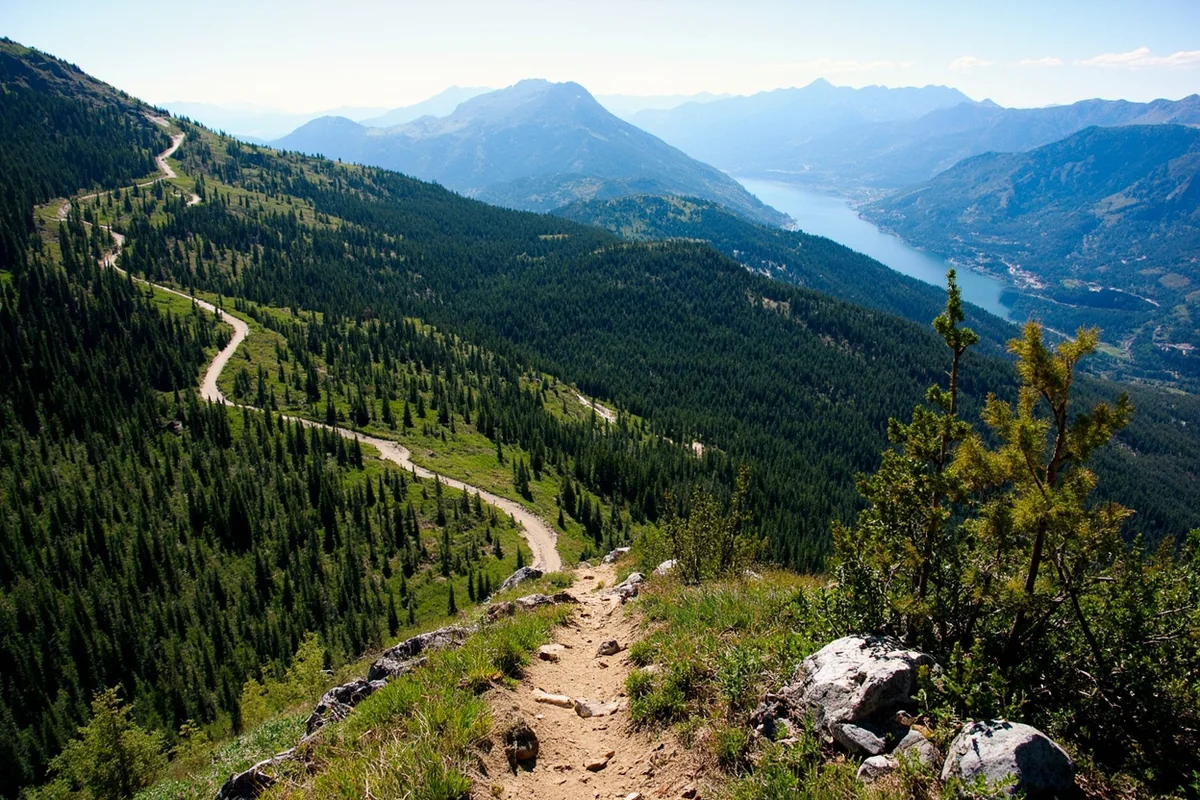
Once you find the turnoff, the trail climbs steeply for roughly a mile. I’d rate this short stretch as genuinely demanding for its length, given the grade — considerably steeper than the general character of the main Mystic Lake trail below it.
What You’ll Find at the Lake
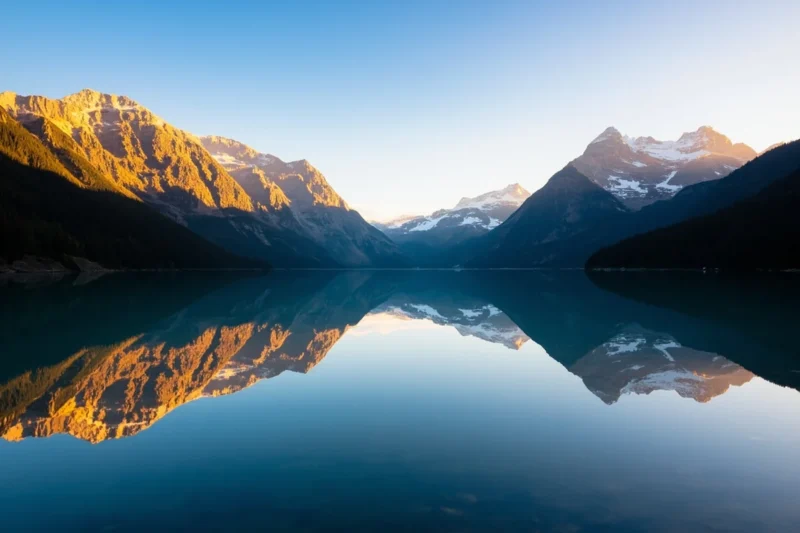
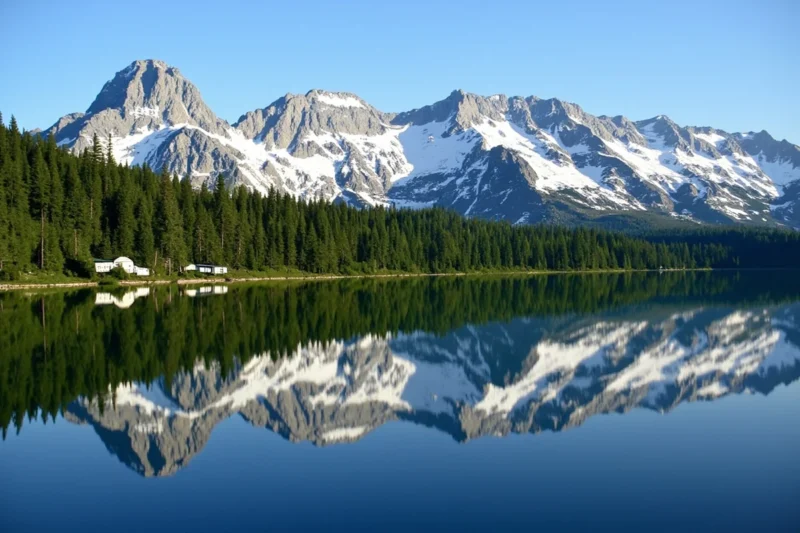
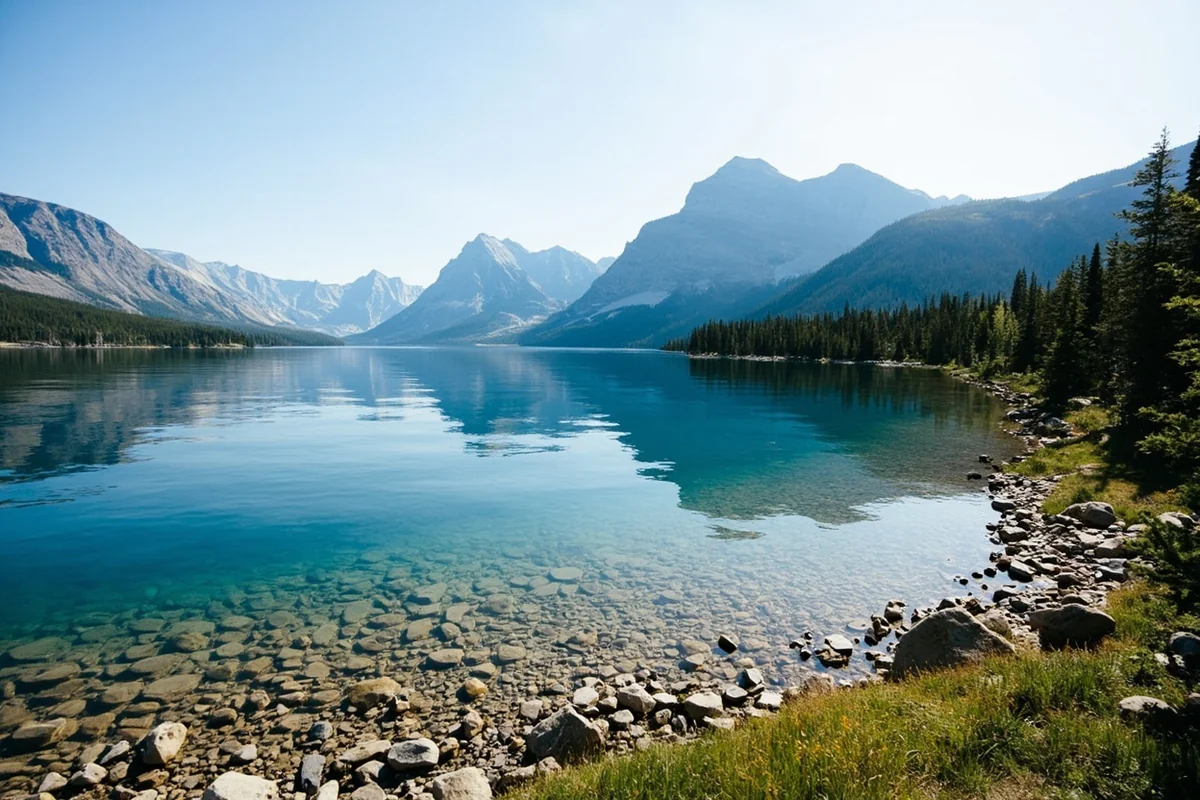
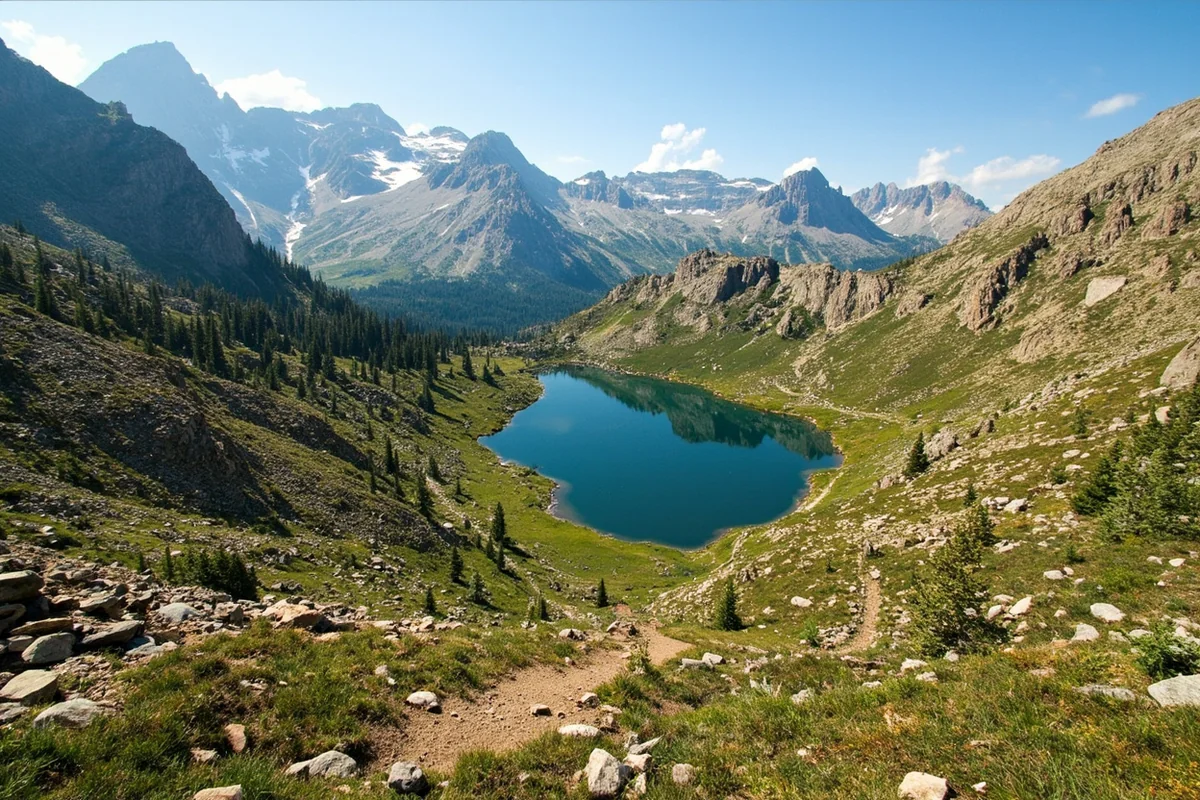
Huckleberry Lake is small and shallow, without the dramatic scale of Mystic Lake or the stark alpine drama of some of the range’s higher lakes. I think that’s exactly its charm — it’s a genuinely picturesque mountain lake precisely because it doesn’t try to be anything grander than what it is.
I’ve had mixed luck fishing here, and I’ll be honest about that rather than oversell it. Some visits have produced decent action; others, nothing worth mentioning. I’d treat any fishing here as a bonus rather than the primary reason to make this detour.
Continuing Beyond Huckleberry Lake
If you keep hiking past Huckleberry Lake, the trail returns to genuine alpine terrain, and after about another mile — roughly 8 miles total from the main trailhead — you’ll reach a lake that many hikers pass by entirely without stopping.
That next lake, Princess Lake, deserves its own dedicated look, and I’d encourage continuing on if your schedule and energy allow it.
I think of Huckleberry Lake as a genuinely worthwhile waypoint on a bigger day rather than a final destination in its own right, especially for hikers with the stamina to continue toward Princess Lake and the broader Beartooth Plateau beyond it.
Why This Detour Is Worth the Extra Mile
Given how much time and effort most visitors already invest just reaching and hiking around Mystic Lake, I understand the temptation to skip a side trail entirely. I’d push back gently on that instinct here.
The extra mile and steep climb genuinely deliver a different experience than what you’ve already seen at Mystic Lake — smaller scale, more intimate, and considerably less trafficked.
I’ve had entire visits to Huckleberry Lake without seeing another hiker, despite Mystic Lake below being genuinely busy on the same day.
Fishing Huckleberry Lake
I mentioned the hit-or-miss nature of fishing here, and I’d add a bit more context. The lake’s shallow depth likely limits how much cold, oxygen-rich water is available for trout compared to deeper alpine lakes elsewhere in the range, which may explain the inconsistent results anglers report.
A standard Montana fishing license covers casting a line here, and I’d bring gear along regardless of the mixed reputation — on a good day, it’s a genuinely pleasant bonus to an already worthwhile stop.
Wildlife Along the West Rosebud Corridor
This whole valley, including the approach to Huckleberry Lake, sits within genuine grizzly and black bear habitat. I’d carry bear spray on any hike in this drainage, Huckleberry Lake included, and make noise on the steeper, more forested sections of the side trail where visibility is limited.
Moose sightings are also common in the wetter sections near Mystic Lake’s inlet, and I’d keep an eye out for them specifically around where Huckleberry Creek joins the main lake.
What to Pack for This Detour
Given the steep, sometimes muddy character of this side trail, I’d wear real hiking boots rather than trail runners, especially if you’re visiting after recent rain. Trekking poles help considerably on the descent back down to the main trail, where loose footing can make the grade genuinely tricky.
I’d also pack a bit more water than you think you’ll need, since the extra climb adds real exertion on top of whatever distance you’ve already covered reaching Mystic Lake in the first place.
Photography at Huckleberry Lake
Given the lake’s small, intimate scale, I’ve found wider shots that include the surrounding forest and mountain backdrop work better here than tight close-ups of the water alone.
Morning light filtering through the trees around the shoreline has produced some of my favorite simple compositions from this whole valley.
I wouldn’t plan an entire photography session around this specific stop, but I’d definitely bring a camera along given how few other visitors make it out this far to photograph the same scene.
A Good Test of Whether You Want to Go Further
I’ve come to think of the Huckleberry Lake detour as a useful gut-check for hikers deciding whether to push on toward Princess Lake and the broader Beartooth Plateau beyond it.
If the steep mile up to Huckleberry Lake already feels like a genuine effort, I’d factor that honestly into your decision about continuing further into more remote, more demanding terrain.
If it felt manageable and you’re still curious what’s further up the valley, that’s a good sign you’re ready for the additional push toward Princess Lake and beyond.
I’ve used exactly this kind of incremental approach myself when exploring new sections of the Beartooths for the first time, rather than committing to the full distance before knowing how my body was handling the elevation that day.
What Locals Say About This Detour
I’ve talked to more than a few Red Lodge locals who’ve hiked the West Rosebud drainage dozens of times over the years, and Huckleberry Lake comes up surprisingly often as an underrated stop.
Several have told me they specifically bring first-time visitors here rather than pushing all the way to Princess Lake, precisely because it delivers a genuine sense of discovery without demanding a full day’s commitment.
I think that local endorsement matters more than any official trail guide’s description. People who’ve hiked a valley dozens of times don’t keep recommending a detour that isn’t genuinely worth the extra effort.
Combining This Trip With a Broader Beartooth Visit
If Huckleberry Lake is your first stop in the West Rosebud valley, I’d use it as a genuine preview of what the broader Beartooth range offers before committing to bigger trips like the full Beaten Path or a serious push toward Granite Peak itself. The scale here is manageable enough to build confidence without the full commitment those bigger routes demand.
For seasonal planning across this whole region, my best time to visit Montana guide covers useful general considerations that apply well beyond just this one trail.
Personal Tips / What I Wish I Knew
Watch for the turnoff carefully. It’s easy to walk right past this junction if you’re not specifically looking for it near where Huckleberry Creek meets Mystic Lake.
Treat the fishing as a bonus, not the goal. I’ve had good days and bad days here, and I wouldn’t build an entire trip around guaranteed fishing success at this specific lake.
Continue on toward Princess Lake if you have the energy. The extra mile past Huckleberry Lake returns you to genuinely dramatic alpine terrain worth the additional effort.
Bring bear spray for this whole valley, not just the main trail. The side trail’s denser forest sections offer less visibility than the open main valley below.
Practical Info: Huckleberry Lake
| Access | Side trail off the West Rosebud/Mystic Lake route, at the Huckleberry Creek inlet |
| Distance from turnoff | About 1 mile, steep climb |
| Lake character | Small, shallow |
| Fishing | Hit or miss; standard Montana fishing license required |
| Best season | Mid-summer through early fall |
| Continuing trail | About 1 more mile to Princess Lake |
Frequently Asked Questions
Where is the turnoff to Huckleberry Lake?
It branches off the main West Rosebud/Mystic Lake trail just past where Huckleberry Creek flows into Mystic Lake, climbing steeply for about a mile.
Is Huckleberry Lake good for fishing?
It’s genuinely hit or miss — some visits produce good results, others nothing notable. I’d treat it as a bonus rather than a guaranteed payoff.
How far is Huckleberry Lake from the main trailhead?
Roughly 7 miles, following the length of Mystic Lake plus the additional mile up the side trail.
Can you continue past Huckleberry Lake?
Yes, about another mile brings you to Princess Lake and back into genuine alpine terrain, well worth continuing if you have the energy.
Is Huckleberry Lake busy like Mystic Lake?
No, it sees considerably less traffic than Mystic Lake below, since most visitors don’t realize the side trail exists or don’t have the time to add it to their day.
A Lake That Rewards Patience Over Ambition
I think Huckleberry Lake teaches a useful lesson about how to approach the Beartooths generally. Not every worthwhile stop needs to be the tallest peak or the most dramatic alpine cirque — sometimes a small, unassuming lake tucked just off the main trail delivers exactly the quiet payoff a long hiking day needs.
I’ve brought hikers here who were initially disappointed by the lake’s modest scale, only to come around once they realized how few other people would ever bother making this specific detour. That rarity value matters more than raw scenery in a range this popular.
Comparing the West Rosebud and East Rosebud Valleys
Huckleberry Lake sits in the West Rosebud drainage, the same valley that leads to Mystic Lake and, eventually, toward Granite Peak. This is a genuinely different experience from the East Rosebud valley, home to the Beaten Path and lakes like Fossil Lake and Lake at Falls.
I’d describe West Rosebud as more focused — fewer named lakes overall, but a clearer through-line from Mystic Lake up toward the high plateau country.
East Rosebud, by contrast, offers a longer, more lake-dense corridor better suited to a multi-day thru-hike. Neither is objectively better, but I’d pick based on whether you want a focused day trip or a longer backpacking itinerary.
Timing Your Visit
I’d plan a Huckleberry Lake detour for mid-summer through early fall, matching the broader Beartooth hiking season.
Given how much elevation you’ll have already gained just reaching Mystic Lake’s inlet, I wouldn’t attempt this side trail during shoulder-season snow conditions, when the steep climb becomes considerably more hazardous.
Final Thoughts
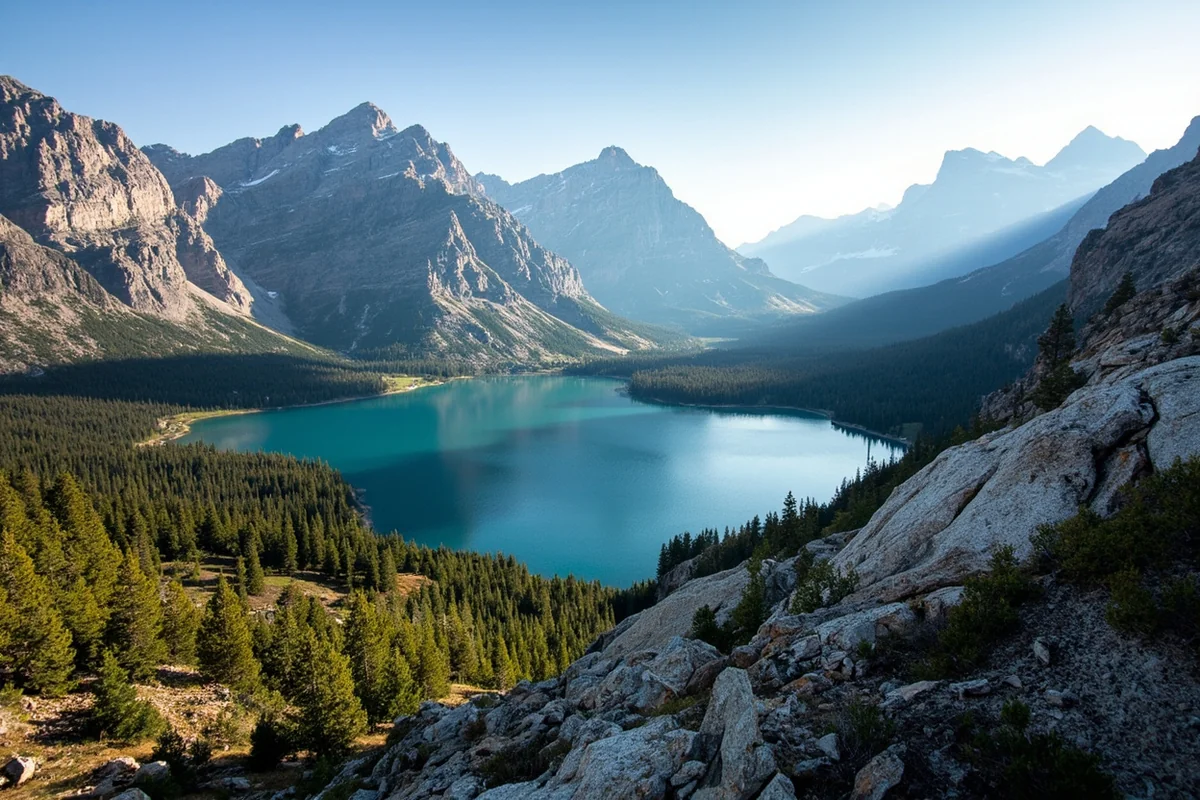
Huckleberry Lake is the kind of detour that rewards hikers willing to look past the obvious main attraction. It won’t rival Mystic Lake’s scale or Princess Lake’s alpine drama, but it offers a genuinely quiet, picturesque stop that most visitors to this valley never even know to look for.
For the main lake this trail departs from, see my guide to Mystic Lake, or continue on to my guide for Princess Lake further up the same trail.
For bear safety in this valley, my Montana bear guide is worth reviewing before you go, and for broader context on this range, my Montana mountain ranges guide rounds out the picture. Check out the complete guide to Montana’s best lakes for the rest of the region.