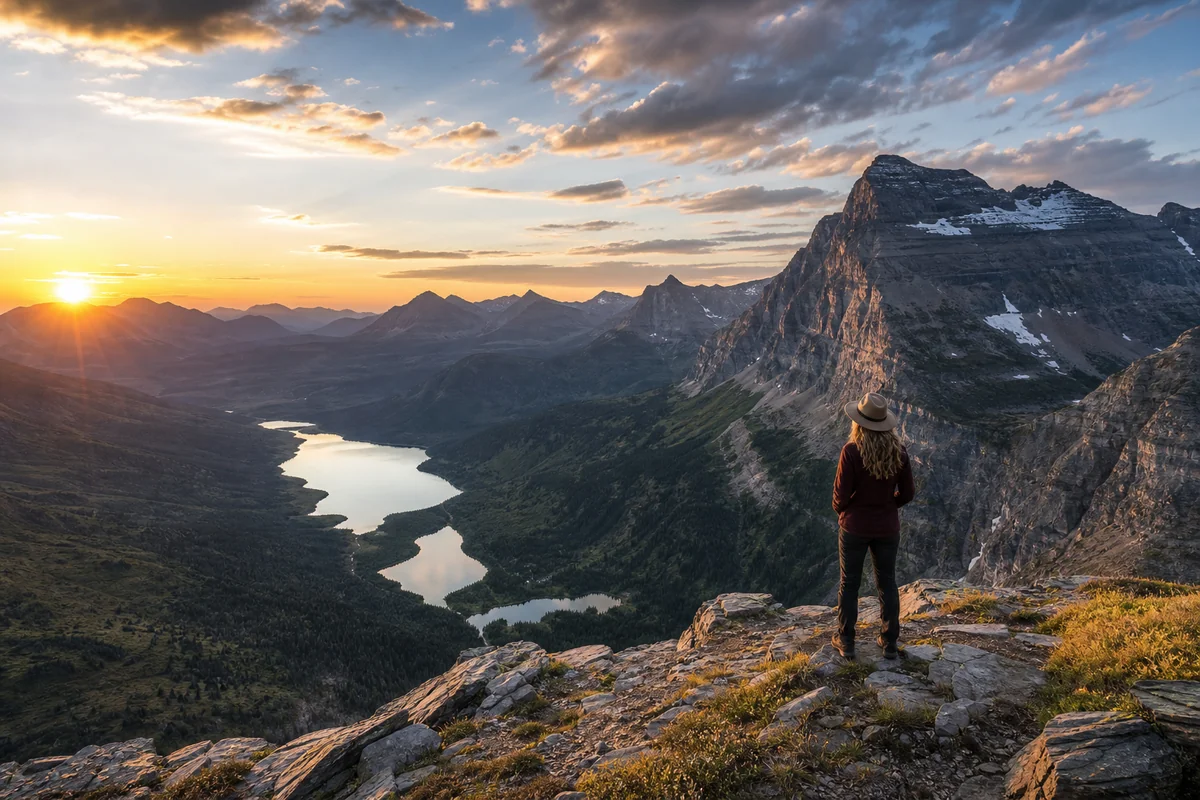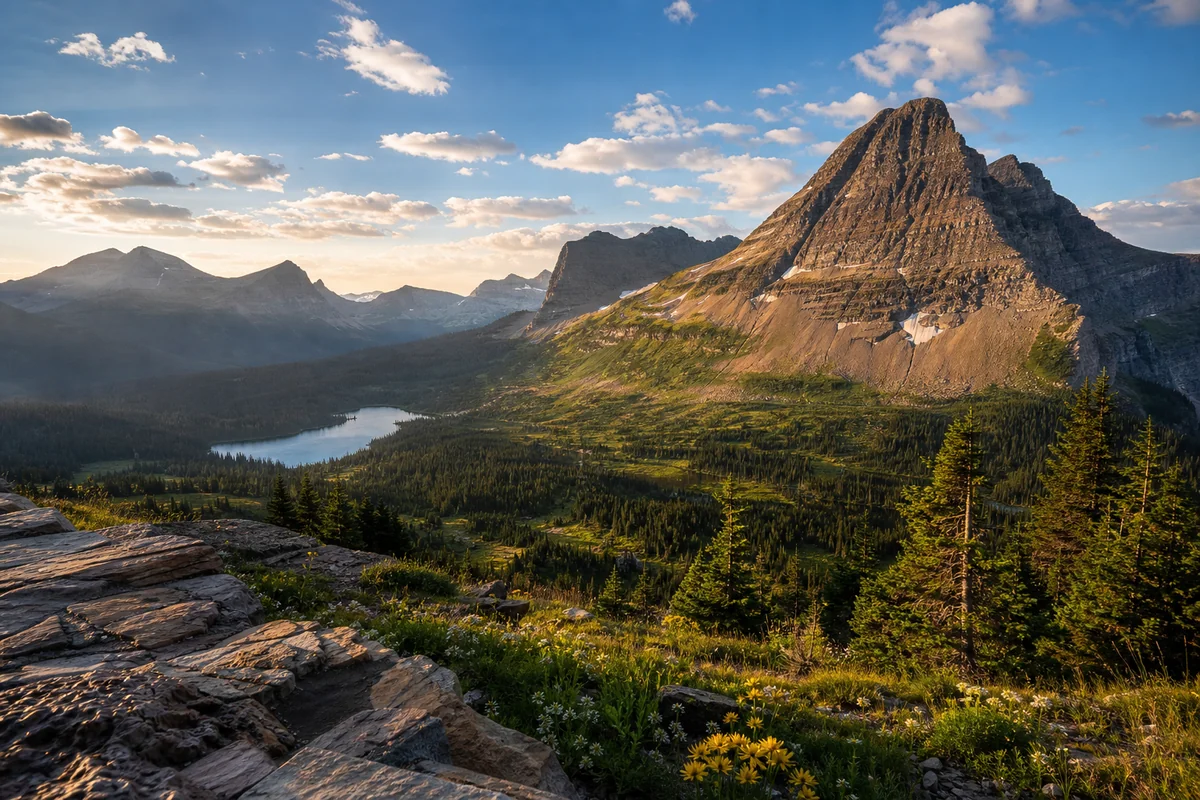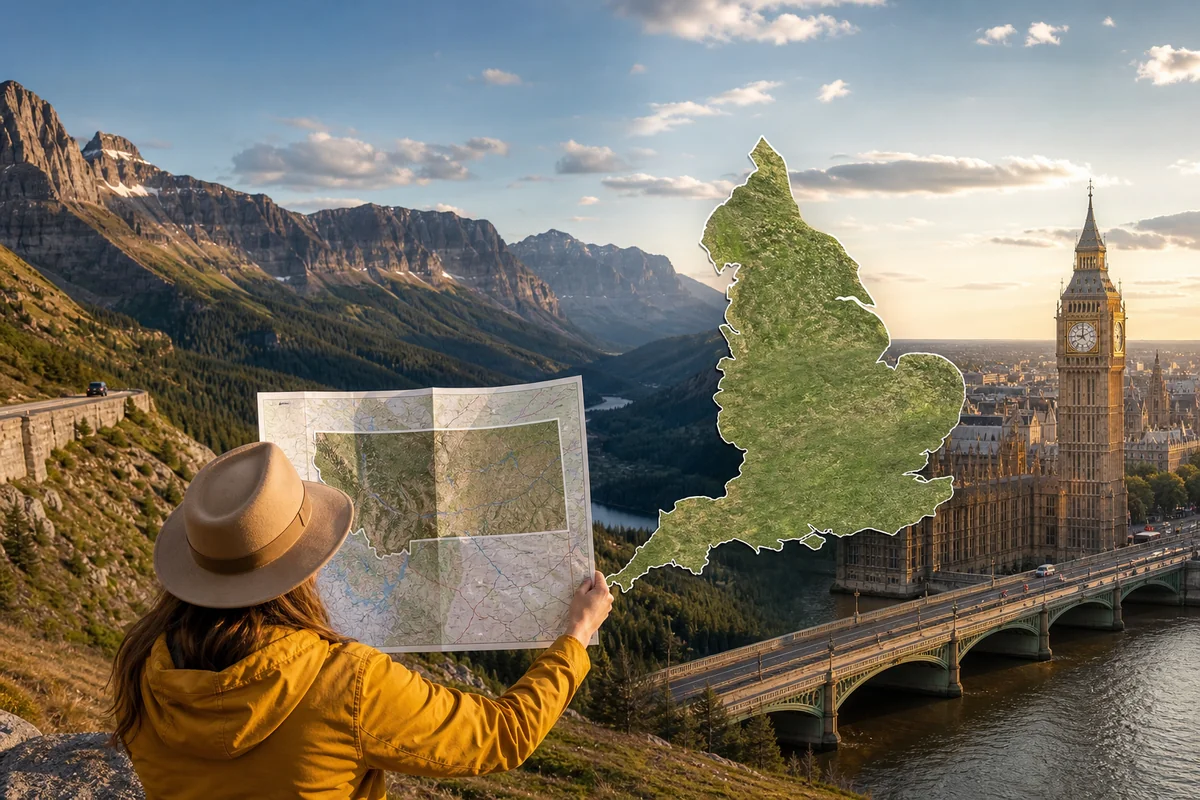
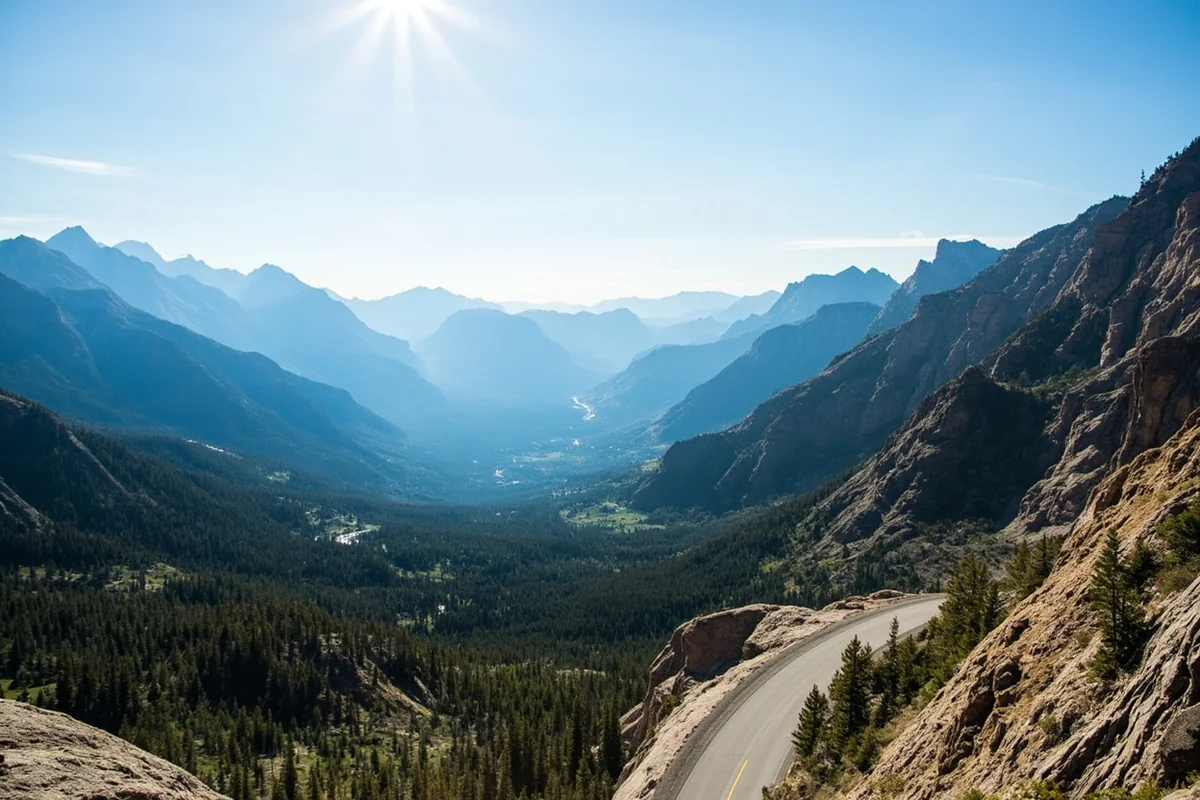
Standing on Going-to-the-Sun Road last August, I watched a British family study their map with growing concern. “We thought we’d pop over to Yellowstone this afternoon,” the father said, pointing south.
I had to break the news gently: that “pop” would take nearly six hours of driving. This moment perfectly captures why understanding Montana’s vast size matters so much, especially when you’re comparing it to familiar places back home.
- Montana is approximately 147,040 square miles — England is roughly 130,279 square miles
- Montana is about 13% larger than all of England
- England’s population is 56 million; Montana’s is just over 1.1 million
- Driving across Montana takes 8+ hours; crossing England takes about 6 hours
- Population density: England has 1,117 people per square mile vs Montana’s 7.5
- Plan for much longer drive times and fewer services than you’d expect in Europe
Liked this article?
Add Roaming Montana as a preferred source so you see more of our articles and guides on Google.
The Raw Numbers: How Montana Stacks Up Against England
Let me lay out the comparison that changed how I plan every Montana trip. Montana covers approximately 147,040 square miles of territory. England, despite feeling enormous when you’re navigating its motorways, spans about 130,279 square miles.
That means Montana exceeds England by roughly 16,761 square miles. To put that “extra” land in perspective, it’s larger than the Netherlands or approximately the size of Denmark.
When I share these figures with visitors from the UK, they often nod politely but don’t fully grasp the implications. Numbers on a page don’t capture what it feels like to drive for three hours through Montana and see maybe a dozen other vehicles.
Population Density: Where the Real Difference Lives
Here’s where the comparison gets truly mind-bending. England packs approximately 56 million people into its borders. Montana? We have just over 1.1 million residents spread across a larger area.
Do the math, and you’ll find England has roughly 1,117 people per square mile. Montana averages about 7.5 people per square mile. That’s not a typo — England is nearly 150 times more densely populated.
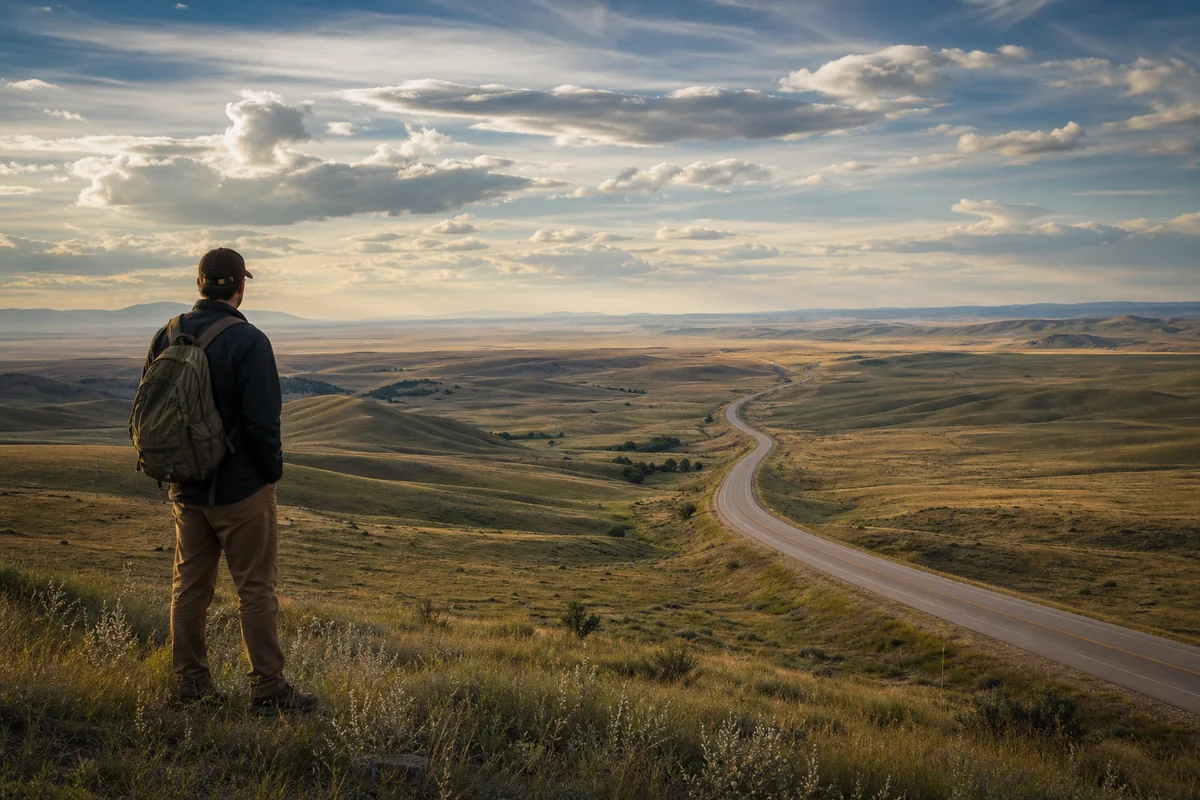
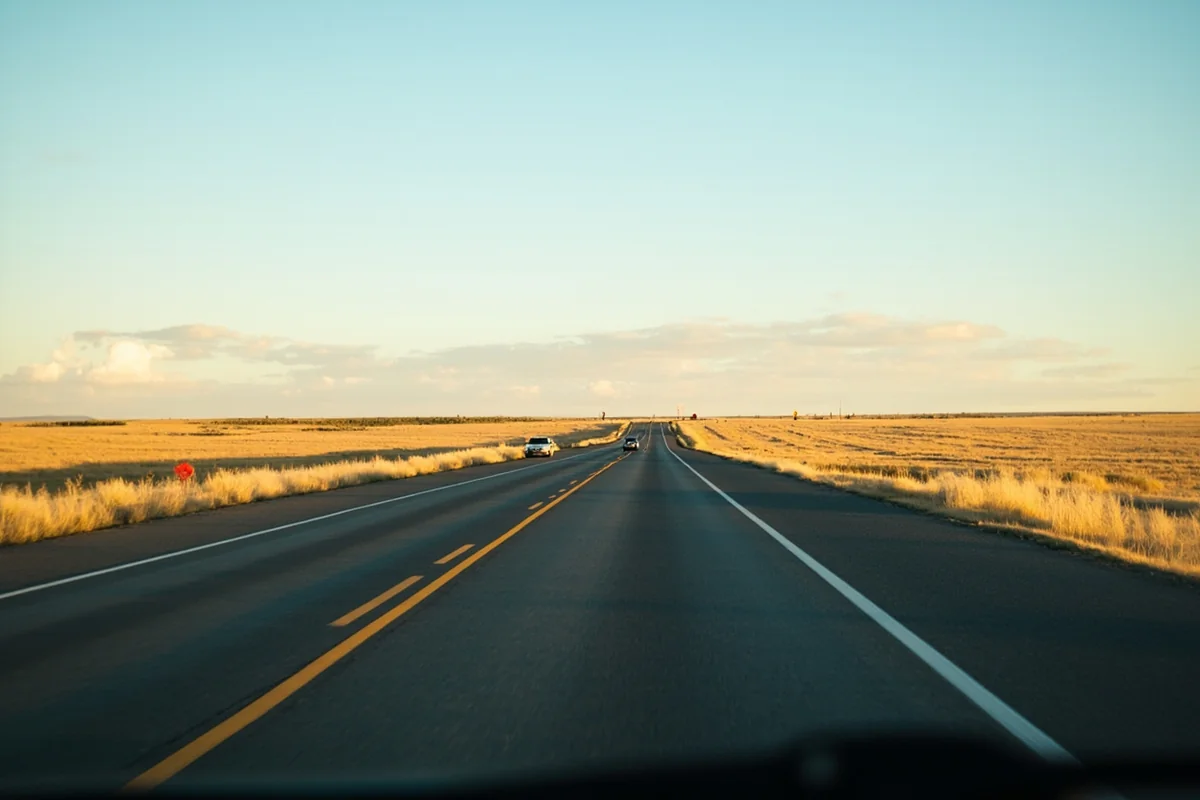
During my road trip through eastern Montana last fall, I drove for 45 minutes without seeing a single house, let alone another person. The emptiness felt almost disorienting after years of living where some neighbor was always within shouting distance.
This population difference affects everything about traveling here. The sheer amount of land in Montana means you’ll encounter stretches where gas stations are 80 miles apart. In England, you’d pass dozens of petrol stations in that same distance.
Driving Distances: Rethink Everything You Know
I learned this lesson the hard way during my first Montana summer. Back in my previous life in a more populated state, an hour’s drive felt significant. In Montana, an hour barely gets you started.
| Montana Route | Distance | Drive Time | England Equivalent |
|---|---|---|---|
| Missoula to Billings | 350 miles | 5 hours | London to Edinburgh |
| Glacier NP to Yellowstone | 370 miles | 6+ hours | London to Newcastle and back |
| West to East border | 550+ miles | 8+ hours | Land’s End to John o’Groats |
| Helena to Great Falls | 90 miles | 1.5 hours | London to Brighton |
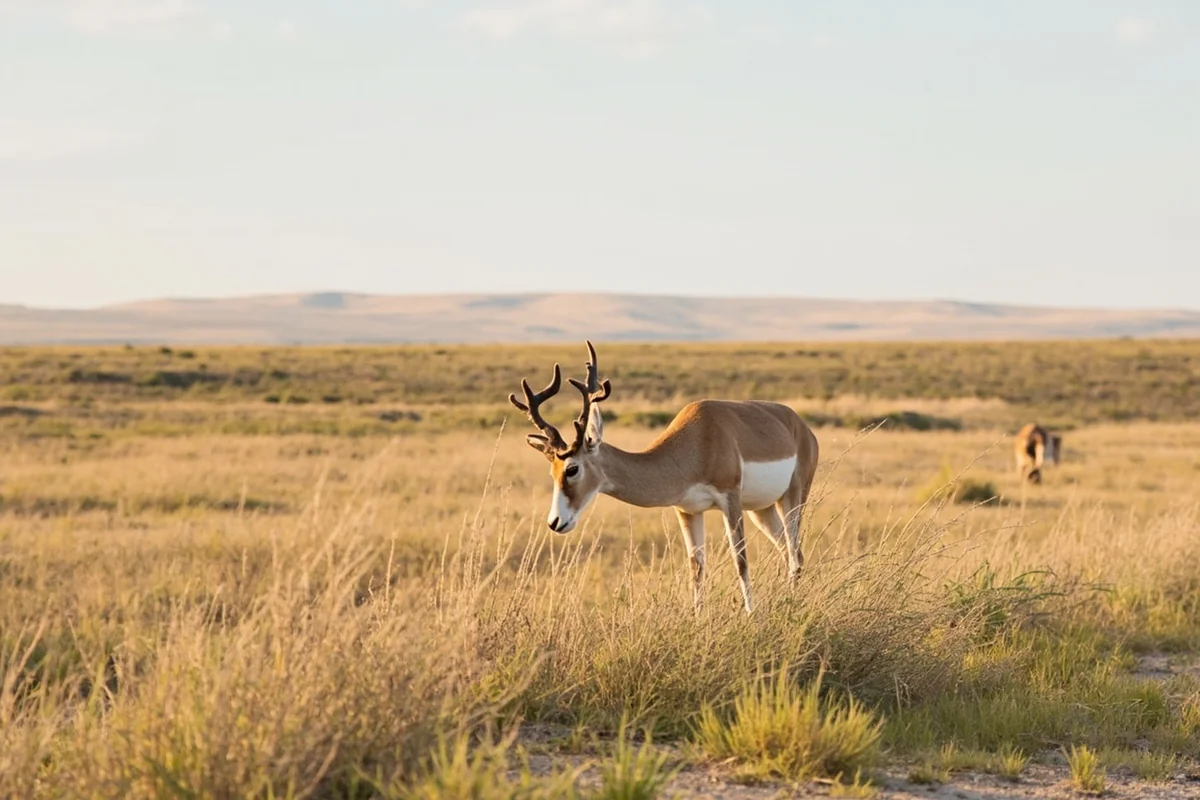
What this table doesn’t show is how different those miles feel. On England’s M1, you’re surrounded by traffic, passing service areas every few miles, and watching signs for dozens of towns. On Montana’s Highway 2, you might see more antelope than automobiles.
Why This Matters for Your Montana Itinerary
Every year, I meet travelers who’ve made the same planning mistake. They see Glacier National Park and Yellowstone both marked as “Montana highlights” and assume they can easily visit both in a day trip.
I had a British couple stay at a lodge near Whitefish last June. They’d planned to drive to Yellowstone, spend a few hours exploring, and return that same evening. When I explained they were looking at 12+ hours of driving alone, their faces fell.
Instead, they took my advice and spent those two days properly exploring Glacier’s Many Glacier Valley. “We saw more wildlife in one morning than we expected all trip,” the wife told me later.
For context, imagine planning a day trip from London that requires you to drive to Edinburgh and back. That’s essentially what people attempt when they underestimate Montana’s scale.
Landscape Variety Within Montana’s Borders
England famously packs remarkable landscape diversity into its relatively compact size — from the Lake District’s fells to Cornwall’s coastline to the Yorkshire moors. Montana matches this variety but spreads it across a canvas 13% larger.
During a single week last September, I experienced four completely different Montana ecosystems. I started in the lush cedar forests near Libby, where rainfall creates an almost Pacific Northwest atmosphere. Three days later, I was in the semi-arid badlands outside Jordan, where the landscape looked more like Mars than anywhere I’d seen in England.
Montana’s physical features span an incredible range — from glacier-carved peaks reaching 12,000 feet to rolling prairies that stretch unbroken for hundreds of miles.
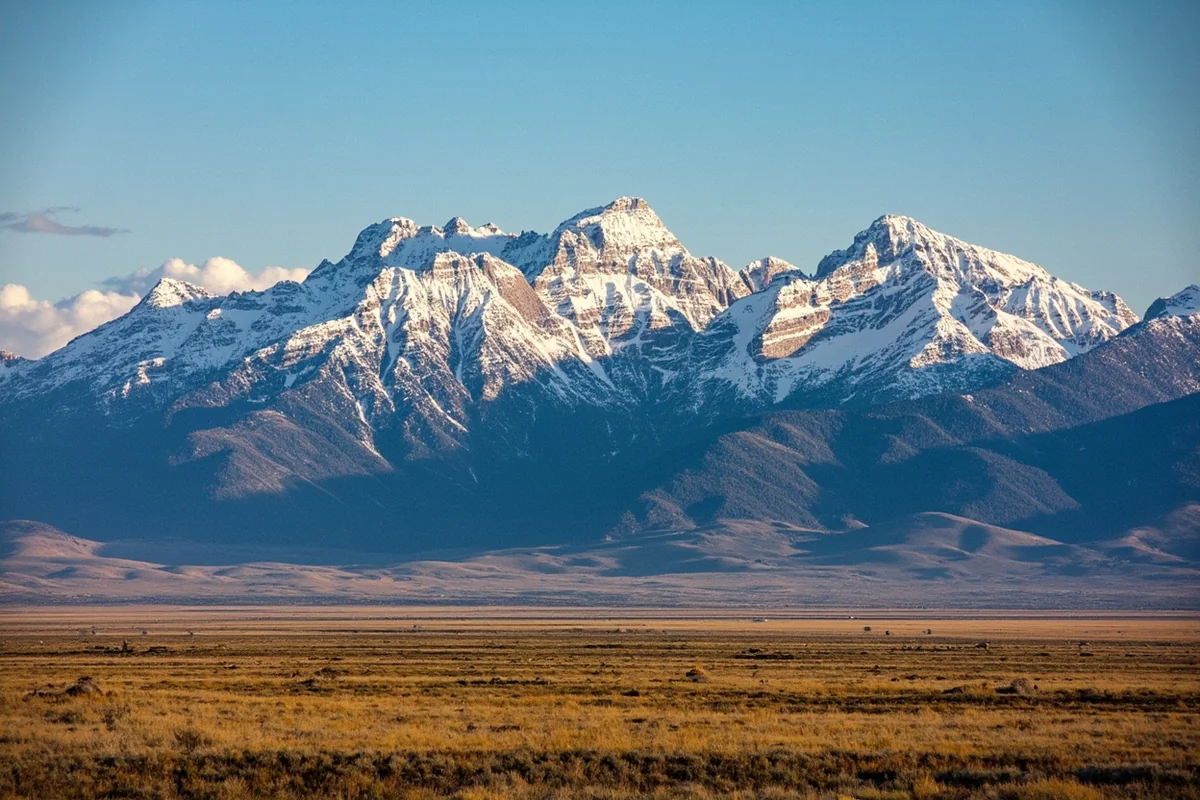
The Rocky Mountain Front, which I drove along last spring, offers perhaps the most dramatic transition. One moment you’re in golden grasslands. Then, almost without warning, the mountains erupt from the plain like a wall of stone. England has nothing quite like this geological drama.
England’s Compactness vs Montana’s Expansiveness
I’ve traveled extensively through both places, and the experiential difference can’t be overstated. In England, you’re never more than 70 miles from the sea. In Montana, you’re never within several hundred miles of any ocean.
England feels layered, with history and habitation stacked upon every acre. Drive any English country road, and you’ll pass through villages that have existed for a thousand years, pass farms that have been worked for centuries, spot church spires on every horizon.
Montana feels primordial. Last summer, I hiked into the Bob Marshall Wilderness and walked for six hours without crossing a single human-made structure. The landscape looked exactly as it might have 10,000 years ago.
This expansiveness changes how you experience time itself. In England, you can pack multiple destinations into a day because everything connects efficiently. In Montana, you learn to savor the journey because the journey is substantial.
How This Size Comparison Fits the Bigger Picture
England isn’t the only useful comparison point. When you compare Montana to broader Europe, the scale becomes even more illuminating. Montana could fit several European nations within its borders.
And while Montana is massive, it’s worth noting that Montana isn’t actually America’s largest state — that title belongs to Alaska. But Montana does rank fourth in size, larger than every state east of the Mississippi combined.
Practical Implications for British and European Visitors
Having hosted many UK visitors and helped countless others plan their Montana adventures, I’ve developed specific advice for travelers accustomed to England’s scale.
Fuel Planning Is Non-Negotiable
In England, running low on petrol is merely inconvenient. In Montana, it can become genuinely dangerous. I make a personal rule: never pass a gas station with less than half a tank, especially in eastern Montana.
Last October, I watched a rental car limp into a station in Roundup on fumes. The couple inside had driven from Billings expecting to find fuel in Lavina or Ryegate. Neither town had an open station that Sunday.
Fill up whenever you see a pump. The price might be slightly higher in small towns, but peace of mind is worth any premium.
Cell Service Gaps Are Real
England’s mobile coverage blankets nearly the entire nation. Montana has vast dead zones where your phone becomes a very expensive camera.
On my recent drive through the Missouri Breaks, I had no cell signal for nearly four hours. I’d downloaded offline maps beforehand, which proved essential when I missed a turn.
Always download offline maps before leaving cellular coverage. Tell someone your route and expected arrival time. Consider a satellite communicator for backcountry exploration.
Weather Can Change Faster Than You’d Believe
England’s weather is famously changeable, but Montana takes variability to extremes. The state’s size means different weather systems can affect different regions simultaneously.
Last January, I woke in Missoula to overcast skies and 35°F. Three hours east, near Butte, I drove through a whiteout blizzard. Another two hours beyond that, Great Falls was sunny and -15°F.
Always pack layers. Check weather forecasts for your specific route, not just your destination. Montana’s size means conditions can vary dramatically over your journey.
Wildlife Encounters Require Respect
England has no large predators roaming wild. Montana has grizzly bears, mountain lions, and wolves. This isn’t meant to frighten you — it’s meant to prepare you.
During a hike near Polebridge last July, I rounded a bend and found myself 50 yards from a grizzly sow with two cubs. My bear spray was accessible, I backed away slowly, and the encounter ended peacefully. But it reminded me that Montana’s size supports ecosystems that simply don’t exist in England.
Carry bear spray in bear country. Make noise on trails. Store food properly. These aren’t suggestions — they’re essential practices.
What Montana’s Size Means for Different Travel Styles
For Road Trippers
Montana rewards road trips like few places on Earth. But your English road trip instincts need recalibration.
Instead of planning multiple stops per day, plan one or two. Build in buffer time for wildlife sightings, weather delays, and the spontaneous discoveries that make Montana special.
My most memorable Montana moments have come from unplanned stops. That meadow near Augusta where I watched a wolf pack cross at dawn. That diner in Drummond where I talked to a third-generation rancher for two hours. You need schedule slack for these experiences.
For National Park Visitors
Glacier National Park alone spans over 1,500 square miles — larger than the entire county of Greater London. You could spend a week in Glacier and barely scratch the surface.
When I guide first-time visitors, I encourage them to pick one or two areas and explore deeply rather than racing to check off highlights. Last summer, I spent three full days just in the Many Glacier area. I saw things I’d missed in a dozen previous visits.
Yellowstone, technically mostly in Wyoming but partially in Montana, covers an even larger area. Attempting both parks in a single trip is possible but requires at least 10 days to do justice to either.
For Outdoor Adventurers
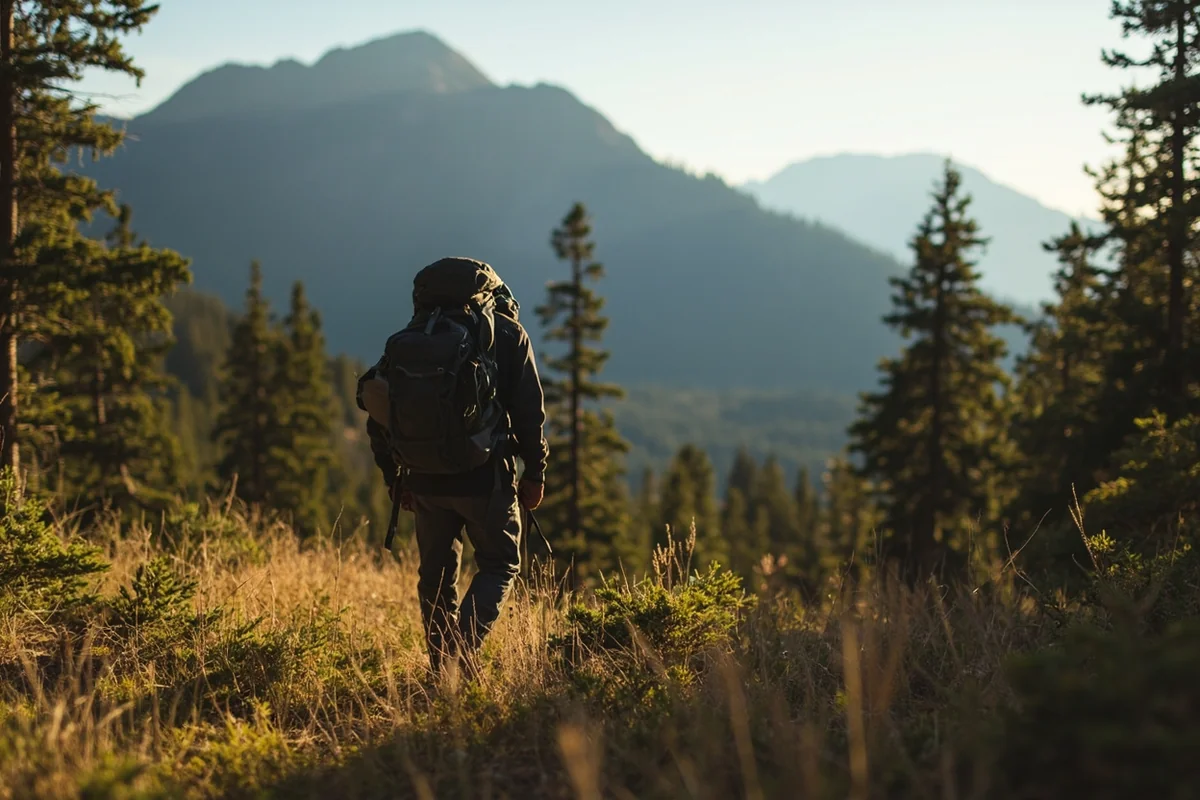
Montana’s size creates opportunities that England’s density makes impossible. Here, you can hike for days without seeing another person. You can fish rivers with no one else in sight. You can camp in true wilderness, miles from any road.
The Bob Marshall Wilderness Complex covers over 1.5 million acres with no roads, no vehicles, no motorized equipment. That’s an area larger than the entire county of Devon, set aside purely for wilderness preservation.
This scale enables solitude that’s increasingly rare worldwide. But it also demands self-sufficiency that England’s infrastructure makes unnecessary.
Seasonal Considerations at This Scale
Montana’s size affects seasonal accessibility in ways England travelers don’t encounter. Most English roads remain passable year-round. Montana has major routes that close entirely for winter.
Going-to-the-Sun Road, Glacier’s famous scenic drive, typically closes from late October through late June. The Beartooth Highway near Yellowstone follows a similar schedule. Even “open” roads can become treacherous with little warning.
Last March, I attempted to reach West Yellowstone for a photography trip. A spring storm shut down three different route options. I spent an unexpected night in Bozeman, grateful I’d built flexibility into my schedule.
Summer brings different challenges. Montana’s size means fire season can close trails, create hazardous air quality in some regions while others remain clear, and change conditions rapidly. Always check current conditions, not just forecasts.
Accommodations Across Montana’s Expanse
England offers lodging options around nearly every bend. Montana requires more planning, especially during peak season.
In popular areas like Whitefish, Big Sky, or the Yellowstone gateway communities, book months ahead for summer visits. During my July trip to East Glacier, every room within 50 miles had been reserved since February.
Remote areas present different challenges. Some stretches of Highway 200 have no lodging for 100+ miles. Eastern Montana towns might have one motel with 12 rooms.
I’ve learned to book key overnight stays early while leaving room for spontaneity in less-trafficked areas. Finding an unexpected gem in Hardin or White Sulphur Springs has led to some of my favorite Montana experiences.
Food and Supply Considerations
In England, you’re never far from a Tesco or a high street with shops. Montana doesn’t work that way.
I pack a cooler with water, snacks, and basic supplies for any drive exceeding two hours. This isn’t paranoia — it’s practical planning.
Last fall, driving from Lewistown to Roundup, I got a flat tire in an area with no cell service. While I waited for the spare’s sealant to set, I was grateful for the sandwiches and water I’d packed in Great Falls that morning.
Grocery stores exist in larger towns like Missoula, Bozeman, Great Falls, Billings, and Helena. Smaller communities might have a general store with limited selection. Plan your provisioning around these realities.
Understanding Montana’s Regions
Montana’s size creates distinct regions, each deserving separate attention. You wouldn’t try to experience all of England in a single trip, and the same principle applies here.
Western Montana
The mountainous western third contains Glacier National Park, the Flathead Valley, Missoula, and most of what visitors picture when they imagine Montana. This region receives more rainfall, supports denser forests, and offers the classic mountain scenery.
Central Montana
The geographic center transitions from mountains to plains. Helena, Great Falls, and Lewistown anchor communities here. The landscape becomes more open, the history focuses on mining and ranching, and the tourist crowds thin considerably.
Eastern Montana
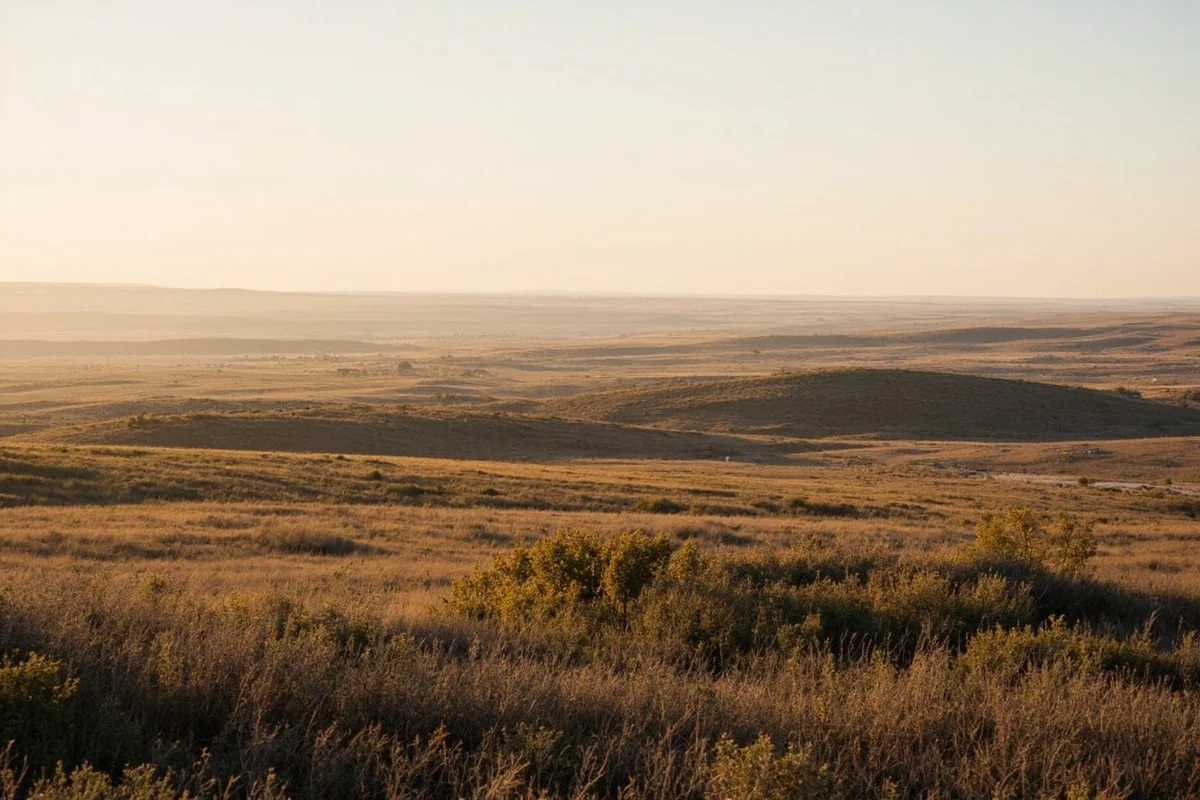
Two-thirds of Montana lies east of the Continental Divide, but relatively few tourists explore this region. The prairies, badlands, and big river valleys offer a completely different Montana experience. Fewer services, but also fewer crowds and a chance to experience the state as early homesteaders might have.
Final Thoughts: Embracing Montana’s Scale
That British family I met on Going-to-the-Sun Road ultimately had a wonderful trip — once they recalibrated their expectations. They stopped trying to see everything and started experiencing the places they did visit.
Montana being larger than England isn’t just a geographic fact. It’s an invitation to travel differently, to slow down, to let the landscape set the pace.
When I returned to Glacier last month, I thought about how many times I’ve explored this state and how much remains undiscovered. Montana’s size means a lifetime of exploration wouldn’t exhaust its possibilities.
For visitors from England, my advice is simple: respect the distances, embrace the emptiness, and prepare for an experience unlike anything back home. Montana’s scale is a feature, not a bug. It’s what makes this place feel genuinely wild in a world where wildness grows increasingly rare.
Pack your patience along with your camera. Fill your tank at every opportunity. And remember that getting there is part of the adventure. Montana rewards travelers who understand that bigger truly means different — not just in size, but in spirit.
Frequently Asked Questions
Is Montana bigger than England in total land area?
Yes, Montana is significantly larger than England – Montana covers about 147,000 square miles while England spans roughly 50,300 square miles. That means Montana is nearly three times the size of England, which I find helpful when planning driving distances between destinations like Glacier and Yellowstone National Parks.
How long does it take to drive across Montana compared to driving across England?
Driving across Montana from east to west takes approximately 9-10 hours covering about 550 miles on I-90, while crossing England takes roughly 5-6 hours. I always recommend US travelers budget extra driving time in Montana since speed limits, wildlife crossings, and scenic stops can extend your journey considerably.
What’s the population density difference between Montana and England for travelers seeking solitude?
Montana has roughly 7 people per square mile compared to England’s 1,100 people per square mile, making it one of America’s least crowded states. If you’re seeking remote wilderness experiences without crowds, Montana offers vast stretches where you won’t see another person for hours – just pack extra supplies since services can be 50+ miles apart.
How should I plan my Montana road trip knowing it’s three times larger than England?
I recommend focusing on one region per trip rather than trying to see everything – visiting both Glacier and Yellowstone requires at least 7-10 days with significant driving. Budget $50-80 daily for gas since distances between attractions often exceed 100 miles, and always download offline maps because cell service disappears in rural areas.
What’s the best time to visit Montana if I want to explore its vast wilderness areas?
July through September offers the best weather for exploring Montana’s expansive terrain, with most roads and trails accessible and temperatures between 70-85°F. I’d avoid late spring when mountain passes may still be closed due to snow – unlike compact England, Montana’s size means seasonal road closures can add hours to your route.
How much does a week-long Montana trip cost compared to visiting England?
A week in Montana typically runs $1,500-2,500 for two people including lodging, food, gas, and park entrance fees – often cheaper than England once you factor in transatlantic flights and London prices. However, the vast distances mean you’ll spend $200-400 on fuel alone, so I suggest renting a fuel-efficient SUV and booking accommodations in central locations like Bozeman or Missoula.
Should I rent a car in Montana since it’s so much bigger than England?
Absolutely – a rental car is essential in Montana since public transportation is virtually nonexistent outside of small city bus systems. Unlike England where trains connect major destinations, Montana’s size means you’ll drive 2-4 hours between key attractions, so I recommend an AWD vehicle for $60-100 per day to handle mountain roads and unpredictable weather conditions.
Sources:
- https://www.emich.edu/omni-cms-training/training-session/exercises/1-finding-nemo/continents/europe/index.php
- https://www.census.gov/geographies/reference-files/2010/geo/state-area.html
- https://www.census.gov/quickfacts/MT
- https://www.ons.gov.uk/peoplepopulationandcommunity/populationandmigration/populationestimates/bulletins/annualmidyearpopulationestimates/mid2021
- https://bpb-us-w2.wpmucdn.com/u.osu.edu/dist/9/1401/files/2014/03/England-1m1njuk.pdf
- https://bpb-us-w2.wpmucdn.com/u.osu.edu/dist/9/1401/files/2014/03/Germany-1h1tnoj.pdf
- https://lmi.mt.gov/_docs/Publications/EAG-Articles/1217-RuralEconomy.pdf