A T. rex discovery so complete it convinced the government to build a museum around it now shares a building with Great Depression-era work records from the largest hydraulically filled dam in the country. Both stories are true, and both are free to see.
- Fort Peck Interpretive Center sits just below Fort Peck Dam, a joint project between the U.S. Army Corps of Engineers and U.S. Fish & Wildlife Service
- The signature attraction, Peck’s Rex, was 75 percent complete when discovered in 1997, making it one of the most complete T. rex specimens ever found
- The center holds Montana’s two largest aquariums, extensive dam construction history, and wildlife exhibits from the surrounding 1.1-million-acre Charles M. Russell National Wildlife Refuge
- Admission is free, but 2026 hours have shrunk to a four-day weekly schedule, so confirm before you drive out
- This is one of the best museums in Montana that tells two genuinely major stories — a paleontological discovery and a New Deal engineering project — in one free building
Liked this article?
Add Roaming Montana as a preferred source so you see more of our articles and guides on Google.
The Discovery That Built This Museum
Most museums come first, then collect specimens to fill their galleries. This one happened in reverse.
In 1997, a Tyrannosaurus rex was discovered 20 miles southeast of Fort Peck, and when paleontologists finished excavating it, they realized they had something genuinely rare: a specimen 75 percent complete, making it the second most complete T. rex fossil known anywhere in the world at the time.
That single discovery is what turned the idea of building a museum near the Hell Creek Formation’s dig sites into an actual, funded reality.
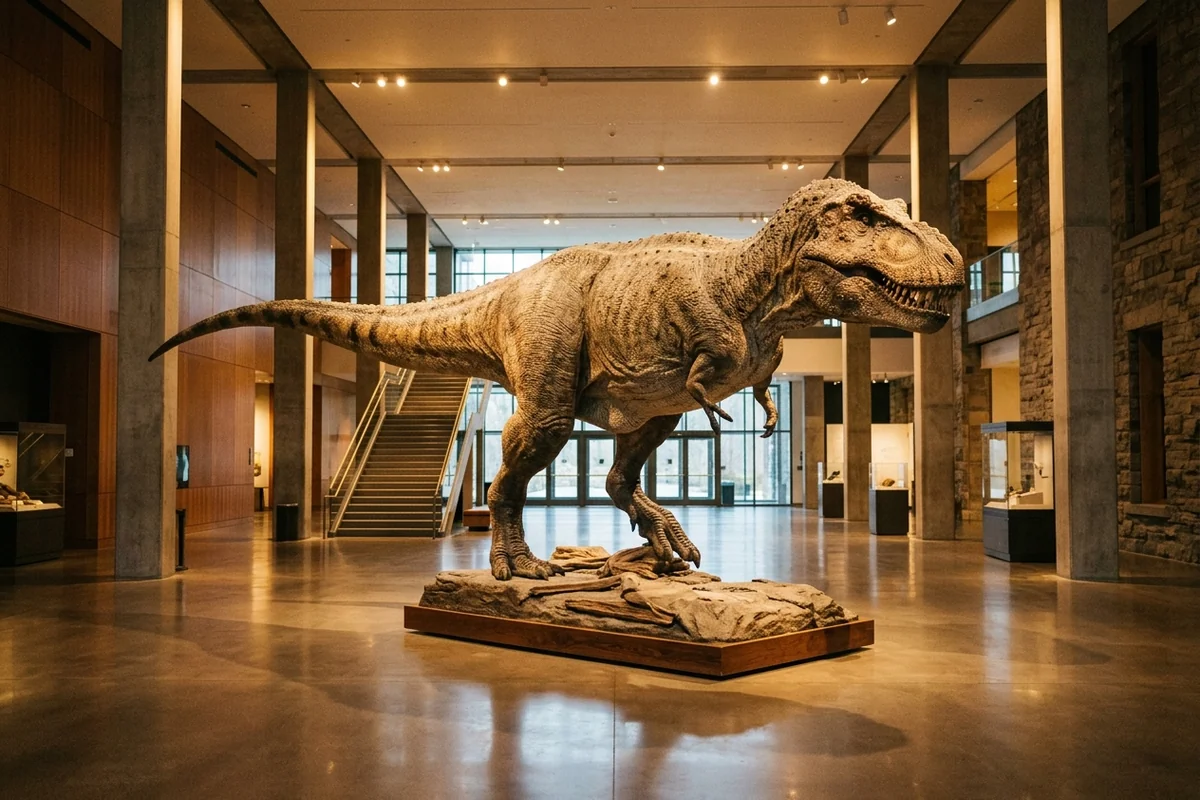
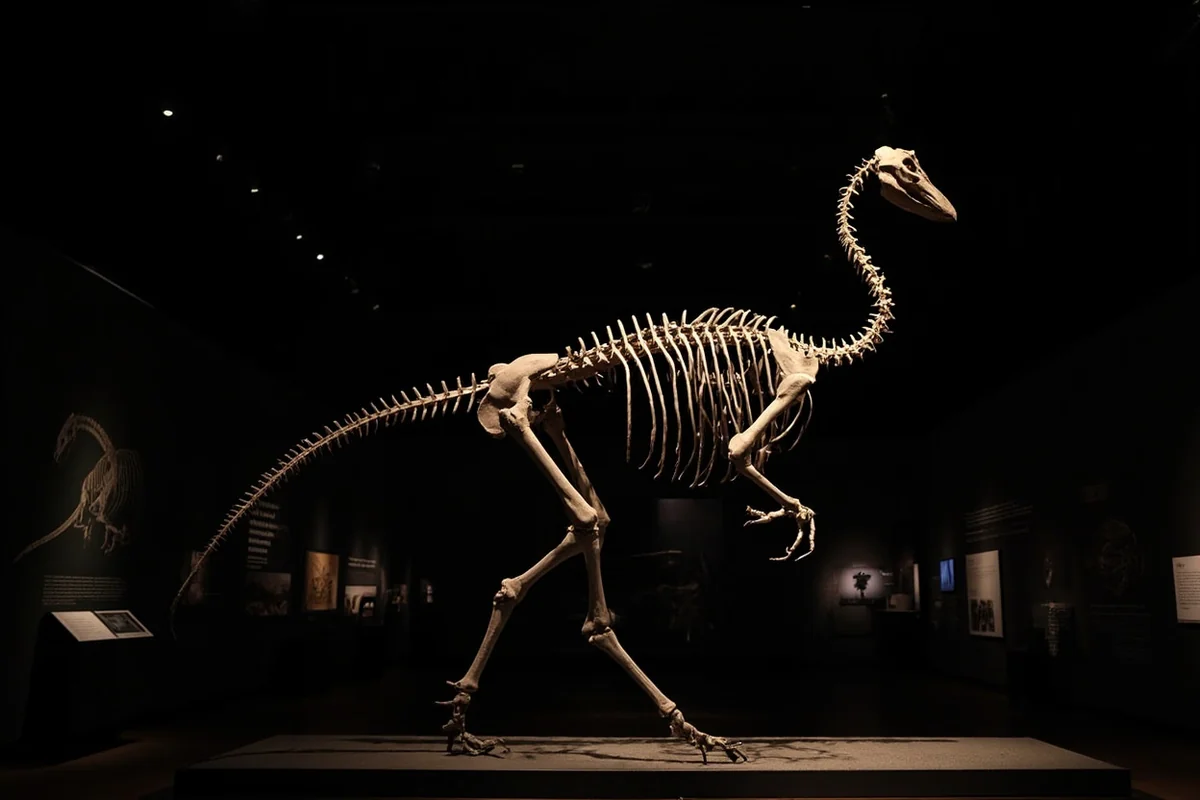
Today, Peck’s Rex greets you three separate times during a single visit. A life-size, fleshed-out model watches over the lobby.
A full skeleton cast hangs in the exhibit hall. And a hands-on exhibit lets you actually touch a model of the dinosaur’s massive skull — a level of physical interaction most museums housing a specimen this significant wouldn’t allow.
The Rest of the Fossil Collection
Peck’s Rex gets top billing, but the surrounding paleontology exhibits are genuinely worth your time too.
A Struthiomimus display shows off an ostrich-like dinosaur capable of running over 35 miles per hour, built for speed rather than combat.
A Cretaceous Sea exhibit covers the marine reptiles that once inhabited the ancient inland sea covering this stretch of Montana millions of years before any dinosaur walked on dry land here.
The museum’s former director once described the marine display as looking like the underwater equivalent of the T. rex upstairs — a genuinely apt way to think about apex predators that ruled different environments in the same prehistoric era.
Fort Peck Interpretive Center is one of 14 official stops on the Montana Dinosaur Trail, and given the strength of this specific collection, it’s a stop worth prioritizing rather than treating as a quick pass-through on your way to somewhere else.
Montana’s Two Largest Aquariums
This is the detail most visitors don’t expect from a facility built around a dinosaur skeleton and a dam. Fort Peck Interpretive Center houses Montana’s two largest aquariums, one displaying fish native to Fort Peck Lake, the other displaying species found in the Missouri River itself.
A shovelnose sturgeon is among the specimens on display — a genuinely primitive-looking fish species that’s called this stretch of the Missouri River home for a very long time.
Combined with the center’s broader wildlife exhibits covering species from the surrounding 1.1-million-acre Charles M. Russell National Wildlife Refuge, this gives you a real sense of the region’s living ecosystem alongside its prehistoric one.
A Dam Built to Put the Great Depression to Work
The other half of this museum’s story has nothing to do with dinosaurs, and it’s just as significant in its own way.
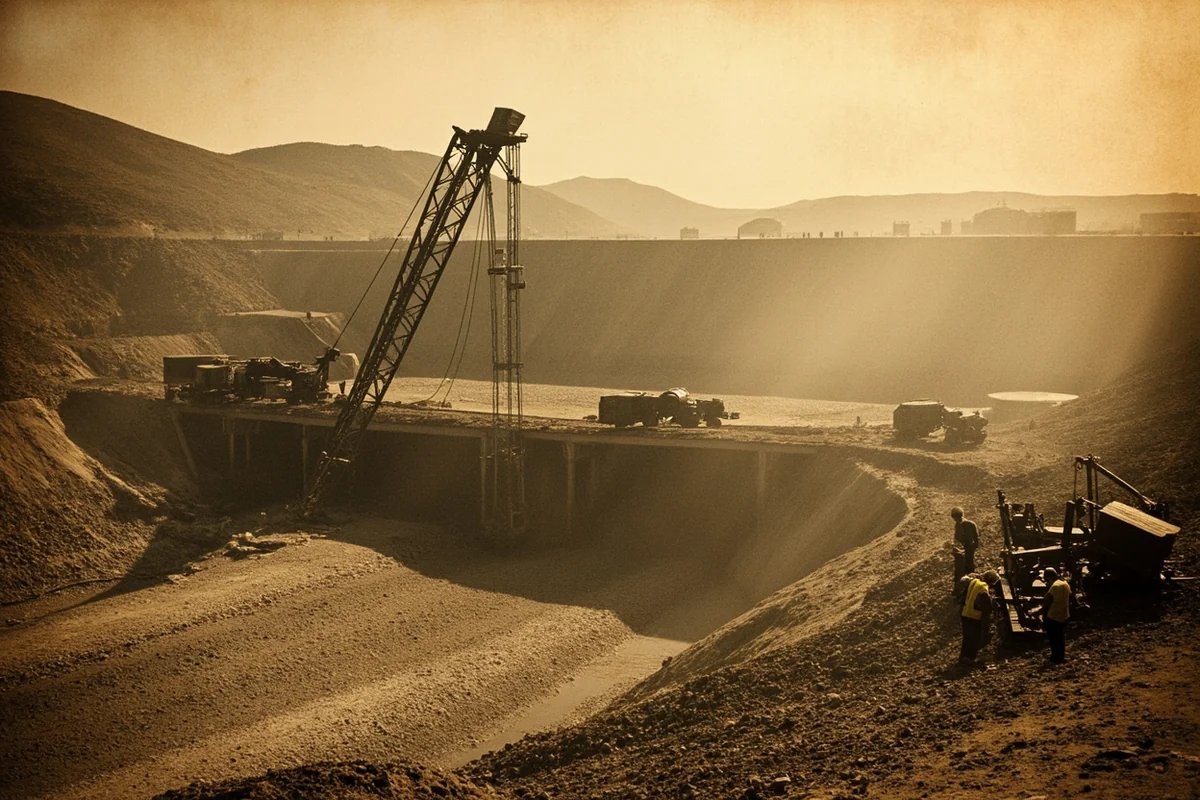
President Franklin D. Roosevelt authorized the Fort Peck project in 1933, and thousands of people migrated to Montana from across the country during the depths of the Great Depression specifically hoping to find work building it.
The result, Fort Peck Dam, became the first dam built in the upper Missouri River Basin and the largest hydraulically filled dam in the entire United States — a genuinely massive New Deal-era infrastructure project that reshaped this stretch of northeastern Montana.
The Interpretive Center preserves that construction history directly, with photographs, tools, personal effects, and actual worker records from the men and women who built the dam.
Standing in front of those records, you’re looking at the human side of a project that drew workers from all over the country during one of the hardest economic stretches in American history.
Where Lewis and Clark Stood
The land this museum sits on carries its own layer of much earlier documented history. Lewis and Clark’s expedition first charted this exact stretch of the Missouri River in 1804, and their journals describe the landscape in vivid, specific detail — the open plains on the north side of the river and the broken, granite-scattered hills to the south.
Nearby, the point where the Milk River meets the Missouri carries a name the expedition itself gave it, adding another layer of documented history to a landscape that already holds both prehistoric fossils and Depression-era engineering.
Important: Hours Have Changed for 2026
Before you plan a trip around this museum, know that the operating schedule has genuinely shrunk compared to what a lot of older travel content still describes.
Some existing sources still list the center as open daily, 9 a.m. to 5 p.m., from May through September. For the 2026 season, the official U.S. Fish & Wildlife Service schedule shows a more limited window: May 22 through September 7, 2026, open Friday, Saturday, Sunday, and Monday only, 9 a.m. to 4 p.m. That’s a real reduction from a seven-day schedule down to four days a week, and showing up on a Tuesday or Wednesday expecting the older hours will mean a locked door. [verify current season hours at fws.gov before your visit, as schedules can shift year to year]
Powerhouse tours, which some visitors hope to combine with an Interpretive Center stop, have also been unavailable in recent seasons due to health and safety concerns. [verify current tour availability]
Fort Peck Lake Itself: 1,500 Miles of Shoreline
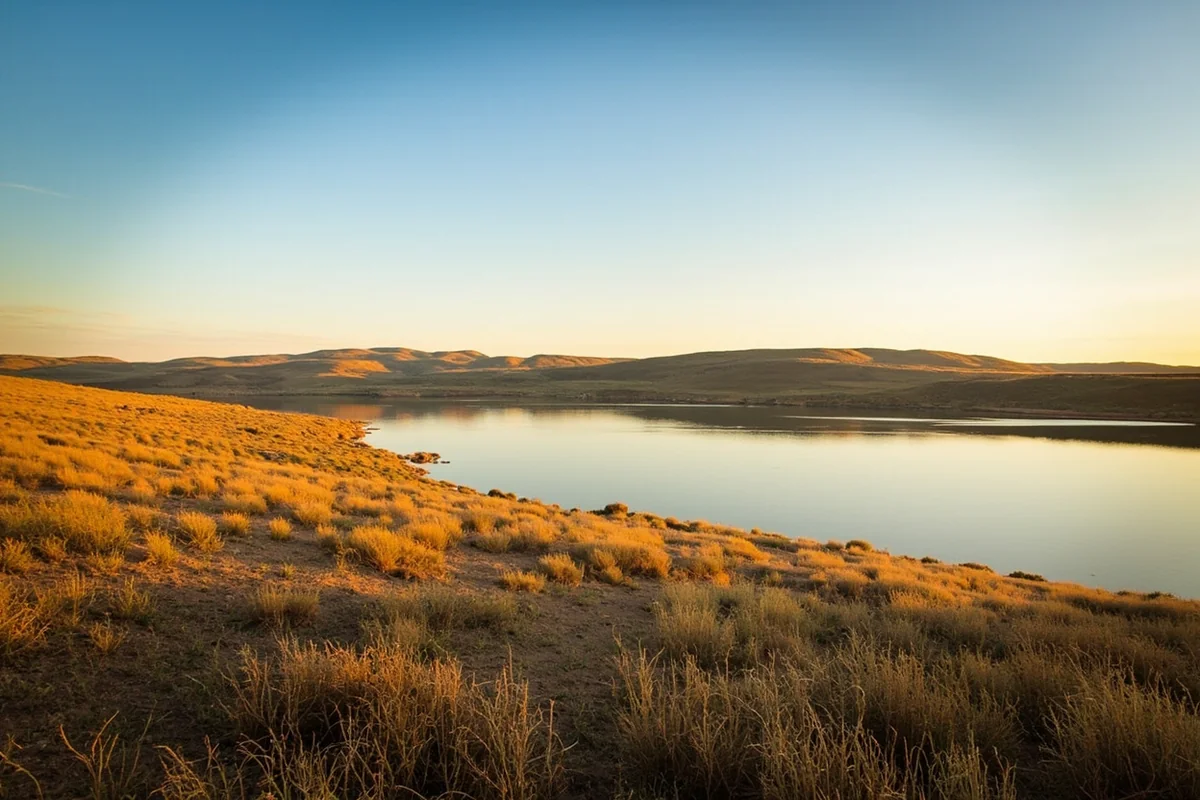
The dam that built this museum’s construction-history exhibit also created something genuinely enormous: Fort Peck Lake, stretching roughly 134 miles long with an estimated 1,500 miles of total shoreline once you count every inlet and cove.
That scale makes Fort Peck Lake a nationally recognized destination specifically for walleye fishing, alongside strong opportunities for boating, camping, and general lake recreation. Twenty-seven recreation areas surround the reservoir, ranging from developed sites near the dam with paved roads and electricity to far more primitive, gravel-road access points elsewhere around the lake’s enormous perimeter.
If you’re building a longer stay around your museum visit, the areas closest to the dam — including Downstream Campground and the Kiwanis Park Day Use Area — offer picnic shelters, playgrounds, sports courts, and fishing ponds within easy walking distance of the Interpretive Center itself.
Visiting With Kids
This museum runs genuinely strong seasonal programming for families, and the summer water-safety activity is a particular standout. Kids get to actually drive and ride in electric mini boats on a nearby pond as part of hands-on programming specifically designed around water safety awareness — a genuinely memorable, active alternative to a standard indoor exhibit walk-through.
Beyond that specific program, the hands-on Peck’s Rex skull exhibit tends to be the clear highlight for most young visitors, giving them permission to actually touch a dinosaur-related exhibit rather than just look through glass. The aquariums also hold strong appeal, especially the shovelnose sturgeon, which looks genuinely prehistoric even though it’s a living species rather than a fossil.
Given the adjacent nature trail, playground, and fishing ponds at Kiwanis Park, this location works well as a half-day or longer family stop rather than a quick indoor-only visit, especially during the shorter operating window now in effect for the 2026 season.
Frequently Asked Questions
Is Peck’s Rex a real fossil, or a cast?
The specimen displayed in the exhibit hall is a skeleton cast, while the lobby’s fleshed-out model is a sculptural representation. The actual fossil material itself is housed and studied elsewhere, consistent with standard paleontology practice for significant specimens.
Can we tour the actual dam or powerhouse?
Powerhouse tours have been unavailable in recent seasons due to health and safety concerns, so don’t build your trip around assuming access. [verify current tour availability before your visit]
Is this a good stop if we’re not particularly interested in dinosaurs?
Yes — the dam construction history, the aquariums, and the wildlife refuge exhibits all stand on their own even if paleontology isn’t your primary interest.
How remote is Fort Peck compared to Montana’s more typical tourist stops?
Genuinely remote. This is Missouri River Country, one of Montana’s least-visited regions, which means you’ll likely have a quieter, more personal visit than at almost any museum on the Glacier-to-Yellowstone circuit.
Is there lodging near the museum?
The historic Fort Peck Hotel in the townsite offers lodging, and Downstream Campground provides camping options within easy reach of the Interpretive Center.
- The reduced 2026 operating schedule isn’t reflected in most existing travel content, and visitors planning around outdated daily hours risk a wasted trip.
- The origin story — that Peck’s Rex’s discovery directly led to the museum’s creation — rarely gets explained, reducing a genuinely compelling cause-and-effect story to a simple “there’s a T. rex here” mention.
- The two largest aquariums in Montana almost never get flagged as a specific, notable claim, despite being a genuinely distinctive feature.
- The Great Depression construction history gets treated as a footnote next to the dinosaur exhibits, when it’s an equally significant, well-documented piece of the collection.
- Powerhouse tour availability changes aren’t consistently updated across travel sites.
Personal Tips: What I Wish I Knew
- Confirm current hours directly with the center before you drive out. Given how significantly the schedule has changed, don’t trust an older blog post or directory listing.
- Budget real time for both halves of the collection. It’s easy to rush through the dam-construction exhibits on your way to the dinosaurs, but the worker records deserve a slower look.
- Walk the adjacent three-mile paved nature trail if you have extra time. It’s a genuinely good birding and wildlife-viewing spot connected directly to the center.
- Bring kids for the summer water-safety program if your visit lines up. Kids get to drive and ride in electric mini boats on a nearby pond as part of the center’s seasonal programming.
- Pair this with the Leo B. Coleman Wildlife Pasture near the town of Fort Peck, home to the area’s bison herd and a solid wildlife-viewing auto route.
How This Fits a Missouri River Country Road Trip
Fort Peck sits in Montana’s quiet, lightly touristed Missouri River Country region, making this museum a genuine highlight rather than one stop among many crowded options.
If you’re chasing the full Montana Dinosaur Trail, Great Plains Dinosaur Museum in Malta sits about 89 miles and roughly 90 minutes away, making a natural next stop on the same trip.
If you’re building a broader eastern Montana museum itinerary, our MonDak Heritage Center guide in Sidney and our Frontier Gateway Museum guide in Glendive both cover other strong stops across this same quiet region.
For broader context on how the Great Depression and New Deal projects shaped Montana beyond just this dam, our Montana history overview provides useful additional background. Our Montana museums guide maps how this stop connects to the rest of the state’s cultural landscape.
Practical Info
| Address | 157 Yellowstone Road, Fort Peck, MT 59223 |
| Phone | (406) 526-3493 |
| 2026 season | May 22–September 7, 2026 |
| 2026 hours | Friday, Saturday, Sunday, Monday, 9 a.m.–4 p.m. [verify current schedule before visiting] |
| Admission | Free |
| Time needed | 1.5–2.5 hours |
| Good for | Dinosaur Trail completionists, families, dam and engineering history enthusiasts |
| Nearby pairing | Great Plains Dinosaur Museum (Malta), Fort Peck Theatre, Leo B. Coleman Wildlife Pasture |
Final Thoughts
Fort Peck Interpretive Center holds two genuinely major stories under one free roof: a T. rex discovery significant enough to justify building a museum around it, and a Great Depression engineering project that pulled thousands of desperate workers to this remote stretch of Montana in search of a paycheck.
Just make sure you check current hours before you make the drive, since the schedule has changed more than most existing guides reflect.
Pin this for your Missouri River Country trip planning, and budget time for both the dinosaurs and the dam history rather than rushing toward just one. If you’ve caught the summer water-safety program with kids, I’d love to hear how the electric mini boats went over in the comments.