Here’s a rule that surprises almost every angler on their first Gallatin trip: you can legally float most of this river, but you can’t legally fish from that float. It’s one of the strangest, and smartest, regulations in Montana fly fishing.
- The Gallatin River runs about 120 miles from Yellowstone National Park to Three Forks, and it’s one of the most accessible rivers in southwest Montana thanks to Highway 191 running alongside it.
- Float fishing is banned for more than 70 miles of the river, from the Yellowstone boundary down to near Manhattan — this is a wade-only river for most of its length.
- Most of the actual fishing scenes from “A River Runs Through It” were filmed here, not on the Blackfoot River the story is actually set on.
- The canyon stretch below Big Sky holds genuine Class III–IV whitewater with names like Screaming Left, House Rock, and Mad Mile.
- I’ll walk through the river section by section, the fish species that actually live here today, and the rule changes that trip up first-time visitors.
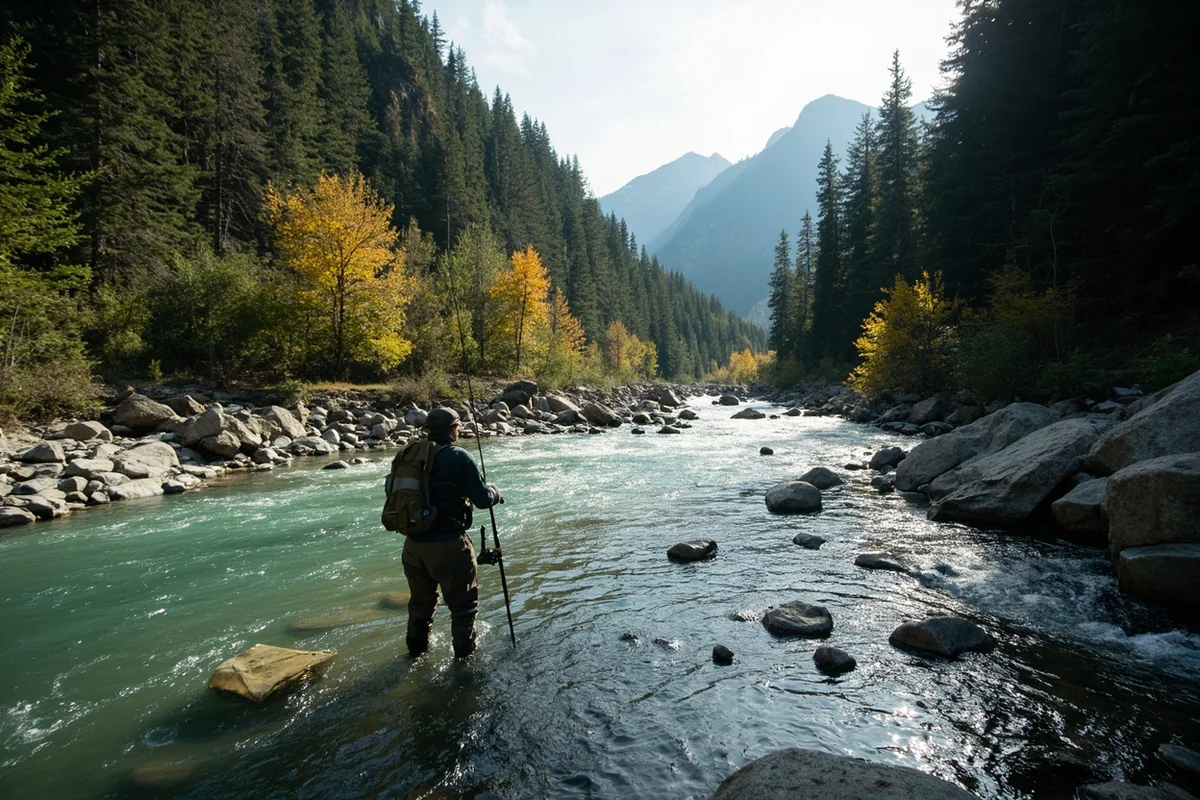
I fished the Gallatin for the first time on a cool morning in early September, wading a meadow stretch just south of the Yellowstone boundary with mist still hanging over the water.
What struck me most wasn’t the fishing, though it was excellent — it was how different this river feels from its bigger, more famous neighbors.
There’s no lineup of drift boats, no constant traffic. Just you, a pair of wading boots, and a river that rewards patience over horsepower.
Liked this article?
Add Roaming Montana as a preferred source so you see more of our articles and guides on Google.
The River Hollywood Actually Used
I covered this in more detail in our Blackfoot River guide, but it’s worth repeating here because the Gallatin is the other half of the story.
When “A River Runs Through It” was filmed in 1991, the production team decided the real Blackfoot River — where Norman Maclean’s story actually takes place — looked too degraded by mining and logging pollution to put on camera.
Instead, most of the film’s iconic fishing scenes were shot right here on the Gallatin, along with stretches of the Yellowstone and Boulder Rivers farther east.
So if you’ve ever watched that movie and pictured yourself standing in that exact water, you’re picturing the Gallatin, not the river the book is actually about.
I think that’s a fun piece of trivia to know before your trip, and it explains why this river gets so much reverent attention from visiting anglers who’ve seen the film.
Understanding the Float-Fishing Ban
Here’s the rule that catches nearly everyone off guard, and I think it deserves its own section rather than a footnote.
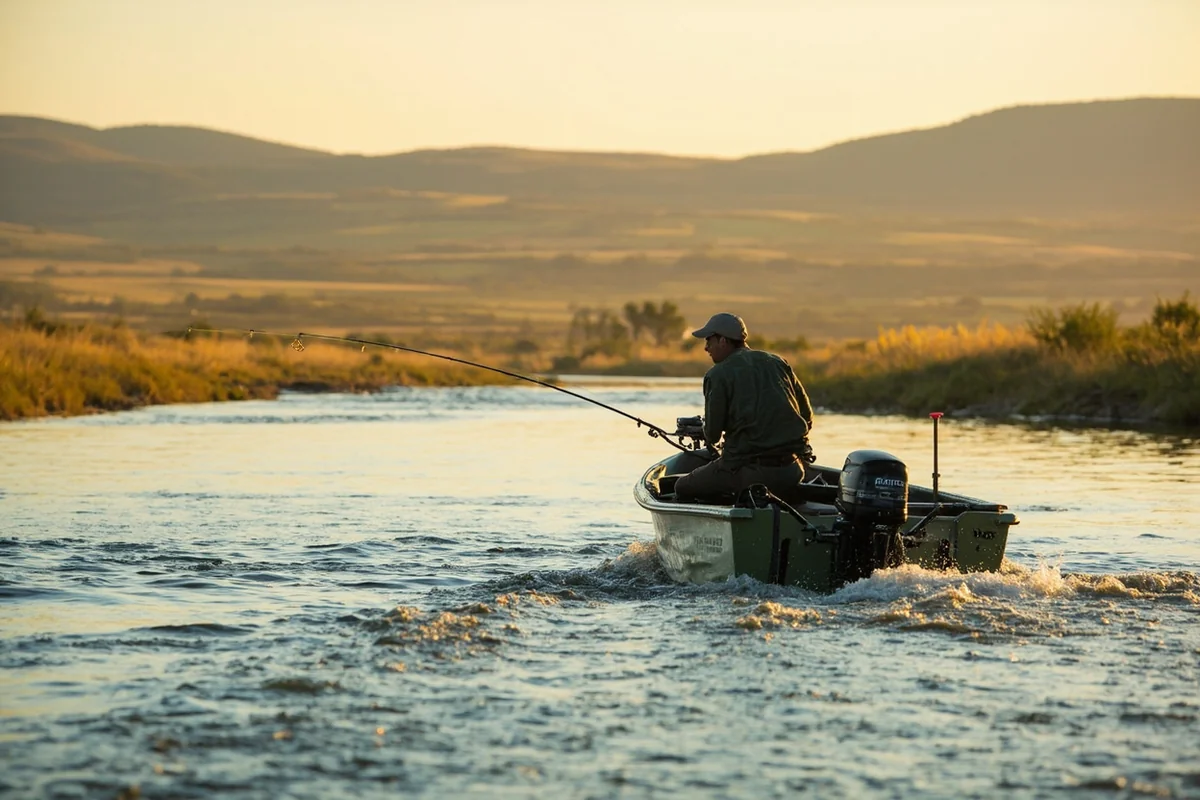
Float fishing — fishing from a boat while it’s moving — is illegal on the Gallatin from the Yellowstone National Park boundary all the way down to the Gallatin Forks Access Site, a distance of more than 70 miles.
Recreational floating without fishing is still legal on most of this stretch, and floating to reach otherwise inaccessible water and then getting out to wade fish is also allowed, but you cannot legally cast a line from a moving boat until you’re well downstream, near Manhattan.
This is genuinely unusual for a river this popular, and it’s part of why the Gallatin has such a different feel than the Madison or Missouri. Because most anglers are on foot, the whole river carries a slower, more contemplative pace than its float-friendly neighbors — you’re not sharing water with a constant parade of drift boats.
Float fishing does become legal at the Gallatin Forks Access Site, roughly 12 miles upstream from Three Forks, and this final stretch is a genuinely good option for anglers who prefer fishing from a boat.
Fishing the Gallatin, Section by Section
Inside Yellowstone National Park. The Gallatin begins as a small stream near Gallatin Lake, high in the Gallatin Range, and its upper reaches are accessible only by backcountry hiking. Lower down, closer to Highway 191, it becomes a classic meandering meadow stream with easy roadside access and excellent wading.
The canyon, south of Big Sky. Here the river tightens into a fast-moving, highly oxygenated canyon stretch, with strong salmonfly and golden stone hatches through July and August. Wading requires real care — the canyon is geologically young, the banks shift constantly, and good non-slip footwear matters more here than almost anywhere else I’ve fished in the state.
The Gallatin Valley, near Bozeman. Below the canyon, the river slows and widens through open ranch and farmland. Agricultural dewatering above Gallatin Gateway genuinely limits this stretch’s potential in late summer, and water can run low and warm enough that I’d avoid fishing it ethically during the hottest weeks of the year.
The lower river, Manhattan to Three Forks. This final stretch is where float fishing finally becomes legal, and it holds some of the largest fish in the entire system, including fish that move up from the Missouri. It’s quieter, less pressured, and worth the drive if solitude matters more to you than convenience.
Running the Whitewater
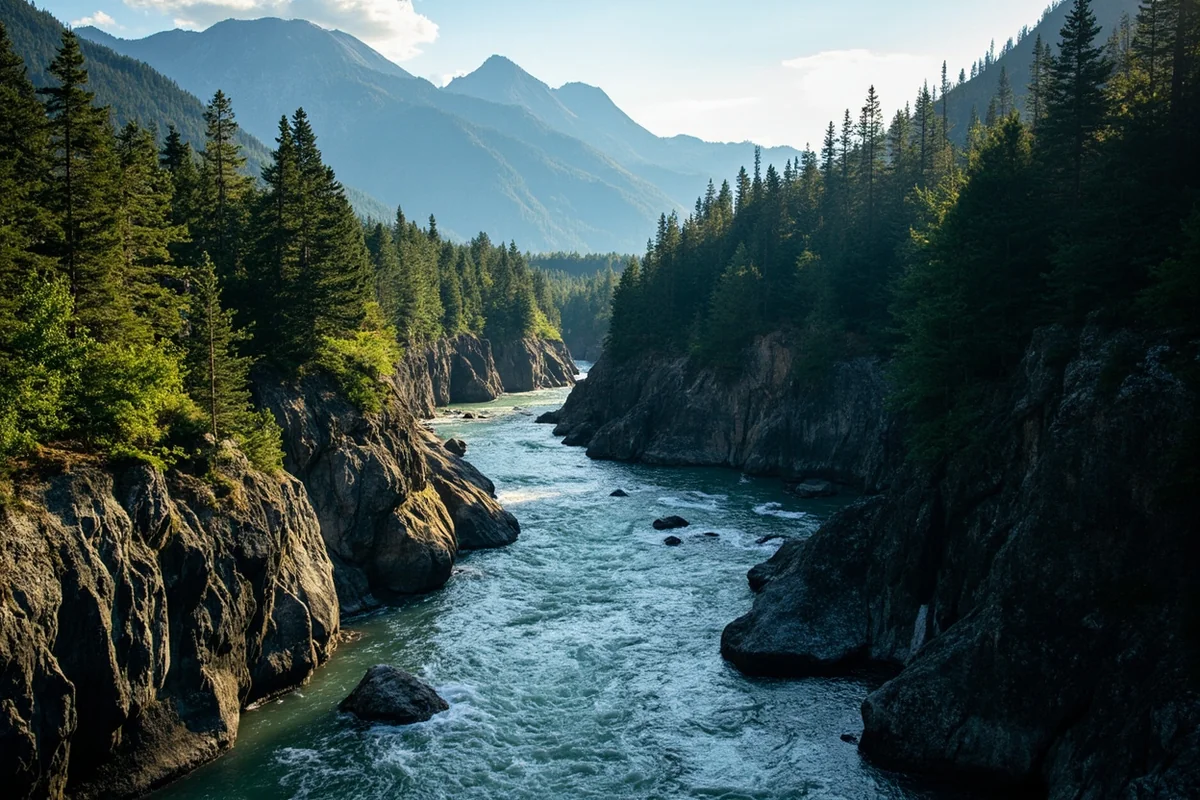
Between Big Sky and Squaw Creek Bridge, roughly 15 miles north, the Gallatin turns into genuine whitewater, with rapids ranging from moderate Class II water up to serious Class III–IV drops with names like Screaming Left, House Rock, and Mad Mile.
Peak whitewater season hits in June during spring runoff, when flows are at their highest and most technical. Several outfitters run guided trips out of Big Sky if you’d rather not attempt this stretch on your own, and I’d genuinely recommend going guided your first time through — the canyon’s shifting banks and strainers make solo runs riskier than the rapid names alone suggest.
Above Big Sky, between the Yellowstone boundary and town, the character flips entirely: gentle Class I–II water, ideal for a scenic, low-stakes float with kids or anyone who just wants the scenery without the adrenaline.
What’s Actually Swimming in the River Today
I think this is worth knowing, because it’s a quieter version of a story I’ve told about other Montana rivers in this series. The Gallatin’s fish population today looks very different from what it did before European settlement.
Historically, this river was dominated by native westslope cutthroat trout, arctic grayling, and mountain whitefish.
Heavy stocking programs between the late 1800s and early 1970s introduced rainbow trout from the West Coast and brown trout originally from Europe, and those two species now dominate the main river almost completely. Pockets of native cutthroat and grayling persist mainly in smaller tributaries today.
It’s not a contamination story like the Blackfoot’s, just a quieter one about how thoroughly stocking programs reshaped Montana’s rivers over the course of a century, often without much public discussion at the time. For more on the westslope cutthroat’s status today, see our Montana state fish page.
The Original Name and Where “Gallatin” Comes From
Before Lewis and Clark passed through in 1805, the river carried a Shoshone name, “Cut-tuh-o-gwa,” meaning roughly “swift water” — a fitting description for its canyon stretch.
Meriwether Lewis renamed it that year in honor of Albert Gallatin, the sitting U.S. Secretary of the Treasury, following the expedition’s habit of naming major tributaries after members of Jefferson’s cabinet.
Long before either name existed, this canyon served Indigenous groups as a fishing and hunting ground and a trade corridor between tribes, a history easy to overlook against the modern backdrop of ski resorts and fly shops.
Wildlife in the Gallatin Canyon
The Gallatin Canyon corridor is genuinely one of the better wildlife-watching drives in southwest Montana, and Highway 191 gives you a front-row seat without ever leaving the car.
Bighorn sheep are a common sight on the steep canyon walls, particularly in the stretch just south of Big Sky, and I’ve had to slow down more than once for a small herd working its way across the road at dawn.
Black bears move through the timbered slopes above the river regularly enough that food storage rules are strictly enforced at canyon campgrounds — review our Montana bear guide before any overnight stay here.
Elk and moose both use this corridor as a seasonal travel route between higher summer range and the valley floor, and fall mornings along the river are a particularly good time to spot them.
Ospreys are a near-constant presence over the water too, especially in the meadow stretches near the Yellowstone boundary — see our Montana osprey page for more on their habits.
Making Your Base Camp
Big Sky sits right in the middle of the Gallatin Canyon and is the obvious base for both fishing and whitewater trips, with several RV parks and outfitters within easy reach of the river.
Bozeman works well if you’re planning to fish the valley and lower stretches, or splitting your trip between the river and the city’s breweries and restaurants.
If you’re combining a Gallatin trip with a Yellowstone visit, West Yellowstone puts you close to the river’s headwaters inside Yellowstone National Park itself.
Personal Tips / What I Wish I Knew
Don’t assume you can fish from your float. I’ve seen visitors genuinely confused, and occasionally cited, for casting from a moving raft on the upper river. Know exactly where the float-fishing boundary sits before you launch.
Wading boots matter more here than on gentler rivers. The canyon’s young, shifting geology means slick rocks and unstable footing. Bring real non-slip boots, not sandals or sneakers.
Fish the valley stretch early or late in the day during summer. Agricultural dewatering makes afternoon water temperatures genuinely stressful for trout in the hottest weeks of July and August.
Winter fishing is a real option here. Warm springs feeding in near Big Sky and the Yellowstone boundary keep some stretches open and fishable even in the coldest months, when most other Montana rivers are locked up.
Respect the Stream Access Law, but know the float-fishing rule is separate from it. Montana’s Stream Access Law governs where you can wade and walk; the float-fishing ban is a distinct regulation specific to this river — check our Montana laws page for more on regulations that catch visitors off guard.
Explore the side channels during runoff. Spring and early summer high water fills the valley stretch with fishable side channels and sloughs that dry up as the season progresses. Fish take full advantage of them early on, and so should you, before they disappear by midsummer.
Practical Info: Gallatin River at a Glance
| Section | Best For | Float Fishing Legal? | Notes |
|---|---|---|---|
| Inside Yellowstone NP | Scenic wading | No | Requires YNP fishing permit |
| Yellowstone boundary to Big Sky | Easy wading, scenic floating | No | Gentle Class I–II water |
| Big Sky to Squaw Creek Bridge | Whitewater rafting | No | Class III–IV, guide recommended |
| Gallatin Valley near Bozeman | Wade fishing | No | Dewatering limits late-summer conditions |
| Gallatin Forks to Three Forks | Float fishing, bigger fish | Yes | Only legal float-fishing stretch |
[Verify current Montana fishing regulations and float-fishing boundaries directly with FWP before your trip, as specific access site rules can be updated.]
Final Thoughts
The Gallatin rewards anglers willing to walk rather than float, and it’s one of the few rivers in Montana where that’s actually the rule rather than just a preference.
Fish the canyon for scenery and salmonflies, the valley for quieter water, and the lower stretch near Three Forks if you want to finally cast from a boat.
For how the Gallatin fits alongside the rest of the state’s best rivers, check out our full guide to the best rivers in Montana.
Pin this guide before your trip, and let me know in the comments if you’ve spotted the Gallatin in a movie you didn’t expect.