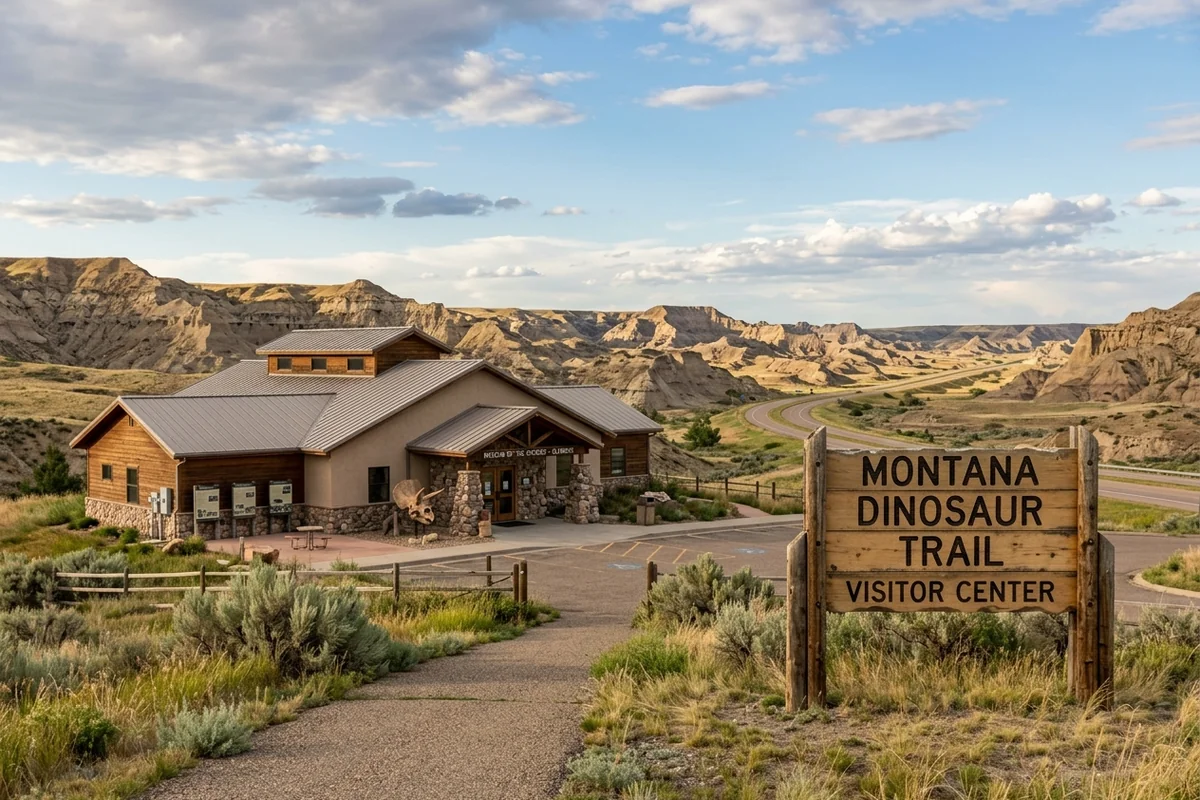
If you’re chasing the full Montana Dinosaur Trail, this is where the paperwork begins. Frontier Gateway Museum is the trail’s official first stop, and it’s the place you’ll actually pick up your passport before hitting the other 13 locations.
- Frontier Gateway Museum in Glendive is the official Dawson County museum and the first official stop on the Montana Dinosaur Trail
- Admission is completely free, and the collection spans seven buildings across an acre, from real dinosaur fossils to a recreated frontier-era downtown
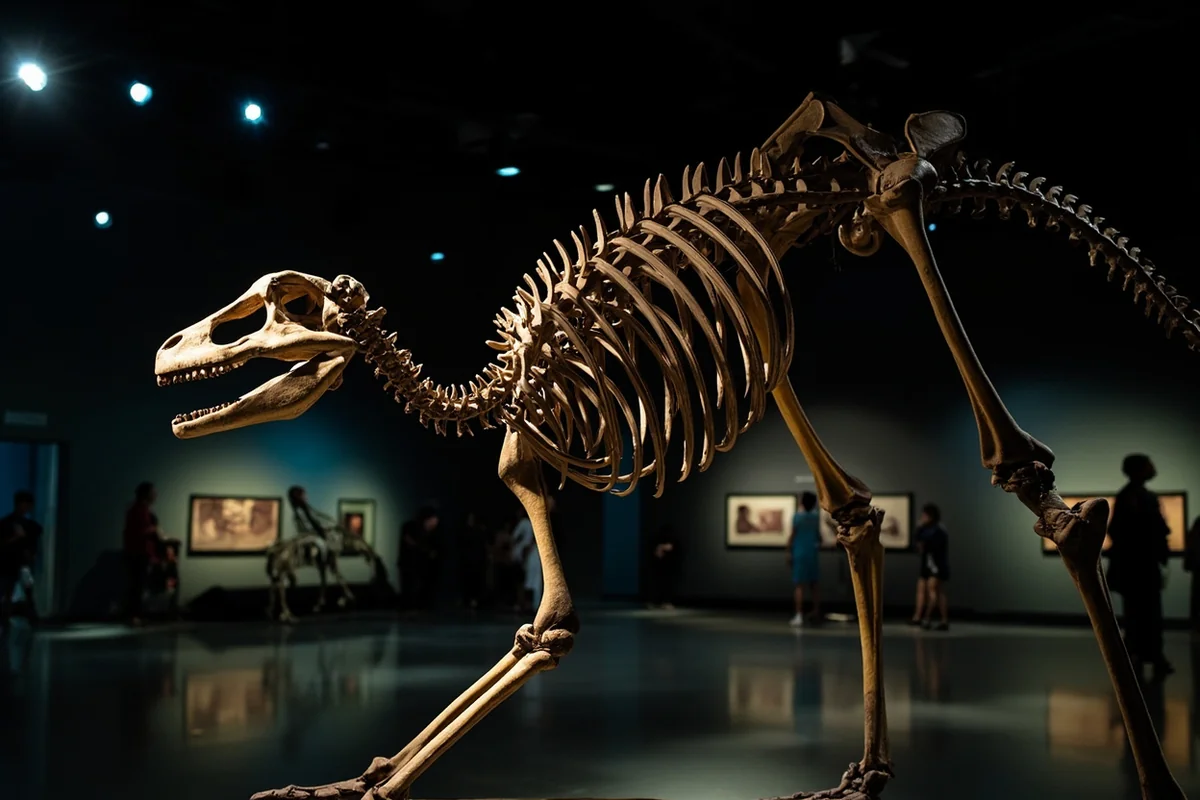
- The star specimen is Margie, a full-size Struthiomimus skeleton cast found near Glendive in the early 1990s
- A separately run, privately operated creationist museum sits right next door — worth knowing about so you don’t confuse the two
- This is one of the best museums in Montana that most Dinosaur Trail travelers treat as a quick passport stamp instead of the genuinely substantial museum it actually is
Liked this article?
Add Roaming Montana as a preferred source so you see more of our articles and guides on Google.
The Official Start of the Dinosaur Trail
If you’re planning to complete Montana’s full 14-stop Dinosaur Trail, Frontier Gateway Museum is where you’re supposed to begin, at least officially. This is the location where trail travelers pick up their Prehistoric Passport, get their first stamp, and collect related trail memorabilia before setting off across the rest of the state.
That designation alone makes this a worthwhile stop even if you’re only doing a partial trail loop through eastern Montana. But treating it purely as a passport-stamp pit stop undersells what’s actually here — this is a genuinely substantial museum in its own right, not just an administrative starting line.
The museum serves as the official museum of Dawson County, and it sits directly in the heart of the Hell Creek Formation, one of the most productive Late Cretaceous fossil beds in North America.
That geological placement is exactly why the fossil collection here punches well above what you’d expect from a small-town county museum.
Meet Margie, the Museum’s Oldest Resident
The collection’s headline specimen has a name, and she’s worth getting to know before you arrive. Margie is a full-size skeleton cast of a Struthiomimus, an ostrich-mimic dinosaur discovered near Glendive in the early 1990s.
At roughly 14 feet long as an adult, Margie lived around 75 million years ago during the Cretaceous period. Her name literally translates to “ostrich mimic” — struthio for ostrich, mimus for mimic — and the resemblance is genuinely striking.
Long legs built for speed meant this species could reportedly reach up to 50 miles per hour, making it one of the fastest dinosaurs known from the fossil record.
Beyond Margie, the paleontology collection includes fossils from Stegoceras, Triceratops, Thescelosaurus, and various hadrosaurs, alongside aquatic and plant fossils that round out a fuller picture of the Hell Creek ecosystem. More than 24 full-size dinosaur displays and numerous individual fossils fill out the collection.
A Recreated Frontier Town, Seven Buildings Deep
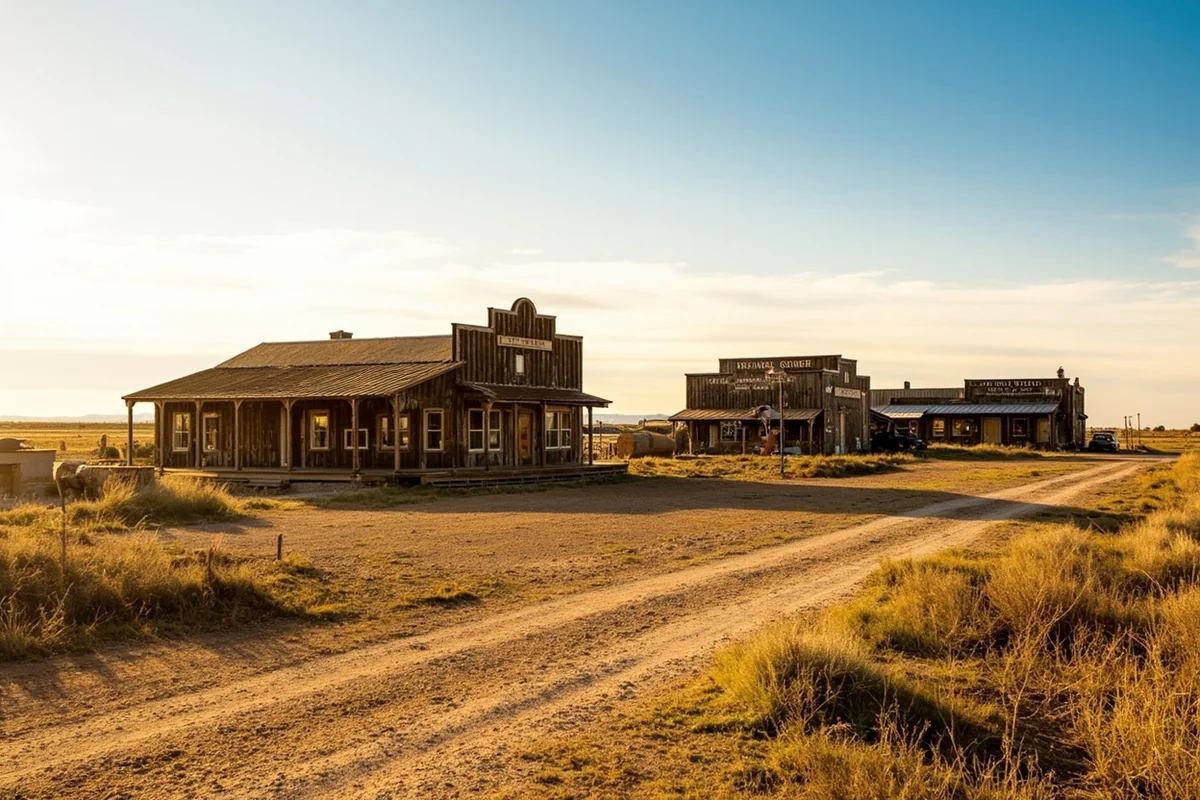
Beyond the fossils, this museum’s real depth shows up in its seven buildings spread across a full acre of grounds, tracing Dawson County’s history from Native American settlement through the mid-20th century.
The main building’s basement and main floor hold a recreation of early Glendive’s downtown, complete with the actual names of some of the town’s earliest businesses — the Glendive Times, the Bee Hive Store, and a general store among them.
Outside, you’ll find two additional recreated country stores, a working blacksmith shop, a buggy shed, a fire hall, a log cabin, a restored one-room country school, and a substantial farm machinery display.
Exterior murals around the property depict real historic events specific to this exact stretch of the Yellowstone River valley: a Native American encampment, buffalo herds, the wagon trains of early settlers, Camp Canby (a genuine military post that once stood in the area), and the original townsite of Glendive itself.
The Talking Trail: A Genuinely Clever Interpretive Tool
One feature here sets it apart from most small-town Montana museums. Throughout the grounds, numbered “Talking Trail” signposts let you access audio storytelling connected to specific exhibits and buildings.
Pick up a Talking Trail brochure at the museum, then either download the associated mobile app or dial a phone number and enter the sign’s number to hear the story behind whatever you’re standing in front of.
It’s a simple but genuinely effective way to add narrative depth to the outdoor exhibits without requiring a live guided tour or forcing everyone to move through the grounds at the same pace.
Not to Be Confused With the Museum Next Door
Here’s an important point of clarification before you plan your visit. A separate, privately operated museum, the Glendive Dinosaur & Fossil Museum, sits directly next to Frontier Gateway at a different address on the same street.
That neighboring museum presents its dinosaur and fossil displays through a Young Earth Creationist lens, framing the fossil record within a roughly 6,000-year timeline of Earth’s history. It is not affiliated with Frontier Gateway Museum and is not an official member of the Montana Dinosaur Trail.
I mention this not to editorialize on either museum’s perspective, but because visitors researching “dinosaur museum Glendive” online sometimes conflate the two, and showing up expecting one experience while getting the other can be genuinely confusing.
Know which one you’re headed to, and consider visiting both if you’re curious how the same fossil evidence gets presented through different interpretive lenses.
Why the Hell Creek Formation Keeps Producing Discoveries
It’s worth understanding a bit about the geology that makes Glendive such a productive fossil location, because it explains why a county museum this size holds a collection this substantial.
The Hell Creek Formation represents the very last chapter of the Age of Dinosaurs in western North America, laid down in the final few million years before the mass extinction event that ended the Cretaceous period.
That specific timing makes it an unusually important window for paleontologists studying what dinosaur ecosystems looked like right before everything changed.
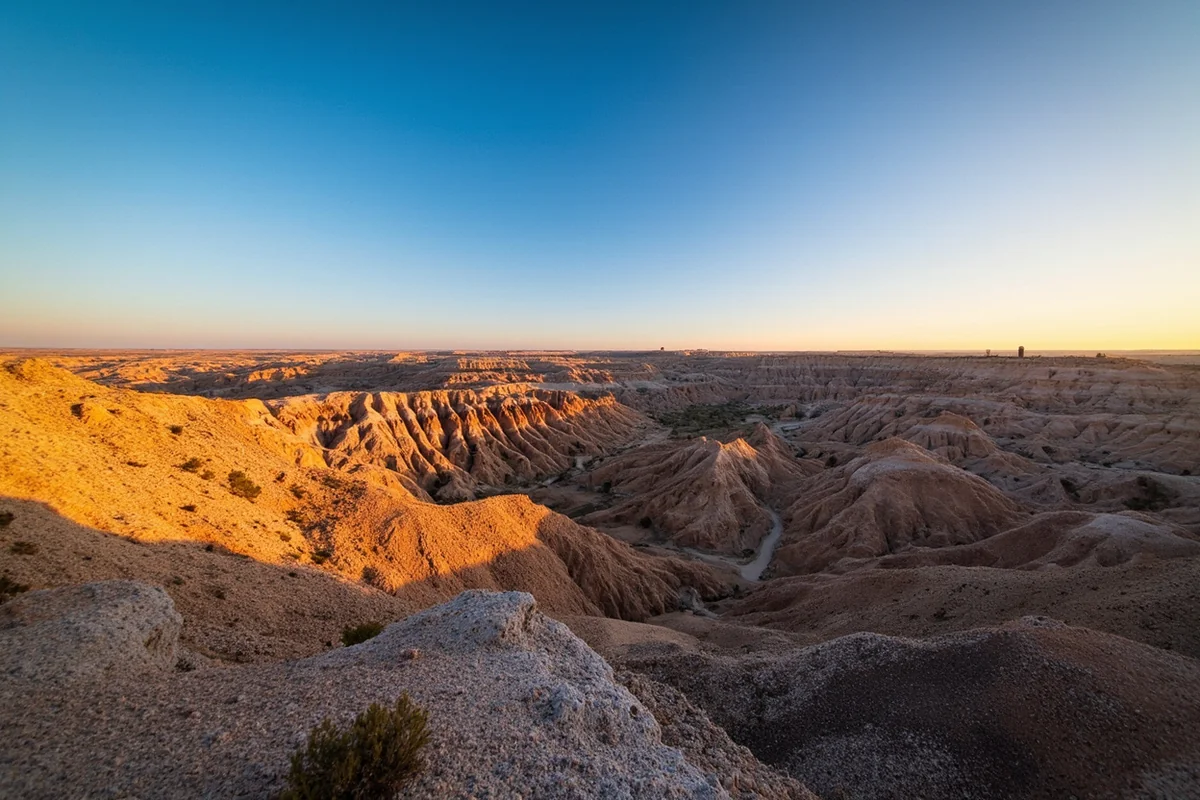
Eastern Montana’s badlands terrain, including the eroded landscape at nearby Makoshika State Park, continually exposes new fossil material as wind and water wear away layers of rock that have sat undisturbed for tens of millions of years.
That’s part of why local ranchers and residents keep turning up new specimens, including Margie herself, discovered relatively recently in the early 1990s.
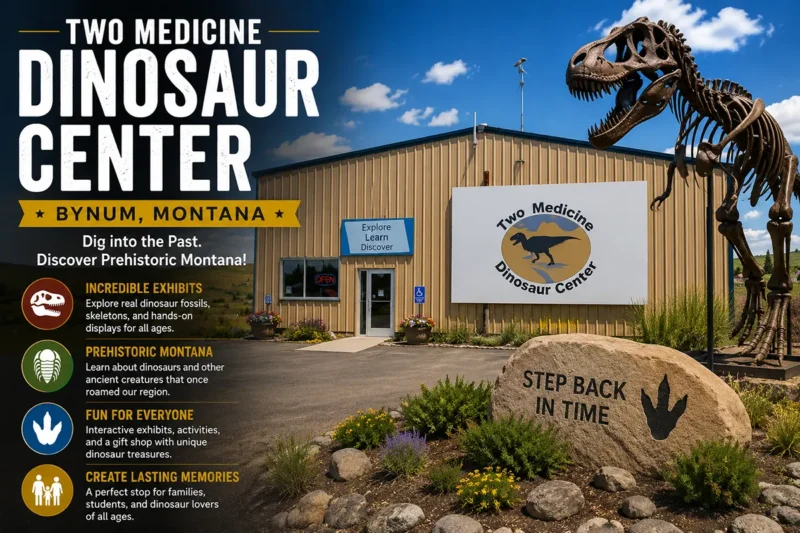
If you’re chasing the rest of the Montana Dinosaur Trail, understanding this formation’s significance adds real context to nearly every stop on the eastern half of the route, including Old Trail Museum and Two Medicine Dinosaur Center further west, both of which draw on a related but geologically distinct formation.
Visiting With Kids
This museum works well for families, and the combination of real dinosaur fossils with a walkable, hands-on frontier village gives kids plenty of variety across a longer visit. The Talking Trail audio system is a particular hit with kids old enough to work a phone or app themselves, turning the outdoor walk into something closer to an interactive game than a standard museum tour.
Margie tends to be the clear favorite among younger visitors, especially once you explain her impressive top speed compared to other dinosaurs. The recreated blacksmith shop, general stores, and one-room schoolhouse give kids a tangible sense of frontier daily life that complements the paleontology side of the collection well.
Given the museum’s genuinely large footprint across seven buildings, I’d pace a visit with kids carefully, mixing indoor fossil-viewing time with the more physically active outdoor building-to-building exploration to keep energy levels balanced throughout the visit.
Frequently Asked Questions
Do we need to complete the whole Dinosaur Trail to get a passport here?
No — you can pick up a Prehistoric Passport at Frontier Gateway regardless of how much of the trail you plan to complete, and start collecting stamps as you visit other stops on your own schedule.
Is the museum affiliated with the creationist museum next door?
No, they’re entirely separate organizations with different ownership, different perspectives on fossil interpretation, and different relationships to the official Montana Dinosaur Trail. Frontier Gateway is the official, trail-affiliated museum.
How does this compare to Carter County Museum in Ekalaka?
Both are excellent, community-built Dinosaur Trail stops with strong local ties, but Frontier Gateway leans more heavily into its role as a broader county history museum alongside paleontology, while Carter County Museum has a slightly stronger international paleontology research profile through its sister-museum relationships. Both are worth the stop if your route allows.
Is there parking available on-site?
Yes, given the museum’s location just off I-94 at Exit 215, parking is straightforward and easily accessible for cars and larger vehicles like RVs.
- The passport-origin significance rarely gets explained. Most Dinosaur Trail guides mention “get your passport at Frontier Gateway” without conveying that this is the trail’s official starting designation, not just one of many stamp locations.
- The Talking Trail audio system almost never gets mentioned, despite being a genuinely clever, low-tech interpretive tool most small museums don’t offer.
- The distinction from the neighboring creationist museum causes real visitor confusion, and most generic listings don’t clarify it at all.
- Free admission for a collection this substantial rarely gets emphasized as strongly as it should, especially for a museum with seven buildings and 24+ dinosaur displays.
- Margie’s specific story and speed record get buried in generic “dinosaur fossils on display” language.
Personal Tips: What I Wish I Knew
- Budget 3 to 4 hours for a thorough visit. This is genuinely more substantial than a quick passport-stamp stop, and staff can help direct you to specific exhibits if your time is more limited.
- Grab the Talking Trail brochure at the entrance. It adds real narrative context to the outdoor buildings that you’d otherwise miss just reading placards.
- The basement exhibits are stairs-only. If mobility is a concern, know that the main floor and outdoor grounds are accessible, but the basement level isn’t.
- Confirm which Glendive dinosaur museum you’re headed to. If you specifically want the official Dinosaur Trail stop, that’s Frontier Gateway at 201 State Street, not the separately run museum next door.
- Pair this with Makoshika State Park. It’s just southeast of downtown Glendive and is the other Montana Dinosaur Trail stop in town, with badlands terrain and its own Triceratops skull on display in the visitor center.
How This Fits a Dinosaur Trail Road Trip
Frontier Gateway Museum sits right off I-94 at Exit 215, making it one of the easiest Dinosaur Trail stops to reach without much detour if you’re already crossing eastern Montana on the interstate.
From here, Carter County Museum in Ekalaka sits about 109 miles and roughly two hours south, making a natural next stop if you’re continuing the trail loop.
If you’re working the trail’s more central stops, Great Plains Dinosaur Museum in Malta connects this eastern leg to the rest of the route. Our Montana museums guide maps the complete trail and how each stop connects to the next.
Practical Info
| Address | 201 State Street, Glendive, MT 59330 |
| Phone | (406) 377-8168 |
| Hours | Monday–Saturday 9 a.m.–5 p.m.; Sunday and holidays 1–5 p.m. |
| Admission | Free |
| Accessibility | Main floor and outdoor areas accessible; basement is stairs-only |
| Time needed | 3–4 hours for a full visit |
| Good for | Dinosaur Trail completionists, families, paleontology enthusiasts, road trippers on I-94 |
| Nearby pairing | Makoshika State Park, Hell Creek Music Store |
Final Thoughts
Frontier Gateway Museum deserves more credit than the “grab your passport and go” treatment it usually gets. Seven buildings, a genuinely fast dinosaur named Margie, and a clever audio-guided walking trail make this one of the more substantial free museums anywhere in eastern Montana, official Dinosaur Trail designation aside.
Most trail travelers I’ve talked to remember their passport stamp and forget everything else about this specific stop, rushing through on their way to the next town. Slow down here. The recreated downtown alone, built from actual historic Glendive business names, deserves more than the ten minutes most visitors give it on their way to the parking lot.
Pin this for your Dinosaur Trail road trip planning, and give yourself the full afternoon rather than a quick stamp-and-go stop. If you’ve used the Talking Trail app, I’d love to hear which story stuck with you in the comments.