An all-Black U.S. Army unit once tested whether soldiers could out-cycle cavalry horses across Montana’s mountains. Decades later, the same fort held more than 2,200 Italian and Japanese nationals behind fences during World War II. Both stories live on the same 32 acres in southwest Missoula.
- Historical Museum at Fort Missoula occupies a real, active 1877–1947 military fort, with roughly 20 preserved historic buildings spread across 32 walkable acres
- The site covers the all-African American 25th Infantry Bicycle Corps, a century of the region’s timber industry, and the WWII internment of Italian and Japanese nationals
- Missoula County residents get free admission always; the outdoor grounds and historic buildings are free for everyone
- Four rotating galleries mean the indoor exhibits change regularly, so a repeat visit years later can look genuinely different
- This is one of the best museums in Montana that treats difficult American history honestly rather than glossing over it
Liked this article?
Add Roaming Montana as a preferred source so you see more of our articles and guides on Google.
A Fort Built for a War That Never Quite Arrived
Fort Missoula was established in 1877, right in the middle of the broader Indian Wars period, as tension between Native nations and incoming white settlers ran high across the region.
The Nez Perce and several other nations lived in this territory, and settlers genuinely feared conflict. If that specific chapter of Northern Plains history interests you, our Museum of the Plains Indian guide in Browning goes considerably deeper into the broader context surrounding this era.
The fort was built in an “open” style, meaning it never had walls — a common design for military posts west of the Mississippi at the time. That design traded physical fortification for more frequent, active patrols, a meaningful difference from the walled forts most people picture when they hear “frontier fort.”
The museum itself sits on land within the aboriginal territories of the Salish and Kalispel people, and the institution formally acknowledges that history rather than treating the fort’s story as beginning with its 1877 military establishment.
The 25th Infantry Bicycle Corps
This is the story I’d point first-time visitors toward, because it’s genuinely one of the more surprising chapters in American military history, and it happened right here.
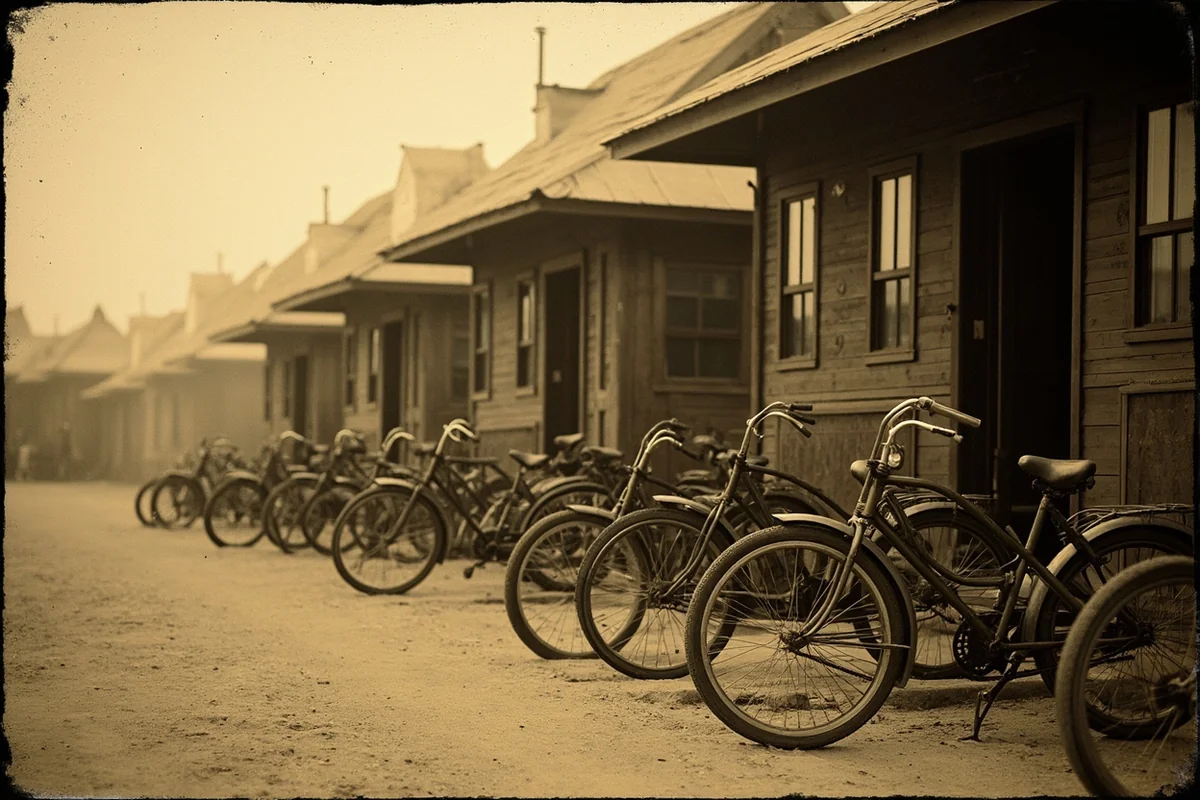
The 25th Infantry was an all-African American Army unit, and in the 1890s it took part in a real, serious military experiment: could soldiers on bicycles move faster and more efficiently across Montana’s rugged terrain than cavalry on horseback? The Army wanted to know if bicycles could replace horses for certain military transport needs.
The museum devotes an entire dedicated wing to this story, and it’s exactly the kind of specific, well-documented history that gets lost in broader “frontier fort” narratives elsewhere. These soldiers rode real distances over real Montana terrain to prove the concept, and their story deserves far more general recognition than it usually gets.
The Internment Camp: History the Museum Doesn’t Soften
I try to be direct about this part of the site’s history, because the museum itself doesn’t shy away from it, and neither should any honest guide to visiting.
During World War II, Fort Missoula held more than 2,200 Italian and Japanese nationals in an internment camp. The process began the night of the Pearl Harbor bombing in December 1941, when FBI raids swept up Japanese immigrants, known as Issei, across the country — part of a broader wave of anti-Japanese bigotry and unjust detention that affected thousands of families nationwide.
A dedicated exhibit, “Looking Like the Enemy,” has previously traced this specific history at Fort Missoula, focusing on the Issei generation’s experience arriving here by train and living behind fences on American soil during a war their home country wasn’t even fighting for them.
Exhibits rotate, so I’d check current gallery offerings before assuming this specific exhibit is still on display, but the underlying history remains central to how the museum presents the fort’s full story. [verify current internment-era exhibit status]
This isn’t comfortable history, and the museum treats it with the seriousness it deserves rather than reducing it to a footnote next to the fort’s more triumphant military stories.
A Century of Timber and Forest Service History
Beyond the military history, the museum covers something a lot of visitors don’t expect: more than a century of the region’s forest products industry, alongside the U.S. Forest Service’s own regional history.
Missoula has been home to Forest Service Rangers since the agency’s founding in 1905, and the museum’s North Gallery has traced that history through communications technology used in backcountry firefighting and forest management over the decades.
If wildfire history interests you, this angle connects directly to Montana’s broader relationship with wildland fire management, covered in more depth in our Montana wildfires guide.
Twenty Buildings You Can Actually Walk Through
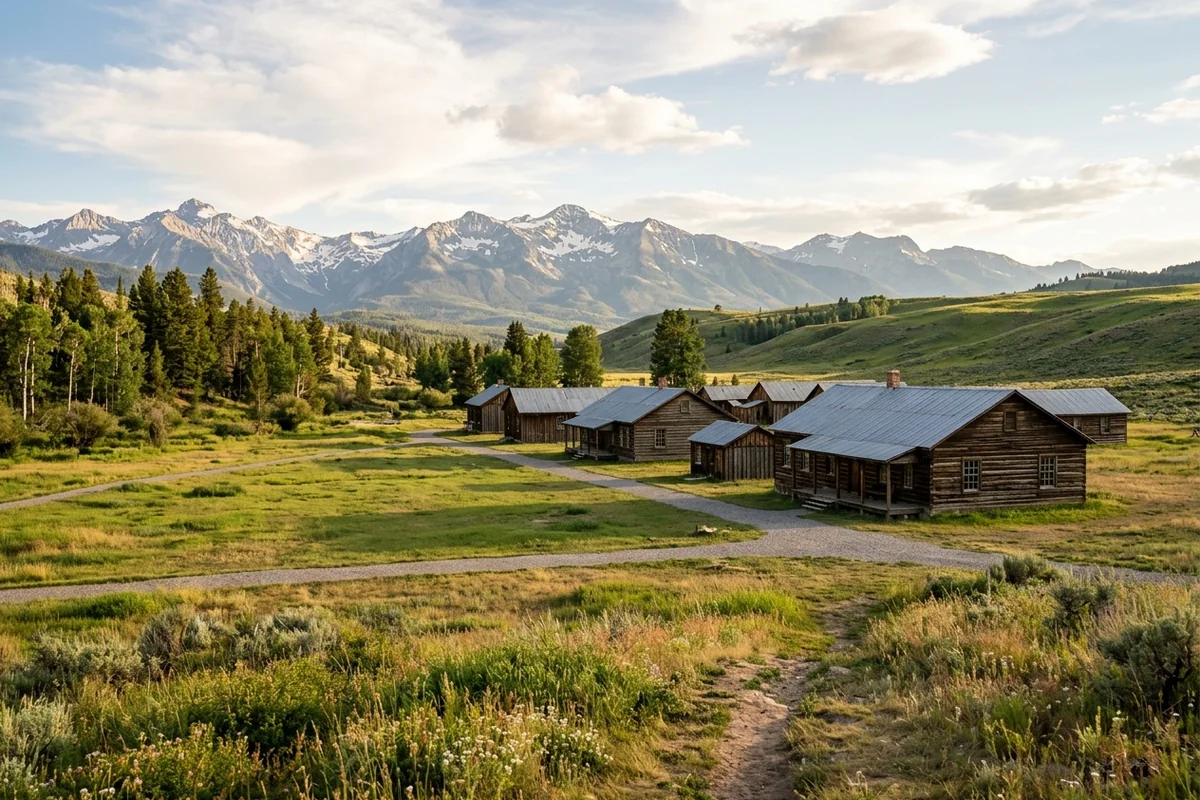
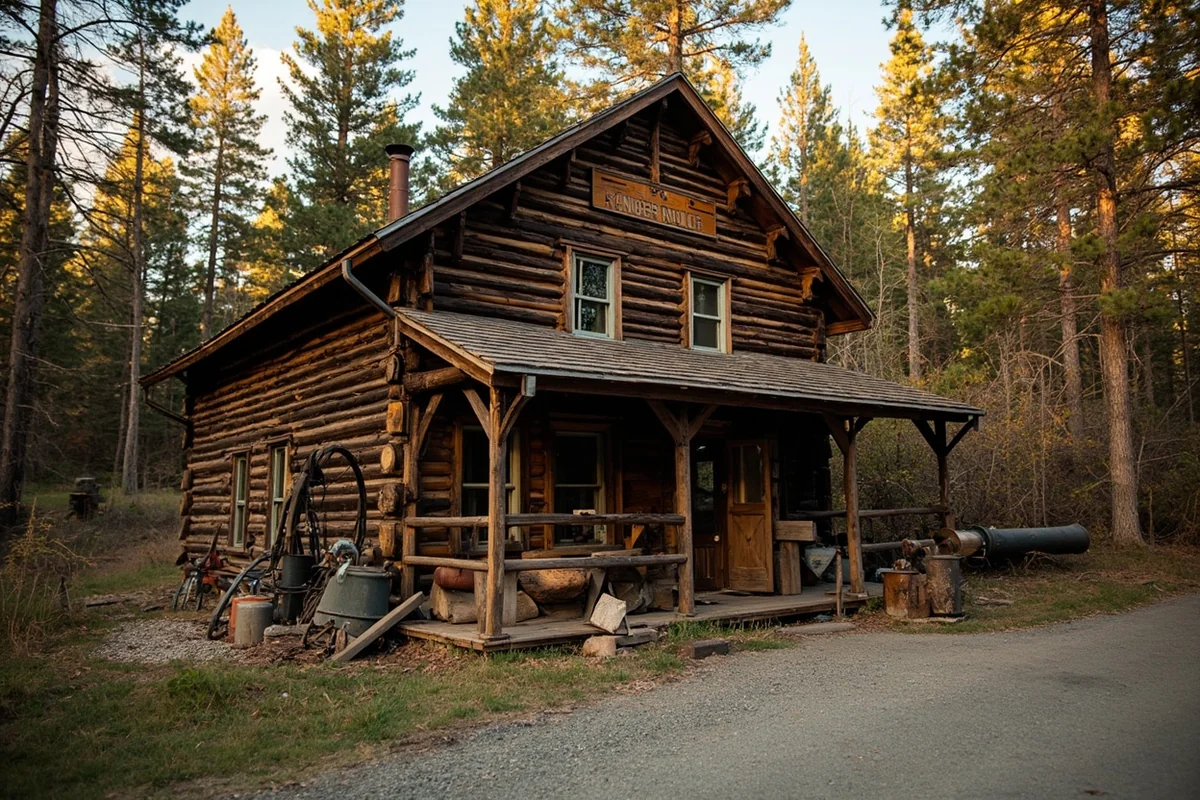
The indoor galleries are only part of the experience here. Roughly 20 preserved historic structures sit scattered across the 32-acre grounds, and they’re free to explore regardless of whether you pay for the indoor museum.
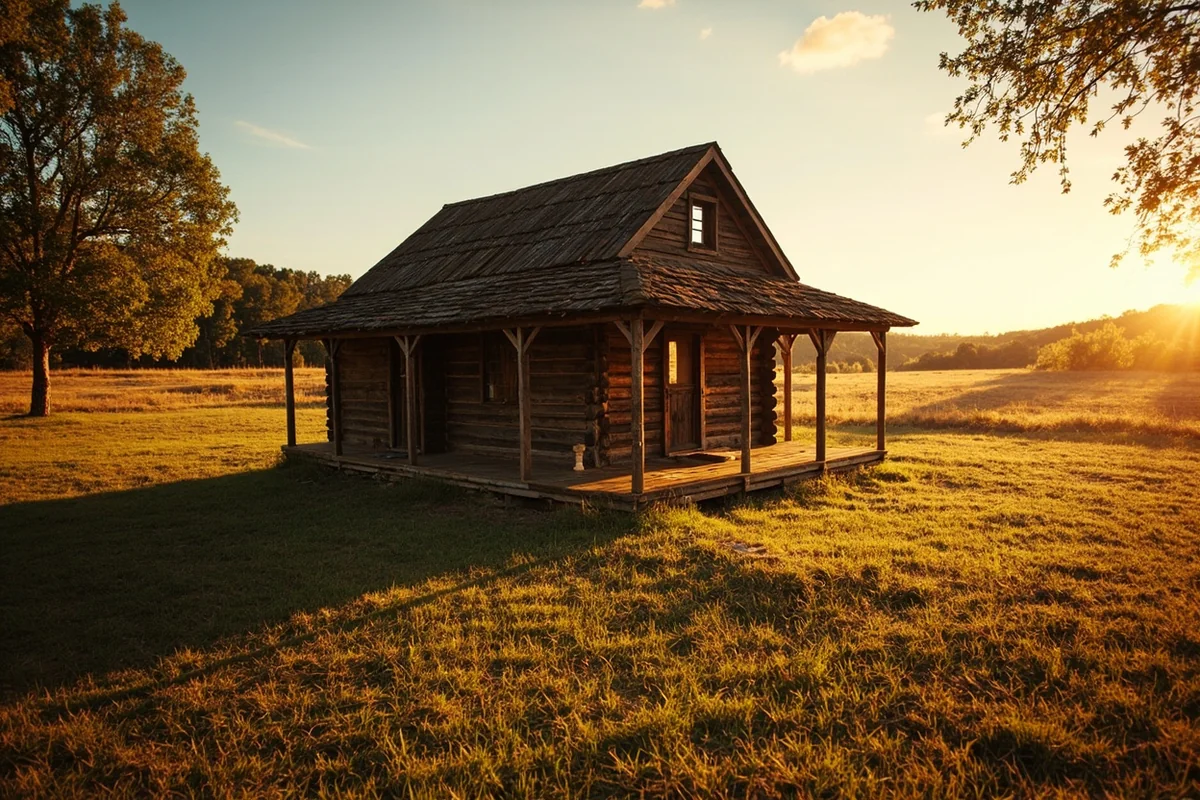
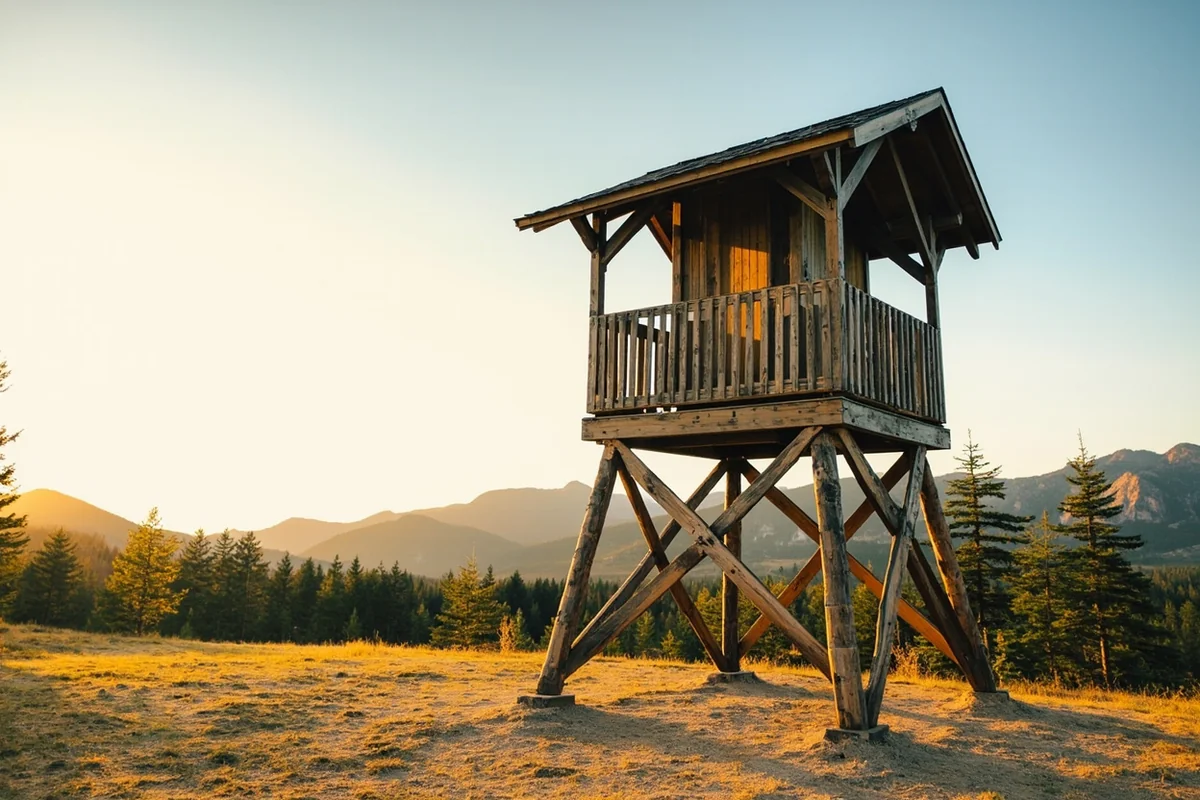
You’ll find a quartermaster’s storehouse from around 1911, noncommissioned officers’ quarters from about 1878, a carriage house from around 1880, and the Hayes Homestead Cabin from roughly 1900. An old schoolhouse, a depot, a church, and even a library railroad car add variety beyond the strictly military-focused buildings. A climbable lookout tower and a quiet iris garden round out the grounds.
Reviewers consistently underestimate how much time this place actually takes. More than one visitor has mentioned expecting a quick stop and ending up spending several hours moving between the indoor galleries and the outdoor buildings.
Don’t Confuse This With the Other Fort Missoula Museum
Here’s a genuine point of confusion worth clearing up. A separate institution, the Rocky Mountain Museum of Military History, also operates on the Fort Missoula grounds, and some visitors don’t realize they’re two distinct organizations.
The Historical Museum at Fort Missoula, covered in this guide, focuses on the county’s broader history — the fort, the bicycle corps, the internment camp, and the timber industry. The Rocky Mountain Museum of Military History, a separate operation on the same property, focuses specifically on U.S. military history more broadly, from the Revolutionary War through recent conflicts.
It’s also worth knowing that “Fort Missoula” as a mailing address sometimes gets confused with the unrelated Garnet Ghost Town, whose administrative office has at times been located near the fort even though the actual ghost town sits a considerable drive away, closer to the road toward Great Falls. If you’re specifically chasing that ghost town, don’t expect to find it on these grounds.
Visiting With Kids
This museum works well for families, but I’d approach it with a bit more intentionality than a standard hands-on children’s museum requires. The outdoor buildings and grounds give kids plenty of room to move physically between denser indoor gallery time, and climbing the lookout tower tends to be a genuine highlight for younger visitors.
The internment camp history deserves real thought before you bring young children through that specific exhibit space. I’d recommend some age-appropriate context beforehand rather than letting kids encounter this material completely cold — it’s genuinely important American history, but it’s also heavy, and a little preparation goes a long way toward making the visit meaningful rather than confusing or upsetting for younger kids.
Older kids and teenagers, especially those studying American history in school, tend to get a lot out of a visit here specifically because the museum doesn’t sanitize difficult material. It’s a genuinely good complement to classroom learning about internment, military history, or the Indian Wars period.
Frequently Asked Questions
Is this the same as the Rocky Mountain Museum of Military History?
No — they’re two separate organizations sharing the same Fort Missoula property. This museum covers the fort’s broader county and social history; the military history museum next door focuses specifically on U.S. military history more generally.
Do we need a full day, or can we see the highlights quickly?
You can hit the main indoor gallery and a handful of outbuildings in under two hours, but most visitors report spending significantly longer once they actually start exploring the full grounds.
Is the internment camp exhibit currently on display?
Exhibits rotate through the museum’s four galleries, so I’d check the current schedule before your visit rather than assuming a specific past exhibit is still up. The underlying history remains central to how the museum presents the site regardless of which specific gallery installation is currently running.
Is the site accessible for visitors with mobility limitations?
The grounds are relatively flat and walkable, though as with any historic building complex, some individual structures may have more limited accessibility. Call ahead if this is a specific concern for your visit.
Are there restrooms and parking on-site?
Yes, both are available on the grounds, and parking is generally straightforward given the site’s size.
- The 25th Infantry Bicycle Corps rarely gets the attention it deserves, despite being one of the more genuinely fascinating, well-documented stories in the entire collection.
- The internment camp history gets treated as a brief mention rather than a central part of the site’s story, when the museum itself gives it serious, dedicated exhibit space.
- The sheer scale of the grounds gets undersold. Twenty buildings across 32 acres is a genuinely full afternoon, not a quick 30-minute stop.
- The two separate museums sharing the property cause real visitor confusion, and most generic listings don’t clarify the distinction.
- Missoula County residents’ free admission rarely gets flagged clearly, an important detail for local families building repeat visits into their routine.
Personal Tips: What I Wish I Knew
- Budget a full two to three hours, not a quick stop. Between the indoor galleries and 20 outdoor buildings, this consistently takes longer than visitors expect.
- Check current gallery exhibits before you go, since the four-gallery rotating format means what’s on display shifts throughout the year.
- The grounds and outbuildings are free even if you skip the indoor museum. If you’re on a tight budget or short on time, a walk through the historic buildings alone is worthwhile.
- Bring kids prepared for some heavier historical content. The internment camp history in particular deserves some advance context for younger visitors rather than encountering it cold.
- Check the event calendar. Fourth of July celebrations, Forestry Day competitions, and seasonal lectures happen throughout the year and can add real value to a visit if your timing lines up.
How This Fits a Missoula Visit
Fort Missoula sits in southwest Missoula, reachable from I-90 via exit 101 toward Reserve Street/US-93 South, then a short series of turns onto Fort Missoula Road.
If Montana’s wildfire and Forest Service history interests you beyond this museum’s coverage, our Museum of Mountain Flying guide covers the aviation side of that same story, just a short drive away. Our Missoula guide covers the rest of what’s worth doing in town, and our Montana museums guide maps how this stop connects to the state’s broader museum landscape.
Practical Info
| Address | Building 322, Fort Missoula, 3400 Captain Rawn Way, Missoula, MT 59804 |
| Phone | (406) 728-3476 |
| Summer hours (Memorial Day–Labor Day) | Monday–Saturday 10 a.m.–5 p.m., Sunday 12–5 p.m. [verify current hours] |
| Winter hours (Labor Day–Memorial Day) | Tuesday–Sunday, 12–5 p.m., closed Monday [verify current hours] |
| Admission | Free for Missoula County residents; modest fee for others; grounds and outbuildings free for everyone [verify current pricing] |
| Time needed | 2–3 hours |
| Good for | History enthusiasts, families with older kids, anyone interested in honestly presented American history |
| Nearby pairing | Rocky Mountain Museum of Military History (same grounds, separate institution) |
Final Thoughts
Historical Museum at Fort Missoula holds two genuinely different American stories on the same 32 acres: a barrier-breaking experiment in military mobility by Black soldiers, and an unjust wartime internment camp that held thousands of families behind fences. Both deserve to be known, and this museum tells both without flinching.
That willingness to hold multiple, sometimes contradictory versions of American history in the same 32 acres — pride and injustice, innovation and fear — is what separates this from a lot of small regional history museums content to stick with the comfortable parts of the story.
Pin this for your Missoula trip planning, and give yourself more time than you think you’ll need. If you’ve walked through the internment camp exhibit, I’d genuinely welcome hearing how it shaped the rest of your visit in the comments.