Sidney, Montana is named after a six-year-old boy because the local Justice of the Peace liked fishing with him and needed a name for the post office application. That’s the kind of small, human-scale history this museum specializes in.
- MonDak Heritage Center in Sidney is eastern Montana’s premier art and history museum, covering the border region where Montana meets North Dakota
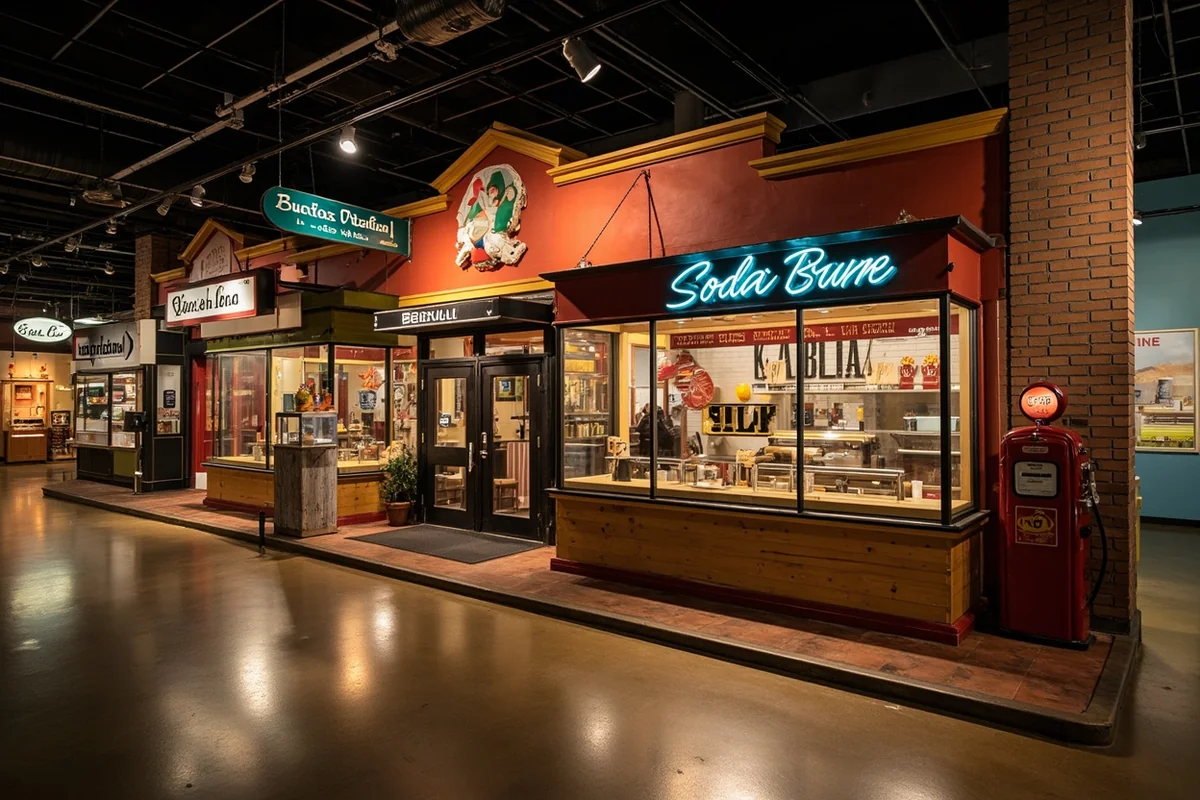
- Admission is completely free, with a recreated 1930s Main Street built into the museum’s basement as the standout feature
- The collection includes an extensive body of work by renowned Western artist J.K. Ralston, alongside cattle brands, barbed wire, and homesteading-era artifacts
- The museum runs a genuinely active annual events calendar, from Oktoberfest to a summer arts festival
- This is one of the best museums in Montana most road-trippers skip entirely because Sidney doesn’t sit on a typical Montana tourist route
Liked this article?
Add Roaming Montana as a preferred source so you see more of our articles and guides on Google.
A Town Named on a Whim
Before you walk into this museum, it’s worth knowing the story behind the town it’s named for, because it sets the tone for the kind of history this place preserves.
When Sidney needed a post office name in the early settlement years, an existing Eureka, Montana already occupied that name in the state’s northwest corner.
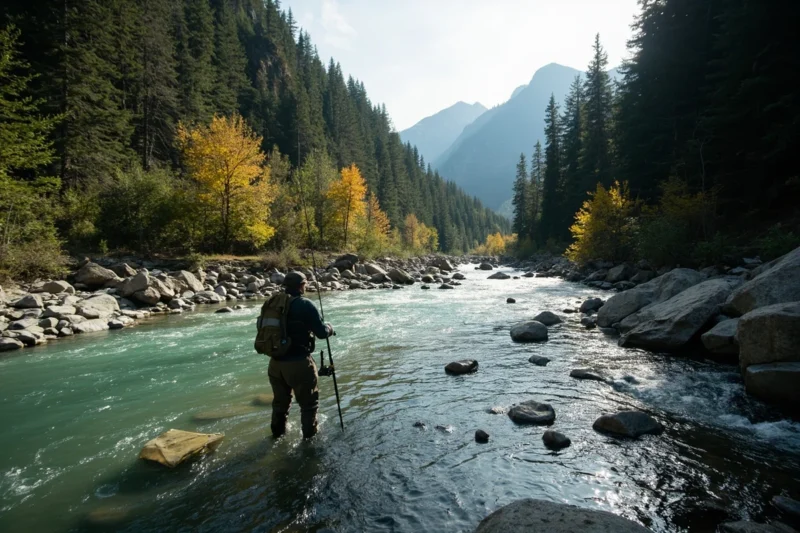
Hiram Otis, the local Justice of the Peace tasked with filling out the application, had a favorite fishing partner: a six-year-old boy named Sidney, who was living with Otis and his family at the time. On what seems to have been a genuine whim, Otis named the townsite after his young fishing buddy.
That’s the kind of specific, human-scale story MonDak Heritage Center tells throughout its exhibits — not grand historical narratives, but the actual texture of how small Montana communities actually formed, one practical decision at a time.
From a Temporary Hospital Room to a Permanent Home
The museum’s institutional history goes back to 1967, when local residents formed the MonDak Historical & Art Society. Five years later, in 1972, they opened a temporary museum called the J.K. Ralston Museum and Art Center, housed in Sidney’s old hospital building.
That name honored J.K. Ralston, a renowned Western artist and Richland County native later inducted into the Montana Cowboy Hall of Fame in 2012.
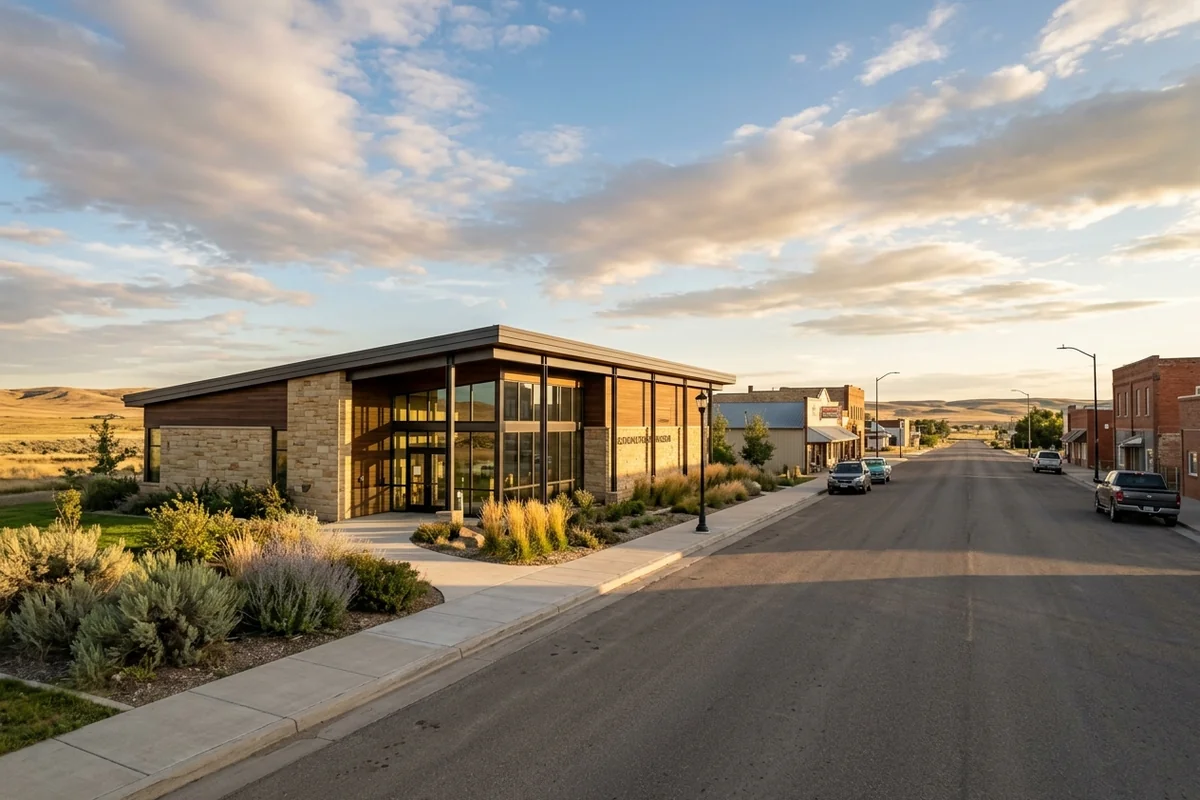
The Ralston Center operated out of the old hospital for twelve years before the growing collection finally moved into the current, purpose-built MonDak Heritage Center location in 1984.
Ralston’s own work remains a centerpiece of the collection today, giving visitors a genuine connection to a nationally recognized Western artist whose roots trace directly back to this specific stretch of the Yellowstone River valley.
The 1930s Main Street Hiding in the Basement
Ask anyone who’s visited what they remember most, and they’ll almost always mention the same thing: the recreated Main Street exhibit tucked into the museum’s basement level.
This isn’t a small diorama. It’s a full-scale recreation of a 1930s town, complete with storefronts recreating an actual soda fountain, a gas station, and even a dentist’s office, built to reflect the era when natural gas first reached the Lower Yellowstone Valley and electricity arrived in area homes.
Walking through it feels less like reading about the 1930s and more like actually stepping into a small Montana town from that decade.
It’s a genuinely immersive exhibit for a small regional museum, and it consistently gets singled out by visitors as the collection’s standout feature, ahead of even the fine art galleries upstairs.
Brands, Barbed Wire, and the Real Texture of Ranching
Upstairs and throughout the rest of the collection, the museum leans hard into the region’s ranching identity, and a few specific artifact categories are worth seeking out.
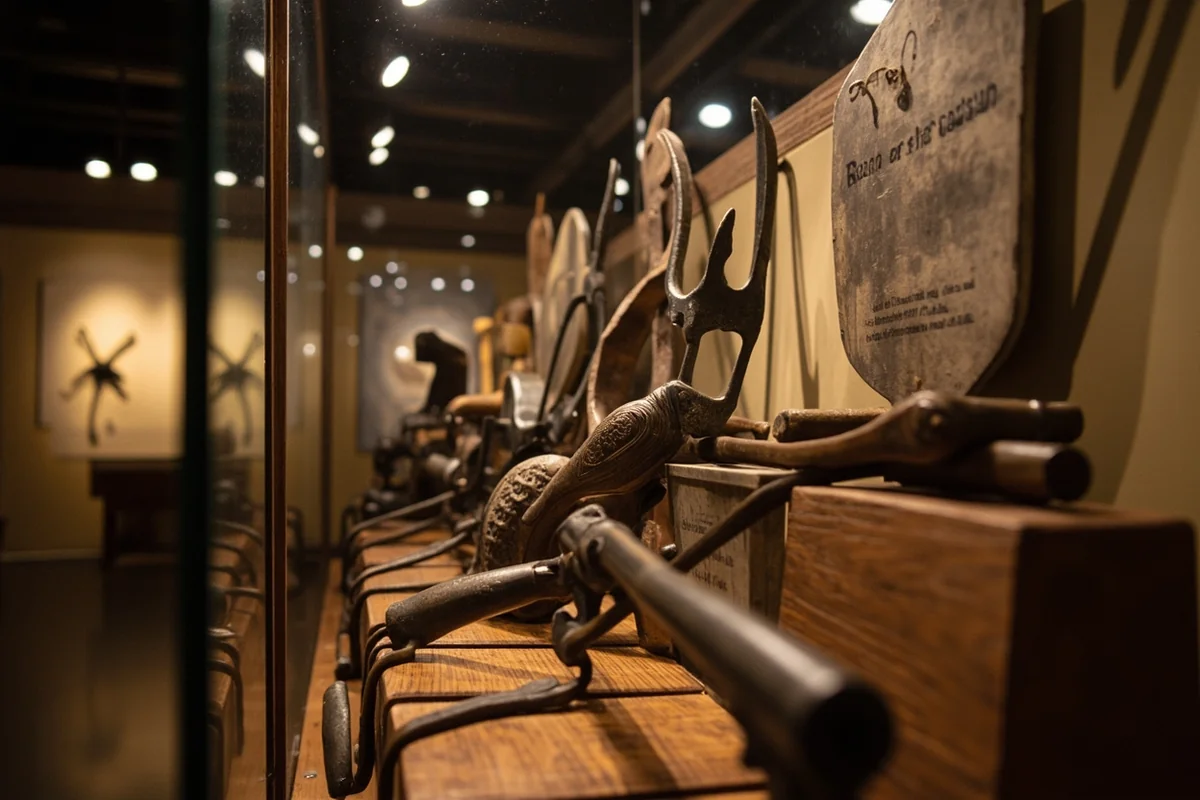
A genuinely extensive collection of historic cattle brands documents the informal, deeply personal system ranchers used to mark their livestock across this stretch of Montana and North Dakota, a tradition with roots stretching back to the same early Montana ranching era covered in our Grant-Kohrs Ranch guide.
Alongside it, a collection of different barbed wire types traces the fencing technology that fundamentally changed open-range ranching once it arrived in the region.
Late 1800s saddles, blacksmith shop tools, and period rifles round out the Old West artifact collection, giving you a tactile sense of frontier ranching life beyond just photographs and text panels.
A Research Library Locals Actually Use
Beyond the public exhibits, the museum maintains a genuinely active research library and archive supporting local and genealogical research.
More than one visitor has specifically praised the staff’s willingness to dig deep into historical records on a researcher’s behalf, going well beyond a basic reference-desk level of help.
If you’re researching MonDak-region family history or property records, this is a real resource worth contacting ahead of your visit rather than assuming you’ll figure it out entirely on your own once you arrive.
An Honest Note on What to Expect
I try to give a fair picture rather than overselling every stop, and it’s worth setting accurate expectations here. This is a small-town museum operating on local and limited funding, and some visitors have candidly described a few exhibits as feeling more amateur than a big-city institution’s polished displays.
That’s not really a criticism so much as an honest description of what a community-funded regional museum in a town this size can realistically sustain.
The building itself is modern and well-maintained, and the Main Street exhibit in particular punches well above what the museum’s overall budget might suggest.
Come expecting genuine, locally rooted history rather than a slick, professionally designed visitor experience, and you’ll likely leave impressed rather than disappointed.
A Genuinely Active Events Calendar
This museum does more than sit quietly between visits. Its annual events calendar includes Celebrating Chocolate, an elegant evening built around chocolate and live music; a Youth Art Show highlighting local student talent; a Quilting and Needlework Show; Oktoberfest, with live music and local Meadowlark Brewery beer; Burgers, Brews & Blues; a Miniature Art Show; and a community MonDak Christmas event.
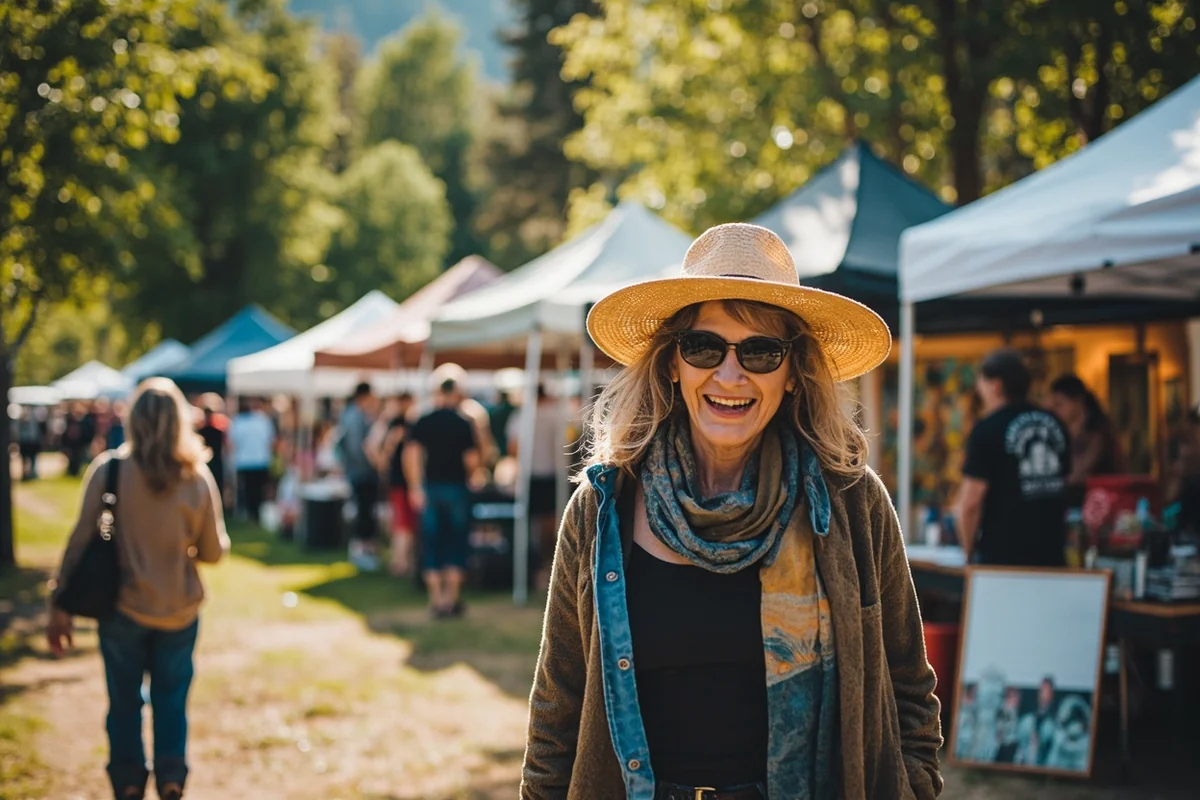
In summer, the museum hosts ArtS in the Park, a full festival day at Sidney’s Veteran’s Park featuring art and craft vendors, regional authors, live entertainment, and food trucks, often closing with a Montana Shakespeare in the Parks performance.
If your visit happens to line up with any of these events, it’s worth building your Sidney stop around it rather than treating the museum as just a quick daytime gallery walk.
Visiting With Kids
The Main Street exhibit is the clear highlight for younger visitors, and it’s easy to see why. Walking through a full-scale recreated 1930s town holds kids’ attention far better than a wall of framed photographs and artifact cases, giving them a genuinely immersive sense of what daily life looked like in a specific place and era.
The museum’s regular art classes and camps for kids also mean this isn’t purely a look-but-don’t-touch destination — families with a longer-term interest in the region can build repeat visits around actual hands-on programming rather than just a single museum walk-through.
Given the museum’s modest overall size, this works well as a manageable family stop, especially when paired with time outdoors at Veteran’s Park, particularly if your visit happens to line up with the summer ArtS in the Park festival.
Frequently Asked Questions
Is the Main Street exhibit interactive, or just something we walk through?
It’s primarily a walk-through, immersive recreation rather than a hands-on interactive exhibit, but the scale and detail make it feel genuinely different from a standard static display case.
How does MonDak compare to other Montana regional history museums?
Its combination of substantial free admission, a genuinely large-scale immersive exhibit, and connection to a recognized Western artist in J.K. Ralston puts it in strong company among the state’s community-funded regional museums, even in a part of the state that gets far less tourist traffic than western Montana.
Is Sidney worth visiting if we’re not specifically interested in this museum?
Sidney sits in genuinely quiet, less-touristed Missouri River Country, and this museum functions as one of the area’s clearest reasons to make a deliberate stop rather than just passing through on the way to North Dakota.
Do we need to reserve ahead for the annual events?
Policies vary by specific event — some, like Celebrating Chocolate, likely require advance tickets given their more formal format, while others, like Oktoberfest or the summer arts festival, tend to be open community gatherings. Check the museum’s current event listings for specifics before you plan your trip around one.
Is there anywhere to eat nearby?
Downtown Sidney has local dining options within easy walking or driving distance of the museum, making it simple to turn a museum visit into a fuller afternoon in town.
- The town-naming story behind Sidney itself rarely gets mentioned, even though it’s exactly the kind of charming local detail that makes a stop memorable.
- The Main Street exhibit’s basement location and full-scale immersion get undersold in generic “history museum” descriptions.
- The J.K. Ralston connection deserves more attention than it typically gets, given his recognized status in the Montana Cowboy Hall of Fame.
- Free admission for a collection this substantial rarely gets emphasized as strongly as it should.
- The active events calendar almost never gets mentioned, leaving visitors unaware of how much more there is to experience beyond a standard daytime museum visit.
Personal Tips: What I Wish I Knew
- Budget about an hour for a thorough visit, more if a current art exhibit or event catches your interest.
- Don’t skip the basement. Given how the Main Street exhibit tends to be the museum’s standout feature, treat it as a priority rather than an afterthought.
- Check the events calendar before you plan your trip. Given how active the annual programming is, timing your visit around a specific event can add real value.
- Contact the research library ahead of time if you’re doing genealogical or local history research, rather than assuming same-day deep-dive access.
- Set realistic expectations for polish versus authenticity. This is a genuine community museum, not a big-city institution, and that’s exactly its appeal.
How This Fits an Eastern Montana Road Trip
Sidney sits in Montana’s Missouri River Country region, close enough to the North Dakota border that the museum’s own name reflects the shared regional identity. It’s roughly 45 miles from Williston, North Dakota, making it a natural stop whether you’re crossing the border in either direction.
If you’re exploring this quieter stretch of eastern Montana, pairing this stop with Great Plains Dinosaur Museum in Malta gives you a broader sense of Missouri River Country’s museum scene, even though the two sit a considerable drive apart.
If Western art specifically interests you, comparing J.K. Ralston’s work here with the C.M. Russell Museum in Great Falls gives you two distinct perspectives on the same broad frontier-art tradition.
For more offbeat, under-the-radar Montana stops in this same spirit, our Montana bucket list post has additional ideas, and our Montana museums guide maps how this stop connects to the rest of the state’s cultural landscape.
Missouri River Country as a whole rewards exactly this kind of deliberate detour. It’s Montana’s least-visited tourism region by a wide margin, which means museums like this one operate in relative quiet compared to the crowds you’d find at a similar-quality institution closer to Glacier or Yellowstone.
Practical Info
| Address | 120 3rd Avenue SE, Sidney, MT 59270 |
| Phone | (406) 433-3500 |
| Hours | Tuesday–Friday 10 a.m.–4 p.m., Saturday 1–4 p.m.; closed Sunday and Monday |
| Admission | Free; donations encouraged |
| Time needed | 1–1.5 hours |
| Good for | History and art enthusiasts, families, genealogy researchers, road trippers crossing the MT/ND border |
| Nearby pairing | Downtown Sidney, Veteran’s Park |
Final Thoughts
MonDak Heritage Center rewards the kind of traveler willing to detour off the well-worn Glacier-to-Yellowstone circuit and into Montana’s quieter eastern reaches. A full-scale 1930s Main Street in the basement, a real connection to a Montana Cowboy Hall of Fame artist, and a town literally named after a child’s fishing buddy make Sidney worth more than a highway pass-through.
If you’re building a longer Missouri River Country itinerary, this museum pairs naturally with the region’s other quiet, community-funded institutions — the kind of stops that will never dominate a “top 10 Montana museums” list but reward the travelers who actually make the effort to find them.
Pin this for your eastern Montana trip planning, and don’t rush past the basement level on your way to the art galleries. If the Main Street exhibit surprised you the way it’s surprised other visitors, I’d love to hear about it in the comments.