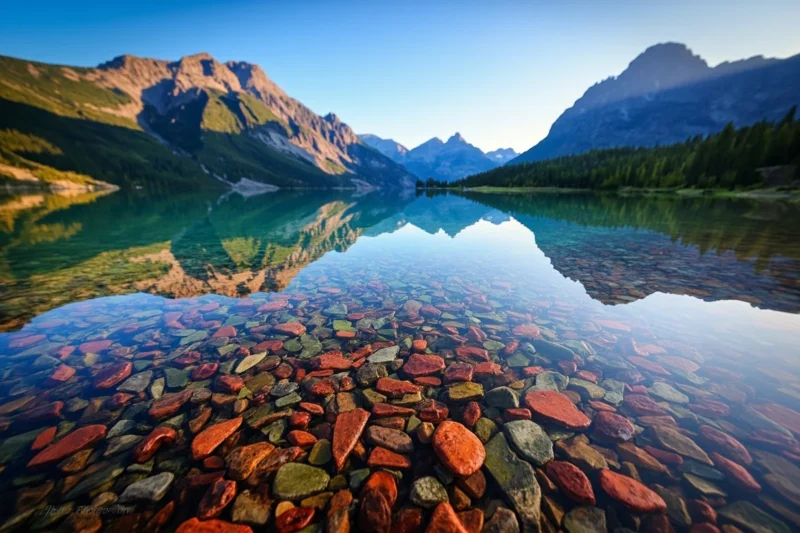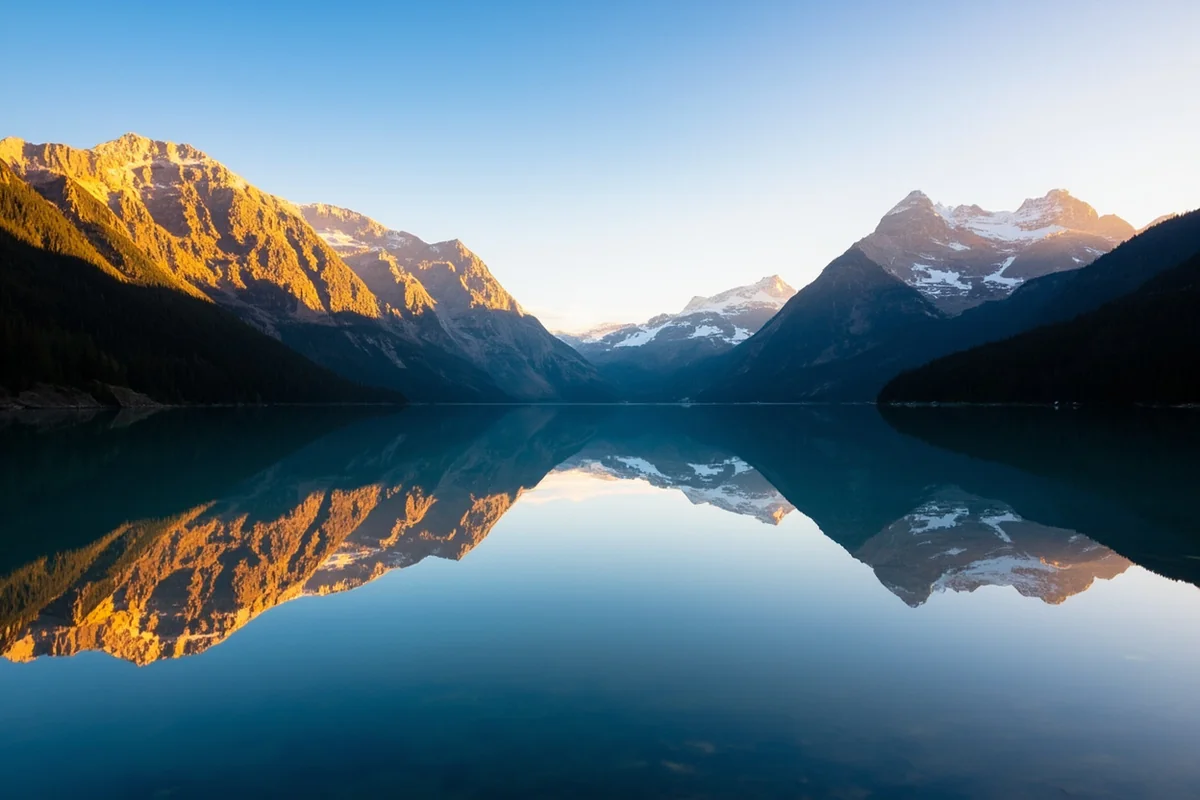
I set an alarm for 5:15 a.m. in June just to catch Lake Josephine before the wind touched it. The lake paid me back with a reflection so clean it looked photoshopped.
Lake Josephine sits immediately southwest of Swiftcurrent Lake in the Many Glacier Valley, reachable by a one-mile hike or a short boat shuttle. This guide covers why it’s considered the easiest backcountry lake in the park, the sunrise timing that makes or breaks a visit, fishing, and how it connects to the bigger Grinnell Glacier hike.
Liked this article?
Add Roaming Montana as a preferred source so you see more of our articles and guides on Google.
The Easiest Backcountry Lake in the Park
Technically, Lake Josephine counts as a backcountry lake since it’s reachable only on foot or by boat. In practice, it’s about as accessible as backcountry gets in Glacier.
A one-mile hike from Many Glacier Hotel gets you there. A short boat ride across Swiftcurrent Lake, followed by a brief walk, works too.
That combination of remote-sounding status and genuinely easy access makes this one of my top recommendations for families or visitors who want a real Glacier lake experience without a demanding hike.
Getting There: Two Ways In
On foot: From Many Glacier Hotel, follow the Grinnell Glacier Trail along Swiftcurrent Lake’s shore. At the trail junction, continue south instead of toward the Swiftcurrent boat dock, and walk a couple hundred yards to reach Josephine’s shore.
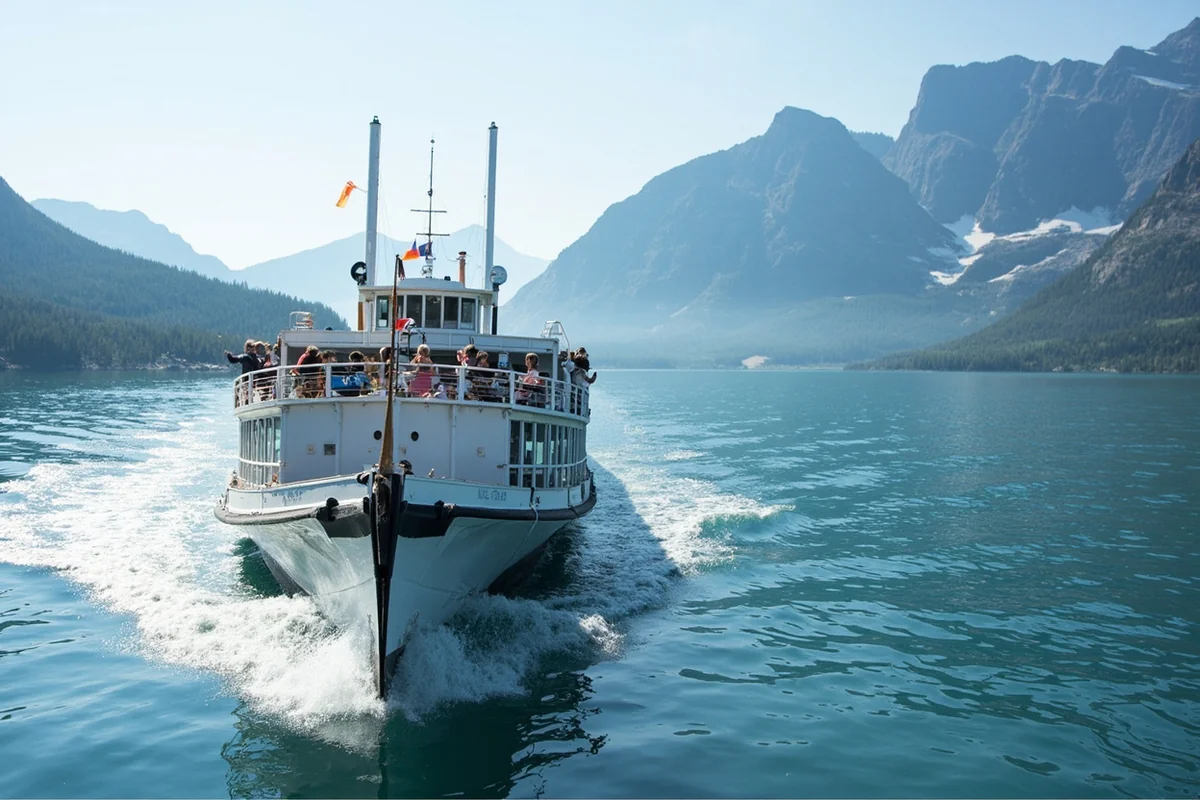
By boat: The Chief Two Guns shuttles visitors across Swiftcurrent Lake first. From there, a short walk connects to the Lake Josephine dock, where the Morning Eagle continues the crossing.
I’ve done both. The hike takes maybe 20 minutes at an easy pace. The boat adds a genuinely pleasant ride but costs a small fee and runs on a schedule [verify current boat schedule and pricing].
Why Sunrise Matters Here
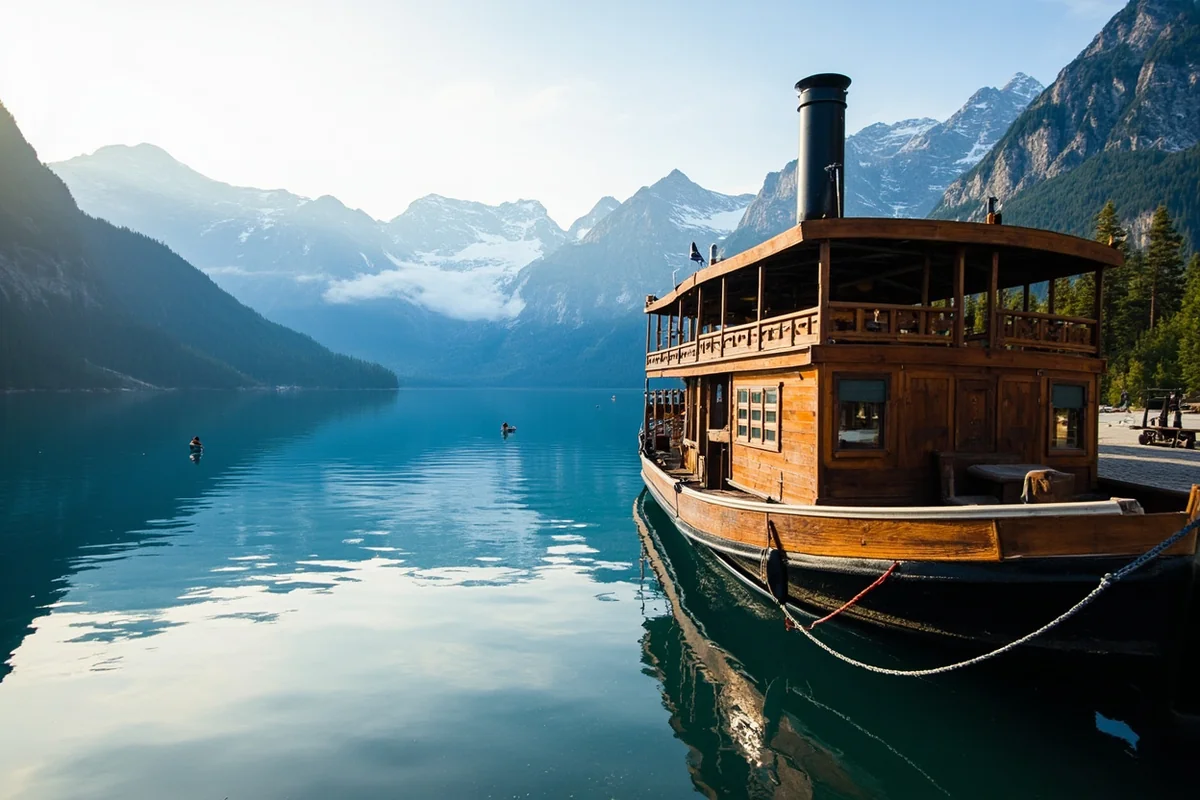
Lake Josephine works as a natural reflecting pool, mirroring the peaks around it with almost no distortion on a calm morning. Mount Gould, Grinnell Point, and Allen Mountain all show up doubled in the water.
That reflection depends entirely on wind. Many Glacier tends to stay calmer in early morning before afternoon breezes pick up.
I visited once in early September and reached the lake around 7 a.m. — a manageable wake-up call, and the water was already glassy. Visit in June instead, and you’re looking at a 5:30 a.m. start if you want the same conditions, since the valley’s shorter access season means earlier sunrise timing shifts everything.
Fishing Lake Josephine
The lake is primarily a brook trout fishery, with occasional kokanee salmon sightings. Dry flies and attractor patterns tend to work well here.
You can fish on your own with the proper free park permit, or hire a guide through one of the outfitters operating in the area. I’d recommend a guide for first-time visitors who want local knowledge of where the fish are actually holding.
Swimming: Cold, But Worth It
Swimming here is popular despite the water’s genuinely cold temperature, even in summer. I’ve watched more than one visitor take the plunge purely for the novelty of a quick dip in such a scenic spot.
I’ll be honest: it’s a short swim for most people, not a leisurely one. But there’s something to be said for jumping into water this clear and this cold just to say you did it.
The Trail Beyond Josephine
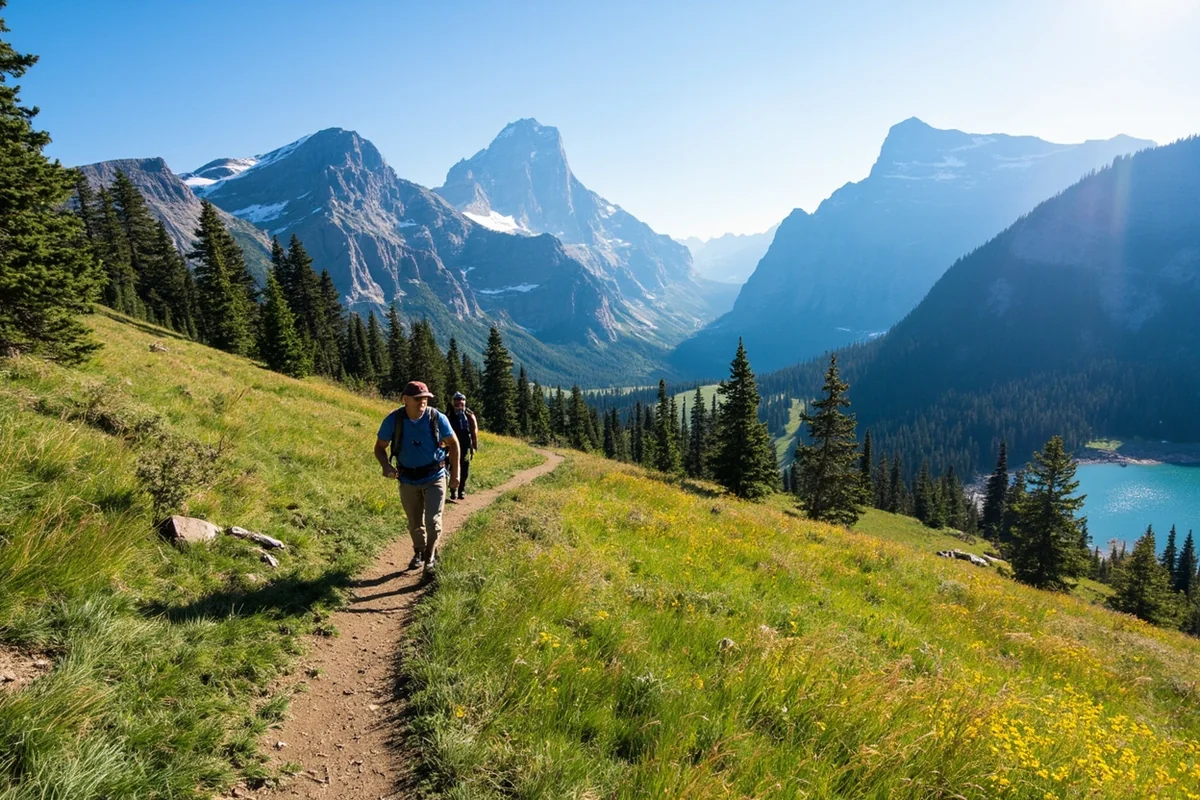
Lake Josephine isn’t just a destination on its own — it’s a waypoint. The trail continues from here toward Grinnell Lake and, further still, to Grinnell Glacier itself.
If you’re taking the boat shuttle the whole way, the hike from Josephine’s far shore to Grinnell Glacier runs roughly 3.6 miles one way. Doing the entire route on foot from Many Glacier Hotel instead adds significant mileage, closer to 7 miles one way.
I’d recommend most visitors take the boat at least one direction if hiking the full glacier route is the goal. Save your energy for the elevation gain further up the trail rather than the flat approach miles.
Camping Near Lake Josephine
Many Glacier Campground is the closest option, but it’s also one of the most popular in the park and fills quickly in peak season. I’d arrive early in the day if a site here matters to your plans.
For other camping and lodging options across this side of the park, see my Glacier National Park lodging guide.
Wildlife Around Lake Josephine
This is genuine grizzly habitat, and it’s worth taking seriously even on a trail this short and popular. Making noise, especially in early morning when visibility and human traffic are both lower, matters here as much as anywhere else in the park.
Beyond bears, moose sightings around the marshy edges near the lake are common enough that I bring a longer lens whenever I visit. Mountain goats and bighorn sheep show up more reliably on the higher terrain toward Grinnell Glacier.
What First-Timers Get Wrong
I’ve noticed a pattern among first-time Many Glacier visitors: they treat Lake Josephine as a box to check on the way to Grinnell Glacier, rather than a destination worth its own time. I’d encourage resisting that urge.
Give yourself at least 20-30 minutes actually at the lakeshore, not just passing through. The view changes meaningfully depending on where you stand, and the light shifts quickly enough in early morning that a few extra minutes can mean a genuinely different photo.
Accessibility Considerations
The hiking route to Lake Josephine is relatively flat and well-maintained, making it one of the more accessible backcountry destinations in the park for visitors with moderate mobility.
That said, the boat shuttle option involves a short but real walk between docks that isn’t wheelchair accessible.
I’d recommend calling ahead to the boat company or checking with rangers at the Many Glacier Ranger Station if accessibility is a specific concern for your group [verify current accessibility information].
Combining Lake Josephine With a Full Many Glacier Day
If I were planning an ideal single day in this valley, I’d start early at Swiftcurrent Lake for sunrise photos, take the first boat shuttle across to Lake Josephine, spend real time at its shore, then decide based on energy and weather whether to push on toward Grinnell Lake and the glacier itself.
That structure front-loads the calmest water and the best light while keeping the more demanding hiking for later in the morning once you’re warmed up. I’ve used a version of this plan on three separate visits now, and it’s held up well every time.
Personal Tips / What I Wish I Knew
Set your alarm earlier than feels reasonable. The reflection payoff at sunrise is worth losing the sleep, especially in June when the window is earliest. I’ve never once regretted the early start, even on mornings when I seriously questioned the decision at 5 a.m. in the pitch dark.
Bring a jacket even in summer. Mornings in the Many Glacier Valley run cold, and you’ll be standing still for photos rather than moving to stay warm.
Take the boat one way if you’re continuing to Grinnell Glacier. It genuinely changes how much energy you have left for the steeper sections further up.
Make noise on the trail, even early. This is prime grizzly country, and the quiet, empty-feeling early morning trail is exactly when awareness matters most.
Practical Info: Lake Josephine
| Distance from Many Glacier Hotel | About 1 mile on foot |
| Boat access | Chief Two Guns and Morning Eagle shuttle boats [verify current schedule] |
| Best time for reflections | Early morning, before wind picks up |
| Fishing | Primarily brook trout, occasional kokanee |
| Fishing permit | Free Glacier National Park fishing permit |
| Trail continues to | Grinnell Lake and Grinnell Glacier |
Frequently Asked Questions
How do you get to Lake Josephine?
Either a one-mile hike from Many Glacier Hotel along the Grinnell Glacier Trail, or a short boat shuttle across Swiftcurrent Lake followed by a brief walk.
Why is Lake Josephine called the easiest backcountry lake in the park?
It’s technically only reachable by foot or boat, which classifies it as backcountry, but the approach is short enough — about a mile — that it’s accessible to nearly any visitor.
Is Lake Josephine good for sunrise photography?
Yes, it’s one of the best natural reflecting pools in the park, especially in the calm early morning hours before wind disturbs the surface.
Can you fish at Lake Josephine?
Yes, with a free Glacier National Park fishing permit. It’s primarily a brook trout fishery with occasional kokanee salmon.
Does the trail from Lake Josephine continue to Grinnell Glacier?
Yes, the trail continues past Lake Josephine to Grinnell Lake and eventually Grinnell Glacier, a popular extension for hikers already at Josephine’s shore.
A Lake Named for a Person, Not a Feature
Unlike many of Glacier’s lakes named for obvious physical features, Lake Josephine carries a personal name, though the exact history behind it is thinner than you’d expect for such a well-known spot.
This is common across the Many Glacier area, where early surveyors and railway promoters named many features after acquaintances, sponsors, or notable visitors of the era.
I find it a little charming that one of the park’s most photographed lakes carries a name with such an understated backstory, especially compared to the dramatic geological explanations behind neighbors like Grinnell Lake.
Comparing Lake Josephine to Swiftcurrent Lake
Since these two lakes sit so close together and are often visited on the same trip, I get asked which one deserves more time.
My honest take: Swiftcurrent Lake wins for lodge views and photography of the historic hotel itself, while Lake Josephine wins for that dramatic mountain reflection and the sense of having gone slightly further into the backcountry.
If you only have an hour, stay at Swiftcurrent. If you have two or three, push on to Josephine. Most visitors I’ve talked with who did both agreed Josephine was the more memorable of the two, if only because it required a little more effort to reach.
The Boat Company’s History
The Glacier Park Boat Company has operated tour boats across these lakes since the 1920s, and several vessels in the current fleet were built by hand decades ago to the same exacting standards used originally. That’s a genuinely long operating history for a seasonal tourist service in a place this remote.
I think knowing this adds something to the boat ride itself. You’re not just getting a shuttle across the water — you’re riding in a small piece of the park’s tourism history, largely unchanged in form since Glacier’s early decades as a national park.
What Makes the Reflection So Reliable Here
Lake Josephine’s reflecting-pool reputation isn’t just marketing language. The lake sits in a relatively sheltered basin compared to more exposed water like St. Mary Lake or Lake Sherburne, which cuts down on the kind of persistent wind that ruins reflections elsewhere in the park.
Combine that shelter with the surrounding peaks — Mount Gould, Grinnell Point, and Allen Mountain all rising dramatically close to the shoreline — and you get a genuinely reliable formula for a good reflection shot, provided you show up before the wind picks up.
Final Thoughts
Lake Josephine is one of those rare spots that rewards almost anyone who makes the short effort to reach it. Families, casual hikers, and serious backcountry trekkers all end up here, just by different routes.
That’s a rare quality in a national park where so many of the best views require real fitness and a full day to reach. I think it’s part of why this specific lake has earned such a loyal following among repeat Glacier visitors, myself included.
For the lake right next door, see my guide to Swiftcurrent Lake, or continue on to my guide for Grinnell Lake further up the same trail.
Lake Sherburne, just down the road, offers a quieter contrast if you want to see all three in one Many Glacier day.
For a broader look at the park’s best trails, see my Glacier National Park hiking guide, and for lodging in the area, my Glacier National Park lodging guide covers your options.
For the rest of the region, check out the complete guide to Montana’s best lakes.