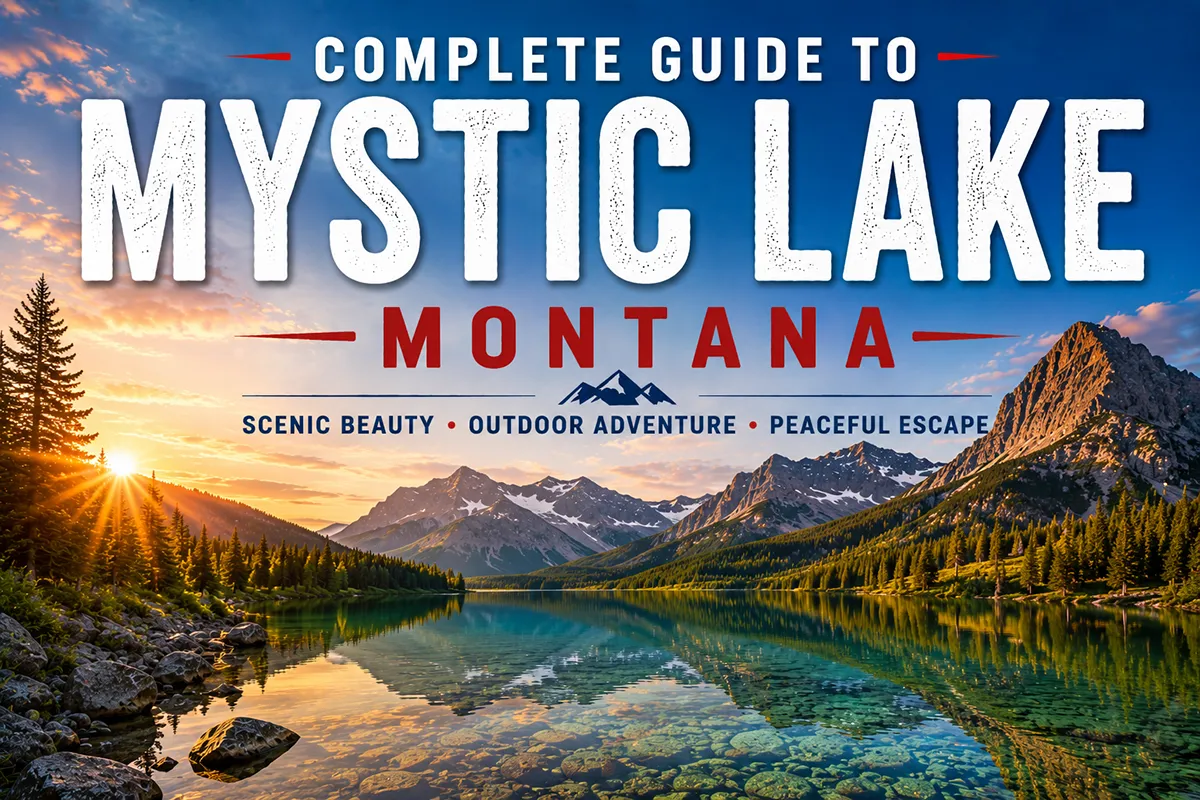
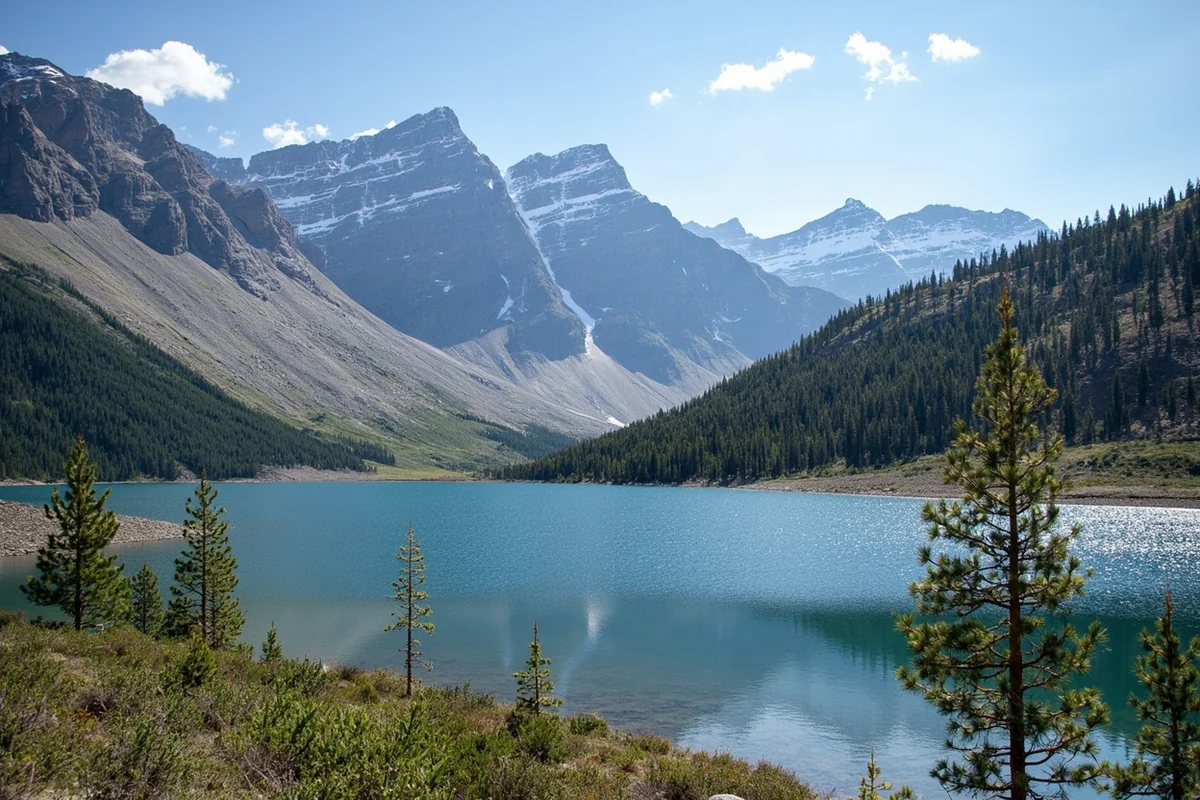
I’ve hiked to a lot of alpine lakes expecting rock and scree at the shoreline, and then Mystic Lake handed me an actual beach instead.
- Mystic Lake sits in the Beartooth Mountains, about 80 miles southwest of Billings, within the Custer National Forest
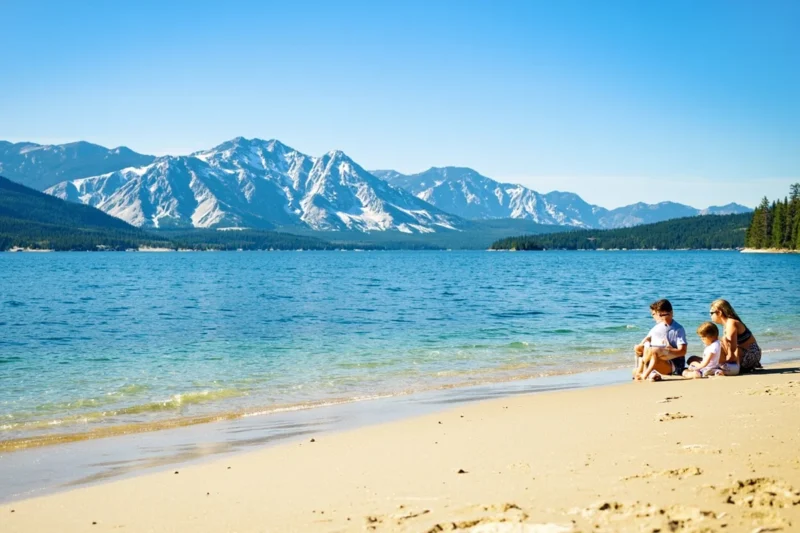
- A 6-mile shoreline includes genuine sandy beaches, among the longest and best in the entire Beartooth range
- This guide covers the hiking trails, the working hydroelectric dam, trout fishing, and access toward Granite Peak
- A 1984 landslide breached the original 1920s dam here, which was removed a year later — the lake’s natural character has stayed largely intact since
Liked this article?
Add Roaming Montana as a preferred source so you see more of our articles and guides on Google.
A Natural Lake With a Working Dam
Mystic Lake started as a natural formation, but in the 1920s and 1930s, the Montana Power Company raised its storage capacity by building a 400-foot dam. That makes this one of the only spots in the entire Beartooths where you can see a hydroelectric dam operating alongside genuinely wild, rugged wilderness scenery.
I find that combination genuinely interesting rather than a compromise. Most of Montana’s hydroelectric infrastructure sits on rivers and reservoirs far removed from true wilderness; Mystic Lake puts both right next to each other.
The 1984 Landslide
In 1984, a landslide breached the dam here, and it was ultimately removed a year later in 1985. Beyond a pipeline still running along the mountainside, the lake and surrounding area have returned to a largely natural, rugged state.
I think this history is worth knowing because it explains a few small details visitors notice but don’t always understand — remnants of infrastructure that don’t quite match the otherwise pristine wilderness setting around them.
Getting to Mystic Lake
From either Bozeman or Billings, take I-90 to Columbus, then turn south on MT-78. Follow this route until you reach Nye Road, continue through the small community of Fishtail, then turn onto West Rosebud Road, which takes you the rest of the way to the trailhead after about 15 more miles.
The most accessible route to the lake follows Bozeman Creek along the Sourdough Canyon Trail, a genuinely long 20-mile out-and-back trip. For most visitors, the more direct approach from the West Rosebud trailhead makes considerably more practical sense.
The Main Trail to Mystic Lake
This 3.5-mile hike climbs through terrain where I’ve spotted mountain goats, deer, and — at a respectful distance — a black bear on one memorable trip. Once you reach the lake, that large sandy beach makes an obvious spot to rest before deciding what’s next.
If you’ve got energy left, the trail continues eastward toward Island Lake and Silver Lake. Alternatively, you can extend your time at Mystic Lake itself by hiking further around its shoreline or setting up camp for the night.
I’d plan this hike between May and October, and dogs are welcome on a leash. Given the elevation and mountain weather here, I’d never attempt this trail without checking current conditions first, even in what looks like a stable summer forecast.
The Gateway to Granite Peak
The Mystic Lake Trailhead also connects to the West Rosebud Trail, one of two routes leading toward Granite Peak, Montana’s highest point. That’s a serious undertaking requiring real mountaineering experience, not something to attempt casually.
Even if summiting Granite Peak isn’t on your itinerary, knowing that this trailhead serves as a genuine gateway to the state’s highest peak adds some context to just how significant this corner of the Beartooths really is.
West Rosebud Lake: A Worthwhile Add-On
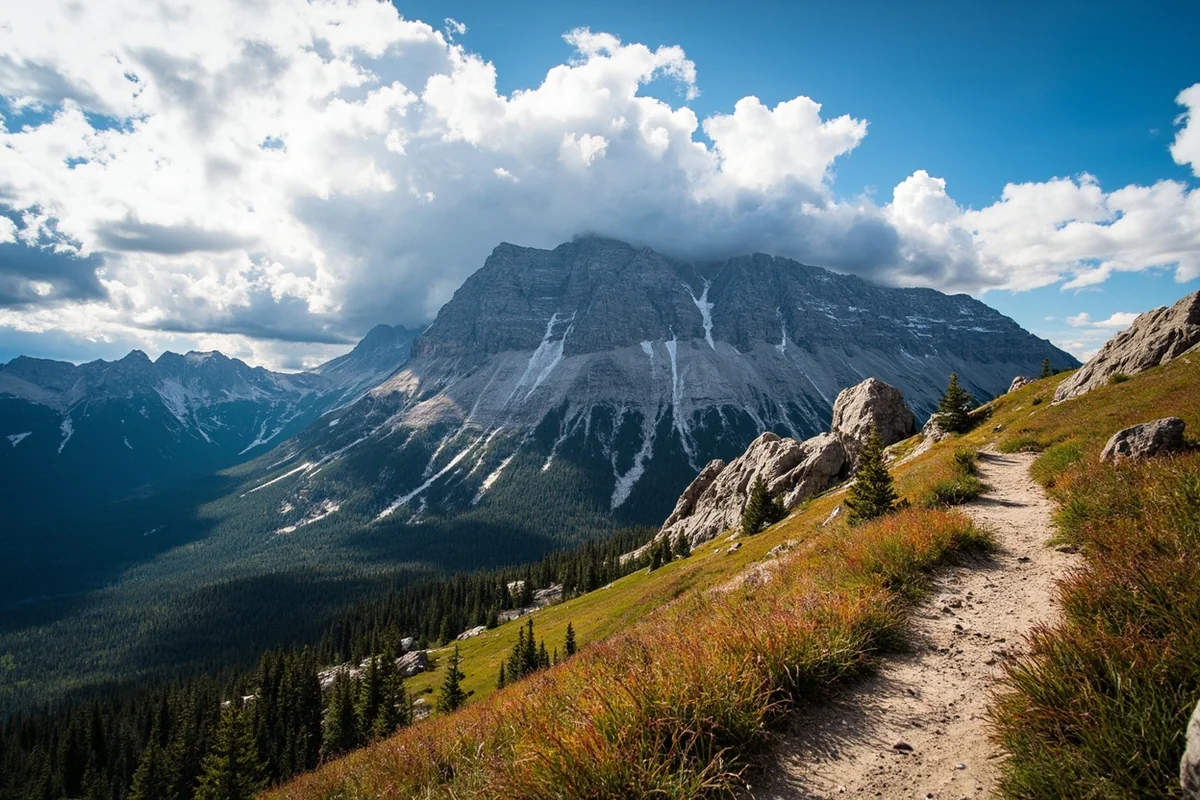
A separate 5.7-mile trail leads to West Rosebud Lake, offering impressive views of Mystic Lake along the way. I’d treat this as a good day-trip option if you want serious Beartooth scenery without the full commitment of the Mystic Lake approach itself.
West Rosebud Lake also fishes well in its own right, and I’d recommend it to anyone looking to spread a Beartooth trip across multiple lakes rather than fixating on just one.
Fishing Mystic Lake
This lake has a genuinely strong reputation among trout anglers, and Montana requires a valid fishing license for anyone casting a line here. Brook, rainbow, and cutthroat trout all live in the lake’s deep, cold water, taking advantage of the numerous underwater recesses and hiding spots.
Cutthroat trout run most common here, typically 10 to 16 inches, occasionally larger. Montana Fish, Wildlife and Parks keeps the lake stocked with rainbow trout as well, giving anglers a genuine choice depending on preference.
I’ve had good luck fishing near the small islands close to shore, while other anglers I’ve talked with prefer working the lake’s inlet instead. Either approach can produce a solid day, depending on conditions and time of year.
Best Time to Visit
Summer, specifically July through September, offers the most reliable trail conditions and the best chance of avoiding lingering snow at this elevation. I’d avoid an early-season visit unless you’re prepared for snow-covered sections and cold water even in what feels like a warm valley below.
Given how popular this trail has become, especially on summer weekends, I’d aim for a weekday start if solitude matters to your trip.
Lodging Near Mystic Lake
Given the trailhead’s distance from any major town, I’d plan lodging around either Billings or Red Lodge, both offering considerably more variety than the small communities closer to the trailhead itself. Fishtail and the immediate West Rosebud area do have some rustic cabin options for visitors wanting to stay closer to the trail.
Personal Tips / What I Wish I Knew
Don’t skip the sandy beach just because it seems out of place at an alpine lake. It’s a genuinely rare feature this high in the Beartooths, and I’ve spent longer resting here than I originally planned on more than one visit.
Check current trail and weather conditions before you go, regardless of season. Mountain weather at this elevation shifts fast, and I’ve seen clear mornings turn into genuinely difficult afternoon conditions.
Bring bear awareness gear even on a well-traveled trail. I’ve had a black bear sighting here myself, and this remains genuine wildlife habitat despite the trail’s popularity during peak summer weekends.
Consider West Rosebud Lake as a lower-commitment alternative. If the full Mystic Lake hike feels like too much for your group, this nearby option still delivers serious Beartooth scenery without quite the same elevation demands.
Practical Info: Mystic Lake
| Trail distance | 3.5 miles one way from the West Rosebud trailhead |
| Shoreline | About 6 miles, including notable sandy beaches |
| Best season | May through October, best conditions July–September |
| Fishing | Brook, rainbow, and cutthroat trout; license required |
| Access to Granite Peak | Via the West Rosebud Trail from the same trailhead |
| Nearest towns | Fishtail, Red Lodge, Billings |
Frequently Asked Questions
Is Mystic Lake natural or man-made?
It’s a natural lake with an added hydroelectric dam built in the 1920s–30s. That dam was breached by a landslide in 1984 and removed in 1985, restoring much of the area’s natural character.
How long is the hike to Mystic Lake?
About 3.5 miles one way from the West Rosebud trailhead, the most direct and commonly used approach.
Does Mystic Lake really have a sandy beach?
Yes, it’s known for having one of the largest sandy beaches in the entire Beartooth Mountains, a genuine rarity at this elevation.
Can you access Granite Peak from Mystic Lake?
Yes, the West Rosebud Trail from the same trailhead is one of two routes leading toward Montana’s highest point, though summiting requires serious mountaineering experience.
What fish are in Mystic Lake?
Brook, rainbow, and cutthroat trout, with cutthroat being the most commonly caught, typically 10 to 16 inches.
The Absaroka-Beartooth Wilderness Context
Mystic Lake sits within a broader wilderness complex spanning over 900,000 acres across the Custer, Gallatin, and Shoshone National Forests. That scale is genuinely hard to grasp until you’re standing at the lake looking out at ridgelines that seem to continue endlessly in every direction.
I think understanding this context helps set expectations before the hike. This isn’t an isolated pocket of scenery — it’s one accessible entry point into one of the largest and wildest roadless areas in the Lower 48.
Weather at This Elevation
Given how quickly conditions can shift in the Beartooths, I’d pack layers regardless of how the forecast looks the morning you set out. I’ve started a hike here under clear skies and encountered genuine hail by early afternoon on the return trip.
Afternoon thunderstorms are common in summer, and I’d plan to be off any exposed ridge sections well before early afternoon if storms are in the forecast. This applies just as much to the shorter Mystic Lake approach as it does to longer routes further into the wilderness.
A Comparison to Montana’s Other Sandy Lakes
Mystic Lake and Lake Como, in the Bitterroot Valley, are the two lakes in this entire guide with genuinely notable sandy beaches — a real rarity in Montana. The comparison mostly ends there, though.
Lake Como sits at valley elevation with easy road access and a reservoir’s calm, developed character. Mystic Lake requires a genuine mountain hike to reach and delivers a completely different, wilder atmosphere once you arrive.
I’d recommend both to different kinds of travelers: Lake Como for an easy family beach day, Mystic Lake for hikers wanting alpine scenery with an unexpected beach reward at the end.
What to Pack for This Hike
Given the elevation, weather variability, and genuine remoteness once you’re past the trailhead, I’d pack more deliberately here than for an easy valley walk. Bear spray, a water filter or purification tablets, layers for sudden temperature swings, and a printed map as backup to your phone all belong on the list.
I’ve relied on cell service in this area exactly zero times, and I plan every visit assuming I’ll have none at all. That assumption has served me well across multiple trips into this part of the Beartooths.
The Reward of a Genuine Wilderness Beach
I keep coming back to that beach because it’s such an unexpected detail in wilderness this rugged. Most alpine lakes I’ve visited across Montana greet you with rock, scree, or dense willow right at the shoreline.
Mystic Lake instead offers a stretch of actual sand long enough to spread out a picnic, dry off after a cold swim, or just sit and take in the surrounding peaks without picking your footing carefully.
I think that combination of serious wilderness access and genuine shoreline comfort is rare enough to make this hike worth prioritizing on a Beartooth-focused trip.
Extending Your Trip Beyond Mystic Lake
If you have more than a day to spend in this area, I’d seriously consider pushing further toward Island Lake and Silver Lake beyond Mystic Lake itself, or exploring West Rosebud Lake as a separate outing. This whole drainage rewards multiple days rather than a single rushed visit.
I’ve spent three full days exploring this general area on one trip, moving between different lakes and trail sections each day, and still felt like I’d only scratched the surface of what the West Rosebud drainage has to offer.
Final Thoughts
Mystic Lake offers a genuinely rare combination in Montana’s high country: serious alpine scenery, a real sandy beach, gateway access to the state’s highest peak, and a working piece of hydroelectric history all within a single, moderately challenging hike.
I think back on this trail more often than most others I’ve written about in this guide, precisely because it delivers something genuinely surprising at the end of a fairly standard alpine approach.
That element of surprise is increasingly hard to find in an era when most trails are thoroughly documented before you ever set foot on them.
For more of southwest Montana’s lakes, check out the complete guide to Montana’s best lakes for the rest of the region, including Lake Como if a sandy-beach comparison interests you.
For lodging options, see my guides to Billings and Red Lodge, and for bear safety specifics in this wilderness area, my Montana bear guide is worth reviewing before you go.
For seasonal timing, my best time to visit Montana guide and Montana in August guide both cover useful planning details for a Beartooth trip.