Central School educated Kalispell students from 1894 until 1989 — high schoolers, junior high kids, grade schoolers, and eventually community college students, all in the same four-story stone building. Then it became a museum, and it’s still teaching the town its own history.
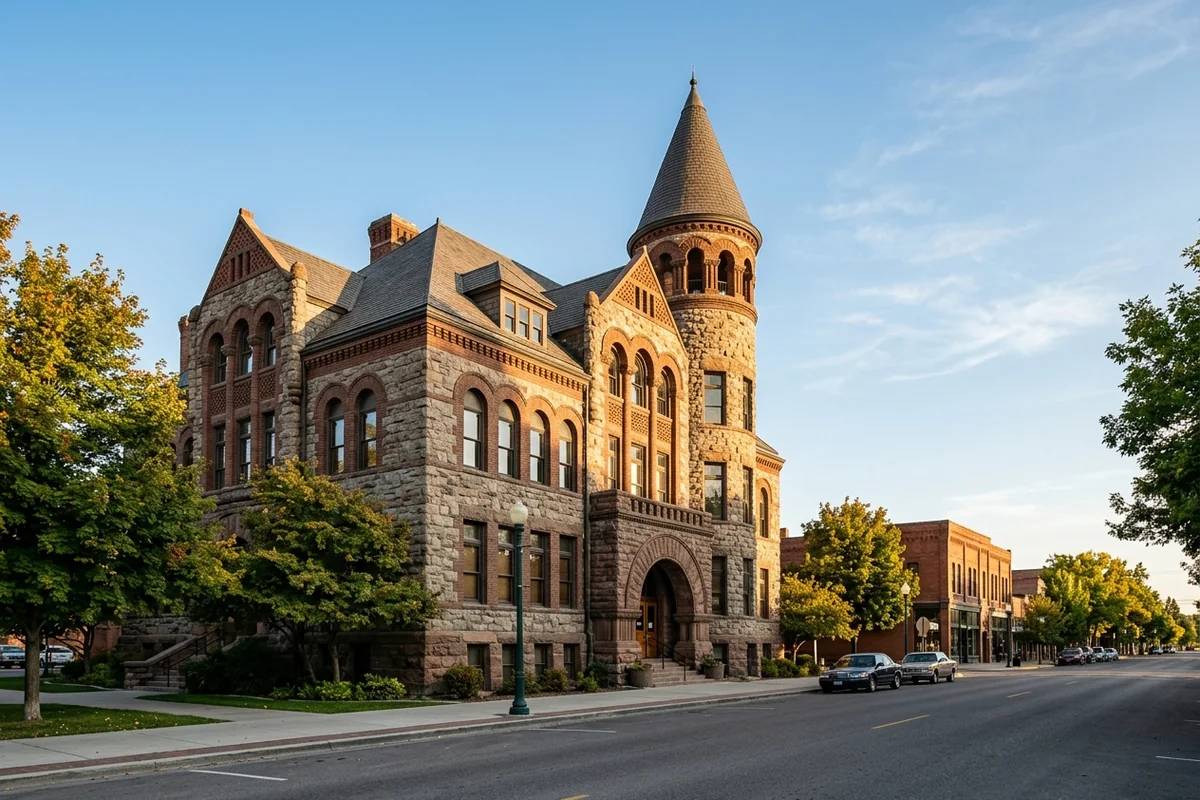
- Northwest Montana History Museum occupies Central School, Kalispell’s oldest public building, constructed in 1894 in Richardsonian Romanesque style
- The building served continuously as a school for nearly 95 years before a full restoration turned it into a history museum in 1999
- Permanent exhibits cover pioneer Frank Bird Linderman, the region’s timber industry, Native American culture, and the vanished town of Demersville
- The museum runs genuinely active programming, including a downtown walking tour and hands-on bookbinding courses
- This is one of the best museums in Montana that most Kalispell visitors walk past without realizing it’s Montana’s oldest continuously used public school building turned museum
Liked this article?
Add Roaming Montana as a preferred source so you see more of our articles and guides on Google.
A Building That Taught Four Generations
Central School opened its doors in 1894, when Kalispell itself was still a genuinely new town. It’s a four-story stone and brick building in the Richardsonian Romanesque style, spanning roughly 22,000 square feet, and it remains the oldest public building in Kalispell today.
What makes this building’s history unusual isn’t just its age — it’s how long it actually stayed in continuous educational use.
Central School served as a high school, then a junior high, then a grade school, and eventually hosted classrooms for Flathead Valley Community College, spanning nearly 95 years of uninterrupted use from 1894 until 1989.
Rather than let a building with that much institutional memory sit empty or get demolished, a full restoration in the late 1990s converted it into the Northwest Montana History Museum, which opened in 1999. The Northwest Montana Historical Society, a nonprofit, has operated it ever since.
Demersville: The Town That Vanished
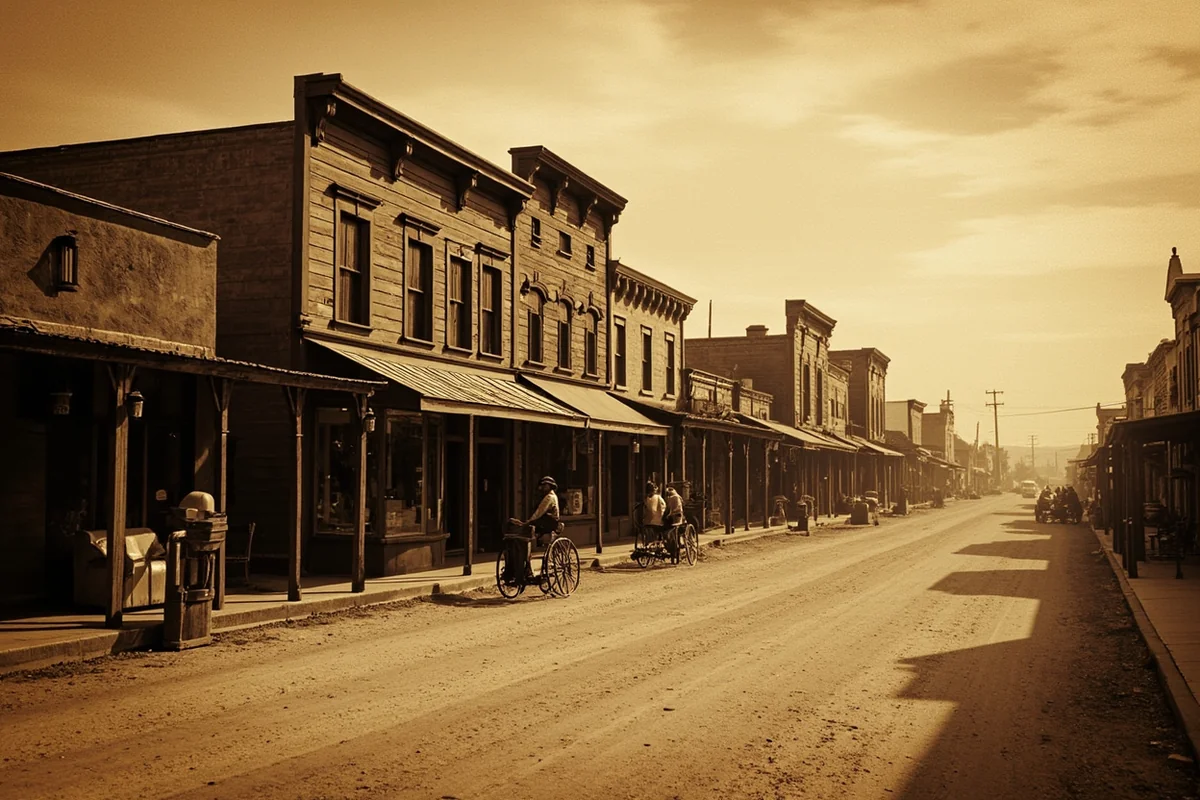
One of the museum’s most genuinely fascinating exhibit threads covers a place most Kalispell visitors have never heard of, because it doesn’t exist anymore.
Demersville was a real, functioning turn-of-the-century community in the Flathead Valley, serving as a regional hub before Kalispell’s rise eclipsed it entirely.
The museum’s permanent exhibit on Demersville traces exactly how that shift happened — how railroad routing decisions and town-boosting efforts in the 1890s could make one settlement thrive while an established neighbor simply faded away.
It’s a genuinely instructive story about how arbitrarily some Montana towns survived while others didn’t, and it adds real depth to understanding why Kalispell looks the way it does today rather than Demersville being the region’s dominant city instead.
Frank Bird Linderman and the Timber Industry
The museum’s exhibits on pioneer Frank Bird Linderman anchor a broader look at how the Flathead Valley’s economy and culture actually developed in its earliest decades.
Linderman’s story is woven into the region’s transition from frontier outpost to established community, alongside dedicated exhibits on the timber industry that shaped the local economy for generations.
Timber wasn’t a minor side note to how this region developed. Northwest Montana’s forests fed a genuinely major regional industry, and the museum traces how logging operations, sawmills, and the railroad infrastructure built to move lumber all interconnected to shape which towns thrived and which didn’t.
That same infrastructure story connects directly back to why Kalispell grew into a regional hub while Demersville, without the same rail access, gradually faded.
Northwest Montana’s Native American culture gets dedicated, sustained exhibit space as well, not treated as a brief mention within the broader settler narrative.
The museum’s own educational programming reinforces this — talks in the winter John White Series have specifically featured contemporary Native artists discussing traditional Salish toolmaking and art, incorporating Salish language and Plains Sign Language directly into the presentations.
The museum also covers the ecology of Flathead Lake and the broader story of Kalispell’s rise as the region’s economic center, tying the human history together with the natural landscape that shaped it.
The Museum Building Teaches Itself, Too
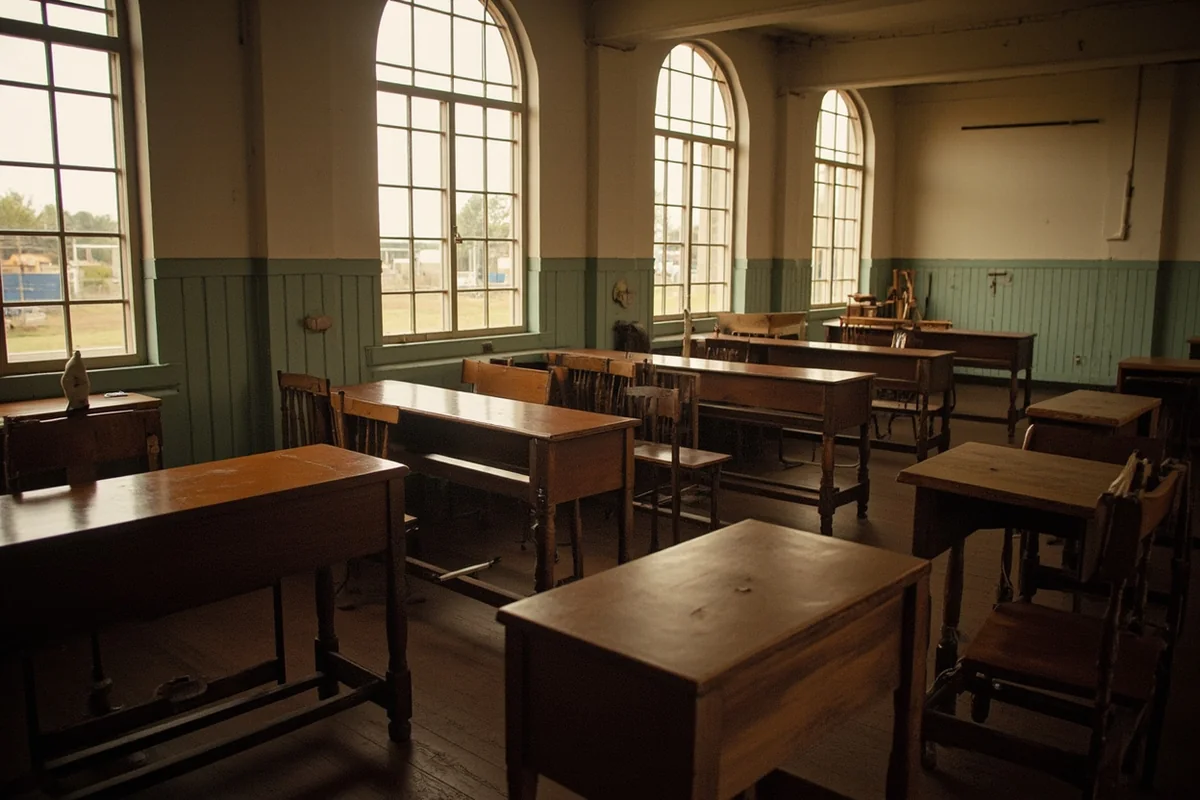
A dedicated exhibit thread covers Central School’s own history as a building — a genuinely fitting choice, since the structure itself is as significant an artifact as anything inside it.
Restored former classrooms throughout the building have been converted into elegant rental venues for private events and community gatherings, giving the space continued civic use beyond just museum hours.
School Bell Books & Gifts, the museum’s on-site shop, stocks a solid selection of Montana-focused titles and Montana-made goods, worth a browse on your way out.
Genuinely Active Programming Beyond the Exhibits
This museum runs a noticeably more active events calendar than a lot of small regional history museums, and it’s worth checking before you plan your visit.
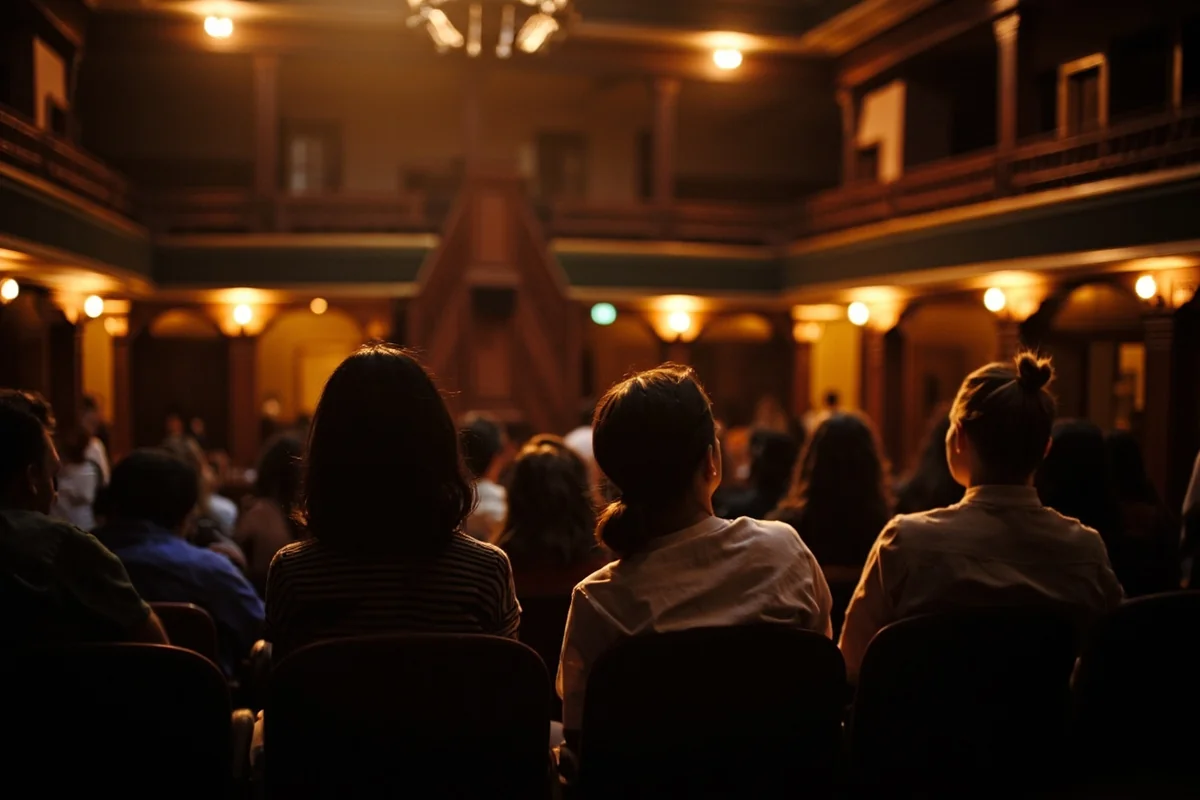
The John White Series brings winter lecture talks on Northwest Montana life and history, named in tribute to beloved former Central School staff members. Talks regularly sell out, so reserving a spot ahead of time is worth doing if a specific topic interests you.
The museum also offers hands-on bookbinding courses taught by the museum’s own executive director, a longtime bookbinder who studied the craft in China — a genuinely unexpected specialty program for a small-town Montana history museum.
Perhaps the most visitor-friendly program is the Downtown Kalispell Walking Tour, which begins and ends at the museum. Museum admission is included with your walking tour ticket, giving you both a guided look at Kalispell’s historic downtown and access to the museum’s exhibits in a single outing. [verify current program schedule and pricing at nwmthistory.org]
Why This Museum’s Programming Feels Different
Most small regional history museums settle into a predictable rhythm: rotate a temporary exhibit once or twice a year, run a handful of school tours, and otherwise stay quiet. This one clearly hasn’t settled for that model.
The museum’s willingness to bring in genuinely specialized programming — a bookbinding course taught by someone who studied the craft in China, contemporary Native artists demonstrating Salish toolmaking alongside traditional language, a paid downtown walking tour built around real historical research — suggests an institution actively trying to give the community new reasons to walk back through its doors, not just preserve what’s already on the walls.
That approach seems to be working. The museum draws thousands of annual visitors specifically for its exhibits and its expanding slate of educational programs and community events, a genuinely strong showing for a museum in a city Kalispell’s size.
Visiting With Kids
Reviewers consistently describe this museum as genuinely engaging for a wide age range, from young children through teenagers, alongside the adults typically drawn to a local history museum.
That’s a meaningful endorsement for a museum built primarily around static exhibits rather than interactive science-center-style displays.
Central School’s own architecture — four stories of stone and brick, complete with the atmosphere of an actual century-old schoolhouse — tends to hold kids’ interest simply by being a genuinely unusual space to explore, distinct from a typical modern museum building.
The Demersville “vanished town” story tends to land well with school-age kids too, offering a genuinely mysterious, almost detective-story angle to local history that a straightforward pioneer-life exhibit doesn’t always deliver.
Given the museum’s relatively compact size, this works well as a manageable stop that won’t overwhelm younger visitors, especially when paired with time outdoors at nearby Depot Park.
Frequently Asked Questions
Is this the same as the Conrad Mansion or Glacier Art Museum?
No — all three are separate institutions within easy walking distance of each other in downtown Kalispell. This museum focuses on regional Flathead Valley history broadly; Conrad Mansion is a single preserved historic home; Glacier Art Museum focuses on Montana and Glacier-themed fine art.
Do we need to book the Downtown Kalispell Walking Tour in advance?
Online ticket sales typically close about a half-hour before a scheduled walk, so booking ahead is strongly recommended rather than assuming same-day walk-up availability, especially during peak summer travel season.
Is the museum wheelchair accessible?
As a four-story historic 1894 building, accessibility can vary by floor. I’d call ahead to confirm current accommodations if this is a specific concern for your visit.
How does the museum’s timber industry exhibit connect to the rest of the region?
The Flathead Valley’s timber industry shaped the area’s economy for generations, and understanding that history adds real context to why certain towns, including Kalispell itself, grew the way they did relative to logging and railroad access.
Can we do local family history research at the museum?
The Northwest Montana Historical Society maintains historical resources connected to the region; I’d contact the museum directly to confirm current research access procedures if you’re working on specific family or property history.
- The building’s nearly 95-year run as an active school rarely gets emphasized, even though it’s a genuinely remarkable span of continuous educational use for a single structure.
- The Demersville exhibit almost never gets mentioned, despite telling one of the more genuinely interesting “vanished town” stories in the Flathead Valley.
- The museum’s active programming, especially the walking tour and bookbinding courses, rarely gets flagged, leaving visitors unaware of options beyond a standard self-guided exhibit walk.
- Being Kalispell’s oldest public building is a distinction that gets lost in generic “local history museum” descriptions.
Personal Tips: What I Wish I Knew
- Budget about an hour for the standard exhibits, though the walking tour add-on will extend your visit significantly if you book it.
- Check the museum’s event calendar before you go. Given how active the programming is, you might catch a talk, movie night, or special exhibit opening that adds real value to your visit.
- Reserve ahead for John White Series talks. They regularly sell out, and walk-up availability isn’t guaranteed.
- Pair this with Conrad Mansion and Glacier Art Museum on the same day. All three sit within easy walking or short driving distance of each other in downtown Kalispell, giving you a genuinely full Kalispell museum day.
- Ask about Central School’s own history while you’re there. Volunteers and staff are consistently described as knowledgeable, and the building’s own story is worth hearing directly rather than just reading placards.
How This Fits a Kalispell Visit
Downtown Kalispell packs a surprising amount of museum-going into a genuinely walkable core, and this museum sits right in the middle of it.
It’s an easy pairing with Conrad Mansion Museum and Glacier Art Museum, formerly the Hockaday, both within easy reach downtown.
Our Kalispell things-to-do guide covers the rest of what’s worth building into your visit, and our Montana museums guide maps how this stop connects to the state’s broader museum landscape.
Practical Info
| Address | 124 2nd Ave E, Kalispell, MT 59901 |
| Phone | (406) 756-8381 |
| Hours | Monday–Friday, 10 a.m.–5 p.m.; closed Saturday and Sunday |
| Admission | [verify current pricing at nwmthistory.org] |
| Time needed | 45 minutes–1.5 hours (longer with the walking tour) |
| Good for | History enthusiasts, families, architecture buffs, downtown Kalispell day trips |
| Nearby pairing | Conrad Mansion Museum, Glacier Art Museum |
Final Thoughts
Northwest Montana History Museum turns a genuinely unusual institutional history — nearly a century as an active school before becoming a museum — into one of downtown Kalispell’s more substantial cultural stops. The Demersville story alone is worth the visit, a quiet reminder that plenty of Montana’s early towns simply didn’t survive the choices that shaped their neighbors instead.
What strikes me most on repeat visits is how the building itself keeps teaching, decades after the last graduating class walked out its doors.
Central School spent 95 years shaping Kalispell’s students, and it’s now spent over 25 years shaping how the whole community understands its own past — a genuinely rare kind of institutional continuity for any Montana building this old.
Pin this for your Kalispell trip planning, and check the current events calendar before you go. If you’ve taken the Downtown Kalispell Walking Tour that starts here, I’d love to hear what you learned about the city in the comments.