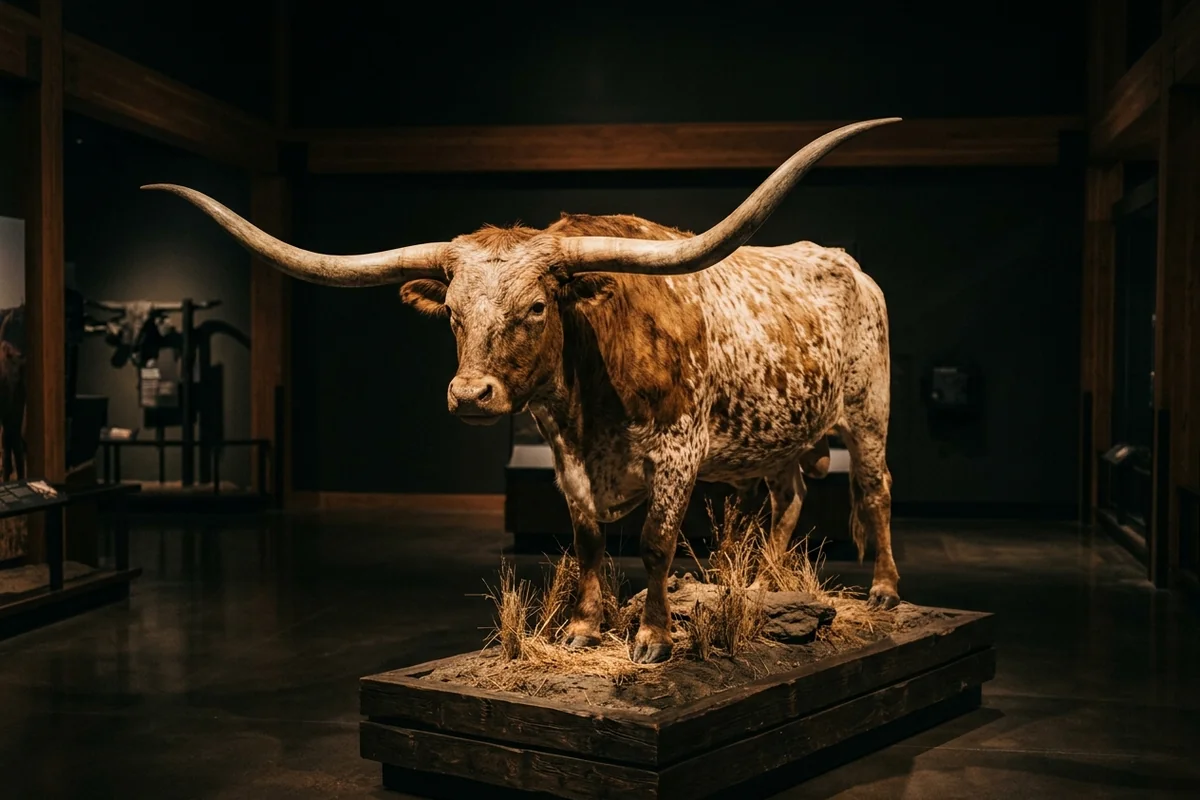
A Guinness World Record-holding steer, fed on leftover mash from the local bootleg liquor trade, toured 42 states during the Depression with his own electric fan and custom trailer. He’s spent his afterlife in a former jail cell in Baker, Montana, and he’s still the main reason most visitors show up.
- O’Fallon Historical Museum in Baker preserves Fallon County history across six buildings, anchored by the original 1916 county jail
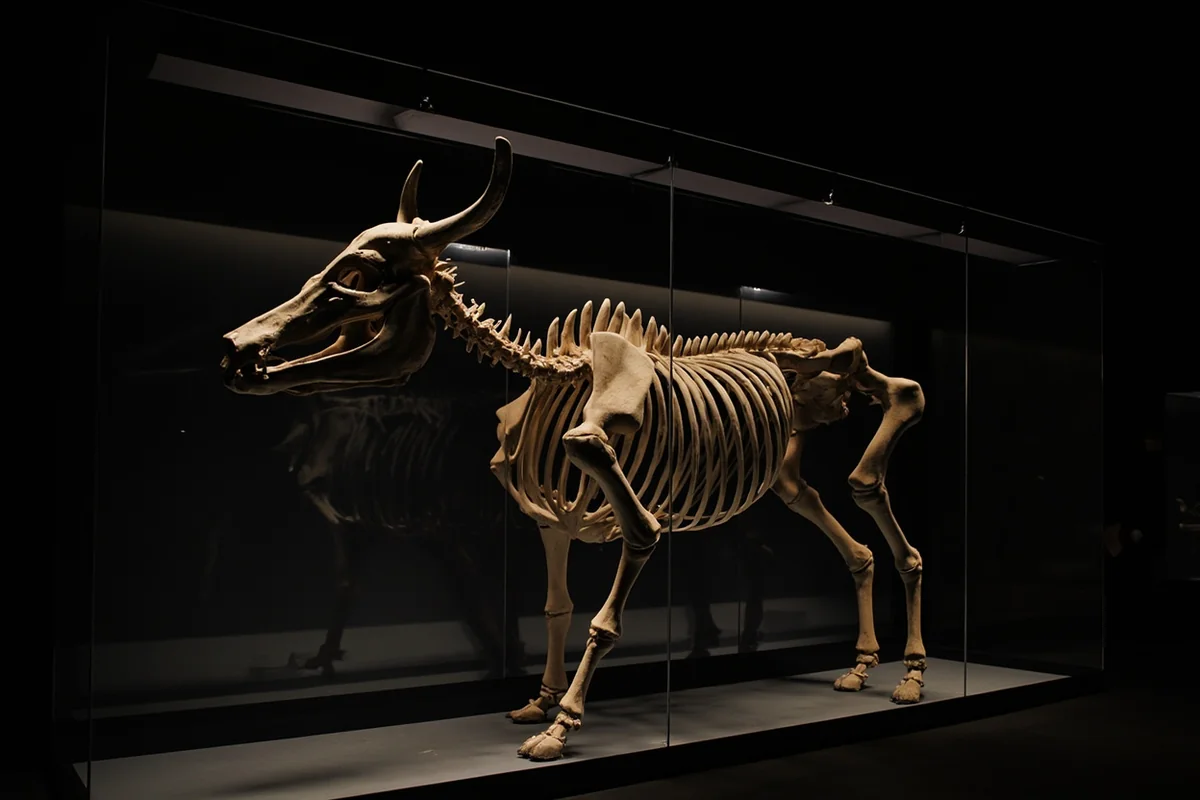
- Steer Montana, a Guinness World Record-holding 3,980-pound steer, is the museum’s signature attraction, displayed as both a taxidermy mount and a full skeleton
- Admission is free, year-round, and the museum was recently accepted into a Smithsonian-affiliated program as one of just 18 organizations nationwide
- The jail building itself has its own darker local lore, including staff-shared stories about a sheriff who reportedly met his end there
- This is one of the best museums in Montana where a single steer’s genuinely wild life story is worth the entire detour
Liked this article?
Add Roaming Montana as a preferred source so you see more of our articles and guides on Google.
The World’s Largest Steer, Explained
Steer Montana’s story is exactly the kind of only-in-Montana history that turns a quick highway stop into something you tell people about for years afterward.
Born March 23, 1923, in the Fertile Prairie community just east of Baker, this Roan Polled Shorthorn steer grew to a genuinely absurd size: 3,980 pounds, standing 5 feet 11 inches tall, stretching 10 feet 4 inches long, with a girth of 9 feet 2 inches.
Local rancher Jack Guth raised and showed him at more than 60 state fairs, stock shows, and carnivals across 42 states during the Depression era, complete with his own light plant, electric fan, and custom-built trailer for the road.
Old-timers in the area have long claimed Steer Montana grew this large because he was fed grain mash left over from the local bootleg liquor trade during Prohibition — whether that’s literal fact or good regional folklore, it’s exactly the kind of detail that makes this story worth telling.
He had two brothers, Brother Spot and Brother Bulgy, both genuinely enormous animals in their own right, though neither came close to matching his record-setting size.
From Roadside Attraction to Museum Centerpiece
Steer Montana’s fame didn’t end with his death after 15 years and 4 months of life. His body kept touring in a sense, passing through a genuinely colorful chain of ownership before finding its permanent home.
Billings resident Don Foote purchased the famous steer and displayed him at his own roadside attraction, “Wonderland in Billings.” Eventually, Baker business owner Bernie Heiser bought Steer Montana for $5,000, brought him back to his hometown, and displayed him inside Heiser’s Bar.
From there, he finally found his permanent resting place at O’Fallon Historical Museum, where visitors today can see both his original taxidermy mount and his complete skeleton displayed side by side.
Steer Montana officially holds the Guinness World Record for largest steer, and museum staff describe him as likely the most-photographed steer anywhere in the American West — a genuinely strange but entirely earned distinction for an animal that’s been dead since 1938.
A Former Jail With Its Own Dark Stories
Steer Montana lives inside the museum’s anchor building, the original Fallon County Jail, built in 1916 and listed on the National Register of Historic Places. The building itself carries its own weight of local history beyond just housing the world’s most famous steer.
Museum staff, when asked, will share stories about other “skeletons” connected to the jail’s actual history as a functioning county lockup, including local lore about a sheriff who reportedly met his death inside the building.
That’s the kind of detail that doesn’t make it onto an official plaque, but it’s exactly the sort of firsthand storytelling that makes a visit here feel personal rather than scripted.
The jail building today also houses military artifacts from Fallon County’s service members in both World Wars, giving the space a genuinely wide emotional range within a single structure.
Six Buildings, an Entire County’s Worth of History
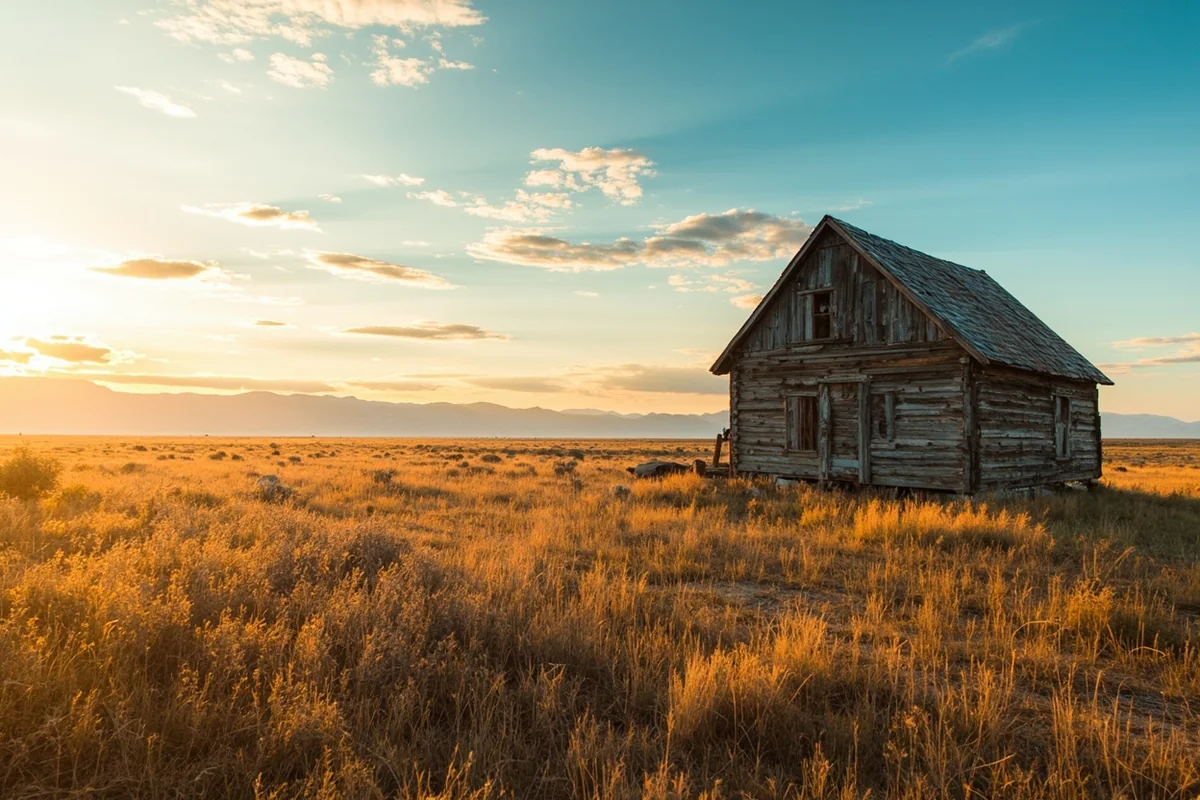
Beyond Steer Montana and the jail, the museum’s remaining five buildings cover a genuinely comprehensive slice of Fallon County life across the early 1900s.
A tar paper homestead house, the Duffield homestead house, and the Lambert house each preserve everyday domestic life from the homesteading era, furnished with items families actually used.
A trading post, barber shop, dress shop, and parlor recreate Baker’s early commercial district, while a dedicated camera room traces the community’s changing landscape through a genuinely thoughtful pictorial history.
A horse stable now hosts one of the more substantial collections of domestic animal skeletons and taxidermy you’ll find at any small Montana museum.
A farm equipment building holds a wooden 1900 threshing machine alongside a 1927 Model T truck, giving you a tangible sense of how quickly agricultural technology changed across just a few decades.
Reproduction exhibits, including a coal mine display and a one-room schoolhouse, add hands-on immersion for younger visitors, while an oil derrick reproduction ties the collection to the boom-and-bust oil industry that continues shaping this stretch of eastern Montana today.
A Genuinely Distinctive Collection of Small Obsessions
Beyond the expected homestead and military exhibits, the museum holds a few genuinely specific, community-donated collections that reward a slower browse.
A unique camera collection traces the technology of photography itself, while a separate room displays childhood toys spanning generations. One particularly extensive doll collection, donated by a single local woman, fills its own dedicated space.
Boy Scout and Girl Scout memorabilia round out the more personal, hyper-local threads running through the broader county history.
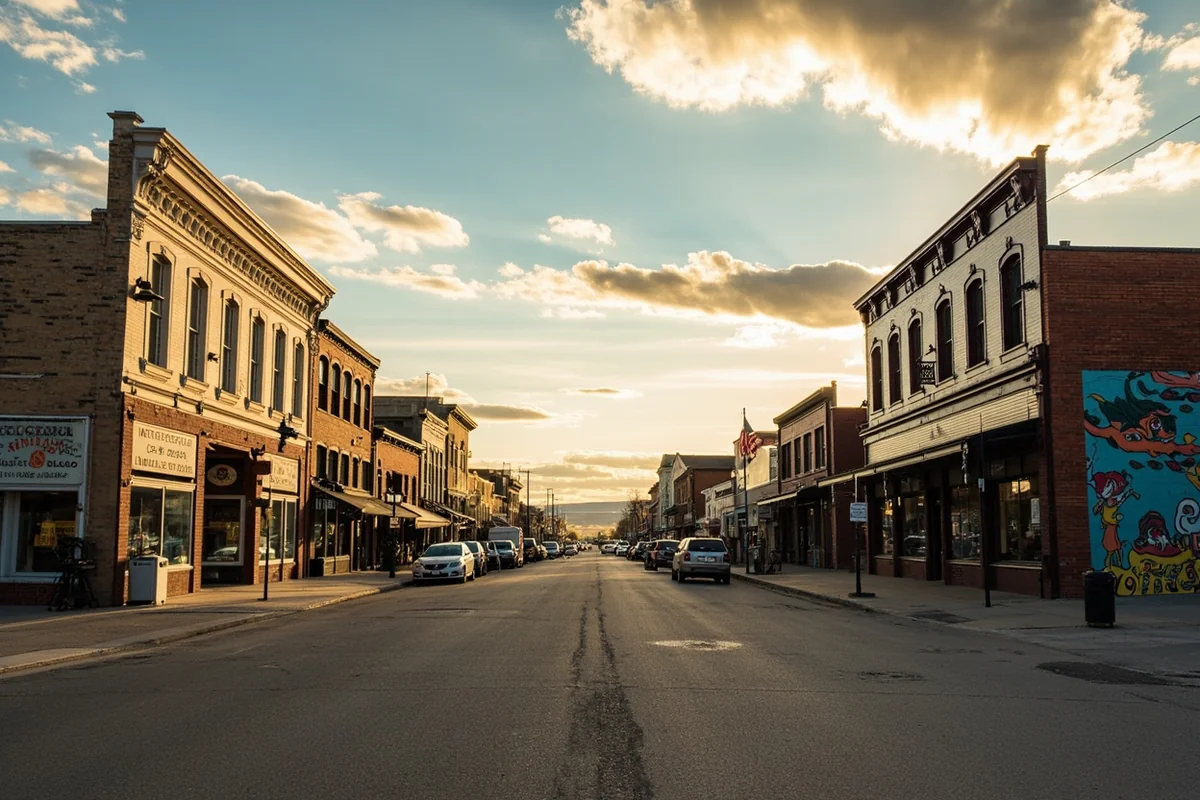
Several of the six buildings are decorated with murals depicting Fallon County’s history, giving the whole complex a genuinely distinctive visual flair beyond what you’d expect from a typical small-town museum campus.
A Recent National Honor
As of a recent announcement, O’Fallon Historical Museum was accepted into a Smithsonian-affiliated program, becoming one of just 18 organizations nationwide selected for this recognition.
That’s a genuinely significant achievement for a free, volunteer-supported county museum in a town this size, and it reflects the same level of care and organization visitors consistently praise in staff reviews. [verify current details of this Smithsonian affiliation program and its specific benefits]
Why Fallon County Has So Many Stories to Tell
It’s worth understanding a bit about how Baker itself developed, because it explains why a museum this size ended up with six full buildings of material.
Baker was founded in 1908 in genuine open-range cattle country, built up quickly by the combined influx of railroad workers and homesteaders chasing the promise of a better life on newly available land.
The local economy shifted repeatedly over the following decades — agriculture gave way to natural gas development, which was eventually followed by oil production, a boom-and-bust pattern that continues shaping this stretch of eastern Montana even today.
That layered economic history is exactly why the museum’s collection spans everything from homestead-era domestic tools to a reproduction oil derrick.
Each economic wave left behind its own artifacts, donated by community families who lived through the transitions themselves, which is part of why the collection feels so genuinely personal rather than assembled from a generic template of “pioneer museum” exhibits.
Visiting With Kids
This museum genuinely delights kids, and Steer Montana is usually the reason why. There’s something about a taxidermy animal this enormous, paired with its full skeleton, that captures young imaginations in a way a typical historical photograph display simply can’t match.
Beyond the steer, the reproduction coal mine and one-room schoolhouse exhibits give kids hands-on, walk-through spaces rather than look-but-don’t-touch displays.
The extensive toy and doll collections tend to spark genuine curiosity too, especially when kids realize these are real objects other children actually played with generations ago rather than museum props built specifically for display.
Given the museum’s six-building layout, this works well as a longer family stop with natural built-in breaks between buildings, letting kids move around physically rather than sitting through one long indoor exhibit hall.
Frequently Asked Questions
Is Steer Montana’s Guinness World Record still official today, or has it been surpassed?
[verify current Guinness World Records status, as records can be updated or reclassified over time]
Is the bootleg-mash story about Steer Montana’s size actually true?
It’s presented as local lore and oral history rather than a definitively documented fact, but it’s a genuinely fun piece of Prohibition-era Montana folklore regardless of its literal accuracy.
How does this compare to other converted-jail museums in Montana, like Gallatin History Museum?
Both occupy genuine former county jails and share some of that same “real cells, real history” atmosphere, but Gallatin History Museum leans more into its own building’s specific escape and hanging stories, while O’Fallon’s jail building shares space more evenly with military history and, of course, Steer Montana himself.
Is the museum accessible for visitors with mobility limitations?
Given the six-building layout with some historic homestead structures, accessibility can vary. Call ahead if this is a specific concern for your visit.
Is there anywhere to eat nearby?
Downtown Baker has local dining options within easy reach of the museum, making it simple to extend your visit into a fuller stop in town.
- Steer Montana’s full backstory rarely gets told in detail. Most mentions note “world’s largest steer” without conveying the genuinely wild multi-decade journey from Depression-era fairground attraction to bar decoration to museum centerpiece.
- The jail building’s own local lore almost never gets mentioned, losing one of the more genuinely intriguing threads of the museum’s storytelling.
- The recent Smithsonian-affiliated recognition is too current for most existing travel content to have caught up to.
- The sheer scope of six full buildings gets undersold in generic “small local museum” descriptions, when a genuine visit here easily fills a few hours.
Personal Tips: What I Wish I Knew
- Budget a few hours, not a quick 20-minute stop. Reviewers consistently note being surprised by how much ground six buildings actually cover.
- Ask staff questions. Multiple visitors specifically praise the museum’s knowledgeable staff for going well beyond scripted information, including tracking down specific historical details on request.
- Don’t skip the jail building’s military exhibits on your way to see Steer Montana. The WWI and WWII artifacts deserve real attention alongside the museum’s more famous attraction.
- Look for the murals decorating several of the buildings. They add real visual character to the complex and are easy to walk past if you’re focused purely on getting inside.
- Visit any time of year. Unlike many small rural Montana museums, this one stays open year-round rather than closing for a winter season.
How This Fits a Southeast Montana Road Trip
Baker sits in Montana’s southeastern corner, a genuinely quiet stretch of the state that rewards travelers willing to make deliberate stops rather than expecting constant roadside attractions.
If you’re building a broader Southeast Montana museum itinerary, our Montana bucket list post covers other genuinely offbeat stops in this same spirit.
If converted historic jail buildings interest you as a pattern, our Gallatin History Museum guide in Bozeman covers another Montana museum built inside a former county jail, giving you an interesting comparison between two very different small-town approaches to the same kind of building.
Our Montana museums guide maps how this stop connects to the rest of the state’s cultural landscape.
Practical Info
| Address | 718 S Main St, Baker, MT 59313 |
| Phone | 406-778-3265 |
| Hours | Open year-round [verify current hours] |
| Admission | Free |
| Time needed | 2–3 hours |
| Good for | History enthusiasts, families, anyone who loves a genuinely strange local legend |
| Nearby pairing | Downtown Baker, Fallon County Courthouse |
Final Thoughts
O’Fallon Historical Museum turns a Guinness World Record steer, a former county jail with its own dark rumors, and six buildings of genuine community history into one of the more surprising free stops anywhere in Southeast Montana.
Steer Montana alone is worth the detour, but the homestead houses, the camera collection, and the murals decorating the complex give you plenty of reasons to stay well past your first look at the world’s largest bovine.
If you’re mapping out a full loop through this quieter corner of the state, our Frontier Gateway Museum guide in Glendive and our Carter County Museum guide in Ekalaka both round out other genuinely distinctive Southeast Montana stops worth building into the same trip.
Pin this for your Southeast Montana trip planning, and ask staff for the full story behind the jail’s other “skeletons” while you’re there. If Steer Montana’s Prohibition-era bootleg-mash origin story turned out to be true or false, I’d genuinely love to hear what you learned in the comments.