The valley Missoula sits in was carved by one of the largest floods in Earth’s history, repeated dozens of times over thousands of years. There’s a museum a few blocks from downtown built specifically to help you understand exactly how that happened.
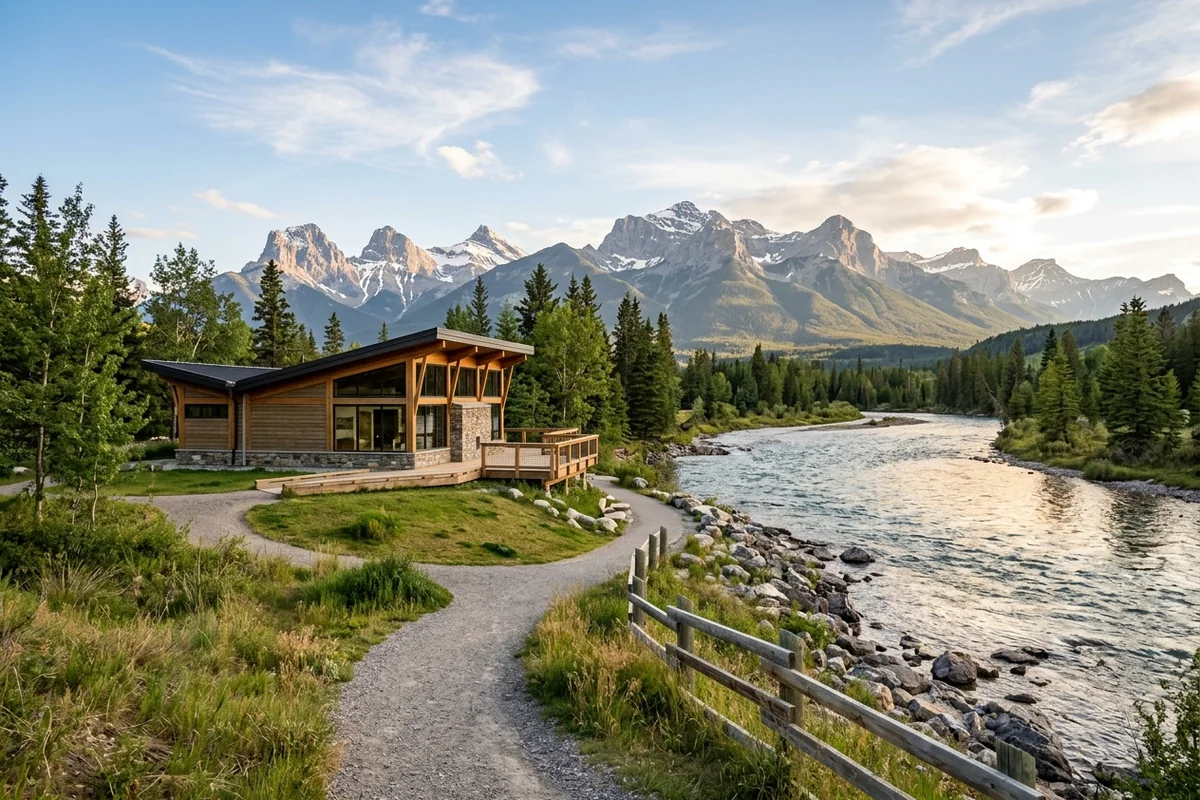
- Montana Natural History Center (MNHC) sits on the edge of McCormick Park in Missoula, founded in 1991 by a group of local educators
- Its most distinctive exhibit covers Glacial Lake Missoula, the massive Ice Age lake whose repeated catastrophic floods carved the landscape you’re driving through today
- Additional exhibits cover Montana’s four main ecosystems, geology, pollinators, fire ecology, and fossils
- Admission is inclusive and affordable, with free entry for Native and Indigenous peoples, EBT cardholders, and members of other science museums nationwide
- This is one of the best museums in Montana that explains the actual geological forces behind the landscape most visitors just admire from the car
Liked this article?
Add Roaming Montana as a preferred source so you see more of our articles and guides on Google.
The Flood Story Hiding Beneath Missoula’s Valley
Most visitors driving into Missoula never think to ask why the surrounding mountains and valley floor look the way they do. This museum answers that question in genuinely dramatic fashion.
Toward the end of the last Ice Age, a massive glacial dam repeatedly blocked and then catastrophically released an enormous lake covering much of western Montana — Glacial Lake Missoula.
When each ice dam eventually failed, the resulting flood surged across the landscape with a force that reshaped entire valleys in a matter of days, carving terraces and features still clearly visible on the hillsides around Missoula today. This cycle of damming and flooding happened dozens of times over thousands of years.
MNHC’s Glacial Lake Missoula exhibit is where this genuinely mind-bending piece of local geology gets explained in a way that actually makes sense.
If you’ve ever looked at the distinct terraced lines on the hills around Missoula and wondered what caused them, this is the exhibit that finally answers that question.
A Group of Educators Who Decided to Team Up
The organization’s founding story is genuinely grassroots. In 1991, a group of local educators who’d each been working separately on nature and science education for kids and adults decided to unite their efforts into a single organization.
MNHC started out on the University of Montana campus, then moved to rented space at Fort Missoula as it grew. By 2004, the organization had outgrown that space too, purchasing its first permanent home at 120 Hickory Street, right on the edge of McCormick Park in the heart of Missoula.
The center sits directly on the river trail system, making it an easy stop if you’re already out walking or biking along the Clark Fork.
That steady, community-driven growth over more than three decades is part of why MNHC feels less like a static museum and more like an active educational hub that happens to also have a genuinely strong exhibit hall.
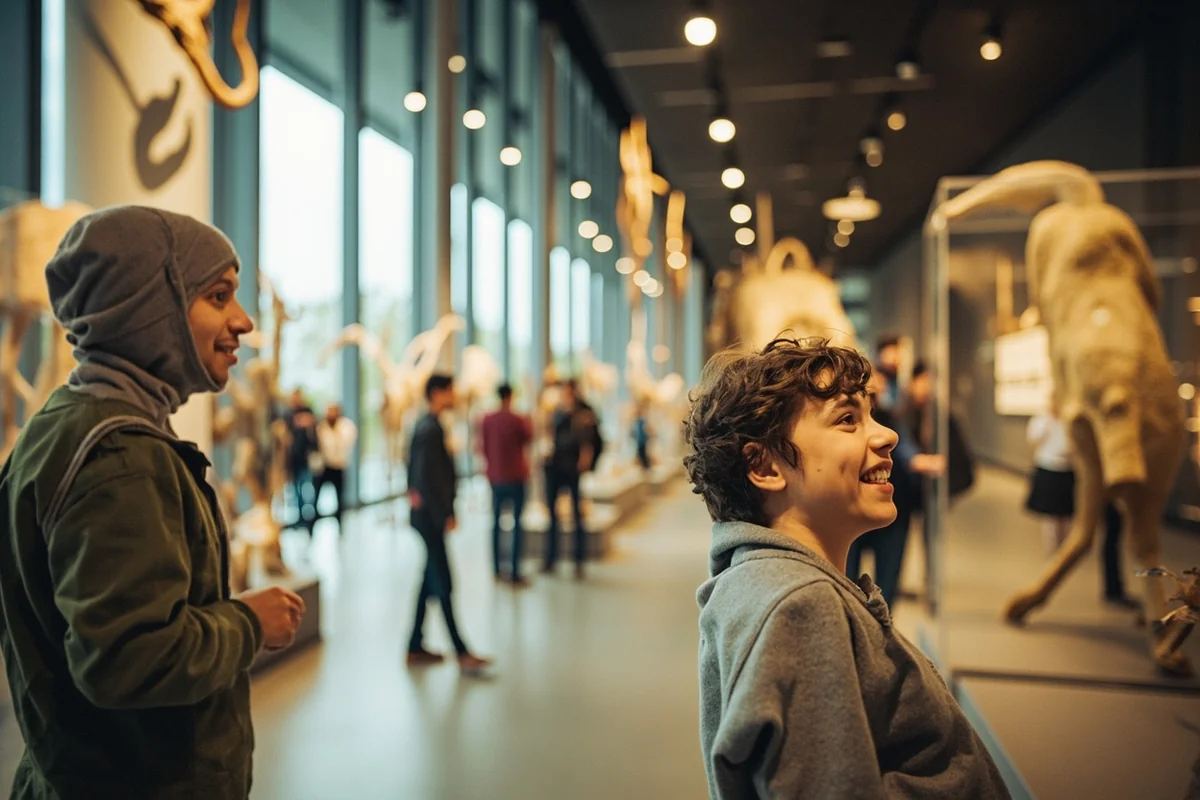
Montana’s Four Ecosystems, One Room at a Time
Beyond the flood story, the center’s core exhibits trace the flora, fauna, geology, and ecology of western Montana in genuinely comprehensive detail.
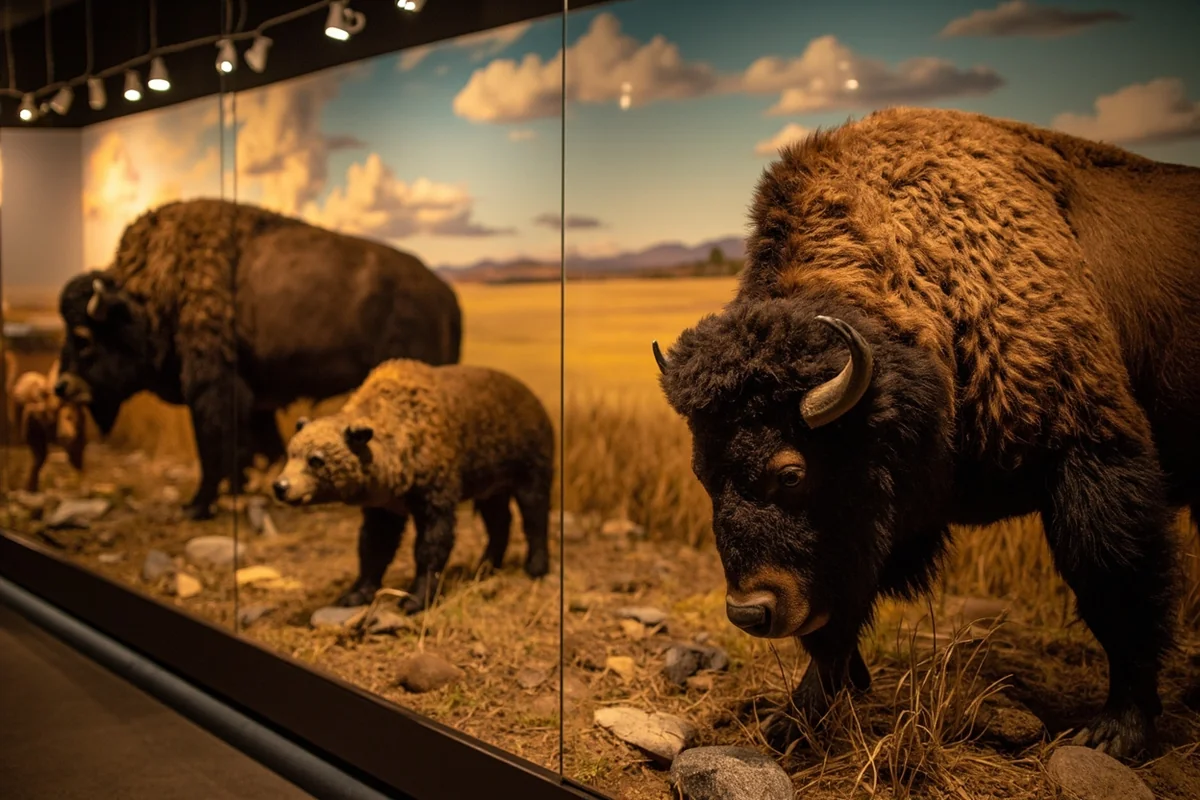
The Explore Montana Ecosystems exhibit walks visitors through the state’s four main ecosystem types, from prairie grassland to montane forest, using mounted specimens including bison, bears, birds, and badgers to make each ecosystem’s characteristic wildlife tangible rather than abstract.
An Explore Geology exhibit covers Montana’s genuinely remarkable mineral wealth, from copper to agate to quartz, giving visitors context for the state’s mining and rockhounding traditions covered more directly at museums elsewhere in the state.
Dedicated exhibits on pollinators and fire ecology round out the collection, addressing two topics that matter enormously to Montana’s actual working landscape — agriculture and forest management both depend directly on healthy pollinator populations and informed fire management, subjects that go well beyond a typical “look at the pretty wildlife” nature center approach.
A Kids’ Discovery Room and an Actual Outdoor Garden
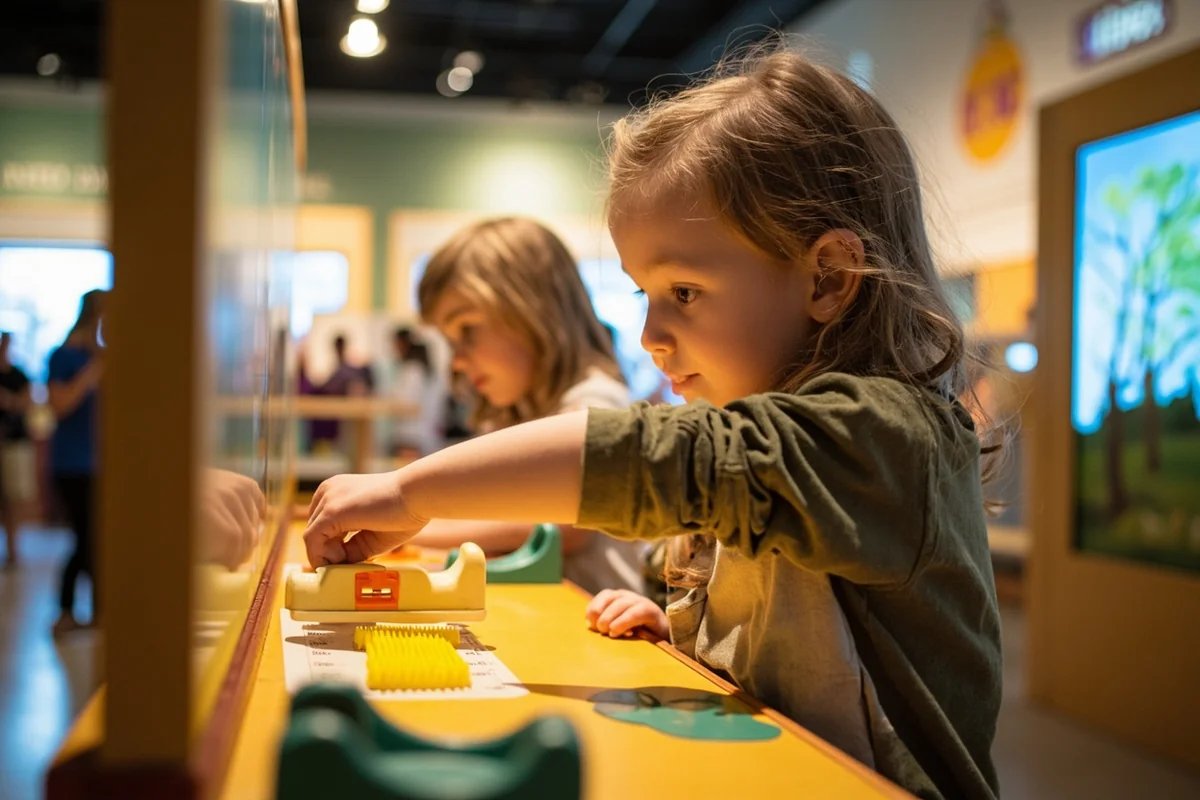
Families get real, dedicated space here, not just a token corner with a few interactive buttons. The Kids’ Discovery Room gives younger visitors genuinely hands-on ways to engage with natural history concepts at their own pace.
Outside, the Nature Adventure Garden extends the learning beyond the building itself, giving kids room to explore natural play elements and outdoor discovery activities.
MNHC also maintains a separate Native Plant Garden at Fort Missoula, connecting this organization’s educational mission to another major Missoula historic site a short drive away.
A Genuinely Active Adult Education Program
Don’t assume this is purely a kids’ destination. MNHC runs one of the more substantial adult natural history education programs you’ll find at any Montana museum.
An Evening Lecture Series brings in speakers on a rotating range of natural history topics throughout the year. Sip & Sketch evenings, taught by local artists, blend casual social drawing with nature observation.
Four-part adult classes cover everything from nature writing to specific geology topics, and Naturalist Field Days take participants out into the field for hands-on sessions on subjects like raptor migration, lichens, and — again — Glacial Lake Missoula’s dramatic geological history.
For the more seriously committed, MNHC offers several Montana Master Naturalist certification courses throughout the year, a genuine credentialing program for people who want formal training in the state’s natural history rather than just a casual museum visit.
Field Notes and the Montana Naturalist Magazine
MNHC’s educational reach extends well beyond its physical building. The organization produces Field Notes, a natural history program that airs on Montana Public Radio, bringing the center’s expertise to listeners who may never actually visit Missoula in person.
The Montana Naturalist magazine, published a few times a year and distributed free to members and the public, features articles on the state’s flora, fauna, ecology, habitats, and conservation issues.
Combined with an on-site environmental education library and rentable educational trunks for schools and community groups, MNHC functions as a genuine regional resource well beyond its exhibit hall’s modest footprint.
Visiting With Kids
This museum genuinely centers families as a core part of its mission, not just an afterthought. The Kids’ Discovery Room gives younger visitors real hands-on activities rather than a passive walk-through, and the weekly preschool program and Saturday Kids’ Activities give local families reasons to return regularly rather than treating MNHC as a one-time stop.
The mounted wildlife specimens in the ecosystems exhibit tend to be an immediate hit with younger kids, while the Glacial Lake Missoula story, once explained well, genuinely fascinates older kids who are old enough to grasp the scale of an ice age flood powerful enough to reshape an entire valley.
Summer outdoor discovery day camps, running for kids from pre-K through 5th grade, extend the center’s educational mission well beyond a single museum visit if you’re local or staying in the area for an extended trip.
Given the Nature Adventure Garden’s outdoor play component, this works well as a stop that mixes structured indoor learning with unstructured outdoor time, which tends to work better for younger kids than an indoors-only museum visit.
Frequently Asked Questions
Is Glacial Lake Missoula the same thing as the modern lakes you can visit around Montana, like Flathead Lake?
No — Glacial Lake Missoula was an Ice Age lake that no longer exists today. Its dramatic, repeated draining is what shaped the landscape, but you won’t find it on a current map the way you would Flathead or Fort Peck Lake.
Is this a good stop if we’re not particularly interested in science or geology?
I’d still say yes, especially for families. The exhibits are built to be broadly accessible, and the Glacial Lake Missoula story in particular tends to land well even with visitors who don’t consider themselves “science people.”
How does this compare to a natural history museum in a bigger city?
It’s genuinely more modest in scale, but it makes up for that with a hyper-local focus most larger institutions can’t match — this is specifically about western Montana’s ecosystems and geology, not a broad global natural history survey.
Can non-members still attend the evening lectures and Naturalist Field Days?
Generally yes, though some programs may have specific registration requirements or small fees. Check the current events calendar for details on any given program.
Is parking easy to find?
Yes, given the museum’s location on the edge of McCormick Park with nearby street and lot parking typical of this part of Missoula.
- The Glacial Lake Missoula story rarely gets explained with any real depth, even though it’s one of the most significant Ice Age geological events in North American history and directly explains the landscape around the city.
- The inclusive, sliding-scale admission structure almost never gets mentioned, despite genuinely reflecting the organization’s stated educational mission.
- The ASTC reciprocal membership benefit is rarely flagged, which matters if you’re a member of another science center or museum elsewhere in the country.
- The adult programming — lectures, field days, Master Naturalist certification — gets treated as an afterthought to the kids’ activities, when it’s actually a substantial part of what MNHC offers.
Personal Tips: What I Wish I Knew
- Ask specifically about the Glacial Lake Missoula exhibit if it’s not immediately obvious where to find it. It’s genuinely the most distinctive, locally specific thing this museum offers, and it’s worth prioritizing.
- Check if you qualify for free or reduced admission before you pay full price. Native and Indigenous peoples, EBT cardholders, and members of other ASTC-affiliated science centers all get free entry.
- Combine your visit with a walk on the adjacent river trail. The center’s location right on Missoula’s trail system makes it easy to turn a museum stop into a longer outdoor outing.
- Check the evening lecture and Naturalist Field Day schedule if you’re staying in Missoula for more than a day. These programs go well beyond what a typical daytime exhibit visit covers.
- Visit the separate Native Plant Garden at Fort Missoula if you have extra time. It’s a genuinely worthwhile addition if you’re already planning a stop at the historical museum there.
How This Fits a Missoula Visit
Missoula’s downtown core makes it easy to combine several cultural stops into one day, and MNHC’s location on the edge of McCormick Park keeps it within easy reach of the rest of the city’s attractions.
Pairing this with Missoula Art Museum gives you a genuinely varied cultural day — natural science on one end, contemporary art on the other.
If you’re also visiting Historical Museum at Fort Missoula, MNHC’s connected Native Plant Garden there ties the two organizations together in a meaningful way.
Our Missoula guide covers the rest of what’s worth doing in town, and our Montana museums guide maps how this stop fits into the state’s broader museum landscape.
Practical Info
| Address | 120 Hickory St, Suite A, Missoula, MT 59801 |
| Phone | (406) 327-0405 |
| Hours | Tuesday–Saturday, roughly 10 a.m.–4 p.m.; closed Sunday and Monday [verify current hours] |
| Admission | $7 adults, $3 children 4-18, free under 4, $15 family rate, $5 seniors/veterans; free for members, ASTC travel passport holders, Native and Indigenous peoples, and EBT cardholders [verify current pricing] |
| Time needed | 1–1.5 hours |
| Good for | Families, science and geology enthusiasts, anyone curious about the landscape around Missoula |
| Nearby pairing | Missoula Art Museum, McCormick Park, Kim Williams Trail |
Final Thoughts
Montana Natural History Center takes something most visitors never think to question — why the hills around Missoula look the way they do — and turns it into the museum’s most compelling story.
Between the Glacial Lake Missoula exhibit, genuinely thoughtful inclusive admission policies, and a robust adult education program most visitors never expect from a “nature center,” this is a stronger stop than its modest Hickory Street footprint suggests.
I think about this museum every time I drive along the Clark Fork and notice those distinct terraced lines cut into the surrounding hills. Most people see them without ever asking what caused them.
A single afternoon here changes that permanently, and it’s hard to drive through this valley the same way again once you understand the sheer scale of water that once surged through it.
Pin this for your Missoula trip planning, and take a minute after your visit to actually look at the terraced hillsides around the valley — you’ll see them differently once you understand what carved them. If you’ve taken one of the Naturalist Field Days, I’d love to hear which topic you explored in the comments.