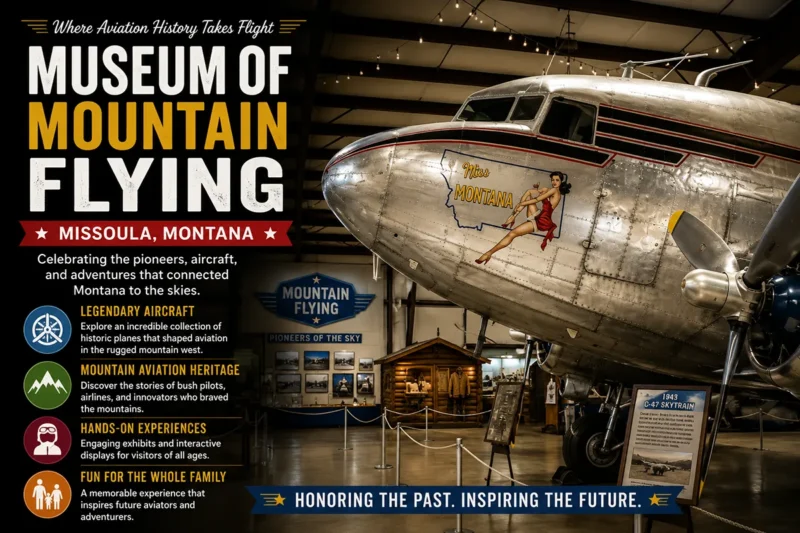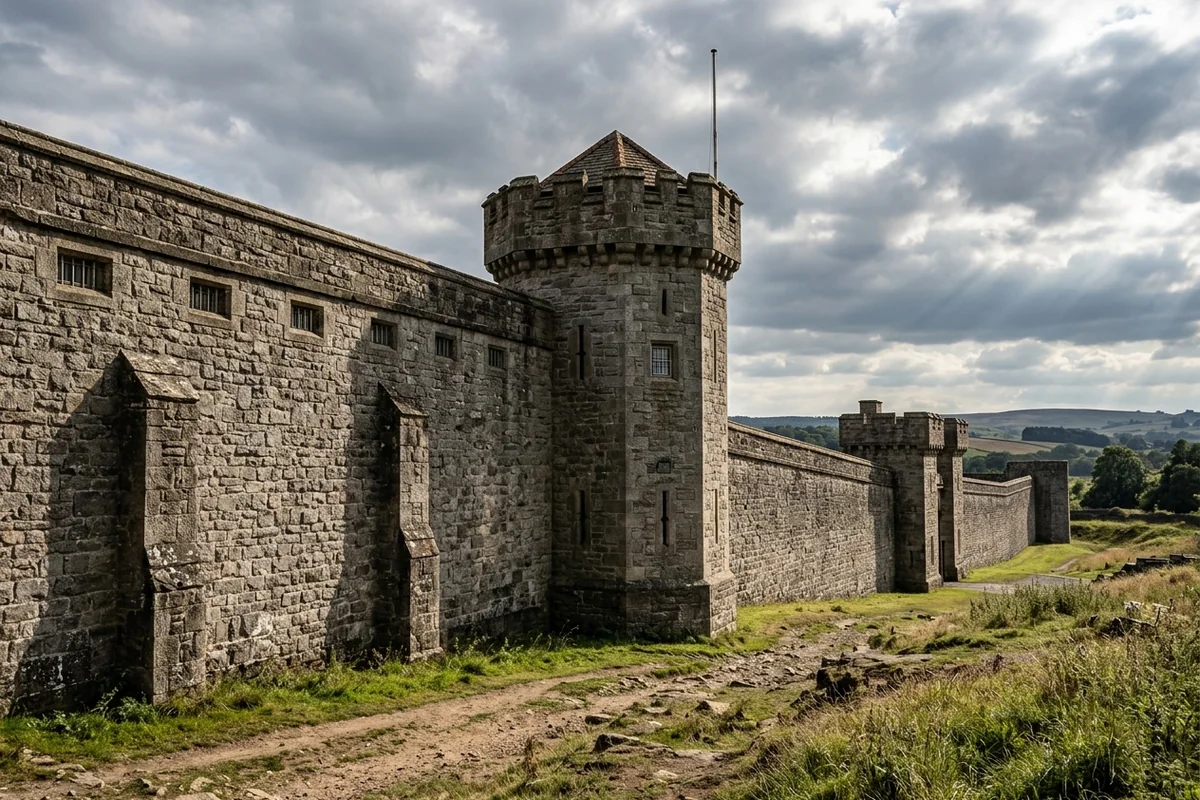
The walls of Montana’s first territorial prison are 24 feet high and buried another 4 feet underground, built specifically to stop inmates from tunneling out. A hundred yards away sits a 1913 electric car and an 1886 Benz replica, one of the earliest automobiles ever built.
- Old Montana Prison operated as the Montana State Prison from the 1870s until 1979, when it became a museum complex
- One admission ticket covers five separate museums: the prison itself, the Montana Auto Museum, Powell County Museum, Frontier Montana Museum, and Yesterday’s Playthings toy museum
- The Auto Museum holds 150+ vehicles and has been named one of USA Today’s top 10 car museums in the country
- Ghost and after-hours tours run seasonally for visitors interested in the site’s darker history
- This is one of the best museums in Montana that can genuinely fill an entire day if you visit the whole complex
Liked this article?
Add Roaming Montana as a preferred source so you see more of our articles and guides on Google.
Montana’s First Territorial Prison
This building holds a genuine, specific historical distinction: it was the first territorial prison built anywhere in the western United States.
Construction began in the early 1870s, using convict labor to build the prison’s own walls — a detail that adds a strange, almost circular weight to the site once you know it.
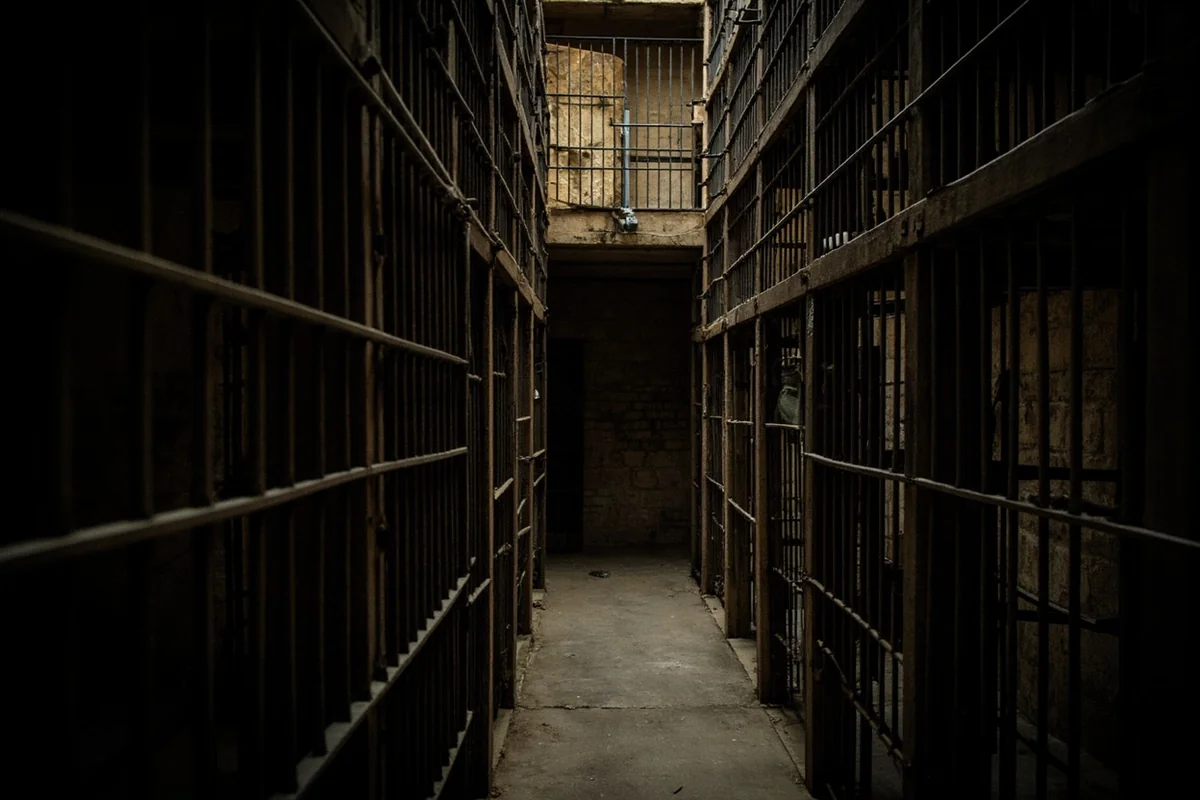
Those walls are gray sandstone, 24 feet high, and extend a further 4 feet underground specifically to prevent escape attempts by tunneling. The prison operated continuously from 1871 until 1979, when Montana’s state prison system relocated to a new facility.
Rather than let the historic buildings sit empty, a local museum foundation took over the site and began conducting the first public tours that same year. Nearly five decades later, it’s grown into a genuinely substantial multi-museum complex rather than a single preserved building.
Inside the Cell Blocks and Gallows
The self-guided prison tour takes you through original cell blocks, and reviewers consistently note that you get access to nearly the entire facility rather than a limited, roped-off sample.
You can walk inside actual cells, see the gallows, and move through more than 20 newly added displays and plaques documenting the prison’s history — additions the museum foundation has continued rolling out even decades after taking over the site.
One visitor specifically described the tone as restrained rather than sensationalized: the exhibits present real history without moralizing or dramatizing it, letting the facts and the physical space speak for themselves.
That approach tends to land hard regardless. Standing inside an actual 19th-century cell block, built by the labor of the men who would occupy it, doesn’t need much embellishment to feel genuinely heavy.
The Auto Museum: One of the Country’s Best, In a Town of 3,000
Right next door, occupying part of the same historic complex, sits a genuinely nationally significant car collection.
The Montana Auto Museum traces back to Ed Towe, who moved his personal Ford car collection to Deer Lodge and originally operated it as the Towe Ford Museum starting in 1980.
When Towe’s collection was eventually liquidated, the museum rebuilt and expanded around vehicles from all manufacturers, including several foreign makes.
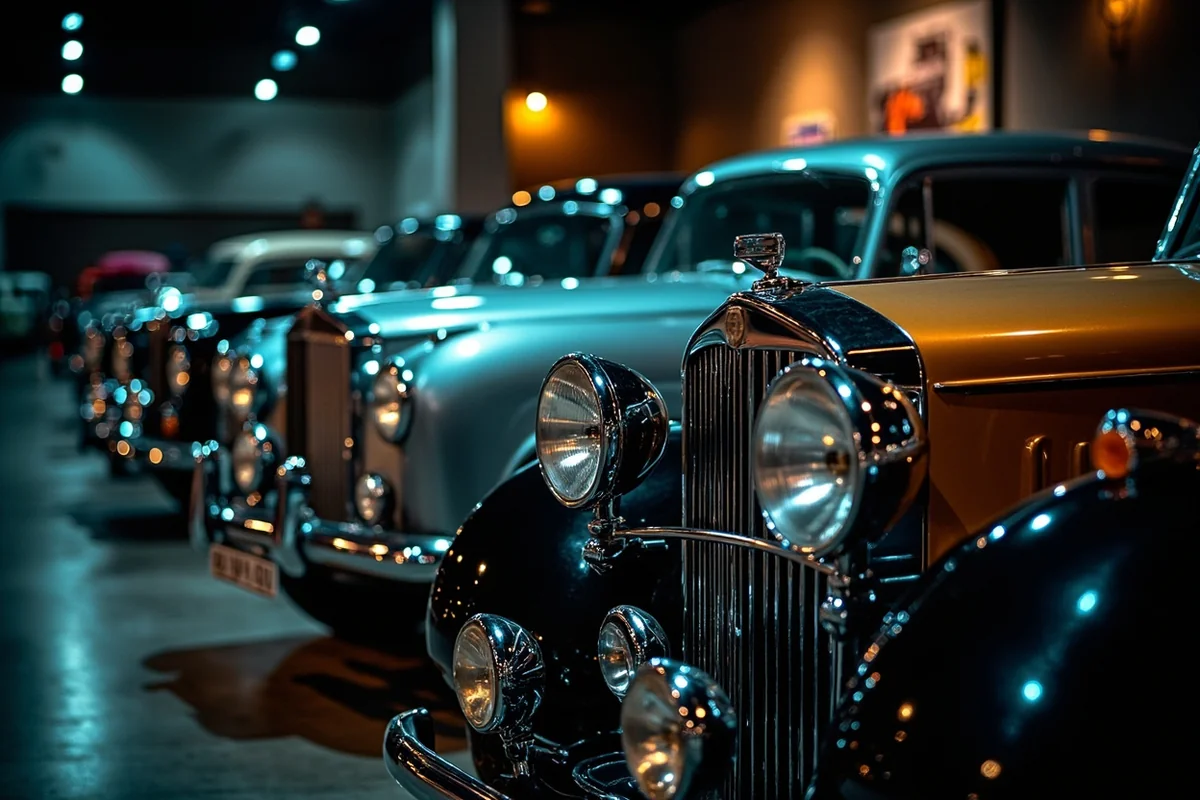
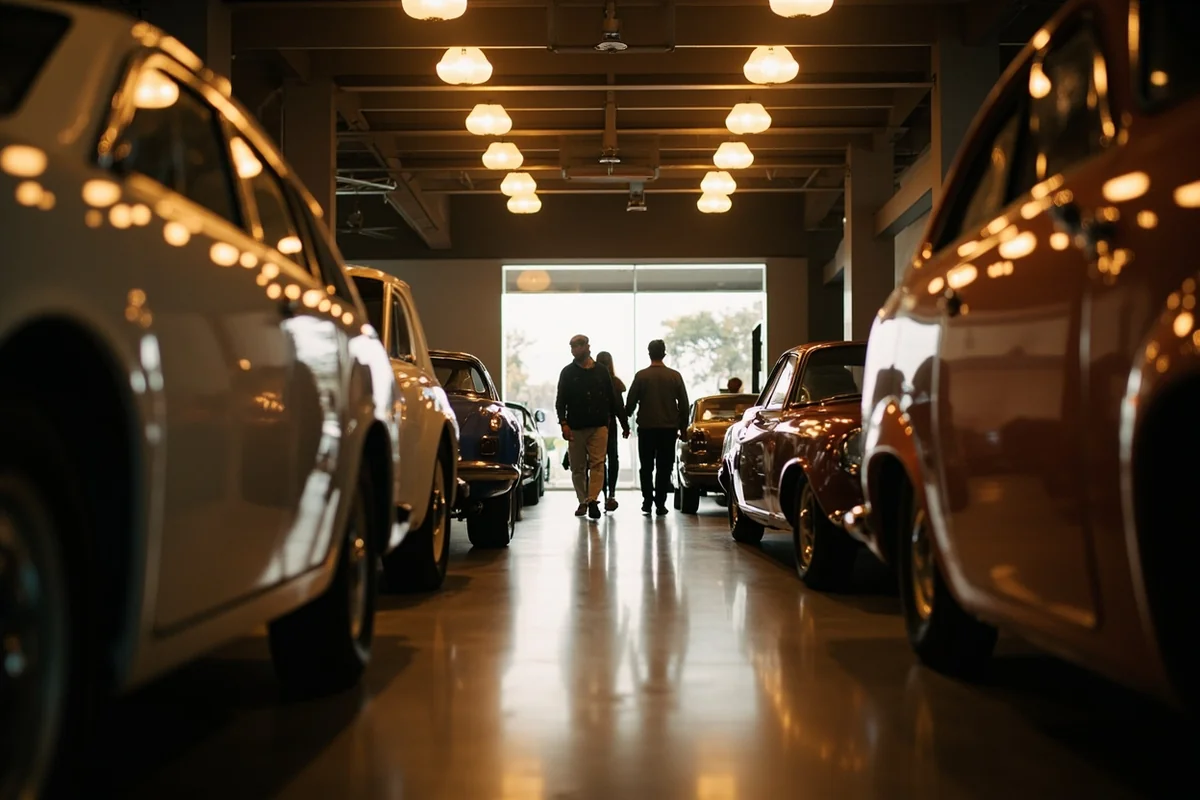
Today the collection holds more than 150 vehicles, and USA Today has listed it among the top 10 car museums in the entire country — a remarkable distinction for a museum in a town with a population of roughly 3,000 people.
Highlights include an 1886 Benz Motor Wagen replica, representing one of the earliest automobiles ever built, alongside a Schacht high-wheeler, a 1913 Detroit Electric car, a 1915 Seagrave fire truck, and muscle-car era pieces like a Chevelle Super Sport and a Ford Mustang GT500 fastback styled after the famous “Eleanor” build.
Three More Museums Under the Same Ticket
Beyond the prison and the cars, three additional museums round out the complex, each covering genuinely different ground.
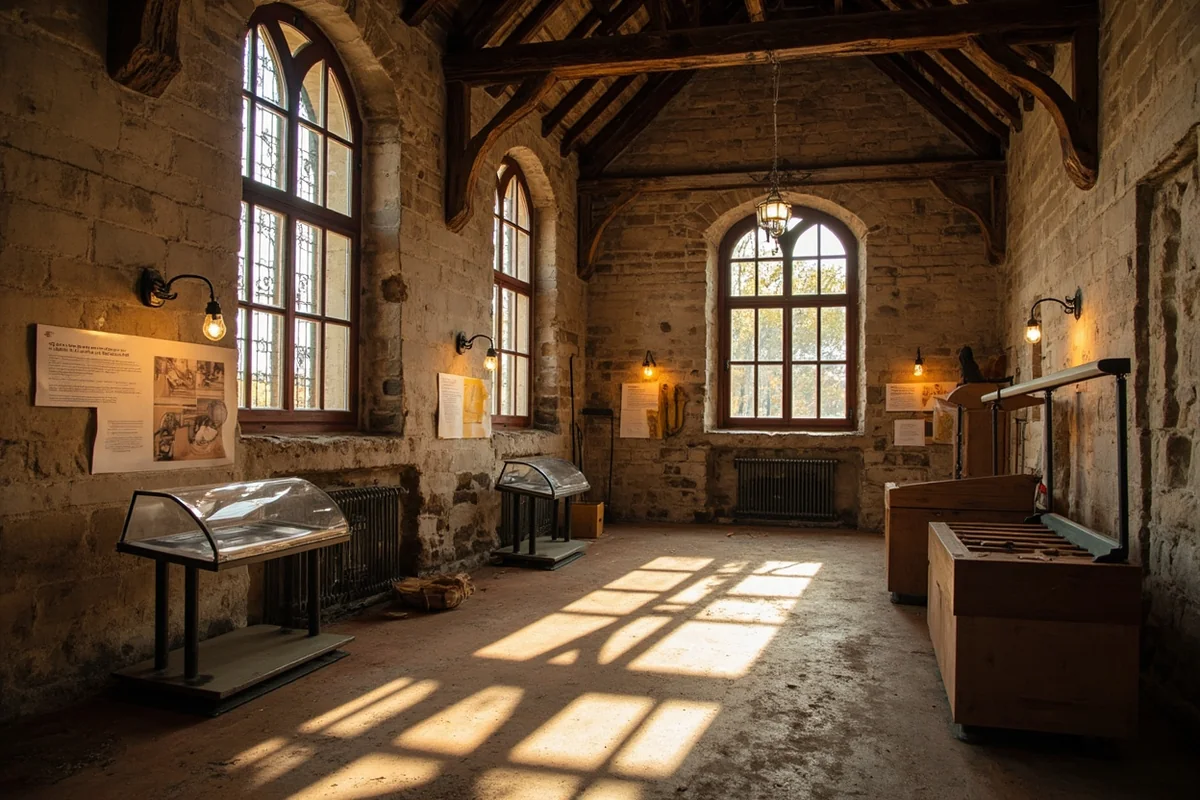
Powell County Museum occupies the former prison chapel, a fitting adaptive reuse that now houses exhibits on pioneer life, ranching, mining, and the everyday history of Deer Lodge and the surrounding county.
Frontier Montana Museum focuses on firearms, saddles, and broader frontier-era artifacts. Yesterday’s Playthings covers antique and vintage toys, with docents sometimes sharing genuinely personal collections and stories alongside the museum’s own holdings.
Beyond the five formal museums, the complex includes a Milwaukee Railroad collection and Cottonwood City, a recreated frontier town setting.
A working blacksmith demonstrates traditional metalworking across the road from the main prison building, and more than one visitor has mentioned kids walking away with a small handmade souvenir from watching the demonstration.
How Much Time You’ll Actually Need
Reviewers and the museum’s own guidance are consistent on this point: don’t plan a quick stop.
If you’re focused purely on the prison itself, budget 2 to 3 hours for a proper self-guided walk through the cell blocks and gallows.
Adding one or two of the other museums, most commonly the Auto Museum or Powell County Museum, pushes a reasonable visit to 4 to 5 hours. Seeing the entire complex — all five museums plus the additional attractions — can easily fill 6 to 8 hours, essentially a full day.
Summer brings peak crowds and typically longer operating hours; spring and fall offer a quieter, more contemplative pace if you’re not tied to a specific summer travel window.
Ghost Tours and After-Dark History
If standard daytime tours don’t satisfy your curiosity about the site’s heavier history, the complex runs seasonal after-hours and ghost-themed tours.
A dedicated October program, “Terror in the Cellhouse,” leans specifically into the site’s paranormal reputation. Throughout the rest of the year, regular ghost tours and a separate “After Hours Tour” blend genuine historical interpretation with the site’s more unexplained reported phenomena.
These run as ticketed, separate events from general daytime admission. [verify current ghost tour schedule and pricing at pcmaf.org]
Visiting With Kids
This complex works well for families precisely because it offers genuinely different experiences under one ticket. If the prison’s heavier history feels like too much for younger children, the Auto Museum, the toy museum, and the blacksmith demonstration all give you lighter, more visually engaging alternatives within the same visit.
More than one family has reported bringing skeptical kids expecting a boring history stop and leaving having spent an entire day genuinely engaged.
The ability to climb into original prison cells, admire classic cars up close, and watch a working blacksmith all in the same afternoon gives this complex a range that a single-focus museum simply can’t match.
That said, I’d use some judgment about the prison’s darker material — the gallows and cell block content — with very young children, and consider whether starting with the Auto Museum or toy museum first, then working toward the prison, might ease younger kids into the heavier content rather than opening with it.
Frequently Asked Questions
Do we need to see all five museums to get our money’s worth?
No — the single ticket gives you access to all five, but you can genuinely pick and choose based on your interests and available time. Most visitors don’t complete the entire complex in one visit.
Is the prison tour self-guided or guided?
Both options are typically available. Self-guided tours let you move at your own pace, while guided tours add deeper historical context and storytelling from knowledgeable staff.
Is this appropriate for young children given the prison content?
It can be, with some parental judgment. The gallows and cell block material is presented factually rather than graphically, but I’d still gauge your specific kids’ sensitivity before diving into the heavier sections first.
How does this compare to other Montana ghost-tour destinations?
The regular daytime tours are historically focused and family-friendly. The separate ghost and after-hours tours cater specifically to visitors interested in the site’s paranormal reputation, and they’re a genuinely different experience from a standard daytime visit — book accordingly based on what you’re looking for.
Is parking easy to find?
Yes, on-site parking is available directly at the complex on Main Street in Deer Lodge.
- The single-ticket, five-museum structure rarely gets explained clearly, leaving some visitors unaware that their prison admission also covers four additional museums.
- The Auto Museum’s national recognition gets undersold. A USA Today top-10 ranking for a car museum in a town this size is a genuinely notable claim to fame that most generic listings skip.
- Time estimates run consistently too low. Most casual mentions treat this as a quick stop, when a thorough visit to even part of the complex takes several hours.
- The direct proximity to Grant-Kohrs Ranch rarely gets flagged as a natural same-day pairing, despite the two sites sitting essentially across the street from each other.
- The restrained, non-sensationalized tone of the prison exhibits deserves more credit than it usually gets in generic “spooky prison tour” framing.
Personal Tips: What I Wish I Knew
- Decide your scope before you arrive. Knowing whether you want just the prison, a couple of add-on museums, or the full complex changes how you should budget your day from the start.
- Wear comfortable shoes. Between indoor cell blocks and outdoor grounds connecting the various museum buildings, this involves genuinely substantial walking.
- Visit on a weekday if your schedule allows. Summer weekends bring real crowds; a weekday visit gives you more breathing room, especially in the cell blocks.
- Don’t skip the blacksmith demonstration if it’s running. It’s a small, easy-to-miss addition across the road from the main complex, and it’s a genuine hands-on highlight for kids.
- Pair this directly with Grant-Kohrs Ranch. The two sites sit close enough together that splitting one day between them, rather than treating them as separate trips, makes complete logistical sense.
How This Fits a Southwest Montana Road Trip
Deer Lodge sits directly off I-90 at exit 184, making this complex one of the easier historic stops to fold into a longer Montana road trip rather than a dedicated detour.
If you’re already planning a stop at Grant-Kohrs Ranch, just up the road, this complex is the natural second half of a full Deer Lodge history day — a working cattle ranch on one end of town, a territorial prison and five-museum complex on the other.
Our Deer Lodge guide covers the rest of what’s worth seeing in town, and for more on Montana’s broader prison and justice-system history, our Montana state prison history post provides additional context. Our Montana museums guide maps how this stop fits into the state’s wider museum landscape.
Practical Info
| Address | 1106 Main St, Deer Lodge, MT 59722 |
| Phone | (406) 846-3111 |
| Hours | Daily; summer hours generally run longer (roughly 8 a.m.–6 p.m.), winter hours shorter (roughly 10 a.m.–4 p.m.) [verify current hours] |
| Admission | One ticket covers all five museums; roughly $18 adults, $10 children, free under 6 [verify current pricing at pcmaf.org] |
| Time needed | 2–3 hours (prison only) up to 6–8 hours (full complex) |
| Good for | History enthusiasts, car collectors, families, road trippers on I-90 |
| Nearby pairing | Grant-Kohrs Ranch, rest of our Deer Lodge guide |
Final Thoughts
Old Montana Prison & Auto Museum packs a genuinely unlikely range into one small-town complex — a first territorial prison with 24-foot sandstone walls, a nationally ranked car collection, and three more museums covering everything from frontier firearms to antique toys, all under a single ticket.
Budget more time than you think you’ll need, and don’t rush the cell blocks on your way to the classic cars.
Few places in Montana pack this much genuine variety into a single admission price, and fewer still manage to make a former territorial prison feel like just one stop on a much larger day rather than the entire point of the visit.
Pin this for your Southwest Montana trip planning, and if you’ve taken one of the after-hours ghost tours, I’d love to hear whether it lived up to the reputation in the comments.