The Crazy Mountains rising behind Big Timber didn’t earn their name from the frontier legend most people repeat. The real origin comes from the Apsáalooke (Crow) Nation, and it has nothing to do with the story you’ve probably heard.
- Crazy Mountain Museum in Big Timber covers Sweet Grass County’s history, from Native American heritage through homesteading, sheep ranching, and mining
- A 12-foot diorama recreates Big Timber exactly as it looked in 1907, one year before a fire destroyed a third of the actual town
- The museum’s Lewis and Clark Native Plant Garden is one of only two such gardens remaining anywhere in Montana
- A $5 admission fee was recently added after years of free admission, so some older listings still show outdated pricing
- This is one of the best museums in Montana that corrects a genuinely important piece of misinformation about the mountain range it’s named for
Liked this article?
Add Roaming Montana as a preferred source so you see more of our articles and guides on Google.
Setting the Record Straight on “Crazy”
Before getting into the museum itself, it’s worth clearing up something that matters. The Crazy Mountains’ name has two very different origin stories circulating, and only one of them is accurate.
The real story traces back to the Apsáalooke, or Crow Nation, who traveled to this specific mountain range to pray and fast, sometimes receiving spiritual revelations in return. They called the region Awaxaawapìa Pìa, which translates roughly to “Ominous Mountains,” or in some interpretations, “crazy” — a name rooted in the range’s genuine spiritual significance to the Crow people.
A separate, more sensational story has circulated for years: a settler legend about a pioneer woman whose family was killed and who then supposedly fled into the mountains to live as an outcast. That version is false and rooted in colonialist storytelling, and it unfortunately still gets repeated in some tellings today despite having no real historical basis. I mention this here because a museum dedicated to preserving accurate regional history is exactly the place that deserves credit for getting this right, even when older or less careful sources don’t.
A Town Frozen Just Before Disaster
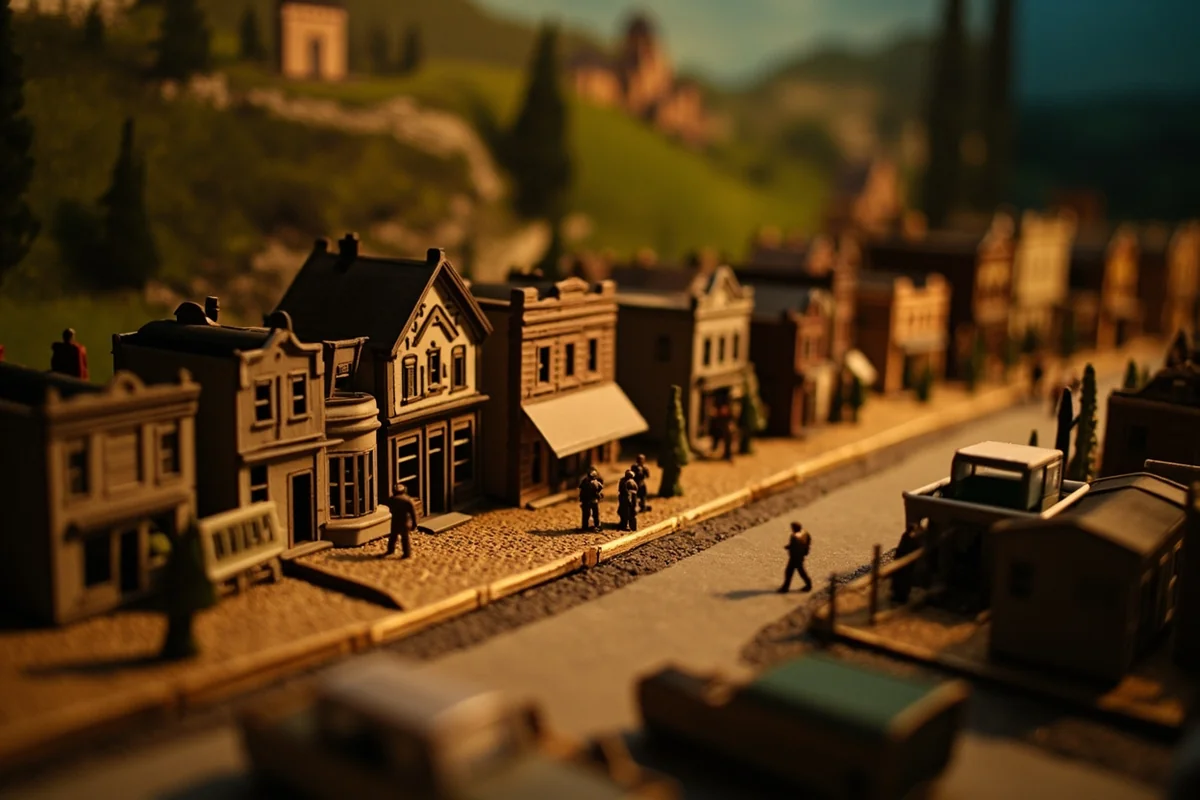
The museum’s most talked-about single exhibit is Cobblestone City, a genuinely impressive miniature diorama recreating Big Timber exactly as it looked in 1907.
The display stretches 12 feet long and 6 feet wide, built to a precise 1/16-inch-to-a-foot scale. What makes it more than just an impressive model is the timing: this recreation shows Big Timber exactly one year before a devastating 1908 fire destroyed roughly a third of the actual downtown. The exhibit includes an accompanying news article documenting the fire’s aftermath, giving you a genuine before-and-after understanding of how much the town lost in a single event.
Standing in front of Cobblestone City, you’re looking at a snapshot of a town in its final year before disaster reshaped it — a genuinely poignant way to encounter local history rather than just reading about a fire in a paragraph of text.
Seven Paintings Spanning the Ice Age to Statehood
Local artist Jack Hines left behind a genuinely ambitious visual record of Sweet Grass County’s history, and the museum displays the complete set.
His series, titled Historic Crossroads, consists of seven paintings tracing the region’s transformation across a genuinely massive span of time: the Ice Age, the era of Plains tribes on horseback, William Clark and Sacagawea’s passage along the Yellowstone River, the fur trading era, the Bozeman Trail years, the gold mining boom, and finally the settlement period. Hines even painted an accompanying map showing exactly where each depicted scene took place, giving you a specific geographic anchor for each historical moment.
Seeing thousands of years of regional history compressed into seven connected paintings, each tied to a real physical location you could actually visit, is a genuinely effective way to understand how dramatically this specific valley has changed.
The Lewis and Clark Garden: One of Only Two Left in Montana
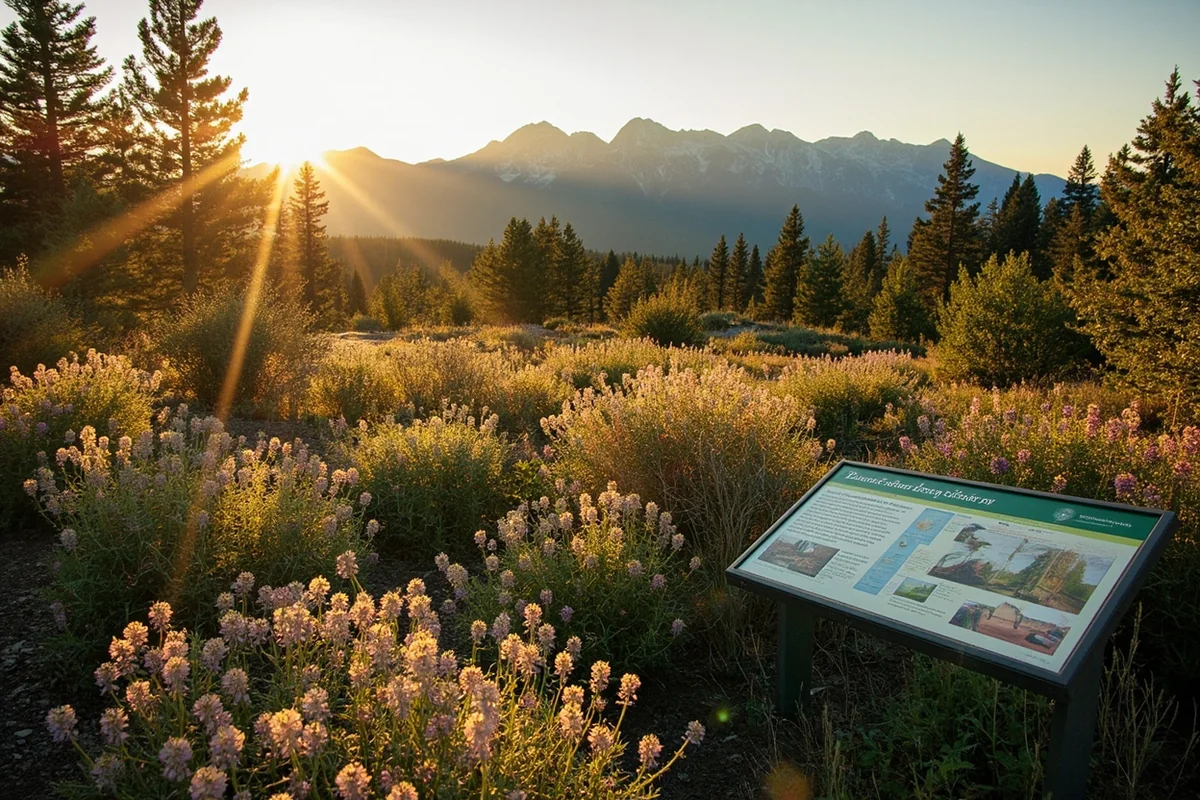
The museum’s outdoor grounds hold something genuinely rare. The Lewis and Clark Native Plant Garden, established in 2006 as part of Montana’s Lewis and Clark Expedition Bicentennial commemoration, is one of only two such gardens remaining anywhere in the state.
The garden showcases Montana native plants that William Clark specifically documented and named in his journals during the expedition’s passage through this area in 1806. Interpretive signs throughout the garden connect each plant back to Clark’s actual written observations, giving you a genuinely direct link to the expedition’s own documentation rather than a general “Lewis and Clark passed through here” gesture.
A separate Heritage Garden sits at the back of the museum grounds, planted in part with specimens donated from old area homesteads — a living connection to the actual families whose stories fill the museum’s indoor exhibits.
Sheep, Wool, and the Industries That Built Sweet Grass County
Beyond the dioramas and gardens, the museum’s core mission is documenting how Sweet Grass County’s economy actually developed, and a few specific exhibits stand out.
Sweet Grass County was historically one of the biggest wool producers in the region, and the museum’s Sheep and Wool exhibit traces that industry’s development in real detail, alongside the significant Norwegian homesteader community whose influence shows up throughout the collection, including a full replica Norwegian stabbur — a traditional elevated storehouse building.
A ranch brands collection, a Stetson chap collection, and exhibits on the historic Cremer Rodeo round out the county’s ranching identity, while separate displays cover mining industry history and local archaeology. Outdoor structures include an authentic one-room schoolhouse, a tipi, the Fjare Homestead Cabin, and a working blacksmith shop, giving you genuine buildings to walk through rather than just artifacts behind glass.
Why Honest Naming History Actually Matters
I want to spend a bit more time on the Crazy Mountains’ naming question, because it’s a useful example of how easily false historical narratives get passed along simply because they’re more dramatic than the truth.
The apocryphal pioneer-woman story fits a familiar, unfortunately common pattern in frontier mythology: a settler tragedy framed as the “real” origin of a Native place name, conveniently erasing the Indigenous meaning that actually came first. The Crow Nation’s genuine spiritual relationship with this mountain range — traveling there specifically to pray, fast, and seek revelation — predates any settler presence entirely, and it’s a far more historically grounded explanation than a secondhand frontier legend with no verifiable basis.
Museums that get this right deserve real credit, because it would be easier to just repeat the more sensational version that’s circulated for generations. Crazy Mountain Museum’s willingness to preserve accurate regional history, even when it means correcting a popular but false story, is exactly the kind of institutional integrity worth supporting with a visit.
Visiting With Kids
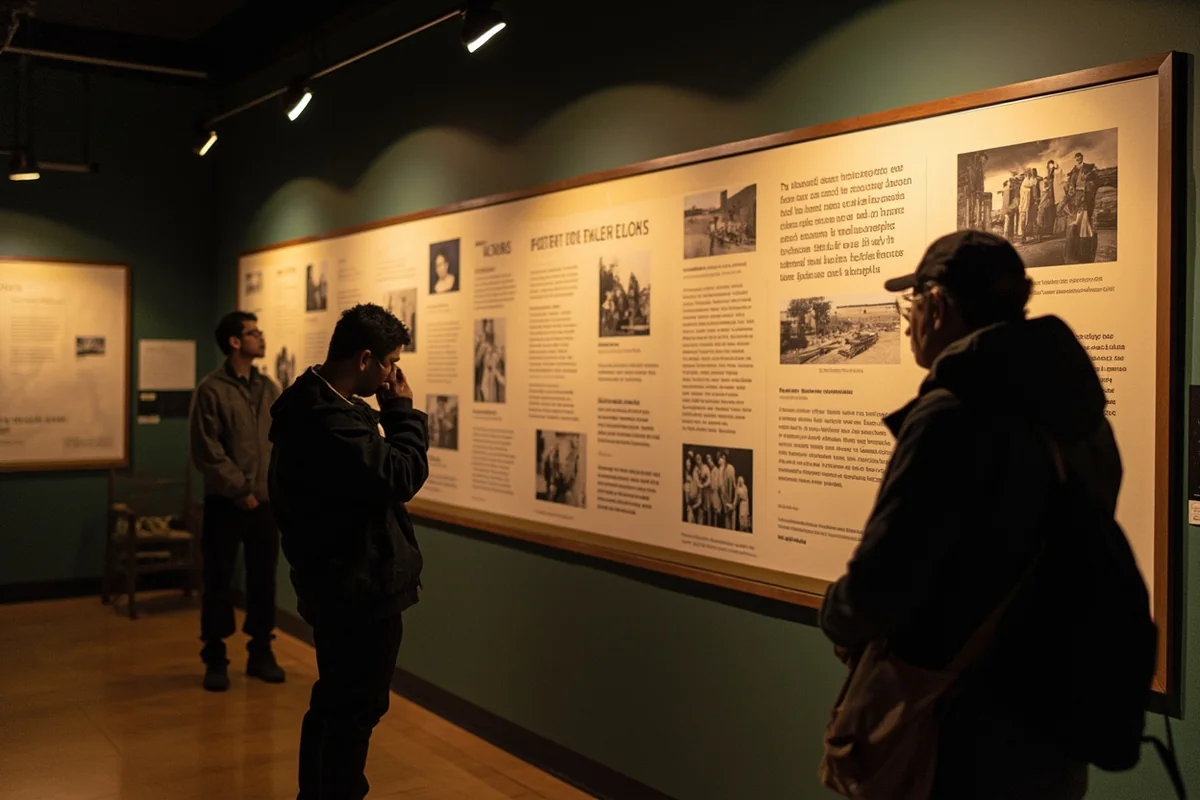
This museum runs genuinely engaging programming for younger visitors, and the themed scavenger hunts are a real highlight for families. Rather than just handing kids a static checklist, the hunts are specifically designed to introduce Sweet Grass County history in a way that keeps younger attention spans engaged throughout the visit.
The one-room schoolhouse and the tipi tend to be strong draws for kids, giving them tangible, walk-through spaces rather than just artifacts behind glass. The Cobblestone City diorama also holds strong appeal across a wide age range — there’s something about a detailed miniature town that captures kids’ imagination in a way flat photographs rarely do.
Given the museum’s manageable size and outdoor picnic grounds, this works well as a relaxed family stop, especially if you build in time to explore the gardens and grab a photo with the Crazy Mountains in the background before heading back to the interstate.
Frequently Asked Questions
Is the pioneer-woman story about the Crazy Mountains completely made up?
It’s considered apocryphal and rooted in colonialist storytelling patterns rather than documented history. The genuine, historically grounded origin comes from the Apsáalooke (Crow) Nation’s spiritual relationship with the range.
How does this compare to Yellowstone Gateway Museum in Livingston?
Both are excellent small-county museums with strong Lewis and Clark connections, but they cover different specific counties and communities. Visiting both gives you a fuller picture of how this stretch of Yellowstone Country actually developed county by county.
Is the museum accessible for visitors with mobility limitations?
The museum grounds include a mix of indoor exhibit space and outdoor structures connected by walking paths. I’d call ahead to confirm current accessibility accommodations if this is a specific concern for your visit.
Can we do family history research here?
Yes — the museum maintains an extensive research library and archives, and staff can help visitors with genealogy and family history research for many local Sweet Grass County families.
Is there anywhere to eat nearby?
Downtown Big Timber has local dining options within easy reach of the museum, making it simple to turn your visit into a fuller stop along your I-90 route.
- The false “outcast pioneer woman” origin story for the Crazy Mountains’ name still circulates, and most casual travel content either repeats it uncritically or skips the naming question entirely rather than giving the accurate Crow Nation origin.
- Admission is no longer free, and several older directory listings haven’t caught up. The museum added a $5 fee due to rising costs, but some sources still describe the museum as free with optional donations.
- The Cobblestone City diorama’s specific timing — one year before the 1908 fire — rarely gets explained, losing the genuinely poignant context behind what could otherwise read as just an impressive model.
- The Lewis and Clark garden’s rarity gets undersold. Being one of only two such gardens left in Montana is a genuinely notable distinction that most mentions skip entirely.
Personal Tips: What I Wish I Knew
- Confirm current admission before you go. Given the recent fee change, don’t assume free admission based on an older online listing.
- Visit during the Memorial Day–Labor Day season. The museum operates seasonally, and hours outside that window are limited or unavailable.
- Take a photo with the Crazy Mountains in the background. Multiple visitors specifically mention this as an essential part of the experience, given how little the view itself has changed since Lewis and Clark’s expedition passed through.
- Ask about the rotating exhibits currently on display. Past rotations have included vintage clothing, eyeglasses, and doll collections, so a repeat visit genuinely offers something new.
- Bring kids for the scavenger hunts. The museum offers themed hunts specifically designed to introduce younger visitors to Sweet Grass County history in an engaging way.
How This Fits a Yellowstone Country Road Trip
Big Timber sits along I-90 in Montana’s Yellowstone Country region, easily accessible via Exit 367, making this an easy stop for travelers moving between Bozeman and Billings.
If you’re building a broader Yellowstone Country museum itinerary, pairing this with our Yellowstone Gateway Museum guide in Livingston gives you two distinct small-county history museums within a reasonable drive of each other, both tied to the region’s Lewis and Clark heritage. For more on that same expedition’s significant local encounters further west, our Beaverhead County Museum guide covers the Corps of Discovery’s pivotal meeting with Sacagawea’s Shoshone relatives near Dillon. Our Livingston guide covers more of the surrounding area, our key historical events in Montana post provides broader statewide context, and our Montana museums guide maps how this stop connects to the state’s wider museum landscape.
Practical Info
| Address | 2 S Frontage Rd, Big Timber, MT 59011 |
| Phone | (406) 932-5126 |
| Season | Memorial Day–Labor Day |
| Hours | Monday–Saturday 10 a.m.–4:30 p.m., Sunday 1–4:30 p.m. |
| Admission | $5 (recently added; donations previously requested) [verify current pricing] |
| Time needed | 1–1.5 hours |
| Good for | History enthusiasts, Lewis and Clark Trail travelers, families, road trippers on I-90 |
| Nearby pairing | Yellowstone Gateway Museum (Livingston), downtown Big Timber |
Final Thoughts
Crazy Mountain Museum does something genuinely important beyond just cataloging Sweet Grass County’s past: it gets the story of its own namesake mountain range right, favoring the real Crow Nation history over a false settler legend that’s still repeated elsewhere.
Combined with a diorama frozen in the year before disaster and one of only two Lewis and Clark plant gardens left in the state, this small museum earns more than the quick highway stop most visitors give it.
Pin this for your Yellowstone Country trip planning, and take a minute at the Lewis and Clark garden before you head back to the interstate. If you’ve learned the real story behind the Crazy Mountains’ name from a visit here, I’d love to hear how it compared to what you’d heard before in the comments.