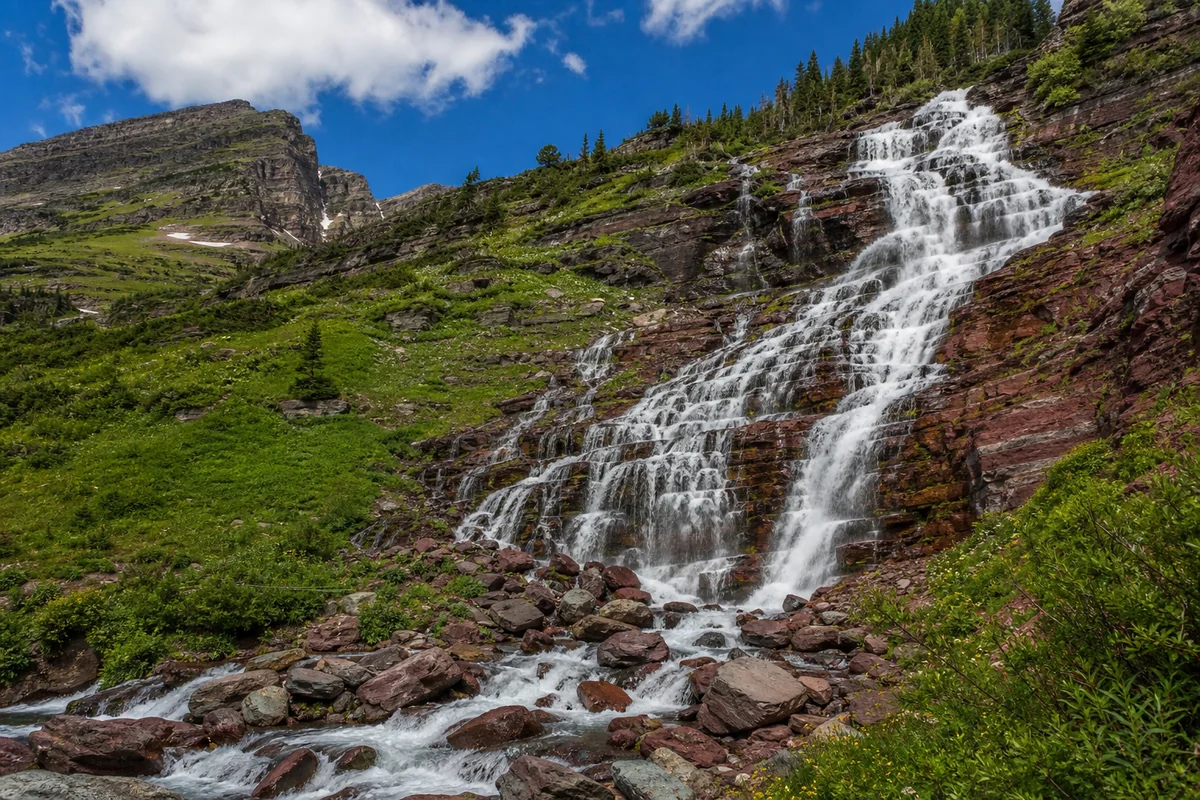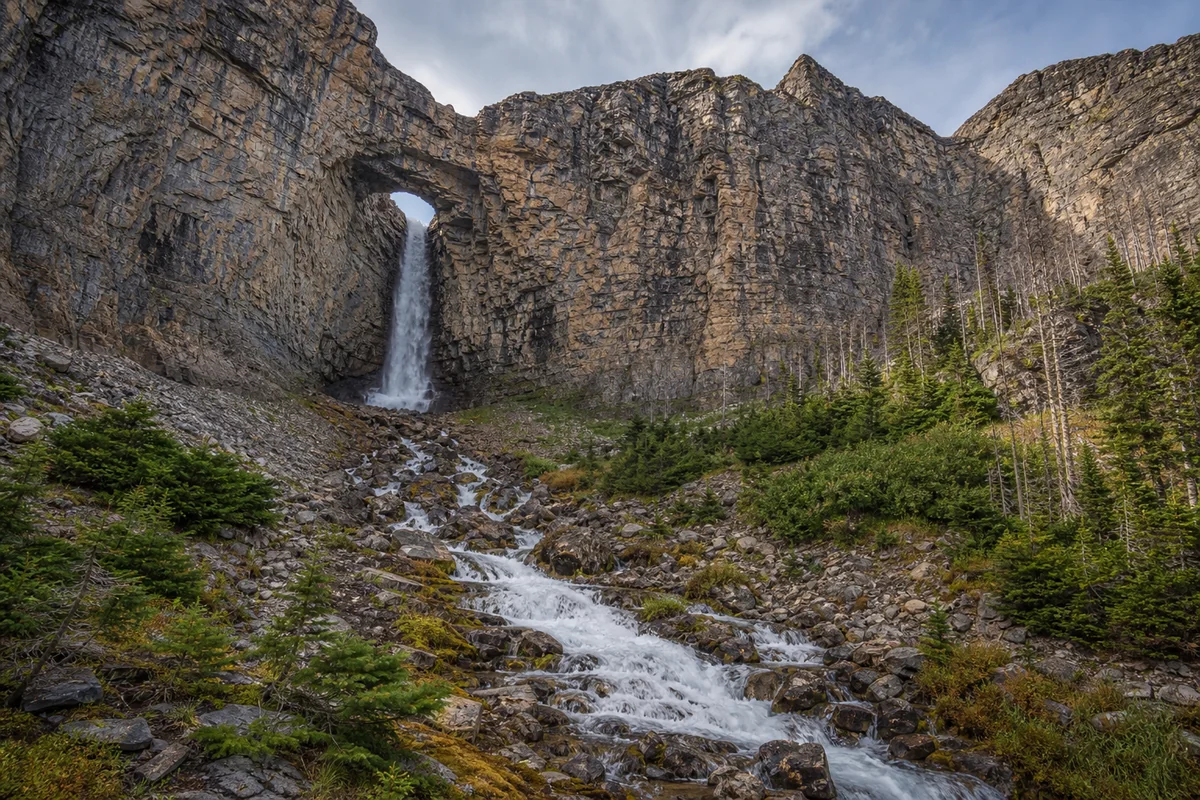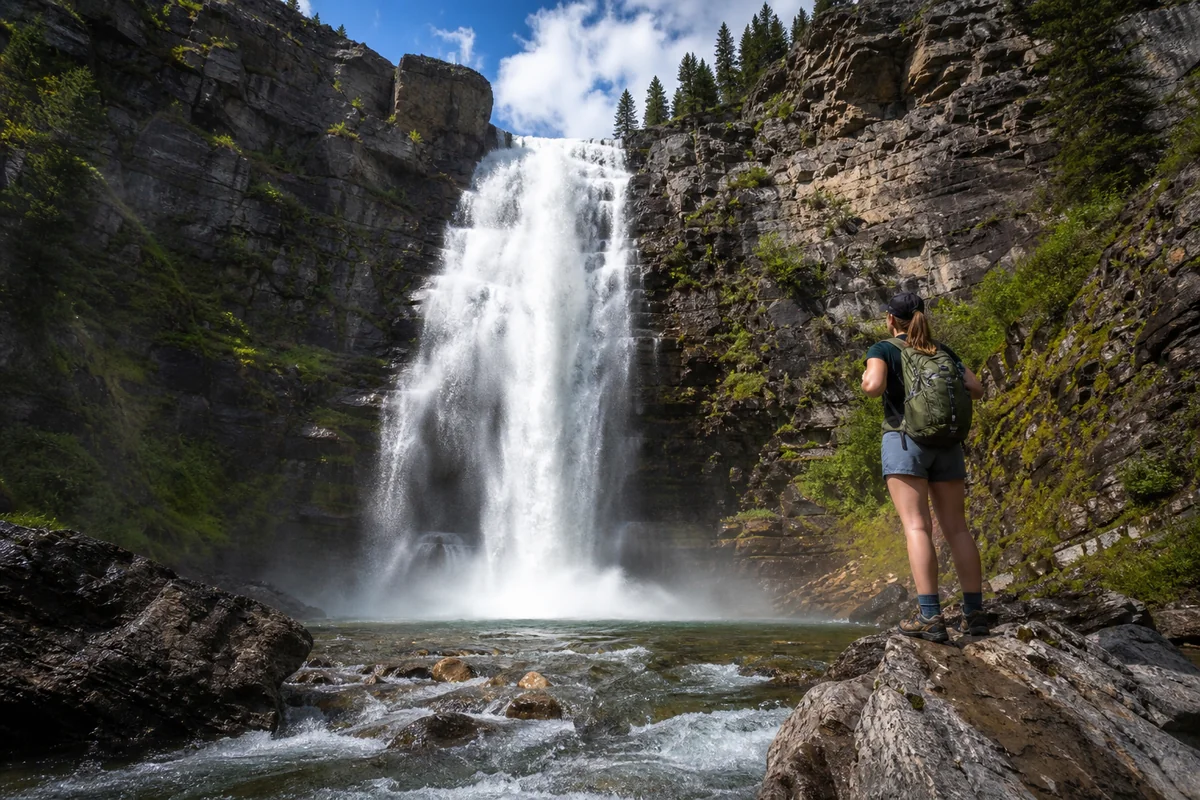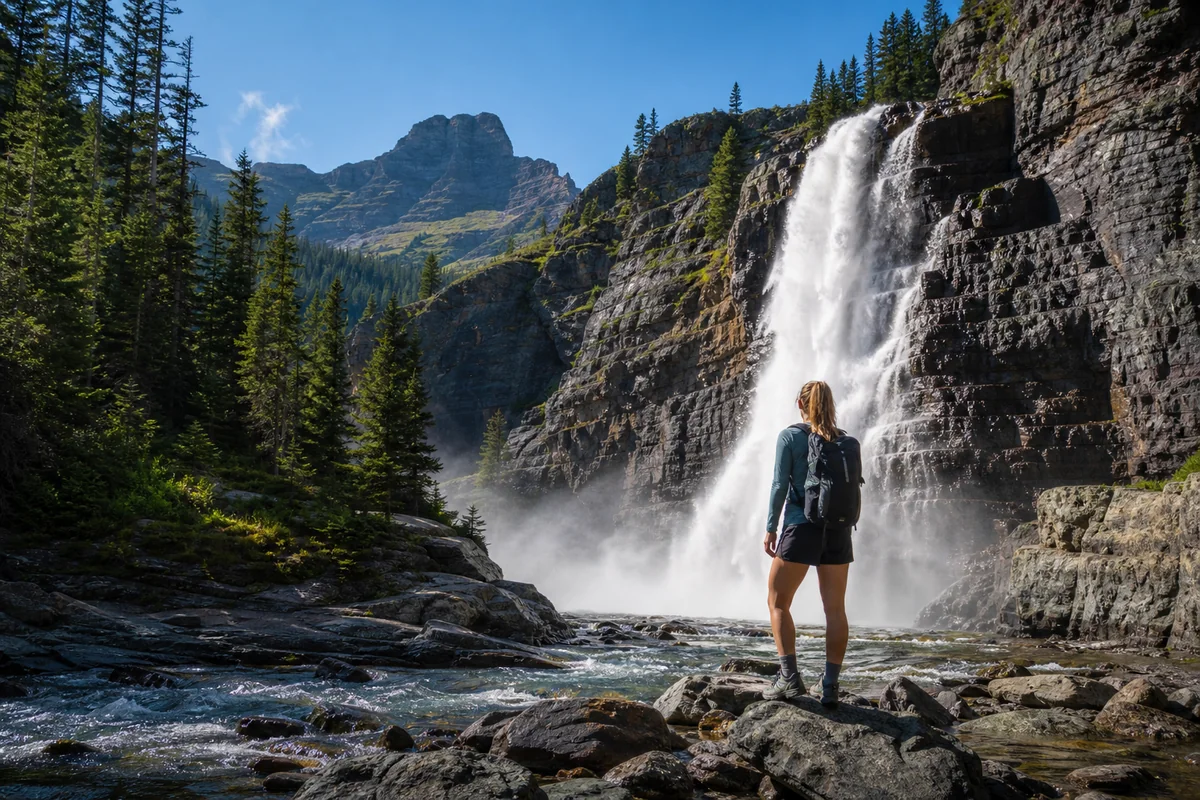
Standing at the base of Ptarmigan Falls last July, with glacial mist cooling my face and the thunderous roar drowning out everything else, I understood why this hidden gem in Glacier National Park deserves far more attention than it typically receives.
Unlike the crowds jostling for photos at more famous Montana waterfalls, I shared this moment with just two other hikers—a rarity that made the moderately challenging trek feel like discovering my own private wilderness sanctuary.
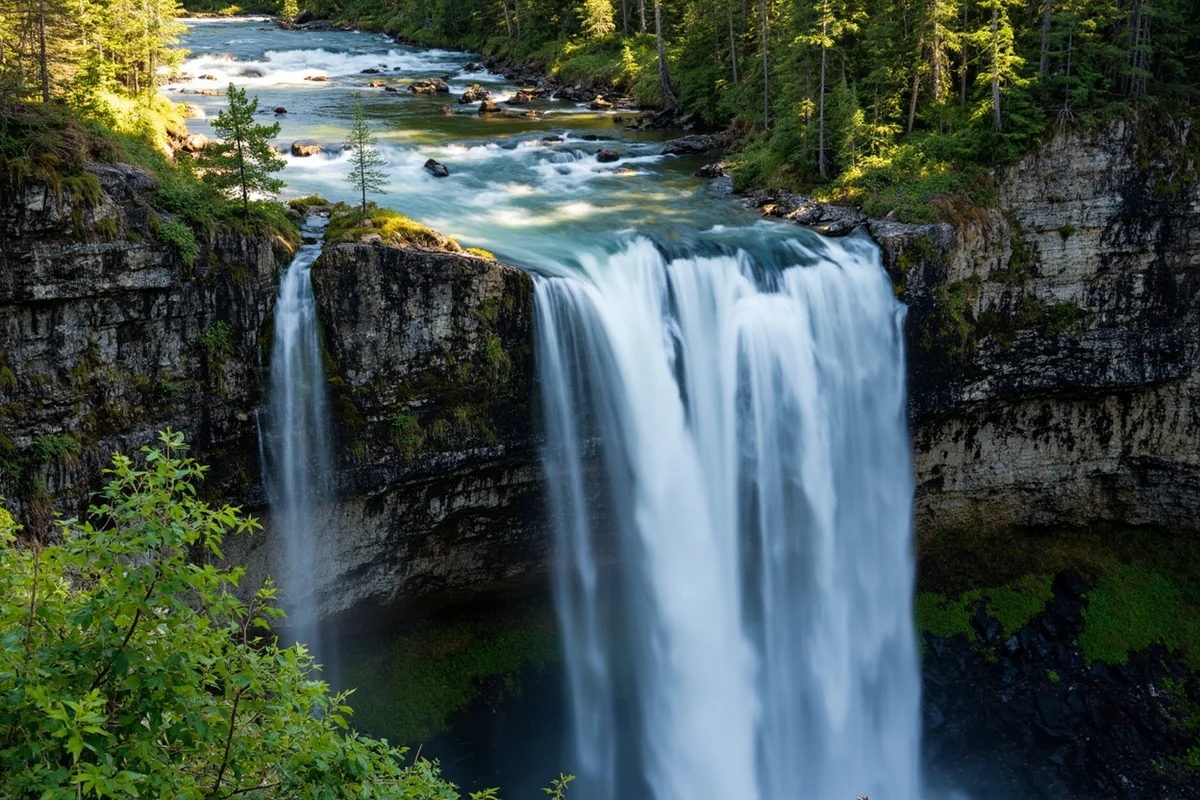
- Ptarmigan Falls is a stunning 60-foot waterfall accessible via the Ptarmigan Tunnel Trail in Glacier National Park’s Many Glacier region
- Round-trip distance: approximately 5.2 miles to the falls (10.4 miles if continuing to Ptarmigan Tunnel)
- Difficulty: Moderate with 1,200 feet elevation gain to the falls
- Best time to visit: Late June through mid-September when trails are snow-free
- Expect wildlife encounters—I spotted mountain goats, bighorn sheep, and grizzly bears on my hike
- Pack bear spray, layers, and plenty of water; weather changes rapidly
- Arrive before 7 AM for parking at the trailhead during peak season
Liked this article?
Add Roaming Montana as a preferred source so you see more of our articles and guides on Google.
Why Ptarmigan Falls Should Be On Your Montana Bucket List
I’ve hiked to dozens of waterfalls across Montana, from the easily accessible McDonald Falls to the remote backcountry cascades that require serious commitment. Ptarmigan Falls occupies a sweet spot that makes it particularly special—challenging enough to filter out casual tourists, but achievable for anyone with moderate fitness and determination.
The falls themselves drop approximately 60 feet over a series of rocky ledges, fed by the snowmelt from Ptarmigan Lake above. What struck me most during my visit wasn’t just the falls themselves, but the entire package: the alpine meadows exploding with wildflowers, the glacier-carved valley stretching behind you, and the wildlife that seems to appear around every bend.
During my hike last summer, I counted no fewer than fifteen mountain goats grazing along the cliff faces. One particularly bold billy came within thirty feet of the trail, completely unfazed by my presence. These encounters are common here—the Many Glacier area has one of the highest concentrations of large mammals in the lower 48 states.
Getting to the Ptarmigan Falls Trailhead
The journey to Ptarmigan Falls begins at the Ptarmigan Tunnel Trailhead, located in the Many Glacier Valley on the east side of Glacier National Park. If you’re coming from the park’s west entrance, you’ll need to drive around the southern boundary—Going-to-the-Sun Road doesn’t connect directly to Many Glacier.
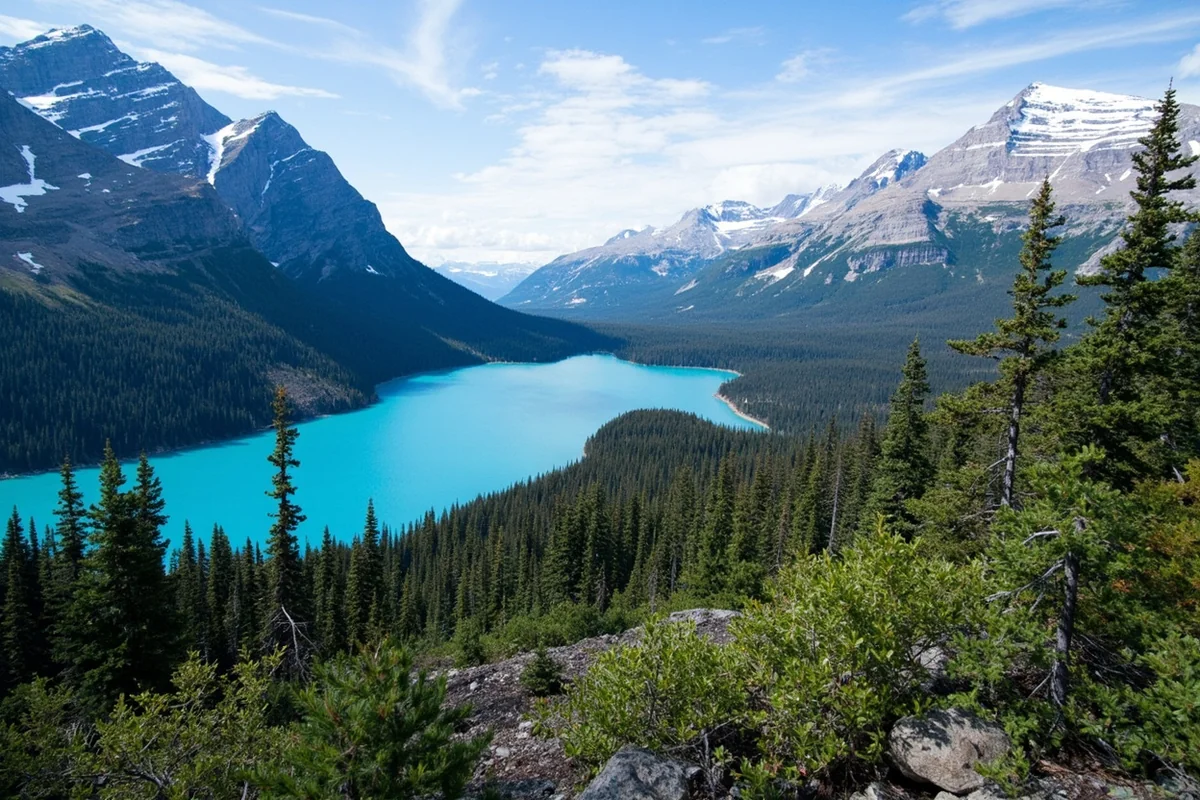
From the town of Babb (about 10 miles north of St. Mary), turn west onto the Many Glacier Road. The drive is approximately 12 miles on a well-maintained paved road, though it narrows considerably in places. I recommend taking your time—the scenery is spectacular, and wildlife frequently crosses the road.
Parking Reality Check
Here’s something I wish someone had told me before my first visit: the Ptarmigan Tunnel Trailhead parking lot is small. During my July visit, I arrived at 6:45 AM and snagged one of the last spots. By 7:30 AM, cars were lined up along the road for a quarter mile.
The lot holds roughly 20-25 vehicles. If it’s full, you can park at the Swiftcurrent Motor Inn lot about 0.3 miles back and walk to the trailhead. Some hikers opt to park at the Many Glacier Hotel and catch the early morning shuttle to save the hassle.
| Practical Info | Details |
|---|---|
| Trailhead Location | Ptarmigan Tunnel Trailhead, Many Glacier |
| GPS Coordinates | 48.7967° N, 113.6673° W |
| Distance to Falls | 2.6 miles one way |
| Elevation Gain | ~1,200 feet |
| Estimated Time | 3-4 hours round trip |
| Park Entrance Fee | $35 per vehicle (valid 7 days) |
| Dog-Friendly | No—dogs prohibited on all Glacier trails |
The Trail: What to Expect Mile by Mile
I’ve hiked this trail in various conditions across multiple visits, and I want to give you an honest breakdown of what lies ahead. This isn’t a stroll—but it’s absolutely manageable for reasonably fit hikers.
Mile 0-1: The Gentle Beginning
The trail starts deceptively easy. For the first mile, you’ll wind through mixed forest with glimpses of Ptarmigan Lake’s outlet stream below. The grade is gentle, and I usually use this section to warm up my legs and settle into a rhythm.
Pay attention to the trail junctions here. Within the first quarter mile, you’ll pass the turnoff for the Iceberg Lake Trail on your left. Stay right, following signs for Ptarmigan Tunnel. The trails share the first portion before splitting.

During my August visit, this lower section was alive with birdsong. I spotted Clark’s nutcrackers, Steller’s jays, and a particularly vocal raven that seemed to be tracking my progress.
Mile 1-2: Opening Into Alpine Country
As you climb, the forest thins and views begin to expand. This is where Ptarmigan Falls starts to reveal itself—not through sight, but through sound. On a quiet morning, I could hear the distant rumble of falling water before I could see anything.
The trail crosses several small streams in this section. Early in the season (June through mid-July), these can be running high with snowmelt. I got my boots soaked during a June trip when I misjudged a crossing. Waterproof footwear is not optional here.
This stretch also offers your first real mountain views. Looking back, you can see Swiftcurrent Lake and the Many Glacier Hotel far below. Mount Grinnell dominates the eastern skyline, its glacier clinging to the shaded north face.
Mile 2-2.6: The Final Push to the Falls
The last half-mile to Ptarmigan Falls involves the steepest climbing on the route. Switchbacks carry you up a rocky slope dotted with alpine wildflowers. During my July visit, I counted beargrass, Indian paintbrush, glacier lilies, and dozens of species I couldn’t identify.
The falls come into view gradually—first as a white ribbon against dark rock, then growing in detail as you approach. There’s no formal viewpoint or platform, just a relatively flat area near the base where you can rest and take in the scene.
At the Falls: Making the Most of Your Visit
When I finally reached Ptarmigan Falls during my first visit, I made the mistake of snapping a few quick photos and immediately turning around. Don’t do this.
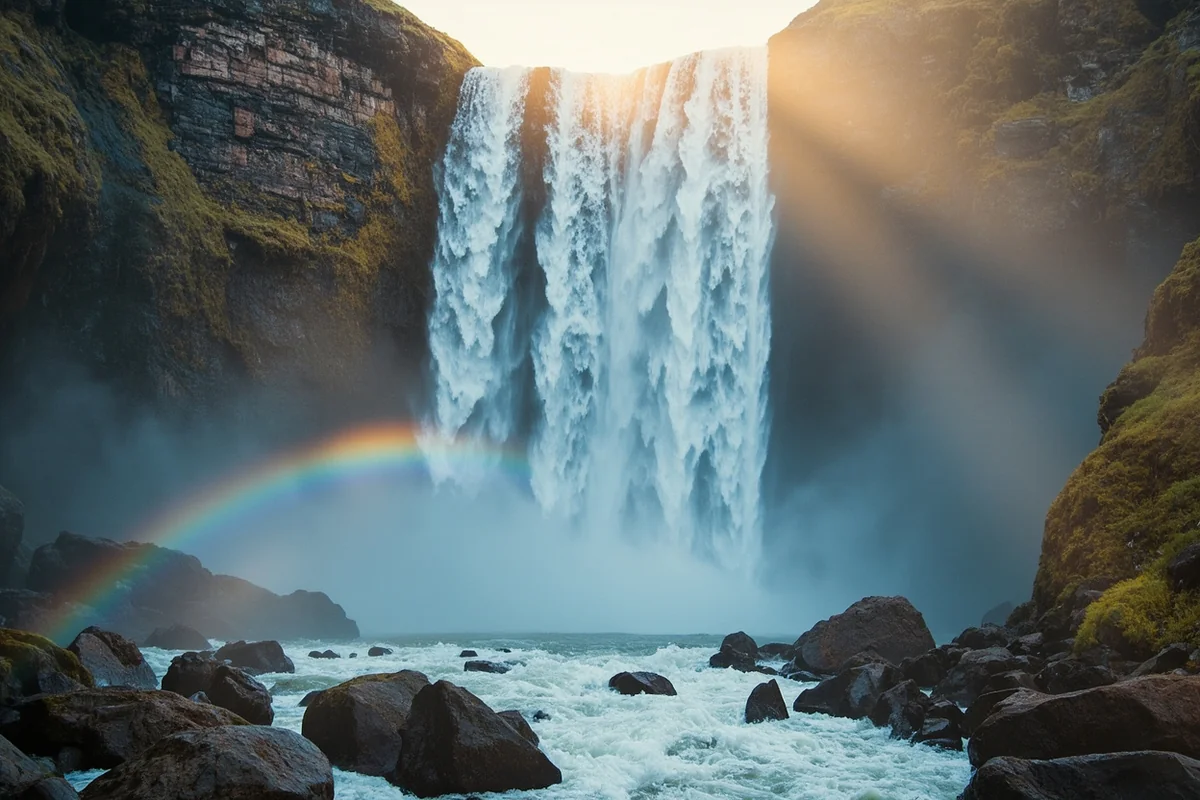
The falls deserve time. I recommend finding a comfortable spot on the rocks nearby and simply sitting for 15-20 minutes. Watch how the light plays on the water. Listen to the changing roar as gusts of wind shift the spray. Feel the temperature drop as mist settles on your skin.
Photography Tips From My Visits
I’m no professional photographer, but I’ve learned a few things about capturing Ptarmigan Falls effectively:
- Timing matters: Morning light (before 10 AM) creates the best conditions. The falls face northeast, so direct sunlight doesn’t hit them until later in the day, which can cause harsh shadows.
- Bring a polarizing filter: It cuts the glare on wet rocks and deepens the blue of the sky behind the falls.
- Go slow: A shutter speed of 1/4 second or longer creates that silky water effect. I prop my camera on a rock when I don’t feel like carrying a tripod.
- Include people for scale: The falls are impressive, but they can look underwhelming in photos without context. Having a hiking partner stand near the base (safely) adds drama.
Can You Swim at Ptarmigan Falls?
Technically, yes. Practically, I wouldn’t recommend it. The water feeding Ptarmigan Falls comes directly from snowmelt and Ptarmigan Lake, which remains partially frozen well into summer. During my July visit, my thermometer app estimated the water temperature at around 38°F.
I dipped my hands in for about ten seconds and lost feeling in my fingers. A few brave souls do take quick plunges, but hypothermia is a real risk. There are no rangers nearby and cell service is nonexistent if something goes wrong.
Continuing Beyond the Falls: Ptarmigan Tunnel Option
If you’ve made it to Ptarmigan Falls and you’re feeling strong, consider pushing on to Ptarmigan Tunnel—one of the most unique features in Glacier National Park.
The tunnel itself is a 250-foot-long passage blasted through the mountain in 1931 by the Civilian Conservation Corps. Walking through it transports you from the Many Glacier drainage to the Belly River Valley, with stunning views into Canada.
From Ptarmigan Falls, it’s approximately 2.3 miles and 1,500 additional feet of elevation gain to the tunnel. The total round-trip distance becomes 10.4 miles with over 2,500 feet of elevation change—a serious day hike.
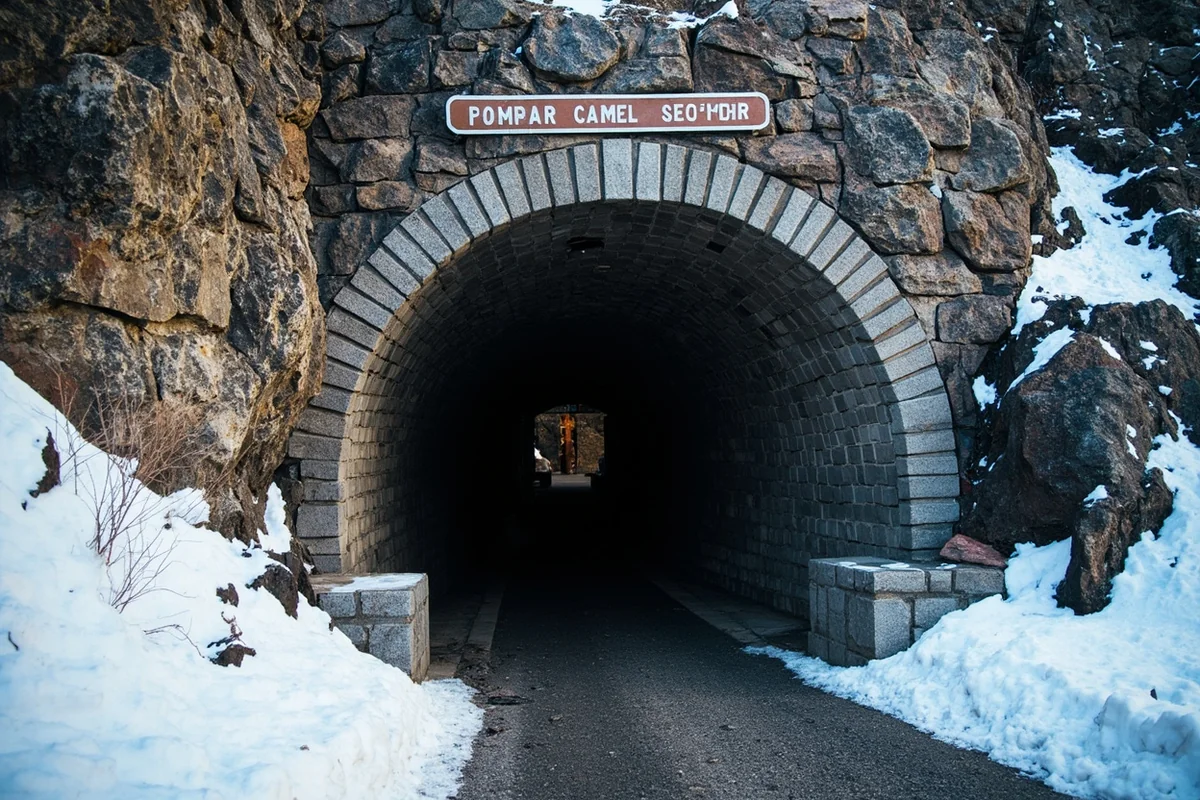
I’ve done this extended hike twice. The first time, I underestimated the difficulty and barely made it back before dark. The second time, I started at 5:30 AM and took my time, reaching the tunnel by 10 AM. The early start also meant I had the tunnel almost entirely to myself.
If continuing to Ptarmigan Tunnel, know that the trail beyond the falls traverses steep terrain with lingering snow patches well into July. Many hikers carry microspikes for the upper sections. During my June attempt, I turned back about a mile past the falls due to unsafe snow conditions.
Wildlife You’ll Likely Encounter
The Many Glacier region is renowned for wildlife viewing, and the Ptarmigan Falls trail delivers consistently. Here’s what I’ve seen across my various visits:
Mountain Goats
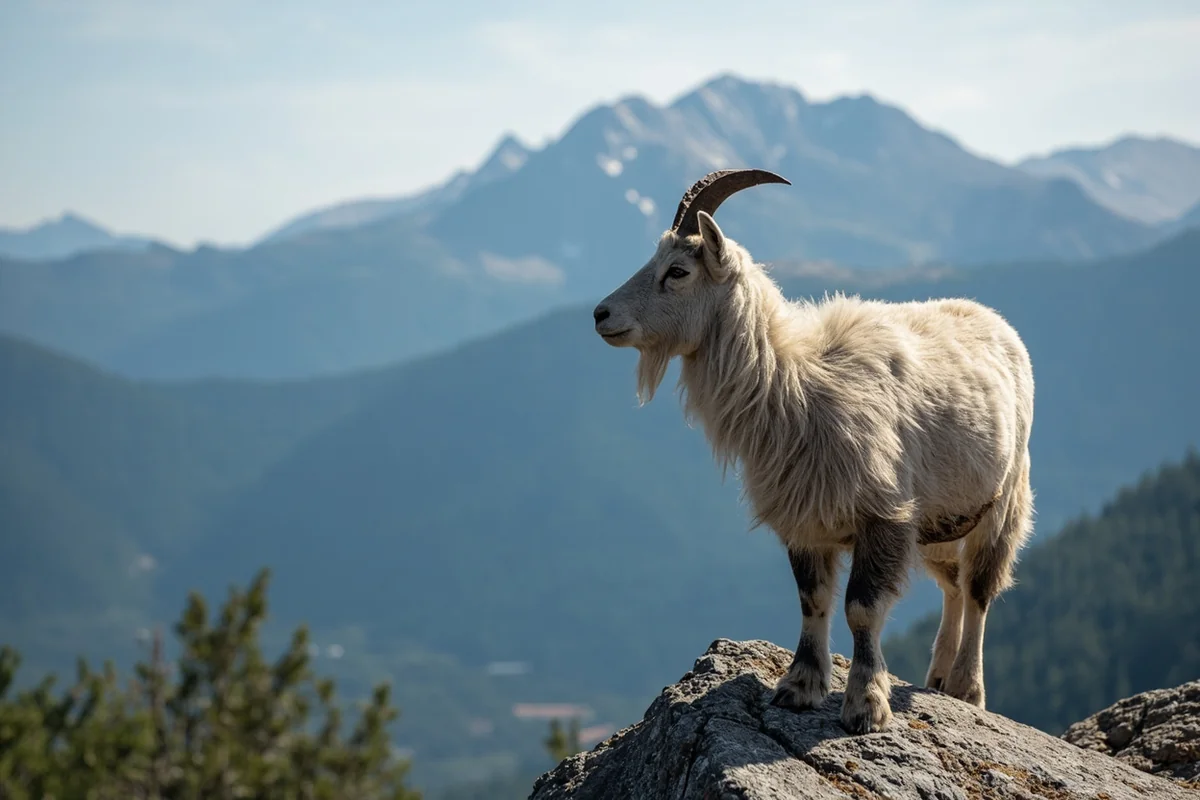
These are the stars of the show. The rocky terrain around Ptarmigan Falls is prime mountain goat habitat. On my most recent trip, I counted 23 individuals, including several kids bouncing along impossibly steep cliffs.
Mountain goats generally ignore hikers, but give them space—at least 25 yards. They can become aggressive if approached too closely, especially mothers with young.
Bighorn Sheep
Less common than mountain goats, but I’ve spotted bighorn sheep on two of my four visits to this trail. They tend to prefer the lower slopes and meadows before you reach the falls.
Grizzly Bears
This is grizzly country. I’ve had two grizzly encounters on this trail—both at a distance, both resolved without incident. One was a sow with two cubs foraging in an avalanche chute about 200 yards from the trail. The other was a solitary bear that crossed the trail ahead of me and disappeared into the brush.
Carry bear spray and know how to use it. Make noise on the trail, especially when visibility is limited. Travel in groups when possible—the statistics show that groups of four or more rarely have negative bear encounters.
Ptarmigan (The Bird)
It would be wrong to hike to Ptarmigan Falls without mentioning the white-tailed ptarmigan, the bird that gives this area its name. These masters of camouflage are surprisingly common in the alpine zone above the falls, but their cryptic plumage makes them nearly invisible.
I’ve only spotted ptarmigan once on this trail, and it was pure luck—a female flushed from almost directly underfoot. Look for them among rocky outcrops above the treeline.
Best Time of Year to Visit Ptarmigan Falls
Timing your visit correctly can mean the difference between an amazing experience and a frustrating one. Here’s my honest assessment based on visiting across different months:
June: High Risk, High Reward
Early June usually means the trail is still buried in snow above the falls. I attempted a June 10th hike once and hit impassable snowfields at about 2 miles. However, late June (after the 20th most years) can be spectacular—wildflowers are peaking, the falls are roaring with maximum water flow, and crowds haven’t fully arrived.
The downside? Streams are high, mosquitoes are fierce, and weather is unpredictable. Pack bug spray, rain gear, and patience.
July: The Sweet Spot
July is my favorite month for Ptarmigan Falls. The trail is typically snow-free by mid-month, wildflowers remain vibrant, and water flow is still impressive. Days are long, giving you flexibility on start times.
July is also peak season, meaning more people on the trail. I recommend weekday visits if possible—my Wednesday hike last July had maybe 30% of the crowds I experienced on a Saturday the year before.
August: Reliable Conditions
August offers the most dependable trail conditions. Snow is completely gone, weather patterns are generally stable, and the alpine meadows take on golden hues as fall approaches.
Water flow decreases noticeably by late August. The falls are still beautiful but lack the thunderous presence of earlier months.
September: Solitude Season
If you prioritize solitude, September is your month. Crowds thin dramatically after Labor Day, and the Many Glacier area takes on an entirely different character. Fall colors in the lower sections can be stunning.
However, September brings real risks. Days are shorter, weather becomes more volatile, and snow can arrive anytime after mid-month. The Ptarmigan Tunnel typically closes due to snow accumulation, though the falls themselves remain accessible most years through late September.
What to Pack: Lessons From My Mistakes
Over multiple trips to Ptarmigan Falls, I’ve refined my packing list through trial and error. Here’s what I now consider essential:
- Bear spray: Non-negotiable. Carried on your hip, not buried in your pack.
- Layers: I start in shorts and a t-shirt and end up adding a fleece and wind jacket by the falls. Temperature drops dramatically with elevation.
- Waterproof boots: Stream crossings are unavoidable. My trail runners got soaked every time.
- At least 2 liters of water: There’s no reliable water treatment along the trail. I carry 3 liters on hot days.
- Snacks: More than you think you’ll need. The elevation gain burns calories fast.
- Sunscreen and sunglasses: The alpine sun is intense, and snow patches create additional glare.
- First aid kit: Basic supplies for blisters, cuts, and unexpected situations.
- Headlamp: Even if you plan to be back before dark. Things happen.
- Rain jacket: Afternoon thunderstorms are common. I’ve been caught in three.
Comparing Ptarmigan Falls to Other Glacier Waterfalls
Glacier National Park has no shortage of stunning waterfalls. How does Ptarmigan Falls stack up? Here’s my honest comparison based on having visited most of them:
Versus Running Eagle Falls: Running Eagle is far more accessible—a flat, paved trail of about 0.3 miles. It’s great for families or those with mobility limitations. Ptarmigan Falls is more impressive and dramatic, but requires significantly more effort.
Versus Saint Mary Falls: Saint Mary Falls is another classic Glacier destination with easier access. The hike is shorter and less strenuous. I’d say Saint Mary Falls is better for casual visitors, while Ptarmigan Falls rewards those seeking a more adventurous day.
Versus Grotto Falls: Grotto Falls offers a unique experience—you can walk behind the falls. Ptarmigan Falls is taller and more powerful, but Grotto’s novelty factor is hard to beat.
For those exploring waterfalls throughout the state, you might also consider Morrell Falls near Seeley Lake or Ousel Falls near Big Sky. Both offer different experiences but showcase Montana’s incredible waterfall diversity.
Where to Stay Near Ptarmigan Falls
Lodging options in the Many Glacier area are limited but characterful. Here are your main choices:
Many Glacier Hotel
This historic Swiss-style lodge sits directly on Swiftcurrent Lake with jaw-dropping views. I splurged on a lakeside room during my first visit, and watching the sunrise over the mountains from my window nearly brought me to tears.
The hotel books up 6-12 months in advance for summer dates. Rooms range from around $200-$400 per night depending on view and date. The restaurant is decent—not great—but the location is unbeatable.
Swiftcurrent Motor Inn
A more affordable option, the motor inn offers cabins and motel-style rooms. Amenities are basic but functional. I stayed here during my most recent trip and found it perfectly adequate for a hiking-focused visit.
The location is actually closer to the Ptarmigan Tunnel trailhead than the hotel. I could walk to the trailhead in about 10 minutes.
Many Glacier Campground
The campground offers around 100 sites on a first-come, first-served basis (some can be reserved at recreation.gov starting in 2024). Arrive early—I’m talking before 8 AM—to have any hope of snagging a spot during peak season.
Camping here is a phenomenal experience. The night sky is incredible, and you’ll often hear wolves howling in the distance. Just remember: proper food storage is mandatory, and bears regularly patrol the campground.
Outside the Park
The town of Babb has a few small lodges and vacation rentals, about 12 miles from the trailhead. St. Mary (22 miles) offers more options. I’ve stayed at both when in-park accommodations were booked.
Combining Ptarmigan Falls With Other Hikes
If you have multiple days in Many Glacier, Ptarmigan Falls is just one of many outstanding hikes in the area. Here’s how I typically structure a multi-day visit:
Day 1: Ptarmigan Falls (and optionally Ptarmigan Tunnel). Start early, take your time, soak it in.
Day 2: Iceberg Lake. This 9.7-mile round trip shares the first portion of trail with Ptarmigan, then branches left. The lake, often dotted with icebergs even in August, is unforgettable.
Day 3: Grinnell Glacier. The premiere hike of Many Glacier, this 10.6-mile journey takes you to one of the last remaining glaciers in the park. Combine it with a boat shuttle to reduce mileage.
For waterfall enthusiasts specifically, consider adding Redrock Falls as a shorter alternative hike. It’s accessible via the Swiftcurrent Pass Trail and offers a nice complement to Ptarmigan Falls.
Safety Considerations and Common Mistakes
I want to be direct about safety because I’ve seen too many unprepared hikers on this trail. Here are the issues I’ve witnessed and how to avoid them:
Underestimating the Distance and Difficulty
A 5.2-mile round trip with 1,200 feet of gain doesn’t sound extreme on paper. But this is high-altitude hiking (you’ll reach approximately 7,200 feet), and the thin air affects everyone differently. Start conservatively and listen to your body.
Weather Changes
I’ve started hikes under blue skies and finished in driving rain, hail, and once, snow in late August. Check the forecast, but prepare for anything. The mountains create their own weather systems.
Wildlife Encounters
Beyond bears, moose present a real danger on this trail. They’re less predictable than bears and can be extremely aggressive. I’ve rerouted hikes twice to avoid moose blocking the trail.
Creek Crossings
Early season crossings can be treacherous. Water that’s knee-deep and moving fast can knock you off your feet. If a crossing looks sketchy, it probably is. There’s no shame in turning back.
Cell Service
There is none. From the moment you leave the parking lot until you return, you’re on your own. Tell someone your plans before you hike.
Accessibility and Alternatives
I’ll be honest: Ptarmigan Falls is not accessible for wheelchairs or those with significant mobility limitations. The trail is rocky, uneven, and steep in places.
If you’re traveling with family members who can’t make this hike, consider these alternatives in the Many Glacier area:
Silken Skein Falls and other roadside cascades can be viewed from pullouts along the Many Glacier Road.
The boat tours on Swiftcurrent Lake and Lake Josephine offer stunning scenery without hiking. Rangers often lead short, accessible walks from the boat docks.
The Many Glacier Hotel deck provides mountain and lake views that rival anything you’ll see on the trail, along with refreshments and comfortable seating.
Final Thoughts: Is Ptarmigan Falls Worth It?
After four visits to Ptarmigan Falls across different seasons and conditions, I can say without hesitation: yes, it’s worth it. The falls themselves are beautiful, but the real magic lies in the complete experience—the wildflowers, the wildlife, the solitude, and the sense of accomplishment that comes from earning your views.
This isn’t a hike for everyone. It requires fitness, preparation, and a willingness to push yourself. But if you’re the kind of person who gets excited about wild places, who wants to see Montana beyond the roadside pullouts, Ptarmigan Falls delivers in ways that few other destinations can match.
Start planning now—especially if you need lodging at Many Glacier Hotel. Look at late July dates for the best combination of trail conditions and water flow. Pack your bear spray, lace up your boots, and prepare for one of the finest waterfall hikes Montana has to offer.
If you’re planning a broader waterfall adventure across the state, don’t miss other remarkable cascades like Holland Lake Falls in the Swan Valley or the dramatic Kootenai Falls in the northwest corner. Each offers something unique, but Ptarmigan Falls remains one of my personal favorites for the complete wilderness experience it provides.
See you on the trail.
Frequently Asked Questions
Where is Ptarmigan Falls located in Montana and how do I get there?
Ptarmigan Falls is located in Glacier National Park along the Ptarmigan Trail, accessible from the Many Glacier area on the park’s east side. From the Swiftcurrent Motor Inn parking lot, you’ll hike approximately 2.5 miles to reach the falls. The trailhead is about 12 miles from the town of Babb, Montana, and roughly 150 miles from Great Falls.
How difficult is the hike to Ptarmigan Falls in Glacier National Park?
The hike to Ptarmigan Falls is rated as moderate with about 800 feet of elevation gain over 2.5 miles one way. I found the trail well-maintained but rocky in sections, so sturdy hiking boots are essential. Most reasonably fit hikers can complete the round-trip in 2-3 hours, making it a great half-day adventure.
What is the best time of year to visit Ptarmigan Falls Montana?
The best time to visit Ptarmigan Falls is from late June through mid-September when the trail is typically snow-free and accessible. I recommend visiting in July or early August for peak waterfall flow from snowmelt and the best wildflower displays. The Many Glacier Road usually opens in late May but snow can linger on higher trails into June.
Do I need a park pass or reservation to hike to Ptarmigan Falls?
Yes, you’ll need a Glacier National Park entrance pass which costs $35 per vehicle for a 7-day pass or $80 for an annual pass. During peak summer months (late May through early September), you also need a vehicle reservation to enter the Many Glacier area between 6 AM and 3 PM. I always book reservations at recreation.gov at least a month in advance since they sell out quickly.
What should I bring on the Ptarmigan Falls hike in Glacier National Park?
Bring bear spray (required in Glacier), plenty of water, layered clothing, and sturdy hiking boots since Montana mountain weather changes rapidly. I always pack rain gear, sunscreen, snacks, and a first aid kit even for shorter hikes. A camera is essential for capturing the stunning falls and the chance to spot mountain goats, marmots, and ptarmigan along the trail.
Can I see wildlife on the Ptarmigan Falls trail in Montana?
The Ptarmigan Trail is one of the best spots in Glacier National Park for wildlife viewing, especially mountain goats and bighorn sheep on the surrounding cliffs. I’ve spotted marmots, pikas, and even the trail’s namesake white-tailed ptarmigan in the alpine areas. Always maintain a safe distance of at least 100 yards from bears and 25 yards from other wildlife, and keep your bear spray accessible.
Are there other waterfalls or attractions near Ptarmigan Falls worth visiting?
The Many Glacier area offers several other stunning waterfalls within easy reach, including Redrock Falls (1.8 miles) and Apikuni Falls (1 mile round trip). If you continue past Ptarmigan Falls on the same trail, you can reach Ptarmigan Tunnel, a historic 250-foot tunnel blasted through the mountain with incredible views. I recommend spending at least two full days in Many Glacier to explore multiple trails and take a boat tour on Swiftcurrent Lake.
Sources