Standing at the base of Pioneer Falls last August, with mist settling on my face and the roar of water drowning out everything else, I understood why some waterfalls remain secrets.
This 80-foot cascade tucked into the Absaroka-Beartooth Wilderness doesn’t appear on most tourist itineraries, and honestly, that’s part of its magic.
If you’re exploring Montana waterfalls and want something beyond the crowded viewpoints, Pioneer Falls delivers an experience that feels genuinely earned.
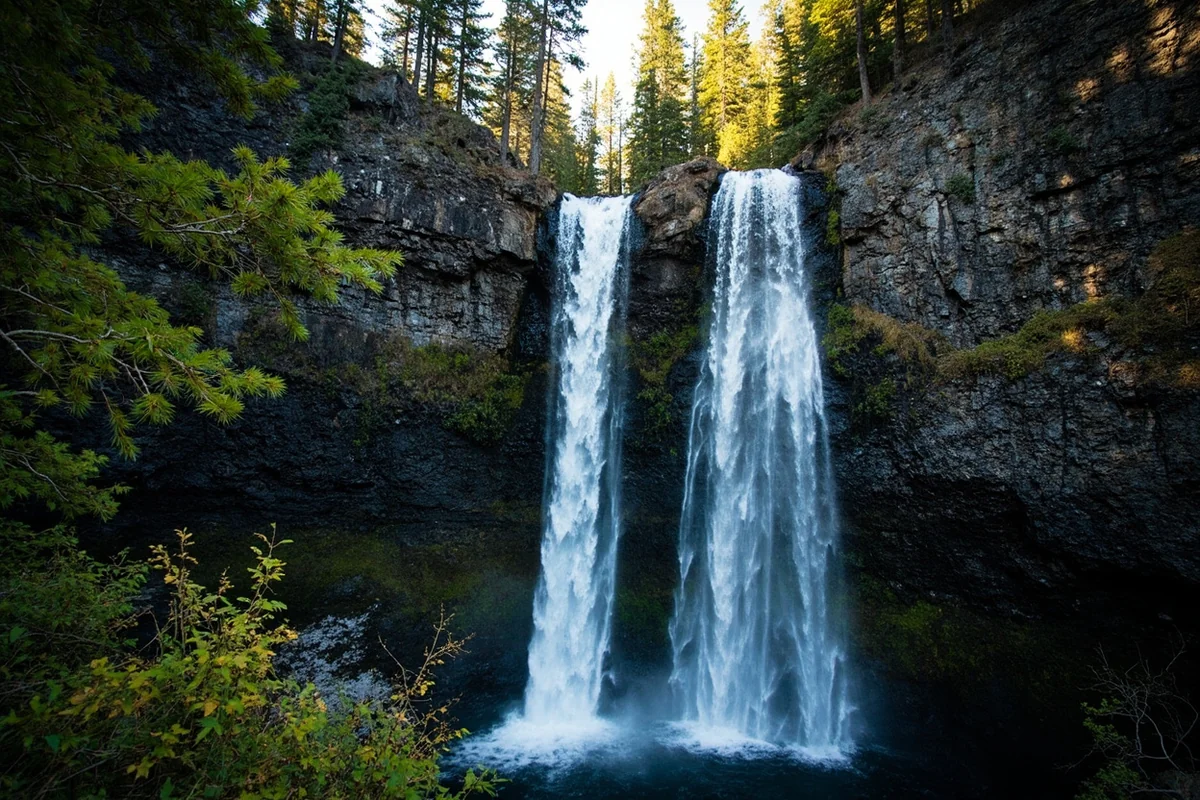
- Pioneer Falls drops approximately 80 feet in the Absaroka-Beartooth Wilderness near Red Lodge
- The hike is roughly 6.4 miles round trip with moderate difficulty and 1,200 feet elevation gain
- Best visited June through September when snow has melted and trail conditions are optimal
- No permits required, but wilderness regulations apply — pack out everything
- Allow 4-5 hours for the complete hike including time at the falls
- Limited cell service — download offline maps before your trip
Liked this article?
Add Roaming Montana as a preferred source so you see more of our articles and guides on Google.
Where Exactly Is Pioneer Falls?
Pioneer Falls sits within the Absaroka-Beartooth Wilderness in south-central Montana, roughly 12 miles southwest of Red Lodge. The falls themselves cascade along Pioneer Creek, a tributary that eventually feeds into the West Fork of Rock Creek.
When I first researched this hike, I’ll admit the directions confused me. There are several “Pioneer” named features in Montana, and the trail access isn’t as clearly marked as more popular destinations like Palisade Falls near Bozeman.
The trailhead you’re looking for starts at the West Fork of Rock Creek Trailhead. From Red Lodge, you’ll take Highway 212 south, then turn onto West Fork Road (Forest Road 71). This gravel road winds about 8 miles before reaching the parking area.
Getting to the Trailhead
Here’s what I wish someone had told me before my visit: West Fork Road is rough. I drove a mid-size SUV and managed fine, but I watched a sedan turn back about 3 miles in. The road becomes increasingly rutted after the first few miles, with some sections featuring rocks that could scrape a low-clearance vehicle.
During my August trip, the road was dry and manageable. Spring visitors or anyone arriving after heavy rain should expect mud and potentially impassable sections. A high-clearance vehicle isn’t strictly required, but it definitely reduces stress.
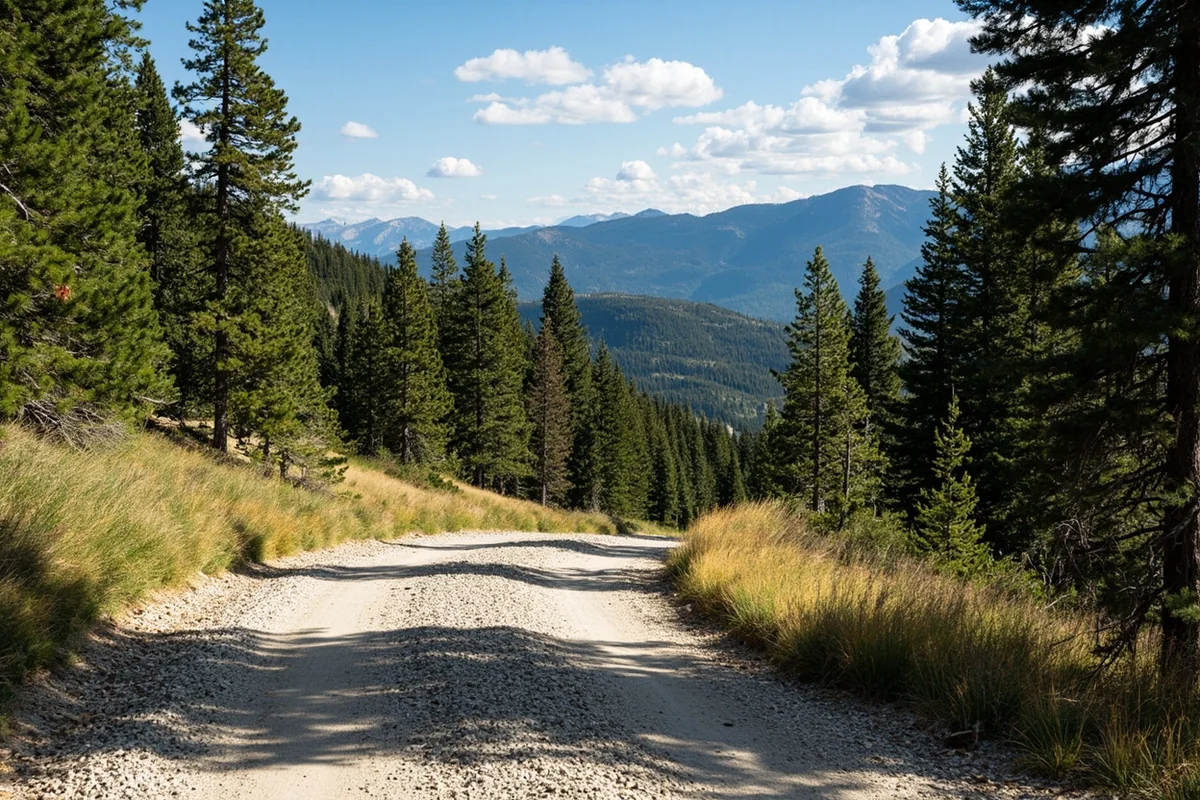
The parking area itself is a simple gravel lot that holds maybe 15-20 vehicles. On a weekday, I had no trouble finding a spot. Weekend hikers during peak summer might need to arrive early or park along the road’s edge.
Driving Directions from Red Lodge
From Red Lodge’s main street (Broadway Avenue), head south on Highway 212 toward the Beartooth Highway. After about 4 miles, watch for the signed turnoff to West Fork Road on your right.
Turn onto West Fork Road and continue approximately 8 miles to the trailhead. The road crosses several cattle guards and passes a few private properties — stay on the main road and respect posted boundaries.
Total drive time from Red Lodge: approximately 25-30 minutes depending on road conditions.
The Trail to Pioneer Falls: What to Expect
The hike to Pioneer Falls follows the West Fork Rock Creek Trail (#16) before branching onto the Pioneer Creek Trail. The total round-trip distance is approximately 6.4 miles with around 1,200 feet of elevation gain.
I’d classify this as a moderate hike. The elevation gain is gradual for most of the route, though the final push to the falls involves some steeper terrain and minor scrambling.
Trail Breakdown by Section
Miles 0-1.5: West Fork Valley Floor
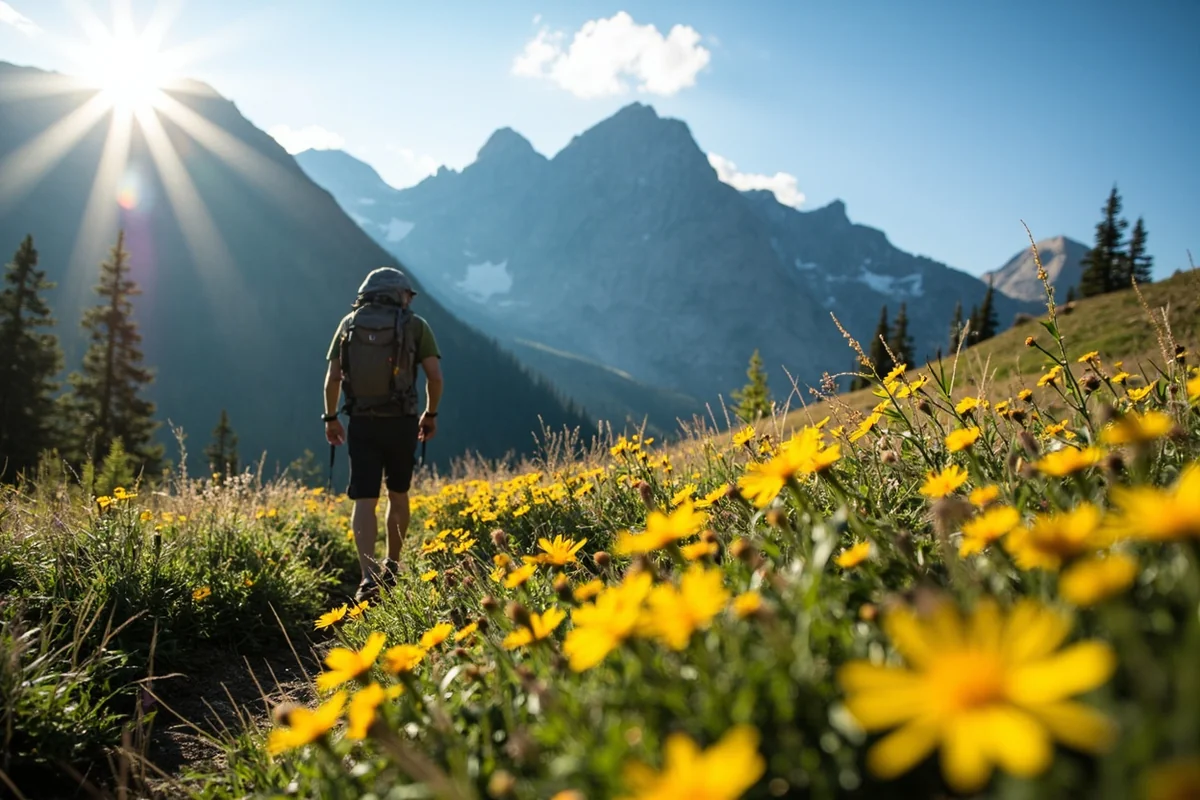
The trail begins gently, following the West Fork of Rock Creek through open meadows and scattered pine forest. This section is relatively flat and perfect for warming up your legs.
During my hike, I spotted several deer grazing in the early morning mist along this stretch. The trail is well-defined here, wide enough for two people to walk side by side.
Miles 1.5-2.4: Pioneer Creek Junction
After roughly 1.5 miles, you’ll reach the junction where Pioneer Creek meets the West Fork. A wooden sign marks the turnoff — take the left fork following Pioneer Creek upstream.
This is where the trail begins climbing more noticeably. The forest thickens with lodgepole pine and Engelmann spruce, and the path narrows considerably.
Miles 2.4-3.2: Upper Pioneer Creek
The final mile to the falls is the most challenging. The trail becomes rockier, with some sections requiring careful foot placement. I used trekking poles and was grateful for them.
You’ll hear the falls before you see them. That growing roar through the trees is one of hiking’s great pleasures — nature’s way of telling you the destination is close.
Experiencing Pioneer Falls Up Close
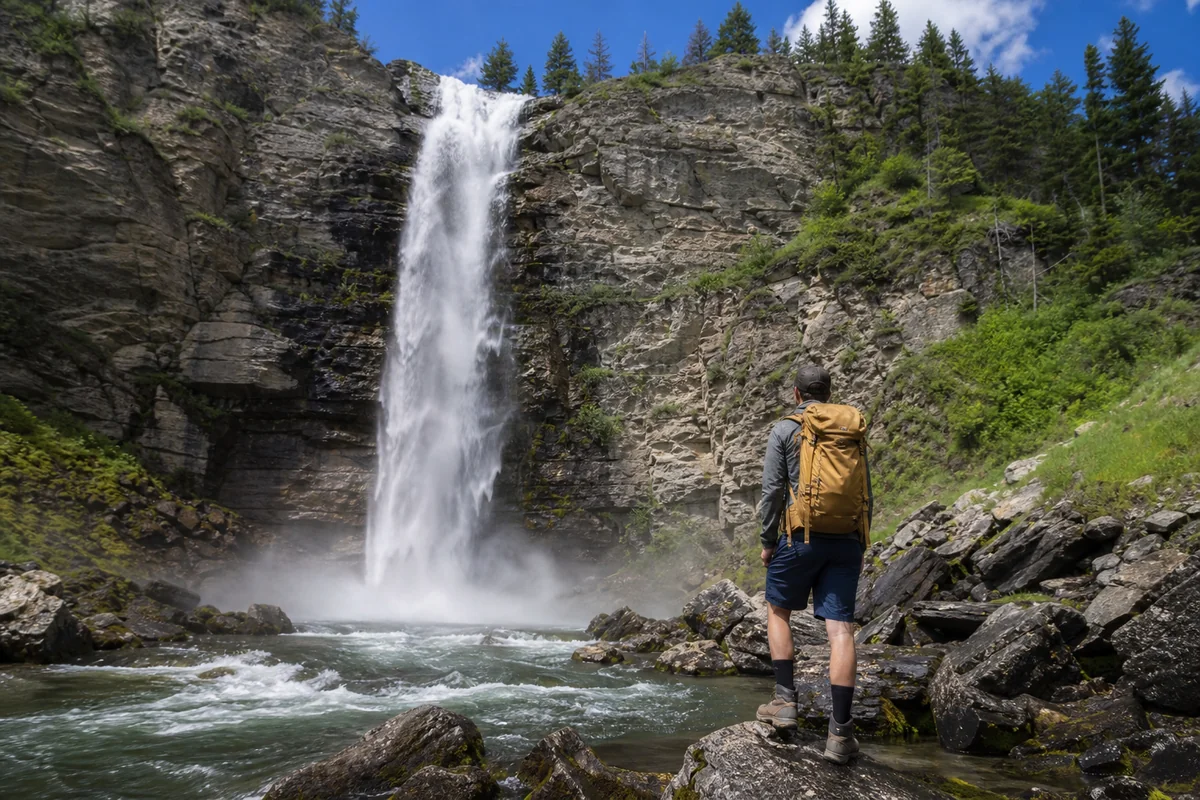
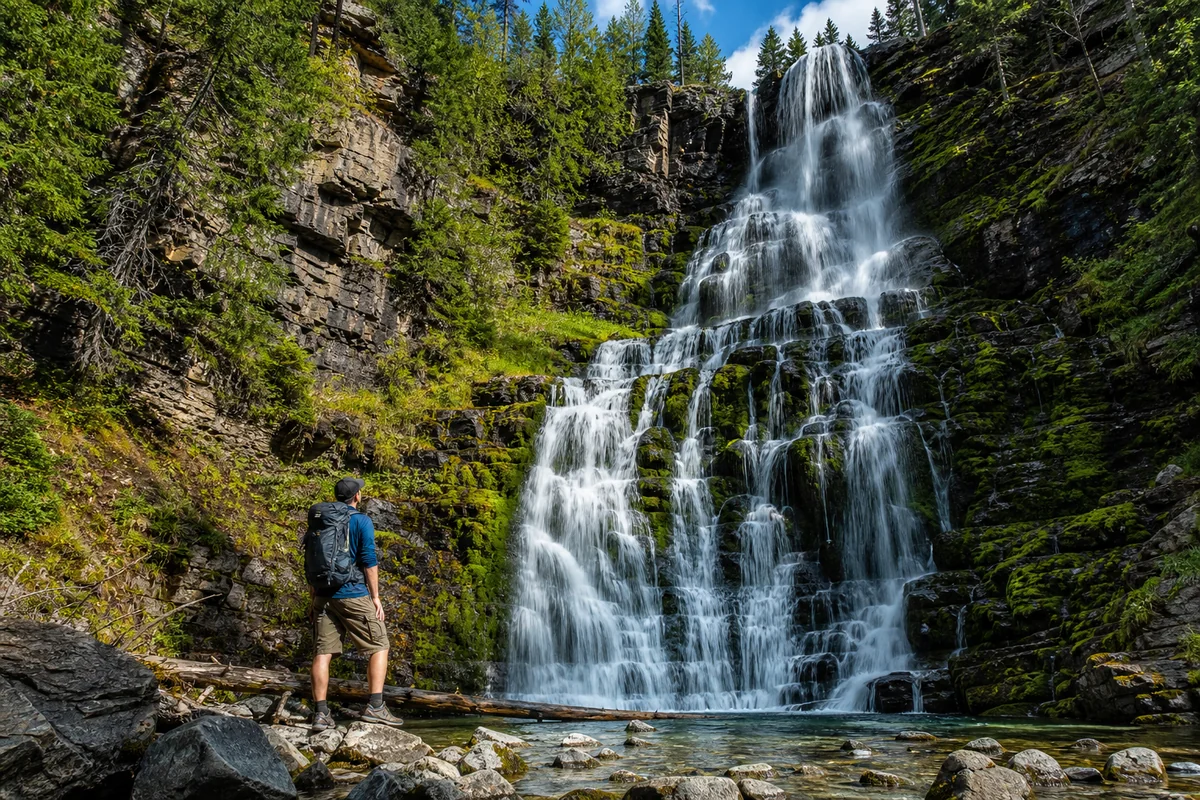
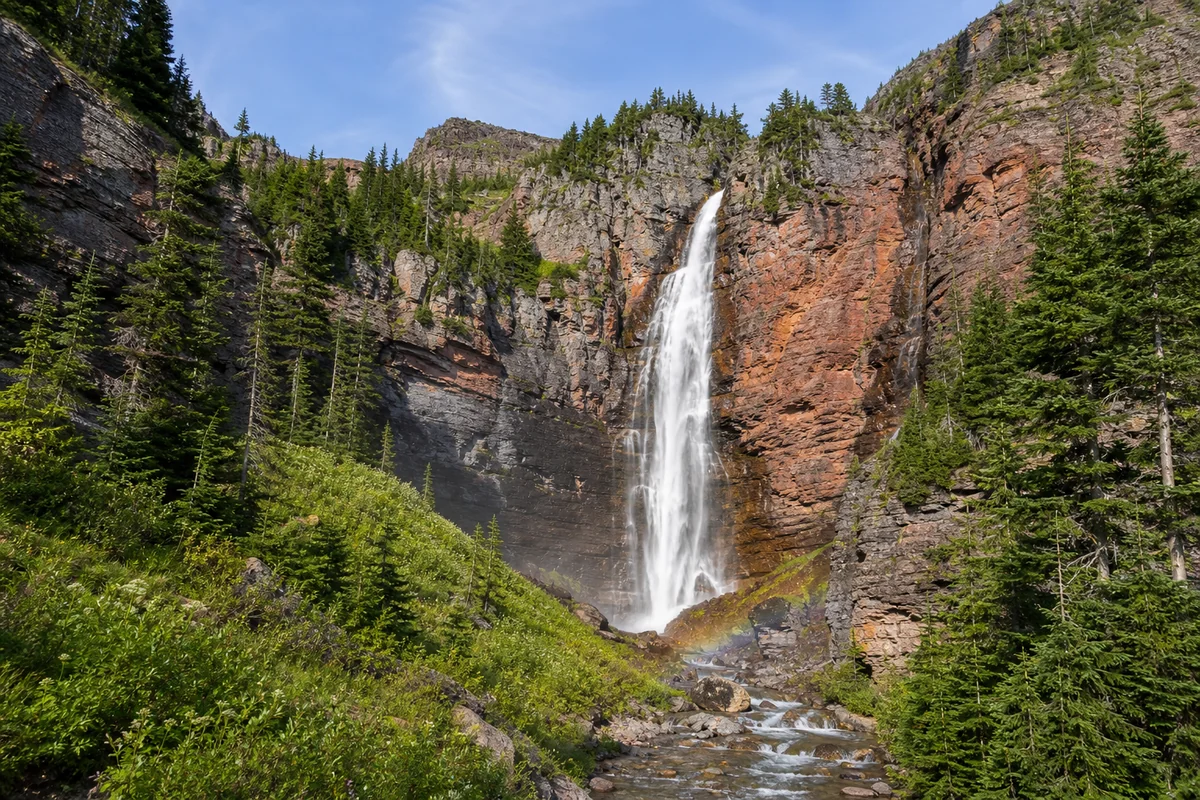
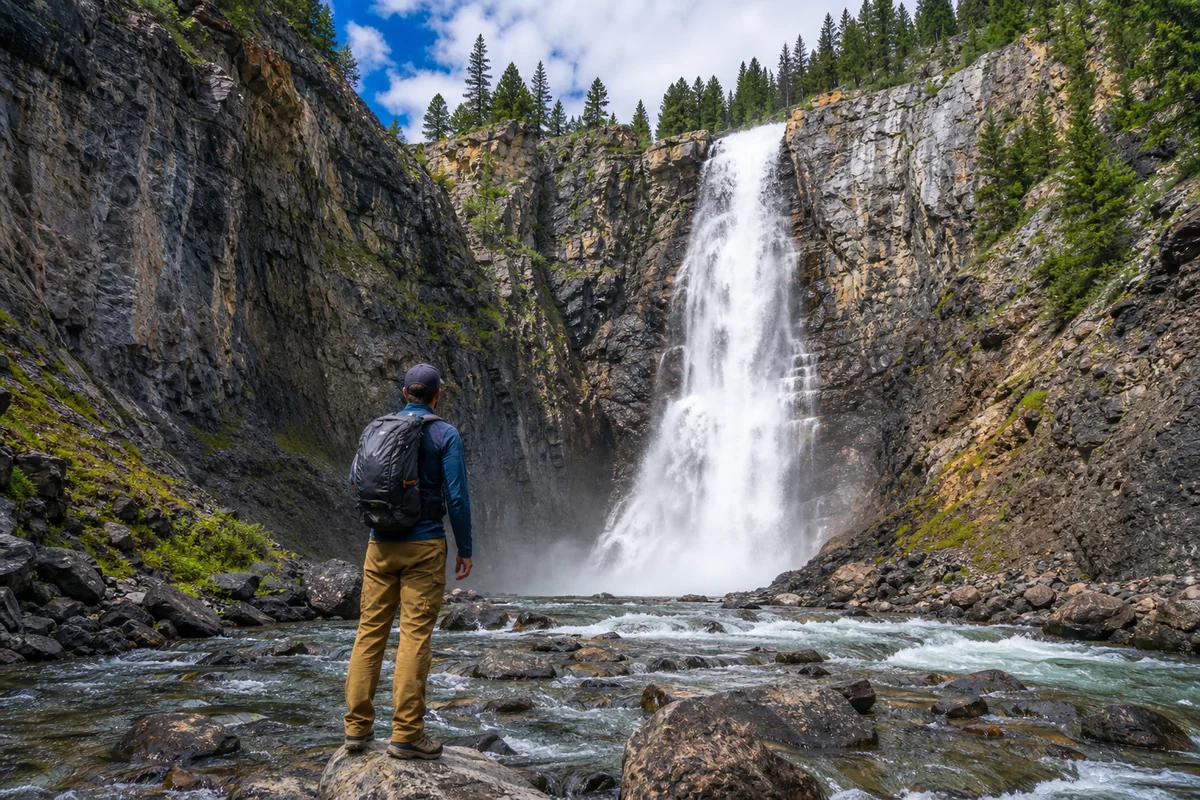
When Pioneer Falls finally came into view through the trees, I stopped in my tracks. The cascade drops roughly 80 feet over a series of granite ledges, creating a horseshoe-shaped amphitheater of rock and spray.
What struck me most was the intimate setting. Unlike some Montana waterfalls that you view from distant platforms, Pioneer Falls invites you to get close. A rocky shelf at the base provides a natural viewing area where you can feel the mist and photograph the falls from directly in front.
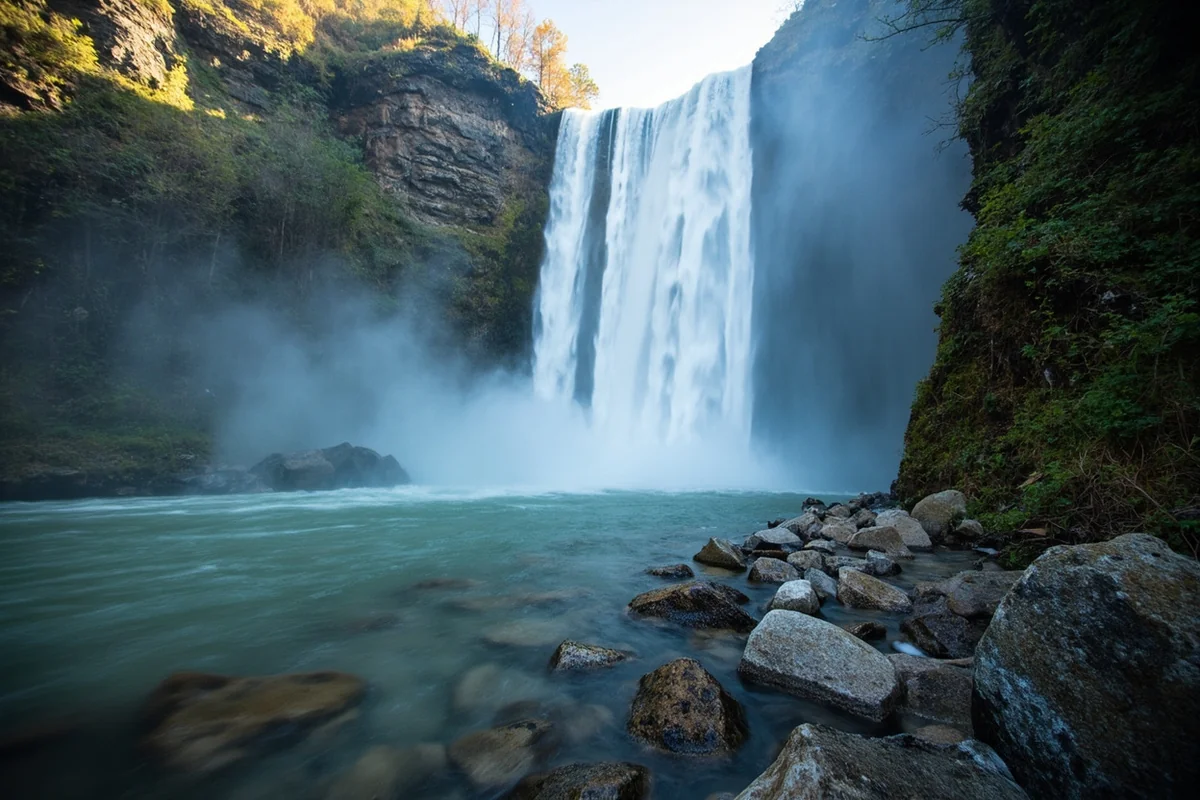
During my late August visit, water flow was moderate — impressive but not overwhelming. Visitors arriving in June or early July will see significantly higher volume as snowmelt peaks. By late September, the falls slow to a gentler cascade.
Best Viewing Spots
I spent nearly an hour exploring different angles at the falls. Here are the spots that worked best:
Base Pool: The most obvious viewpoint. Stand on the flat rocks at the pool’s edge for classic straight-on photos. Morning light works best here, as the falls face roughly east.
Right Side Scramble: Careful hikers can scramble up the right side (looking at the falls) for an elevated perspective. The rocks are slippery when wet — I only attempted this because conditions were dry.
Downstream Overview: Walk back down the trail about 100 yards and look back for a framed view of the falls through the forest. This perspective shows the falls in their wilderness context.
Trail Difficulty and Fitness Requirements
I consider myself an intermediate hiker — comfortable with moderate trails but not tackling technical climbs regularly. Pioneer Falls felt appropriately challenging without being exhausting.
The total elevation gain of 1,200 feet is spread across 3.2 miles, averaging roughly 375 feet per mile. Compare this to steeper trails like Grotto Falls near Hyalite Reservoir, and Pioneer Falls feels considerably more gradual.
That said, the altitude matters. The trailhead sits around 7,400 feet elevation, and you’ll climb to approximately 8,600 feet at the falls. If you’re visiting from sea level, your lungs will notice. I live at moderate altitude and still found myself breathing harder than expected on the upper sections.
Physical Preparation Tips
If you’re questioning whether you can handle this hike, here’s my honest assessment:
- Can you walk 6+ miles on varied terrain? Required.
- Are you comfortable with rocky, uneven trail sections? Required.
- Can you handle moderate elevation gain over 3+ miles? Required.
- Do you have experience with altitude above 8,000 feet? Helpful but not essential.
- Are you comfortable with limited cell service and self-reliance? Essential.
Children over 10 who hike regularly should be able to complete this trail. I passed a family with two kids (estimated ages 11 and 14) who seemed to be managing well, though they’d started earlier than I did and were taking plenty of breaks.
Best Time to Visit Pioneer Falls
Timing matters significantly for this hike. During my visit in mid-August, conditions were ideal — warm days, dry trails, and reasonable water flow at the falls.
Season-by-Season Breakdown
Late June through mid-July: Peak snowmelt means maximum water volume at the falls. However, trails may still have snow patches at higher elevations, and creek crossings can be tricky. This is when the falls are most dramatic, but the hike is most challenging.
Mid-July through August: My recommended window. Snow has typically cleared, trails are dry, and water flow remains impressive. Wildflowers peak in late July, adding color throughout the meadow sections.
September: Fall colors begin appearing, creating beautiful contrast with the evergreens. Water flow decreases but the falls remain photogenic. Nights turn cold — be prepared for early frost.
October: Trail access becomes questionable as early snow can affect both the road and trail. I wouldn’t plan a trip this late without backup options.
November through May: West Fork Road closes for winter, and the trail is snow-covered. Only experienced winter backcountry travelers should consider this area during these months.
Essential Gear for the Pioneer Falls Hike
I tend to over-pack, but for Pioneer Falls, I was grateful for everything I brought. Here’s my practical packing list:
| Category | Items | Notes |
|---|---|---|
| Footwear | Hiking boots with ankle support | Trail runners okay if trails are dry |
| Clothing | Moisture-wicking layers, rain jacket | Weather changes fast at elevation |
| Water | Minimum 2 liters per person | No reliable water sources along trail |
| Navigation | Downloaded offline maps, physical map | No cell service at trailhead or on trail |
| Sun Protection | Sunscreen, hat, sunglasses | UV intensity high at elevation |
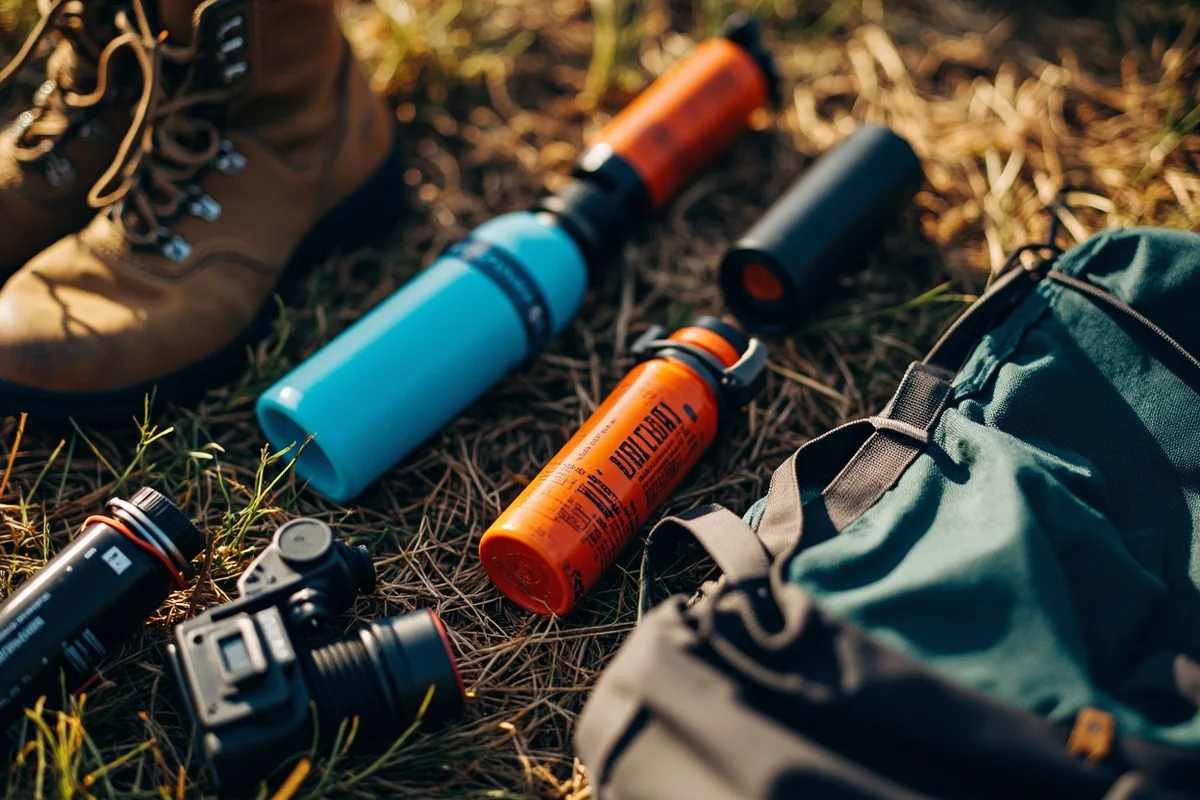
| Safety | Bear spray, first aid kit | Bear country — spray is essential |
| Food | Lunch, snacks, emergency calories | Plan for 4-5 hours total |
| Extras | Trekking poles, camera, binoculars | Poles helpful for rocky sections |
Bear Safety Note
The Absaroka-Beartooth Wilderness is active bear habitat. Both black bears and grizzly bears live in this area. I carried bear spray on my hip throughout the hike and made noise on blind corners.
During my visit, I didn’t encounter any bears, but I did see fresh scat on the upper trail section. Stay alert, travel with others if possible, and know how to use your bear spray before you need it.
Photography Tips for Pioneer Falls
As an amateur photographer who takes too many waterfall photos, I have opinions about capturing Pioneer Falls effectively.
Timing and Light
I arrived at the falls around 10:30 AM on a clear August morning. The sun was above the canyon walls, creating harsh light and blown-out highlights on the water. If I returned, I’d aim for earlier morning (before 9 AM) or later afternoon (after 4 PM) for softer, more even lighting.
Overcast days actually work beautifully for waterfall photography. The diffused light eliminates harsh shadows and allows the camera to capture detail throughout the scene. Don’t cancel your hike because of clouds — embrace them.
Technical Settings
For that classic silky-water look, you’ll need a tripod and a slow shutter speed (1/4 second or longer). I didn’t want to carry my full tripod, so I brought a small tabletop version and found flat rocks to stabilize it.
Without a neutral density filter, achieving slow shutter speeds in daylight is tough. I used my lowest ISO (100) and smallest aperture (f/22), which got me to about 1/8 second — just barely enough for some motion blur.
For the crisper, frozen-water look that shows individual droplets, faster shutter speeds (1/500 or faster) work well. This style doesn’t require a tripod and often reveals details the silky look obscures.
Nearby Waterfalls Worth Combining
Pioneer Falls pairs well with other waterfalls in the region if you’re planning a multi-day trip. The Beartooth and surrounding areas offer several accessible cascades.
Rock Creek Falls sits relatively close and offers a shorter, easier hike for those wanting a more relaxed waterfall experience. It’s a good option if Pioneer Falls leaves you wanting more without the additional mileage.
Further north, Morrell Falls near Seeley Lake provides another excellent moderate hike to an impressive cascade. The drive takes a few hours from Red Lodge, but it’s worth considering for a multi-day waterfall tour.
If you’re heading toward Glacier National Park afterward, consider stops at Running Eagle Falls or Saint Mary Falls. Both offer easier access with dramatic scenery that rivals anything in the lower 48.
Where to Stay Near Pioneer Falls
Red Lodge serves as the obvious base camp for hiking Pioneer Falls. This charming mountain town offers everything from budget motels to upscale lodges, plus excellent restaurants and a genuine Montana atmosphere.
Red Lodge Lodging Options
During my trip, I stayed at a mid-range motel on Broadway Avenue. Clean rooms, reasonable rates, and walking distance to several good restaurants. Red Lodge has numerous similar options ranging from about $80-200 per night depending on season.
For a more upscale experience, several bed and breakfasts operate in historic buildings around town. These typically book well in advance during summer, so plan ahead.
Vacation rentals through VRBO and Airbnb are plentiful in the area. I saw several listings for cabins along Rock Creek that looked ideal for families or groups wanting more space and kitchen facilities.
Camping Near the Trailhead
Several Forest Service campgrounds operate along West Fork Road and the surrounding area. Basin Campground sits closest to the Pioneer Falls trailhead — about 3 miles away — and offers basic sites with vault toilets and fire rings.
These campgrounds operate first-come, first-served and tend to fill on summer weekends. Arrive early Friday or opt for weekday visits if camping is essential to your plans.
Backcountry camping within the Absaroka-Beartooth Wilderness is allowed following Leave No Trace principles. Popular spots exist along Pioneer Creek above the falls for those wanting to extend their trip into an overnight adventure.
Red Lodge: More Than Just a Trailhead
Don’t rush through Red Lodge on your way to the falls. This historic mining town offers genuine character and several worthy attractions.
I spent my afternoon after the hike wandering Broadway Avenue, poking into shops, and eating an enormous burger at a local restaurant. The town maintains its authentic Montana feel without becoming too touristy.
The Beartooth Highway (Highway 212 continuing south from town) is frequently called one of America’s most scenic drives. Even if you’re not continuing to Yellowstone, driving the first few miles offers stunning views of the Beartooth Plateau.
During summer months, Red Lodge hosts various festivals and events. I happened to visit during their Mountain Man Rendezvous weekend, which added unexpected entertainment to my trip.
Combining Pioneer Falls with the Beartooth Highway
If your trip allows, spending a day on the Beartooth Highway before or after your Pioneer Falls hike creates an exceptional Montana experience. The highway climbs to nearly 11,000 feet, passing alpine lakes, glacial cirques, and viewpoints that stretch for miles.
I drove the highway the day before my hike, which gave me valuable acclimatization for the higher elevation at the falls. Starting from Red Lodge, the summit is about 30 miles of continuous switchbacks and stunning scenery.
Note that the Beartooth Highway closes seasonally, typically late October through late May depending on snow conditions. Check current status with the Montana Department of Transportation before planning your route.
Wildlife You Might Encounter
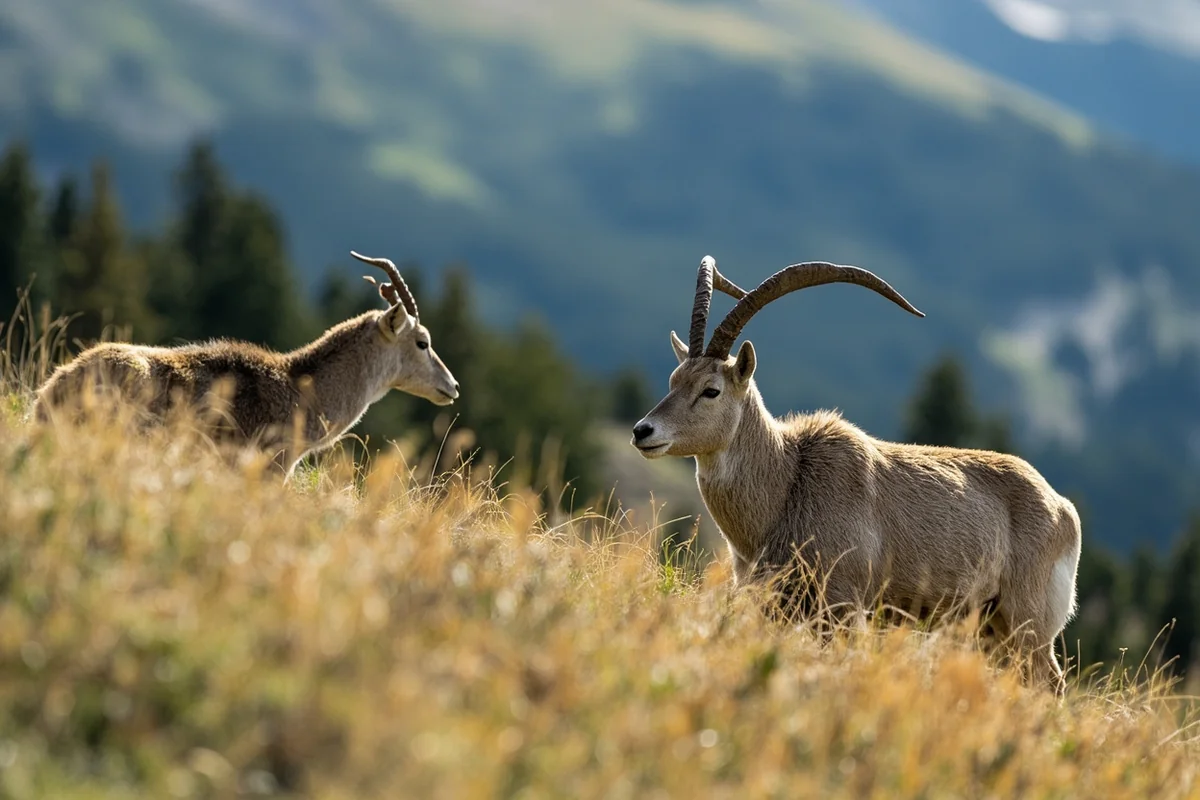
The wilderness surrounding Pioneer Falls hosts abundant wildlife. Beyond the deer I mentioned earlier, this area supports healthy populations of elk, moose, mountain goats, and bighorn sheep.
During my hike, I watched a group of mountain goats traverse cliffs across the valley — too distant for good photos but thrilling to observe through binoculars. The rocky terrain above the falls provides ideal mountain goat habitat.
Smaller wildlife is equally present. I spotted several marmots sunning themselves on rocks, and chipmunks seemed to materialize wherever I stopped for snacks.
Bird Watching Opportunities
For birders, the varied habitat along the trail offers good diversity. I noted Clark’s nutcrackers in the higher elevations and various woodpecker species lower down. The streamside areas attract dippers (American ouzel) — one of my favorite birds to watch as they dive underwater hunting insects.
Raptors patrol the valley regularly. During my visit, a pair of red-tailed hawks circled overhead for several minutes, likely hunting for the ground squirrels that seemed abundant along the trail.
Trail Etiquette and Wilderness Regulations
The Absaroka-Beartooth Wilderness requires adherence to standard wilderness regulations. No permits are currently required for day hiking Pioneer Falls, but rules still apply.
Pack out all trash — and I mean everything. I was disappointed to find a few food wrappers near the falls during my visit. Please don’t contribute to this problem.
Campfires are restricted in many areas; check current regulations with the Custer Gallatin National Forest before any overnight trip. When I hiked, fire restrictions were in effect due to dry conditions.
Dogs are allowed but must be under control at all times. The trail sees some horse traffic, so hikers should yield to stock animals by stepping to the downhill side of the trail.
Comparing Pioneer Falls to Similar Hikes
How does Pioneer Falls stack up against other Montana waterfall hikes? Here’s my honest comparison based on personal experience.
Versus Holland Lake Falls: Holland Falls offers similar mileage and difficulty but with a stunning lake as your starting point. Holland Falls is more popular and less remote-feeling than Pioneer Falls. Choose Pioneer for solitude, Holland for the lake views.
Versus Memorial Falls: Memorial Falls near Augusta is significantly shorter and easier. If you want a quick waterfall fix without a major commitment, Memorial works better. Pioneer Falls rewards those willing to work harder.
Versus Ousel Falls near Big Sky: Ousel Falls is shorter, more developed, and far more crowded. The trail to Ousel Falls is paved and accessible. Pioneer Falls offers a raw wilderness experience that Ousel Falls can’t match.
Common Mistakes to Avoid
Having made some of these mistakes myself (and observed others), here’s what to avoid:
Underestimating the road: Don’t assume your vehicle can handle West Fork Road without checking conditions first. Call the Ranger Station if uncertain.
Starting too late: Afternoon thunderstorms are common in summer. Start early enough to return before storms develop, typically by 2-3 PM.
Insufficient water: The 6+ mile round trip at altitude demands hydration. Two liters is my minimum; bring more on hot days.
No offline maps: Cell service disappears before the trailhead. Download maps beforehand — I use Gaia GPS but other apps work equally well.
Skipping bear spray: This is grizzly country. Bear spray isn’t optional; it’s essential safety equipment.
Rushing the falls: After hiking 3+ miles, spend time enjoying the destination. I see hikers snap a few photos and immediately turn around. Sit down, have lunch, absorb the experience.
Accessibility Considerations
I want to be honest about accessibility limitations. Pioneer Falls is not accessible to visitors with mobility challenges. The trail involves uneven terrain, rocky sections, and moderate elevation gain throughout.
Visitors with limited mobility seeking Montana waterfall experiences might consider alternatives. Kootenai Falls near Libby offers a shorter, more accessible trail to an impressive cascade. McDonald Falls in Glacier National Park is viewable from the roadside with minimal walking required.
For visitors specifically wanting waterfalls near Red Lodge, Hidden Falls offers somewhat easier access depending on current conditions, though “easy” is relative in this mountainous terrain.
Planning Your Pioneer Falls Adventure
After spending a full day exploring Pioneer Falls and the surrounding area, here’s how I’d structure an ideal trip:
Single Day Itinerary
- 6:00 AM: Depart Red Lodge after breakfast
- 6:30 AM: Arrive at West Fork Rock Creek Trailhead
- 7:00 AM: Begin hiking after stretching and final preparations
- 9:30 AM: Reach Pioneer Falls, spend 45-60 minutes
- 10:30 AM: Begin return hike
- 1:00 PM: Return to trailhead
- 1:30 PM: Late lunch in Red Lodge
- 3:00 PM: Optional: scenic drive on Beartooth Highway or exploration of Red Lodge
Extended Trip Suggestions
If you have multiple days, consider combining Pioneer Falls with other area attractions:
Day 1: Arrive in Red Lodge, scenic drive on Beartooth Highway, dinner in town.
Day 2: Early morning hike to Pioneer Falls, afternoon at Lost Creek Falls or exploring Red Lodge.
Day 3: Drive toward Glacier National Park with waterfall stops like Siksika Falls along the way. Alternatively, continue south on the Beartooth Highway into Wyoming and Yellowstone National Park.
Final Thoughts on Pioneer Falls
Standing at the base of Pioneer Falls on that August morning, I felt the particular satisfaction that comes from earning a view through effort. This isn’t a waterfall you stumble upon accidentally — reaching it requires intentional planning and physical commitment.
That effort filters out casual visitors and preserves something increasingly rare: genuine wilderness solitude at a spectacular natural feature. During my entire visit, I encountered only two other hiking parties. Compare that to the crowds at more accessible falls, and Pioneer Falls becomes even more appealing.
The Absaroka-Beartooth Wilderness contains countless wonders, and Pioneer Falls ranks among its most rewarding accessible destinations. For hikers seeking an authentic Montana waterfall experience without extreme difficulty, this hike delivers.
Just remember: respect the wilderness, prepare thoroughly, and give yourself time to simply exist at the falls once you arrive. Some experiences deserve more than a quick photo before rushing home.
I’ll be returning to Pioneer Falls — probably next July when the snowmelt really gets the cascade roaring. Until then, the memory of that misty morning remains one of my favorite Montana moments.
Frequently Asked Questions
Where is Pioneer Falls located in Montana and how do I get there?
Pioneer Falls is located in the Bitterroot National Forest near the town of Sula in southwestern Montana. From Missoula, it’s approximately 75 miles south on US-93, then you’ll take a forest road to the trailhead. I recommend a high-clearance vehicle for the access road, especially in spring when conditions can be rough.
How long is the hike to Pioneer Falls Montana?
The hike to Pioneer Falls is roughly 2 miles round trip with moderate elevation gain, making it accessible for most fitness levels. I found the trail takes about 1-1.5 hours to complete at a leisurely pace with time to enjoy the scenery. The path follows Pioneer Creek through beautiful forest before revealing the waterfall.
What is the best time of year to visit Pioneer Falls in Montana?
The best time to visit Pioneer Falls is late May through early July when snowmelt creates the most dramatic water flow. I’ve found that visiting during weekdays helps you avoid the modest crowds this hidden gem attracts. By late summer, water levels drop significantly, so plan your trip accordingly if you want to see the falls at their most impressive.
Is Pioneer Falls Montana kid-friendly and suitable for families?
Pioneer Falls is a great family-friendly hike with a relatively short distance and manageable terrain for children ages 6 and up. The trail has some rocky sections and minor creek crossings, so sturdy hiking shoes are essential for little ones. I’d recommend bringing trekking poles for kids who need extra stability on the uneven ground.
What should I bring when hiking to Pioneer Falls?
Pack plenty of water, snacks, sturdy hiking boots, and layers since mountain weather can change quickly even in summer. I always bring bug spray for the mosquitoes near the creek and a camera for the stunning waterfall photos. There are no facilities at the trailhead, so plan restroom stops in Sula before heading out.
Is there a fee to visit Pioneer Falls and do I need a permit?
There’s no entrance fee or permit required to hike to Pioneer Falls since it’s located on Bitterroot National Forest land. However, you may need a Northwest Forest Pass ($5 daily or $30 annual) for parking at certain trailheads in the area. I recommend checking current forest service requirements before your trip as regulations can change seasonally.
Can you swim at Pioneer Falls Montana?
While there’s a small pool at the base of Pioneer Falls, the water is extremely cold year-round due to snowmelt, making extended swimming uncomfortable for most visitors. I’ve seen people wade in briefly to cool off on hot summer days, but full immersion isn’t common. Be cautious of slippery rocks and strong currents near the falls, especially during peak flow season.
Sources