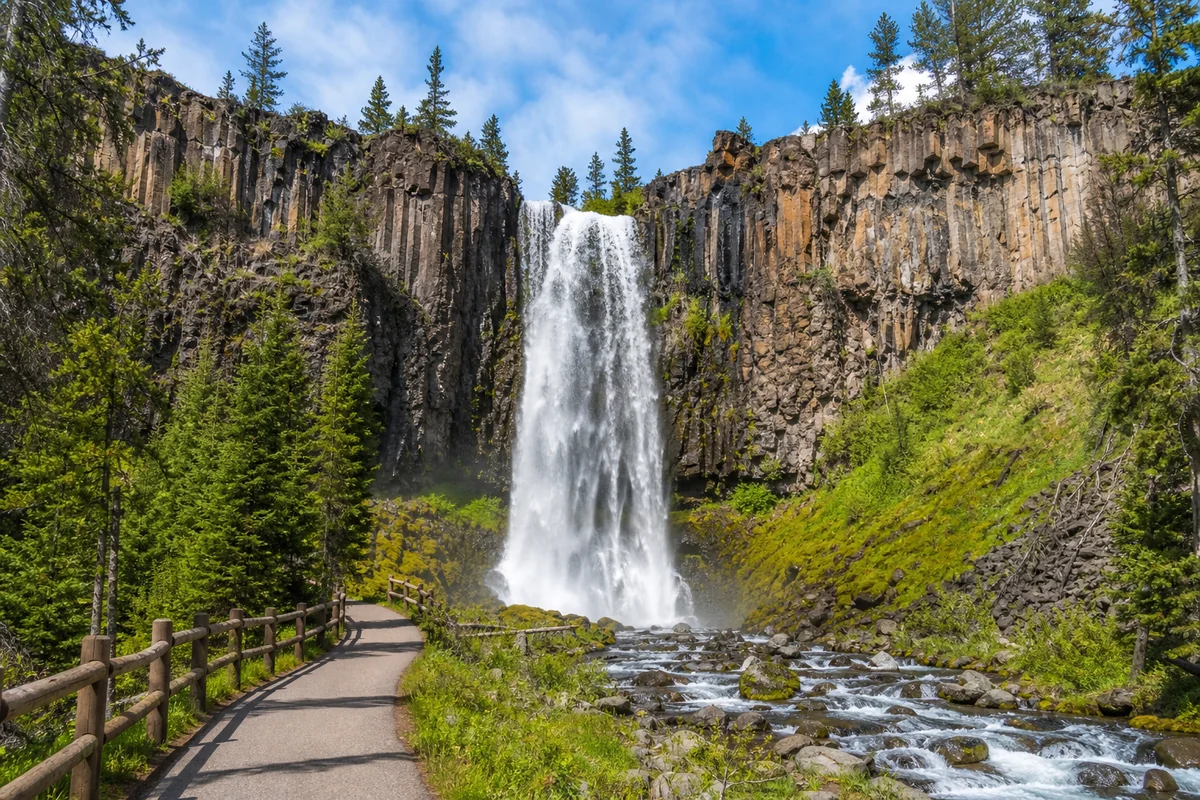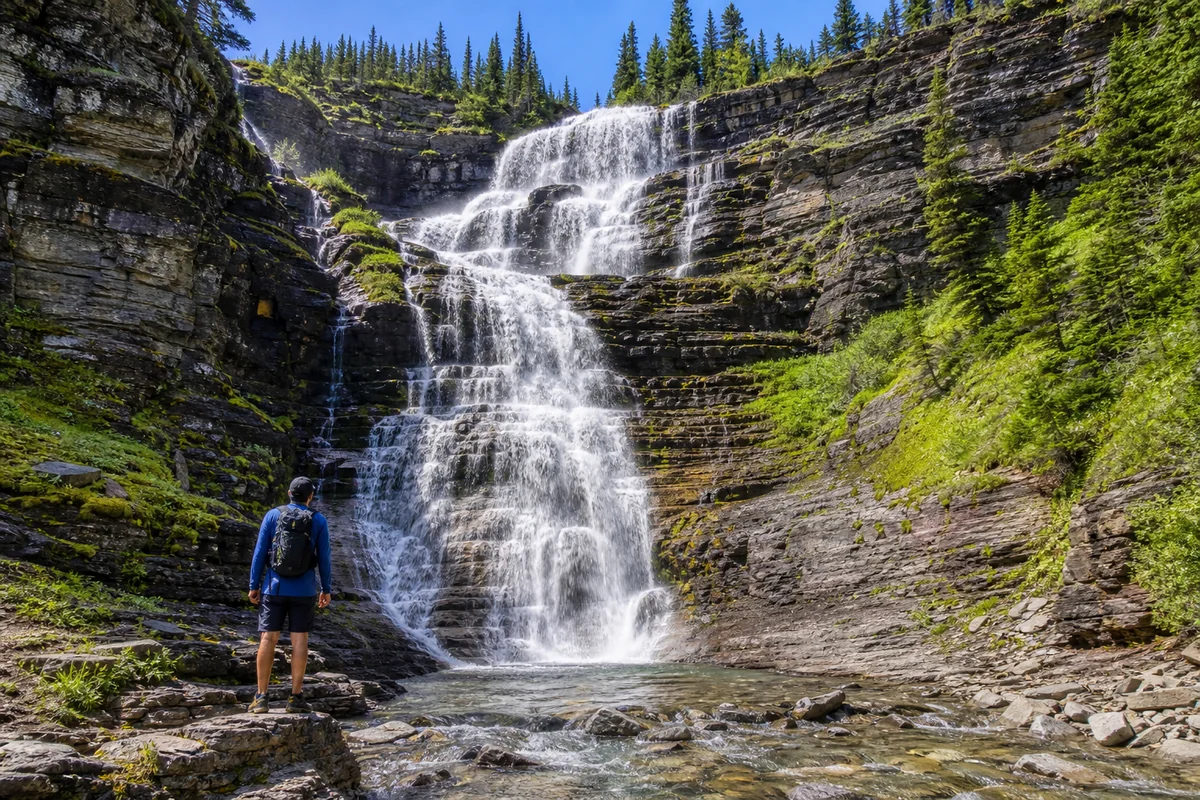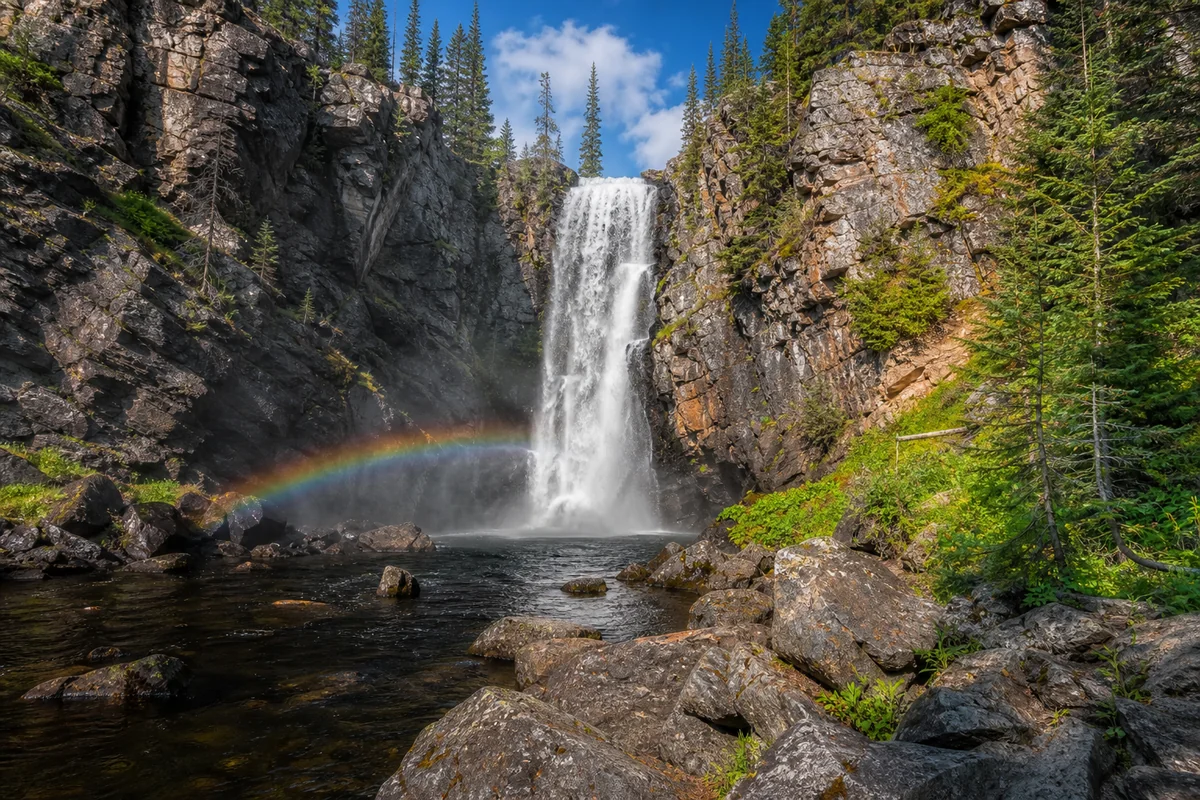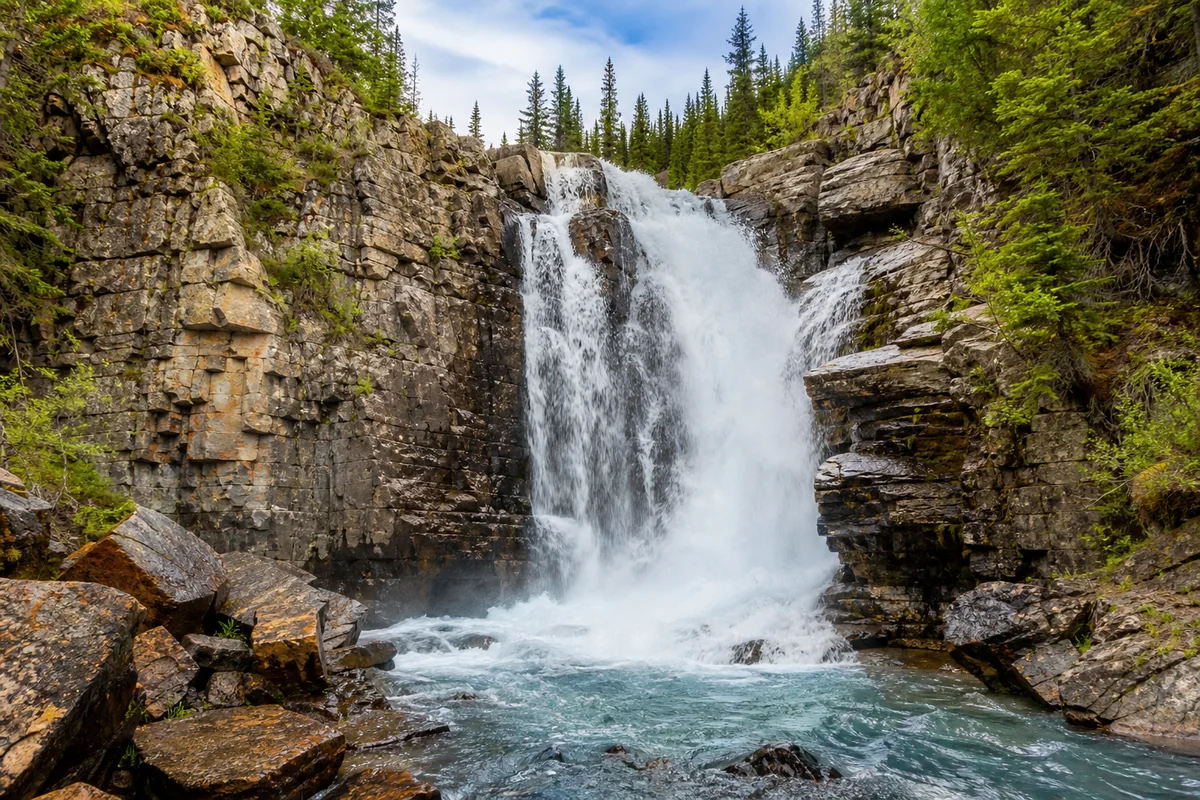
The first time I stood at McDonald Falls, the thundering cascade nearly drowned out my hiking partner’s voice just three feet away from me—and I realized why this roadside waterfall deserves far more attention than most visitors give it.
While exploring Montana waterfalls across the state, I’ve found that McDonald Falls offers something rare: incredible power and beauty without demanding a grueling backcountry trek.
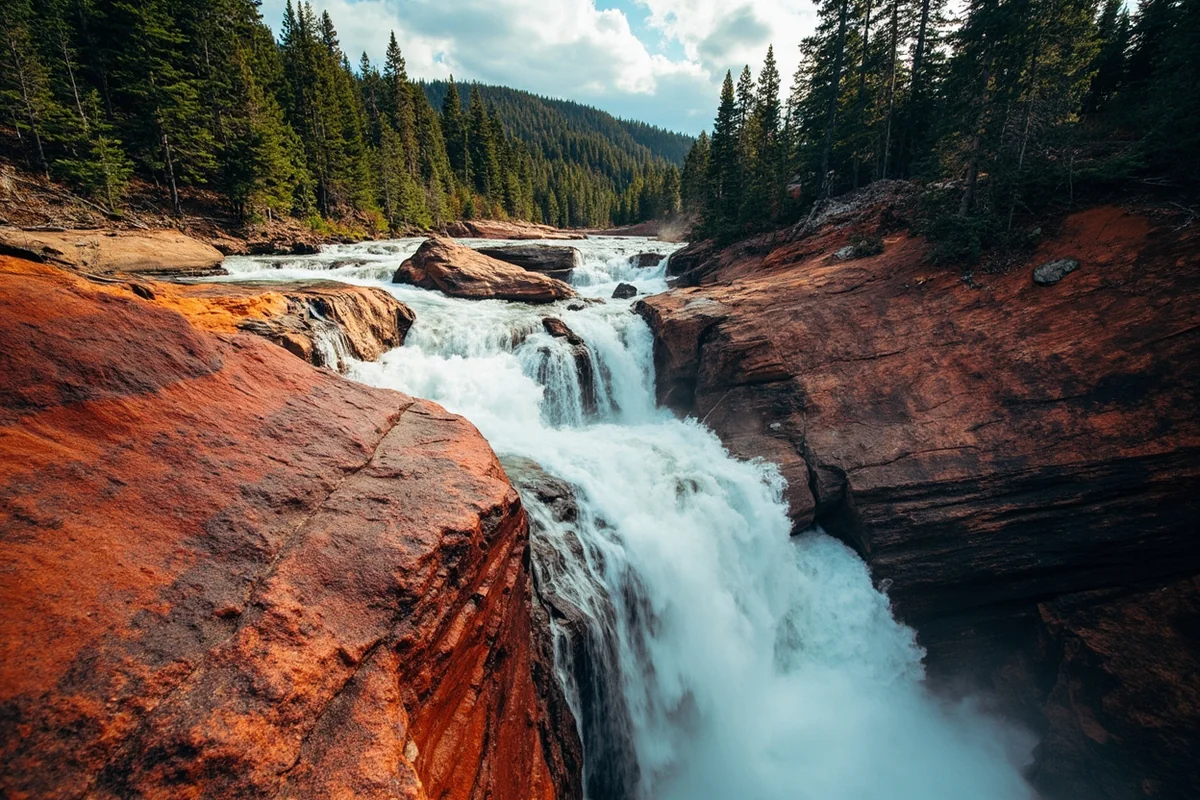
- McDonald Falls is located along Going-to-the-Sun Road in Glacier National Park, roughly 3 miles from the park’s west entrance
- No hiking required—the falls are visible from a roadside pullout, with an optional short walk to closer viewpoints
- Best visited late May through mid-July for peak water flow
- The distinctive red and green argillite rocks create some of Montana’s most photogenic waterfall scenes
- Vehicle reservations required during peak season (late May-early September) for Going-to-the-Sun Road entry
- Combine with nearby Sacred Dancing Cascade for a full waterfall morning
During my most recent visit last summer, I spent two hours at this single location—far longer than most tourists who pull over for a quick photo.
That extra time revealed details I’d missed on previous trips: the way morning light transforms the red rocks into glowing embers, the osprey nest perched impossibly close to the spray zone, and the secret scramble path to a viewpoint that puts you eye-level with the main cascade.
If you’re planning a Glacier National Park trip and wondering whether McDonald Falls deserves a spot on your itinerary, I’m here to tell you it absolutely does. Let me share everything I’ve learned from multiple visits across different seasons.
Liked this article?
Add Roaming Montana as a preferred source so you see more of our articles and guides on Google.
Understanding McDonald Falls: Location and Basic Facts
McDonald Falls sits along McDonald Creek within Glacier National Park, positioned roughly 3 miles east of the West Glacier entrance station on Going-to-the-Sun Road. This isn’t one of those waterfalls that requires a dawn start and a ten-mile commitment—you can literally see the falls from your car.
The creek itself drains Lake McDonald, the largest lake in the park, and carries a substantial volume of water year-round. When I measured the flow visually during early June, the cascade seemed to stretch nearly 30 feet across during peak runoff.
The falls drop approximately 15 feet in a series of cascades and chutes. While the height won’t rival Morrell Falls or some of Glacier’s taller backcountry cascades, the sheer power and photogenic setting more than compensate.
The Geology That Makes McDonald Falls Special
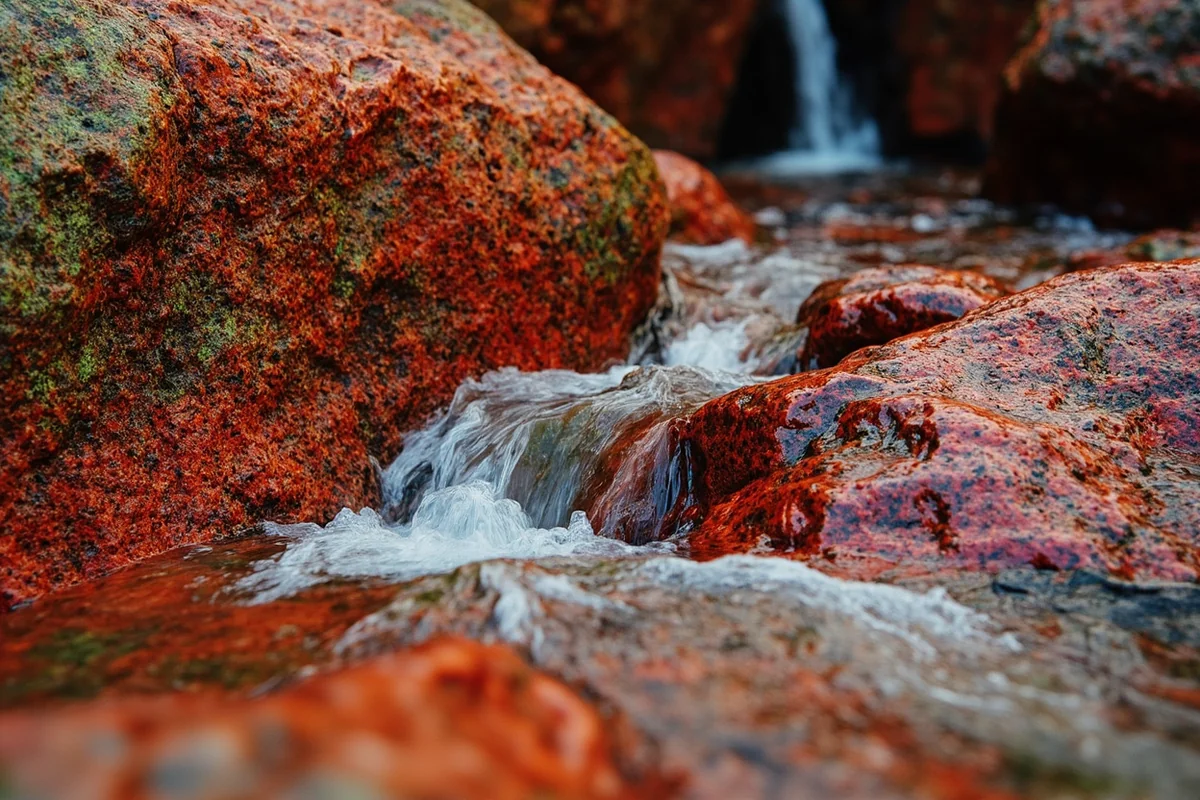
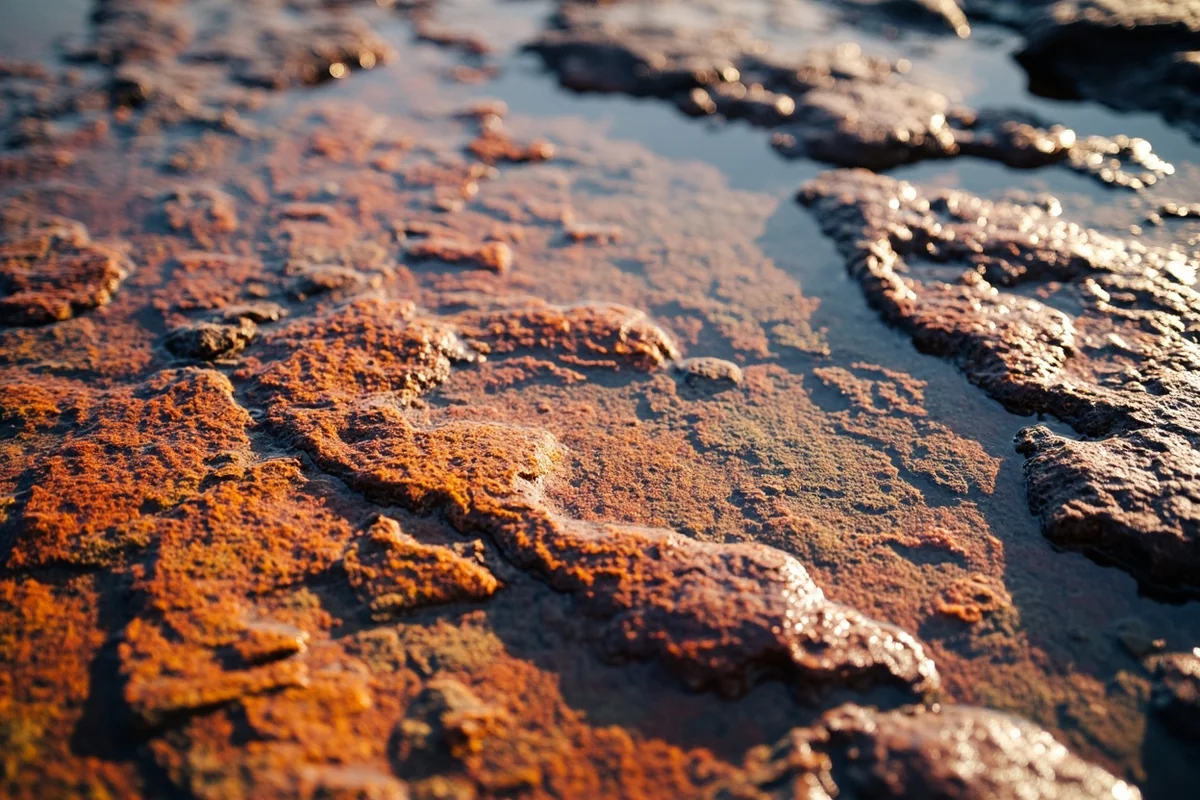
What sets McDonald Falls apart from virtually every other waterfall I’ve visited in Montana is the rock formation. The falls tumble over Belt Supergroup formations—specifically, red argillite and green argillite that’s over a billion years old.
I remember the first time I noticed how the rocks seemed to glow crimson and jade in the afternoon light. These ancient mudstones create a color palette that makes photographers weak in the knees.
The red coloring comes from oxidized iron in the sediments, while the green indicates unoxidized iron. Standing at McDonald Falls, you’re watching water cascade over rocks that formed in shallow seas long before complex life existed on Earth.
Getting to McDonald Falls: Directions and Access
From Kalispell, head northeast on US-2 East toward West Glacier. The drive takes approximately 30 minutes in normal traffic conditions.
Enter Glacier National Park through the West Entrance and pay your entrance fee (currently $35 per vehicle for a 7-day pass, or use your America the Beautiful pass).
Continue on Going-to-the-Sun Road for approximately 3 miles. You’ll pass Apgar Village and begin following the shore of Lake McDonald. Watch for the signed pullout on your left side—the falls viewing area is clearly marked.
The Vehicle Reservation System
Here’s what catches many visitors off guard: since 2022, Glacier National Park has required vehicle reservations for Going-to-the-Sun Road corridor access during peak season.
Last summer, I watched frustrated families turn around at the entrance station because they didn’t know about this requirement. Don’t let that be you.
Reservations are required from late May through early September, roughly 6 AM to 3 PM daily. You can book reservations at Recreation.gov starting in spring. Release dates typically occur in waves—some available months in advance, others released 24-48 hours prior.
If you hold a camping reservation, lodging reservation, or commercial tour booking within the park, you may not need a separate vehicle reservation. Check current rules on the park’s official website.
Alternative Entry Without Reservations
During my visit last August, I arrived before 6 AM to avoid the reservation requirement. The early morning light at McDonald Falls made the extra-early wake-up call completely worthwhile.
You can also enter after 3 PM without a reservation, though this gives you limited daylight for waterfall viewing during shoulder seasons.
The reservation system has actually improved my McDonald Falls experiences—fewer crowds mean better photos and more peaceful moments with the cascade.
| Getting There: Quick Reference | Details |
|---|---|
| Distance from West Glacier entrance | 3 miles |
| Drive time from Kalispell | 30-35 minutes |
| Parking availability | Small pullout, approximately 8-10 vehicles |
| Reservation requirement | Yes, late May – early September, 6 AM – 3 PM |
| GPS coordinates | 48.6089° N, 113.9103° W |
Viewing McDonald Falls: What to Expect
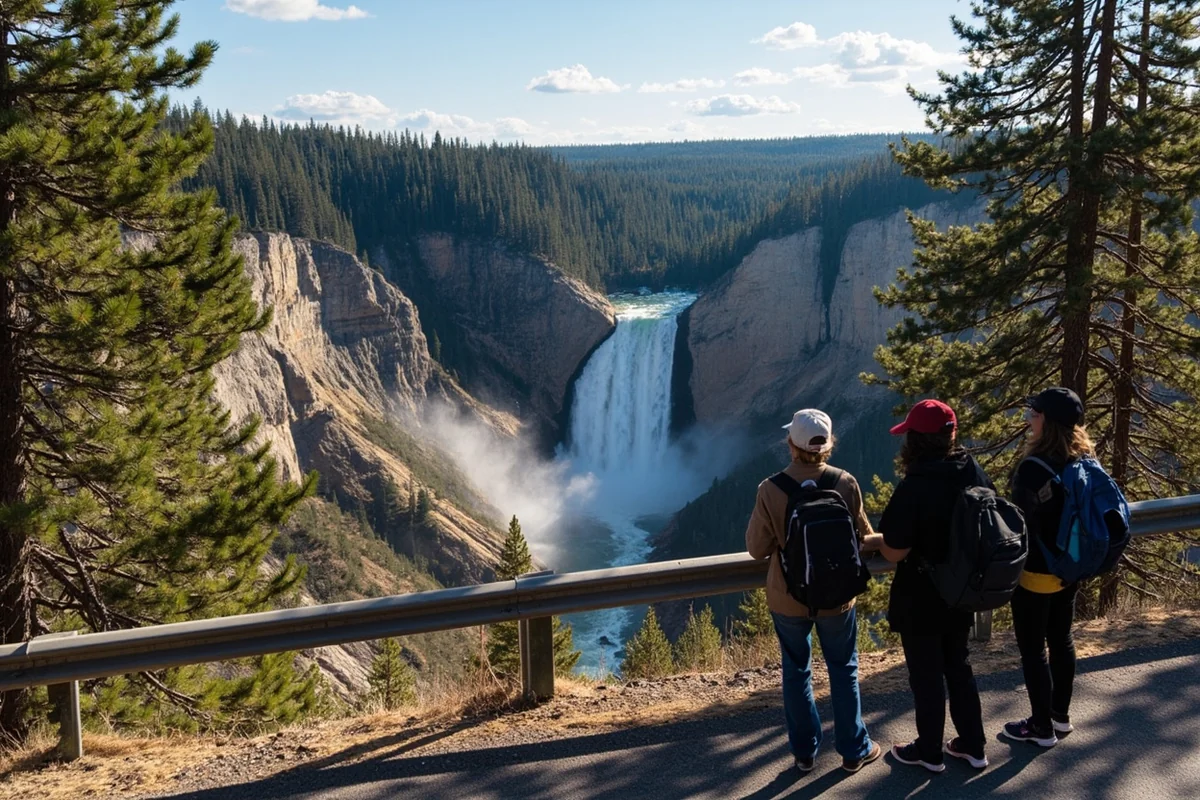
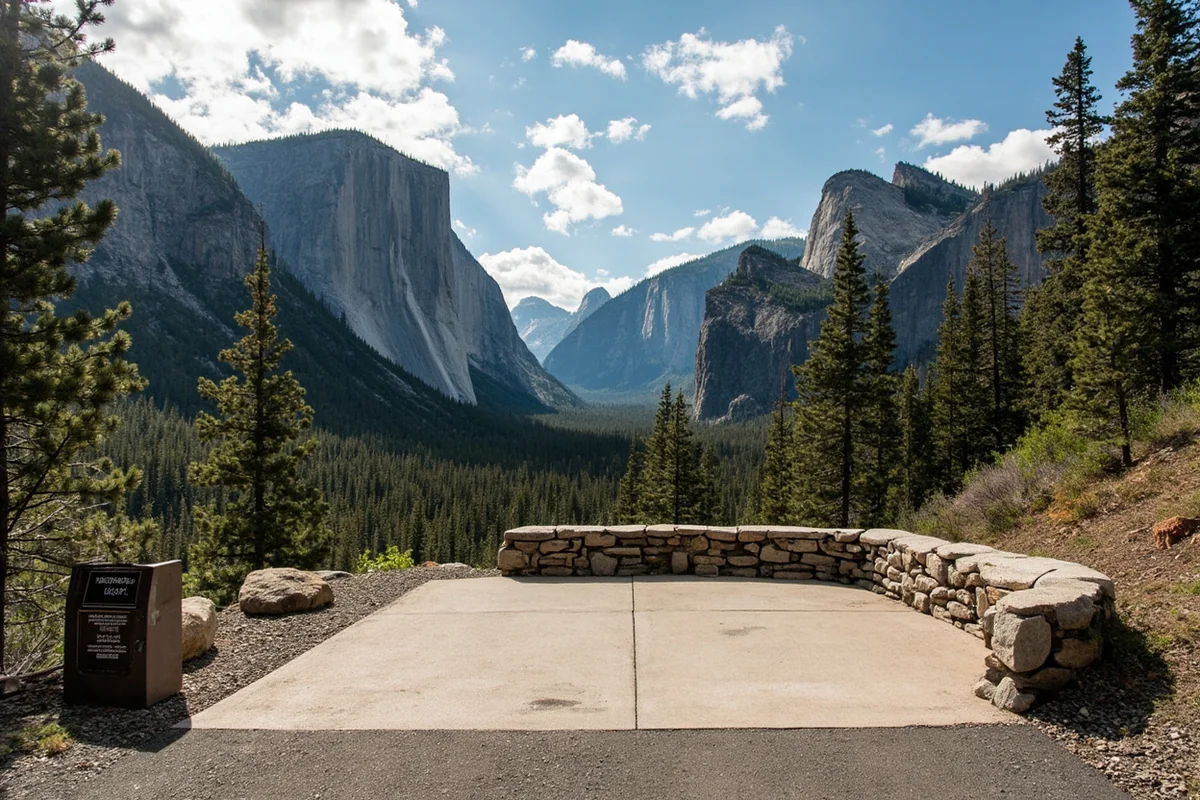
The official viewpoint sits right along the road, requiring no hiking whatsoever. I’ve seen visitors in wheelchairs, elderly folks with walkers, and families with strollers all enjoying the falls from this paved area.
From the main viewpoint, you’re looking slightly down at the falls from a distance of perhaps 50 yards. The perspective captures the full breadth of the cascade and shows how McDonald Creek funnels through the rocky gorge.
Getting Closer: The Unofficial Scramble Path
For able-bodied visitors willing to do some careful scrambling, there’s a social trail that leads down toward the creek. I need to be honest here—this isn’t an official park trail, and the footing can be tricky, especially when wet.
During my visit last June, I carefully picked my way down the rocky slope to reach creek level. The perspective completely changes when you’re eye-level with the rushing water.
At this lower viewpoint, the spray occasionally reaches you on windy days. The sound intensifies dramatically—I could feel the bass vibrations in my chest.
Be extremely careful near the water’s edge. The rocks are perpetually slick, and McDonald Creek’s current is powerful enough to sweep away anyone who falls in. I’ve seen rescue operations in Glacier for far less treacherous situations.
What You’ll See at Different Water Levels
McDonald Falls transforms dramatically depending on when you visit. I’ve now seen it during peak spring runoff, mid-summer flows, and autumn’s lower water.
In late May and June, the falls are absolutely roaring. Water explodes through every channel in the rock formation, and the spray creates constant rainbows in the morning light.
By August, the flow decreases noticeably, but this actually reveals more of the stunning rock formations. The red and green argillite becomes the star of the show when not completely hidden by churning whitewater.
September and October offer perhaps the most photogenic conditions—moderate flow, excellent rock visibility, and the possibility of golden larch trees in the background.
Best Times to Visit McDonald Falls
After visiting McDonald Falls across multiple seasons and various times of day, I have strong opinions about optimal timing.
Best Season for Water Volume
Visit between late May and mid-July for the most impressive water flow. Snowmelt from the surrounding mountains feeds McDonald Creek during this period, and the falls reach their thundering peak.
Last June, I visited during what park rangers described as a “moderate runoff year,” and even then, the falls exceeded my expectations for power and drama.
If you’re specifically interested in waterfall photography showcasing raw power, early June typically offers the sweet spot of high water combined with decent road accessibility.
Best Season for Photography
September and early October offer what I consider the ideal photography conditions. Lower water reveals the spectacular rock formations, crowds thin dramatically after Labor Day, and the possibility of autumn colors adds visual interest.
During a late September visit, I had the viewpoint entirely to myself for nearly 45 minutes—unthinkable during peak summer.
Best Time of Day
For photography, I strongly recommend visiting in the morning. The falls face roughly northeast, catching beautiful soft light between 7 AM and 10 AM.
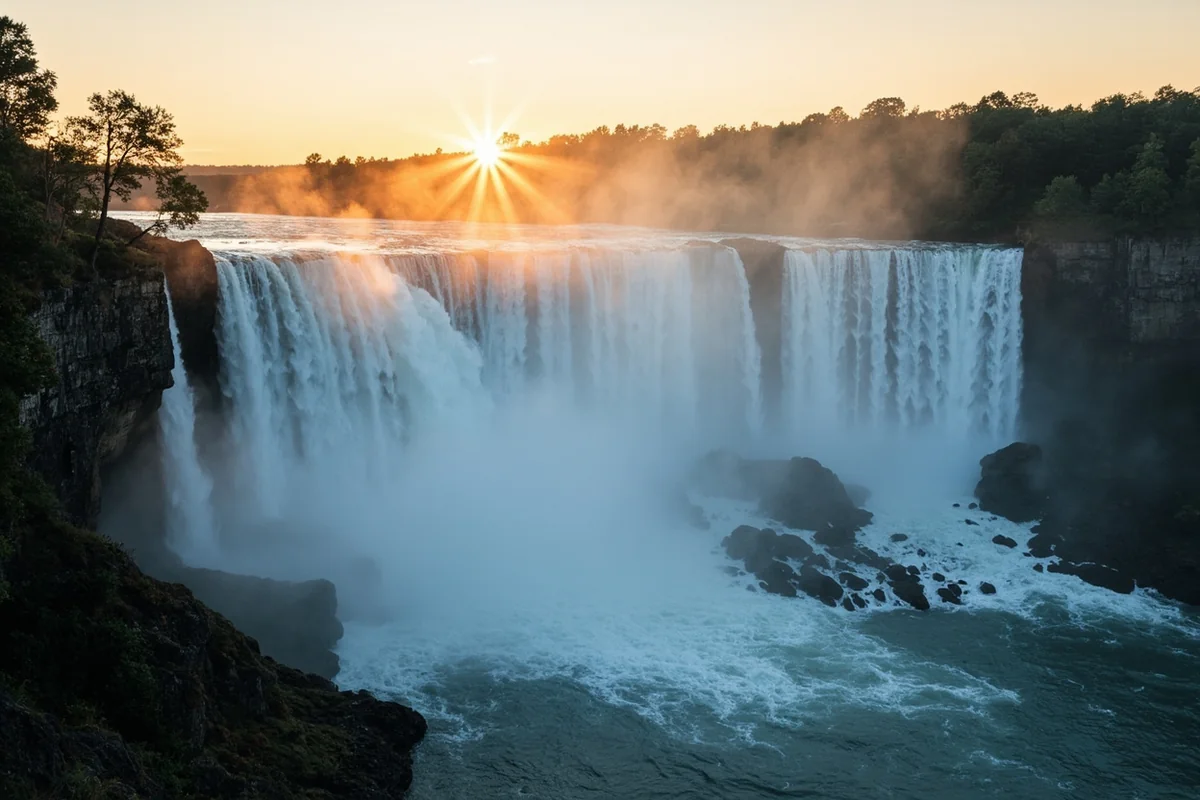
During afternoon visits, the falls can appear flat and shadowless. Late afternoon sometimes improves conditions as the sun angle shifts, but the morning remains my preference.
If you’re combining McDonald Falls with Sacred Dancing Cascade nearby, start at McDonald Falls in the early morning, then continue up Going-to-the-Sun Road as the day progresses.
Photography Tips for McDonald Falls
I’ve photographed McDonald Falls with everything from a smartphone to a full-frame mirrorless setup with premium lenses. Here’s what I’ve learned about capturing this cascade effectively.
Essential Gear Recommendations
A circular polarizer filter is absolutely non-negotiable here. The wet rocks reflect harsh light without one, and you’ll lose all that gorgeous red and green coloring.
Bring a neutral density filter if you want silky smooth water effects. I typically use a 6-stop ND filter for exposures around 1-2 seconds.
A tripod makes a tremendous difference. The main viewpoint has solid footing, but if you scramble down to creek level, use a tripod you’re comfortable placing on uneven terrain.
Don’t forget lens cloths—the spray reaches further than you’d expect on windy days.
Composition Ideas That Work
The classic composition frames the main cascade with the deep green conifers rising behind. This works well from the main viewpoint using a standard zoom lens around 35-50mm.
For something more creative, I love getting low and using a wide-angle lens to emphasize the colorful foreground rocks. Those red and green argillite formations become almost abstract when filling the lower frame.
Vertical compositions work surprisingly well here. The falls aren’t particularly tall, but framing them vertically with sky above and creek below creates pleasing proportions.
During my last visit, I experimented with longer focal lengths (100-200mm) to isolate specific cascades within the broader falls. These detail shots reveal textures invisible in wider views.
Dealing with Challenging Conditions
Overcast days actually produce excellent results at McDonald Falls. The soft, even lighting reduces contrast problems and makes colors pop without harsh shadows.
On sunny days, the contrast between shadowed gorge and bright sky challenges cameras. I typically expose for the water and rocks, allowing the sky to blow out slightly, then recover shadows in post-processing.
If you’re shooting during peak water flow, increase your shutter speed to freeze some water detail rather than using exclusively long exposures. The combination of partially frozen spray with silky cascade sections creates visual interest.
Combining McDonald Falls with Nearby Attractions
McDonald Falls works perfectly as part of a larger Going-to-the-Sun Road experience. Here’s how I structure my visits.
The Perfect Waterfall Morning
Start at McDonald Falls just after sunrise for optimal photography conditions and minimal crowds. Plan to spend 30 minutes to an hour here depending on your photography ambitions.
Continue up Going-to-the-Sun Road to Sacred Dancing Cascade, located approximately 6 miles further. This roadside cascade offers different character—more intimate and stepped compared to McDonald Falls’ concentrated power.
For a full waterfall day within Glacier, continue to Saint Mary Falls on the east side of the park. This 2.5-mile round-trip hike provides a satisfying mid-day adventure.
Lake McDonald Connections
McDonald Falls draws its water from Lake McDonald, making the lake a natural pairing for your visit. After photographing the falls, backtrack slightly to Apgar Village.
Rent a kayak and paddle Lake McDonald’s impossibly clear waters. During calm mornings, the reflections of surrounding peaks rival any postcard.
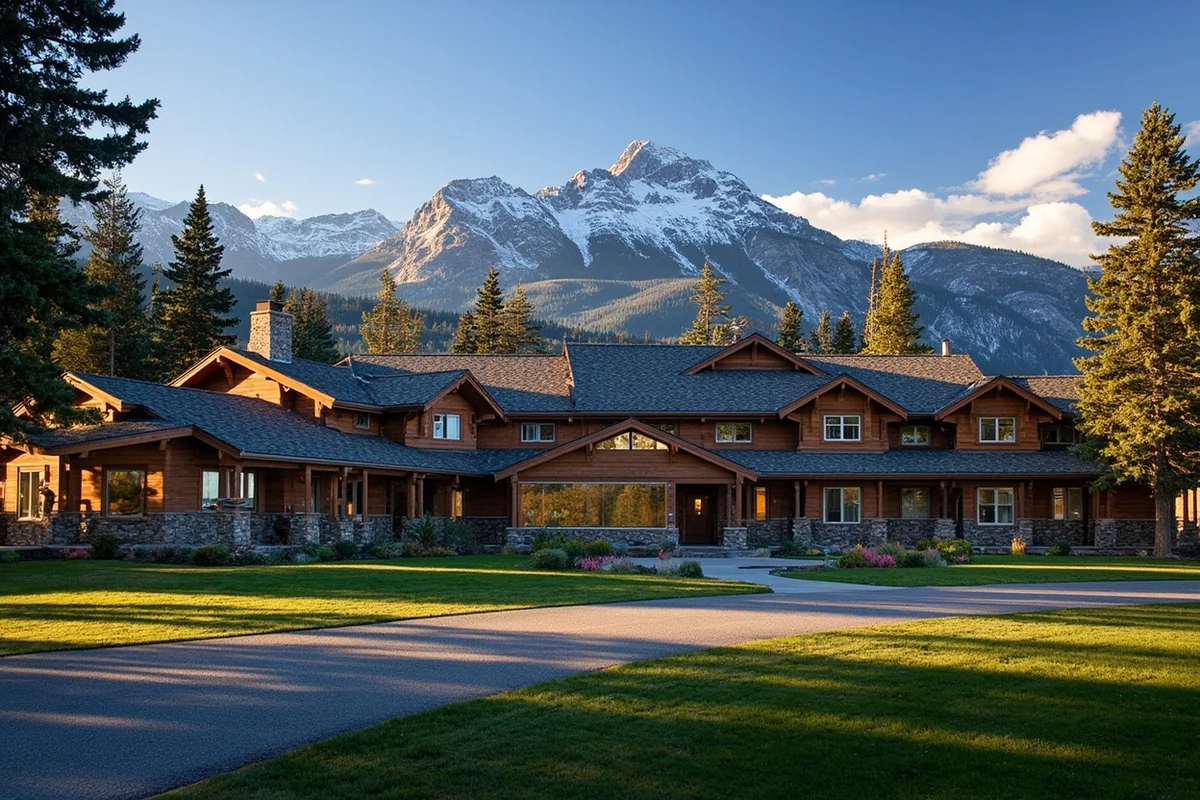
The historic Lake McDonald Lodge sits further along the shore. I always stop for coffee on their lakefront porch—the view inspires serious real estate daydreaming.
Full Going-to-the-Sun Road Adventure
If Going-to-the-Sun Road is fully open (typically early July through mid-October), McDonald Falls makes an excellent first stop on the complete crossing.
The entire 50-mile road typically takes 2-3 hours without stops, though most visitors spend a full day exploring viewpoints, trails, and visitor centers along the way.
Logan Pass at the road’s high point (6,646 feet) offers access to the Hidden Lake Trail, one of Glacier’s most popular hikes. Start early to secure parking here.
Wildlife Around McDonald Falls
The McDonald Creek corridor supports impressive wildlife populations. During my visits, I’ve observed species that make this location special beyond the waterfall itself.
Birds of the Cascade
American Dippers nest along McDonald Creek, and I’ve watched these remarkable birds walk directly into the churning water to hunt aquatic insects. Their bobbing motion on mid-stream rocks is distinctive and entertaining.
Last summer, an active osprey nest sat within view of the falls. Watching these fish hunters dive into the creek added an unexpected dimension to my waterfall visit.
Harlequin Ducks frequent the creek during breeding season (spring through early summer). Their stunning plumage and comfort in whitewater makes them favorites among birders.
Larger Wildlife Considerations
This is grizzly bear country. The creek corridor provides travel routes for bears moving between habitat areas.
I always carry bear spray when exploring beyond the immediate roadside viewpoint. During one visit, I encountered fresh bear scat on the social trail leading down to creek level—a reminder that we’re visitors in their home.
Deer frequently appear near the pullout, particularly during dawn and dusk hours. Watch for them along the roadside when driving.
Practical Tips for Your Visit
Based on my multiple visits, here’s the practical information that will make your McDonald Falls experience smoother.
What to Bring
- Camera with polarizing filter
- Sturdy footwear if planning to explore beyond the main viewpoint
- Rain jacket (weather changes quickly in Glacier)
- Bear spray (essential for any Glacier visit)
- Binoculars for wildlife observation
- Snacks and water (the nearest services are back at Apgar Village)
- Park entrance pass or America the Beautiful pass
- Vehicle reservation confirmation (peak season)
Facilities and Services
There are no restrooms at the McDonald Falls pullout. The nearest facilities are at Apgar Village, approximately 2 miles back toward the West Entrance.
Cell service is extremely limited throughout this section of Glacier. Download any maps or information before entering the park.
No food service exists at the falls. Apgar Village offers the nearest restaurant options, while Lake McDonald Lodge provides slightly more upscale dining.
Accessibility Notes
The main viewpoint is accessible for visitors with mobility limitations. The paved pullout area provides a clear view of the falls without requiring any hiking or rough terrain.
Getting closer to the falls requires navigating rocky, uneven terrain with no established trail. This portion is not accessible for wheelchairs or visitors with significant mobility challenges.
McDonald Falls Through the Seasons
I’ve visited McDonald Falls across different months, and each season offers distinct character.
Spring (May-June)
Spring visits deliver maximum water volume but come with complications. Going-to-the-Sun Road often remains closed beyond Lake McDonald Lodge until early June, though McDonald Falls is accessible once the West Entrance opens.
The roaring cascade during snowmelt season creates impressive spray clouds. Bring a waterproof camera bag or accept that your gear will get damp.
Wildflowers begin emerging along the creek corridor in late May, adding splashes of color to compositions.
Summer (July-August)
Peak tourism season means crowded pullouts. I’ve seen the small parking area completely full by mid-morning during August weekends.
Water volume decreases but remains substantial. The falls are still impressive, just not as overwhelming as spring conditions.
This is the easiest season for access, with Going-to-the-Sun Road fully open and all visitor services operating.
Fall (September-October)
My favorite season for McDonald Falls visits. Crowds disappear dramatically after Labor Day, and the reduced water volume reveals more of the spectacular rock formations.
Western larch trees begin turning gold in late September, adding warm tones to the surrounding forest. These deciduous conifers create a unique fall color show in northern Montana.
Going-to-the-Sun Road typically closes to vehicles in mid-October, limiting late fall access.
Winter (November-April)
While Going-to-the-Sun Road closes to vehicles, the lower sections near Lake McDonald remain accessible to cross-country skiers and snowshoers.
I haven’t personally visited McDonald Falls in winter, though friends who have describe a magical ice-draped scene. This requires significant planning and appropriate winter travel skills.
Comparing McDonald Falls to Other Montana Waterfalls
How does McDonald Falls stack up against other cascades across the state? Here’s my honest assessment after visiting dozens of Montana waterfalls.
Similar Easy-Access Falls
Kootenai Falls near Libby offers comparable roadside access to a powerful cascade, though the falls themselves are broader and lower. Both provide excellent options for visitors who can’t manage significant hikes.
Skalkaho Falls near Hamilton requires a scenic drive up a winding mountain road but delivers similar easy viewing access once you arrive.
More Challenging Glacier Park Waterfalls
If McDonald Falls whets your appetite for more Glacier cascades, consider adding some hiking-required options to your itinerary.
Running Eagle Falls in the Two Medicine area requires only a half-mile walk and offers a unique “trick” falls that changes between seasons.
Redrock Falls sits along the popular Swiftcurrent Pass Trail, requiring a 4-mile round-trip hike through stunning alpine terrain.
Ptarmigan Falls demands a longer 10-mile round-trip commitment but rewards hikers with backcountry solitude.
What Makes McDonald Falls Unique
The combination of roadside accessibility, powerful cascade, and extraordinary rock coloring gives McDonald Falls a special place in Montana’s waterfall pantheon.
I recommend it especially for visitors with limited time or physical limitations who want to experience a genuine Glacier National Park waterfall without demanding trail requirements.
For visitors seeking similar accessible power outside Glacier, consider Memorial Falls near Great Falls or Ousel Falls near Big Sky.
Responsible Visiting at McDonald Falls
Glacier National Park receives over three million visitors annually. Here’s how I try to minimize my impact at McDonald Falls.
Leave No Trace Principles
Stay on established viewing areas when possible. The social trails leading down to creek level show significant erosion—I try to step on durable rock surfaces rather than vegetation.
Pack out all trash, including small items like lens cap covers and tissue paper. I keep a small garbage bag in my camera pack for exactly this purpose.
Never remove rocks, plants, or other natural features. Those colorful argillite rocks belong in the creek, not your garden.
Respecting Wildlife
Maintain safe distances from all wildlife. Park regulations require staying at least 100 yards from bears and wolves, 25 yards from other wildlife.
If animals change their behavior because of your presence, you’re too close. This includes stopping feeding, raising their heads repeatedly, or moving away.
Never feed wildlife—this habituates animals to humans and often results in animal deaths when they become too comfortable around people.
Consideration for Other Visitors
The McDonald Falls pullout is small. Don’t monopolize the prime viewing spots if others are waiting.
Keep noise levels reasonable. Part of the waterfall experience is hearing the cascade, not competing with loud conversations or music.
Share the pullout graciously—offer to take photos for other visitors, provide tips if they ask, and generally embody the cooperative spirit that makes outdoor recreation enjoyable for everyone.
Planning Your McDonald Falls Visit
Let me pull together everything into a practical planning summary.
Minimum Time Required
You can see McDonald Falls in 15 minutes if you’re simply pulling over for a quick photo. For a more satisfying experience including photography and scrambling to alternative viewpoints, budget 45 minutes to an hour.
Best Combined Itinerary
My ideal McDonald Falls morning:
Arrive at the West Entrance by 6 AM (before reservation requirement kicks in during peak season).
Spend 45 minutes at McDonald Falls in prime morning light.
Continue to Sacred Dancing Cascade for another 30 minutes.
Proceed to Lake McDonald Lodge for coffee and a lakefront break.
Continue up Going-to-the-Sun Road toward Logan Pass, stopping at viewpoints along the way.
This itinerary gives you two waterfall experiences before most visitors even enter the park.
Nearby Accommodations
Lake McDonald Lodge and Village Inn at Apgar offer in-park lodging within minutes of McDonald Falls. Book these properties months in advance for summer visits.
West Glacier and Hungry Horse provide numerous private accommodations just outside the park boundary.
Kalispell and Whitefish offer the fullest range of hotels, restaurants, and services, with 30-45 minute drives to the park entrance.
Final Thoughts on McDonald Falls
After multiple visits across seasons and conditions, McDonald Falls has earned a permanent spot on my list of recommended Glacier National Park stops.
The combination of easy access, dramatic cascade, and those extraordinary colorful rocks creates an experience that works for virtually every visitor type—from serious landscape photographers to families with young children to travelers with limited mobility.
I keep returning not just for the falls themselves, but for the entire McDonald Creek experience: the ancient rocks telling billion-year stories, the wildlife going about their business, the ever-changing light transforming familiar scenes into something new.
When you visit, take time to really observe. Let the thunder of the cascade quiet your racing thoughts. Notice the play of light on wet stone. Watch for dippers and ospreys going about their remarkable lives.
McDonald Falls isn’t the tallest or most famous waterfall in Montana. But for accessibility, beauty, and that special Glacier National Park atmosphere, it’s one of my favorites.
I hope this guide helps you plan a memorable visit. And if you’re building a broader Montana waterfall itinerary, don’t miss the many other remarkable cascades across this spectacular state—from Palisade Falls near Bozeman to Holland Lake Falls in the Seeley-Swan Valley to Siksika Falls deeper in Glacier’s backcountry.
The waterfalls are waiting. Go find them.
Frequently Asked Questions
Where is McDonald Falls located in Montana and how do I get there?
McDonald Falls is located along Going-to-the-Sun Road in Glacier National Park, about 2 miles northeast of Lake McDonald Lodge. You can easily access the falls from a small pullout on the road, and the viewpoint is just a short walk from the parking area. I recommend arriving early during peak summer months since parking spots fill up quickly.
What is the best time of year to visit McDonald Falls in Glacier National Park?
The best time to visit McDonald Falls is late May through early July when snowmelt creates the most dramatic water flow. Going-to-the-Sun Road typically opens fully by late June or early July, depending on snow conditions. I’ve found that visiting in early morning or late afternoon offers better lighting for photos and fewer crowds.
Do I need a park entrance pass or reservation to see McDonald Falls?
Yes, you’ll need to pay the Glacier National Park entrance fee of $35 per vehicle, which is valid for 7 days. During peak season (late May through mid-September), you’ll also need a timed entry reservation for Going-to-the-Sun Road, which costs an additional $2 per reservation. I always book my reservations through Recreation.gov as soon as they become available.
How difficult is the hike to McDonald Falls and is it family-friendly?
McDonald Falls is one of the most accessible waterfalls in Glacier National Park with virtually no hiking required. The viewpoint is just steps from the roadside pullout, making it perfect for families with young children or visitors with limited mobility. For a closer look, you can scramble down to McDonald Creek, but use caution on the slippery rocks.
Can you swim at McDonald Falls or in McDonald Creek nearby?
While swimming isn’t recommended directly at McDonald Falls due to strong currents and cold glacial water temperatures averaging 40-50°F, many visitors wade in calmer sections of McDonald Creek nearby. Always check current conditions and be aware that the water is dangerously cold and can cause hypothermia quickly. I suggest water shoes if you plan to explore the creek bed.
What should I bring when visiting McDonald Falls Montana?
Bring layers since temperatures near the falls are cooler than surrounding areas, plus sturdy footwear if you want to explore near the water’s edge. I always pack my camera with a polarizing filter to cut glare on the water, bear spray (required in Glacier), and plenty of water and snacks. Don’t forget sunscreen and sunglasses even on cloudy days at this elevation.
What other waterfalls and attractions are near McDonald Falls worth visiting?
Sacred Dancing Cascade is located just upstream from McDonald Falls and can be viewed from the same general area along Going-to-the-Sun Road. Continuing east on the road, you’ll find Bird Woman Falls and Weeping Wall, two iconic Glacier Park waterfalls within a 15-mile drive. I typically combine McDonald Falls with a stop at Lake McDonald Lodge, which is only 2 miles away and offers dining and historic charm.