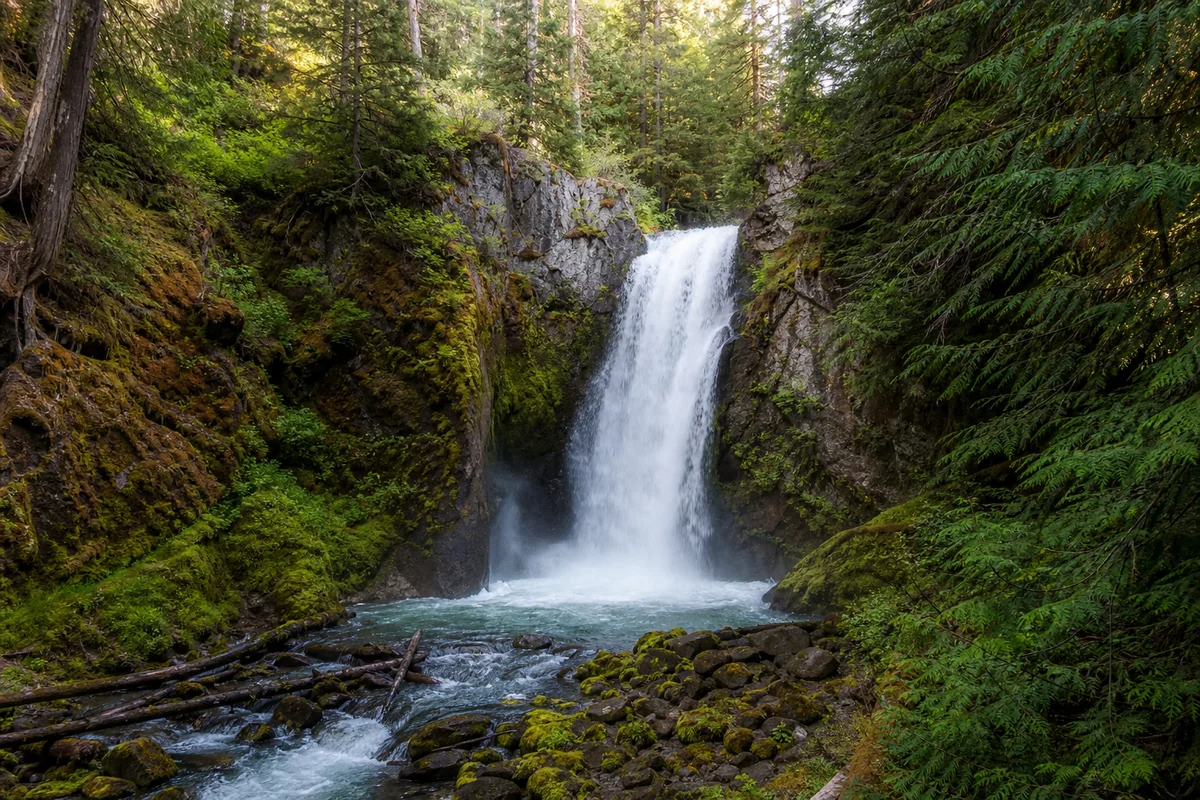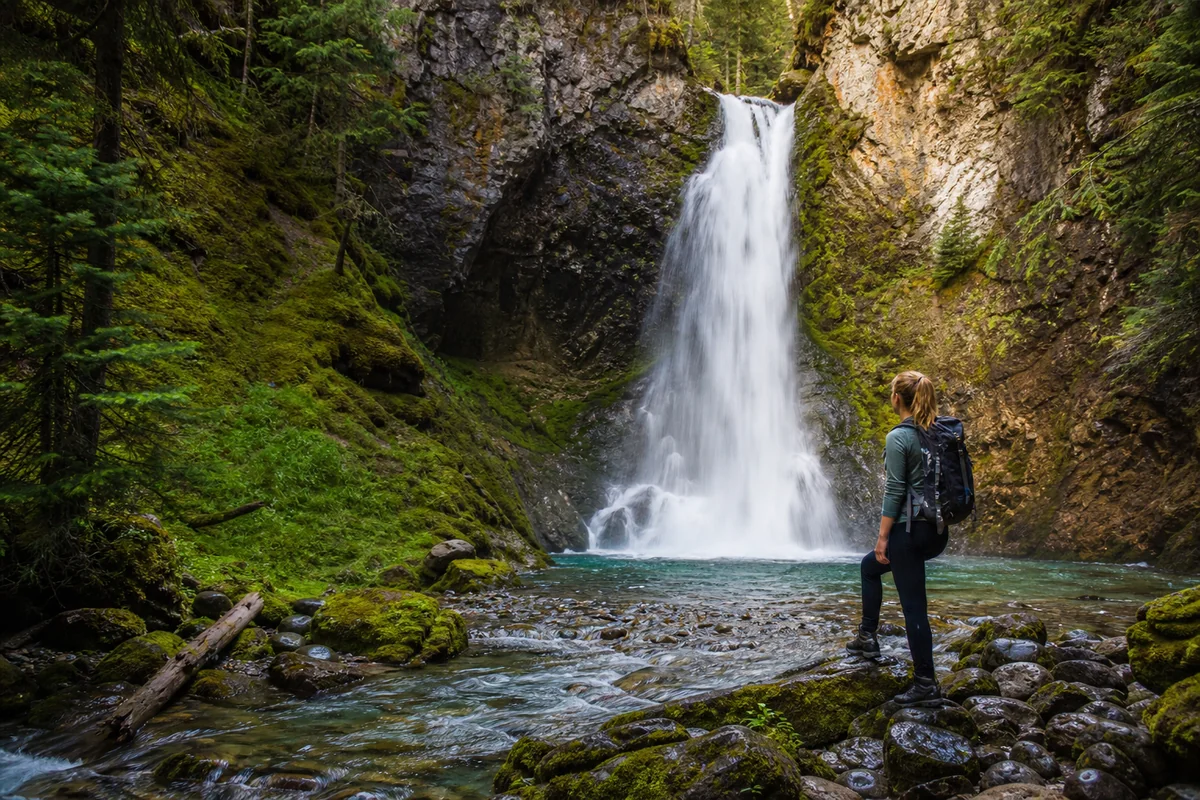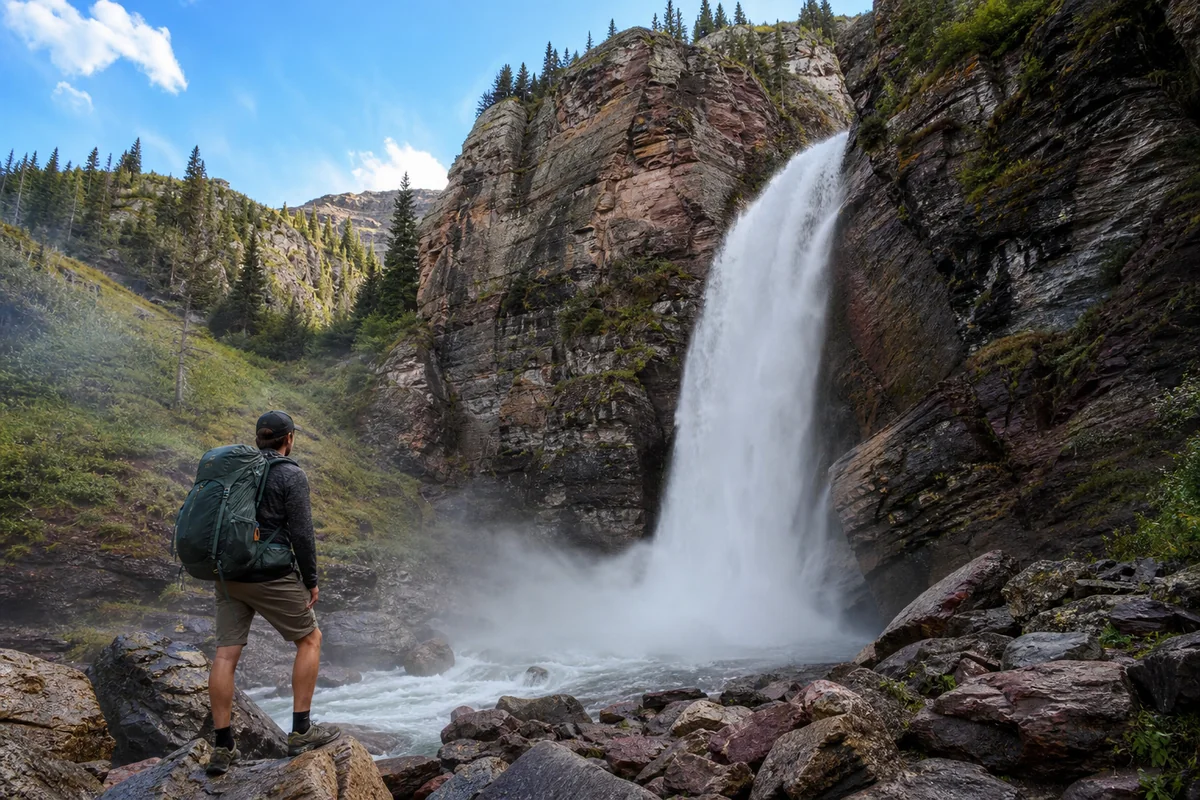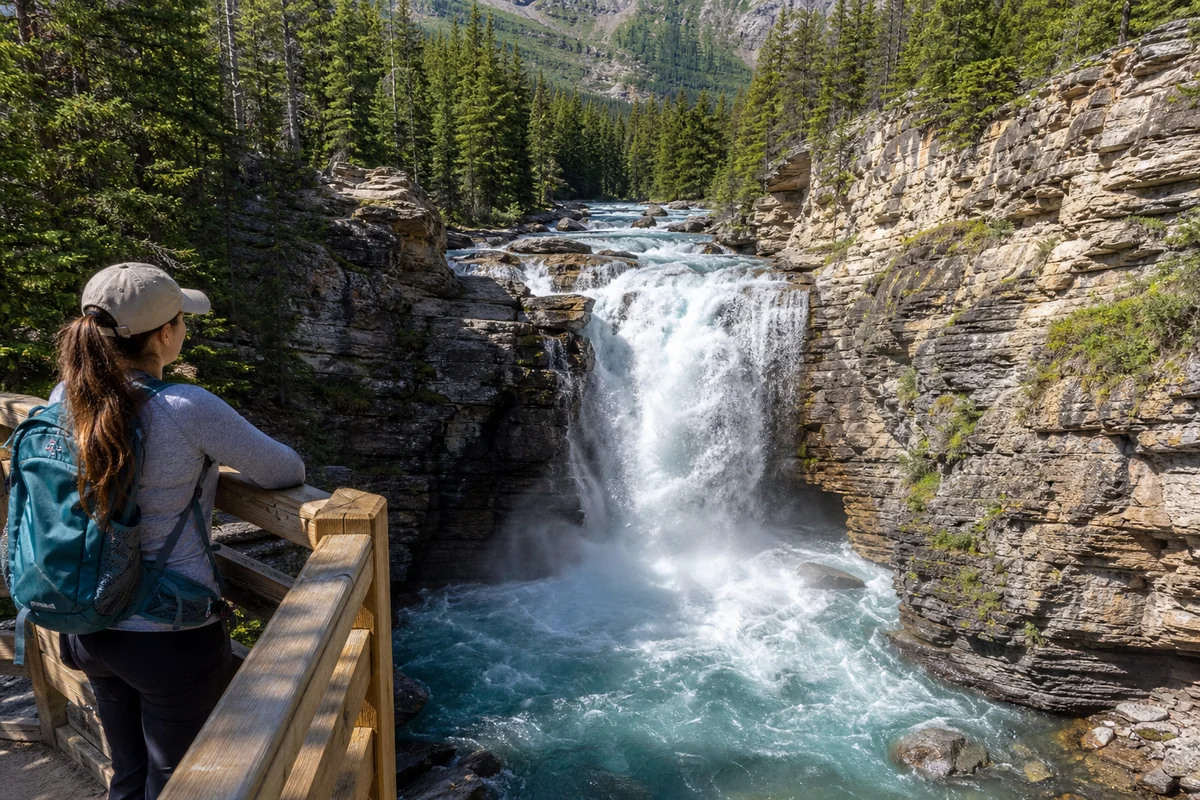
Standing at the wooden viewing platform last July, watching the turquoise waters of Saint Mary Falls thunder into the pool below, I understood why this is considered one of the most rewarding short hikes in Glacier National Park.
The mist hit my face, and I couldn’t stop smiling—this is exactly the kind of experience that makes Montana waterfalls so unforgettable.
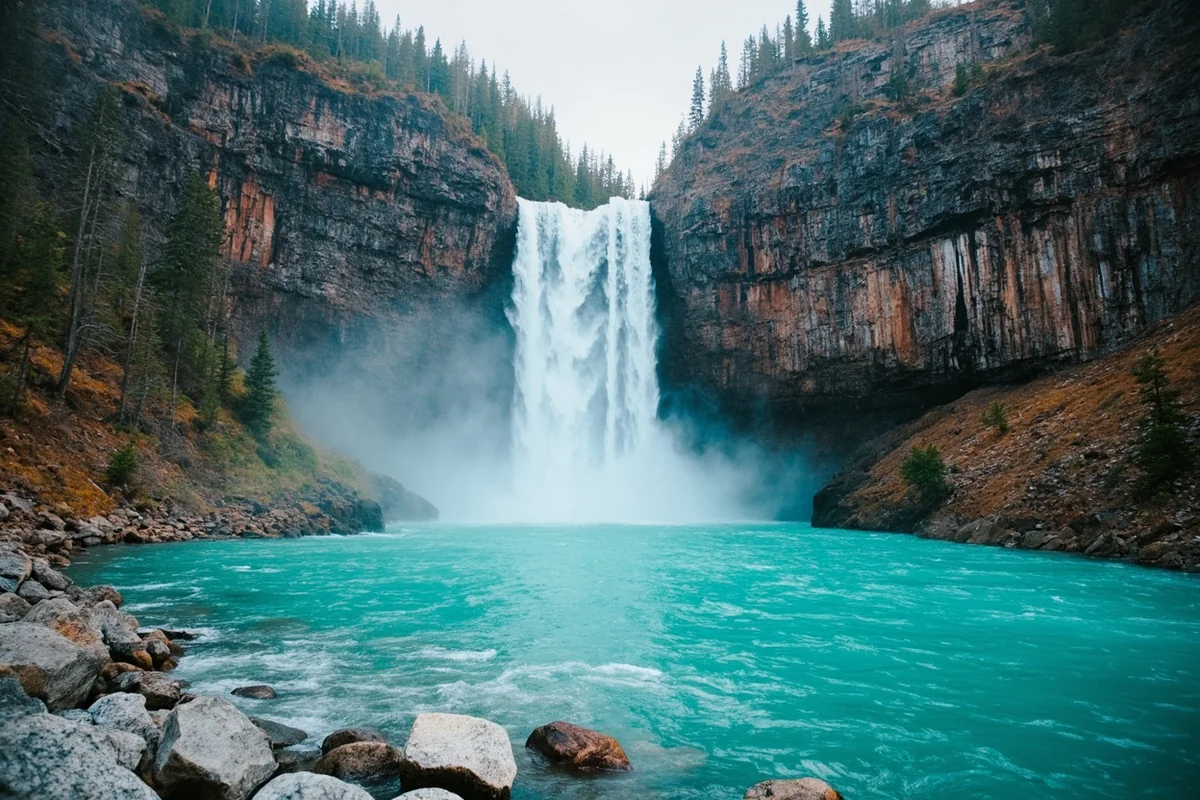
- Saint Mary Falls is a 35-foot waterfall accessible via a 1.6-mile out-and-back trail (or 2.4 miles if you continue to Virginia Falls)
- Trail difficulty: Easy to moderate with 260 feet elevation loss on the way in (meaning uphill on return)
- Best time to visit: June through September, with peak water flow in June-July
- Parking fills by 8:30 AM in summer—arrive early or take the free shuttle
- The vibrant turquoise water color comes from glacial rock flour suspended in the water
- Dogs and bikes are not permitted on this trail
Liked this article?
Add Roaming Montana as a preferred source so you see more of our articles and guides on Google.
Why Saint Mary Falls Deserves a Spot on Your Glacier Itinerary
I’ve hiked to dozens of waterfalls across Montana, and Saint Mary Falls consistently ranks among my top recommendations for first-time Glacier visitors. Unlike some of the park’s more demanding trails, this one delivers a spectacular payoff without requiring all-day preparation or advanced hiking skills.
During my visit last summer, I watched families with young children, couples celebrating anniversaries, and solo hikers of all fitness levels successfully complete this trail. The accessibility makes it democratic in the best sense—almost anyone can experience this natural wonder.
What sets Saint Mary Falls apart from other Glacier waterfalls isn’t just the falls themselves, though they’re certainly impressive. It’s the entire sensory experience: the thundering sound that builds as you approach, the cool mist that provides relief on hot summer days, and that jaw-dropping turquoise color that looks almost artificial but is entirely natural.
If you’re exploring other east-side waterfalls, consider pairing this hike with a trip to Running Eagle Falls near Two Medicine, which offers a unique “trick falls” phenomenon where water flows both over and through the rock face.
Trail Overview and Essential Statistics
| Trail Detail | Information |
|---|---|
| Distance (to Saint Mary Falls) | 1.6 miles out and back |
| Distance (to Virginia Falls) | 2.4 miles out and back |
| Elevation Change | 260 feet loss/gain |
| Difficulty | Easy to Moderate |
| Average Hiking Time | 1-1.5 hours (Saint Mary Falls only) |
| Trailhead | Saint Mary Falls Trailhead (Going-to-the-Sun Road) |
| Park Entrance Required | Yes ($35 per vehicle, 7 days) |
| Vehicle Reservation | Required May-September for Sun Road access |
Getting to the Trailhead
The Saint Mary Falls trailhead sits along the iconic Going-to-the-Sun Road, approximately 10 miles west of the Saint Mary entrance station. When I drove this route during my recent trip, my GPS showed the turnout on the south side of the road, but I want to emphasize how easy it is to miss if you’re not watching for it.
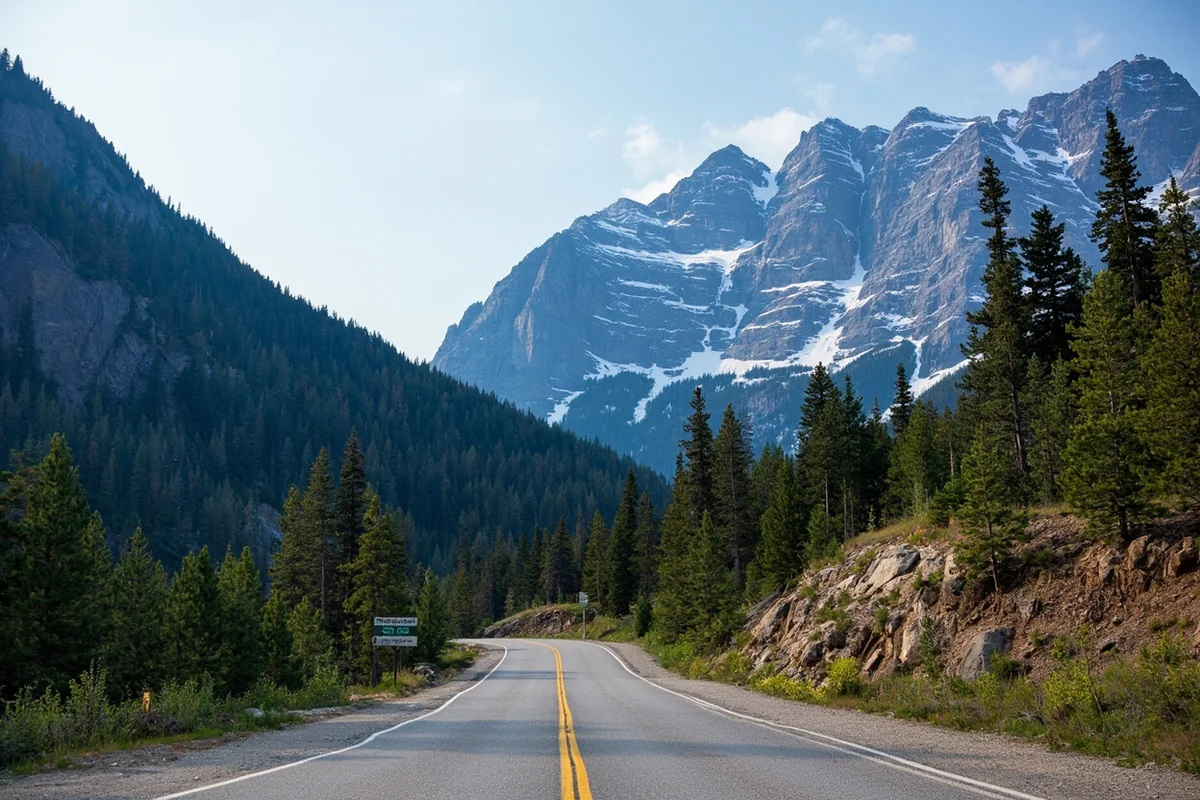
The parking area is relatively small—maybe 15-20 vehicles can fit—and fills up shockingly fast during peak season. On my July visit, I arrived at 8:15 AM and snagged one of the last spots. By the time I returned from the falls around 10 AM, cars were circling like vultures waiting for someone to leave.
Vehicle Reservation System
Here’s something that catches many visitors off guard: from late May through September, you need a vehicle reservation to drive the Going-to-the-Sun Road corridor during peak hours (typically 6 AM to 4 PM). These reservations cost $2 and can be booked at Recreation.gov starting 120 days in advance.
I recommend booking your reservation the moment they become available. When I was planning my trip, the first-choice dates sold out within hours of release. If you can’t secure a reservation, you can enter before 6 AM without one—that’s actually what I did on one of my visits, and it worked perfectly.
Taking the Free Shuttle
The park’s free shuttle system offers an excellent alternative to driving. The shuttle stops directly at the Saint Mary Falls trailhead, eliminating parking headaches entirely. During my most recent visit, I used the shuttle from the Saint Mary Visitor Center and found it convenient, though the wait times during midday can stretch to 30-45 minutes.
Shuttles run from approximately 7 AM to 7 PM during peak season, with the most frequent service between 9 AM and 4 PM. One tip I learned: sit on the right side of the shuttle (heading west) for the best views of Saint Mary Lake during the approach.
What to Expect on the Trail
The hike to Saint Mary Falls follows a well-maintained path that I’d describe as “deceptively easy” at the start. Here’s what caught me off guard on my first visit: the trail descends significantly for most of the way to the falls. That means you’re hiking downhill while fresh, then facing the uphill return when you’re tired and probably hot.
The First Section: Forest Walk
From the trailhead, the path immediately enters a mixed conifer forest with Douglas fir, subalpine fir, and Engelmann spruce providing welcome shade. During my hike, I appreciated how this section stays cool even on warm summer days.
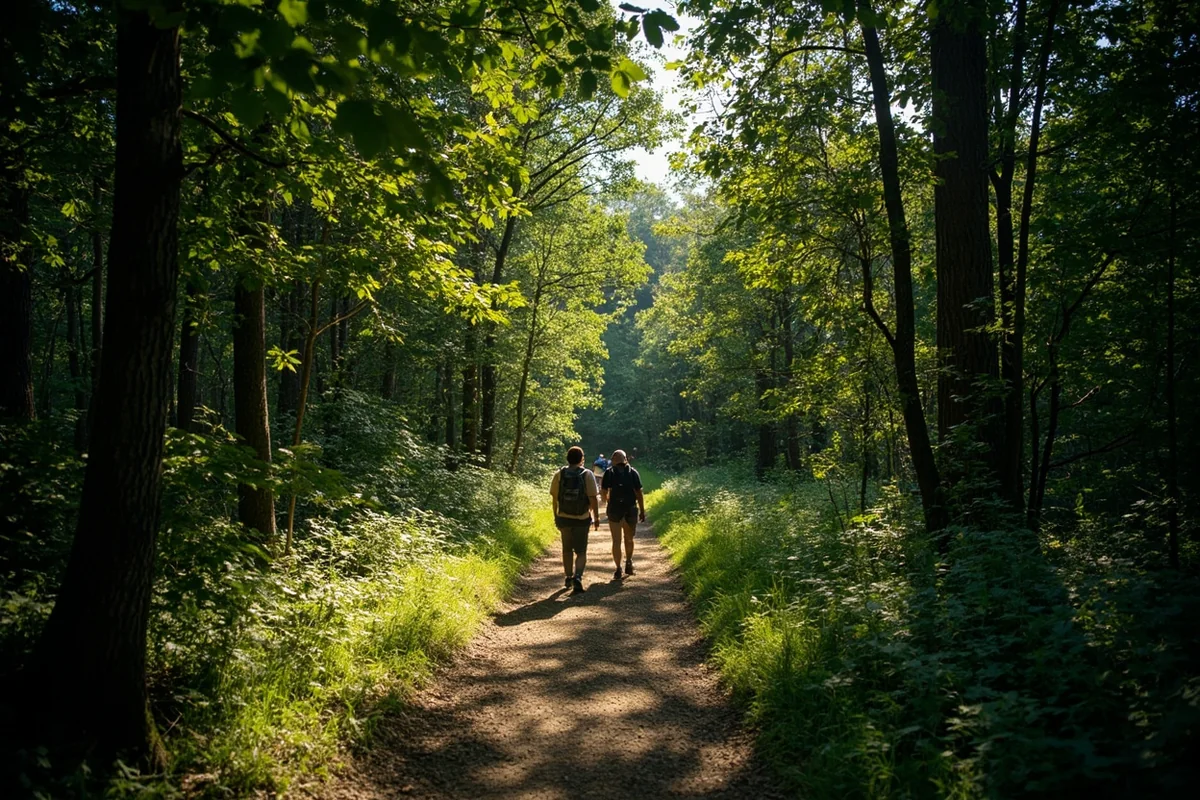
The footing is generally excellent—packed dirt with occasional roots and rocks. I saw several people hiking in sandals, though I wouldn’t recommend it. Proper hiking shoes or sturdy trail runners make the uneven sections much more comfortable.
About a quarter mile in, you’ll cross a small footbridge over Baring Creek. This is a nice photo opportunity, though nothing compared to what’s ahead. The sound of rushing water becomes your constant companion from this point forward.
The Approach to Saint Mary Falls
As you continue descending, the trail winds through areas affected by past forest fires. I found this section fascinating rather than depressing—the burned snags create a unique landscape, and the regenerating undergrowth brings wildflowers in summer.
The final approach to Saint Mary Falls involves a series of wooden steps and platforms built into the cliffside. These structures were obviously designed with safety in mind, featuring railings throughout. However, they do get slippery when wet from mist, so watch your step.
The first glimpse of the falls through the trees still gives me chills when I think about it. That impossibly blue-green water appears almost suddenly, and the roar of the falls builds to an impressive crescendo.
Experiencing Saint Mary Falls Up Close
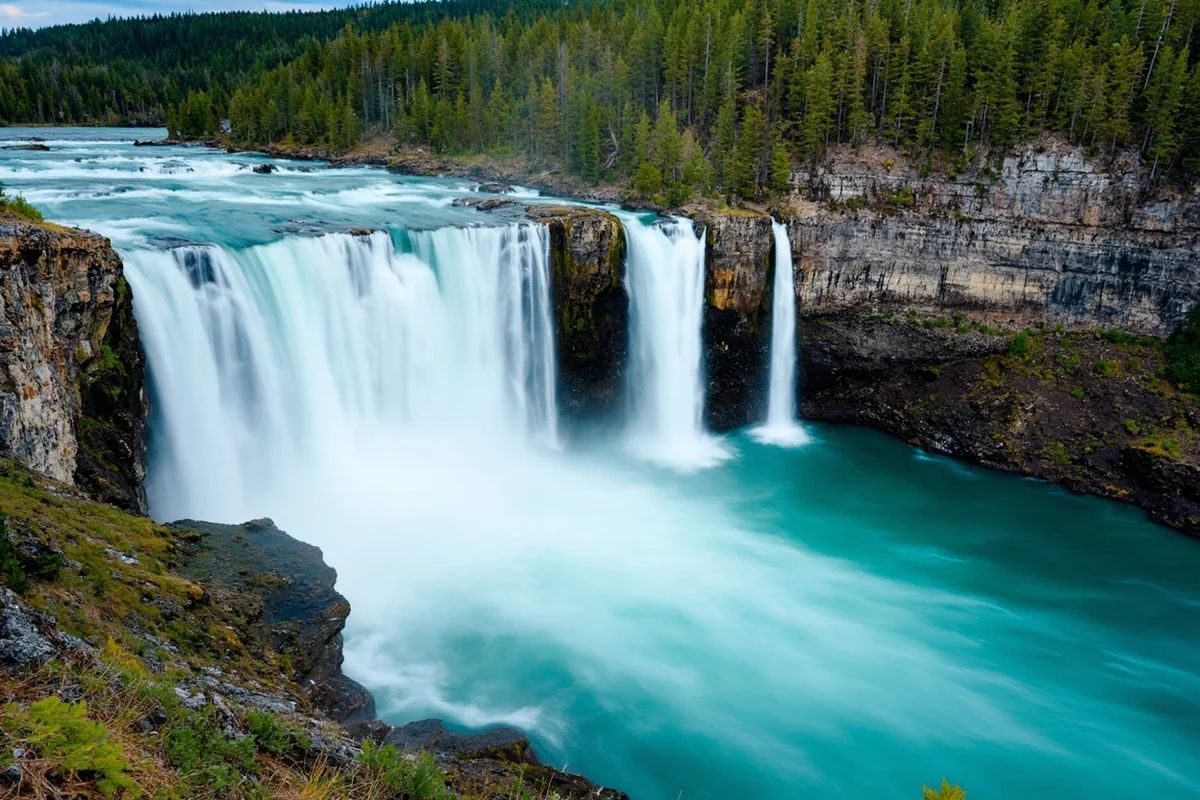
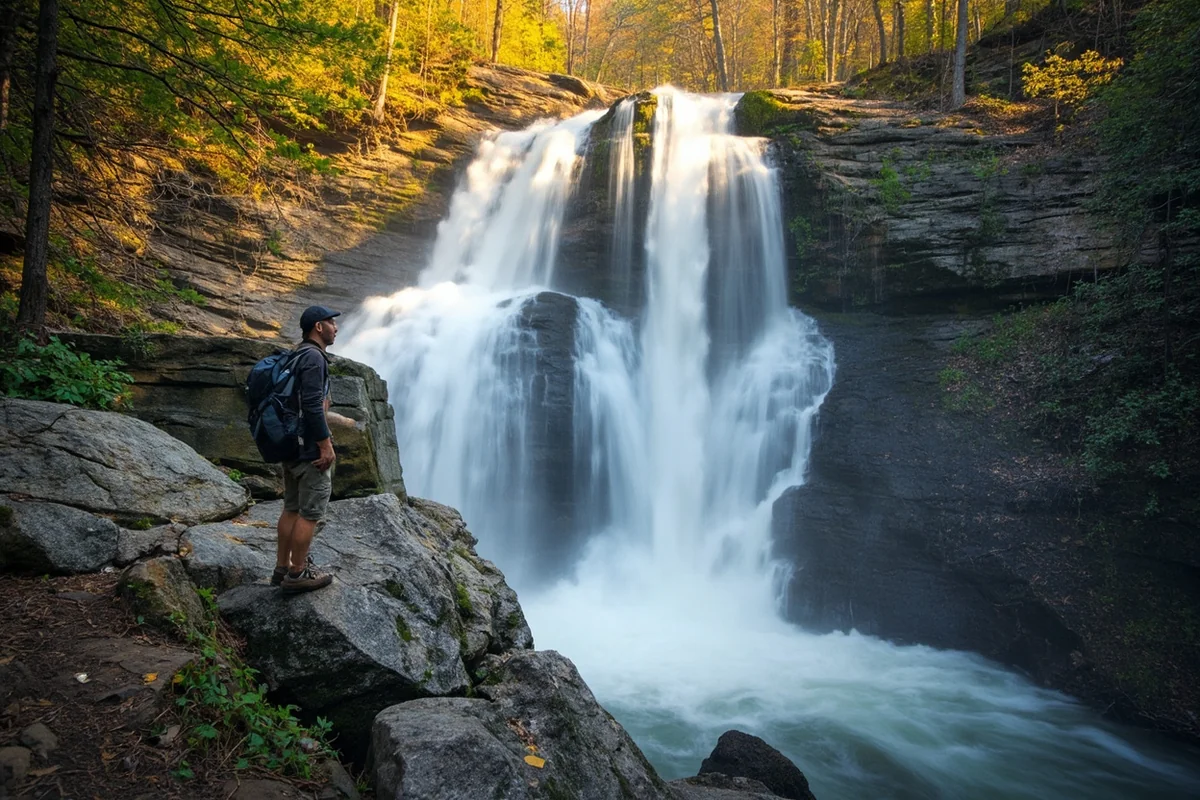
Saint Mary Falls drops approximately 35 feet in a single dramatic plunge, splitting around a central rock formation before reuniting in the pool below. The water flows from the Saint Mary River, which drains the glaciers and snowfields of the Continental Divide above.
Why the Water Looks So Blue
I’ve had countless people ask me about this, so let me explain: the stunning turquoise color comes from “glacial flour”—ultra-fine sediment ground from rocks by the park’s glaciers. These microscopic particles remain suspended in the water and scatter sunlight in ways that emphasize blue and green wavelengths.
The color intensity varies throughout the season. During my early June visit, after heavy snowmelt, the water appeared more milky-blue. By late July, the color had intensified to that Instagram-worthy turquoise that makes people wonder if photos are edited. (They’re usually not—this place really looks that good.)
The Viewing Platform
A sturdy wooden platform provides the main viewing area at the base of the falls. It’s large enough for maybe 10-15 people to stand comfortably, though during peak hours I’ve seen it get more crowded.
I recommend spending at least 15-20 minutes here. When I rushed through on my first visit, I regretted not taking more time to simply absorb the experience. On my return trip, I sat on a rock near the platform for nearly half an hour, watching the light change on the water and letting the mist cool my face.
Should You Continue to Virginia Falls?
Absolutely yes—if you have the time and energy. Virginia Falls lies just 0.4 miles beyond Saint Mary Falls, adding roughly 30-45 minutes to your total trip. I consider it one of the best bonus destinations in all of Glacier National Park.
The Trail to Virginia Falls
From Saint Mary Falls, the path continues upstream, crossing the river on a well-built footbridge that offers excellent photographic angles back toward Saint Mary Falls. The trail here is rockier and involves a bit more elevation gain, but nothing technically difficult.
Virginia Falls is taller than Saint Mary Falls, dropping around 50 feet in a more spread-out cascade. The setting feels more intimate and wilderness-like, partly because fewer people make the extra trek.
During my last visit, I counted only four other groups at Virginia Falls, compared to the constant flow of visitors at Saint Mary Falls. If you’re seeking a more peaceful waterfall experience, the extra effort pays dividends.
Best Time to Visit Saint Mary Falls
Timing your visit correctly can dramatically affect your experience. I’ve hiked this trail in June, July, and early September, and each month offered something different.
June: Peak Water Flow
If you want to see Saint Mary Falls at its most powerful, visit in June. Snowmelt from the high peaks feeds the Saint Mary River, creating a thundering, roaring cascade that you can hear from hundreds of yards away.
The downside? Snow may still linger on upper sections of Going-to-the-Sun Road, potentially delaying the full road opening. Also, trail conditions can be muddier, and the mist zone around the falls is more intense—great for cooling off, less great for keeping camera equipment dry.
July and August: Prime Season
These months offer the best combination of reliable access, comfortable temperatures, and strong water flow. I find late July particularly ideal, as the summer crowds haven’t reached their absolute peak but the weather and trail conditions are excellent.
Temperatures along the trail typically range from the low 50s in the morning to the low 70s by afternoon. The mist zone provides welcome relief during midday heat.
September: Fewer Crowds, Different Beauty
My early September hike revealed a completely different character. Water flow had diminished noticeably, but the surrounding foliage was beginning its autumn transformation. Larch trees on distant slopes showed hints of gold, and the crowds had thinned considerably.
Water color also changes in fall—often appearing deeper blue with less of the milky quality from peak glacial runoff. It’s a trade-off, but one worth considering if you prefer solitude.
Photography Tips from My Visits
I’ve photographed Saint Mary Falls dozens of times, and I want to share what I’ve learned through trial and error.
Best Light Conditions
Morning light (before 10 AM) produces the most pleasing results. The falls face generally east, so early sun illuminates the cascade beautifully while keeping harsh shadows at bay. By midday, the light becomes flat and less interesting.
Overcast days might seem disappointing, but they’re actually excellent for waterfall photography. Soft, diffused light eliminates bright highlights and dark shadows, allowing you to capture detail throughout the scene. Some of my favorite shots came from a drizzly morning when other hikers were grumbling about the weather.
Camera Settings and Equipment
Bring a polarizing filter if you have one. It cuts glare on the water surface and intensifies the blue-green colors. The difference is remarkable—I won’t photograph Glacier waterfalls without one anymore.
For that silky-smooth water effect, you’ll need a tripod and slow shutter speeds (1/4 second or longer). However, the viewing platform can vibrate when crowded, so early morning visits help here too.
Don’t forget lens cleaning cloths. The mist will coat your lens constantly, especially in June and early July when water flow is highest. I typically clean my lens between every few shots.
Composition Ideas
The standard viewpoint from the platform works well, but consider these alternatives:
- Shoot from the footbridge toward Virginia Falls, capturing Saint Mary Falls in the background with the river leading toward it
- Include foreground rocks from the pool edge to add depth (carefully—slippery when wet)
- Frame the falls through surrounding vegetation for context
- Photograph fellow hikers for scale, showing the falls’ true size
Wildlife and Safety Considerations
This is grizzly bear country. I can’t emphasize this enough, and I’ve seen evidence of bear activity on multiple visits—scat on the trail, overturned rocks, and once, claw marks on a tree near the trailhead.
Bear Safety
Carry bear spray and know how to use it. During my hikes, I keep spray accessible on my belt, not buried in my pack. Make noise on the trail, especially around blind corners and when approaching stream crossings where bears might be fishing.
I’ve never personally encountered a bear on the Saint Mary Falls trail, but that’s partly because I follow best practices religiously. The trail sees enough traffic that bears usually avoid the area during peak hours, but early morning and evening hikers face higher encounter risks.
Other Wildlife
On various visits, I’ve spotted mountain goats on distant cliffs, mule deer near the trailhead, and countless Columbian ground squirrels begging near picnic areas. Golden-mantled ground squirrels also frequent the falls area—they’re adorable but please don’t feed them.
During my July hike, I watched a water ouzel (American dipper) diving repeatedly into the pool below Saint Mary Falls. These fascinating birds actually walk underwater, hunting for aquatic insects. If you’re patient and quiet, you might spot one.
Trail Hazards
Beyond wildlife, be aware of:
- Slippery rocks and platforms near the falls, especially when wet from mist
- Sudden afternoon thunderstorms—watch the sky and have a rain layer ready
- Steep drop-offs along sections of the trail (stay on designated paths)
- Fatigue on the uphill return, especially at elevation (around 5,500 feet)
What to Bring
Based on my experiences, here’s my recommended packing list:
- Water: At least 32 ounces per person, more on hot days
- Snacks: Energy bars, fruit, or trail mix for the return climb
- Bear spray: Non-negotiable in Glacier
- Rain layer: Weather changes rapidly
- Sun protection: Sunscreen, hat, sunglasses
- Camera equipment: Don’t forget extra batteries and memory cards
- Microfiber cloth: For cleaning mist off lenses
- Proper footwear: Hiking shoes or sturdy trail runners
- Small towel: If you want to sit on rocks near the falls
Combining Saint Mary Falls with Other Activities
The east side of Glacier offers numerous attractions that pair well with a Saint Mary Falls hike. Here’s how I typically structure a full day.
Morning: Waterfall Hike
Arrive at the Saint Mary Falls trailhead by 7:30-8:00 AM to secure parking and beat the crowds. Complete the hike to both Saint Mary Falls and Virginia Falls by mid-morning.
Midday: Scenic Drive
Continue driving Going-to-the-Sun Road toward Logan Pass, stopping at pullouts for photos. Sun Point and Wild Goose Island Overlook are must-stops along the way. If you’re interested in other roadside cascades, McDonald Falls on the west side offers an easy addition.
Afternoon: Logan Pass Area
The Hidden Lake Overlook trail from Logan Pass provides stunning alpine scenery and excellent wildlife viewing opportunities. Mountain goats are practically guaranteed during summer months.
Alternative Waterfall Options
If you’re building a waterfall-focused itinerary, the Glacier region offers incredible variety. Ptarmigan Falls near Many Glacier requires more effort but rewards solitude-seekers, while Redrock Falls provides another family-friendly option. For something more remote, Mokowanis Cascade demands a significant commitment but delivers wilderness immersion.
Nearby Dining and Lodging
The town of Saint Mary sits at the east entrance to Glacier and offers basic services for visitors.
Where to Eat
Park Cafe has become my go-to breakfast spot before early morning hikes. Their pie is legendary—I’ve seen people drive an hour specifically to buy whole pies to take home. Two Sisters Cafe offers good homestyle cooking, though wait times can be long during peak season.
For post-hike meals, Johnson’s of St. Mary serves reliable American fare and has a small store where you can restock snacks and supplies.
Accommodation Options
The Saint Mary Lodge and Resort provides the most convenient lodging, literally steps from the park entrance. I’ve stayed here twice and appreciated the location despite the premium pricing.
For budget-conscious travelers, East Glacier Park (about 30 miles south) offers more affordable options including the historic Glacier Park Lodge. Camping is available at Saint Mary Campground within the park—sites require reservations and fill months in advance.
If you’re exploring beyond Glacier, Montana’s other waterfall destinations offer different experiences. Kootenai Falls in the northwest corner of the state features a swinging bridge, while Ousel Falls near Big Sky provides a different mountain atmosphere entirely.
Accessibility and Family Considerations
While the Saint Mary Falls trail isn’t ADA accessible, it’s one of Glacier’s more family-friendly options. I’ve seen children as young as four complete the hike with minimal fussing, though parents should be prepared to carry tired little ones on the uphill return.
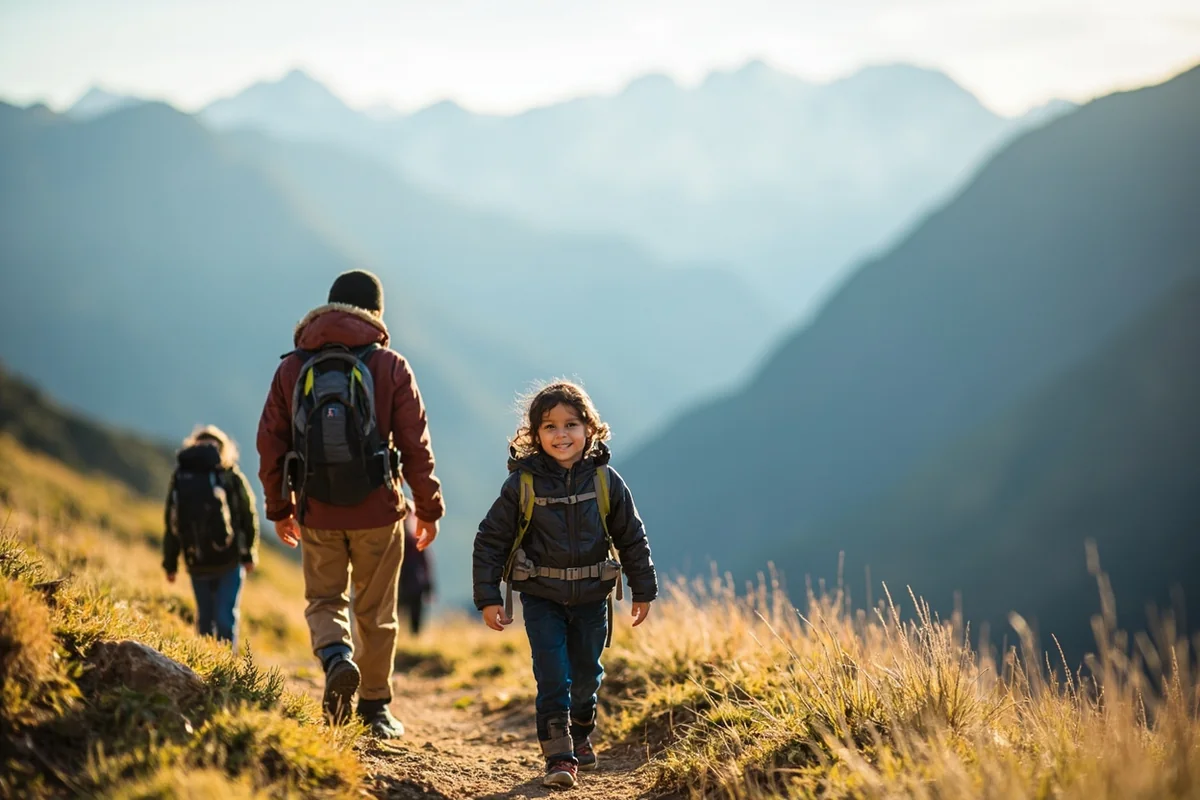
The elevation change (260 feet) spread over nearly a mile means the grade never becomes punishing. Older adults in reasonable physical condition should find the trail manageable, though taking the uphill return slowly and resting as needed is wise advice for anyone.
For visitors with mobility limitations, the first quarter mile of the trail offers forest walking and the footbridge over Baring Creek. While you won’t reach the falls, it’s still a pleasant experience.
Seasonal Closures and Access Notes
Going-to-the-Sun Road typically opens fully by late June or early July, depending on snowpack. The Saint Mary Falls trailhead becomes accessible once the road opens to that point.
During my early June visit one year, the road was only open to Sun Point, a couple miles before the trailhead. I had to wait three more weeks before returning to complete the hike. Check the park’s road status page before planning your trip.
Fall closure usually occurs in mid-October, though exact dates vary by year. After closure, the trailhead becomes inaccessible by vehicle until the following late spring.
Comparison with Other Glacier Waterfalls
Having explored numerous cascades throughout the park, I can offer some context for how Saint Mary Falls stacks up.
For similar effort with a different character, Oberlin Falls near Logan Pass offers a more intimate alpine setting. The trail to Piegan Falls provides more dramatic mountain scenery, though it requires significantly more effort.
On the Two Medicine side of the park, Running Eagle Falls delivers a unique experience where water flows both over and through the rock face. It’s wheelchair-accessible and worth including if you’re comparing options for visitors with mobility considerations.
For those seeking less-visited cascades, Rockwell Falls requires a backcountry approach but offers a more solitary experience. And Sacred Dancing Cascade along McDonald Creek provides roadside access with minimal hiking.
My Final Thoughts and Recommendations
After multiple visits across different seasons and conditions, Saint Mary Falls has earned a permanent spot in my list of Montana’s essential experiences. The trail delivers exactly what visitors want: a manageable hike with a spectacular payoff.
My strongest recommendation? Don’t just check this off your list and rush away. Bring a snack, find a comfortable rock, and spend real time absorbing the beauty. Watch how the light plays on the water. Listen to the thunder of the cascade. Feel the mist on your skin.
These moments of genuine presence are what make travel meaningful, and Saint Mary Falls provides a perfect setting for them.
If you’re planning a broader Montana waterfall itinerary, consider adding Morrell Falls near Seeley Lake for a different ecosystem experience, or Memorial Falls near Great Falls for a surprising urban-adjacent cascade. Each offers something unique, but Saint Mary Falls remains my top recommendation for Glacier National Park first-timers.
Whether you’re a serious photographer seeking that perfect turquoise shot, a family looking for an achievable adventure, or a solo traveler wanting to experience Glacier’s magic, Saint Mary Falls delivers. Get your Going-to-the-Sun Road reservation, set that early alarm, and prepare to be amazed.
Frequently Asked Questions
How long is the hike to Saint Mary Falls in Glacier National Park?
The Saint Mary Falls trail is approximately 1.6 miles one-way from the Saint Mary Falls trailhead, making it a 3.2-mile round trip. I found the hike takes about 1.5 to 2 hours to complete at a leisurely pace, with a modest elevation gain of around 260 feet that most hikers find manageable.
What is the best time of year to visit Saint Mary Falls Montana?
The best time to visit Saint Mary Falls is from late June through mid-September when the trail is typically snow-free and fully accessible. I recommend visiting in early July for peak water flow from snowmelt, though late summer offers warmer temperatures and fewer crowds on the trail.
Do I need a reservation or pass to hike to Saint Mary Falls?
Yes, you’ll need a Glacier National Park entrance pass which costs $35 per vehicle for a 7-day pass or $80 for an annual pass. During peak season from late May through early September, you’ll also need a vehicle reservation to enter the Going-to-the-Sun Road corridor where the trailhead is located.
Can beginners hike the Saint Mary Falls trail in Glacier National Park?
Absolutely, the Saint Mary Falls trail is considered one of the best beginner-friendly hikes in Glacier National Park. The well-maintained path has a gradual descent to the falls with clear signage, making it perfect for families with children and first-time hikers to Montana’s backcountry.
What should I bring on the Saint Mary Falls hike?
I always pack bear spray (available for rent in the park for around $10), at least one liter of water per person, and sturdy hiking shoes with good traction. Don’t forget layers since mountain weather changes quickly, plus sunscreen and a camera for the stunning turquoise pools at the base of the falls.
Can you swim at Saint Mary Falls in Montana?
While there’s no official rule against swimming, I strongly advise against it because the glacier-fed water temperatures hover around 40-50°F even in summer. The currents near the falls can also be dangerously strong, and the rocks are extremely slippery, so most visitors enjoy the falls from the viewing areas instead.
How far is Saint Mary Falls from the town of Saint Mary Montana?
The Saint Mary Falls trailhead is located about 10 miles west of the town of Saint Mary along the famous Going-to-the-Sun Road. The scenic drive takes approximately 20-25 minutes, though I recommend allowing extra time during peak season for traffic and wildlife stops along this stunning mountain highway.
Sources: