Standing at the base of Memorial Falls last July, with mist coating my face and the roar of cascading water drowning out everything else, I understood why this unassuming trailhead off Highway 2 draws thousands of visitors each summer.
This 35-foot waterfall tucked into the Flathead National Forest might not be the tallest on any Montana waterfalls bucket list, but what it lacks in height, it absolutely delivers in accessibility, beauty, and that hard-to-define magic that keeps me coming back.
- Memorial Falls is located 10 miles west of Kalispell off Highway 2, with a well-marked trailhead
- The hike is only 0.6 miles round trip with minimal elevation gain — perfect for families and casual hikers
- Peak flow occurs late May through early July; by late August, expect significantly reduced water volume
- No entrance fee required; the trail is open year-round but winter access can be challenging
- Allow 45 minutes to 1 hour for the complete experience, including time at the falls
- Pair this with visits to nearby Columbia Falls and Glacier National Park for a full day adventure
Liked this article?
Add Roaming Montana as a preferred source so you see more of our articles and guides on Google.
Why Memorial Falls Deserves a Spot on Your Montana Itinerary
I’ll be honest — when I first heard about Memorial Falls, I almost skipped it. A 0.6-mile round trip hike seemed too easy to be worth the detour. I was wrong.
What makes this waterfall special isn’t the athletic achievement of reaching it. It’s the reward-to-effort ratio that few other Montana waterfalls can match.
During my visit, I watched families with toddlers, elderly couples using walking sticks, and seasoned hikers fresh off backcountry adventures all sharing the same viewing area. That’s rare in Montana, where many of our best waterfalls require serious commitment to reach.
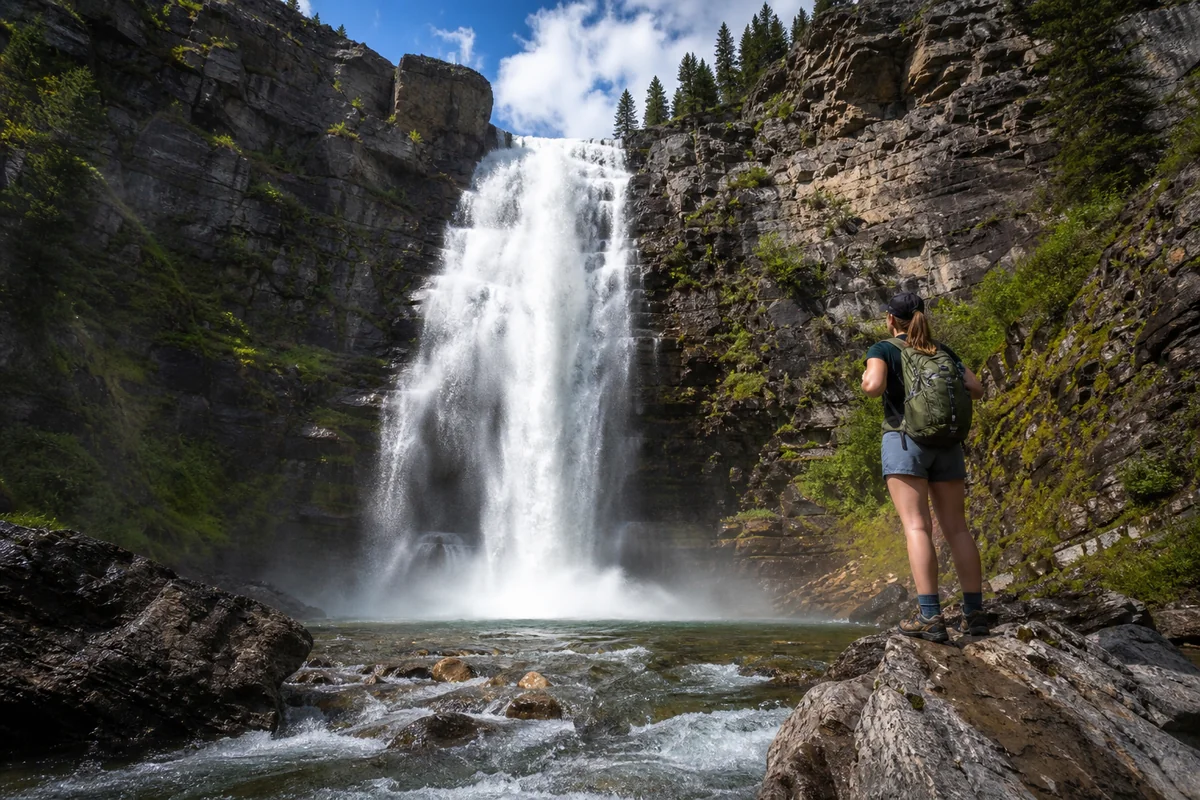
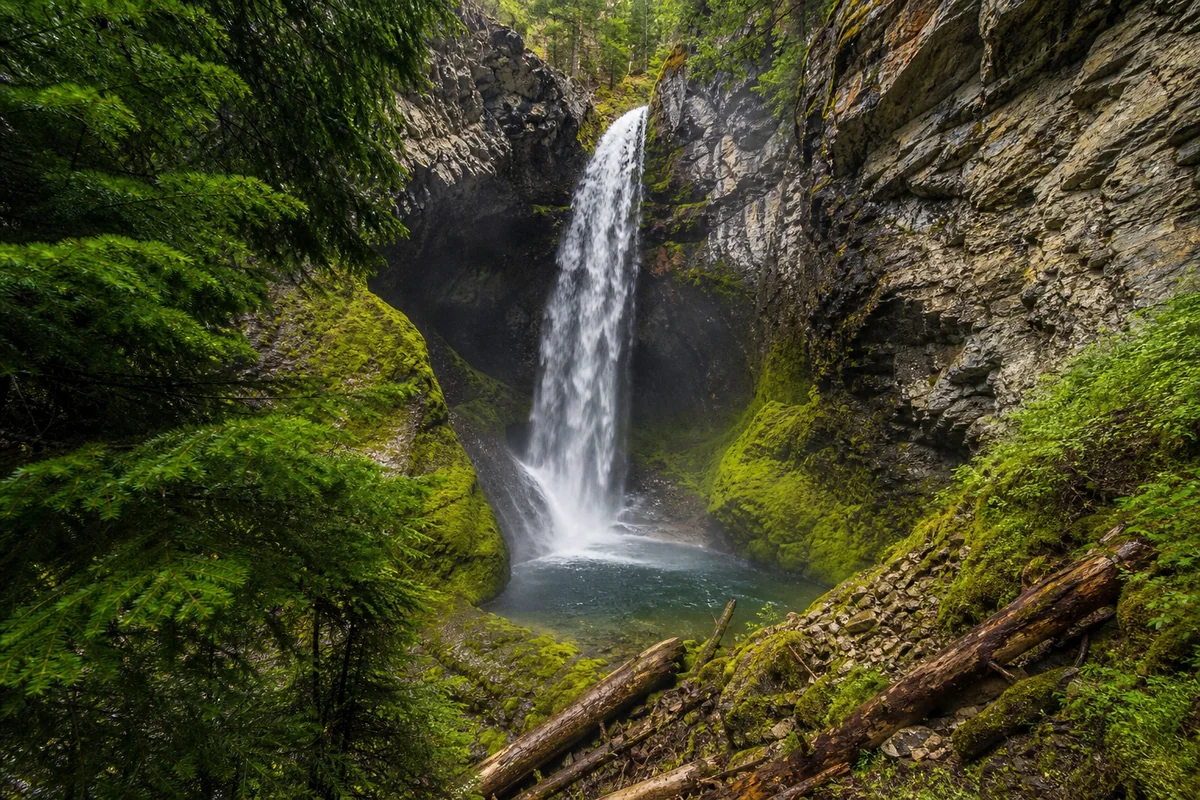
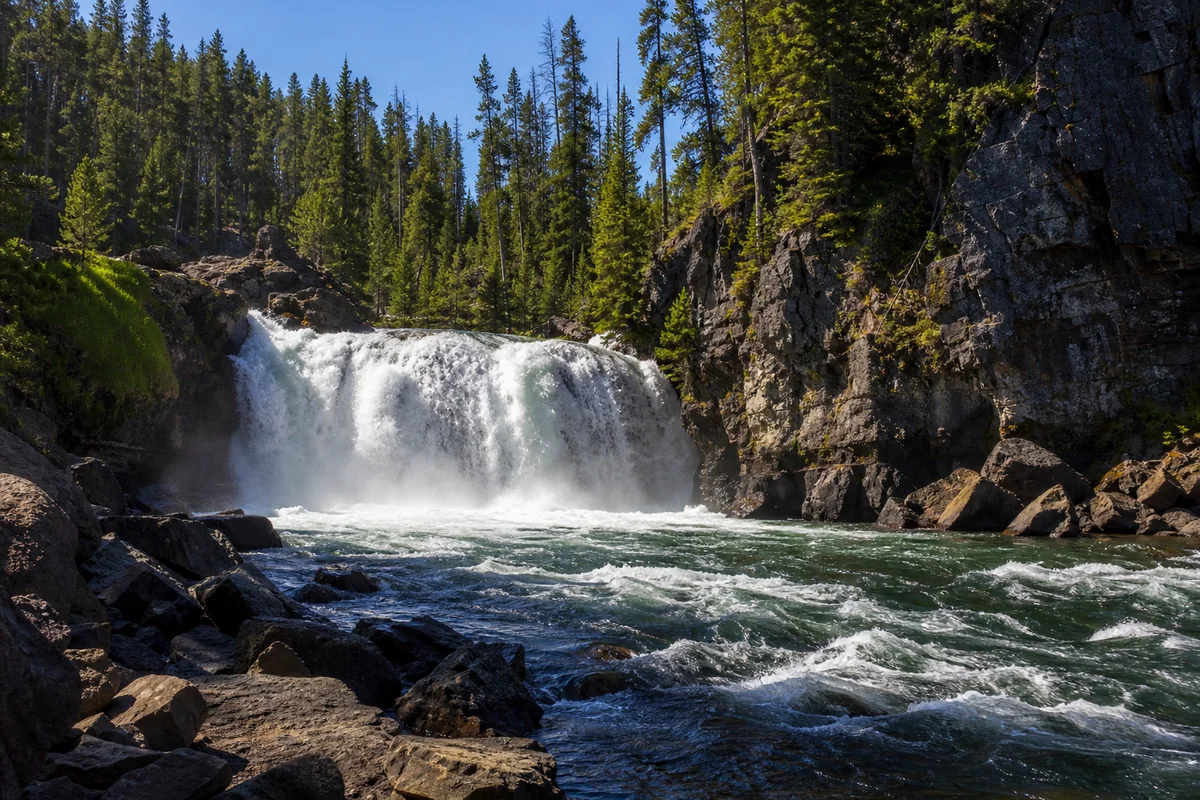
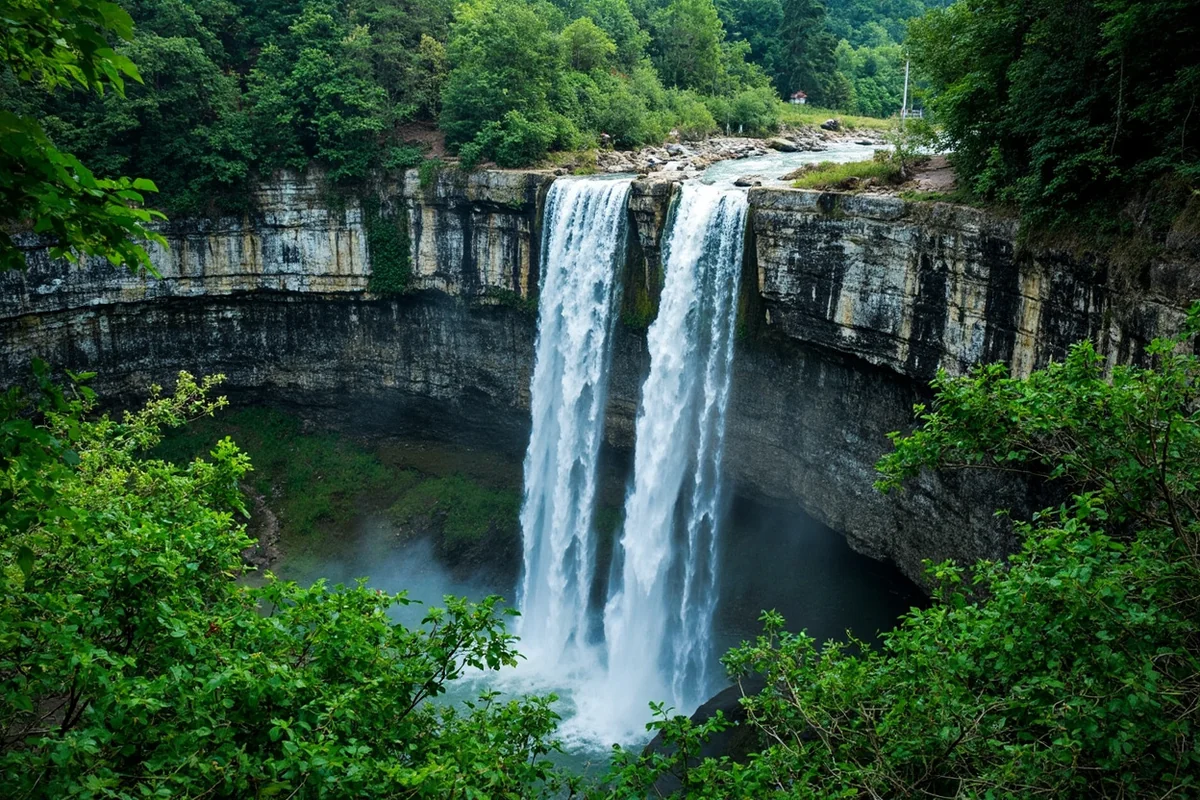
The falls themselves plunge approximately 35 feet over a moss-covered rock face into a small pool below.
The canyon walls surrounding the falls create a natural amphitheater that amplifies the sound of rushing water, making the experience feel more dramatic than the modest height might suggest.
If you’re chasing more remote waterfall experiences, consider adding Morrell Falls or Holland Lake Falls to your trip for longer hikes with equally stunning payoffs.
Getting to Memorial Falls Trailhead
The trailhead sits along US Highway 2, roughly 10 miles west of Kalispell and about 7 miles east of Columbia Falls. If you’re coming from Glacier National Park’s west entrance, you’ll drive approximately 25 minutes east.
Here’s what you need to know about the drive:
The turnoff is on the north side of Highway 2 and is marked with a small brown Forest Service sign reading “Memorial Falls.”
During my first visit, I actually drove past it because I was expecting something larger — keep your eyes peeled, especially if you’re driving during busy summer traffic.
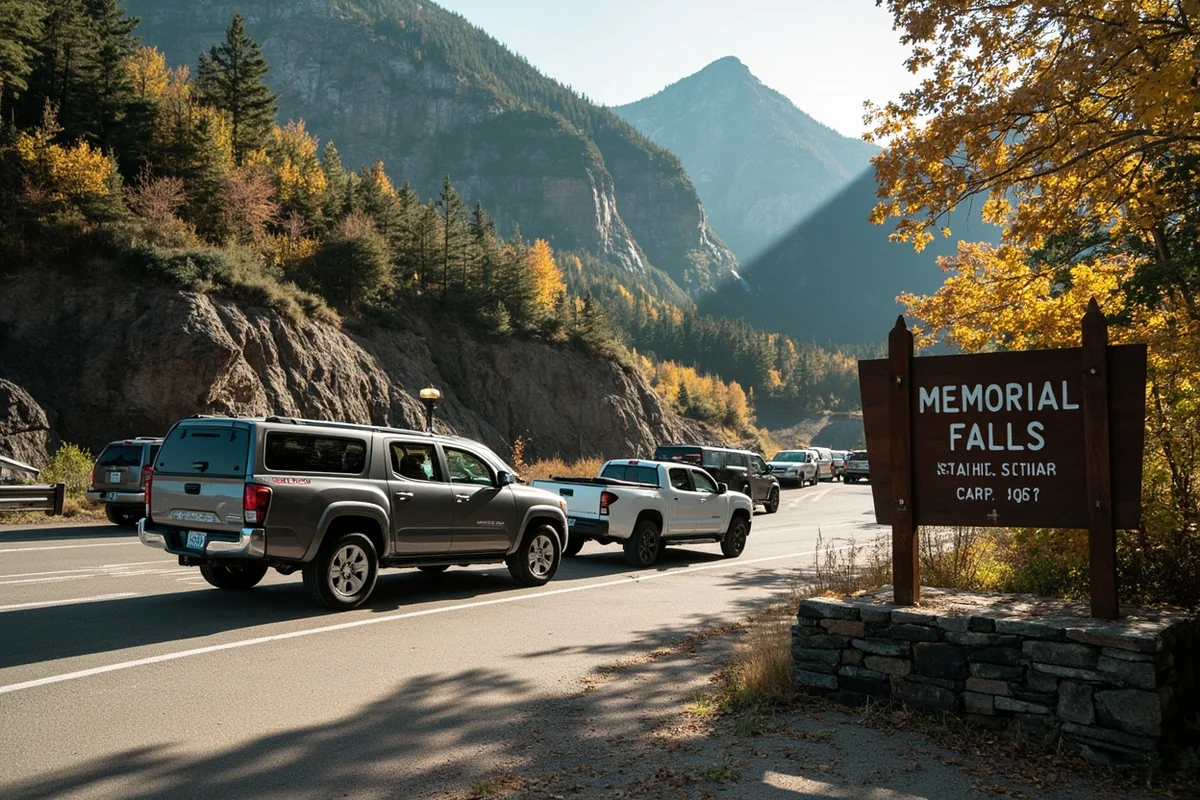
The parking area accommodates roughly 15-20 vehicles, and during peak summer weekends, it fills up by mid-morning. When I visited on a Saturday in July, I arrived at 9:30 AM and snagged one of the last spots.
GPS Coordinates: 48.4044° N, 114.3425° W
If the main lot is full, there’s limited shoulder parking along the highway, but I’d advise against it during busy periods — the traffic moves fast along this stretch.
Driving Directions from Major Starting Points
| Starting Point | Distance | Drive Time | Route |
|---|---|---|---|
| Kalispell | 10 miles | 15 minutes | West on US-2 |
| Whitefish | 18 miles | 25 minutes | South on US-93, west on US-2 |
| West Glacier | 17 miles | 22 minutes | East on US-2 |
| Missoula | 125 miles | 2 hours | North on US-93, west on US-2 |
The Trail Experience: What to Actually Expect
The Memorial Falls Trail is maintained by the Flathead National Forest and represents one of the most straightforward waterfall hikes in northwestern Montana.
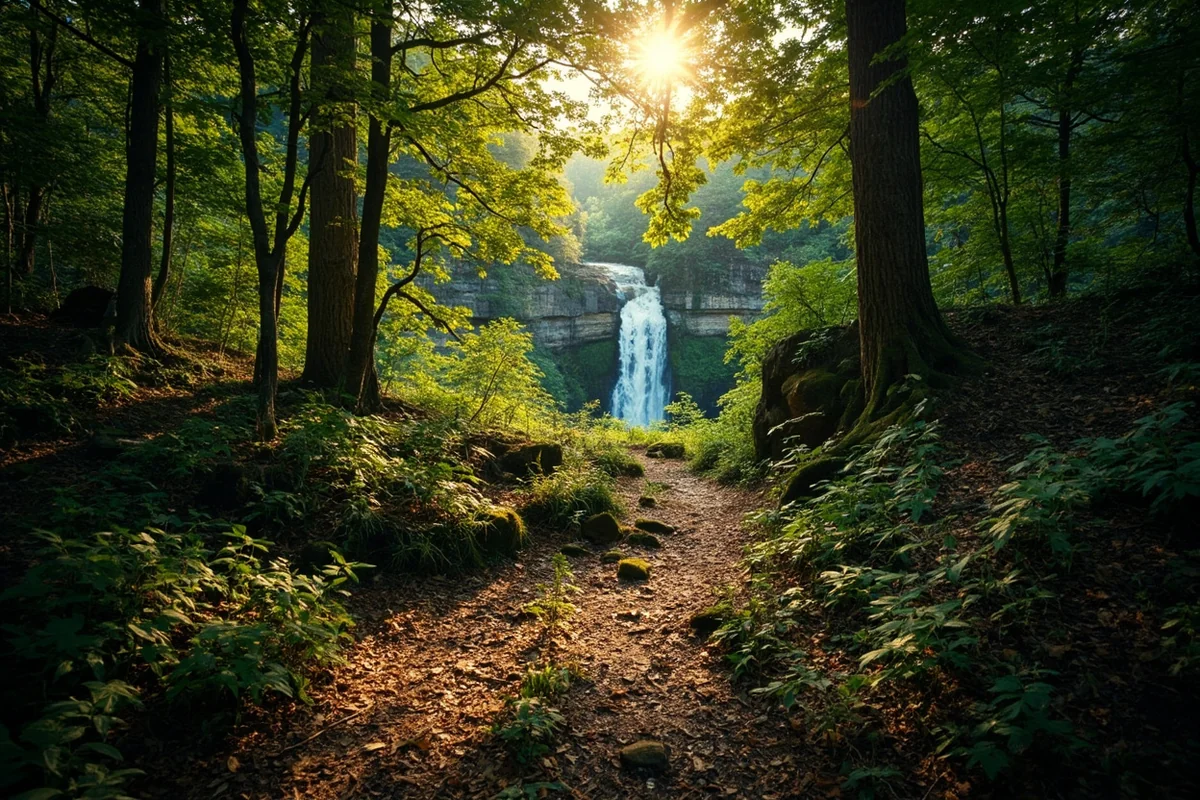
From the parking area, the trail immediately enters forest cover. The path is well-defined, with exposed roots and some rocky sections that require attention, especially if conditions are wet.
Trail Statistics
- Total Distance: 0.6 miles round trip
- Elevation Gain: Approximately 100 feet
- Trail Type: Out-and-back
- Difficulty: Easy
- Average Completion Time: 30-60 minutes
The first section of the trail follows Memorial Creek, and on my last summer visit, I could hear the rushing water before I even saw it. The forest here is dense with western red cedar and Douglas fir, creating a cool microclimate even on warm July days.
About halfway to the falls, there’s a particularly steep section with natural stone steps carved into the hillside. This brief scramble is the only remotely challenging part of the entire hike.
I watched a family with three kids under ten navigate it without any real trouble, though the youngest needed a hand on the way up.
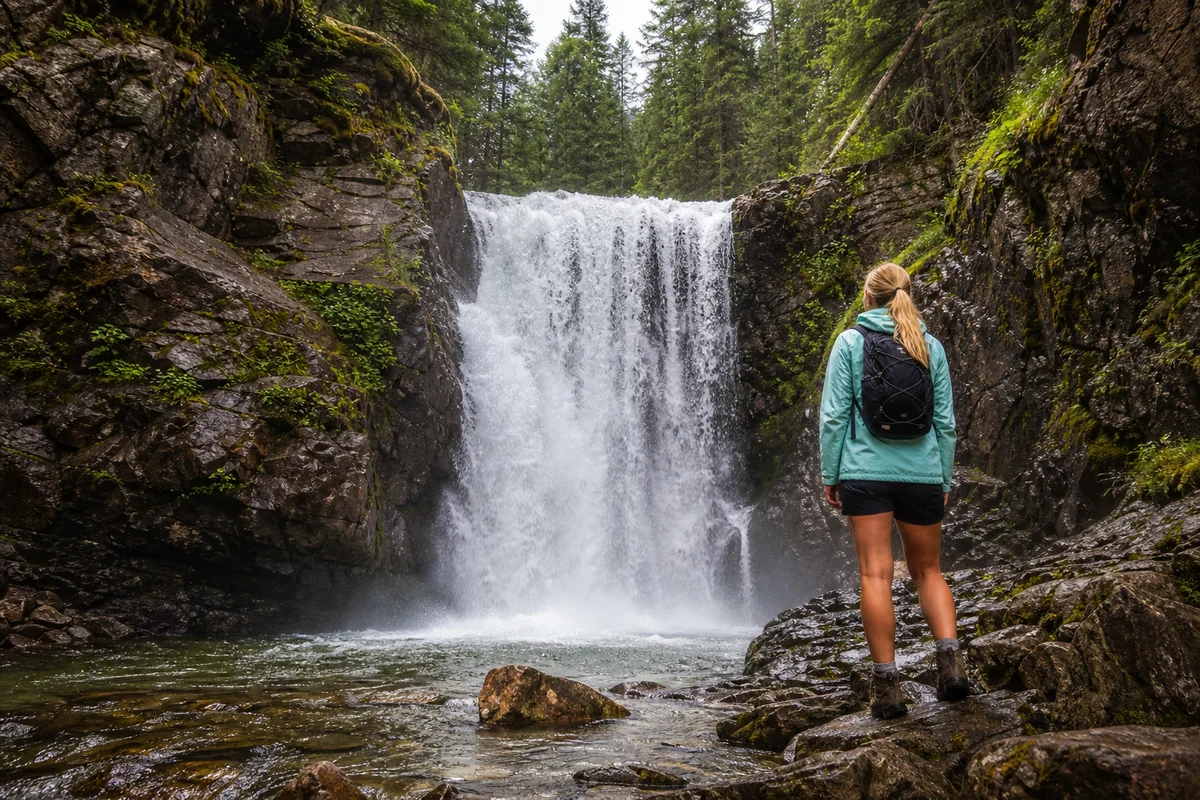
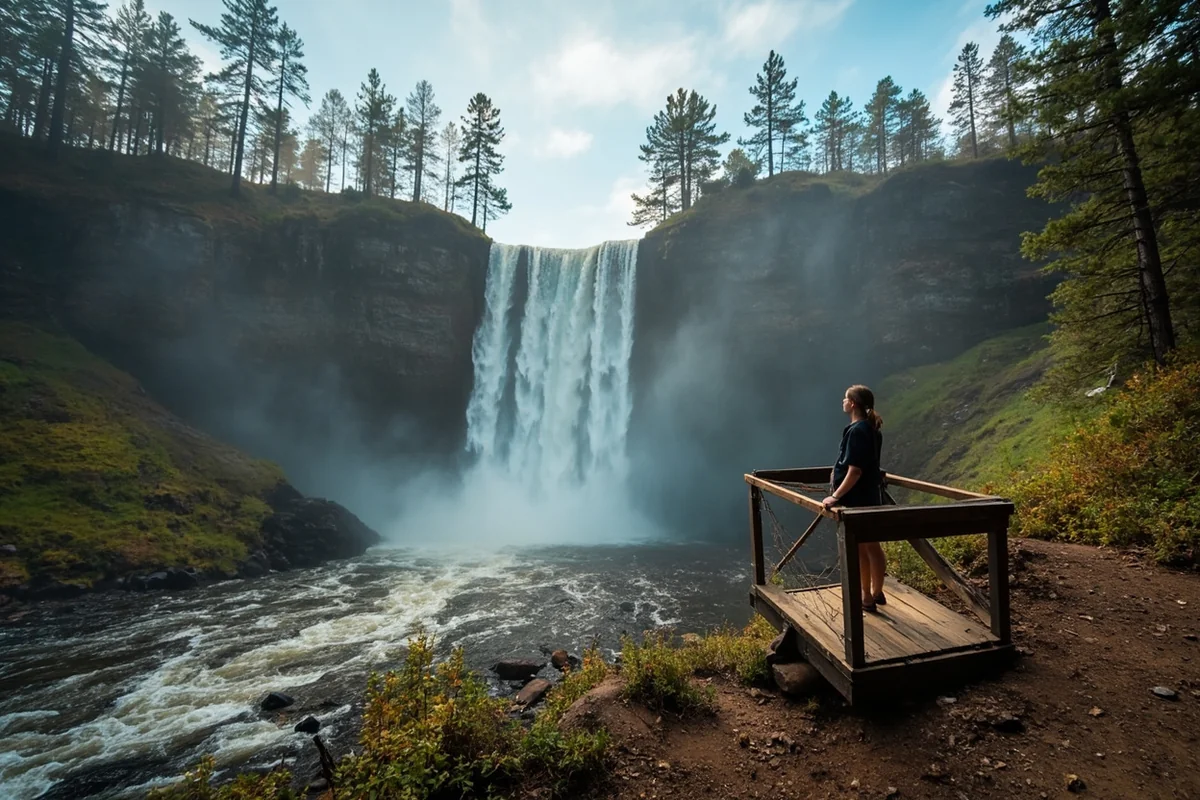
The trail terminates at a wooden viewing platform positioned about 30 feet from the base of the falls. During high water periods, you’ll feel the mist from the platform. When I visited in early June two years ago, the spray was so heavy I had to wipe down my camera lens every few minutes.
Trail Conditions by Season
I’ve visited Memorial Falls in three different seasons, and each offered a distinctly different experience.
Late Spring (May-June): This is peak flow season. Snowmelt from the surrounding mountains feeds Memorial Creek, and the falls run at their most impressive. The trail can be muddy, and sections may be slick. I recommend waterproof hiking boots during this window.
Summer (July-August): The most popular time to visit. Water volume decreases significantly by mid-August, but the trail conditions are at their best. Expect crowds on weekends.
Fall (September-October): Water flow is typically modest, but the surrounding forest displays beautiful autumn colors. This is my personal favorite time to visit for photography, as the golden larches contrast beautifully with the moss-covered rocks.
Winter: The trail remains technically open, but snow and ice make it challenging. I attempted a December visit several years ago and turned back due to icy conditions on the stone steps section.
Making the Most of Your Visit: Practical Tips from Experience
After multiple trips to Memorial Falls, I’ve learned a few things that guidebooks don’t always mention.
Timing Your Arrival
If you’re visiting between Memorial Day and Labor Day, arrive before 9:00 AM or after 4:00 PM. The parking situation at midday during peak season becomes genuinely stressful, and the viewing platform gets crowded.
During my most recent visit, I arrived at 7:30 AM on a Wednesday in late June. I had the falls entirely to myself for nearly twenty minutes before other hikers arrived.
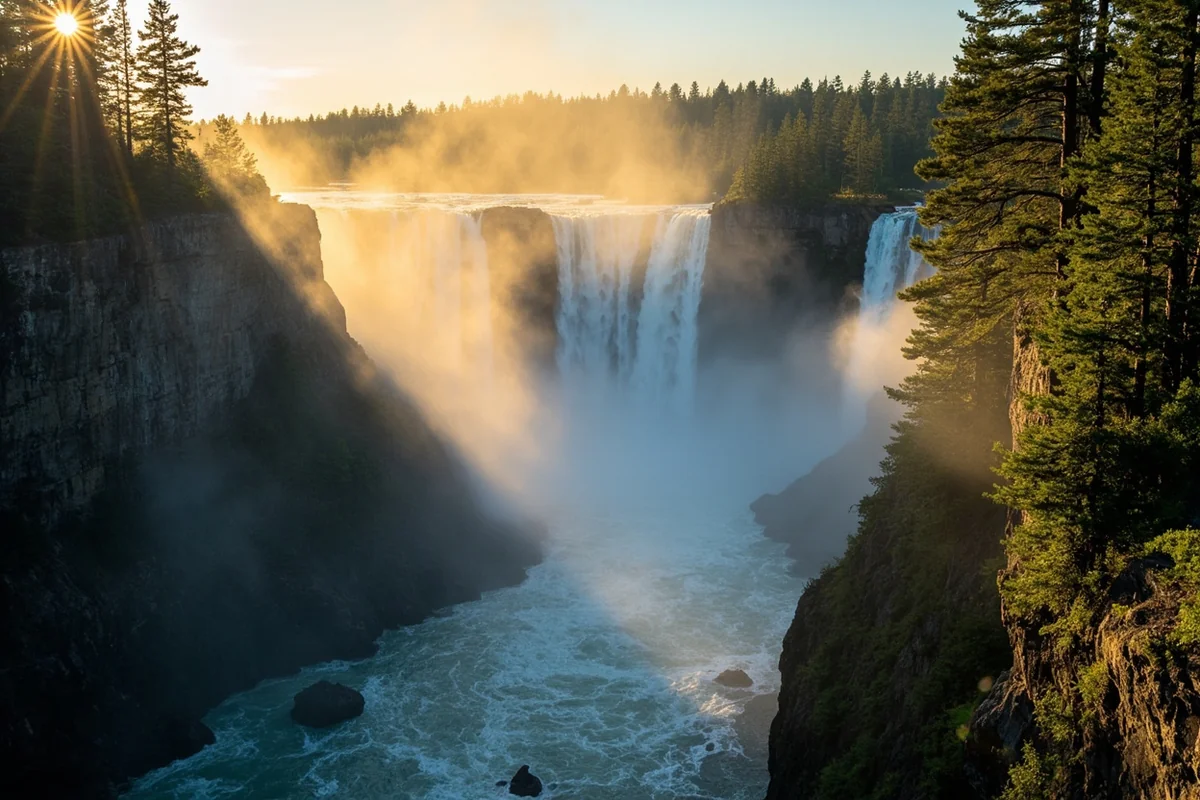
Early morning also offers the best lighting for photography. The falls face roughly northeast, so direct sunlight doesn’t hit the cascade until mid-morning. Before that, you get beautiful diffused light without harsh shadows.
What to Bring
Even though this is a short hike, a few items will enhance your experience:
- Water: A small bottle is sufficient for this short trail, but you’ll want it.
- Camera or smartphone: The falls photograph beautifully, and the forest setting provides excellent natural framing.
- Light jacket: The mist at the falls can chill you quickly, even on warm days.
- Bug spray: Mosquitoes are present throughout summer, particularly in the forested sections.
- Sturdy shoes: While not technically necessary, the rocky sections are more comfortable with proper footwear.
Accessibility Considerations
While the trail is short, I want to be honest about accessibility limitations. The path is not wheelchair accessible, and the uneven terrain presents challenges for those with mobility concerns.
The steepest section near the midpoint involves natural stone steps that lack handrails. I’ve seen visitors with walking poles navigate this successfully, but it requires careful footing.
If you’re visiting with someone who has mobility limitations, the first portion of the trail to the creek is relatively level and still offers a pleasant forest walk, even if reaching the falls themselves isn’t feasible.
Photography Tips for Memorial Falls
I’ve photographed Memorial Falls in various conditions, and certain approaches consistently yield better results.
Shutter Speed: For that silky water effect, use a tripod and shoot with a shutter speed of 1/4 second or longer. During my last visit, I achieved my favorite shots at 0.8 seconds with an ND filter.
Composition: The viewing platform offers the obvious vantage point, but I’ve found stepping carefully to the left side (when facing the falls) provides a more dynamic angle. Watch your footing on the wet rocks if you venture off the platform.
Time of Day: Overcast days are actually ideal here. The canyon walls and forest create contrast challenges under direct sunlight. Some of my best Memorial Falls images came from a drizzly September morning when the light was perfectly even.
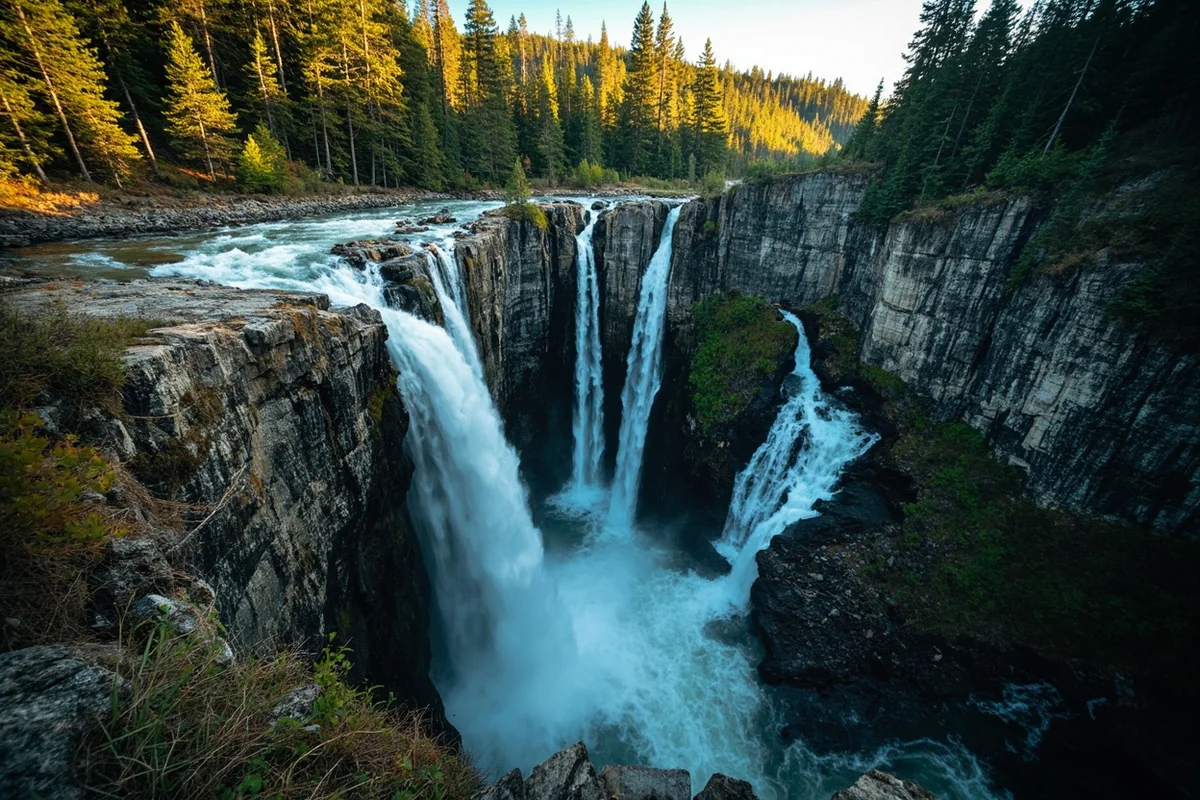
If you’re serious about waterfall photography in Montana, I’d also recommend visiting Kootenai Falls for dramatic shots, or Ousel Falls near Big Sky for a different aesthetic.
The History and Significance of Memorial Falls
The name “Memorial Falls” honors local veterans, though the specific historical details are somewhat difficult to trace through official records. The Flathead National Forest has maintained this site as a recreational area for decades.
What I find more interesting is the geological story. The falls flow over a resistant layer of Precambrian rock that has slowly eroded into the distinctive cascade shape we see today.
The moss and lichen covering the cliff face represent hundreds of years of slow growth in this constantly misted environment.
The surrounding forest is a beautiful example of Montana’s western cedar-hemlock ecosystem, which only occurs in the wettest portions of northwestern Montana.
If you’ve spent time in the drier eastern part of the state, the lushness here will feel almost otherworldly.
Wildlife and Natural Features Along the Trail
Despite its short length, the Memorial Falls Trail passes through prime habitat for several notable species.
During my visits, I’ve encountered:
- White-tailed deer (very common in early morning)
- Red squirrels (constantly chattering in the trees)
- Various woodpecker species
- American dippers (near the creek and falls)
The American dipper sightings are my personal highlight. These remarkable birds walk underwater along creek bottoms hunting aquatic insects, and I’ve watched them bobbing on rocks at the base of Memorial Falls on multiple occasions.
Black bears are present in the area, though I’ve never personally encountered one on this trail. Standard bear awareness applies — make noise and don’t leave food unattended.
The wildflower display along the trail varies by season. During my late June visits, I’ve seen columbine, bunchberry, and wild strawberry blooming in the understory.
Combining Memorial Falls with Other Nearby Attractions
Memorial Falls makes an excellent addition to a broader Flathead Valley itinerary. Here are combinations I’ve found work well.
Memorial Falls + Glacier National Park (Full Day)
Start your morning at Memorial Falls for the solitude and photography opportunities. By mid-morning, head east to Glacier National Park’s west entrance (about 25 minutes away). You’ll have the full afternoon to explore Going-to-the-Sun Road or popular trails like Avalanche Lake.
This combination works particularly well because Memorial Falls is essentially on the route between Kalispell/Whitefish and Glacier.
Memorial Falls + Columbia Falls + Bad Rock Canyon (Half Day)
The nearby town of Columbia Falls offers charming local eateries and shops. After your morning waterfall visit, grab lunch at one of the local spots. Bad Rock Canyon, just west of Columbia Falls, provides additional scenic stops.
Waterfall-Focused Day Trip
For waterfall enthusiasts, Memorial Falls can anchor a multi-waterfall day. Within reasonable driving distance, you can also access McDonald Falls inside Glacier National Park and the striking Sacred Dancing Cascade.
I once managed to visit Memorial Falls, McDonald Falls, and Sacred Dancing Cascade all in a single long summer day. It required early starts and efficient timing, but the waterfall count alone made it memorable.
Where to Stay Near Memorial Falls
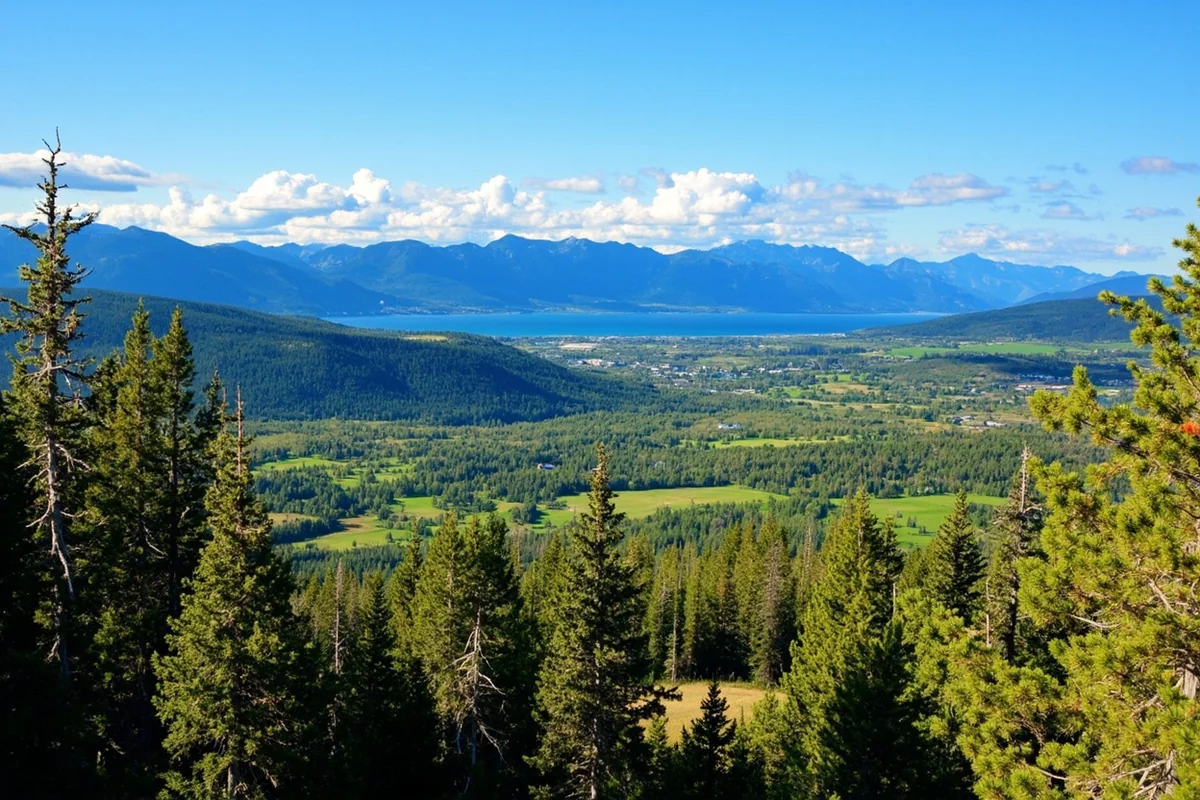
The Kalispell/Whitefish/Columbia Falls triangle offers abundant lodging options within easy reach of the trailhead.
Budget Options
Columbia Falls has several affordable motel options along Highway 2. During my last trip, I stayed at a basic but clean motel in Columbia Falls for under $100/night. The trade-off is fewer amenities, but for a base camp focused on outdoor activities, it worked perfectly.
Mid-Range
Kalispell offers chain hotels with reliable quality. I’ve stayed at several along the main commercial strips, and while they lack character, they provide comfortable beds and consistent amenities.
Upscale
Whitefish is the area’s upscale hub, with boutique hotels and vacation rentals. If you’re planning an extended stay with Memorial Falls as just one component, Whitefish offers the best dining and evening entertainment options.
Camping
Several Forest Service campgrounds operate in the Flathead National Forest. For those interested in camping near Memorial Falls, Big Creek Campground sits about 20 miles northwest along Highway 2. I’ve camped there and found it reasonably maintained with basic facilities.
When to Visit: Seasonal Considerations in Detail
Choosing the right time to visit Memorial Falls depends on your priorities.
Best for Water Volume: Late May to Early July
Spring snowmelt creates the most impressive display. I’ve seen the falls during peak flow when the mist extends well beyond the viewing platform and the roar is genuinely impressive. However, trails may be muddy, and mosquitoes are at their worst.
Best for Weather and Trail Conditions: July to August
Warm temperatures, dry trails, and long days make summer ideal for casual visitors. Water volume decreases through this period, and by late August, the falls can appear surprisingly modest compared to spring photos.
Best for Solitude: September to October
Fall brings cooler temperatures and dramatically reduced crowds. The water volume is lower, but the autumn colors compensate. I particularly love the yellow and gold tones of the larch trees in mid-October.
Most Challenging: November to April
Snow covers the trail for several months, and while determined visitors can access the falls, it requires appropriate winter gear and caution. I don’t recommend this to casual visitors.
Comparing Memorial Falls to Other Montana Waterfalls
If you’re trying to decide whether Memorial Falls deserves a spot on your itinerary, here’s how it stacks up against other popular options.
Versus Running Eagle Falls in Glacier: Running Eagle has a similar easy access profile but sits inside the national park, requiring entrance fees. Memorial Falls is free and less crowded.
Versus Palisade Falls near Bozeman: Palisade Falls is taller and more dramatic, with similar ease of access. However, it’s located in a completely different part of the state, so geography will likely decide for you.
Versus Grotto Falls: Grotto Falls requires a more committed hike but offers a more secluded experience. If effort-to-reward ratio matters, Memorial Falls wins. If you want solitude and a longer adventure, Grotto Falls delivers.
For waterfall enthusiasts building a comprehensive Montana list, I’d also suggest exploring Hidden Falls for its aptly named seclusion, Rockwell Falls for backcountry adventure, and Skalkaho Falls for a dramatically different setting in the Bitterroot Mountains.
Common Questions and Concerns Addressed
Is this hike safe for children?
Yes, with reasonable supervision. The only concern is the steep stone-step section, where younger kids may need a hand. The viewing platform has a rail, but parents should stay vigilant near the cliff edges if children venture off the platform.
Are dogs allowed?
Dogs are permitted on the trail but must be leashed. I’ve seen many dogs on this hike, and most handle it without issues. The steep section can be tricky for smaller breeds, but most dogs navigate it fine.
Is there cell phone service?
I had intermittent Verizon service at the trailhead and no service at the falls during my last visit. Don’t rely on cellular connectivity here.
Are there restrooms?
A vault toilet is located at the trailhead parking area. The facility is basic but functional. I recommend using it before starting the hike.
Can you swim at the falls?
The pool at the base is small and cold, and the viewing platform is positioned above it. While I’ve seen people wade at the edges during late summer when water levels are low, I wouldn’t consider this a swimming destination. For swimming holes, you’re better served elsewhere.
Environmental Considerations and Trail Ethics
Memorial Falls Trail is a shared resource, and a few principles help keep it enjoyable for everyone.
Pack out all trash. I’ve unfortunately seen water bottles and snack wrappers left near the viewing platform. The forest service doesn’t have regular garbage collection here.
Stay on designated trails. The vegetation around the falls is fragile, and off-trail traffic causes erosion.
Don’t feed wildlife. This seems obvious, but I’ve witnessed visitors tossing crackers to squirrels along the trail.
Keep noise reasonable. The natural soundscape here — rushing water, birdsong, wind in the trees — is part of the experience. I once encountered a group blasting music from a portable speaker, which detracted from the atmosphere for everyone.
For those interested in Montana waterfalls requiring more backcountry commitment, Impasse Falls and Needle Falls offer more remote alternatives where you might not see another person all day.
Planning Your Memorial Falls Visit: A Sample Itinerary
Based on my experiences, here’s how I’d structure a day incorporating Memorial Falls:
6:30 AM: Depart Kalispell or Whitefish lodging
7:00 AM: Arrive at Memorial Falls trailhead, secure parking
7:15 AM: Begin hike, enjoy early morning solitude
7:45 AM: Arrive at falls, spend 20-30 minutes photographing and soaking in the atmosphere
8:30 AM: Return to trailhead
9:00 AM: Breakfast in Columbia Falls (local café)
10:30 AM: Depart for Glacier National Park or other afternoon adventures
This early schedule maximizes your chances for good parking, minimal crowds, and quality light for photography while still leaving the entire day open for other explorations.
Final Thoughts: Is Memorial Falls Worth Your Time?
After multiple visits spanning different seasons and conditions, I keep returning to Memorial Falls for one simple reason: it reliably delivers.
Not every Montana waterfall hike needs to be an epic backcountry adventure. Sometimes you want beauty without exhaustion, a quick nature fix between longer activities, or an accessible experience you can share with family members of all ability levels.
Memorial Falls provides exactly that. The 0.6-mile round trip might seem almost too easy, but standing at that viewing platform with mist on your face and the thundering cascade filling your ears, the length of the hike becomes irrelevant.
If you’re building a Montana waterfalls bucket list, Memorial Falls deserves its place not as the most dramatic or remote option, but as proof that extraordinary natural beauty doesn’t always require extraordinary effort to reach.
Whether you’re passing through the Flathead Valley en route to Glacier, spending a week exploring northwestern Montana, or simply looking for a quick morning adventure, give Memorial Falls the hour it deserves. I suspect you’ll understand why I keep coming back.
And if Memorial Falls sparks your interest in exploring more of Montana’s cascades, consider adding Saint Mary Falls for a Glacier Park classic, Lost Creek Falls for something different, or Rainbow Falls for yet another easy-access gem to your itinerary.
Frequently Asked Questions
Where is Memorial Falls located in Montana and how do I get there?
Memorial Falls is located in the Helena-Lewis and Clark National Forest, about 10 miles west of Great Falls, Montana off Highway 89. The trailhead has a small parking area, and the drive from Great Falls takes roughly 20 minutes, making it an easy day trip from the city.
How long is the Memorial Falls hike and is it difficult?
The Memorial Falls Trail is approximately 1.2 miles round trip with minimal elevation gain, making it one of the easiest waterfall hikes in Montana. I’d rate it as beginner-friendly, and most hikers complete the trail in about 30-45 minutes, though you’ll want extra time to enjoy the falls.
What is the best time of year to visit Memorial Falls Montana?
The best time to visit Memorial Falls is late spring through early summer (May-June) when snowmelt creates the most dramatic water flow. The trail is typically accessible from April through October, but I recommend avoiding late summer when the falls can slow to a trickle during dry years.
Is there an entrance fee or parking cost at Memorial Falls trailhead?
There is no entrance fee or parking cost to visit Memorial Falls, making it a completely free outdoor activity near Great Falls. The trailhead parking area is small and unattended, so arrive early on weekends to secure a spot.
Can you swim at Memorial Falls Montana?
Swimming at Memorial Falls is not recommended due to the shallow, rocky pool at the base and cold water temperatures even in summer. The area is better suited for wading, photography, and enjoying the scenery rather than swimming, so plan accordingly if you’re hoping to cool off.
What should I bring on the Memorial Falls Trail hike?
I recommend bringing sturdy hiking shoes with good traction since the trail can be rocky and slippery near the falls, along with water, sunscreen, and bug spray during summer months. A camera is essential for capturing the 50-foot cascade, and trekking poles are helpful if you plan to scramble closer to the falls.
Are dogs allowed on the Memorial Falls Trail in Montana?
Yes, dogs are allowed on the Memorial Falls Trail but must be kept on a leash at all times per National Forest regulations. The trail is manageable for most dogs, though the rocky terrain near the waterfall can be challenging for older or smaller pets.