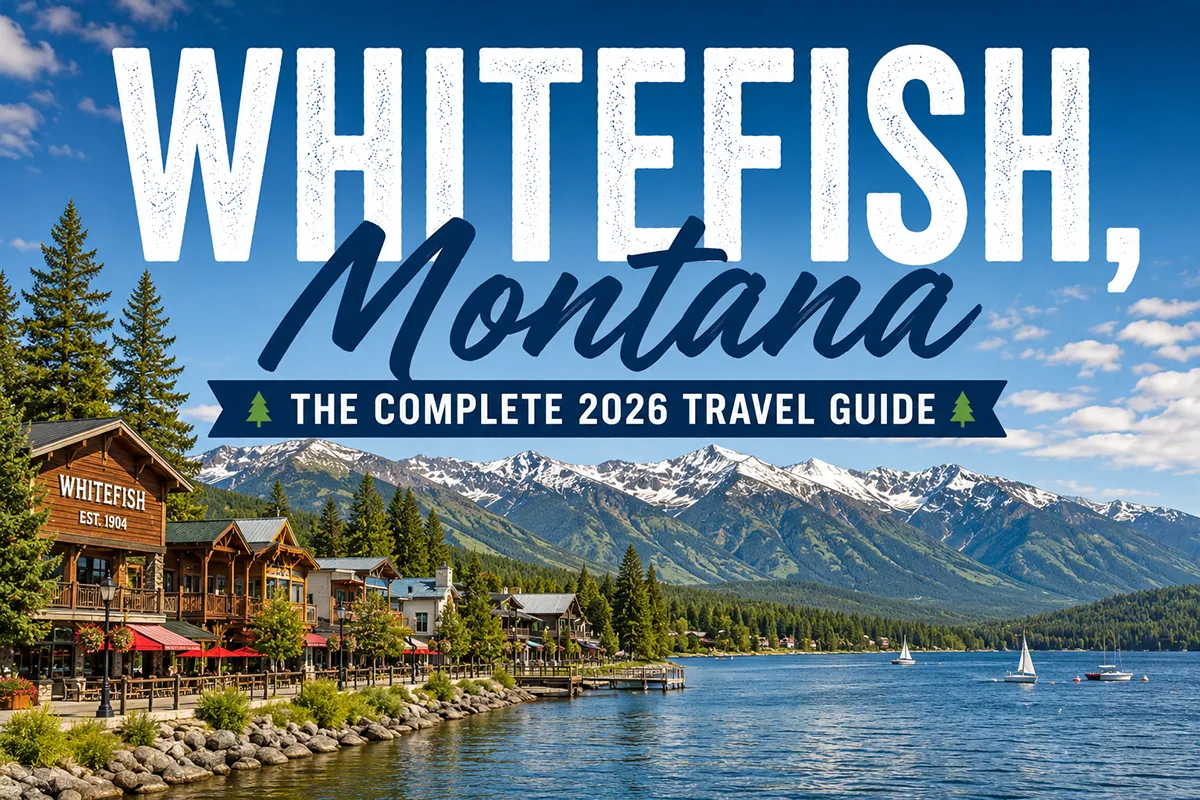
Whitefish is three towns stacked on top of each other: a lake town in July, a ski town in January, and a railroad town every single day. Most guides blur them together. Plan around the one you actually want.
TL;DR
- Whitefish (7,751 residents in the 2020 census) is a resort town in the Flathead Valley, about 30 miles from Glacier National Park’s West Entrance, with a lake, a ski mountain and a 40-plus mile trail system all within minutes of a compact downtown.
- It is the most polished base in northwest Montana and usually the most expensive. Price your dates before you commit, and consider Kalispell or Columbia Falls if budget is the priority.
- Summer is for the lake, trails and Glacier day trips; winter is for Whitefish Mountain Resort and the early-February Winter Carnival. May and October are quiet, cheaper and partly closed.
- Glacier’s 2026 rules did not require vehicle reservations, but Logan Pass parking was capped and express shuttle tickets had to be booked ahead. Confirm current rules with the Park Service.
Liked this article?
Add Roaming Montana as a preferred source so you see more of our articles and guides on Google.
Why Whitefish Is More Than “Just a Ski Town”
Ask people what Whitefish is and you get three different answers depending on the season they visited. In winter it is the village at the foot of Big Mountain, where the town fills with skiers and the downtown bars run on wool socks and good cheer. In summer it is a lake with a public beach, a dock culture and a surprising number of paddleboards. And all year, it is a railroad town: the Great Northern changed its route in 1904, and the town grew around the new line.
That layered identity is the reason this guide is organized the way it is. Instead of a generic list, it walks through the four “versions” of Whitefish (the lake, the mountain, the trails and the depot district) and then show you how to combine them for the season you are visiting.
If you are still deciding where to go in the state, start with the Montana cities and towns guide, which compares the places worth building a trip around. This page is the deep version for Whitefish. For the full activity list, see the guide to things to do in Whitefish.
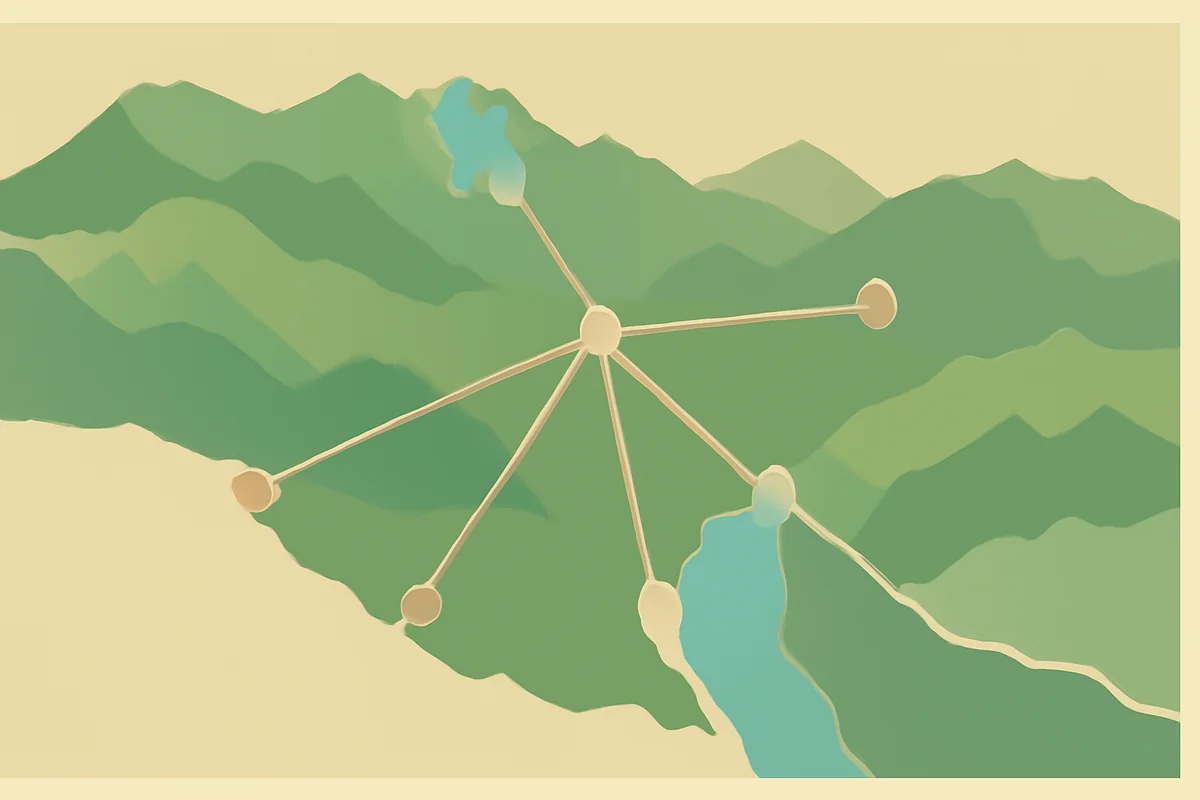
Whitefish by the Numbers
| Population | 7,751 (2020 census) |
| Elevation | About 3,000 feet |
| Lake | Whitefish Lake, about 7 miles long, up to 233 feet deep |
| Ski mountain | Whitefish Mountain Resort (formerly Big Mountain); summit around 6,800 feet |
| Glacier West Entrance | Under 30 miles, roughly 40 minutes in normal conditions |
| Kalispell | About 15 miles south |
| Flathead Lake | North tip about 30 minutes away |
| Amtrak | Whitefish Depot, Empire Builder line |
| Typical temperatures | January highs near 29°F, July highs near 80°F; about 63 inches of snow in an average year in town |
| Best for | Couples, ski trips, lake summers, active travelers, anyone who wants to walk to dinner |
The Lake Version of Whitefish
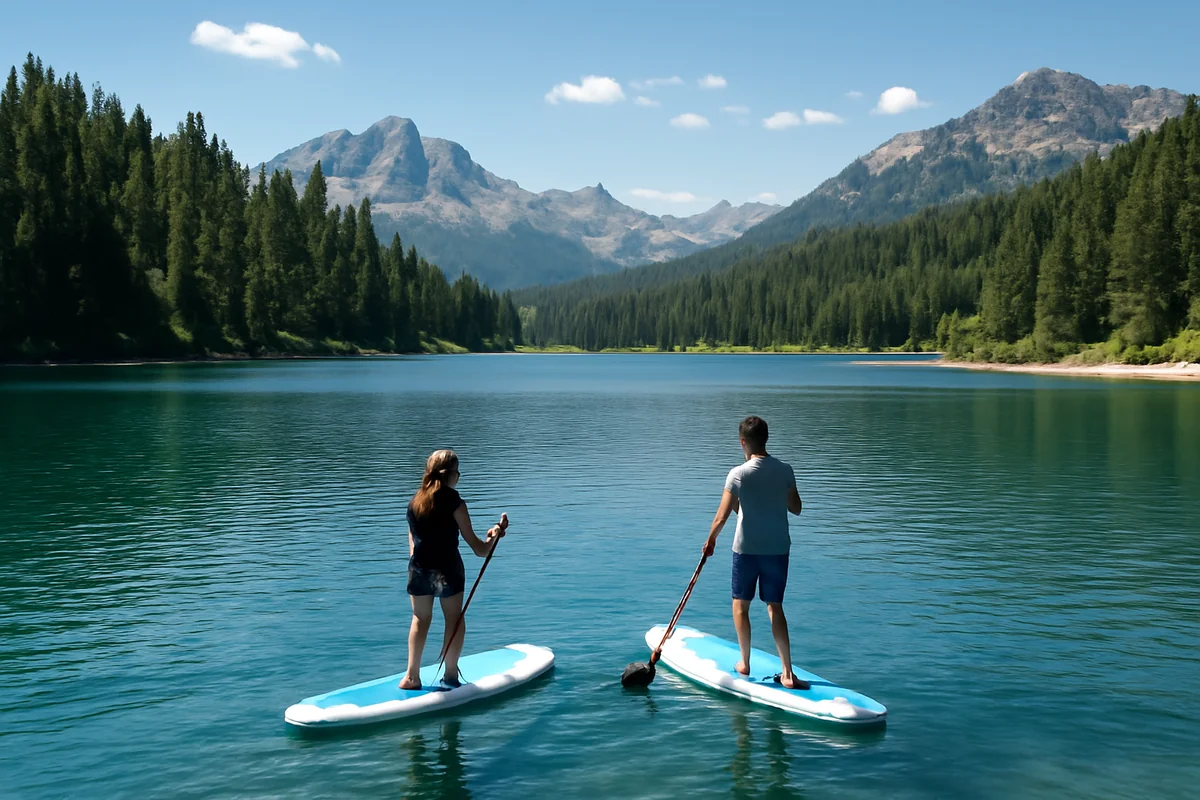
Whitefish Lake is the reason the town exists as a place people want to be, not just pass through. It runs roughly seven miles, and in summer the shoreline is a patchwork of private docks, a public beach and a state park.
City Beach is the public face of the lake: a swimming area, a launch for non-motorized boats, and in peak season, a crowd. If you want a quieter patch of water, Les Mason State Park and Whitefish Lake State Park, a few miles from downtown, are the alternatives people mention most. The state park also has about 25 campsites. Rental kayaks, paddleboards and tubes are available from local outfitters.
The lake is also a winter feature. It usually freezes by late January, and the Winter Carnival brings in the Penguin Plunge, a polar-dip tradition that has run alongside a parade and a pie social for decades. Ice thickness varies year to year, so ask the rental staff or locals before walking or skating on it.
Honest tradeoff: much of the shoreline is private, so lake access depends on the public spots. Arrive early on July and August weekends, or plan on a weekday.
The Mountain Version of Whitefish
Whitefish Mountain Resort sits on Big Mountain, with a summit around 6,800 feet. The resort opened on December 14, 1947, when a T-bar lift began running and roughly a thousand townspeople turned out to see it.
Winter is the headline season. The resort is known for its tree skiing and long runs. A free shuttle called the SNOW Bus runs between downtown and the base in winter. Reading the snow report before you book matters more here than in many Montana towns, because the valley itself gets modest snowfall compared with the mountain.
Summer is less obvious but worth knowing. The same mountain runs scenic lift rides, a zip line described as the longest lift-served zip line in Montana, mountain biking, an alpine slide and hiking. The Summit Nature Center, run by the U.S. Forest Service in the Summit House, has exhibits and ranger-led walks in summer.
If you only want one mountain moment, take a lift ride up on a clear July morning and eat at the top. Skipping a lift line in August beats paying for every activity on the hill. For a full list of Montana ski areas to compare, see the Montana ski resorts guide, and for what the town is like in the cold months, see Whitefish in winter.
The Trail Version of Whitefish
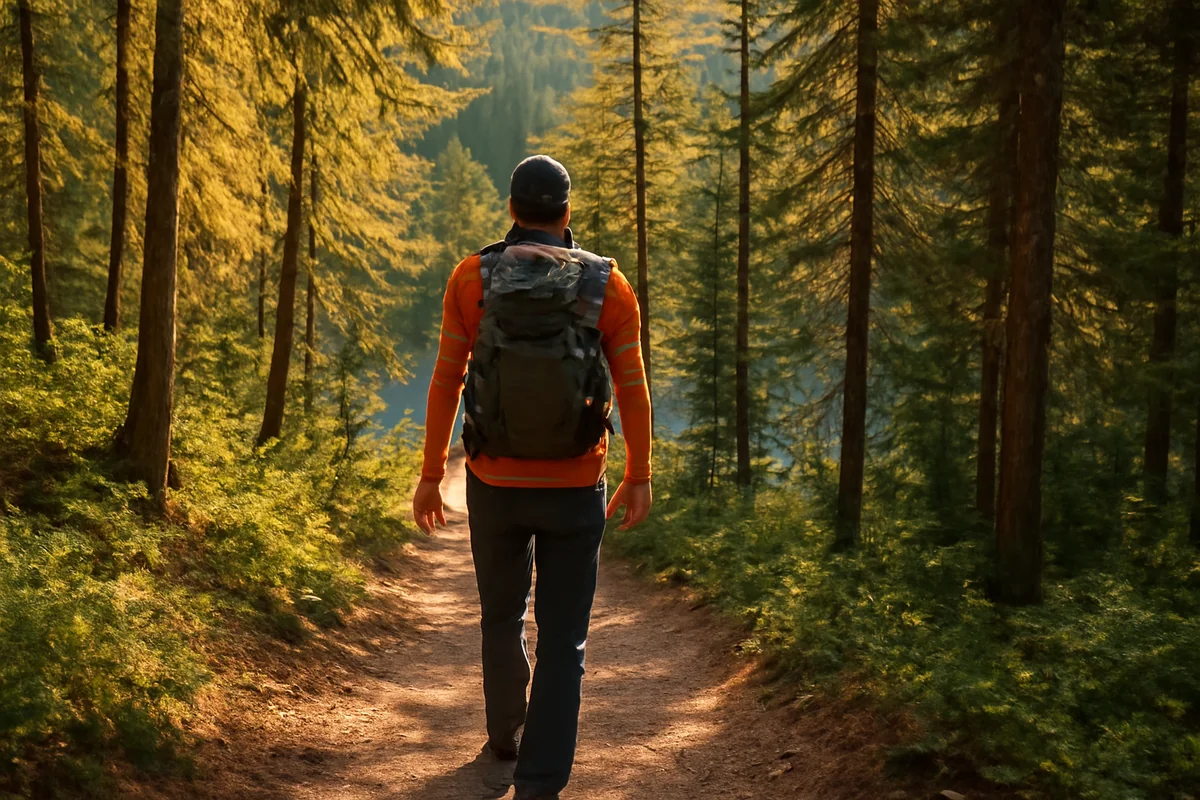
The Whitefish Trail is the part of town that tourism brochures tend to understate. It is a network of more than 40 miles of natural-surface trails spread across about a dozen trailheads, built on lands conserved for public access. Sources vary on the exact mileage as new segments open, so check the trail operator’s map before you go.
Highlights people consistently mention:
- Lion Mountain is a loop just west of town with a viewpoint over Skyles Lake. One segment is described as wheelchair accessible.
- Beaver Lakes and the Reservoir trailhead give quieter routes near the resort side.
- Whitefish Lake State Park connects to lakeside paths near town.
For a bigger day, the Danny On Memorial Trail climbs Big Mountain, and a lift can bring you back down.
Practical notes: trails here are multi-use, so expect bikes on many routes. Bear awareness is real in northwest Montana, so carry bear spray and make noise on blind corners. Mosquitoes and ticks can be a nuisance in early summer; the Montana bug season guide has the timing.
The Depot Version of Whitefish: History You Can Walk To
Whitefish was once called Stumptown, a nickname that came from the tree stumps left in the streets after land was cleared for the railroad and townsite. The Great Northern Railway had originally planned its main line south of Whitefish, but in 1904 it rerouted through the area to avoid the steep Haskell Pass, and that decision shaped the town. Whitefish incorporated in 1905.
The depot you see today was built in 1928, is listed on the National Register of Historic Places, and is still an active Amtrak station on the Empire Builder line. It also houses the Stumptown Historical Museum, which is free. Depot Park next door hosts the Whitefish Farmers Market on Tuesday evenings in summer and the Huckleberry Days Arts Festival in mid-August.
It is also worth saying that the Kootenai people lived in this area for more than 14,000 years, according to Wikipedia before the railroad, and the Pend d’Oreille and Salish also shared these lands. The name Whitefish itself reflects that history, as the Salish name is usually translated “has whitefish.” For more on Indigenous history in northwest Montana, start with the tribal governments’ own sites rather than a travel blog.
Arriving by train is one of the few ways to reach Glacier country without a rental car, which matters if you are heading to the park. Check the Amtrak schedule, because the Empire Builder arrives at hours that surprise people.
A Year in Whitefish: Seasonal Notes
Winter (December to March). Ski season, the SNOW Bus, snowshoeing and quiet nights downtown. The Whitefish Winter Carnival is scheduled for February 5 to 7, 2027, its 68th edition, with a parade, a Kiddie Carnival, a Pie Social and the Penguin Plunge. Expect cold; January highs are near 29°F.
Spring (April to May). Shoulder season. Some restaurants and rentals cut hours, trails can be muddy, and lodging is often easier on the wallet. Going-to-the-Sun Road is typically still closed to cars at higher elevations, which makes the lower sections popular with cyclists.
Summer (June to August). The lake, trails, rafting trips on the Flathead River, and the busiest Glacier crowds. Under the Big Sky, a multi-day music festival, runs in mid-July. Whitefish Gallery Nights run on the first Thursday of the month from May to October. Huckleberry Days arrives in mid-August, and huckleberry picking itself typically peaks in July and August. For more on that, see the Montana state fruit: huckleberry guide.
Fall (September to October). One of the best, and most overlooked, windows. September still has long days and calmer crowds. October is quiet and some businesses close. A fall visit pairs well with a Glacier day trip on the lower roads.
For a broader look at timing across the state, see the best time to visit Montana guide.
Where to Stay, Depending on What You Want
Rather than a hotel list, think of Whitefish lodging as four choices.
In town, walkable. The Firebrand Hotel is a downtown boutique-style hotel with a rooftop patio, hot tub and spa. If you want to stroll to dinner and skip the car for a night, this area wins.
Near the lake. The Lodge at Whitefish Lake and Grouse Mountain Lodge sit near the water and a short trip from town. Grouse Mountain Lodge is just over a mile from downtown.
Mountain side. Staying near the base of Whitefish Mountain Resort makes sense for ski trips, with ski-in and ski-out lodging available and package deals sometimes offered.
Camping and budget. Whitefish Lake State Park and the Whitefish/Kalispell North KOA, a campground a few miles from town, are common picks. If prices in Whitefish stretch your budget, base in Kalispell or Columbia Falls and drive in for the day.
For a longer list, see the guide on where to stay in Whitefish. If you plan to sleep inside the park instead, the guide to where to stay in Glacier National Park covers it.
Eating in Whitefish: What Gets Recommended
Downtown Whitefish skews toward independent restaurants, and travel writers frequently note that it has no big-box chains downtown. Names that come up repeatedly in local listings and travel coverage:
- Breakfast: Loula’s Cafe (known for huckleberry pie) and the Buffalo Cafe both draw lines, so go early.
- Coffee and sweets: Montana Coffee Traders and Sweet Peaks (ice cream, including huckleberry).
- Dinner: Tupelo Grille is known for New Orleans-style dishes. Latitude 48 Bistro is an intimate dinner spot where reservations matter.
- Drinks: Bonsai Brewing Project and Spotted Bear Spirits are the craft names. Bonsai’s beers are mostly sold only at the brewery.
- Casual: Mackenzie River Pizza Co. is a reliable stop.
Summer weekends fill up. Book dinner when you book your lodging, and check hours in October and May, when many places go on reduced schedules.
Glacier National Park From Whitefish
Whitefish is about 30 miles from the West Entrance, which makes it a natural base for Glacier. For the road itself, see the Going-to-the-Sun Road guide and the overview of Glacier National Park.
Here is how 2026 worked, based on the National Park Service:
- No vehicle reservation was required to enter.
- From July 1 to September 7, private vehicles were limited to three hours of parking at Logan Pass.
- Express shuttle tickets to Logan Pass had to be booked ahead on Recreation.gov.
Rules change by season, so confirm with the Park Service before you go.
Two planning notes. First, the most popular park areas fill early, so start before the crowds. Second, Whitefish itself is a good rest-day option: do Glacier on alternating days, and use the off days for the lake or the trail system.
Day Trips From Whitefish
| Destination | Approx. distance from Whitefish | Why go |
|---|---|---|
| Glacier West Entrance | Under 30 miles | Lake McDonald, Going-to-the-Sun Road |
| Columbia Falls | About 15 minutes | Backroad entry to the North Fork, Backslope Brewing |
| Hungry Horse Dam and Reservoir | Under 30 minutes | A 564-foot dam and a 34-mile reservoir |
| Kalispell | About 15 miles | Conrad Mansion, groceries, airport area |
| Flathead Lake | Northern tip about 30 minutes | Largest natural freshwater lake west of the Mississippi in the lower 48; Wild Horse Island |
| Bigfork | About | Lakeside arts town; see Bigfork |
Insider Tips: What Visitors Wish They Knew
- Reservations first, itinerary second. Dinner and lodging book up in summer and during ski weekends.
- Do not skip the shoulder season. September is often a better balance of weather, crowds and price than August.
- Ask about lake ice. Do not assume it is safe to walk on just because it looks solid.
- Check Logan Pass rules before planning a Highline or Hidden Lake hike. Parking and shuttle rules caught visitors off guard in 2026.
- Expect a resort tax. Whitefish collects a local resort tax on some purchases. It is part of why prices can feel higher.
- Go to the Tuesday farmers market in summer and use Depot Park as a free people-watching stop.
Is Whitefish Right for You?
Whitefish is a good fit if you want a compact, walkable town, a ski mountain and a lake in one place, and you are comfortable paying for the setting. It is a weaker fit if you are traveling on a tight budget, want a lot of chain restaurants and big-box shopping nearby, or need a base that stays busy in every month. For that, Kalispell is the practical alternative.
Practical Info
| Best seasons | Late June to September for lake, trails and Glacier; December to March for skiing |
| Getting there | Fly into Glacier Park International (FCA) and drive about minutes; Amtrak’s Empire Builder stops at the Whitefish Depot. See the Montana airports guide. |
| Getting around | A car is easiest. In winter, the free SNOW Bus runs between downtown and the resort. |
| Glacier rules | Verify current vehicle reservation, Logan Pass and shuttle rules with the NPS |
| Entry fees | Glacier:; Whitefish Lake State Park:; resort lift tickets: |
| Difficulty | Easy to strenuous, depending on the trail |
| What to bring | Layers (even in summer), bear spray, sunscreen, a swimsuit, insect repellent, a refillable water bottle |
| Cell service | Generally fine in town; can be spotty on trails and in parts of Glacier |
| Nearby | Glacier National Park, Columbia Falls, Kalispell, Bigfork, Flathead Lake |
Frequently Asked Questions
Is Whitefish, Montana worth visiting?
Yes, if you want a walkable resort town with a lake, a ski mountain and quick access to Glacier. It is pricier than Kalispell or Columbia Falls, so check your dates.
How far is Whitefish from Glacier National Park?
It is under 30 miles to the West Entrance, roughly 40 minutes without traffic.
When is the best time to visit Whitefish?
For summer activities and full Glacier access, late June through September. For skiing, December through March. May and October are quiet and cheaper, but some businesses reduce hours.
Is Whitefish better than Kalispell?
They serve different needs. Whitefish is more scenic and walkable, and Kalispell is larger, more practical and usually cheaper. See the Kalispell guide.
Can visitors get to Whitefish by train?
Yes. Amtrak’s Empire Builder stops at the Whitefish Depot.
Does Whitefish have a ski resort?
Yes. Whitefish Mountain Resort, formerly Big Mountain, opened in 1947.
When is the Whitefish Winter Carnival?
The next one is scheduled for February 5 to 7, 2027.
Final Thoughts
Whitefish rewards people who pick a version of it. Come for the lake in July, the mountain in January, or the quiet in October, and plan around that instead of trying to do everything in a long weekend. If you are still building a Montana itinerary, the Montana cities and towns guide shows how Whitefish compares with the rest of the state.
Pin this guide for your trip planning, and drop your questions in the comments. Questions about whether Whitefish or another Montana town fits a trip are welcome in the comments.