Some of the homes around Ashley Lake draw their household water straight from the lake itself. I didn’t believe it until a local told me directly, standing on his own dock.
Ashley Lake sits about 17 miles from Kalispell, reached by a bumpy gravel road that keeps crowds down. This guide covers the drive in, the trophy rainbow trout that make this lake a serious fishing destination, camping options, and why the water here is clean enough that people actually drink it untreated.
Liked this article?
Add Roaming Montana as a preferred source so you see more of our articles and guides on Google.
The Second Cleanest Lake in Montana
Water quality data ranks Ashley Lake as the second cleanest lake in the entire state. That’s not a marketing claim — it’s measurable water clarity and low contaminant levels.
The practical result: some homeowners around the lake draw their household water directly from it, untreated. I wouldn’t personally recommend that as a visitor without proper filtration, but it tells you something real about the water quality here.
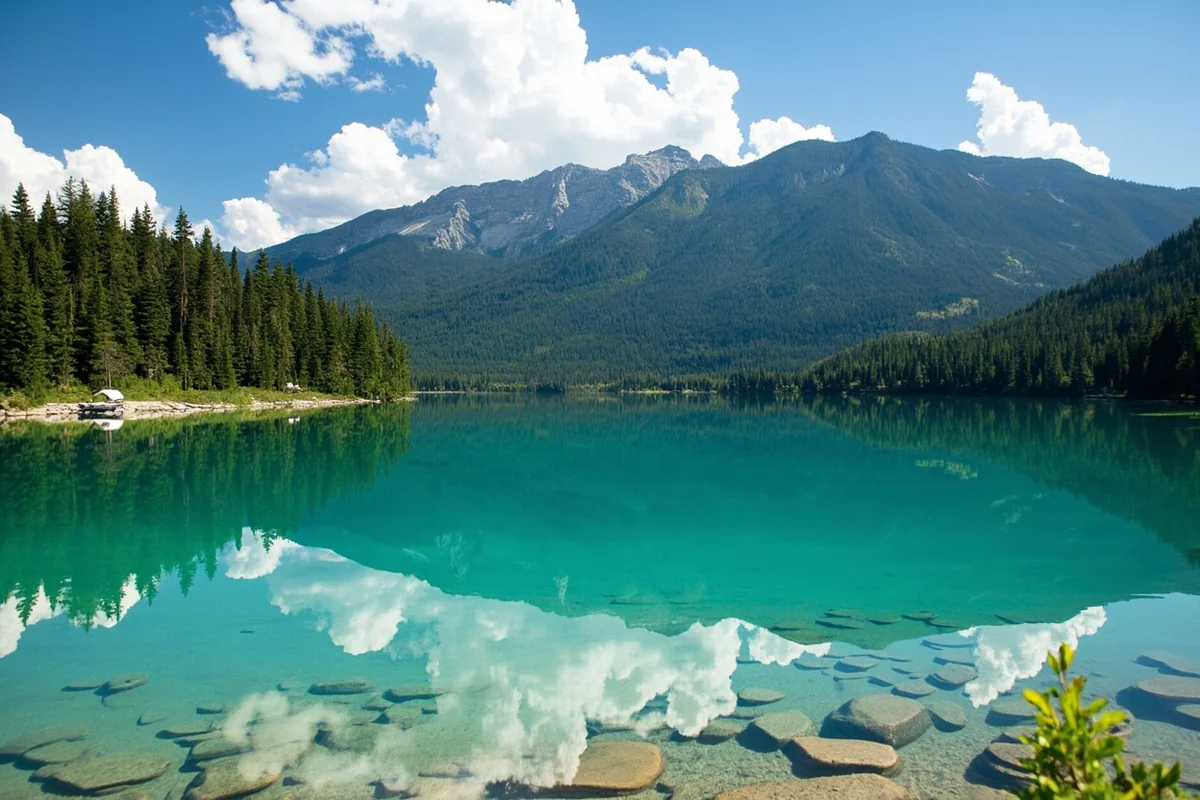
I’ve dropped a paddle blade into the shallows and watched it stay clearly visible well past where I expected it to disappear. That’s the kind of detail that’s easy to state and hard to fully appreciate until you’ve seen it yourself, on a calm day with the sun directly overhead.
How Ashley Lake Was Formed
Like most of the lakes clustered in this corner of northwest Montana, Ashley Lake was carved by the Cordilleran Ice Sheet roughly 12,000 to 14,000 years ago. It sits at about 3,500 feet elevation, surrounded by low mountainous terrain.
That glacial origin explains the depth variation here — shallow in some bays, dropping to over 200 feet in others.
Getting There: The Road Is Part of the Story
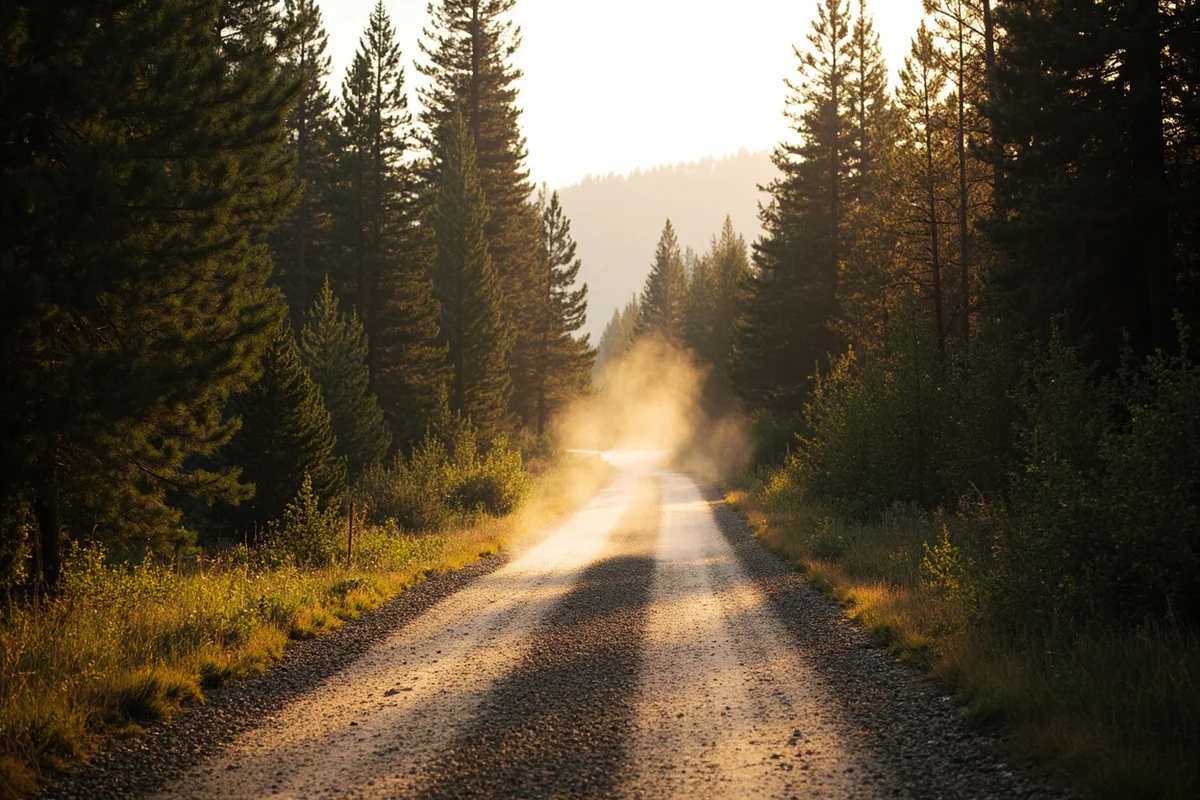
From Kalispell, head west on Highway 2 for about 4.5 miles. Turn at the Smith Valley School onto Ashley Lake Road, then continue roughly 8 miles to reach the lake.
That last stretch runs on unpaved, often washboarded gravel. I’ve made this drive more than once and always budget extra time — it’s slower going than the mileage suggests.
The bumpy access road is genuinely part of why this lake stays quieter than its size and quality would otherwise attract. Boaters in particular find the gravel road a bigger obstacle than the lake itself.
Fishing Ashley Lake
This is where Ashley Lake earns its real reputation. Rainbow trout here, especially the hybrid rainbow-cutthroat cross that gets planted regularly, can grow genuinely enormous.
Fish exceeding five pounds are common. Ten-pound rainbows aren’t unheard of, and at least two record-breaking catches have come out of this lake.
Kokanee and yellow perch round out the fishery. Because shoreline access is limited by private property lining much of the lake, a boat is essentially required for serious fishing here.
Morning and evening hours near the creek inlets tend to produce the best fly fishing results, according to locals I’ve talked with over the years.
Boating on Ashley Lake
Protected by mountains and dense forest on its western shore, Ashley Lake sees relatively mild wind conditions. That makes it a solid choice for tubing and general boating, not just fishing.
Don’t expect total solitude on the water, though. Summer homes line a fair amount of the shoreline, and motorboats are permitted, so you’ll share the lake with local residents enjoying their own backyard.
Camping at Ashley Lake
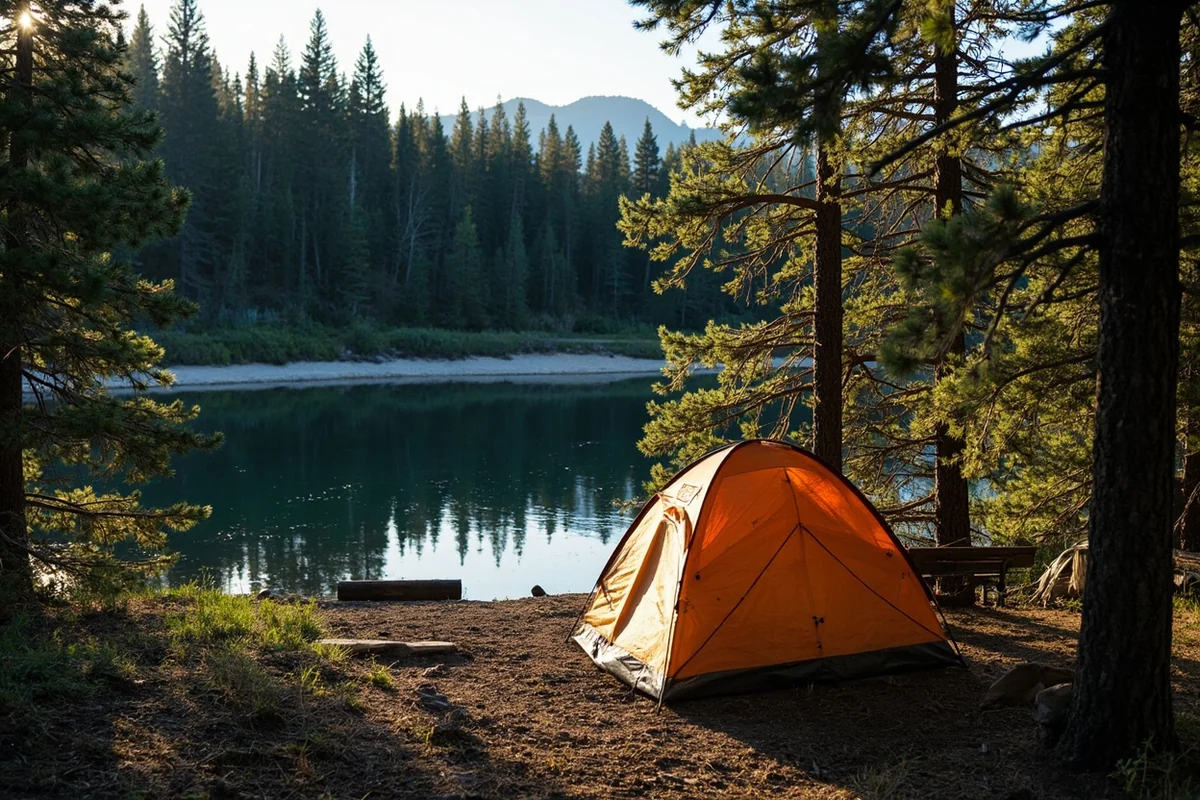
Three small campgrounds ring the lake, each with a slightly different feel.
Ashley Lake North Campground offers 6 sites with a host site, vault toilet, picnic tables, and a boat launch. It sits about 17 miles from Kalispell via Batavia School and Forest Service Road 912.
Ashley Lake South Campground is tiny — just 2 sites, a vault toilet, picnic tables, and fire rings. A walk-down launch works for kayaks and canoes, but the access road has a sharp corner that makes it unsuitable for RVs.
None of the campgrounds offer potable water, so pack in what you’ll need. Leashed pets are welcome at all three.
Wildlife Around the Lake
The forest surrounding Ashley Lake supports a genuinely diverse mix of wildlife. Moose, deer, black bears, coyotes, and wolves all live in this area.
I’ve had a moose sighting on the south shore road at dusk that stopped my car dead for a full five minutes while it crossed. Standard bear-aware practices apply here as much as anywhere else in northwest Montana.
Fire Safety in This Area
Late spring through fall, this part of Montana gets tinder dry, and wildfire risk is a real, ongoing concern. Carrying a shovel and bucket for fire suppression is required practice within U.S. Forest Service boundaries.
Be genuinely cautious with any open flame or flammable materials here. I keep both a shovel and a full water container in my vehicle any time I’m exploring this corner of the state in summer.
Kalispell as a Home Base
Given Ashley Lake’s proximity to Kalispell, most visitors treat it as a day trip rather than a standalone destination with its own lodging infrastructure. I think that’s the right approach for most people.
Kalispell offers the full range of hotels, restaurants, and services, and the drive out to Ashley Lake takes under 30 minutes even accounting for the gravel section. This makes it easy to pair a morning or afternoon at the lake with other activities in the Flathead Valley.
A Lake Shaped by Its Watershed
Ashley Lake’s exceptional water quality isn’t an accident. The surrounding watershed sees relatively limited development beyond the lakeshore homes themselves, which keeps agricultural and urban runoff to a minimum compared to lakes closer to bigger population centers.
That’s part of a broader pattern across northwest Montana’s smaller lakes. Places like Tally Lake and Ashley Lake benefit from being tucked into national forest land, away from the kind of intensive development that’s changed water quality at some lakes closer to major highways.
I think this is worth appreciating rather than taking for granted. Water this clear isn’t guaranteed to stay that way without careful management, and the lack of a paved road here has arguably done more to protect this lake than any formal conservation designation could.
Why the Gravel Road Might Be a Blessing
I’ve complained about Ashley Lake Road’s condition more than once in this guide, and I stand by that. But I’ve also come around to appreciating what it does for the lake.
A rough access road is a genuinely effective filter against overdevelopment and overcrowding. Every lake I’ve profiled in this cluster that stays quiet and clean tends to share this one thing in common: something makes it slightly inconvenient to reach.
Ashley Lake’s gravel road serves that function. I’d rather have a bumpy 20-minute drive and a clean, quiet lake than a smooth highway leading to something that looks more like Flathead Lake on a July weekend.
A Lake Worth Protecting
I don’t say this about every lake in this cluster, but Ashley Lake feels genuinely fragile in a way that’s worth acknowledging. Its water quality depends on the watershed staying relatively undeveloped, and that balance could shift with enough new construction around the shoreline.
For now, it remains one of the best-kept examples of what a healthy northwest Montana lake looks like. I’d encourage anyone visiting to treat it with the same care the current homeowners and Forest Service seem to.
Personal Tips / What I Wish I Knew
Bring your own boat if fishing is the priority. There’s no rental infrastructure at the lake itself, and shoreline access is limited by private property.
Skip this one if you’re towing anything large. The sharp corner on the south campground access road and general gravel road conditions make bigger rigs a genuine hassle.
Pack in your own drinking water regardless of what locals do. I wouldn’t recommend drinking straight from any lake without proper filtration, even one with this water quality reputation.
Go on a weekday if you can. Weekend traffic, mostly local, picks up noticeably compared to quieter weekday visits. I’ve had the entire south campground to myself on a Wednesday afternoon in August, which would be unthinkable at almost any other lake this close to Kalispell.
Practical Info: Ashley Lake
| Lake size | About 5 miles long, over 1 mile wide, 3,250 acres |
| Elevation | 3,500 feet |
| Distance from Kalispell | About 17 miles, mostly gravel road |
| Camping | Three small Forest Service campgrounds, no potable water |
| Best known for | Trophy rainbow trout fishing, exceptional water clarity |
| Fishing license | Standard Montana state license |
Frequently Asked Questions
Is Ashley Lake the cleanest lake in Montana?
Water quality data ranks it as the second cleanest in the state, clean enough that some lakeside homeowners draw untreated household water directly from it.
How do you get to Ashley Lake?
Via Highway 2 west from Kalispell, then Ashley Lake Road, roughly 8 miles of unpaved, often washboarded gravel road.
What’s special about the fishing at Ashley Lake?
The lake regularly produces trophy-sized rainbow trout, including hybrid rainbow-cutthroat crosses that can exceed ten pounds.
Is there potable water at Ashley Lake campgrounds?
No, none of the three small campgrounds around the lake offer potable water, so pack in what you’ll need.
Can you swim at Ashley Lake?
Yes, swimming is popular, particularly given the lake’s exceptional clarity, though as with most Montana lakes there are no lifeguards on duty.
Private Land in a Public Forest
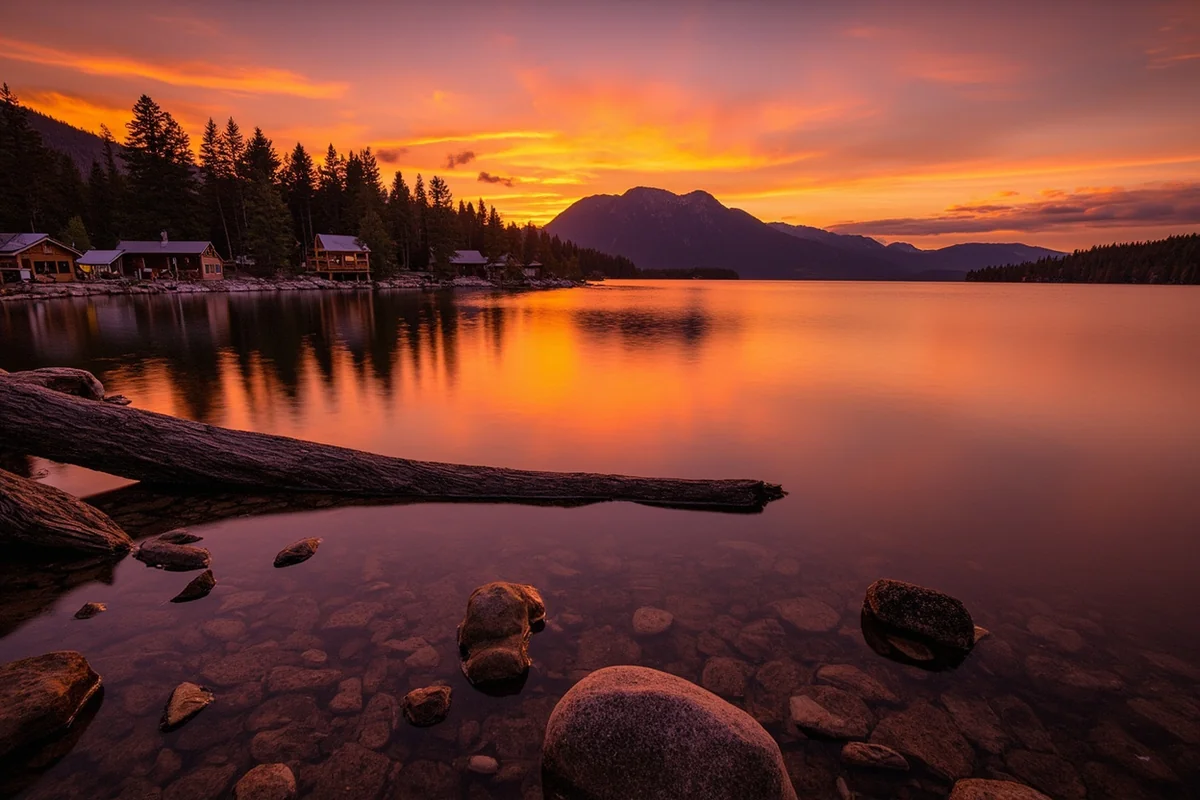
One thing that surprises first-time visitors: despite sitting within Flathead National Forest, Ashley Lake’s shoreline includes a genuine number of private homes. This isn’t unusual for northwest Montana, but it’s worth knowing before you arrive expecting an entirely undeveloped lake.
The private development thins out considerably away from the main access points. I’ve found plenty of quiet stretches of shoreline once I got a mile or two from the boat launches.
Renting a Cabin Instead of Camping
If tent camping isn’t your style, the online vacation rental market around Ashley Lake has grown in recent years. Listings range from modest cabins to larger properties that sleep more than 20 people.
Prices vary widely depending on size and season, from budget-friendly options up to premium lakefront properties. I’d book well ahead for peak summer weekends, since inventory here is genuinely limited compared to a bigger lake town.
The Second Cleanest Lake: What That Actually Means
I mentioned earlier that Ashley Lake ranks as the second cleanest in the state. I think it’s worth explaining what goes into that ranking, since “clean” can mean different things.
Water clarity, low nutrient runoff, and minimal algae growth all factor in. Ashley Lake benefits from a relatively undeveloped watershed feeding it, despite the private homes directly on the shoreline.
That combination keeps the water genuinely clear well below the surface. I’ve snorkeled briefly near a dock here and been surprised how far I could see even without proper gear.
Wildfire Risk and Smoke Season
Late summer in this part of Montana sometimes comes with wildfire smoke drifting in from regional fires, even when the immediate area isn’t burning. I’d check air quality conditions before planning an extended outdoor trip here in August, particularly if anyone in your group has respiratory sensitivities.
This isn’t unique to Ashley Lake, but it’s worth mentioning since the lake’s appeal is so tied to outdoor time on the water.
Final Thoughts
Ashley Lake is proof that some of Montana’s best water doesn’t need a paved road or a marketing campaign to be worth the trip. The bumpy drive in filters out exactly the kind of crowds that would otherwise show up.
I keep coming back to this lake specifically because it hasn’t changed much over the years I’ve been visiting. In a state where so many places are getting discovered and developed at a rapid pace, that kind of consistency feels increasingly rare, and increasingly worth protecting.
For a similarly quiet alternative nearby, see my guide to Tally Lake, or compare it with the more developed Whitefish Lake if services matter more to your trip.
Both Ashley and Tally are an easy drive from Kalispell. For help timing your visit, see my best time to visit Montana guide, and for other outdoor variety in the region, my Montana rockhounding sites guide covers a few nearby options worth combining with a lake day.
Check out the complete guide to Montana’s best lakes for the rest of the region.