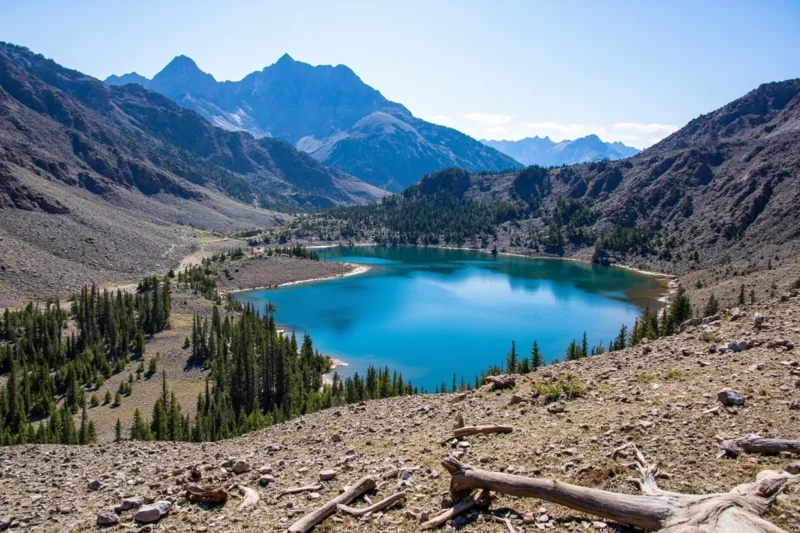
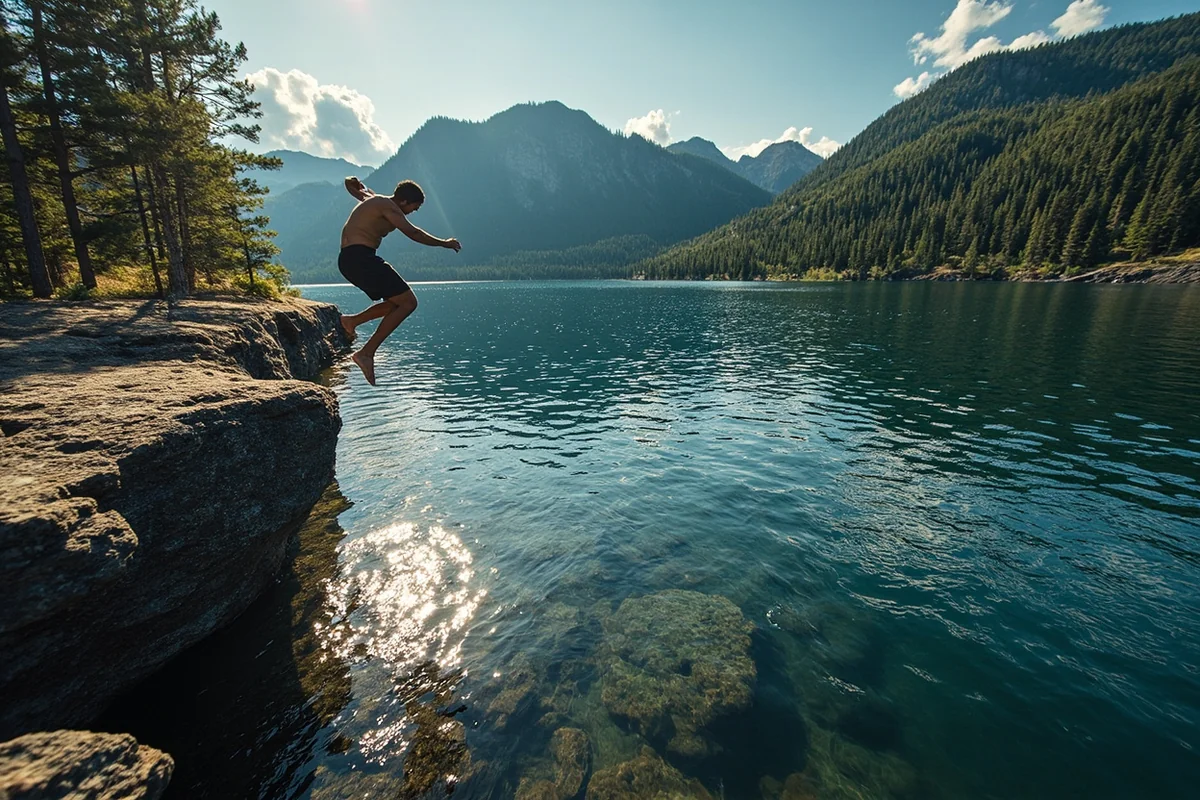
I jumped off a rock ledge into Tally Lake on a hot day in August, braced for the usual Montana cold-water shock. It never came.
Tally Lake, about 20 miles west of Whitefish, holds the title of Montana’s deepest lake at up to 492 feet. Despite that depth, high tannin content keeps the water surprisingly warm by late summer. This guide covers the swimming and cliff jumping, fishing for trophy trout, camping, and why this quiet lake stays overlooked compared to its more famous neighbor.
Liked this article?
Add Roaming Montana as a preferred source so you see more of our articles and guides on Google.
Montana’s Deepest Lake
Tally Lake reaches a maximum depth somewhere between 445 and 492 feet, depending on the source you check. Either way, it beats every other natural lake in the state.
That’s a genuinely surprising fact for a lake most Montana visitors have never heard of. Flathead Lake gets all the attention an hour away, while Tally quietly holds the depth record.
The lake formed naturally and has never been dammed. Its unusual geology, combined with that depth, gives it a character distinct from the reservoirs and glacial lakes that dominate this part of the state.
Why the Water Is Warm Despite Being So Deep
Here’s the part that surprised me most. Tally Lake carries high levels of tannins, the same organic compounds that darken tea and give some rivers their amber color.
That tannin-stained water absorbs and holds heat more effectively than the clear water you’d find at, say, Flathead or Whitefish Lake. By late summer, the surface genuinely warms up.
I’ve swum in a lot of Montana lakes that make you gasp on entry. Tally isn’t one of them, at least not in August.
Swimming and Cliff Jumping
The combination of warm water and some genuinely good rock ledges has made Tally Lake a locals’ cliff-jumping spot for years. I’d emphasize checking water depth and conditions before jumping anywhere you haven’t scouted first — depths vary and submerged hazards aren’t always obvious.
The campground beach area offers a gentler entry if cliff jumping isn’t your thing. I’ve brought less adventurous friends here and they’ve had just as good a time simply swimming and floating.
Fishing Tally Lake
This lake is classified as oligotrophic, meaning it has relatively low nutrient levels and, as a result, a smaller overall fish population. That sounds like a downside, but it actually works in anglers’ favor here.
With fewer fish competing for resources, the ones that do live in Tally Lake tend to grow large. Brook, rainbow, and lake trout are the primary catches, along with bull trout, occasional sturgeon, perch, northern pike, and kokanee.
Serious anglers here fish for trophy size rather than a full stringer for dinner. Fly fishing in the feeder streams tends to produce the best consistent results.
Boating on Tally Lake
A boat launch welcomes powerboats for water skiing and general recreation. I’ve also seen plenty of anglers working the shoreline slowly under electric or small outboard motors, in no particular hurry.
The lake’s size and relative lack of crowds make it a pleasant change of pace from Flathead Lake’s July boat traffic.
Camping at Tally Lake
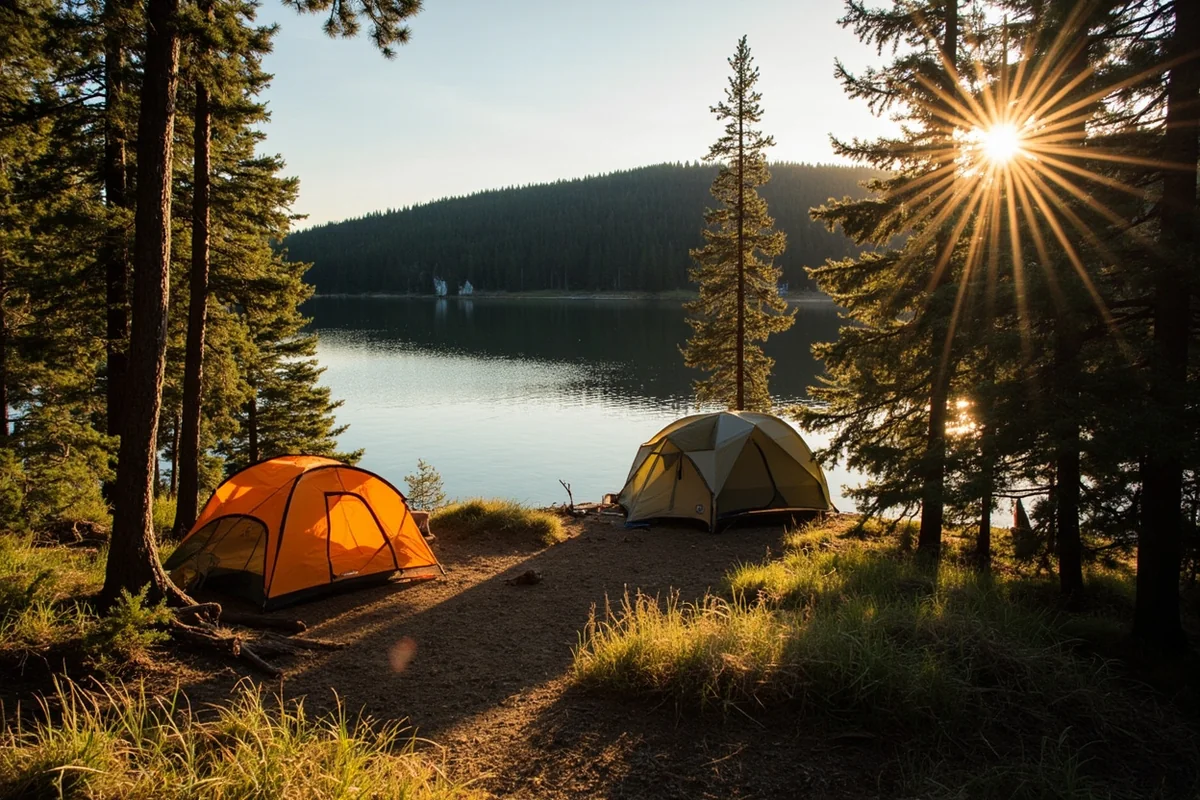
Tally Lake Campground draws a mix of tourists and Whitefish locals looking for an easy escape. Picnic grounds see regular use from families, and horseshoe pits add a bit of old-fashioned camp entertainment.
Campsites here sit right along the lakefront, which is a genuine advantage over some of the region’s other campgrounds.
Beyond the campground, the surrounding land includes a fair amount of private property, so don’t expect to find casual pull-off access all the way around the lake.
Where to Stay Nearby
If camping isn’t your style, private land around Tally Lake includes several resorts, ranches, bed-and-breakfasts, and rental cabins and houses. Many are listed through the Whitefish Chamber of Commerce.
Since Tally Lake sits only about 20 miles from Whitefish, staying in town and driving out for the day works just as well. See my where to stay in Whitefish guide for lodging options closer to services.
Fire Danger: A Real Consideration Here
Late spring through fall, the forest around Tally Lake gets genuinely tinder dry. Wildfire risk is a real, ongoing concern in this part of Montana, not just boilerplate caution.
If you’re driving a motor vehicle within U.S. Forest Service boundaries here, carrying a shovel and bucket for fire suppression isn’t just good practice — it’s required. I keep both in my vehicle any time I’m exploring this area in summer.
What the Tannins Actually Do
I mentioned earlier that tannins keep Tally Lake warmer than you’d expect for its depth. It’s worth explaining why, since this surprises most first-time visitors.
Tannins are organic compounds that leach into water from decaying plant material, particularly conifer needles and bark in a forest this dense. They darken the water, sometimes to a noticeable tea color near the shallows.
Darker water absorbs more solar radiation than clear water does. That absorbed heat gets held near the surface rather than scattering as quickly as it would in a clearer lake.
The net effect: a genuinely deep, cold-at-depth lake that still manages a warm, swimmable surface layer by late summer. I’ve explained this to enough skeptical visitors now that I’ve gotten pretty good at it.
Wildlife Around Tally Lake
The dense forest surrounding the lake supports a healthy population of white-tailed deer, black bears, and the occasional moose passing through near the inlets. This is also within range of mountain lion territory, though sightings are rare.
I’d apply standard bear-aware practices here as anywhere else in northwest Montana — proper food storage at the campground, noise on trails, and bear spray within reach. For a fuller rundown of what to expect and how to prepare, see my Montana bear guide.
Birdlife is solid too, particularly ospreys and bald eagles working the lake’s edges for fish. I’ve watched an osprey make three failed dive attempts before finally connecting on a fourth try, which felt like a small personal victory even though I had nothing to do with it.
A Quieter Four Seasons
Most visitors think of Tally Lake purely as a summer swimming spot, and that’s fair given how the tannin-warmed water makes August such a draw. But the lake has a life beyond peak season too.
Fall brings noticeably fewer people and a lake that’s just as scenic, if colder for swimming. I’ve fished the shoreline in late September with nobody else in sight, which is a genuinely rare experience this close to a town the size of Whitefish.
Winter access becomes more limited as the gravel roads can turn difficult in snow, but ice fishing does happen here among locals willing to make the trek.
I wouldn’t recommend it as a first-time winter activity without someone experienced along, given the road conditions and the lake’s genuine depth and cold-water risk below any ice layer.
Spring runoff swells the feeder creeks and can affect water clarity temporarily, so if crystal-clear water matters to your visit, I’d wait until at least June before making the trip.
Why This Lake Doesn’t Show Up in Most Guides
I’ve searched for solid information on Tally Lake before writing this guide, and the existing coverage online is thin. Most sites mention the depth record in passing and move on.
That’s a shame, because the tannin-and-warmth story here is genuinely one of the more interesting quirks among Montana’s lakes. Few other lakes in the state combine record depth with unusually warm surface swimming, and that combination alone makes it worth more attention than it typically gets.
Personal Tips / What I Wish I Knew
Go in August for the warmest swimming. Earlier in the summer, the tannin effect hasn’t fully kicked in yet, and the water runs colder than you’d expect. By late August the difference is dramatic compared to a visit in early July.
Scout any cliff-jumping spot before you commit. Water levels and submerged rock positions change, and I’d never jump somewhere I hadn’t checked first.
Bring your own gear. There’s no rental infrastructure directly at the lake, unlike the more developed lakes closer to Whitefish.
Combine it with Ashley Lake. Both are quiet, less-visited alternatives to Whitefish Lake, and they’re not far from each other if you want a two-lake day. I’ve done both in a single afternoon and still had time left for dinner back in town.
Practical Info: Tally Lake
| Maximum depth | 445–492 feet, the deepest lake in Montana |
| Location | About 20 miles west of Whitefish |
| Best season | Late July through August for the warmest swimming |
| Fishing | Trophy-focused; low fish density but larger average size |
| Camping | Tally Lake Campground, lakefront sites |
| Fire risk | High in late summer; shovel and bucket required in Forest Service areas |
Frequently Asked Questions
Is Tally Lake the deepest lake in Montana?
Yes, at a maximum depth of roughly 445 to 492 feet, it holds that title over every other natural lake in the state.
Why is Tally Lake warm despite being so deep?
High tannin content darkens the water and helps it absorb and retain heat more effectively than clearer lakes, making the surface noticeably warmer by late summer.
Is cliff jumping safe at Tally Lake?
It’s a popular local activity, but conditions and submerged hazards vary, so I’d always scout a jumping spot carefully before using it, ideally with someone who knows current conditions.
How far is Tally Lake from Whitefish?
About 20 miles, making it an easy day trip from town.
What fish can you catch at Tally Lake?
Brook, rainbow, and lake trout, along with bull trout, kokanee, perch, northern pike, and occasional sturgeon — generally larger, trophy-sized fish due to lower overall population density.
Comparing Tally Lake to Whitefish Lake
Visitors staying in Whitefish often ask me whether Tally Lake or Whitefish Lake deserves their limited beach time. My honest answer depends on what you want.
Whitefish Lake has services, a designated swimming beach, and easy access from downtown. Tally Lake has a bumpier drive, fewer amenities, and genuinely fewer people.
If you want convenience and a classic lake-town afternoon, stick with Whitefish Lake. If you want a quieter alternative and don’t mind a gravel road, Tally rewards the extra effort.
The Geology Behind the Depth
Tally Lake’s unusual depth comes from the same glacial processes that carved most of northwest Montana’s lake basins roughly 12,000 to 14,000 years ago. What sets Tally apart is how deep that particular basin cut.
Unlike the broad, relatively shallow basins of lakes like Whitefish or Swan, Tally’s basin plunges dramatically not far from shore in places.
That’s part of why the depth numbers vary slightly between sources — precise deep-lake surveying is genuinely difficult, and different studies over the decades have returned slightly different maximum readings.
Getting There From Whitefish
From downtown Whitefish, head west on Highway 93 before turning onto Forest Service roads that lead to the lake. The drive takes about 30-40 minutes depending on road conditions and how cautious you are on the gravel sections.
I’d avoid this drive in a low-clearance vehicle right after heavy rain. The road holds up fine in dry conditions but can turn genuinely slick and rutted after a storm.
One Last Thing Worth Knowing
If you take away one fact from this guide, make it this: Montana’s deepest lake isn’t in a national park, and it isn’t famous. It’s a 20-minute drive down a gravel road from a town most people associate with skiing and a different, warmer lake entirely.
I think that’s a pretty good reason to make the detour next time you’re in the Flathead Valley.
Final Thoughts
Tally Lake is the kind of place that rewards curiosity. Most visitors drive right past it on the way to Whitefish Lake, never realizing they’ve skipped the deepest lake in the entire state.
I think about that every time I make the drive out here. A lake this distinctive deserves better than a footnote in someone else’s list of Montana’s better-known destinations, and that’s exactly why I wanted to give it a proper guide of its own, start to finish.
For a similarly quiet alternative nearby, see my guide to Ashley Lake, or compare notes with Whitefish Lake if you want a more developed option in the same area. Both are an easy drive from Whitefish itself.
For lodging near either lake, see my where to stay in Whitefish guide, and for the best swimming-season timing, my Montana in August guide covers when the water peaks.
Check out the complete guide to Montana’s best lakes for the rest of the region.