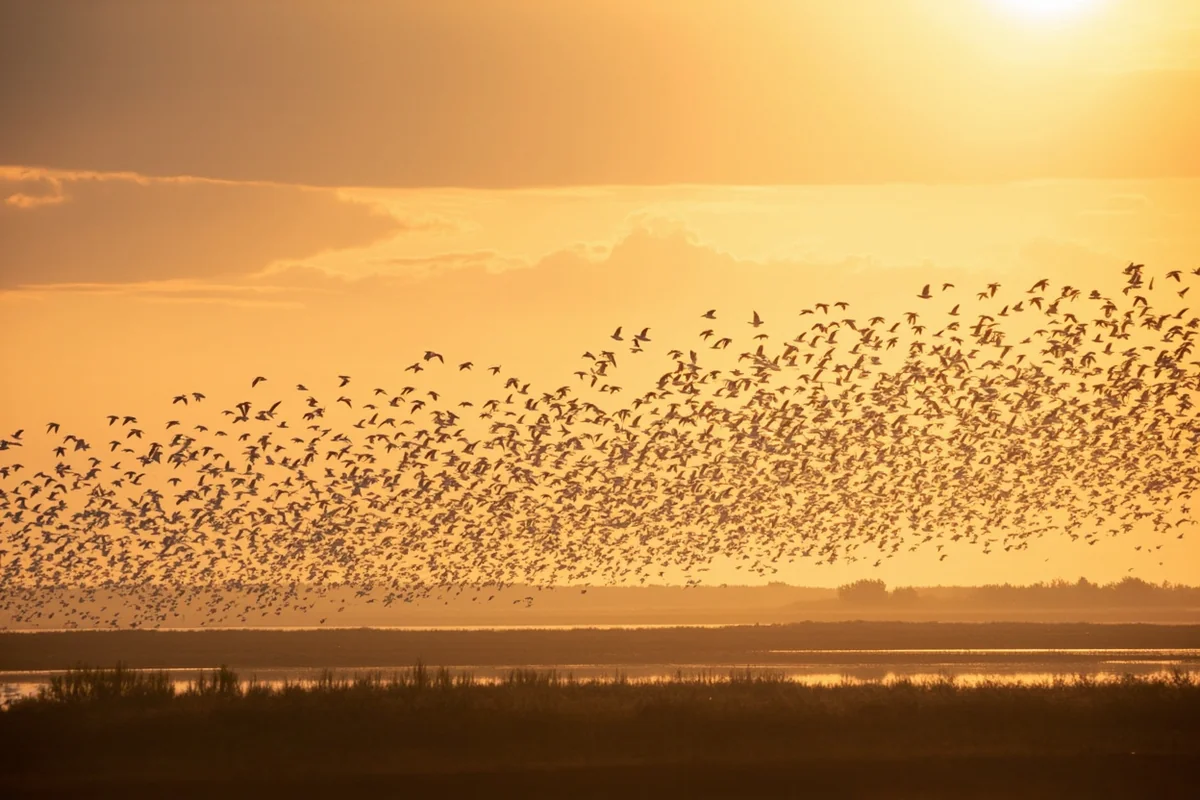
I’ve stood at the edge of this lake and heard 300,000 birds lift off at once. It sounds less like wings and more like distant thunder that never quite stops.
- Freezeout Lake sits in Teton County between Fairfield and Choteau, about 40 miles west of Great Falls
- It’s Montana’s premier snow goose staging area, hosting up to 300,000 snow geese and thousands of tundra swans during spring migration
- This guide covers the best viewing times, the two competing legends behind the name, nearby camping and hiking, and a genuinely good dinosaur museum just down the road
- Early March delivers the spring spectacle; September brings a quieter fall migration with different species
Liked this article?
Add Roaming Montana as a preferred source so you see more of our articles and guides on Google.
Two Stories, One Name
Nobody fully agrees on where “Freezeout” came from, and I genuinely enjoy that this small mystery has never been settled.
One version traces back to soldiers stationed near here in the late 1860s, caught in a howling, blinding blizzard that swept across these flats. The area became known as Freezeout Flat from that point on.
The other version is considerably less dramatic. Travelers passing through in 1885 supposedly spent bitterly cold nights at a stage station here playing a poker game called “Freezeout,” and the name stuck to the station and eventually the surrounding lake.
I like both explanations for different reasons. One captures how genuinely brutal Montana winters can be on this exposed stretch of prairie; the other captures the kind of dry humor that shows up throughout the state’s place names.
A Lake Reshaped for Wildlife
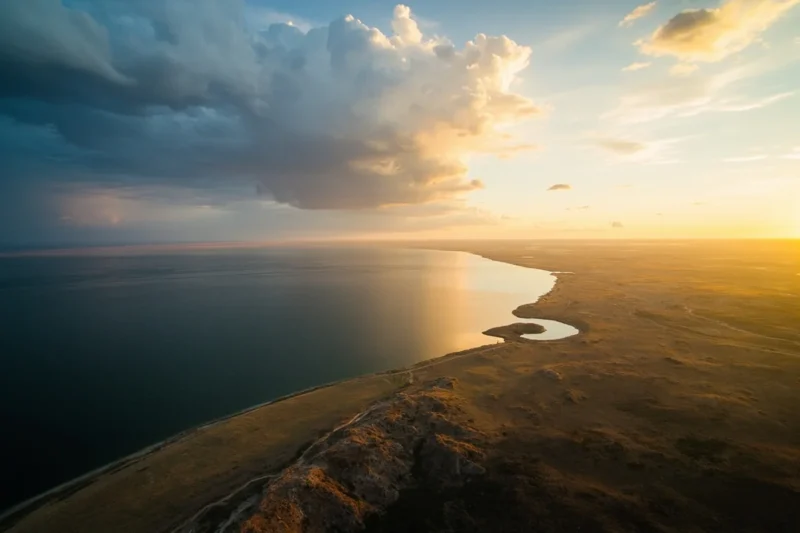
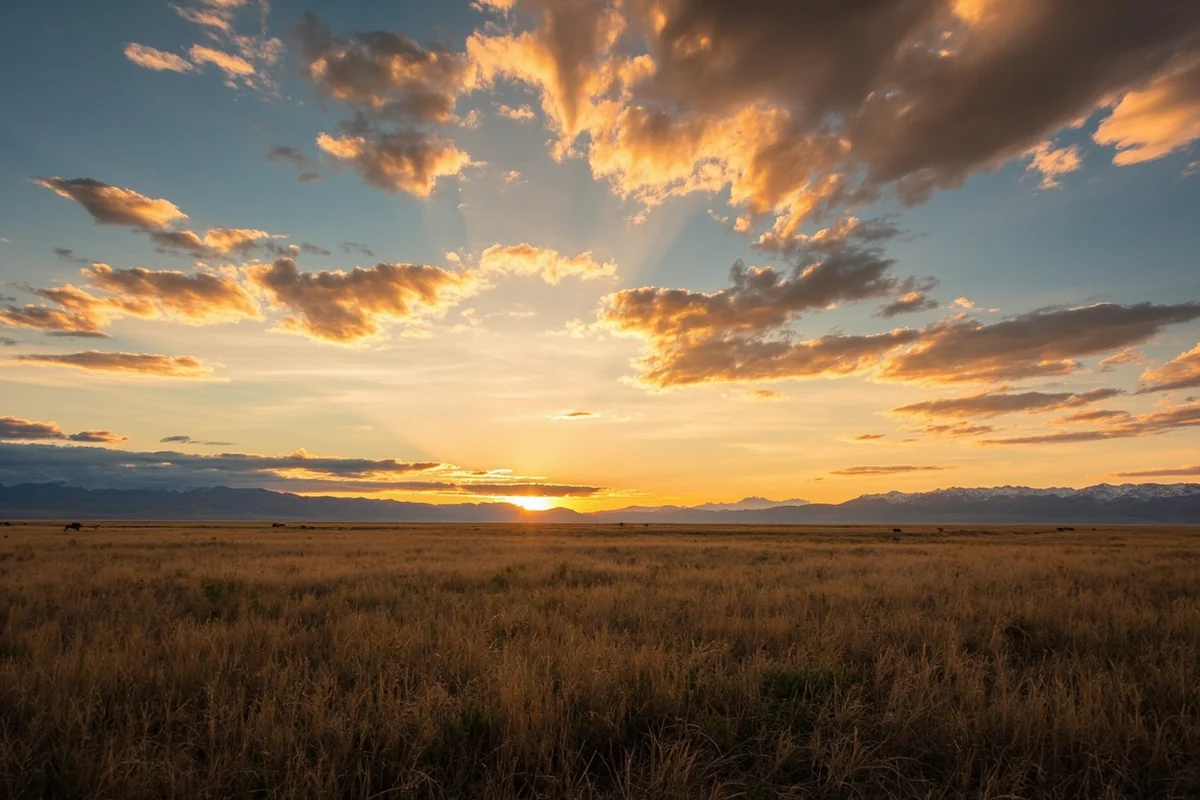
Freezeout Lake began as a natural, glacially formed basin, but its modern character owes a lot to deliberate human engineering. The Montana Department of Fish and Game bought the area in 1953 and set about developing it specifically as seasonal bird habitat.
Crews built a series of dikes and ditches to control water levels and constructed islands where waterfowl could nest and roost safely away from ground predators. Wheat and barley are cultivated on surrounding land specifically to feed the birds passing through.
I find this worth knowing because it changes how you look at the landscape here. What looks like a natural wetland is actually a carefully managed system, engineered over decades specifically to support the spectacle you come here to see.
The Snow Goose Spectacle
This is genuinely one of the great wildlife viewing experiences in Montana, and I don’t say that lightly. Up to 300,000 snow geese and roughly 10,000 tundra swans use Freezeout Lake as a rest stop during their spring migration north.
These birds arrive in early March after a journey of nearly 1,000 miles from California, resting here before continuing on toward breeding grounds in Alberta and Saskatchewan, where they’ll mass with hundreds of thousands more birds arriving from Texas and other Gulf Coast states.
From there, shorter flights eventually carry them to nesting grounds on the windswept Arctic coast of northwest Canada.
I’ve timed a visit for early March specifically to catch this, and the sheer number of birds is genuinely hard to process the first time you see it. Watching a portion of that flock lift off together, seemingly all at once, is an experience I still think about years later.
When to Go for the Best Viewing
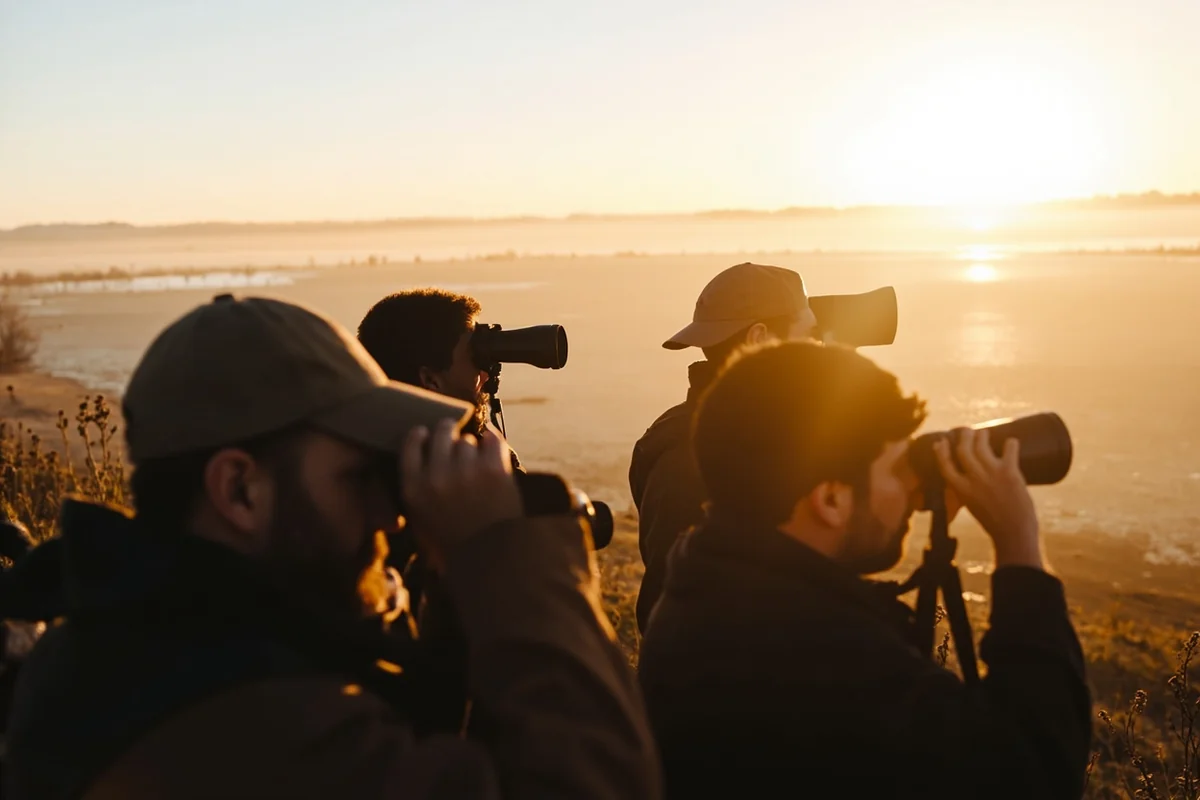
Wildlife managers recommend viewing from sunrise until about 10 a.m., then again from 4:30 p.m. until sunset. I’d build your schedule around these windows specifically, since midday tends to be considerably quieter as birds spread out to feed.
Bring binoculars or a spotting scope if you have them, along with warm clothing even if the calendar says spring. Early March in this part of Montana can still deliver genuinely cold mornings, and you’ll be standing still for extended stretches if you’re serious about the viewing.
A light lunch isn’t a bad idea either, especially if you’re planning to stay through the midday lull and catch both viewing windows in a single day.
Fall Migration: A Quieter Alternative
September brings a different, considerably quieter show. Teal, pintails, and other waterfowl species arrive during the fall migration window, offering a genuinely different birding experience from the sheer scale of the spring snow goose event.
I’d recommend a fall visit specifically to visitors who want a calmer, more contemplative wildlife viewing experience without the crowds that the spring spectacle now draws.
Fishing Freezeout Lake
Beyond the birds, Freezeout Lake supports a modest fishery, with yellow perch, rainbow trout, white sucker, longnose dace, carp, brook stickleback, and lake chub all present.
I wouldn’t call this a premier fishing destination, but it’s a legitimate option if you want to combine birding with a line in the water during the off-peak months.
A standard Montana fishing license covers the lake, and I’d check current regulations before your visit since specific rules can vary by season [verify current fishing regulations].
The Old Trail Museum
About 5 miles northwest of Freezeout Lake, this museum makes a genuinely worthwhile stop for anyone combining birdwatching with a bit of Montana history.
It’s one of 14 stops on Montana’s “Dinosaur Trail,” featuring a Two Medicine Paleontology Gallery with a Maiasaura — Montana’s official state fossil — along with dinosaur eggs, nests, and other prehistoric artifacts.
Beyond the dinosaurs, the museum covers local wildlife, including grizzly bears, and Native American history in the region. An outdoor boardwalk connects several historic buildings, including an artist’s studio, an old schoolhouse, and a preserved Métis Red River cart.
I’d budget an hour or two here if you’re already making the drive out for the birds, since it adds a genuinely different dimension to the trip.
Where to Stay Nearby
Given that Freezeout Lake itself offers no lodging, I’d base a trip out of Choteau, Augusta, Fairfield, or Great Falls, depending on how much distance and services you want. Choteau sits closest and offers a good small-town base for an early morning viewing session.
Great Falls, being the largest nearby city, offers the widest range of hotels and restaurants if you’d rather have more options after a day in the field.
Photography Tips for the Migration
I’ve brought different camera setups on different visits here, and a telephoto lens genuinely makes the biggest difference if you want to capture individual birds rather than just the overall spectacle. That said, some of my favorite shots from this lake used a wider lens specifically to capture the scale of the flock against the open prairie sky.
Morning light tends to work best here, both for the quality of light itself and because bird activity peaks during that early window. I’d arrive with enough time to set up before the first light rather than rushing in after sunrise has already broken.
A Stop That Rewards Patience
I think Freezeout Lake teaches a good lesson about Montana wildlife viewing generally: the biggest payoffs often require showing up at specific times rather than whenever happens to be convenient. A random summer afternoon here delivers a pleasant but unremarkable wetland.
Early March, at the right hour, delivers one of the most genuinely staggering wildlife displays in the entire state.
That gap between an average visit and an extraordinary one comes down entirely to timing, which is exactly why I’d encourage real planning around this destination rather than treating it as a casual drive-by stop.
For help thinking through that planning, my Montana history guide covers additional context on the homestead and territorial era that shaped so many of the place names and land-use patterns you’ll encounter across this part of the state.
Personal Tips / What I Wish I Knew
Dress for genuinely cold mornings, even in March. I’ve underestimated how cold this exposed prairie gets before sunrise, even when the daytime forecast looked mild.
Arrive before sunrise if you can manage it. The early morning light and the birds’ own activity patterns both favor that first viewing window over any other time of day.
Combine your visit with the Old Trail Museum. It’s a short enough detour that skipping it feels like a missed opportunity once you’re already out this way.
Check migration timing before you commit to a specific date. Exact peak dates shift year to year depending on weather patterns further south, so I’d call ahead or check current wildlife reports before planning a trip solely around this event [verify current migration timing estimates].
Practical Info: Freezeout Lake
| Location | Teton County, between Fairfield and Choteau, about 40 miles west of Great Falls |
| Size | Over 1,500 acres of water, 3,000 acres of land within the recreation area |
| Best viewing season | Early March for snow geese; September for fall migration |
| Best viewing times | Sunrise to 10 a.m.; 4:30 p.m. to sunset |
| Fishing | Yellow perch, rainbow trout, and several smaller species; standard Montana license required |
| Nearby attraction | Old Trail Museum, about 5 miles northwest |
Frequently Asked Questions
How many snow geese visit Freezeout Lake?
Up to 300,000 snow geese, along with roughly 10,000 tundra swans, gather here during peak spring migration in early March.
Where does the name Freezeout Lake come from?
Two competing legends exist — one involving soldiers caught in a blizzard in the 1860s, the other involving travelers playing a poker game called “Freezeout” at an 1885 stage station.
When is the best time to see the snow geese?
Early March, specifically during the sunrise-to-10-a.m. and late-afternoon-to-sunset windows, offers the best viewing.
Is Freezeout Lake good for fishing?
It supports a modest fishery, including yellow perch and rainbow trout, though it’s better known for birdwatching than serious fishing.
Is there camping at Freezeout Lake?
The immediate area offers limited camping infrastructure; I’d base a trip out of nearby Choteau, Fairfield, Augusta, or Great Falls instead.
Counting Hundreds of Thousands of Birds
I’ve always wondered how wildlife biologists actually count a flock this size, and the answer genuinely impressed me once I learned it.
Rather than trying to count individual birds directly, researchers use aerial photography and count three-dimensional objects represented on a two-dimensional plane, essentially treating the flock as a density problem rather than attempting an impossible bird-by-bird tally.
I think this detail is worth sharing with anyone visiting, since it adds a layer of appreciation for just how enormous and logistically complex tracking this migration actually is. These aren’t rough estimates pulled from thin air — they’re the product of genuine wildlife science applied to an extraordinary natural event.
A Lake Shaped by Glaciers, Then Reshaped by People
Freezeout Lake’s basin traces back to glacial activity thousands of years ago, the same broad geological process that shaped so much of Montana’s landscape. But the lake you see today looks quite different from its original glacial form.
In the 1950s, the area was altered with dikes and other water management infrastructure specifically to better support the waterfowl population that had already been using the area.
I find this layering of natural and human history genuinely representative of so many of Montana’s best wildlife areas — glaciers did the initial work, and dedicated conservation efforts refined it into something even better suited for the species that depend on it.
Comparing Freezeout to Other Montana Birding Spots
I’ve visited a number of wildlife refuges and management areas across Montana at this point, and Freezeout Lake stands apart for sheer scale.
Smaller waterfowl areas, like the Big Lake Wildlife Management Area west of Molt, offer a similar flavor of experience without anything close to the same volume of birds.
If you’re specifically chasing scale and spectacle, Freezeout Lake is genuinely unmatched in this state. If you want a quieter, more intimate birding experience, I’d point you toward one of the smaller management areas instead, several of which are covered elsewhere in this guide.
Final Thoughts
Freezeout Lake delivers one of the most genuinely staggering wildlife spectacles I’ve witnessed anywhere in Montana, and it happens on a schedule most road-trippers never think to check. Timing a visit around early March takes some planning, but standing in the middle of 300,000 birds lifting off together is worth building an entire trip around.
For another Central Montana lake worth combining with a visit, see my guide to Crystal Lake, or check out the complete guide to Montana’s best lakes for the rest of the state.
For a broader look at species you might spot here, my Montana bird species guide covers what else to watch for across the state. If you’re staying in Great Falls or nearby Choteau, both make convenient home bases, and my Montana in March guide covers what else to expect during peak migration season.