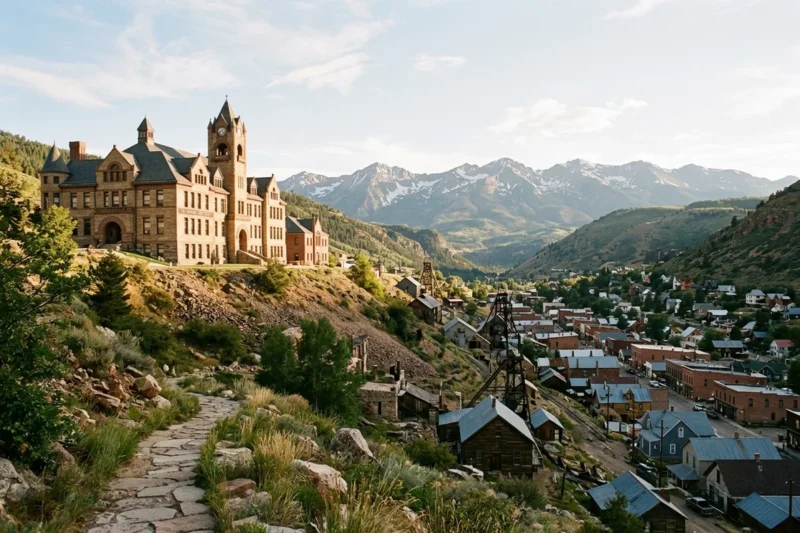
Byron Sherman didn’t build this granite mansion just because he could afford it. He built it to prove that ranching in the middle of nowhere central Montana could pay as well as any Gilded Age fortune back east.
- The Castle Museum occupies a granite mansion built in 1892 by cattle baron Byron Roger Sherman, hauled stone by stone from the nearby Castle Mountains
- Inside, you’ll find Italian marble washbasins, crystal chandeliers, and Oriental rugs alongside exhibits on Meagher County’s ranching, mining, and railroad history
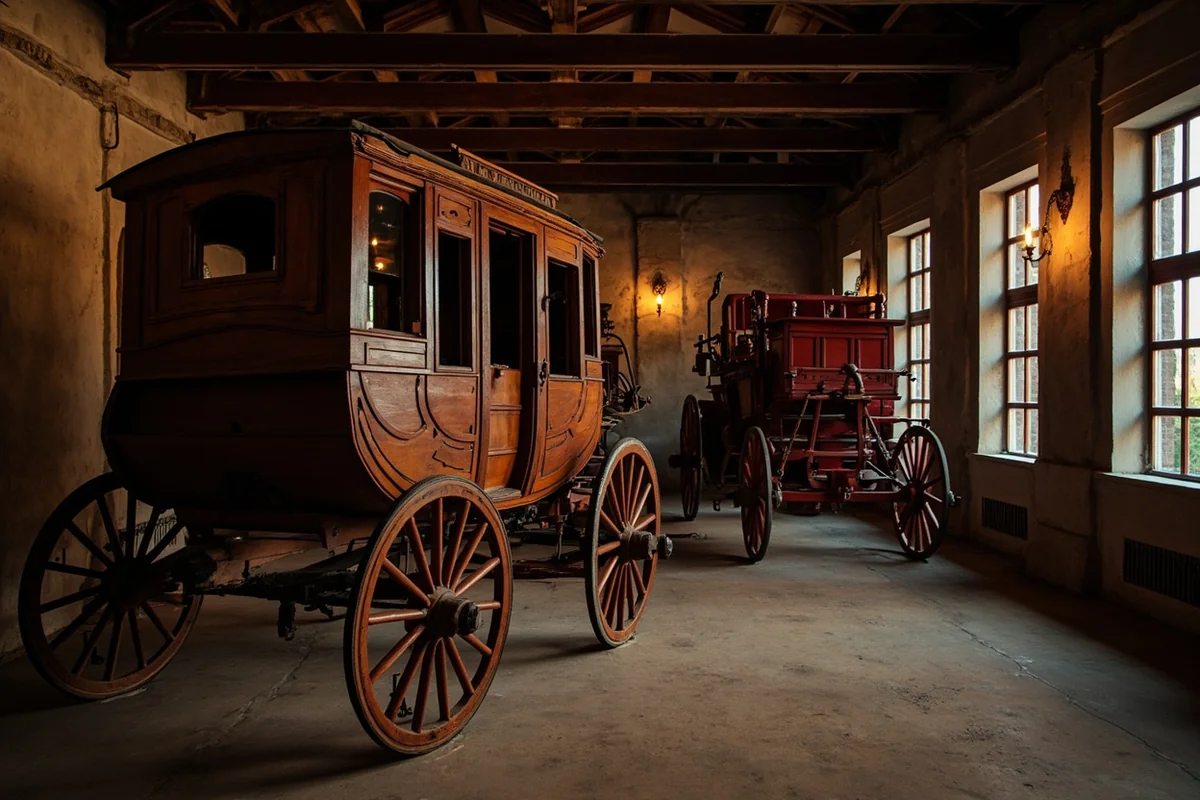
- An adjacent carriage house holds a genuine Canyon Ferry stagecoach, horse-drawn fire engines, and recreated bank and schoolhouse spaces
- The museum operates seasonally, mid-May through mid-September, guided by local volunteers
- This is one of the best museums in Montana that was once the biggest landmark in town and has since become one of the state’s most underappreciated stops
Liked this article?
Add Roaming Montana as a preferred source so you see more of our articles and guides on Google.
A Mansion Built to Make a Point
Byron Roger Sherman wasn’t just a wealthy man looking for a grand house. He was a stockman with something specific to prove, and this granite mansion was his argument.
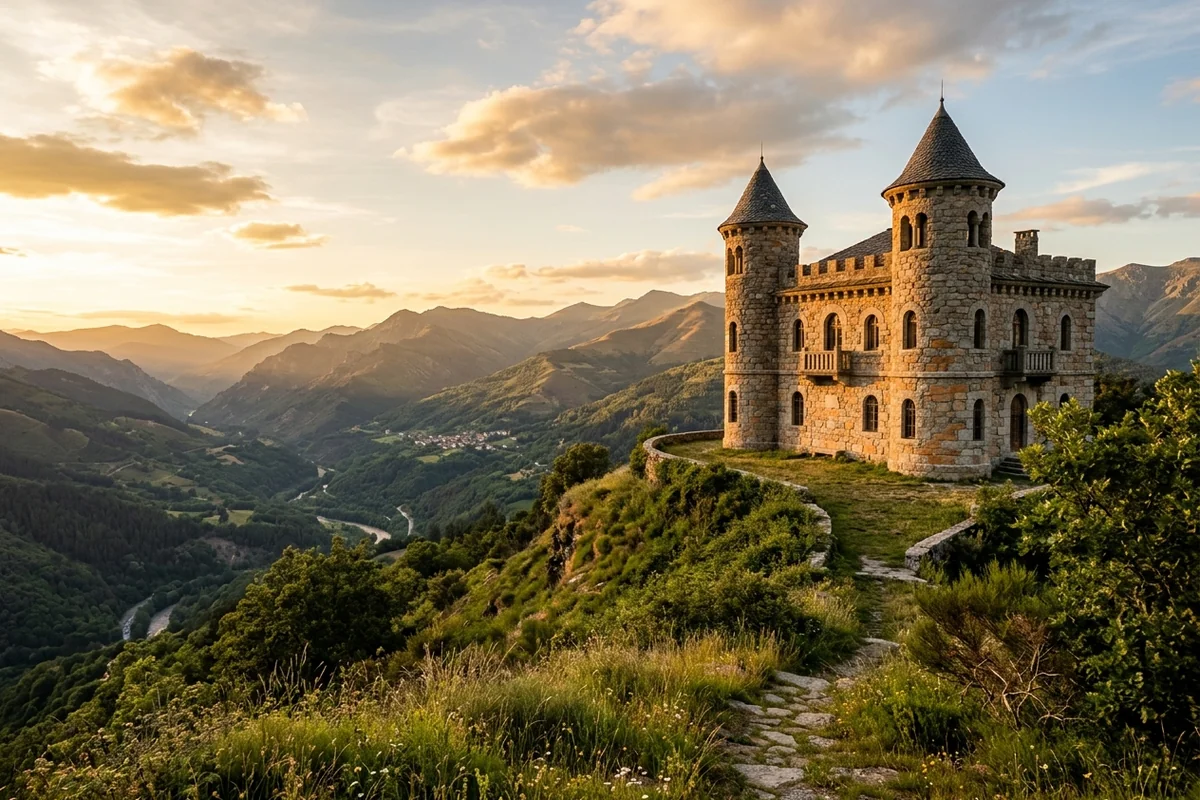
Sherman wanted to demonstrate that livestock ranching could genuinely pay, and pay well, even out in what was then considered the remote wilds of central Montana. In 1892, he built a house designed to make that case unmistakably clear — a two-story granite mansion on a hilltop overlooking White Sulphur Springs, constructed from hand-cut stone hauled by oxen all the way from the nearby Castle Mountains.
The finished house measures roughly 40 by 40 feet, built in a genuinely fine frontier rendition of late 19th-century Romanesque style, complete with two full-height towers on its south side. Locals started calling it simply “The Castle,” and the name stuck permanently.
Gilded Age Luxury in the Middle of Cattle Country
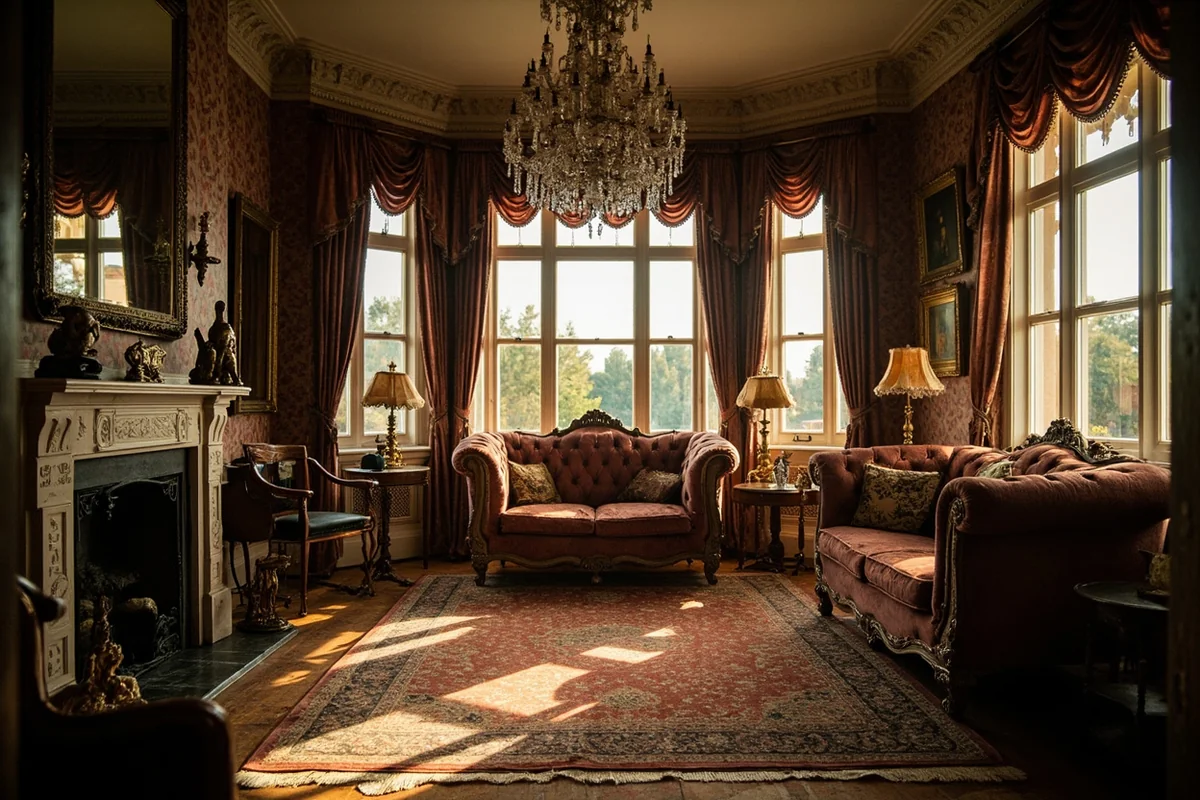
Step inside, and the interior delivers on the exterior’s promise. This isn’t a modest ranch house dressed up — it’s genuine Gilded Age luxury, deliberately imported to a genuinely remote corner of Montana.
Brilliant wood floors run throughout the twelve-room mansion, layered with exotic Oriental and Belgian rugs. Italian marble washbasins fill the bathrooms. Crystal chandeliers hang from the ceilings. Every room is carefully curated with period furnishings, photographs, and vintage clothing that trace Meagher County’s roots in ranching, mining, railroads, and early settlement.
Getting materials like Italian marble and imported rugs to a remote central Montana hilltop in 1892 wasn’t a simple matter of placing an order and waiting for delivery. Everything had to travel by rail as far as the tracks reached, then continue by wagon over rough territorial roads to actually arrive at the building site. That logistical achievement is easy to overlook once you’re standing in a finished, elegant room, but it’s worth remembering that every marble slab and every chandelier crystal represents a genuinely difficult supply chain for the era, not just a wealthy man’s simple purchasing decision.
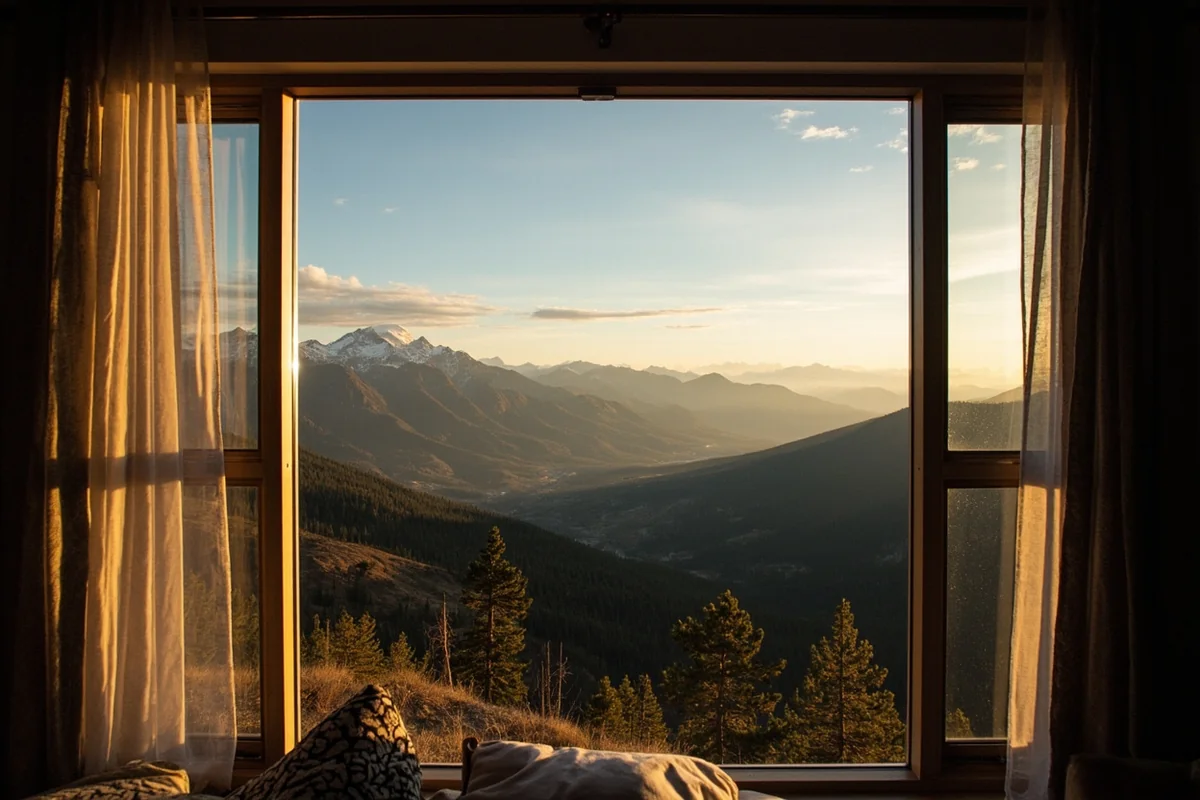
From the upper level, the views alone justify the climb. Look west and south, and you’re taking in the entire Smith River Valley and the Castle Mountains. Turn north, and the Little Belt Mountains fill the horizon. Look east, and the Crazy Mountains complete a genuinely spectacular, uninterrupted panorama that Sherman himself would have looked out on from these same windows.
The Carriage House: Stagecoaches and a Recreated Bank
A short walk from the main house, the carriage house, added in 1989, holds a genuinely different kind of collection worth exploring on its own terms.
You’ll find a real Canyon Ferry stagecoach on display, alongside horse-drawn fire engines, wagons, and buggies from the era. A balcony level recreates specific community spaces from the period, including a one-room schoolhouse and an old-time bank, complete with school and medical instruments that give you a tangible sense of daily institutional life in early Meagher County.
Unlike the guided tour required for the main house, the carriage house is generally open for visitors to browse at their own pace, making it an easy add-on even if your schedule only allows time for a quick look before or after the guided castle tour.
An Honest Note: This Landmark Deserves More Visitors Than It Gets
I want to be direct about something here rather than just describe the exhibits. The Castle was once the single most significant landmark in White Sulphur Springs, and it’s genuinely remarkable that a town this small tackled the difficult work of preserving a historic mansion as a museum decades before that kind of small-town preservation effort became common practice.
But by multiple honest accounts, including from historians who’ve followed the property for decades, visitor numbers here have struggled over the years. The Castle sits well off the interstate, in a genuinely quiet corner of central Montana that most road-trippers simply don’t pass through on their way between bigger destinations. That’s part of what makes it worth actively seeking out rather than stumbling onto — this is exactly the kind of place that rewards travelers willing to go a little out of their way, precisely because so few others do.
I think this pattern is worth naming clearly rather than glossing over: Montana has a real handful of genuinely significant historic sites that simply sit too far from a major highway to benefit from casual drive-by tourism. The Castle is one of them. Unlike a roadside attraction that thrives on impulse stops, a place like this survives entirely on visitors who deliberately decided it was worth the detour, and on a small historical society that’s kept showing up decade after decade regardless of how many cars actually turn onto 2nd Ave NE.
One practical note worth knowing before you visit: photography isn’t permitted inside the main house. It’s an unusual policy that’s caught a few visitors off guard, so go in expecting to look rather than document, and you won’t be frustrated by it.
Visiting With Kids
This museum leans more toward adults and older kids interested in genuine history and architecture than very young children, given the guided-tour format and the no-photography, look-but-don’t-touch nature of the main house. That said, the carriage house’s stagecoach, fire engines, and recreated schoolhouse tend to hold younger visitors’ attention better than the main mansion’s more formal rooms.
If you’re traveling with a mix of ages, I’d treat the carriage house as the primary kid-focused stop and the guided house tour as the more adult-oriented centerpiece. Older kids studying Montana history in school tend to get genuine value from seeing an actual Gilded Age mansion this far from any major city, since it complicates the simple assumption that frontier Montana was uniformly rustic and poor.
Frequently Asked Questions
Is a guided tour required, or can we explore at our own pace?
The main house requires a guided tour led by a volunteer, typically in small groups. The carriage house, by contrast, is generally open for self-guided browsing at your own pace.
Why isn’t photography allowed inside?
The specific reasoning isn’t always clearly explained to visitors, but it’s a consistent, long-standing policy. Go in prepared to experience the house through your own eyes rather than a camera lens.
Is the museum accessible for visitors with mobility limitations?
As a two-story 1892 granite mansion, full accessibility can be limited, particularly for reaching the upper-level rooms and views. Call ahead if this is a specific concern for your visit.
How does this compare to other Montana Gilded Age mansions, like Daly Mansion?
Both reflect genuine late-1800s Montana wealth, but on different scales and built from different fortunes. Daly Mansion reflects one of the largest copper-mining fortunes in American history; The Castle reflects one successful stockman’s more modest, but still genuinely impressive, ranching wealth. Visiting both gives you a broader sense of how differently Montana fortunes actually got built and displayed.
Is there anywhere to eat in White Sulphur Springs?
Yes, the small town has local dining options within easy walking distance of the museum, making it simple to turn your visit into a fuller stop.
What Other Guides Get Wrong
- The specific reason Sherman built this house — to prove ranching could genuinely pay — rarely gets explained. Most mentions describe a “wealthy man’s mansion” without conveying the actual point he was trying to make.
- The declining visitor numbers over recent decades almost never get acknowledged honestly, when that context actually makes a visit feel more meaningful rather than less appealing.
- The no-photography policy inside the house rarely gets flagged in advance, catching some visitors off guard mid-tour.
- The panoramic views from the upper level get treated as a minor detail, when they’re genuinely one of the most spectacular vantage points in this part of Montana.
Personal Tips: What I Wish I Knew
- Check the season carefully before you plan your trip. The museum operates mid-May through mid-September, with some sources citing slightly different exact dates, so confirm current hours directly before making the drive.
- Budget time for both the guided house tour and a self-guided browse of the carriage house. They’re genuinely different experiences worth treating as two separate stops rather than rushing through together.
- Don’t expect to take photos inside the main house. Go in prepared to simply look and listen rather than document your visit.
- Ask your guide about Sherman’s original motivations. The volunteer-led tours consistently get praised for genuine, personal storytelling that goes beyond a scripted overview.
- Pair this with a soak at Spa Hot Springs Motel in town. After a guided tour on your feet, a natural hot springs soak just down the road is a genuinely pleasant way to close out your visit.
How This Fits a Central Montana Road Trip
White Sulphur Springs sits along the Kings Hill Scenic Byway, a genuinely beautiful drive through the Little Belt Mountains that makes the Castle an easy, worthwhile stop rather than a dedicated detour.
If Montana’s Gilded Age mansions and cattle-baron history interest you more broadly, pairing this with our Daly Mansion guide in Hamilton and our Grant-Kohrs Ranch guide in Deer Lodge gives you a genuinely fuller picture of how different fortunes — copper, ranching, and cattle — got built and displayed across late-1800s Montana. If you’re continuing through Central Montana, our Judith Basin County Museum guide in nearby Stanford rounds out another strong regional stop. Our Montana museums guide maps how this stop connects to the rest of the state’s cultural landscape.
Practical Info
| Address | 310 2nd Ave NE, White Sulphur Springs, MT 59645 |
| Phone | 406-547-2324 |
| Season | Mid-May through mid-September [verify exact current season dates] |
| Hours | Daily, roughly 10 a.m.–5 p.m., last tour around 4:30 p.m. [verify current hours] |
| Admission | Roughly $5 adults, $3 children/seniors, free for young children [verify current pricing] |
| Photography | Not permitted inside the main house |
| Time needed | 1–1.5 hours |
| Good for | History enthusiasts, architecture lovers, road trippers on the Kings Hill Scenic Byway |
| Nearby pairing | Spa Hot Springs Motel, Little Belt Mountains |
Final Thoughts
The Castle Museum is proof that a small Montana town once had the ambition to build a granite mansion in the middle of cattle country, and decades later, the same small town has quietly kept it standing and open to the public against genuinely difficult odds.
Sherman’s argument that ranching could rival any Gilded Age fortune sits preserved in marble and crystal, waiting for travelers willing to leave the interstate long enough to find it.
Pin this for your Central Montana trip planning, and don’t let the quiet visitor numbers put you off — that’s exactly what makes a visit here feel like a genuine discovery rather than another stop on a crowded circuit. If you’ve caught the view from the upper-level towers, I’d love to hear which mountain range stole the show for you in the comments.