Charlie Russell’s paintings hang in museums across the country, but before any of that, he was just a young cowboy working cattle in Judith Basin County. This free museum in Stanford tells that earlier, less famous chapter of his story.
- Judith Basin County Museum in Stanford has told the county’s story since 1967, from open-range cattle ranching through sheep-herding and homesteading
- Legendary Western artist Charlie Russell actually lived and worked as a cowboy in this specific basin as a young man, and Highway 87 between Great Falls and Lewistown is officially named the Charlie Russell Trail in his honor
- Admission is free, with donations appreciated
- Quirky specific collections include roughly 2,000 sets of salt and pepper shakers and thousands of buttons, alongside genuinely significant Indian artifacts and homesteader clothing
- This is one of the best museums in Montana that tells the origin story behind Montana’s most famous artist, not just his finished work
Liked this article?
Add Roaming Montana as a preferred source so you see more of our articles and guides on Google.
Before Charlie Russell Was Famous, He Was a Working Cowboy Here
Most visitors know Charlie Russell through his finished paintings — the bronzes, the oils, the illustrated letters displayed in museums across the state. This museum tells an earlier chapter that a lot of that later fame tends to obscure.
Russell actually lived and worked in Judith Basin County as a young man, learning genuine cowboy and mountain-man skills in this specific landscape before he ever became a full-time artist.
He rode with the colorful cowboys of the Judith Basin Pool, a historic cooperative cattle operation, and the actual terrain around Stanford, Square Butte, and Utica shows up directly in many of his most famous paintings.
That connection runs deep enough that Highway 87 between Great Falls and Lewistown carries an official designation: the Charlie Russell Trail.
If you’ve already visited the C.M. Russell Museum in Great Falls, this smaller Stanford museum gives you the earlier, formative half of the same story — the place where Russell learned what he’d spend the rest of his career painting from memory.
From Open Range to Homesteads: The County’s Full Economic Arc
The museum’s core exhibits trace a genuinely complete economic transformation, not just a single industry’s story.
Judith Basin County moved through open-range cattle ranching, then a shift toward sheep-herding, before homesteaders arrived and reshaped the landscape into the wheat and grazing country you’ll see driving through today.
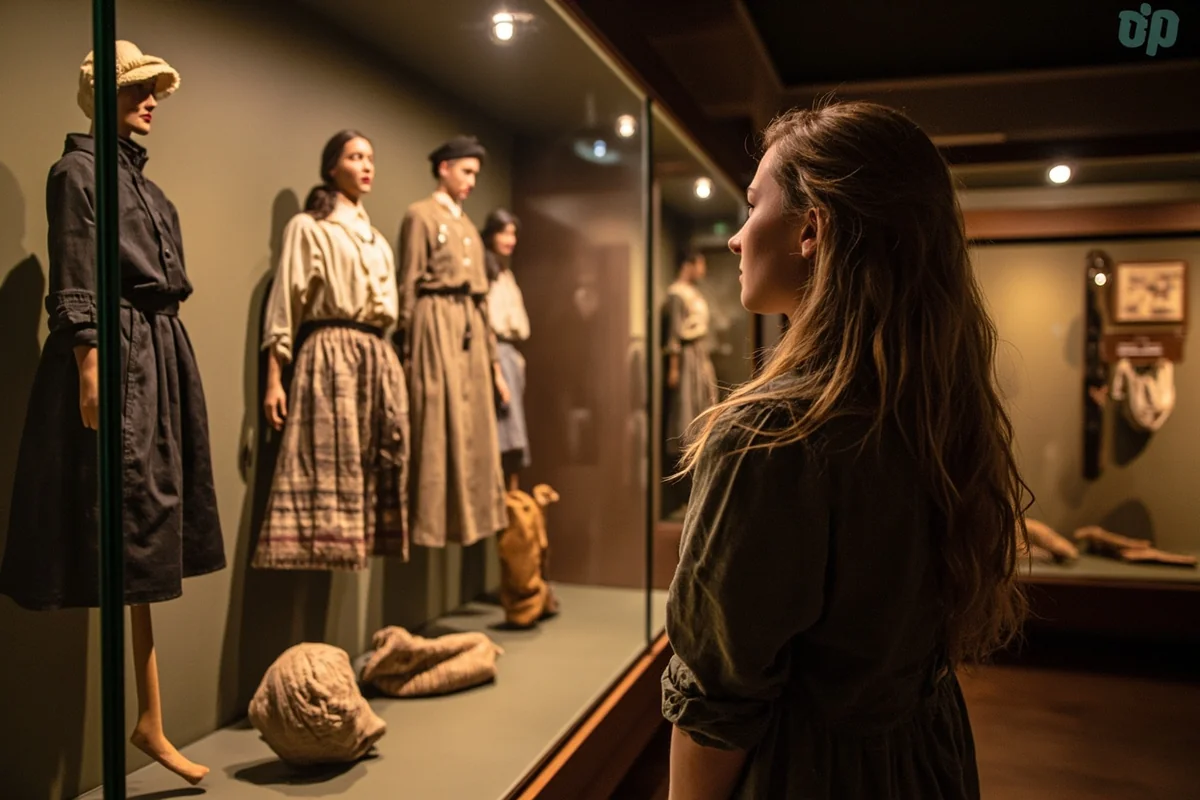
The museum documents each phase through historical photographs, handmade homesteader clothing, history books, and artifacts from the stagecoach and early railroad eras that connected this remote basin to the wider territory.
Prints of Russell’s paintings hang throughout the museum too, giving visual context to exactly the kind of open-range cowboy life the exhibits describe in physical artifacts — his art and the museum’s collection essentially illustrate each other.
Two Thousand Salt and Pepper Shakers, and Other Genuinely Odd Delights
Every good small-town museum has at least one collection nobody expects, and this one has several.
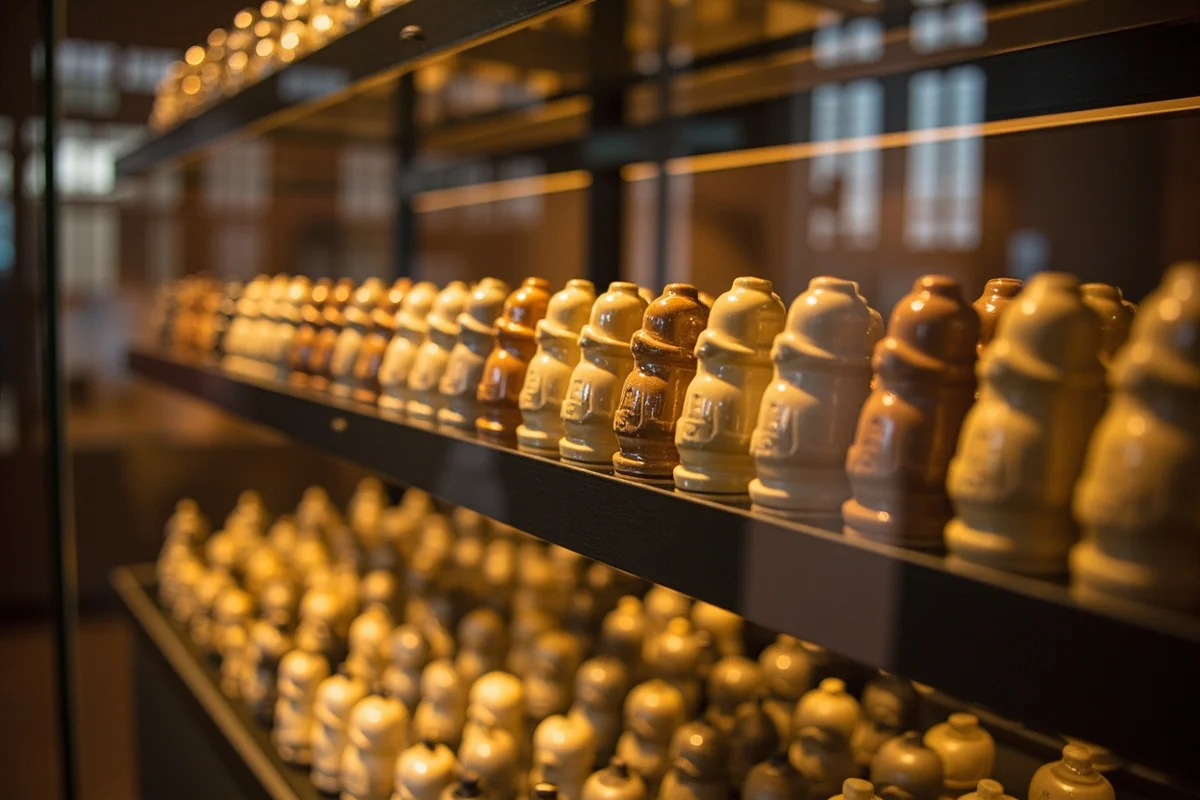
The museum holds roughly 2,000 sets of salt and pepper shakers, alongside a genuinely substantial button collection numbering in the thousands.
Neither collection has an obvious connection to Judith Basin County’s ranching or homesteading history — they exist simply because someone, somewhere, decided they were worth preserving, and a small community museum with room to spare said yes.
That’s part of the charm of museums like this one. Alongside the more expected Indian artifacts display and the serious historical material, you’ll find these genuinely unexpected collections that exist purely because local collectors wanted them saved somewhere.
A County That Never Needed a Bond
One detail from Judith Basin County’s broader history is worth knowing before your visit, because it says something genuine about how this specific place developed.
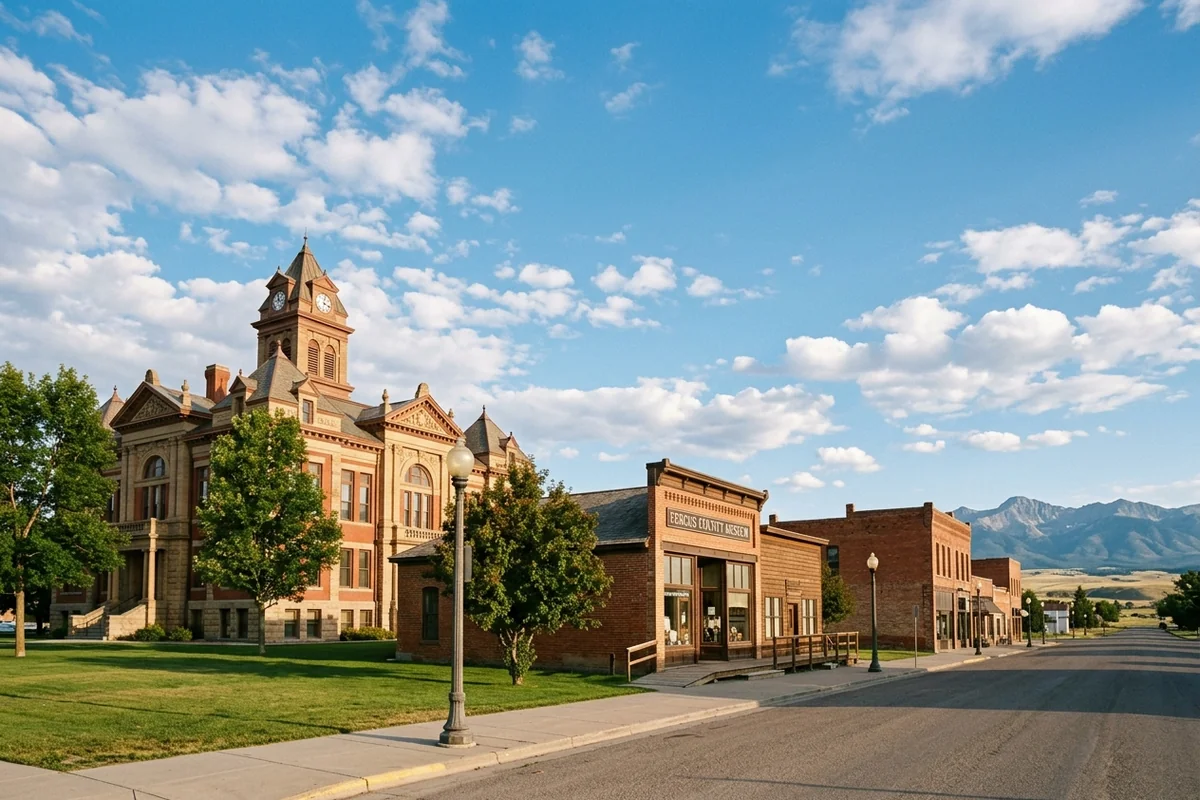
Mining tax receipts from iron ore and coal extraction, particularly around the former coal town of Lehigh southwest of Windham, generated enough county revenue that Judith Basin County holds a distinction no other Montana county can claim: it’s the only county that never had to float a bond to build its courthouse.
When Lehigh eventually declined, many of its buildings were physically moved into Stanford itself, meaning some of the structures you’ll see downtown today have roots in a town that no longer exists.
That’s the kind of specific, verifiable local history detail that a county museum like this one is built to preserve, and it rarely makes it into generic travel content about the region.
The Basin Itself: Four Mountain Ranges and a Sea of Grass
Understanding the physical landscape helps explain why this specific stretch of Montana produced both a legendary artist and a genuinely distinct regional identity.
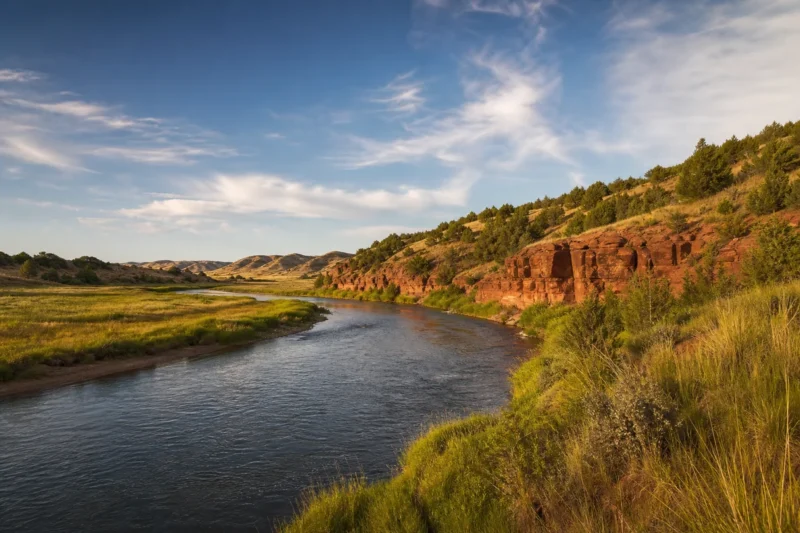
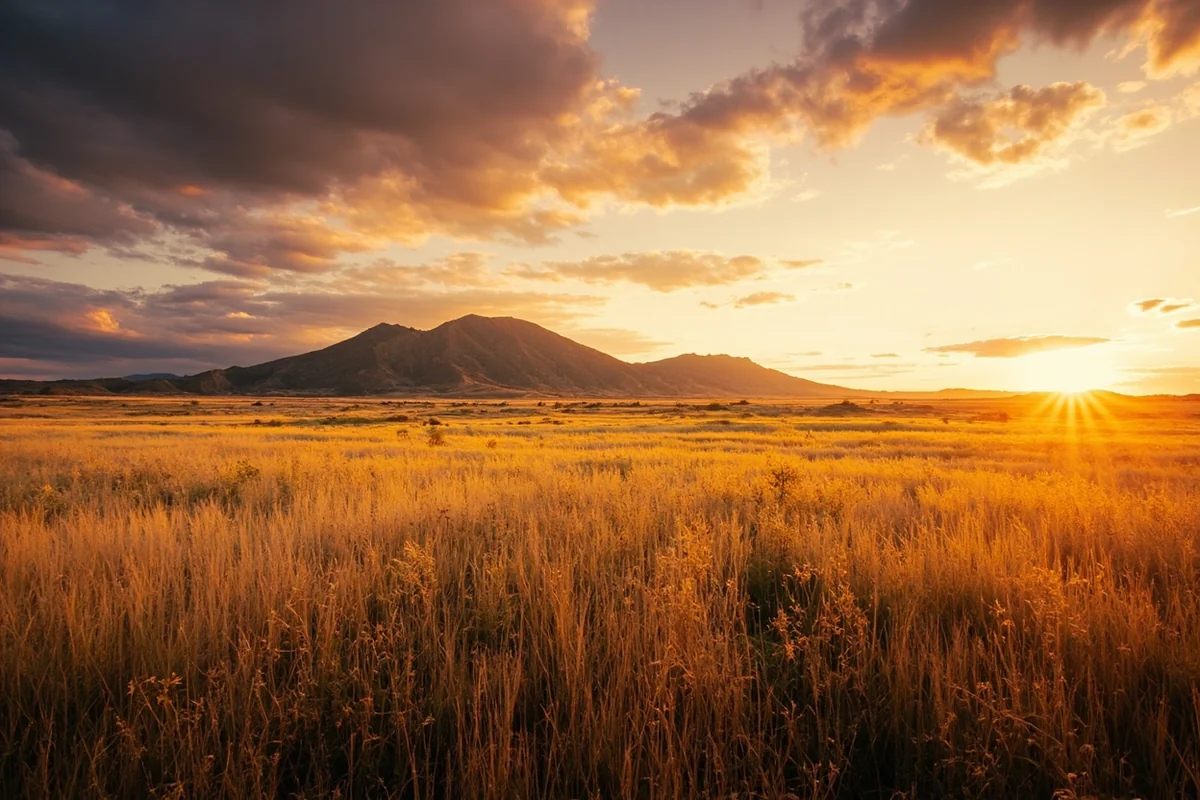
Judith Basin County sits surrounded by four separate mountain ranges — the Little Belt Mountains, the Snowy Mountains, the Highwood Mountains, and the Judith Mountains — rising like islands out of a surrounding sea of grass and wheat.
Roughly 295,000 acres of the Lewis and Clark National Forest fall within the county, giving farmers, ranchers, and outdoor recreationists genuine, overlapping access to the same land.
That “island mountain range” geography is part of what made this landscape so visually striking to Russell in the first place, and it’s still the same view you’ll get driving the Charlie Russell Trail today.
The classic Montana description “high, wide, and handsome” fits this specific basin about as well as anywhere in the state.
A Historic Forest Guard Station Still Standing Nearby
If you have extra time in the area, Judith Basin County holds one more genuinely significant historic site connected to early conservation efforts in Montana.
The Judith Guard Station, a two-story log office and residence located on the Middle Fork of the Judith River, was built in 1908 by Forest Ranger T.G. Myers — one of the first forest guard stations established anywhere in central Montana. It’s remained a popular picnic and camping spot since 1925, giving visitors a tangible connection to the earliest days of organized forest and wildlife management in this part of the state.
Pairing a stop at the museum with a visit to the guard station gives you both the human settlement history and the parallel story of how this landscape’s forests and wildlife started getting formally managed around the same era.
Visiting With Kids
This is a genuinely low-key, manageable stop for families, well-suited to a shorter visit rather than a full day’s activity. The salt and pepper shaker collection and button display tend to generate the most curiosity from younger visitors, offering a lighter, more whimsical counterpoint to the more serious ranching and homesteading exhibits.
Given the museum’s modest size and free admission, this works well as a quick, no-pressure stop if you’re driving the Charlie Russell Trail with kids who might not sustain interest through a longer museum visit.
If your children have any interest in Charlie Russell specifically, especially after seeing his work at a larger museum elsewhere in the state, connecting that artist to an actual place they can stand in adds real context that a gallery visit alone doesn’t provide.
Frequently Asked Questions
Is this the only museum in Judith Basin County?
No — the Judith Basin Historical Society also supports the Prairie Past Museum and other local history projects throughout the county, so if you have extra time, it’s worth asking museum staff about additional nearby sites.
How does this compare to the C.M. Russell Museum in Great Falls?
They’re genuinely complementary rather than redundant. The Great Falls museum covers Russell’s mature, professional body of work in a large, polished institutional setting. This museum covers the earlier, formative period of his life as a working cowboy in the actual landscape that shaped his art.
Is the museum accessible for visitors with mobility limitations?
[verify current accessibility accommodations directly with the museum before visiting]
Is there anywhere to eat in Stanford?
Stanford has local dining options within easy walking distance of the museum and courthouse area, making it simple to turn your stop into a fuller break from a longer Highway 87 drive.
What’s the best time of year to visit?
Summer, during the museum’s regular Memorial Day–Labor Day season, is the most reliable window. It also lines up well with the region’s outdoor recreation season if you’re planning to explore the surrounding mountain ranges and national forest land.
- Charlie Russell’s actual working-cowboy years in this county rarely get explained. Most mentions treat the Russell connection as “some paintings on display” rather than the genuine formative chapter of his life it actually represents.
- The Charlie Russell Trail designation for Highway 87 almost never gets mentioned, despite being an official, named route connecting Great Falls and Lewistown through this exact landscape.
- The courthouse-without-a-bond distinction gets skipped entirely, losing a genuinely unique piece of Montana county history.
- The quirky specific collections — salt and pepper shakers, buttons — rarely get individual mention, even though they’re exactly the kind of memorable detail that makes small museums worth the stop.
Personal Tips: What I Wish I Knew
- Check current seasonal hours before you go. Like many small Central Montana museums, this one operates on a limited seasonal schedule, generally centered around the Memorial Day–Labor Day window.
- Drive the Charlie Russell Trail if you have time. Highway 87 between Great Falls and Lewistown passes through the actual landscape that shaped Russell’s art, and the museum gives you real context for what you’re seeing out the car window.
- Bring a small donation. Admission is free, but these small county museums genuinely depend on visitor generosity to keep operating.
- Ask about the Judith Basin Historical Society’s other projects. The society supports additional local history efforts, including the Prairie Past Museum, if you want to go deeper into the region’s history beyond this one stop.
- Time your visit around a local event if you can. The CMR Stampede Rodeo and the Judith Basin County Fair both reflect the same ranching culture the museum documents historically.
How This Fits a Central Montana Road Trip
Stanford sits roughly midway between Great Falls and Lewistown on Highway 87, making this museum an easy, low-detour stop if you’re already driving the Charlie Russell Trail corridor.
If you’re building a Russell-focused Montana itinerary, pairing this stop with the C.M. Russell Museum in Great Falls gives you both the artist’s formative cowboy years and his mature, finished body of work in the same trip.
If you’re continuing west toward the Rocky Mountain Front, our Old Trail Museum guide in Choteau covers another strong Central Montana history stop. Our Montana museums guide maps how this stop connects to the rest of the state’s cultural landscape.
Practical Info
| Address | 93 3rd St S, Stanford, MT 59479 |
| Phone | (406) 566-2277 |
| Season | Memorial Day–Labor Day [verify current season and hours] |
| Admission | Free; donations appreciated |
| Time needed | 45 minutes–1 hour |
| Good for | History enthusiasts, Charlie Russell fans, road trippers on Highway 87 |
| Nearby pairing | C.M. Russell Museum in Great Falls, downtown Stanford |
Final Thoughts
Judith Basin County Museum tells a version of Charlie Russell’s story that the bigger, more polished institutions can’t quite replicate: the place where he was just a working cowboy, not yet a famous artist.
Combined with a courthouse that never needed a bond and a genuinely delightful collection of 2,000 salt and pepper shaker sets, this small free museum earns more than the quick pass-through most Highway 87 travelers give it.
There’s something worth sitting with in the fact that Russell’s entire artistic vocabulary — the cattle drives, the open range, the specific quality of light on these particular mountains — came directly from real years spent working this land before he ever picked up a paintbrush professionally.
Standing in Stanford, looking at the same Highwood and Little Belt peaks he once rode past on horseback, connects his famous canvases back to an actual, ordinary working life in a way no gallery wall ever could.
Pin this for your Central Montana trip planning, and take the Charlie Russell Trail slowly on your way through. If you’ve spotted the specific landscape from one of Russell’s paintings while driving through Judith Basin County, I’d love to hear about it in the comments.