Somewhere near Dillon, Sacagawea reunited with her own people for the first time in years, and that reunion made the rest of the Lewis and Clark expedition possible. A small log-building museum in downtown Dillon tells that story alongside Dillon’s first flush toilet.
- Beaverhead County Museum sits in a log building complex in downtown Dillon, collecting local history since the late 1920s
- The county was genuinely pivotal to the Lewis and Clark expedition, including the Corps of Discovery’s meeting with Sacagawea’s Shoshone relatives at Camp Fortunate
- Exhibits cover Indigenous history spanning 12,000+ years, homesteading, ranching, mining, and railroad history, housed partly in a 1909 Union Pacific Depot
- The museum records Montana’s first officially registered cattle brand, tied to the historic Poindexter and Orr Ranch
- This is one of the best museums in Montana sitting on genuinely pivotal Lewis and Clark ground that most travelers drive straight past
Liked this article?
Add Roaming Montana as a preferred source so you see more of our articles and guides on Google.
A Museum That Started in a Courthouse Room
Beaverhead County Museum’s origins go back further than most small-town Montana museums. Collection efforts started in the late 1920s, when local artifacts began accumulating in a single room at the county courthouse.
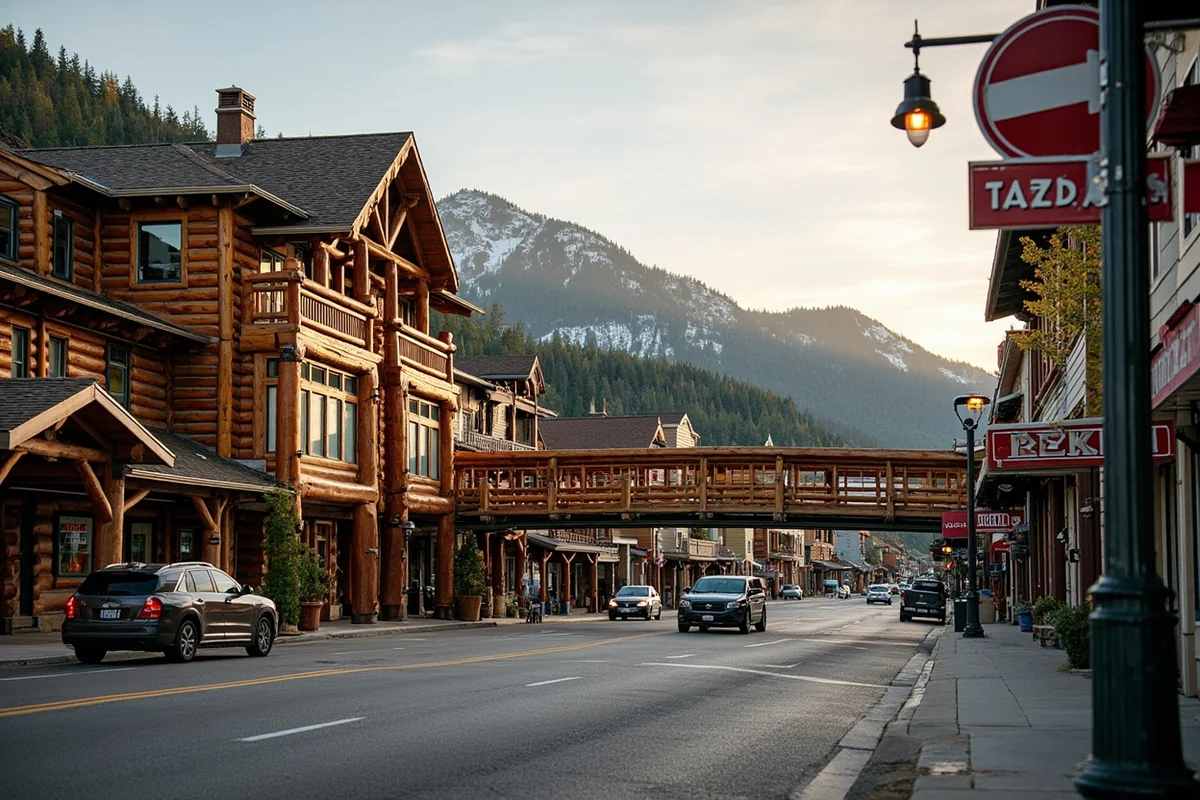
Formal museum operations followed in the 1930s, and the collection has grown steadily for nearly a century since. Today it occupies a log building complex in downtown Dillon, a deliberate architectural nod to the surrounding forest terrain of the Beaverhead-Deerlodge National Forest, which covers much of Montana’s largest county by land area.
A branded boardwalk, its design motif borrowed from cattle branding, connects the museum’s various buildings and outdoor exhibits. It’s a small detail, but it signals the ranching identity that runs through much of what’s inside.
Where Sacagawea’s Homecoming Changed Everything
This is the story I’d want every visitor to know before walking in, because it’s one of the most significant Lewis and Clark moments that happened anywhere in Montana, and it happened right here.
The Corps of Discovery reached the Rocky Mountains in this stretch of the Jefferson River valley, following the river south past Beaverhead Rock toward what’s now called Clark’s Lookout. At Camp Fortunate, the expedition made contact with a band of Shoshone people — Sacagawea’s own relatives, whom she hadn’t seen in years since being taken from her homeland as a child.
That reunion wasn’t just an emotional moment. The Shoshone sold the expedition the horses they needed to cross the Continental Divide at Lemhi Pass, without which the entire westward journey to the Pacific would have stalled right here in southwestern Montana.
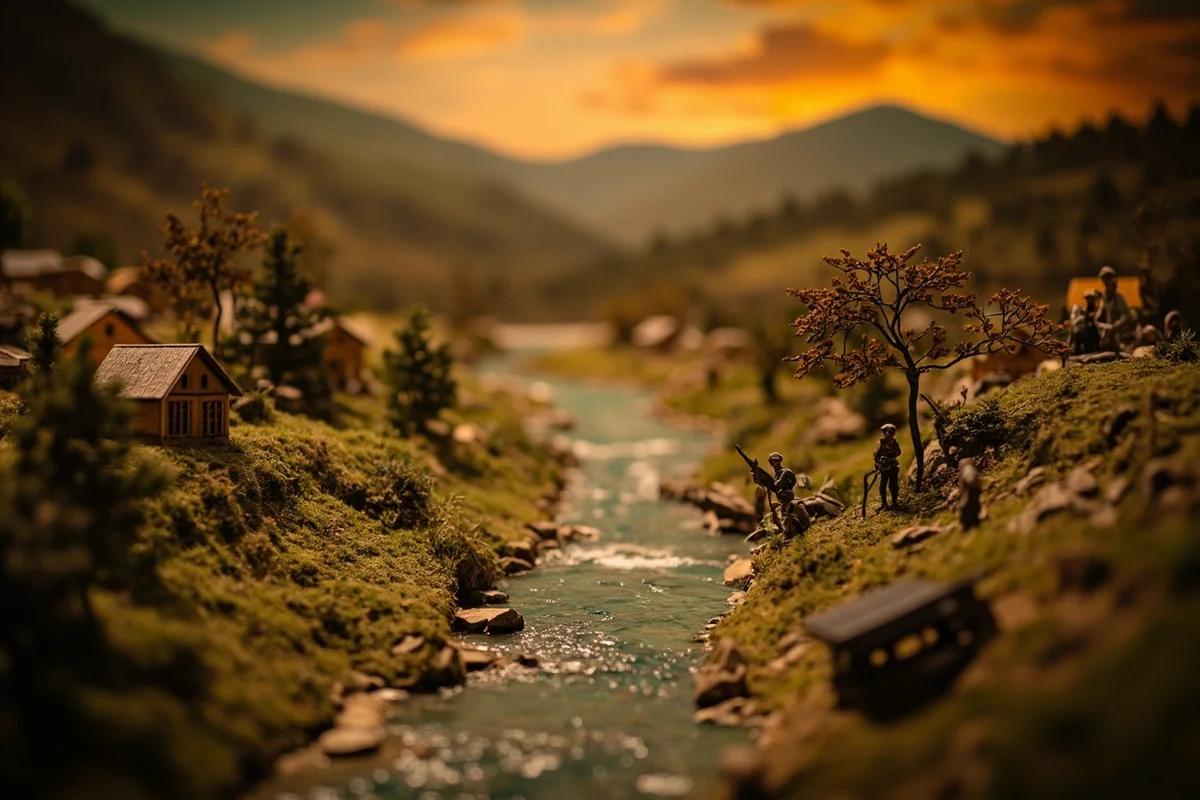
The museum’s Lewis and Clark diorama traces this exact sequence of events, giving you the specific local geography behind one of the expedition’s most consequential turning points.
Montana’s First Registered Cattle Brand
Beyond the Lewis and Clark connection, this museum documents a genuinely significant piece of Montana ranching history that most visitors have never heard of.
When partners Phillip Poindexter and William Orr moved their cattle operation to Beaverhead County, their P&O Ranch recorded the first officially registered brand in Montana Territory: a simple square and compass design. That’s not a minor local footnote — it’s the literal starting point of Montana’s entire cattle-brand registration system, a practice still central to ranching identity across the state today.
If you’ve visited Grant-Kohrs Ranch in Deer Lodge, this museum adds an earlier chapter to that same broader story of how Montana’s cattle industry actually got organized and formalized.
Homesteading, Railroads, and a Genuinely Memorable Outhouse
The museum’s broader collection covers the full arc of Beaverhead County’s settlement history, and a few specific artifacts stand out from the general “pioneer life” category most small museums default to.
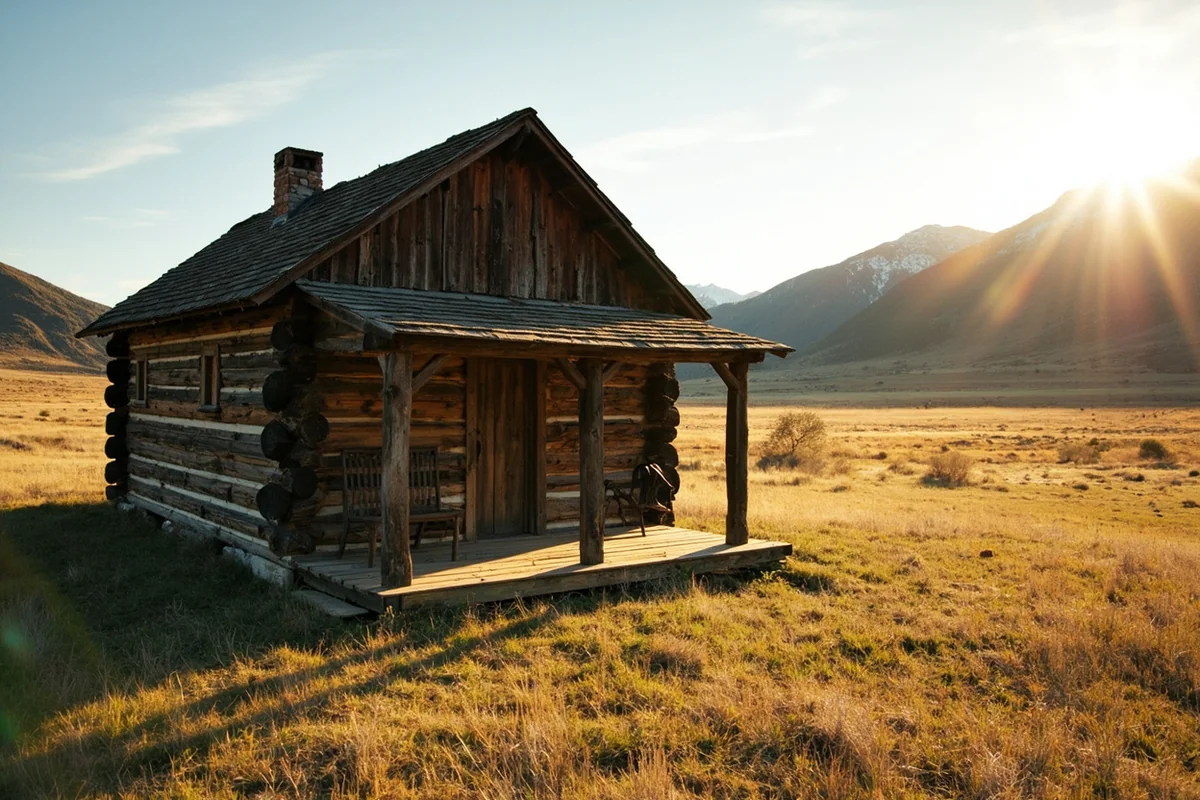
An authentic homesteader’s cabin sits on the grounds, built by Thomas Poindexter in 1885 and moved to the museum site in the late 1980s.
Right alongside it sits Dillon’s first flush toilet outhouse — a genuinely memorable, slightly absurd artifact that nearly every visitor mentions after their trip, and a real marker of how modern sanitation infrastructure actually arrived in a frontier Montana town.
The 1909 Union Pacific Depot, part of the museum complex, houses the “Ride the Rails” railroad exhibit alongside the Old Depot Theatre, available for community rental and events. An authentic sheepherder’s wagon and additional agricultural and rail equipment round out the outdoor collection.
Twelve Thousand Years of Indigenous History
The museum’s Indigenous Peoples of Southwest Montana exhibit reaches back more than 12,000 years, documenting the people who’ve called this valley and mountain region home long before Lewis and Clark, the railroad, or Montana Territory existed.
Historic arrowheads and archaeological material support that timeline throughout the collection. A dedicated geology and mining exhibit, along with a natural history display, adds broader environmental and scientific context to the human history covered elsewhere in the museum. An Audubon Southwest bird exhibit rounds out the natural history side of the collection.
Why Beaverhead County Matters So Much to Lewis and Clark History
It’s worth understanding just how central this specific stretch of Montana was to the entire westward expedition, because it’s easy to treat “Lewis and Clark passed through here” as a generic claim that applies to half the state.
Beaverhead County isn’t a passing mention on the expedition’s route. This is where the Corps of Discovery first came face-to-face with the Rocky Mountains as a genuine, immediate obstacle rather than a distant goal.
Beaverhead Rock, a distinctive landmark Sacagawea herself recognized and used to reorient the group, sits within the county. Clark’s Lookout, where William Clark climbed to survey the valley and plan the expedition’s next moves, is a preserved, visitable overlook a short drive from the museum today.
Camp Fortunate itself, where the Shoshone horse trade took place, is now underwater beneath Clark Canyon Reservoir, but the museum’s diorama and interpretive materials keep that specific location’s story alive even though you can’t stand on the original ground anymore.
Understanding this concentration of pivotal moments in one relatively small county changes how you should think about a Lewis and Clark-focused Montana road trip — this isn’t a minor stop, it’s arguably one of the most consequential few hundred square miles on the entire trail west of North Dakota.
Visiting With Kids
This museum tends to work well for families, especially kids with any interest in pioneer life or Native American history.
The homesteader’s cabin and the famous first flush toilet give younger visitors something tangible and slightly funny to remember, which tends to anchor the rest of the visit in their memory better than abstract historical panels alone.
The Lewis and Clark diorama is a genuine highlight for school-age kids, particularly if they’ve studied the expedition in school — seeing the specific local geography behind a story they already know from a textbook adds real context.
The outdoor sheepherder’s wagon and agricultural equipment give kids room to explore physically between denser indoor exhibit time.
Given the museum’s modest size, this works well as a manageable stop that won’t overwhelm younger attention spans, especially if you’re combining it with outdoor time at nearby Clark’s Lookout State Park afterward.
Frequently Asked Questions
Is Camp Fortunate itself something we can visit?
Not directly — the original site is now underwater beneath Clark Canyon Reservoir, following a mid-20th-century dam project. The museum’s exhibits are the best way to understand what happened there and where it was located relative to today’s landscape.
Is this the same region as Bannack State Park?
They’re both in Beaverhead County and connected by the region’s mining history, but Bannack is a separate historic site and ghost town a further drive from Dillon, preserving Montana’s first territorial capital and site of its first major gold strike.
How does this compare to other Southwest Montana history museums, like World Museum of Mining in Butte?
They cover genuinely different eras and industries. This museum leans into ranching, homesteading, and the Lewis and Clark expedition; Butte’s museums focus specifically on hard-rock copper mining. Together they give you a fuller picture of how different Southwest Montana communities actually built their economies.
Is the museum accessible for visitors with mobility limitations?
The branded boardwalk connecting buildings is designed for reasonably easy access between structures, though as with any historic log-building complex, some individual buildings may have more limited accessibility. Call ahead if this is a specific concern.
Can we do family history research here?
Yes — the museum maintains an extensive archive specifically supporting local and family history research for Beaverhead County. Contact the museum directly for current research access procedures.
- The Camp Fortunate and Sacagawea connection rarely gets given the weight it deserves. Most guides mention “Lewis and Clark diorama” without explaining that this is genuinely pivotal ground for the entire expedition’s success.
- The first Montana Territory cattle brand almost never gets mentioned, despite being a legitimately significant piece of the state’s ranching history.
- The museum’s honest, unpolished character gets undersold or oversold inconsistently. This isn’t a glossy, modern exhibit space — it’s an authentic, volunteer-supported small county museum, and that’s exactly its appeal, not a shortcoming.
- Nearby Bannack, the “frozen in time” ghost town and site of the region’s first gold strike, rarely gets flagged as a natural same-trip pairing.
Personal Tips: What I Wish I Knew
- Check seasonal hours carefully before you go. Hours shift noticeably between May, the June–August summer season, and the September–October shoulder season, so don’t assume year-round consistency.
- Ask volunteers for the fuller Camp Fortunate story. The museum’s friendly volunteer staff are consistently mentioned as a highlight, and they often know more local detail than the placards alone convey.
- Bring a picnic. The museum’s pavilion is a genuinely pleasant spot to eat lunch between exploring the various buildings.
- Pair this with a stop at Clark’s Lookout State Park, a short drive away, to see the actual overlook Clark used to survey the Beaverhead Valley during the expedition.
- Don’t expect a polished, modern museum experience. This is authentic, community-run history — well worth the visit, but set expectations for character over polish.
How This Fits a Southwest Montana Road Trip
Dillon sits along I-15 in Montana’s largest county, making this museum an easy stop for travelers moving between Butte and the Idaho border, or exploring the Beaverhead-Deerlodge National Forest region.
If Montana’s mining and ranching history interests you beyond this museum, pairing it with World Museum of Mining in Butte and MBMG Mineral Museum rounds out a broader Southwest Montana history loop.
The nearby ghost town of Bannack, site of Montana’s first significant gold strike, is a natural addition if you’re interested in the region’s mining origins — our Montana gold rush guide covers that broader history. Our Montana museums guide maps how this stop fits into the state’s wider museum landscape.
Practical Info
| Address | 15 S Montana St, Dillon, MT 59725 |
| Phone | (406) 683-5027 |
| May hours | Monday–Friday, 10 a.m.–4 p.m. |
| June–August hours | Monday–Friday 10 a.m.–5 p.m., Saturday 10 a.m.–4 p.m. |
| September–October hours | Monday–Friday, 10 a.m.–4 p.m. [verify current seasonal hours] |
| Admission | [verify current pricing] |
| Time needed | 1.5–2 hours |
| Good for | History enthusiasts, Lewis and Clark Trail travelers, ranching history buffs, families |
| Nearby pairing | Bannack State Park, Clark’s Lookout State Park |
Final Thoughts
Beaverhead County Museum doesn’t try to be glossy, and that’s exactly what makes it worth the stop. A log-building complex in downtown Dillon holds the actual local geography behind one of Lewis and Clark’s most consequential moments, alongside the first cattle brand ever registered in Montana Territory and a homesteader’s outhouse nobody forgets.
For a broader sense of how this specific chapter fits into the state’s overall story, our key historical events in Montana post covers other turning points across Montana’s development, from territorial days through statehood.
Pin this museum for your Southwest Montana trip planning, and take the time to really absorb the Camp Fortunate story before you move on. If you’ve stood at Clark’s Lookout after visiting this museum, I’d love to hear how the two experiences connected for you in the comments.