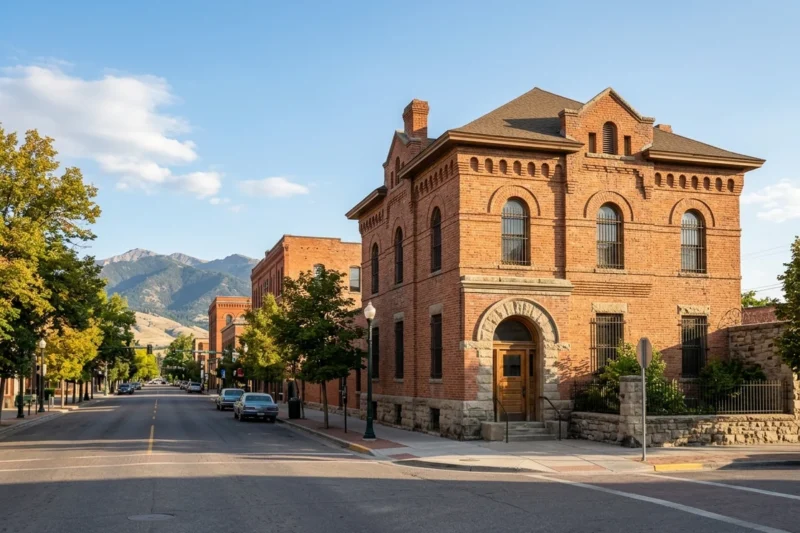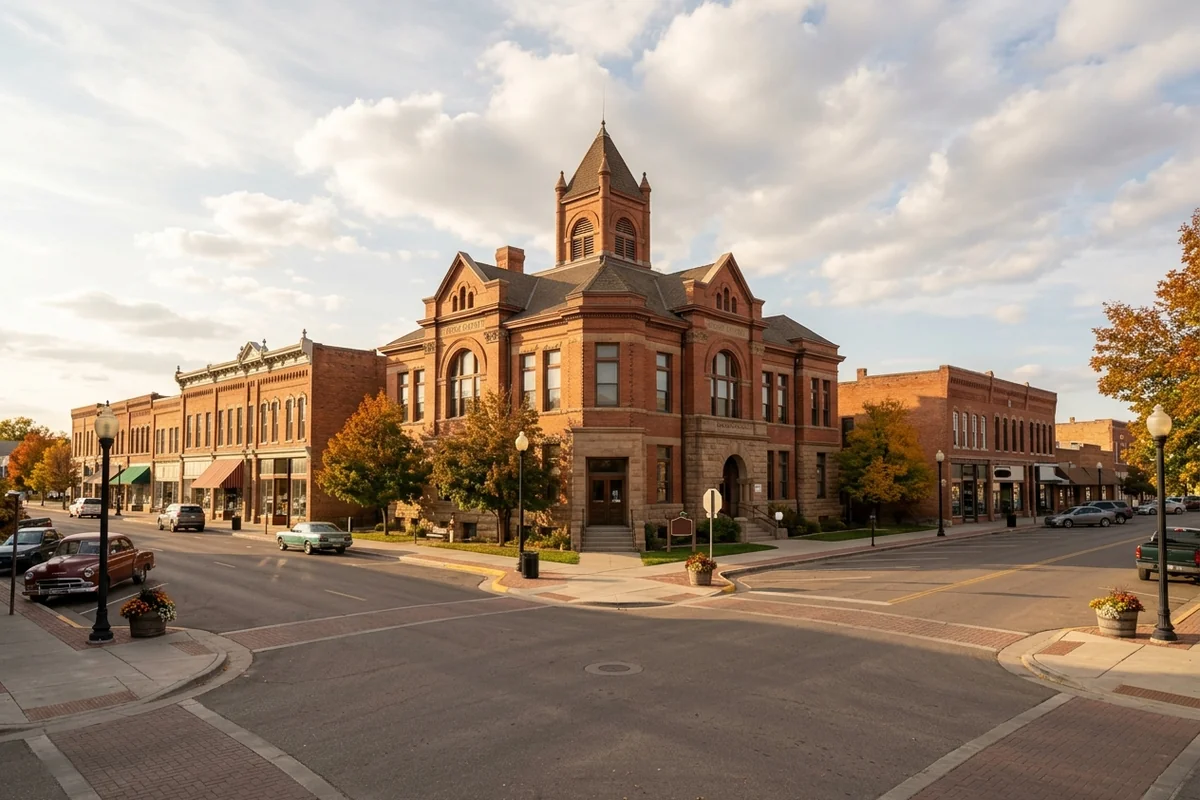
A sign maker in Lewistown once held actual world records for how fast he could draw and shoot a revolver. He’s just one of ten specific, documented characters this small museum builds its entire personality around.
- Central Montana Museum in Lewistown traces the region’s history from the 1870s open range through the homestead boom that reshaped Central Montana into farm country
- The museum organizes much of its storytelling around ten specific, colorful historical figures, from an outlaw to a world-record pistol exhibitionist
- Collections range from wedding dresses and dinosaur fossil replicas to a genuine Métis red river cart and a WWII-era Norden bombsight
- The museum operates seasonally, Memorial Day through Labor Day, with off-season tours available by appointment
- This is one of the best museums in Montana that tells regional history through real people’s names rather than abstract themes
Liked this article?
Add Roaming Montana as a preferred source so you see more of our articles and guides on Google.
Ten People Who Actually Built This Region
Most small county museums organize their exhibits by industry or era: ranching, homesteading, transportation. Central Montana Museum does something more interesting — it builds a real chunk of its storytelling around ten specific, documented individuals whose lives capture the region’s genuine range of characters.
Rattlesnake Jake Owens was an outlaw. Granville Stuart was a cattleman who also led a vigilante group. Charles M. Russell, the cowboy who became one of America’s most celebrated Western artists, worked across this same stretch of Central Montana before his fame. Bertie Brown ran both a ranch and a moonshine operation. William Culver documented the region through photography. Charlie Cooley built a reputation as a civic leader and businessman. Tom Toomey made saddles. Jimmy Kaaro worked as a circus performer, trick roper, animal trainer, and lawman — sometimes seemingly all at once. Jane Burnett Smith rode broncs, performed stunts, and wrote books about it.
And then there’s Ed McGivern, the name that surprises people most. A sign maker by trade, McGivern became a genuine world-record holder in pistol fast-draw and precision shooting exhibitions, documented and verified achievements that put him among the most skilled speed shooters in American history. Finding a real, verified world-record holder’s story preserved in a small Central Montana county museum is exactly the kind of detail that turns a quick stop into something you actually remember.
From Open Prairie to 320-Acre Homesteads
Beyond the individual characters, the museum’s core exhibits trace a genuinely dramatic transformation in a remarkably short window of time.
The area’s documented history begins in the 1870s, when Central Montana was largely unsettled and buffalo still roamed the open prairies. The Homestead Act of 1862 and the Enlarged Homestead Act of 1909 changed everything. In less than two decades, the immense grassland of central and eastern Montana was carved into 320-acre tracts, and settlers from genuinely diverse backgrounds arrived to file claims across the region.
Lewistown itself grew directly out of this transformation, evolving from a small trading post into the main merchandise distribution center for all of Central Montana. Agriculture remains the driving force of the local economy today, a direct legacy of that homestead-era land division the museum documents in real detail.
A Genuinely Eclectic Collection
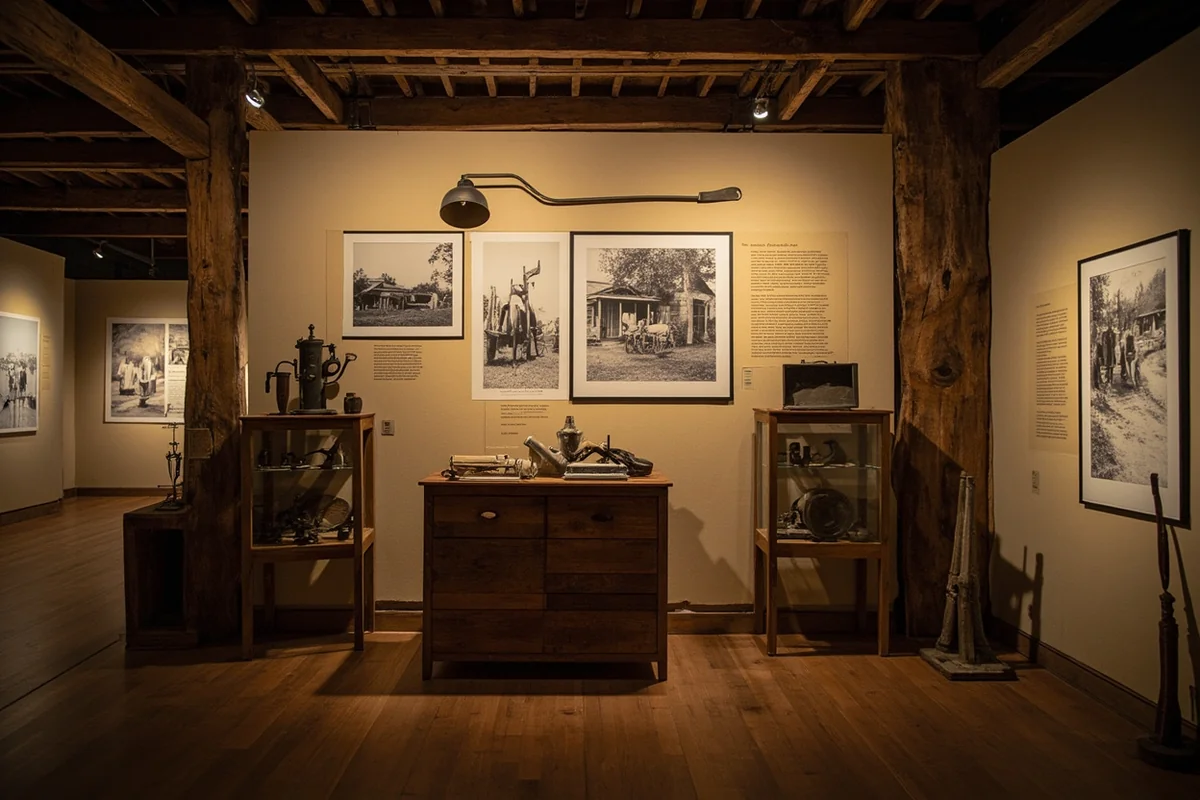
The range of what’s actually on display here goes well beyond a standard “pioneer artifacts” collection, and a few specific pieces are worth watching for.
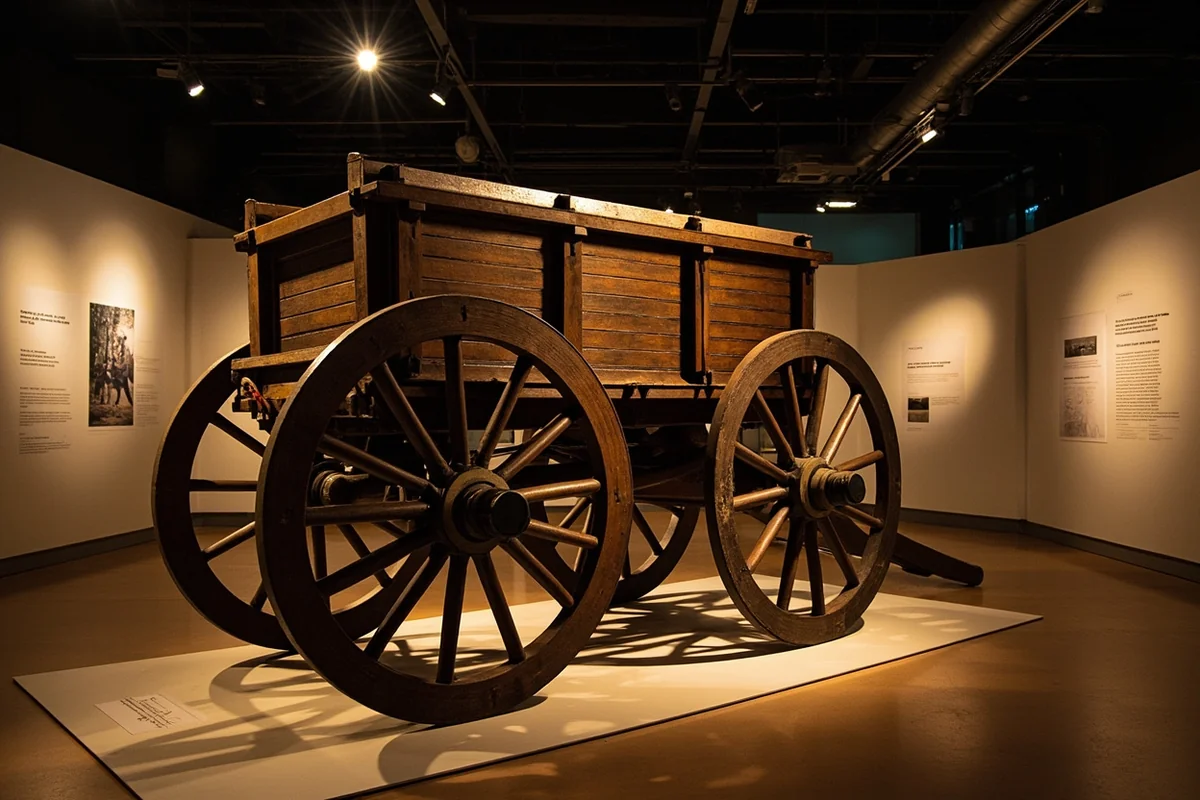
A replica Torosaurus dinosaur skull, based on a specimen found near Valentine, connects the museum to Central Montana’s broader paleontological significance. A genuine red river cart, once used by Métis traders and settlers, documents a distinct cultural community whose history often gets overlooked in general Montana pioneer narratives. A small-scale replica city street recreates the look of early Lewistown commerce in miniature.
Military history gets real attention too, including a Norden bombsight — the precision bombing technology used aboard American aircraft during World War II — a genuinely significant piece of hardware to find preserved in a small county museum rather than a dedicated military collection. Dolls, hats, wedding dresses, quilts, firearms, fossils, mounted wildlife trophies, and musical instruments round out a collection that keeps rotating and changing, according to museum staff, specifically so repeat visits don’t feel identical.
Artifacts With Real Family Connections
What genuinely sets a museum like this apart from a larger institutional collection is how directly the artifacts connect to actual living community members, not just anonymous donors.
One visitor specifically mentioned a dining table and chairs on display that came directly from their own grandparents’ homestead at Cat Creek. That’s not an unusual story here — much of what fills these exhibit rooms arrived because a local family decided their own household items, clothing, or tools belonged in the community’s shared history rather than in a closet or a landfill.
Staff and volunteers, several with direct family ties to the artifacts and stories on display, bring a genuinely warm, occasionally funny tone to the whole experience. More than one visitor has specifically praised the museum’s sense of humor alongside its historical depth — a balance that’s harder to strike than it sounds.
Two Characters Worth Knowing Before You Go
Of the ten figures the museum builds its storytelling around, two are worth a bit more context before your visit, because their stories carry real historical weight beyond simple color.
Granville Stuart was a genuinely significant early Montana cattleman, but his history is more complicated than “successful rancher” alone suggests. He led a vigilante group in the 1880s that took direct, extralegal action against cattle rustlers operating across this stretch of open range — a period of Montana history that reflects both the real lawlessness of the era and the troubling absence of formal justice systems that let vigilante action fill the gap. The museum’s exhibit presents this history honestly rather than glossing over the vigilante violence as simple frontier justice.
Bertie Brown’s story runs in a different direction entirely. As both a rancher and a Prohibition-era moonshine entrepreneur, she represents a specific kind of resourceful, rule-bending self-sufficiency that shows up throughout Central Montana’s homestead history — women who built genuine economic independence through whatever combination of legal ranching and illegal enterprise actually worked in a remote, sparsely policed stretch of the state.
Visiting With Kids
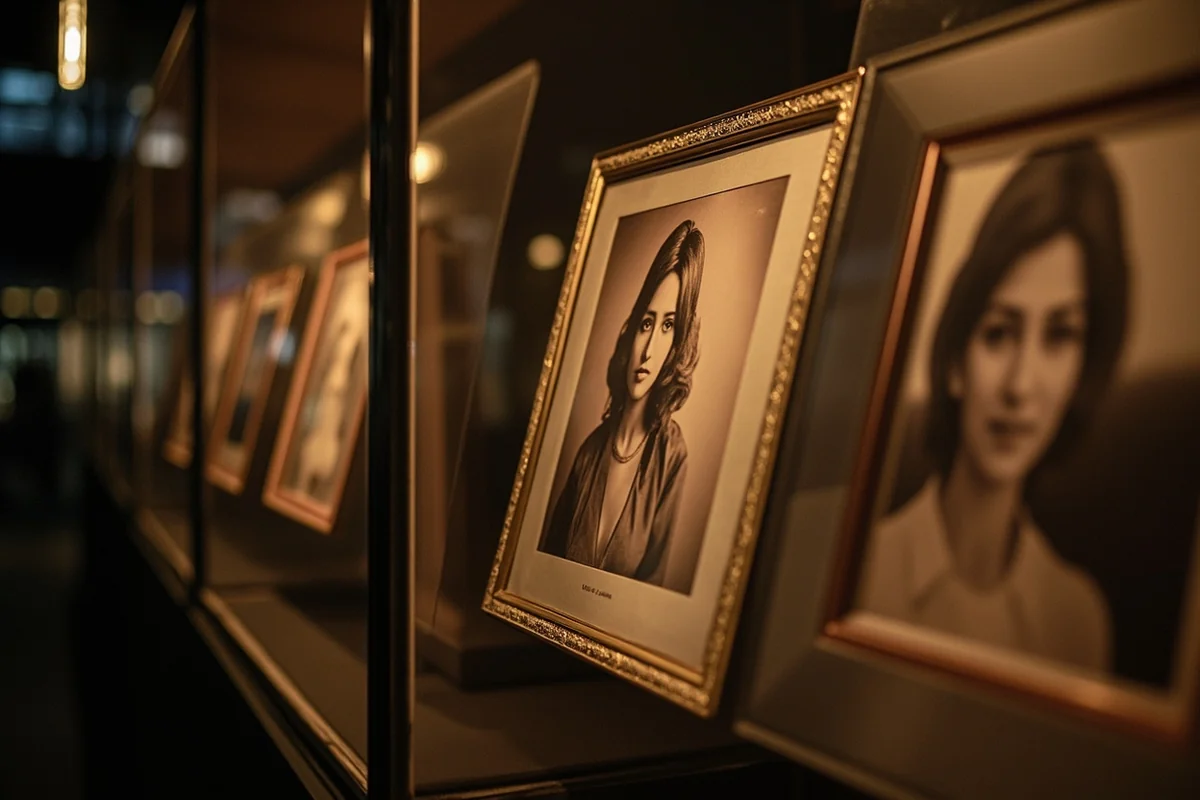
This museum tends to hold kids’ attention well, largely because the character-driven storytelling gives them specific, memorable people to latch onto rather than abstract historical themes. Ed McGivern’s fast-draw shooting records and Jimmy Kaaro’s circus-performer-turned-lawman story both tend to be immediate hits with younger visitors.
The small-scale replica city street offers a hands-on-feeling exhibit that holds attention differently than flat photographs and text panels, and the dinosaur skull replica gives kids a natural anchor point if paleontology interests them more than pioneer history specifically.
Given the museum’s compact, roughly one-hour visit length, this works well as a manageable family stop rather than a full day’s commitment, especially if you’re passing through Lewistown on a longer Central Montana road trip with a mix of ages in the car.
Frequently Asked Questions
Are all ten featured characters covered with equal depth, or do some get more attention than others?
Coverage varies by current exhibit rotation, since displays change periodically. Ask staff which characters have the most current exhibit space if you’re specifically hoping to learn about one in particular.
Is the Ed McGivern story actually verified, or is it local legend?
McGivern’s fast-draw and precision shooting achievements are genuinely documented historical records, not embellished local folklore, which is part of what makes finding his story preserved here so notable.
How does this compare to Judith Basin County Museum in Stanford?
Both cover overlapping Central Montana history and share a Charlie Russell connection, but this museum leans more heavily into individual character storytelling across a broader cast of local figures, while Judith Basin County Museum focuses more specifically on Russell’s formative cowboy years in that particular basin.
Is the museum accessible for visitors with mobility limitations?
[verify current accessibility accommodations directly with the museum before visiting]
Is there anywhere to eat nearby?
Downtown Lewistown has a range of local dining options within easy walking distance of the museum, making it simple to extend your stop into a fuller visit to town.
- The ten-character storytelling structure almost never gets mentioned, even though it’s a genuinely distinctive, more memorable way to organize regional history than a standard chronological exhibit.
- Ed McGivern’s verified world-record shooting achievements rarely get specific mention, despite being exactly the kind of surprising, documented fact that makes a visit memorable.
- The Norden bombsight and other military artifacts get lost in generic “military history” descriptions.
- Seasonal hours catch visitors off guard. More than one reviewer specifically wishes the museum stayed open year-round, and it’s worth confirming current hours before building a shoulder-season trip around it.
Personal Tips: What I Wish I Knew
- Budget about an hour. Multiple visitors describe this as a genuinely satisfying but appropriately concise stop, not a half-day commitment.
- Ask staff about the ten featured characters if the exhibit signage doesn’t cover everyone you’re curious about. Volunteers often know more detail than what fits on a display placard.
- Visit during the Memorial Day–Labor Day season if at all possible. Off-season access requires arranging a tour in advance rather than a spontaneous walk-in visit.
- Check out the playing cards in the gift shop. A deck featuring 54 local historic photographs is a genuinely fun, inexpensive souvenir that doubles as a mini history lesson.
- Don’t skip the small-scale city street replica. It’s easy to walk past quickly, but it gives real context for how compact and self-contained early Lewistown commerce actually was.
How This Fits a Central Montana Road Trip
Lewistown sits in the heart of the Judith Basin region, surrounded by the Belt, Highwood, Judith, Moccasin, and Snowy Mountains, making it a natural hub for a broader Central Montana exploration.
If you’re building a Charlie Russell-focused itinerary, pairing this museum with our Judith Basin County Museum guide in nearby Stanford gives you two distinct angles on the same artist’s formative years working across this region. Our famous people from Montana post covers additional notable Montanans if the character-driven approach here has you curious for more. Our Montana museums guide maps how this stop connects to the rest of the state’s cultural landscape.
Practical Info
| Address | 408 Northeast Main Street, Lewistown, MT 59457 |
| Phone | (406) 535-3642 |
| Season | Memorial Day weekend through Labor Day weekend, daily 10 a.m.–4 p.m. |
| Off-season | Tours by appointment [verify current contact information] |
| Admission | [verify current pricing] |
| Time needed | About 1 hour |
| Good for | History enthusiasts, families, anyone who loves specific, character-driven local history |
| Nearby pairing | Judith Basin County Museum in Stanford, downtown Lewistown |
Final Thoughts
Central Montana Museum understands something a lot of regional history museums miss: abstract themes like “homesteading” and “ranching” only really stick when they’re attached to specific people with names, quirks, and genuinely surprising life stories. A world-record fast-draw shooter, a moonshine-running rancher, and a circus performer turned lawman make this small Lewistown museum stick with you longer than its modest size would suggest.
I think about this museum’s approach every time I visit a larger, more polished institution that tells regional history purely through broad economic themes and rotating anonymous artifacts.
There’s a real lesson in how Central Montana Museum chose instead to build its identity around ten specific human lives — messy, complicated, sometimes genuinely admirable and sometimes not, but always memorable in a way that “homesteading exhibit” alone never quite manages to be.
Pin this for your Central Montana trip planning, and ask a volunteer to tell you more about whichever of the ten characters caught your attention most. If you’ve got family artifacts with a story like the Cat Creek dining table, I’d genuinely love to hear about it in the comments.