Everyone who skis Big Sky knows Lone Peak. Almost nobody knows that the meadow beneath it was a working cattle and sheep ranch for half a century before a retired TV newsman ever thought to build a resort there.
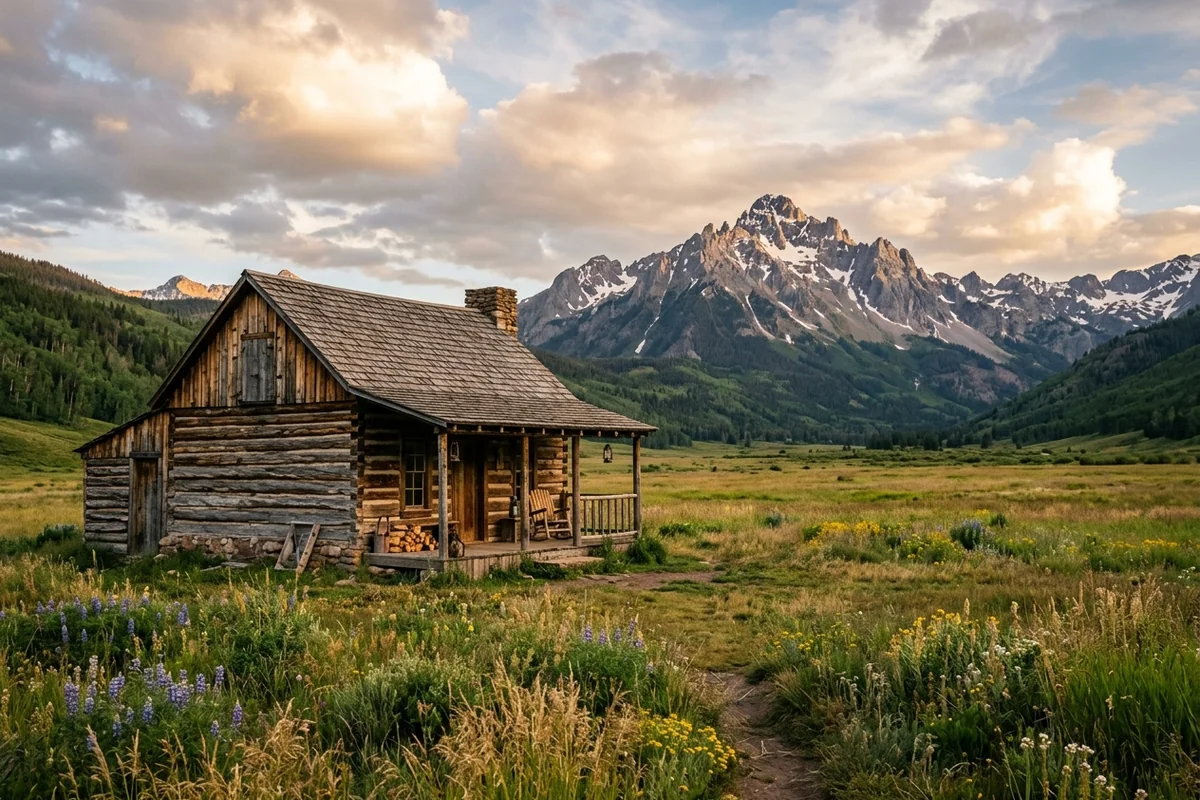
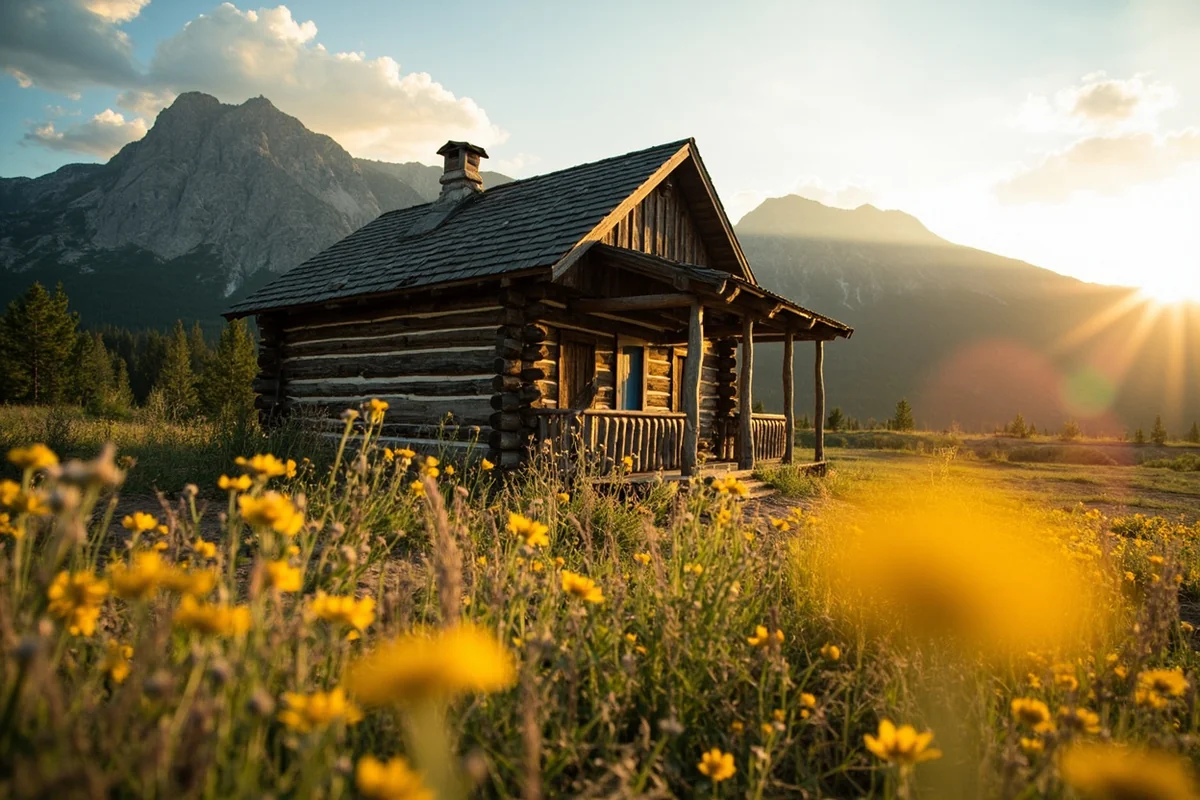
- Crail Ranch Homestead Museum preserves two of the oldest log structures in the Big Sky area, part of a homestead established in 1902 by Augustus Franklin Crail
- The property later became the literal foundation for Big Sky Resort, after NBC newsman Chet Huntley purchased the land in the late 1960s
- The grounds are always open for free self-guided tours; guided tours inside the historic cabins run weekends from late June through September
- One cabin still bears visible fire damage from a blaze that nearly destroyed it while housing resort construction workers in the early 1970s
- This is one of the best museums in Montana sitting quietly in the middle of one of the state’s most famous ski destinations
Liked this article?
Add Roaming Montana as a preferred source so you see more of our articles and guides on Google.
A Homesteader Who Arrived at Nearly Sixty
Augustus Franklin Crail’s path to this specific meadow took decades and several different careers before he ever became a rancher here.
Born in Indiana in 1842, Crail traveled alone to the Missouri frontier at age 22 and joined a wagon train heading into Montana Territory. He worked a quartz mine near Helena, farmed near Bozeman, and freighted goods between Miles City and Fort Benton before eventually marrying Sallie Lorrie Creek in 1886. He later served as Clerk of the Ninth Judicial District Court in Gallatin County, a position he held until losing re-election in 1900.
That professional setback led directly to this museum’s existence. In December 1901, at nearly 60 years old, Crail purchased homestead rights to 160 acres in the Gallatin Basin meadow for $150 from Daniel Inabnit, the area’s original 1887 homesteader. The following spring, Crail brought his wife and three children up a rough logging road from Bozeman and moved into a small cabin already standing on the property.
Fifty Years as a Working Ranch
The Crail family didn’t stop at 160 acres. Over the following years, Frank Crail acquired five additional parcels, eventually growing the operation to roughly 960 acres of cattle, sheep, wheat, and hay — a genuine working ranch rather than a modest subsistence homestead.
At its peak, as many as ten separate buildings stood on the property. The family built a larger main cabin shortly after settling in, starting as a one-story structure similar to the original small cabin before being extended east and given a full second story. Family history credits much of that construction to Frank’s son Eugene, who became a skilled carpenter.
Frank Crail died on the ranch in 1924, and his son Emmett continued operating it as a working ranch through the 1920s, 1930s, and into the 1940s. In 1950, after nearly 50 continuous years in the Crail family, Emmett finally sold the property to a California couple, Jack and Elaine Hume, closing out half a century of family ownership.
From Cattle Ranch to Ski Resort Foundation
Here’s the part of this story that genuinely surprises most Big Sky visitors. The Humes expanded the ranch to 1,440 acres before selling to cattleman Sam Smeding in 1962. Then, in 1968, a retired NBC newsman and Montana native named Chet Huntley, along with a consortium of investors, began the process of turning this same land into what would become Big Sky Resort.
The transformation happened fast, and it wasn’t gentle on the historic buildings. During construction of the ski area and golf course in the early 1970s, the Crail Ranch cabins were repurposed to house resort construction workers. During this period, the smaller original cabin caught fire and nearly burned down entirely — damage still visible today on several of the exterior logs if you know where to look.
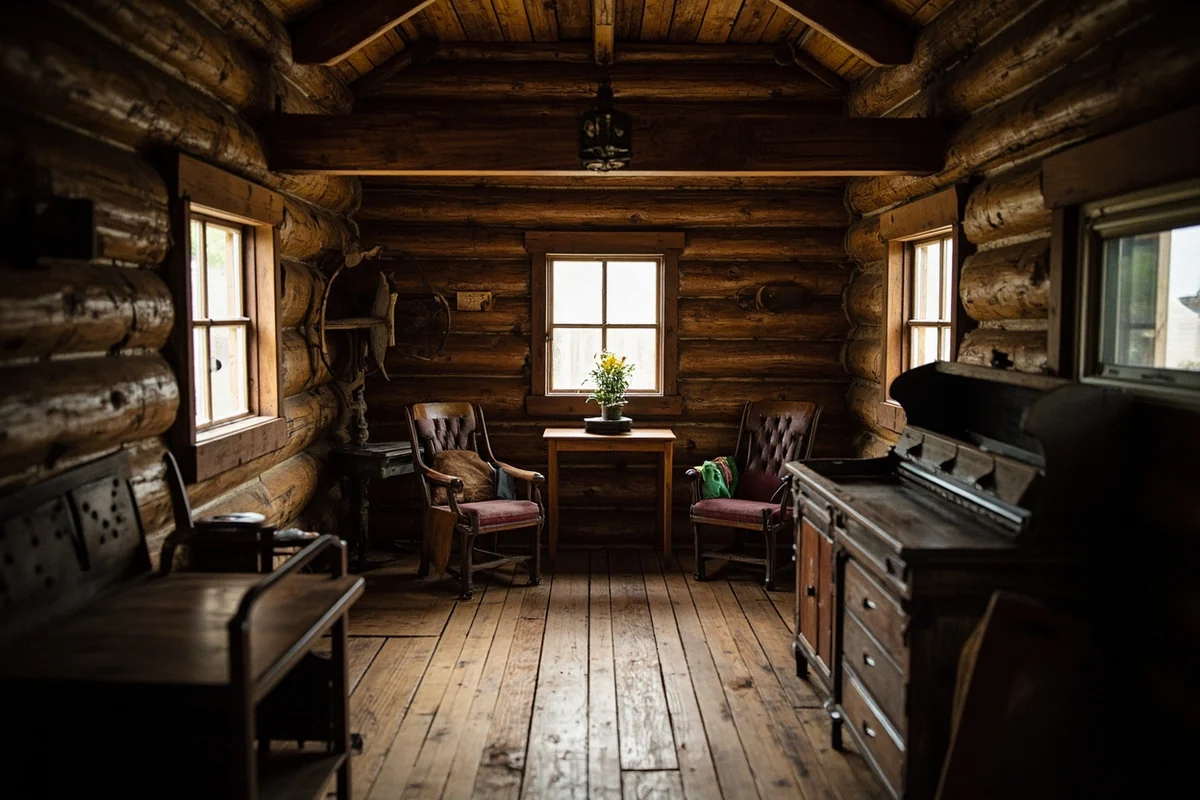
Once the resort no longer needed the buildings, they sat largely forgotten until local community members intervened. Around 1980, interested residents persuaded the resort to cede a one-acre parcel containing the two remaining cabins to the Big Sky Owner’s Association, setting in motion the preservation effort that eventually produced today’s museum.
A Museum Built By Volunteers, One Decade at a Time
The path from rescued buildings to an actual functioning museum took genuine, sustained community effort spanning decades.
In 1982, the Gallatin Canyon Historical Society successfully listed the Crail Ranch buildings on the National Register of Historic Places. Throughout the 1980s and 1990s, the Gallatin Canyon Women’s Club took on the unglamorous work of actually cleaning the cabins and preparing the property for public visitors. The grounds and main cabin finally opened to the public in July 2001.
The Big Sky Community Organization, a 501(c)3 nonprofit, eventually took over stewardship of the buildings, establishing a formal Historic Crail Ranch Conservators group in 2006. It wasn’t until October 2012, in direct response to growing community interest, that the Conservators formally registered the name Crail Ranch Homestead Museum — meaning this specific institutional identity is younger than a lot of visitors probably assume.
Today, the site includes cabins connected to three different early homesteaders — the Crail family, Daniel Inabnit, and Thomas Michener — each furnished with period artifacts. The Michener cabin in particular has its own layered history, having served at different points as a dude cabin and, periodically, as an actual schoolhouse.
Living History and a Film Worth Watching Before You Go
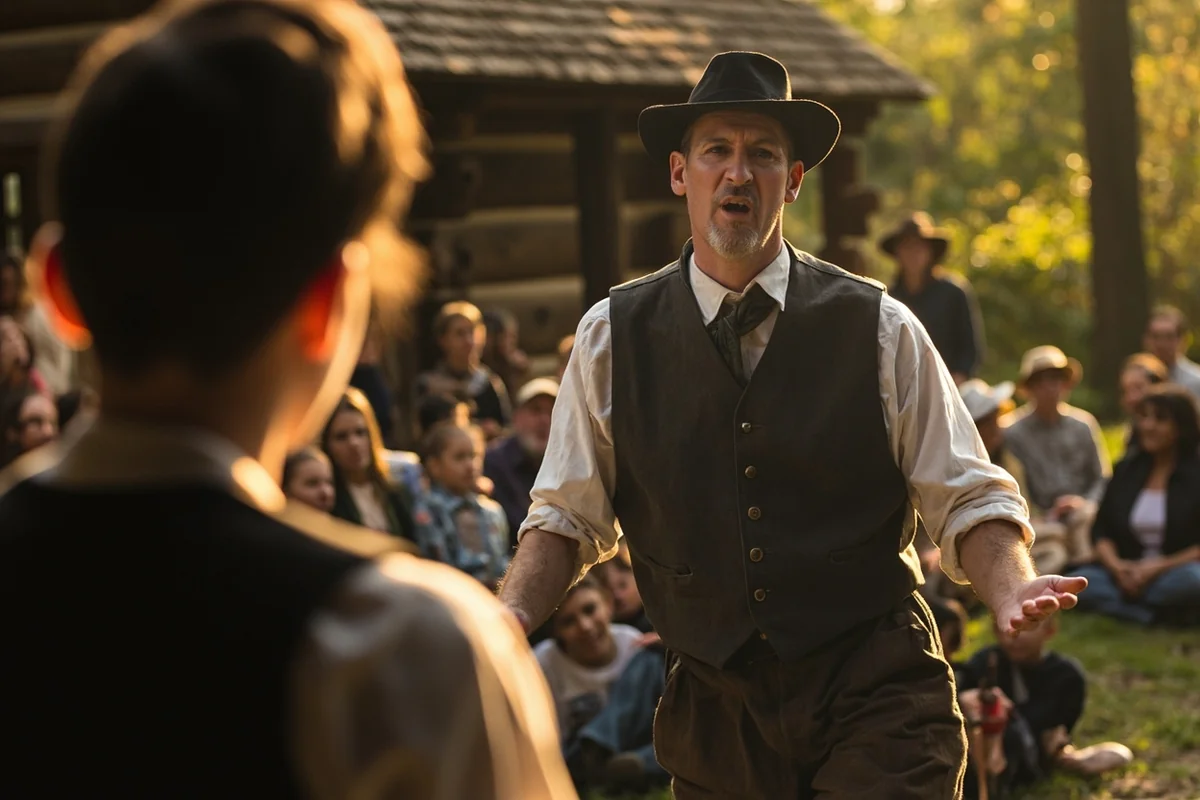
The Conservators run genuinely engaging programming beyond a standard self-guided walk-through. Living history presentations bring in professional storytellers who adopt the persona of specific historical figures — past programs have featured Nancy Cooper Russell, wife and business manager of Western artist Charles M. Russell, and the legendary Calamity Jane, both brought to life through an afternoon of first-person storytelling.
A short documentary film, “Homesteads to Huntley,” traces both the early meadow homesteaders’ story and Chet Huntley’s original vision for Big Sky Resort, using rare historic photographs and footage. It’s worth watching before your visit if you want richer context for what you’re actually looking at once you arrive. The museum also hosts hike-and-learns in summer and a biannual winter event called “Of Wilderness and Resorts,” pairing published local historians with screenings of the Huntley film.
QR codes posted throughout the grounds let self-guided visitors access interior video footage of areas they can’t physically enter without a guided tour, including the main cabin’s upstairs bedrooms.
Visiting With Kids
The old-fashioned games days occasionally held at the ranch, featuring potato sack races and tug-of-war, give kids a genuinely active way to engage with homestead-era life rather than just looking at artifacts. The museum’s connections to the local school district also mean summer camps and field trips regularly bring kids through for scavenger hunts, butter churning, quilting demonstrations, and other hands-on homestead activities.
Even outside organized programming, the grounds themselves work well for families. Kids can wander the meadow, peek into cabin windows, and use the QR codes to unlock video content on their own, turning a self-guided visit into something closer to a scavenger hunt than a passive walk-through.
Winter visits offer a different, quieter kind of family experience, with snowshoeing and cross-country skiing available right across the historic grounds when conditions allow.
Frequently Asked Questions
Is this the same organization that runs Big Sky Resort?
No — the museum is operated by the Big Sky Community Organization, a separate nonprofit, though the property’s history is directly tied to the resort’s founding by Chet Huntley’s investor group in the late 1960s.
Can we go inside the cabins without a guided tour?
Self-guided visitors can look through cabin windows and explore the grounds freely, but full interior access to spaces like the main cabin’s upstairs generally requires a guided tour or use of the on-site QR code videos.
Is there a fee for guided tours?
Tours have historically been offered free, though it’s worth confirming current registration details before your visit, since sign-up may be required.
How does this compare to other Montana homestead museums?
It’s genuinely distinctive for sitting directly inside a major modern resort community rather than a rural agricultural town. That contrast between a preserved 1902 homestead and the surrounding golf course and ski infrastructure is part of what makes a visit here feel different from a typical rural Montana homestead museum.
Is the museum accessible for visitors with mobility limitations?
The outdoor grounds are generally walkable, though the historic cabin interiors, especially upper levels, may have more limited accessibility. Call ahead if this is a specific concern.
What Other Guides Get Wrong
- The Chet Huntley and Big Sky Resort connection rarely gets explained clearly, even though it’s the single most surprising fact about this specific property for most modern visitors.
- The fire that nearly destroyed the smaller cabin during resort construction almost never gets mentioned, despite the damage still being visible on the exterior logs today.
- The museum’s actual founding date — 2012, not the 1980s or 2001 — rarely gets stated accurately, since the property’s public access history is genuinely more layered than a single opening date suggests.
- The living history programs featuring figures like Nancy Cooper Russell rarely get flagged as a specific reason to time a visit, when they’re genuinely one of the more engaging things the museum offers.
Personal Tips: What I Wish I Knew
- The grounds are free and open year-round, even in winter. You can snowshoe or cross-country ski across the property when the ground is covered in snow, a genuinely different way to experience the homestead than a summer visit.
- Watch the “Homesteads to Huntley” film before you go if you can find it online. It adds real context that’s easy to miss just reading interpretive signs on-site.
- Scan the QR codes if you’re visiting without a guided tour. They give you video access to spaces, like the main cabin’s upstairs, that self-guided visitors can’t physically enter.
- Time a weekend visit between late June and September if you want the full guided tour experience. Outside that window, you’re limited to self-guided exploration only.
- Look closely at the smaller cabin’s exterior logs. The fire damage from the resort-construction era is still visible if you know to look for it, and it’s a genuinely striking physical reminder of how close this history came to disappearing entirely.
How This Fits a Big Sky Visit
Crail Ranch sits in Big Sky’s Meadow Village, right next to the Big Sky Golf Course, making it an easy, low-key stop to add to a ski or summer resort trip without requiring a dedicated day.
If Gallatin Valley history interests you more broadly, pairing this with our Gallatin History Museum guide in Bozeman gives you a fuller regional picture, from the valley’s broader county history down to this single homestead’s specific story. If you’re building a wider Yellowstone Country museum itinerary, our Crazy Mountain Museum guide in Big Timber and our Yellowstone Gateway Museum guide in Livingston both round out other strong regional stops. If you catch a living history performance featuring Nancy Cooper Russell, our C.M. Russell Museum guide in Great Falls covers her husband’s life and work in much greater depth. Our Montana museums guide maps how this stop connects to the rest of the state’s cultural landscape.
Practical Info
| Address | Meadow Village area of Big Sky, off Spotted Elk Road |
| Phone | 406-993-2112 |
| Grounds | Open daily, daylight hours, year-round |
| Guided tours | Saturdays and Sundays, late June through September [verify current schedule] |
| Admission | Free |
| Time needed | 45 minutes–1.5 hours |
| Good for | History enthusiasts, Big Sky visitors looking for a break from the slopes or golf course, families |
| Nearby pairing | Big Sky Golf Course, rest of Big Sky’s Meadow Village |
Final Thoughts
Crail Ranch Homestead Museum sits quietly in the middle of one of Montana’s most famous modern resort destinations, telling a story most Big Sky visitors never think to ask about.
A homesteader who arrived at nearly 60, a fire that almost erased the whole thing during resort construction, and a decades-long volunteer effort to save two log cabins all led to this quiet one-acre site you can visit for free, right next to the golf course most people came to Big Sky to play.
Pin this for your Big Sky trip planning, and take a minute between runs or rounds to see where this whole place actually started. If you’ve watched the “Homesteads to Huntley” film, I’d love to hear what surprised you most about Big Sky’s pre-resort history in the comments.