A grain silo built in 1913 got moved to Main Street the same year and turned into a movie theater. More than a century later, that same building hosts an internationally known variety show with a name that guarantees you’ll remember it: the Dirty Shame Show.
- Daniels County Museum & Pioneer Town sits on 20 acres just west of Scobey, with 35 historic buildings recreating an early 1900s Montana town
- The Rex Theatre, the town’s original movie house, started life as a grain storage facility before being relocated and converted the same year it was built
- Pioneer Days, held the last weekend in June, features a thresherman’s breakfast, an antique vehicle parade, and the genuinely one-of-a-kind Dirty Shame Show
- The site runs almost entirely on volunteer labor, local talent, and community contributions
- This is one of the best museums in Montana that turns an entire vanished Hi-Line town into something you can actually walk through
Liked this article?
Add Roaming Montana as a preferred source so you see more of our articles and guides on Google.
Thirty-Five Buildings, One Vanished Town Rebuilt
Most museums display artifacts from a lost era. This one rebuilt an entire small town around them.
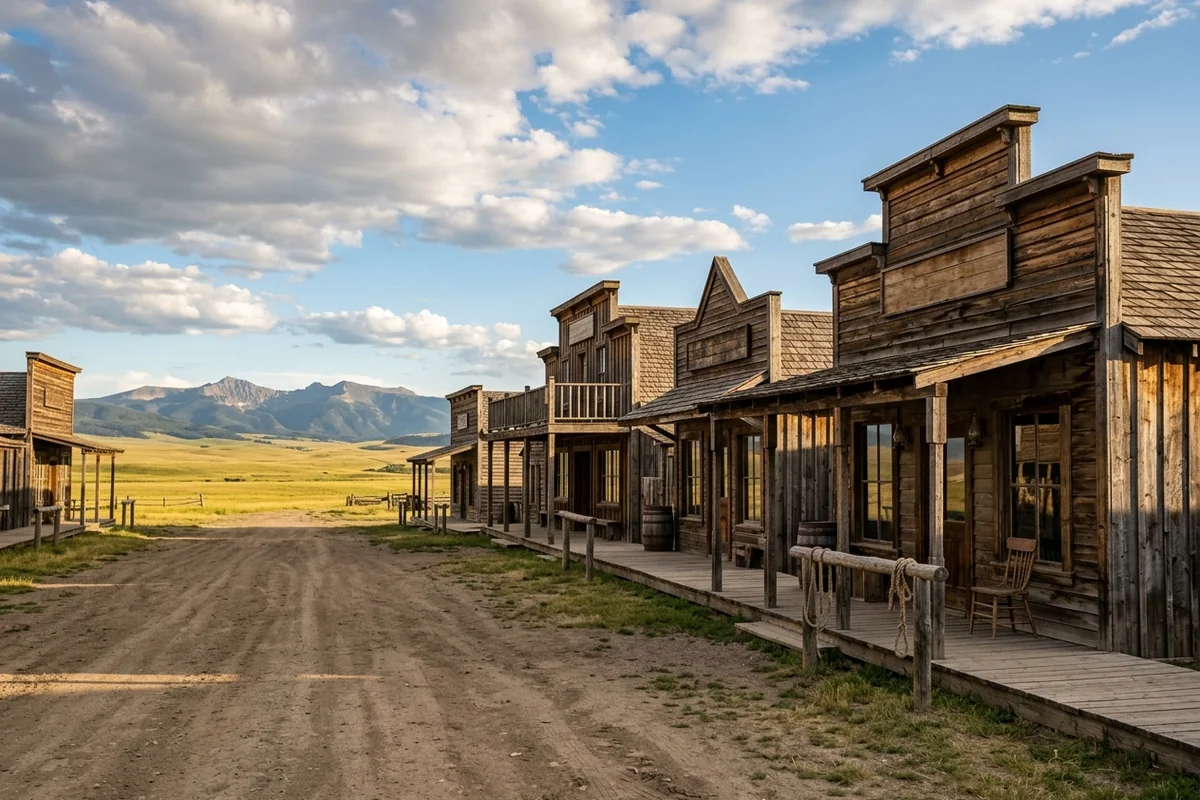
Daniels County Museum & Pioneer Town occupies 20 acres just west of Scobey, where 35 historic buildings gathered from across the county have been restored or relocated to recreate a genuine turn-of-the-20th-century Montana settlement.
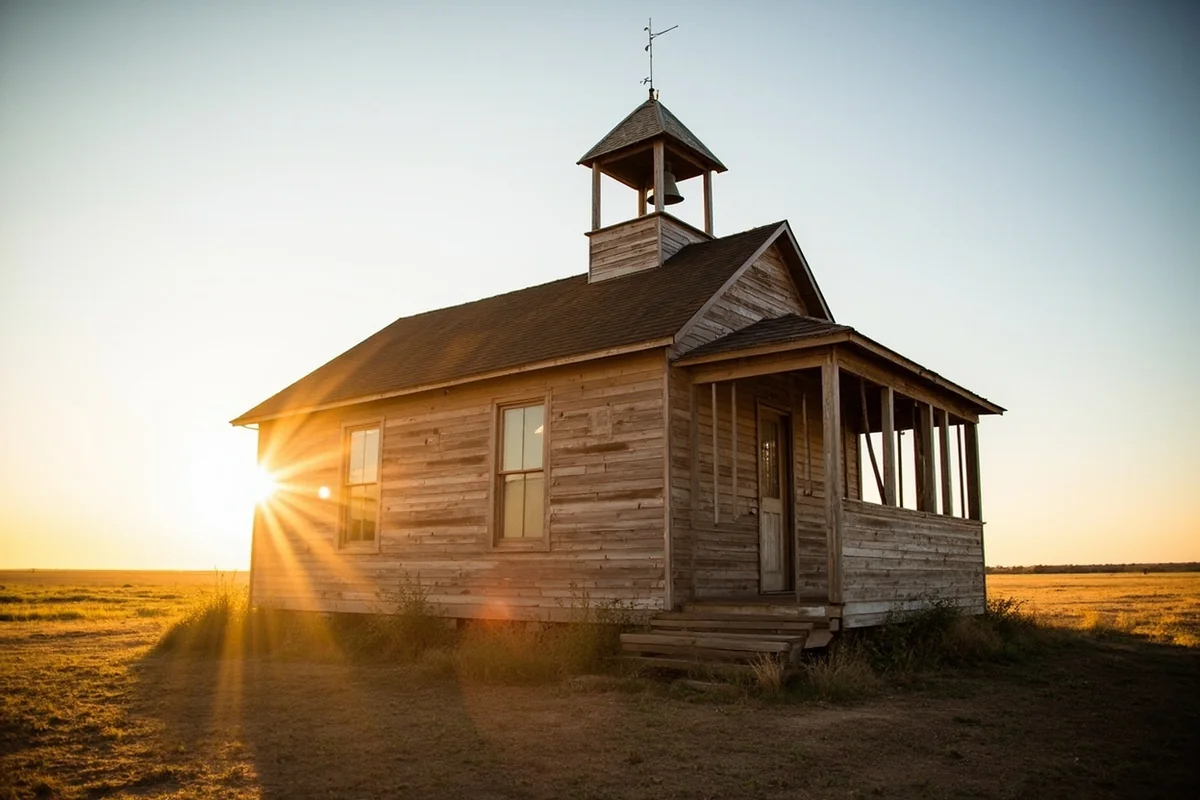
Walking the grounds, you’ll pass a blacksmith shop, a general store, multiple churches, a one-room country school, a law office, a doctor’s office, a dress shop, and a post office, alongside homes representing both average families and the county’s wealthier residents.
The museum’s core mission is straightforward: collect, preserve, and display Daniels County history in every form it survives, from full buildings down to individual family photographs. A collection of antique cars, tractors, and farm machinery, gathered from around the county over decades, rounds out the grounds alongside the buildings themselves.
A Grain Silo That Became a Movie Theater in the Same Year
Among the 35 buildings, one has a genuinely unusual origin story worth knowing before you visit.
The Rex Theatre was originally built in 1913 as a grain storage facility. Almost immediately, it was physically moved to Main Street and converted into a movie theater — a transformation completed by the end of that same year.
The building still retains its original theatre seats, curtain, walls, and ceilings, giving visitors a genuinely intact piece of small-town Montana entertainment history rather than a modern reconstruction dressed up to look old.
That original character matters enormously once you learn what the building hosts today, because the Rex Theatre isn’t just a preserved relic — it’s still an active performance venue, and its current use is easily the most distinctive thing about the entire museum complex.

The Dirty Shame Show
This is the detail that genuinely surprises first-time visitors, and it’s worth explaining in full because the name alone doesn’t do it justice.
During Pioneer Days, the Rex Theatre becomes home to the Dirty Shame Show, a genuinely internationally known family variety production. The Dirty Shame Belles perform high-energy dance routines to musical numbers played live by the Dirty Shame Dixieland Band, with comedy skits and sing-alongs filling the gaps between dance numbers.
The show has reportedly been performed for notable visiting dignitaries over the years, a genuinely remarkable claim to fame for a volunteer production staged in a converted grain silo in rural northeastern Montana.
Nearby, the non-alcoholic Dirty Shame Saloon serves cool drinks and popcorn alongside its own entertainment, giving the whole production a self-aware, family-friendly wink at the classic frontier-saloon trope without any of the actual rowdiness.
Pioneer Days: The One Weekend That Brings It All to Life
While Pioneer Town welcomes visitors throughout the regular season, the last full weekend in June transforms the entire site into something considerably more energetic.
The day traditionally starts with a thresherman’s breakfast of pancakes and sausage, served from genuine old cook cars — the same type of mobile kitchens that once fed harvest workers directly in the fields during Scobey’s grain-farming heyday.
That detail connects directly to real regional history: Scobey was historically one of the largest grain shipping points in the world, and the cook-car breakfast tradition honors the massive harvest labor force that made that possible.
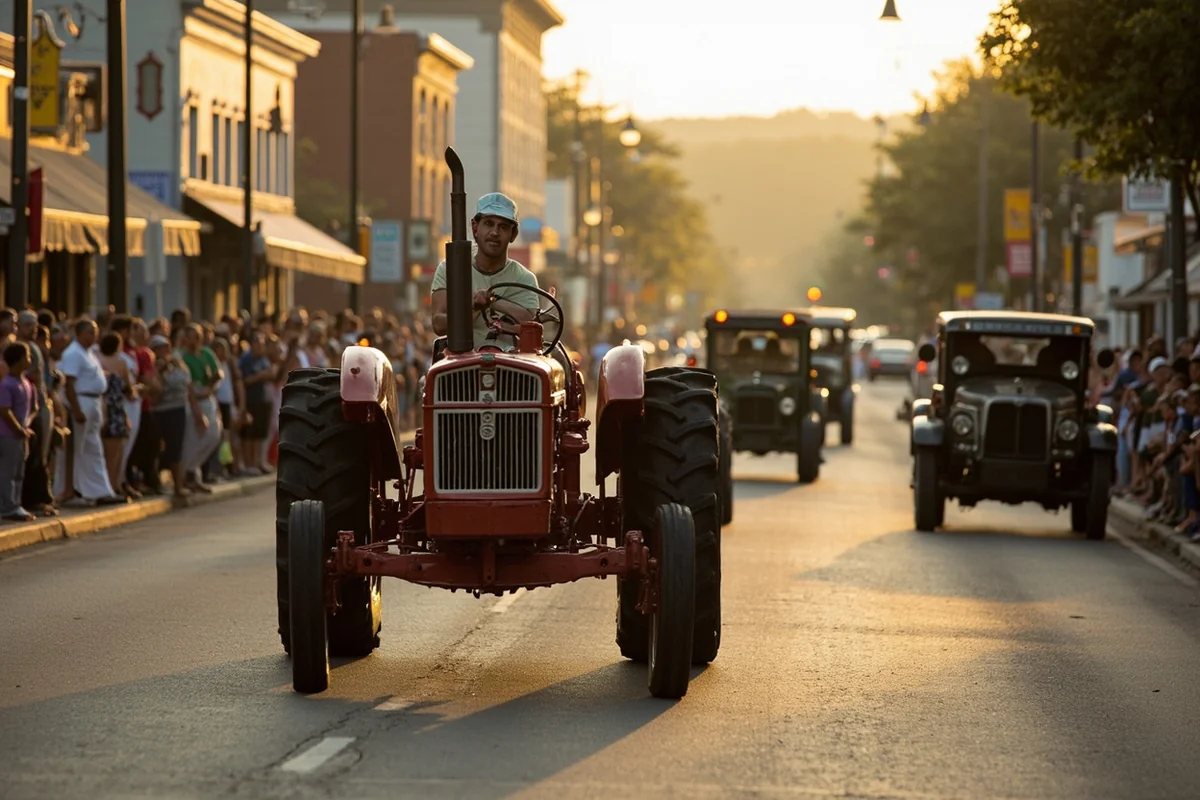
Saturday afternoon brings a full parade through “downtown” Pioneer Town, featuring antique cars, trucks, tractors, and a genuine wagon train with horses and buggies. Children’s street games and an art show round out the daytime programming, before the Dirty Shame Show takes over the Rex Theatre in the evening.
An Honest Look at What to Expect
I try to give a fair, balanced picture rather than overselling every stop, and it’s worth setting accurate expectations here.
Some visitors have noted that the self-guided tour, while allowing for a genuinely leisurely pace through the grounds, could benefit from more informational signage inside individual buildings. Others have suggested the overall presentation could use updated methods to better engage younger visitors who expect more interactive elements than a walk-through historic building typically offers.
Access outside Pioneer Days has also been described inconsistently across sources — some indicate the site operates on a self-guided basis with a printed walking tour and posted plaques, while at least one visitor reported needing a guided tour outside the festival weekend. It’s worth confirming current access format directly before your visit. [verify current tour format and self-guided access policy]
None of this diminishes the genuine scale of what’s been assembled here. Thirty-five real buildings, gathered and preserved through decades of volunteer effort, is a substantial achievement regardless of how polished the interpretive signage happens to be on any given visit.
Why Scobey Built an Entire Town Instead of a Single Museum
It’s worth understanding why this particular community chose such an ambitious approach to preserving its history, rather than a standard single-building county museum.
Daniels County sits in a genuinely remote stretch of Montana’s Hi-Line, and by the time serious preservation efforts began, dozens of individual buildings across the county — old schools, churches, and businesses from smaller communities that had already started fading — faced the very real prospect of demolition or simple abandonment.
Rather than let each structure disappear individually, the community made the ambitious decision to physically relocate and consolidate them into one preserved site, creating something closer to a living historical village than a conventional museum.
That approach required a genuinely enormous, sustained community effort. Moving, restoring, and furnishing 35 separate buildings isn’t something a small rural county accomplishes with grant funding alone — it takes decades of volunteer labor, donated materials, and a shared community conviction that this specific history was worth the effort.
The result is a genuinely rare kind of preservation project, closer in ambition to a small-scale Colonial Williamsburg than a typical county historical society collection.
Visiting With Kids
This museum’s walk-through-a-real-town format tends to work well for families, giving kids physical space to move between buildings rather than sitting through a single indoor exhibit hall. The general store, blacksmith shop, and antique vehicle collection tend to be strong draws for younger visitors, offering tangible, walk-in spaces rather than glass display cases.
If your visit lines up with Pioneer Days specifically, this becomes one of the more genuinely engaging family events in this corner of Montana. Children’s street games, the parade, and the sheer spectacle of the Dirty Shame Show give kids an active, entertaining reason to stay engaged well beyond a typical museum visit’s attention span.
Outside festival weekend, I’d set realistic expectations about the pace — this is a self-guided walking experience through historic buildings, which tends to hold older kids’ attention better than very young children’s, especially if signage inside individual buildings is sparse.
Frequently Asked Questions
Is the Dirty Shame Show performed year-round, or only during Pioneer Days?
It’s specifically tied to Pioneer Days, the last full weekend in June, rather than a regular ongoing performance schedule. Time your visit accordingly if seeing the show is a priority.
Is Pioneer Town the same thing as the Daniels County Museum, or separate?
They’re the same overall site and organization — Pioneer Town refers to the 35-building outdoor complex, while the Daniels County Museum specifically houses artifacts, antique cars, and additional historical items within that same 20-acre property.
Can we tour the buildings on our own, or do we need a guide?
Reports vary, with some describing self-guided access using a printed walking tour and posted plaques, and at least one visitor noting guided-only access outside Pioneer Days. Confirm current policy directly with the museum before your visit.
Is Scobey worth the drive if it’s not directly on our route?
If you’re already committed to exploring Montana’s Hi-Line and Missouri River Country region, yes — it’s a genuinely unique, large-scale preservation project unlike anything else in the area. If you’re on a tight, direct interstate route elsewhere in the state, it’s a more significant detour to weigh against your overall itinerary.
Is there food available on-site outside of Pioneer Days?
[verify current on-site food service or nearby dining options directly with the museum]
- The Rex Theatre’s grain-silo origin story rarely gets mentioned, losing one of the more genuinely surprising building histories in the entire complex.
- The Dirty Shame Show gets treated as a minor festival sideshow, when it’s actually a genuinely internationally recognized production with a real performance history.
- Scobey’s historic status as one of the world’s largest grain shipping points almost never gets explained, missing the actual historical context behind the thresherman’s breakfast tradition.
- The honest, mixed feedback on signage and interactive engagement rarely gets acknowledged, leaving visitors with either an oversold or dismissive impression rather than an accurate one.
Personal Tips: What I Wish I Knew
- Time your visit around Pioneer Days if at all possible. The last weekend in June transforms this from a quiet self-guided walk into a genuinely lively regional event.
- Confirm current tour access before you drive out. Given the inconsistent reports on guided versus self-guided access outside festival weekend, a quick call ahead avoids any confusion.
- Don’t skip the Rex Theatre even outside Pioneer Days. The building’s own history is worth appreciating independent of any performance schedule.
- Bring cash and be ready for a genuinely rural experience. Scobey sits close enough to the Canadian border that the museum accepts Canadian currency alongside standard payment methods.
- Budget a few hours for the full 35-building complex. This isn’t a quick 20-minute stop, especially if you’re exploring every building rather than the highlights alone.
How This Fits a Hi-Line Road Trip
Scobey sits at the northern edge of Montana’s Hi-Line region, close enough to the Canadian border that this makes a genuinely remote, deliberate stop rather than something you’ll stumble onto by accident.
If you’re exploring this quiet corner of Missouri River Country, pairing this with our Culbertson Museum guide and our Valley County Pioneer Museum guide in Glasgow gives you a fuller sense of how differently various Hi-Line communities have chosen to preserve their own histories.
Our MonDak Heritage Center guide in Sidney rounds out another strong regional stop if you’re building a longer northeastern Montana loop. Our Montana museums guide maps how this stop connects to the rest of the state’s cultural landscape.
Practical Info
| Address | Seven blocks west of Main Street on 2nd Avenue, Scobey, MT |
| Phone | 406-487-5965 or 406-487-2061 |
| Season | Memorial Day–Labor Day [verify current season and daily hours] |
| Pioneer Days | Last full weekend in June [verify current dates] |
| Admission | [verify current pricing] |
| Time needed | 2–3 hours; longer during Pioneer Days |
| Good for | History enthusiasts, families, anyone chasing genuinely offbeat Montana attractions |
| Nearby pairing | Downtown Scobey, other Hi-Line museums along Highway 2 |
Final Thoughts
Daniels County Museum & Pioneer Town rebuilt an entire vanished Hi-Line settlement out of 35 real buildings, then topped it off with a variety show so distinctively named you won’t forget it regardless of whether you catch a performance.
Between the Rex Theatre’s improbable grain-silo origin and Scobey’s own history as one of the world’s largest grain shipping points, this remote northeastern Montana stop earns far more attention than its distance from any interstate usually gets it.
Pin this for your Hi-Line trip planning, and try to time it around Pioneer Days if your schedule allows. If you’ve caught a Dirty Shame Show performance, I’d genuinely love to hear how it lived up to the name in the comments.