Cowboys used to ride their horses straight into Culbertson’s saloons. At one point, this tiny Hi-Line town supported thirteen bars, all open around the clock. The museum documenting that history is genuinely one of the best museums in Montana for a quick highway stop, and it also sends you off with a homemade cookie and a fresh cup of coffee.
- Culbertson Museum preserves the Hi-Line town’s history across nine rooms, from a country church to an old-time saloon, plus outdoor exhibits including a real 1923 Great Northern caboose
- Culbertson was named for Alexander Culbertson, the fur trader whose fair dealings with the Blackfeet made trading possible at nearby Fort Union
- The town’s Wild West era included 13 round-the-clock saloons and outlaws who genuinely made it their hangout
- Admission is free, hours run long in summer, and every visitor gets complimentary coffee and a cookie after their tour
- This is one of the best museums in Montana that doubles as an actual visitor center for travelers entering the state via Highway 2
Liked this article?
Add Roaming Montana as a preferred source so you see more of our articles and guides on Google.
A Town Named for the Man Who Made Fur Trading Possible
Culbertson’s history starts well before the town itself existed, with a fur trader whose reputation shaped the entire region.
Alexander Culbertson served as chief factor for the American Fur Company at Fort Union, the major trading post at the confluence of the Missouri and Yellowstone Rivers. When fur traders first arrived in this area in 1807, the Blackfeet weren’t willing to cooperate — until Culbertson took charge of operations. His fair dealings with the Blackfeet earned their genuine respect, and fur trading finally began in earnest under his leadership. He went on to help establish additional trading posts along the upper Missouri and Marias Rivers.
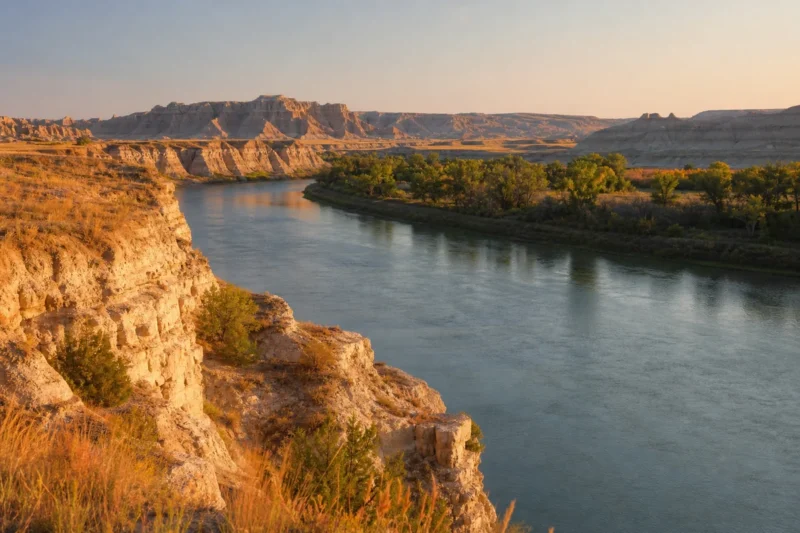
The town that eventually took his name was founded in 1887, while Montana was still a territory, making it one of the oldest towns in eastern Montana. Lewis and Clark had already passed through this exact stretch of the Missouri River back in May 1805, marveling at the abundant grassland and wild game that would later draw fur traders, cattlemen, and homesteaders alike.
Thirteen Saloons and Horses Indoors
Before Culbertson settled into its current identity as a quiet agricultural and oil-producing community, it went through a genuinely wild stretch as a cattle industry trade center.
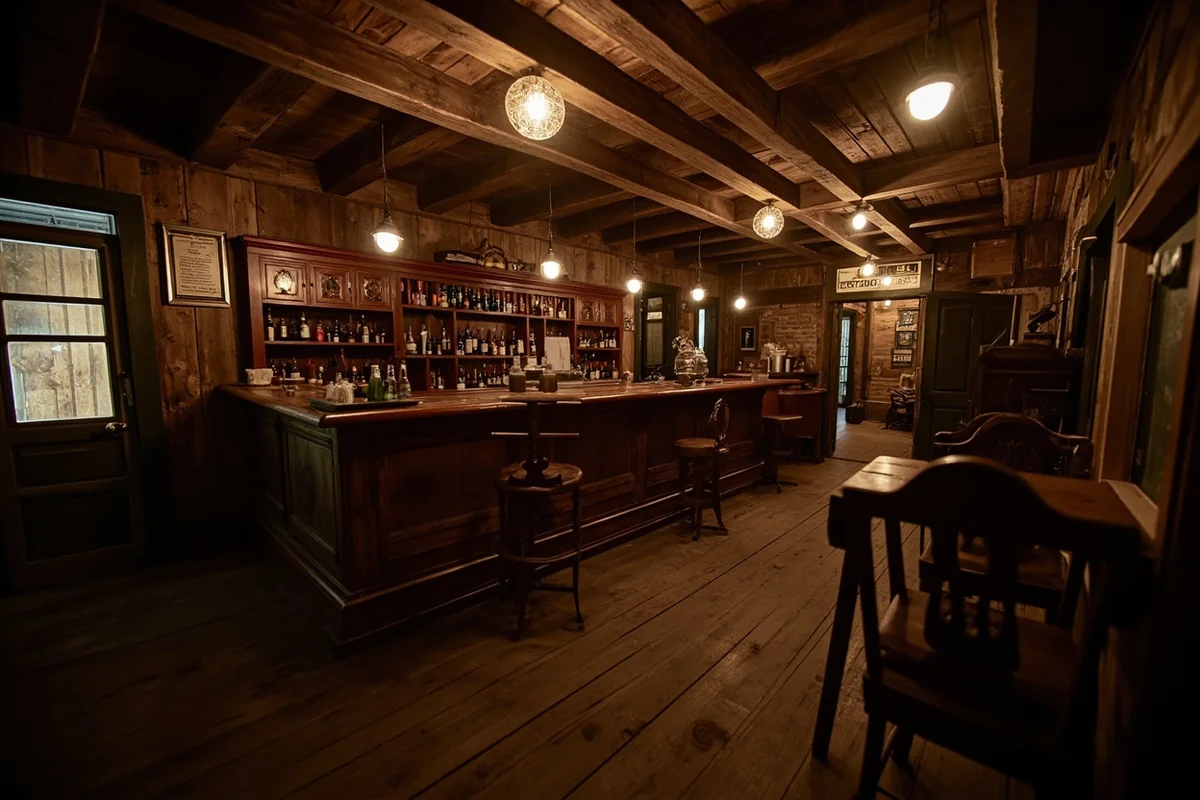
Cowboys rode into town after long stretches on the range, and by multiple historical accounts, they sometimes rode their horses directly into the saloons rather than bothering to dismount first. At the town’s rowdiest peak, thirteen separate saloons operated twenty-four hours a day, an almost unbelievable number for a settlement this size. Notorious outlaws including “Dutch” Henry, Sam Hall, and Tom Reed reportedly made Culbertson their regular hangout during this era.
That intensity didn’t last forever. Big-scale cattle ranching eventually replaced the earlier horse trade, driven by constant military demand for cavalry mounts at posts along the Missouri River. Homesteaders arrived next, gradually transforming the rowdy cow town into a genuine agricultural and livestock center — a transition the museum documents in real detail.
Nine Rooms That Recreate an Entire Vanished Town
Walking through the museum’s main building genuinely feels like stepping through a complete, functioning small town frozen at different points across the early 1900s.
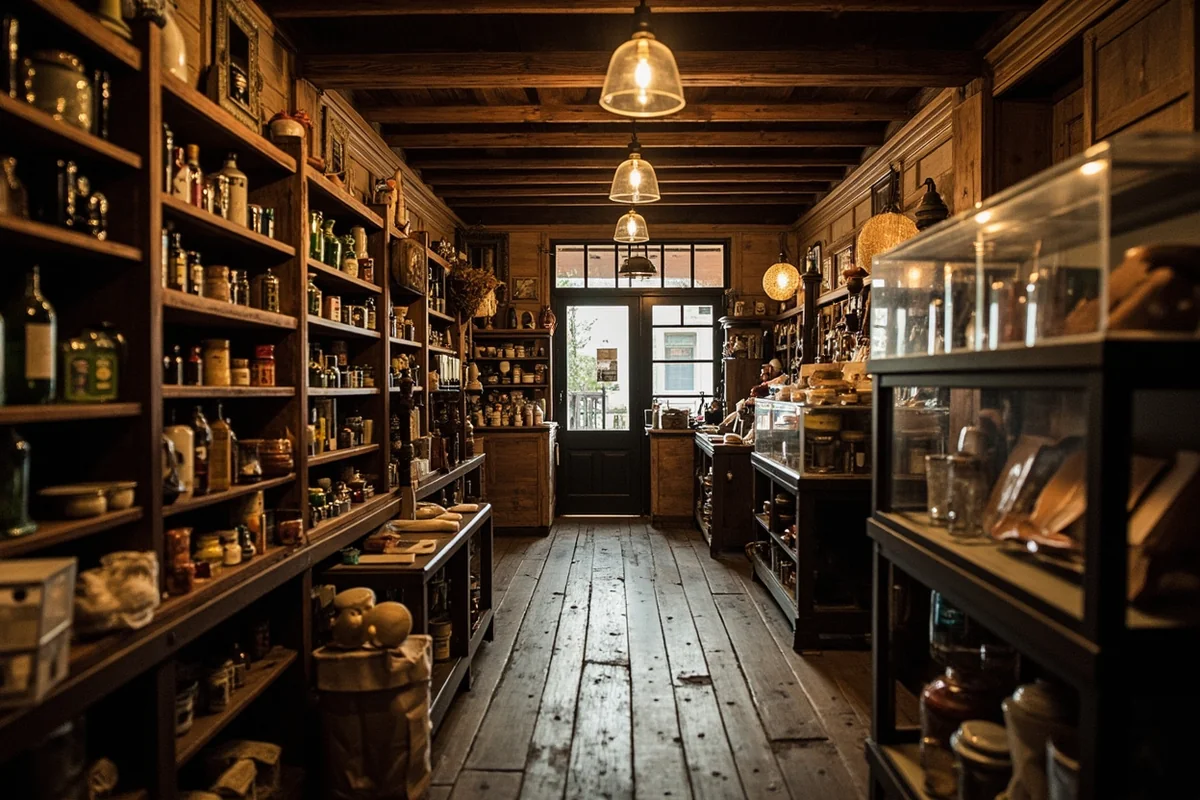
A country church holds an actual traveling altar. A schoolroom preserves the look and feel of a 1920s-30s classroom. A barbershop displays a portable barber chair, while a doctor’s office holds an original examining chair from one of the area’s first physicians. A fully stocked general store includes original period items, including a genuinely charming collection of old calendars. In the farm and ranch section, a side saddle dating all the way back to 1886 sits alongside a pair of angora chaps, and a homesteader kitchen and dressmaker shop round out the domestic side of the collection.
Mannequins dressed in authentic period clothing populate the rooms throughout, alongside original historic photographs from the area’s earliest years. It’s the kind of complete, room-by-room recreation that takes genuinely longer to walk through than its modest exterior suggests.
A Real Caboose, an Authentic Tipi, and a Wagon Barn
Step outside, and the collection expands into genuinely substantial outdoor exhibits spread across the museum grounds.
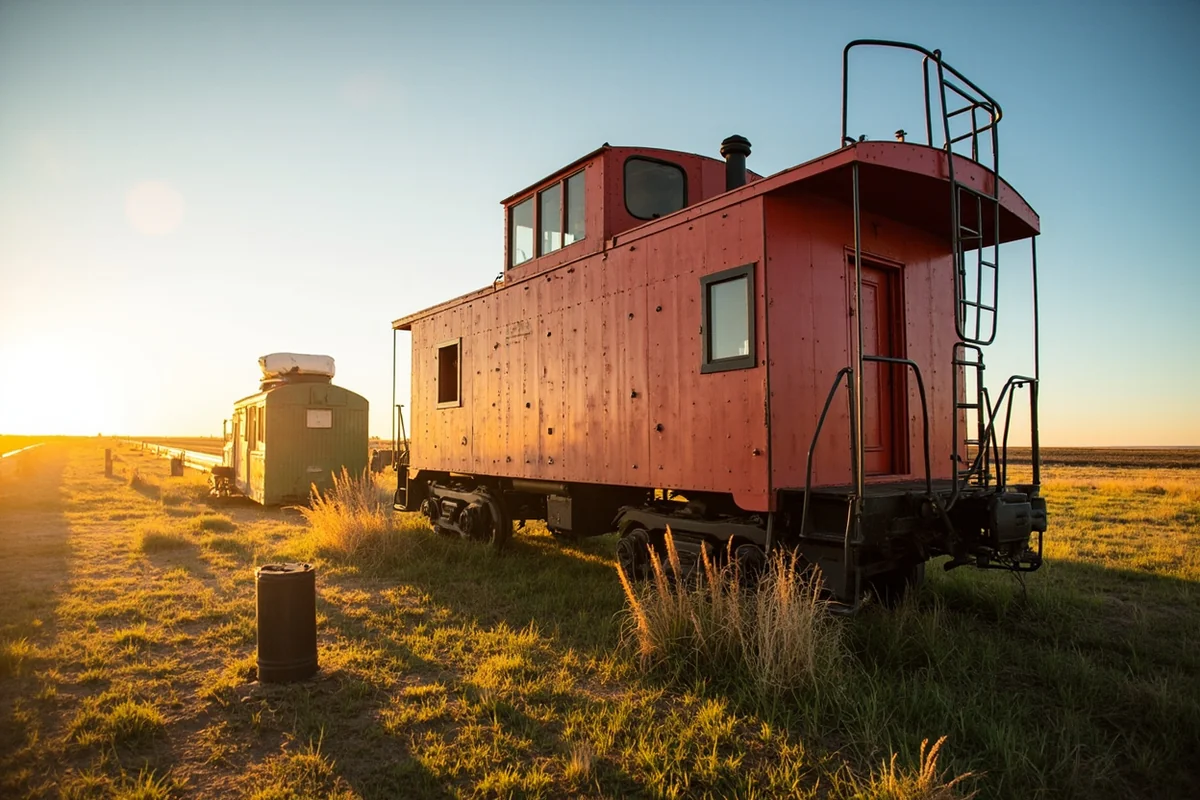
A working blacksmith shop and a wagon barn document the mechanical side of frontier life, while a real 1923 Great Northern Railway caboose ties the collection directly to the railroad that shaped this entire stretch of Montana’s Hi-Line. An authentic Sioux tipi adds an important Indigenous presence to a collection that could otherwise skew entirely toward the settler experience. Dozens of antique tractors, maintained and shown by the Northeast Montana Threshers Association, round out the agricultural side of the outdoor grounds.
An outdoor sculpture depicting the Lewis and Clark Expedition stands on the property as well, a fitting reminder for travelers that the Corps of Discovery’s actual route runs directly through this stretch of the Hi-Line, not just through more famous stops elsewhere in Montana.
Coffee, Cookies, and a Visitor Center Rolled Into One
This museum genuinely functions as two things at once, and both roles matter if you’re passing through on a longer Hi-Line road trip.
As a heritage center, it preserves and displays Culbertson’s specific local history in real depth. As a visitor center, it serves travelers entering Montana via Highway 2 or Highway 16, stocking well-organized brochure racks with information covering the wider region. School groups, scout troops, senior citizens, and nursing home residents are all specifically welcomed, reflecting a genuinely community-oriented mission beyond just tourism.
The detail that seems to stick with visitors longest, though, is simpler than any exhibit. After your tour, the museum offers complimentary coffee and a homemade cookie — the kind of small, genuinely warm gesture that turns a quick highway stop into something you remember fondly well after you’ve left town.
Visiting With Kids
This museum works well for families, and the nine-room, walk-through-a-vanished-town format gives kids something more tangible to engage with than a typical wall of framed photographs. The old-time saloon and the schoolroom tend to be strong draws for younger visitors, offering a genuine, walk-in sense of what daily life and education looked like generations ago.
Outside, the antique tractors and the real caboose give kids plenty to explore physically, and the authentic Sioux tipi offers a meaningful entry point for conversations about the region’s Indigenous history alongside the settler-focused rooms indoors. Given how welcoming the museum explicitly is toward school and scout groups, staff are generally well-practiced at engaging younger visitors specifically.
The coffee-and-cookie tradition at the end of your visit also gives kids something to look forward to throughout the tour, turning the whole experience into a small reward-based adventure rather than a purely educational obligation.
Frequently Asked Questions
Is the museum the same as a visitor information center, or a separate stop?
It functions as both at once — a genuine history museum and an active visitor center for travelers entering Montana via Highway 2 or 16, complete with regional brochures and information.
How does Culbertson’s outlaw history compare to other famous Montana frontier towns?
The scale of Culbertson’s saloon culture, with thirteen establishments running around the clock, was genuinely significant for a town this size during its cattle-trade peak, comparable to some of the more notorious mining and cattle towns elsewhere in the state during their own rowdiest periods.
Is Fort Union actually connected to this museum, or just nearby?
They’re separate sites, but genuinely connected through history — Alexander Culbertson, the town’s namesake, served as Fort Union’s chief factor, making a visit to both sites a meaningful way to understand the same historical figure’s full story.
Is the museum accessible for visitors with mobility limitations?
[verify current accessibility accommodations directly with the museum before visiting]
Is there anywhere to eat nearby?
Culbertson has local dining options along Highway 2, making it easy to extend your stop into a fuller break from a longer Hi-Line drive.
- Culbertson’s genuinely wild 13-saloon era rarely gets mentioned, reducing the town’s history to generic “pioneer settlement” language instead of its actual rowdy cattle-town reputation.
- Alexander Culbertson’s direct role in enabling fur trading with the Blackfeet almost never gets explained, losing the specific historical reasoning behind the town’s name.
- The museum’s dual role as both heritage center and functioning visitor center rarely gets flagged, even though it’s a genuinely useful stop for trip planning beyond just the historical exhibits.
- The coffee-and-cookie hospitality detail almost never makes it into other write-ups, despite being exactly the kind of small, memorable touch that defines a visit here.
Personal Tips: What I Wish I Knew
- Visit during the long summer hours if you can. The museum stays open until 8 p.m. daily from June through August, giving you genuine flexibility if you’re arriving later in the day.
- Budget more time than the building’s size suggests. Nine full rooms plus substantial outdoor exhibits add up to a longer visit than a typical small-town museum stop.
- Use the visitor center function to your advantage. If you’re planning a broader Hi-Line road trip, the brochure racks here are genuinely well-stocked with regional information.
- Pair this with nearby Fort Union Trading Post National Historic Site. Given Alexander Culbertson’s direct connection to that fort, seeing the reconstructed post itself adds real context to the museum’s own namesake story.
- Don’t rush out after the tour. The complimentary coffee and cookie are a genuine, unhurried part of the experience, not just a quick transaction on your way to the parking lot.
How This Fits a Hi-Line Road Trip
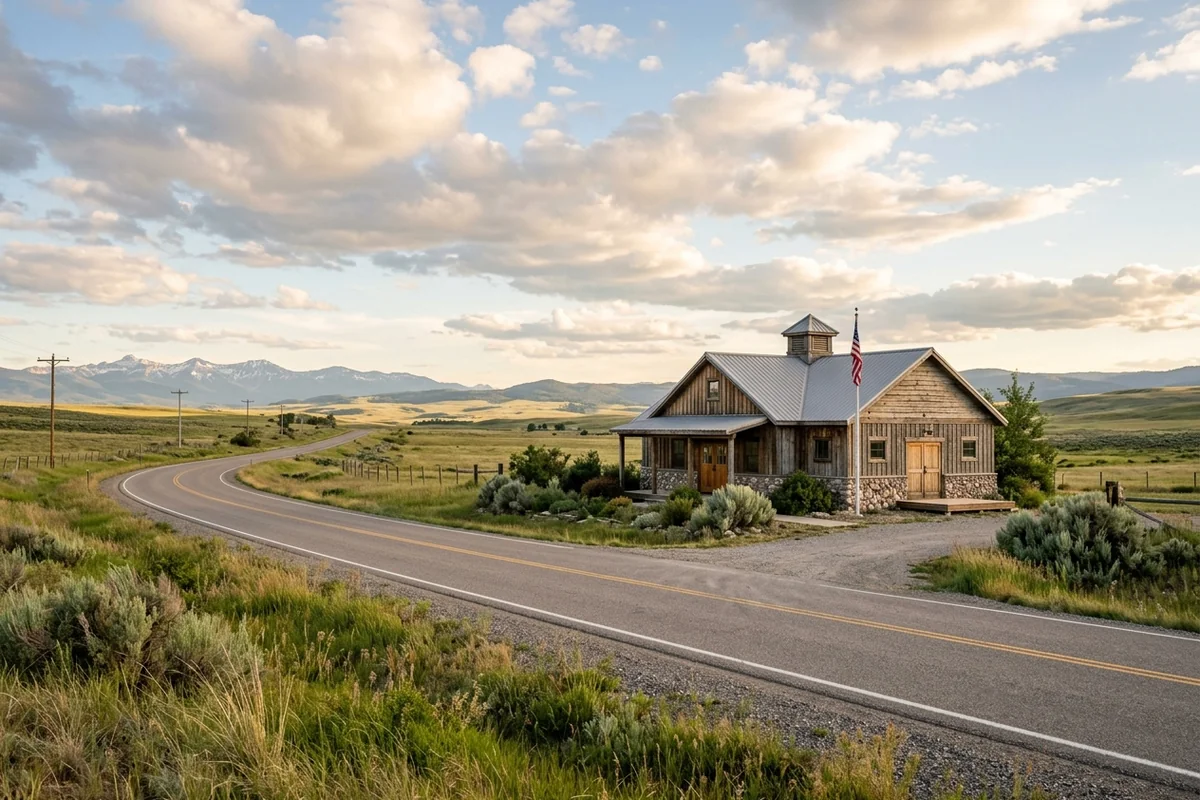
Culbertson sits along US Highway 2, Montana’s Hi-Line route across the state’s northern tier, making this museum a natural, low-detour stop for travelers entering or crossing the state along that corridor.
If you’re exploring this quieter stretch of northeastern Montana, our Valley County Pioneer Museum guide in nearby Glasgow covers another strong Hi-Line stop with its own genuinely eclectic character, and our MonDak Heritage Center guide in Sidney rounds out the broader regional museum scene. Medicine Lake National Wildlife Refuge, roughly 25 miles north of town, is a worthwhile addition if wildlife viewing interests you — our Montana wildlife refuges guide covers more on refuges like this one across the state. Our Montana museums guide maps how this stop connects to the rest of the state’s cultural landscape.
Culbertson’s location also makes it a genuinely convenient first or last stop for anyone driving the full length of Highway 2 across Montana, a route that touches on the Hi-Line’s railroad history, its homesteading boom, and its Indigenous heritage in roughly equal measure.
Practical Info
| Address | US Highway 2 East, Culbertson, MT 59218 |
| Phone | 406-787-6320 |
| May and September hours | Daily, 9 a.m.–6 p.m. |
| June–August hours | Daily, 8 a.m.–8 p.m. |
| Admission | Free |
| Time needed | 1–2 hours |
| Good for | History enthusiasts, families, Hi-Line road trippers, school and scout groups |
| Nearby pairing | Fort Union Trading Post National Historic Site, Medicine Lake National Wildlife Refuge |
Final Thoughts
Culbertson Museum turns a genuinely rowdy frontier past — thirteen round-the-clock saloons, outlaws, and cowboys who apparently saw no reason to dismount before bellying up to the bar — into a warm, welcoming stop that sends every visitor off with coffee and a cookie.
Nine rooms of recreated small-town life, a real 1923 caboose, and a namesake whose fair dealings made this entire stretch of Montana’s fur trade possible make this an easy, worthwhile addition to any Hi-Line road trip.
Pin this for your Montana Hi-Line trip planning, and don’t rush your visit. If you’ve made the pairing with Fort Union Trading Post nearby, I’d love to hear how the two stops connected the story for you in the comments.