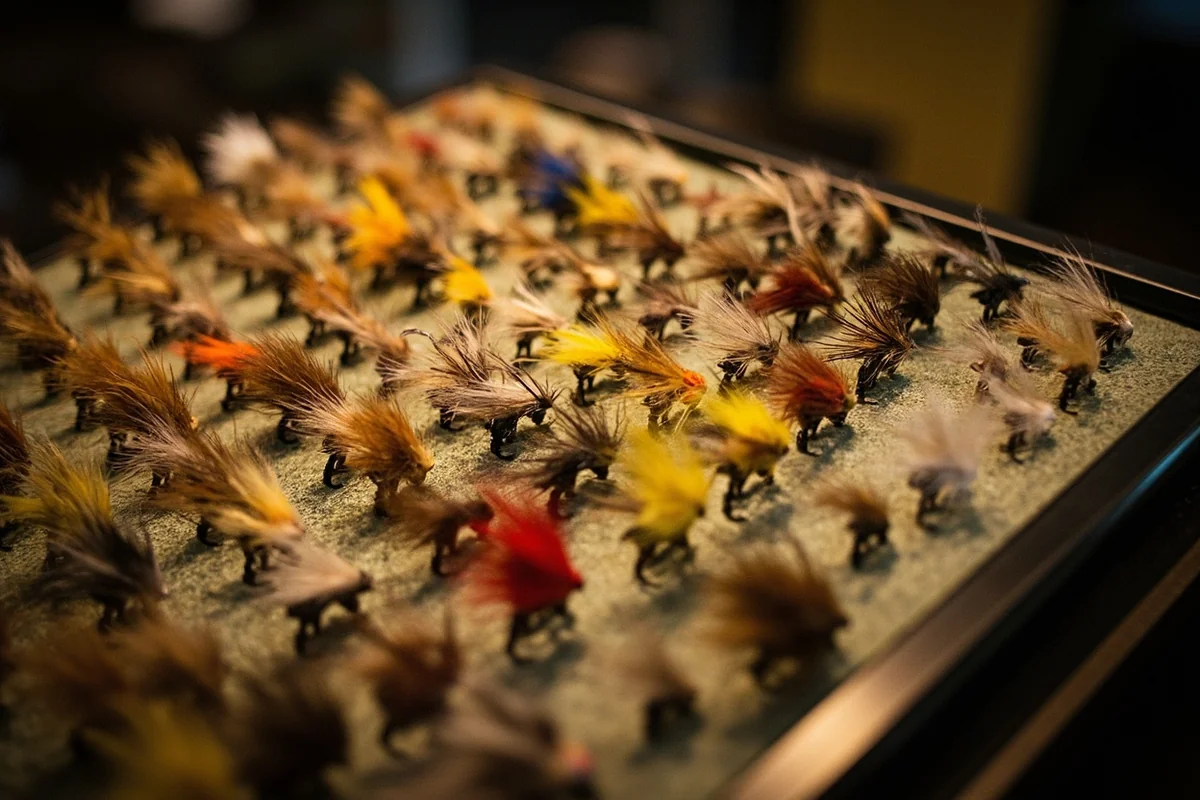
Ten thousand hand-tied flies live under one roof in Livingston, a town anglers from around the world already treat as a genuine pilgrimage site. This is the only museum of its kind in the entire United States, and you don’t need to know a dry fly from a nymph to enjoy it.
- Fly Fishing Discovery Center, operated by Fly Fishers International, is the only national fly fishing museum in the country, headquartered on Highway 89 South near Livingston
- The collection holds roughly 10,000 flies, historic tackle, and fishing-related art, alongside live cold-water and warm-water fish tanks
- Free public fly-casting lessons run Tuesday and Thursday evenings during summer, with no experience required
- Fly Fishers International has organized around conservation, education, and community since 1964
- This is one of the best museums in Montana that welcomes non-anglers just as warmly as serious fly fishers
Liked this article?
Add Roaming Montana as a preferred source so you see more of our articles and guides on Google.
The Only Museum of Its Kind in the Country
Livingston has built a genuine international reputation as a fly fishing destination, sitting close to the Yellowstone River and Paradise Valley’s legendary trout water. It makes sense that the sport’s only dedicated national museum ended up here rather than anywhere else.
Fly Fishers International, known for decades as the International Federation of Fly Fishers, has organized fly fishers worldwide since 1964 around three core pillars: conservation, education, and community. The organization’s museum and headquarters function as a genuine tribute to more than a century of the sport’s history, told through actual artifacts rather than a generic sporting-goods retrospective.
Calling this “the only one of its kind in the nation” isn’t just marketing language. There’s no comparable national institution anywhere else in the United States dedicated specifically and entirely to the history, art, and conservation legacy of fly fishing.
Ten Thousand Flies and a Century of Tackle
The centerpiece of the collection is genuinely staggering in scale: roughly 10,000 individual flies on display, spanning styles, regions, and eras of fly-tying craftsmanship.
Beyond the flies themselves, exhibits trace the evolution of the fishing rod from early wooden and bamboo construction through modern graphite and composite materials, alongside fishing-related art capturing the sport’s aesthetic and cultural significance.
The library holds books and journals spanning more than a century, documenting both the science and the art of fly fishing in genuine depth — a real research resource, not just a decorative shelf of old volumes.
Walking through a collection this extensive, even as someone who’s never picked up a fly rod, gives you a real sense of just how much craft, regional variation, and personal artistry goes into something that looks, from the outside, like a simple lure tied onto a hook.
Live Fish, Not Just Preserved Specimens
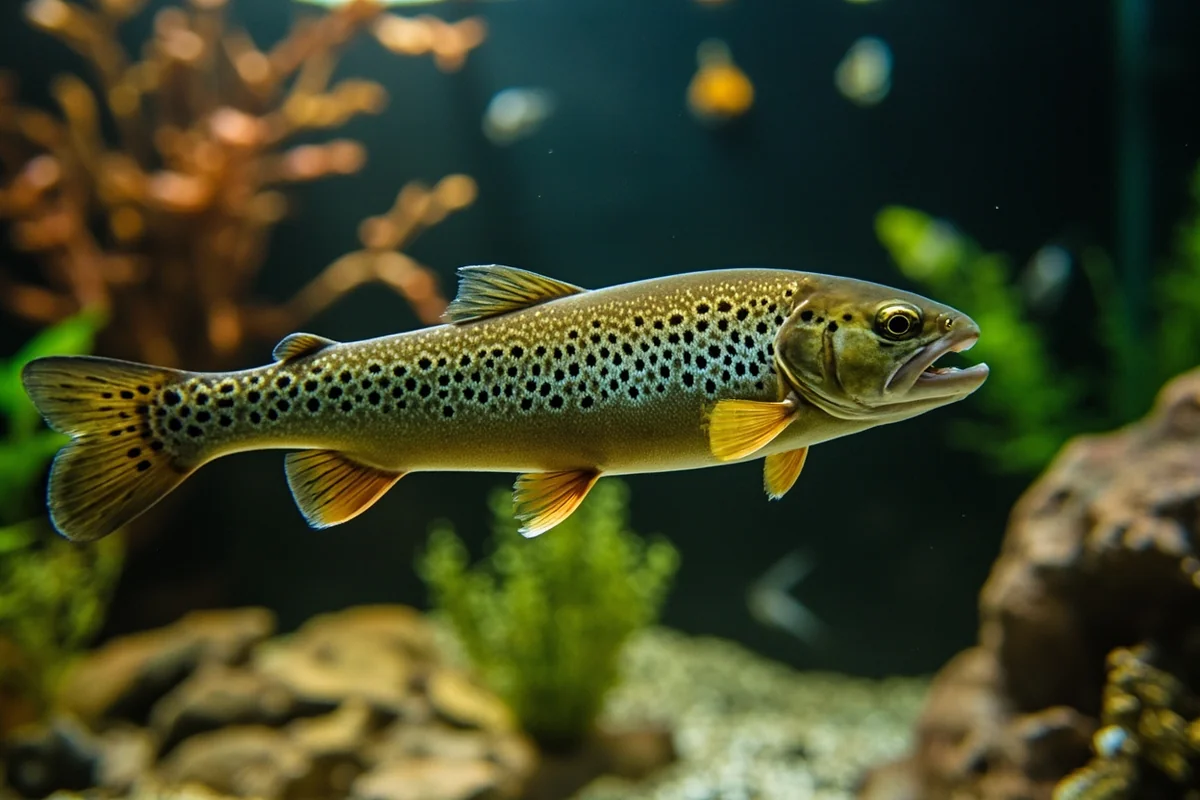
This is the detail that surprises visitors who expect a purely static, historical museum experience. The center includes two dedicated aquarium rooms holding genuinely live fish rather than taxidermy or casts.
A cold-water room houses a tank of Yellowstone cutthroat trout, the native species most closely associated with the rivers surrounding Livingston and Yellowstone National Park. A separate warm-water room displays species like bass and sturgeon, giving visitors a chance to observe real fish behavior and habitat alongside informative displays on fish habits and biology.
That live component turns a visit here into something closer to a small aquarium experience layered on top of a history museum, which is part of why the center appeals to families and curious non-anglers as much as it does to serious fly fishing enthusiasts.
Free Casting Lessons, No Experience Required
Beyond the exhibits, this center runs genuinely accessible educational programming that goes well past a typical museum’s gift-shop-and-placards approach.
During summer months, free public fly-casting lessons run Tuesday and Thursday evenings, open to complete beginners with zero prior experience.
A daily guided museum walk has historically run in the early afternoon, giving visitors context beyond what they’d absorb browsing independently.
Fly fishing day camps for children of all ages round out the seasonal programming, alongside frequent special activities scheduled throughout the year. [verify current lesson schedule and museum walk times]
The organization is explicit that non-anglers are especially welcome here, and that no experience is necessary to get real value out of a visit. If you’ve ever been curious about fly fishing without ever committing to gear or a guided trip, this is about as low-stakes an introduction as you’ll find anywhere in Montana.
Important: The Museum Has Relocated
Here’s a detail worth knowing if you’re working from an older travel guide or a search result that hasn’t been updated recently. Some older references describe this museum’s location as the corner of B and Lewis Streets in downtown Livingston, inside the old Lincoln School building.
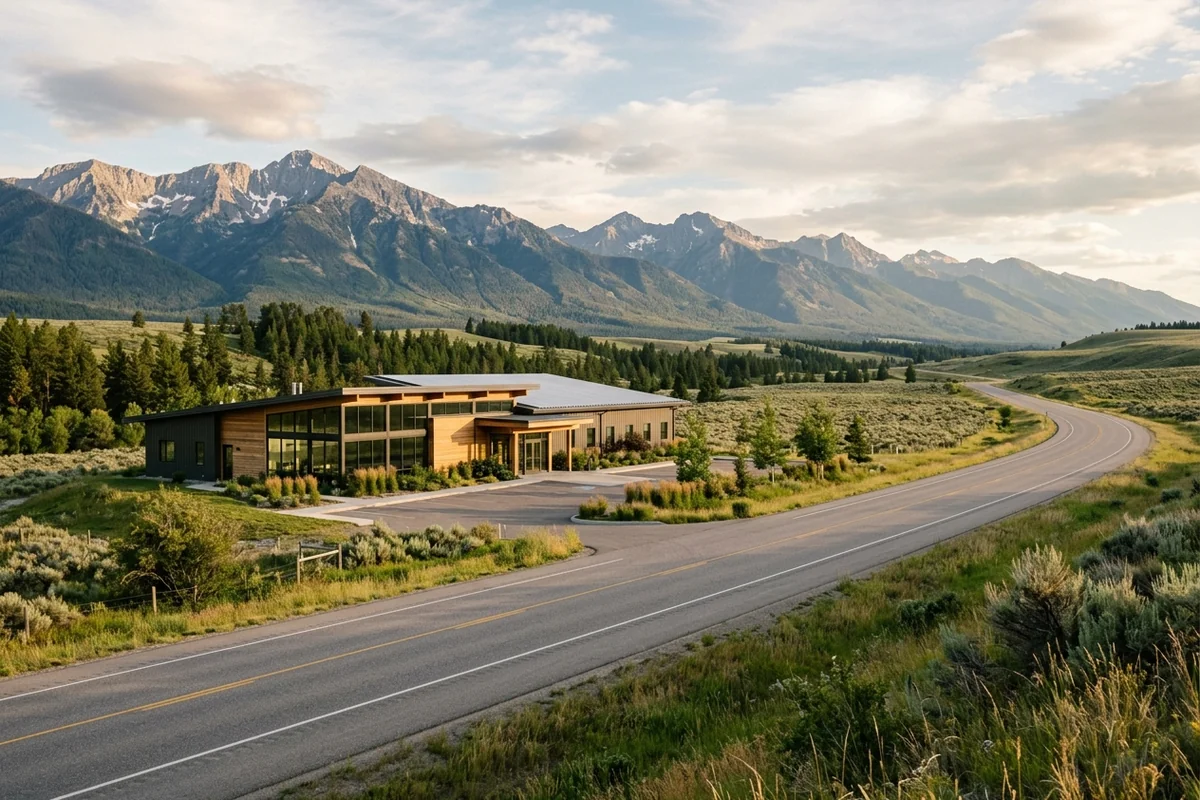
That’s no longer accurate. The organization’s current headquarters and museum sit at 5237 US Highway 89 South, roughly two miles from I-90’s Exit 333, a location that also happens to be just 56 miles from Yellowstone National Park’s north entrance.
If you’re navigating from an older source, double-check the current Highway 89 address before you go, or you may end up circling downtown Livingston looking for a building the museum left behind. [verify current address directly with flyfishersinternational.org before your visit]
Conservation Is the Point, Not an Afterthought
It’s worth understanding that Fly Fishers International isn’t purely a nostalgia-driven historical society. Conservation sits at the core of the organization’s mission, alongside education and community, and that priority shapes how the museum actually presents its collection.
Exhibits don’t just celebrate historic tackle and famous fly patterns in isolation — they connect that history to the health of the actual rivers and fish populations the sport depends on.
An organization built around “fish in all waters” as a founding principle has a genuine stake in habitat protection, water quality, and sustainable angling practices, and that conservation thread runs through the educational programming as much as the historical displays.
That framing matters if you’re visiting with any interest in Montana’s rivers beyond just fly fishing specifically.
Understanding how a national fishing organization thinks about conservation gives useful context for anyone curious about the broader health of Montana’s famous trout streams, well beyond the sport itself.
Visiting With Kids
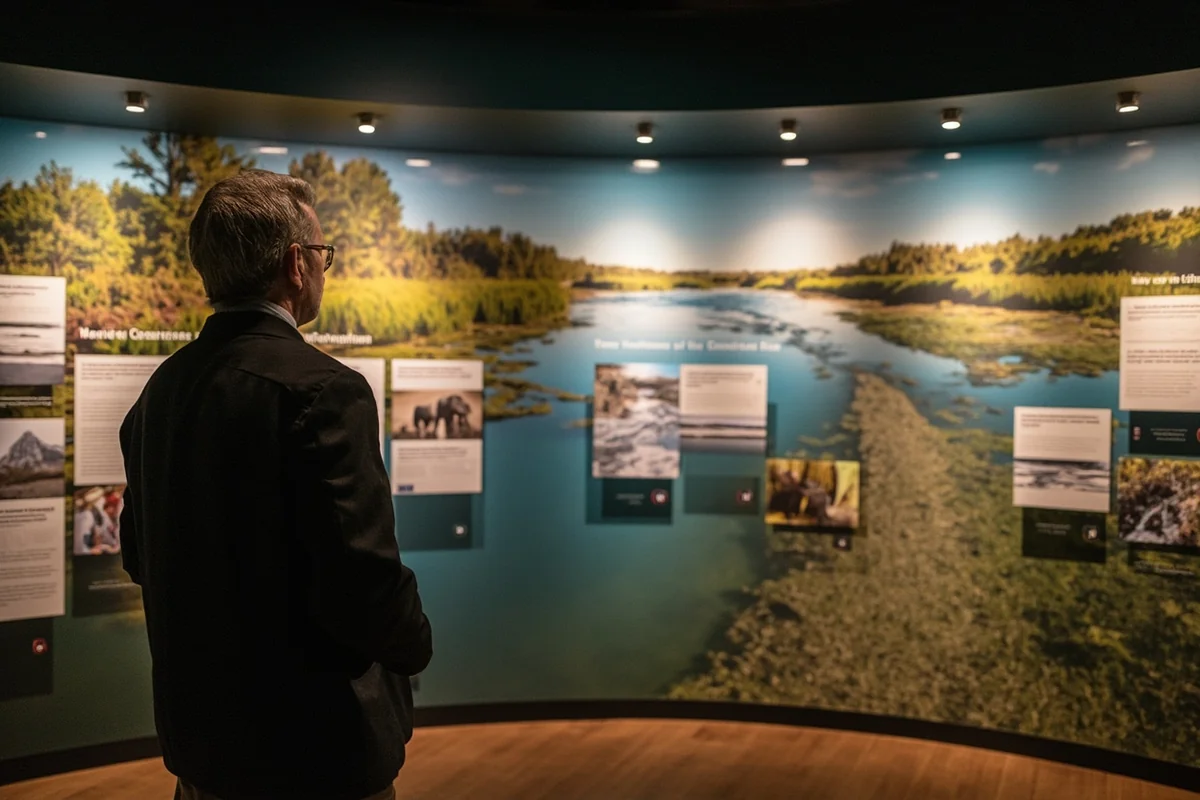
This museum genuinely welcomes families, and the fly fishing day camps offered to children of all ages give younger visitors a way to engage far beyond a passive walk-through. The live fish tanks are the obvious highlight for most kids, offering something tangible and moving to look at rather than static historical displays alone.
If your visit lines up with summer casting lessons, this is a genuinely good, low-cost way to introduce kids to fly fishing basics without committing to a full guided trip or expensive gear rental.
Even kids with no prior interest in fishing specifically tend to respond well to watching cutthroat trout up close, and the sheer visual variety of 10,000 different flies gives younger visitors something colorful and detailed to examine at their own pace.
Given the museum’s relatively compact size, this works well as a shorter family stop, especially if you’re already planning time along the Yellowstone River or in Paradise Valley during the same trip.
Frequently Asked Questions
Do we need any fly fishing experience or equipment to get value from a visit?
No — the museum and its programming are explicitly designed to welcome complete beginners and non-anglers, and no experience or personal gear is necessary.
Is the museum the same as the old International Fly Fishing Center some sources mention?
Yes — it’s the same institution, now operating under Fly Fishers International’s current branding, and now located at the Highway 89 South headquarters rather than the older downtown Livingston location some sources still reference.
Are the casting lessons only for adults, or can kids participate too?
The organization specifically offers fly fishing day camps for children of all ages, in addition to general public casting lessons, making this a genuinely family-friendly educational stop.
Is there a fee to fish the actual rivers near Livingston after visiting the museum?
Yes, Montana requires a fishing license for anglers actually fishing local waters, separate from any museum admission. The museum itself focuses on history, education, and conservation rather than arranging fishing access.
Is parking easy to find?
Yes, the current Highway 89 South location includes on-site parking, making it straightforward to visit compared to navigating downtown Livingston’s more limited street parking.
- The relocation from downtown Livingston to the current Highway 89 location isn’t reflected in a lot of existing travel content, risking a wasted stop at the old address.
- The “only one of its kind in the nation” distinction rarely gets emphasized, even though it’s a genuinely significant claim for a museum this specific in focus.
- The live aquarium rooms get treated as a minor add-on, when they’re actually one of the more memorable, family-friendly parts of a visit.
- The free casting lessons and educational programming almost never get mentioned, reducing this to a “look at old fishing gear” museum when it’s actually a genuinely hands-on, welcoming educational center.
Personal Tips: What I Wish I Knew
- Confirm the current Highway 89 South address before you go. Given the relocation, older maps or bookmarked directions may point you to the wrong building entirely.
- Time a summer visit around the Tuesday or Thursday evening casting lessons if you’re curious to try fly fishing. They’re free and genuinely beginner-friendly.
- Don’t assume this is only for serious anglers. The live fish tanks and general fly fishing history make this a worthwhile stop even if you’ve never held a rod.
- Call ahead if you’re bringing a group. Group reservations are required, though individual walk-ins are welcome without advance notice.
- Ask about current museum walk times. A guided walk has historically run once daily, and it adds real context beyond what you’d get browsing independently.
How This Fits a Yellowstone Country Visit
Livingston sits at the entrance to Paradise Valley, one of the most celebrated trout fishing destinations in the country, making this museum a natural complement to the actual fishing many visitors come to this area to do.
If you’re building a broader Livingston museum day, pairing this with our Yellowstone Gateway Museum guide gives you both the region’s fly fishing legacy and its broader railroad and settlement history.
If you’re continuing east along I-90, our Crazy Mountain Museum guide in Big Timber rounds out another strong Yellowstone Country stop with its own Lewis and Clark connections.
Our Livingston guide covers the rest of what’s worth doing in town, and our Montana museums guide maps how this stop connects to the state’s wider museum landscape.
Given Livingston’s genuine international reputation among serious anglers, this museum also works well as a starting point for visitors who arrive curious about fly fishing’s appeal but unsure where to begin.
Understanding the sport’s history and conservation mission before heading out onto the actual water tends to deepen appreciation for the experience, whether you end up hiring a guide, renting gear, or simply watching from the riverbank.
Practical Info
| Address | 5237 US Highway 89 South, Suite 11, Livingston, MT 59047 |
| Phone | 406-222-9369 |
| Hours | Monday–Friday, roughly 9 a.m.–5 p.m. [verify current hours, as some sources cite slightly different closing times] |
| Season | Year-round |
| Admission | [verify current pricing] |
| Time needed | 1–1.5 hours |
| Good for | Anglers, families, curious non-anglers, anyone interested in conservation-focused museums |
| Nearby pairing | Yellowstone Gateway Museum, Paradise Valley fly fishing outfitters |
Final Thoughts
Fly Fishing Discovery Center earns its “only one of its kind” reputation honestly, holding down a genuinely comprehensive record of fly fishing history in the exact town most anglers already consider hallowed ground. You don’t need to own a rod to appreciate 10,000 hand-tied flies or watch a Yellowstone cutthroat trout glide through a well-lit tank.
Pin this for your Yellowstone Country trip planning, and double-check the current Highway 89 address before you go. If you’ve taken one of the free Tuesday or Thursday evening casting lessons, I’d love to hear how your first cast went in the comments.